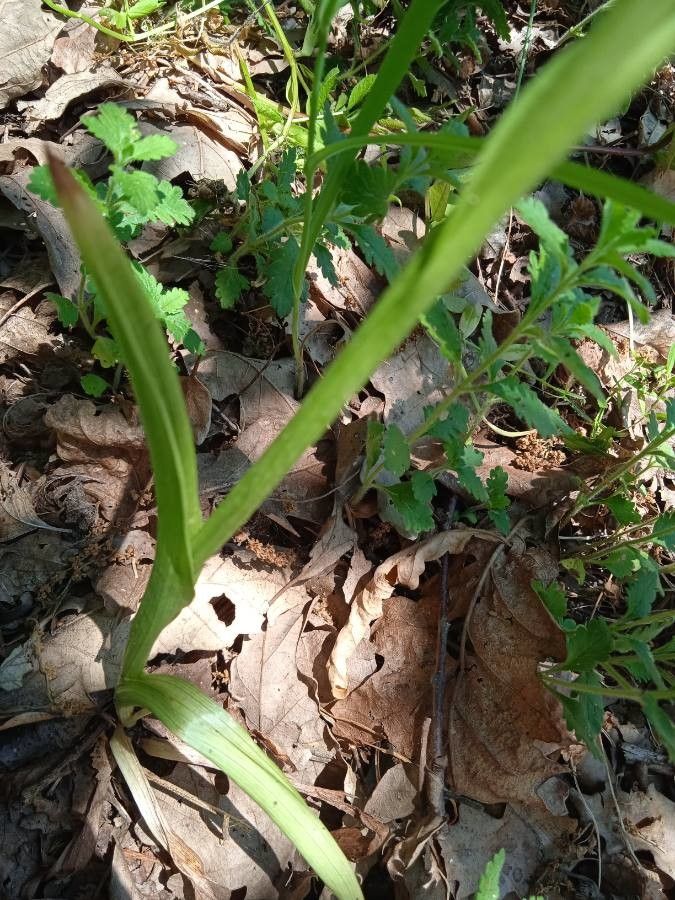
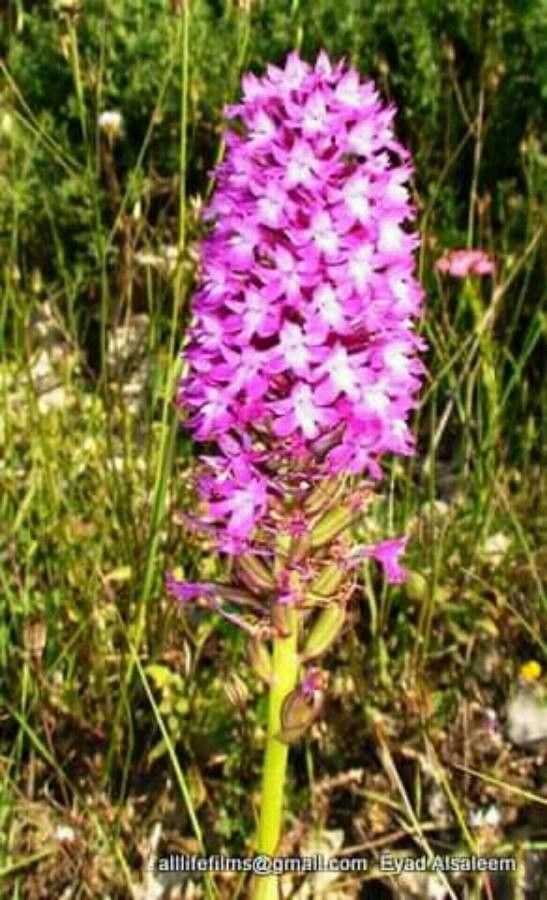
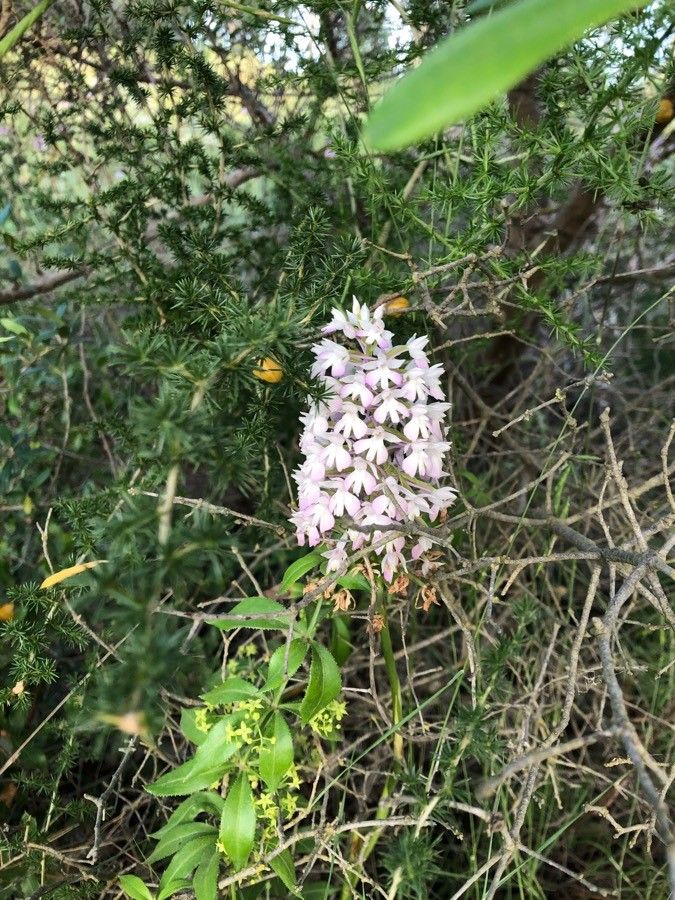
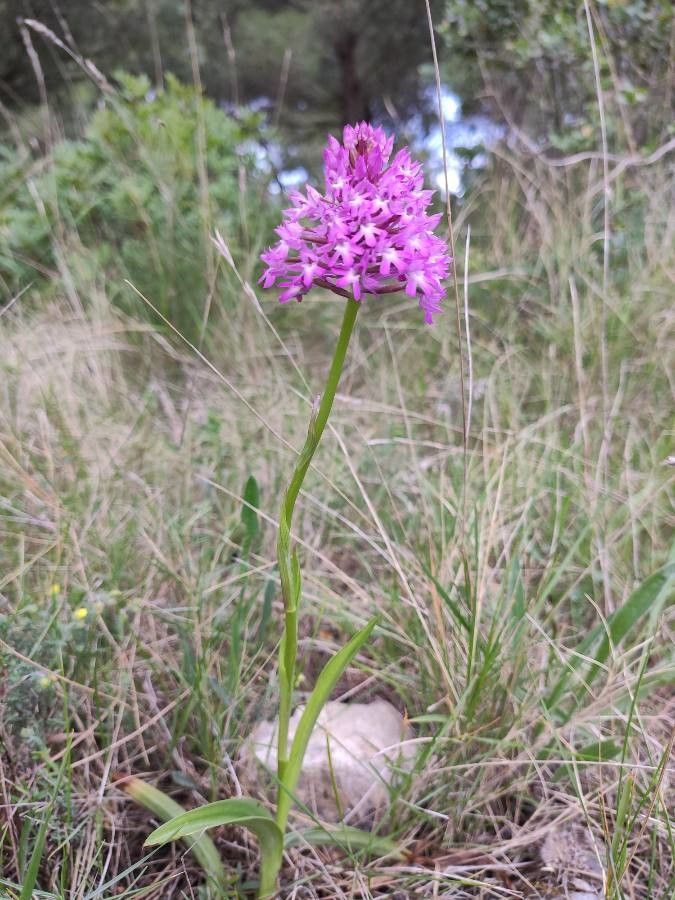
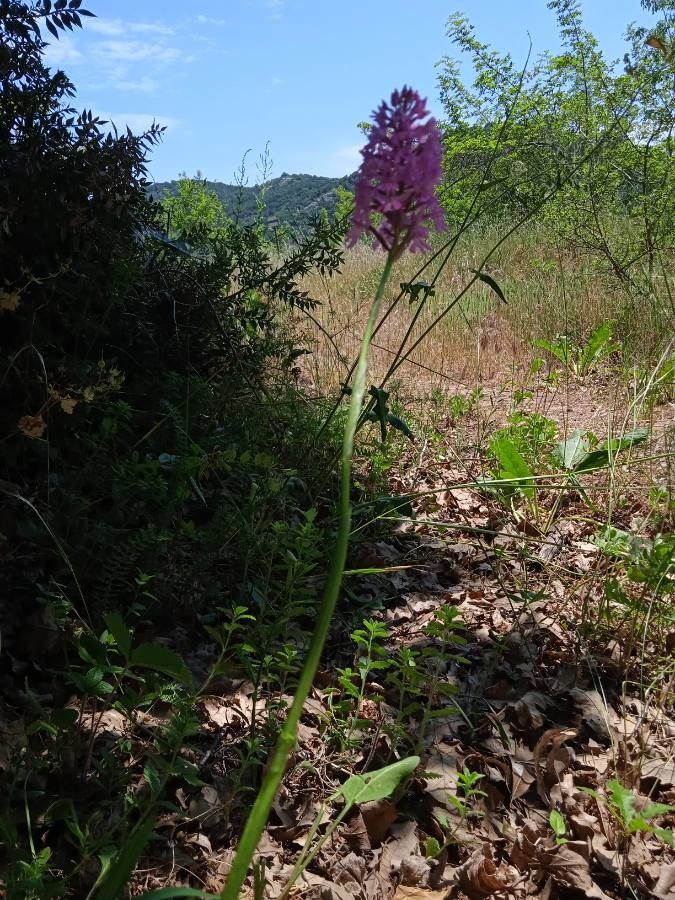
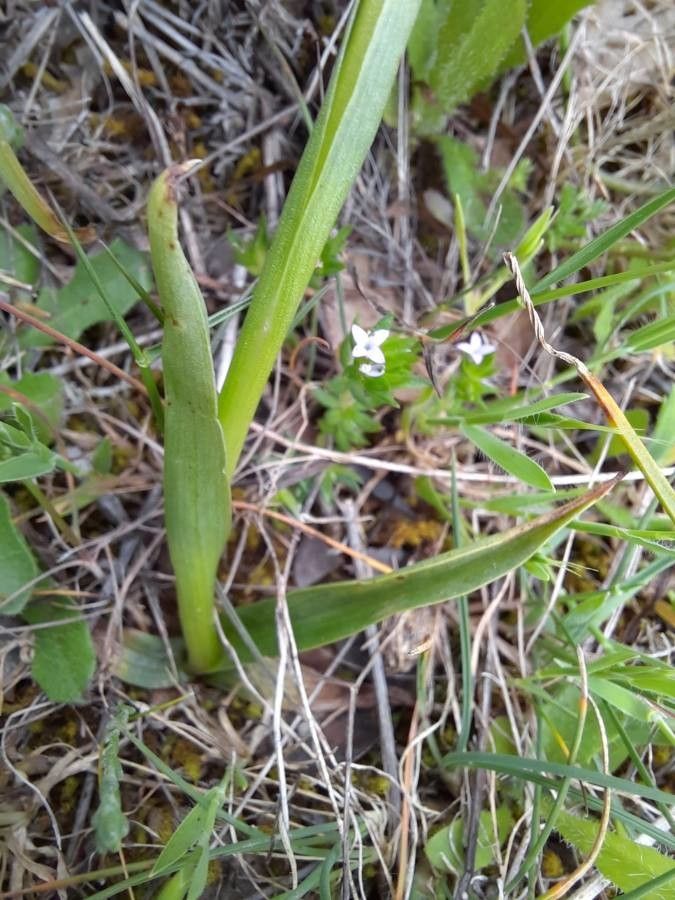
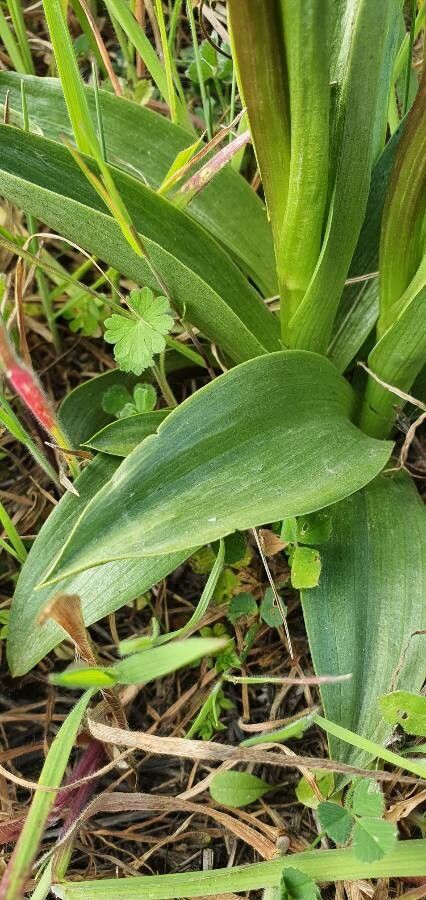
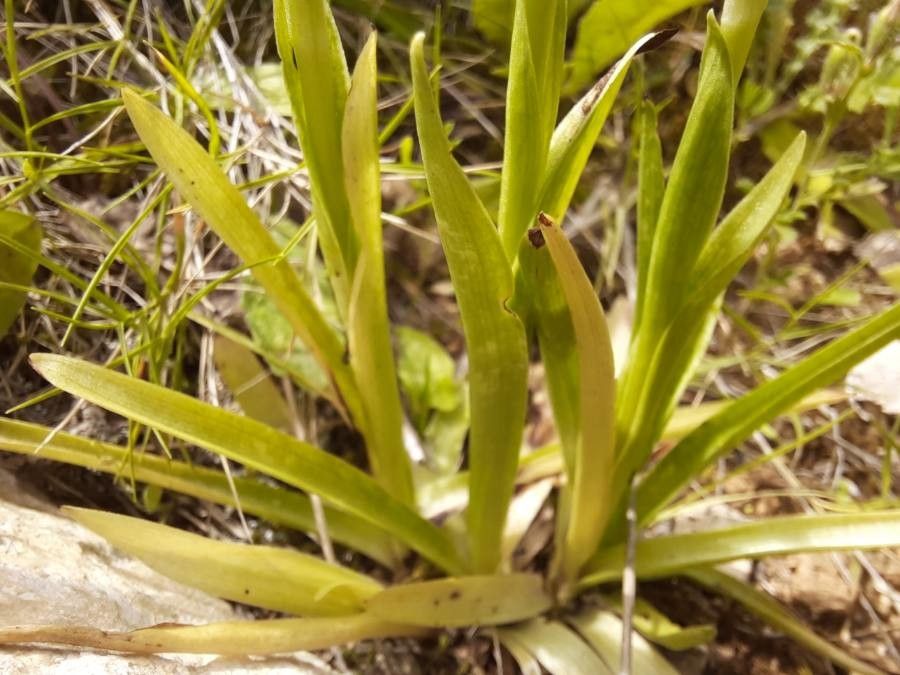
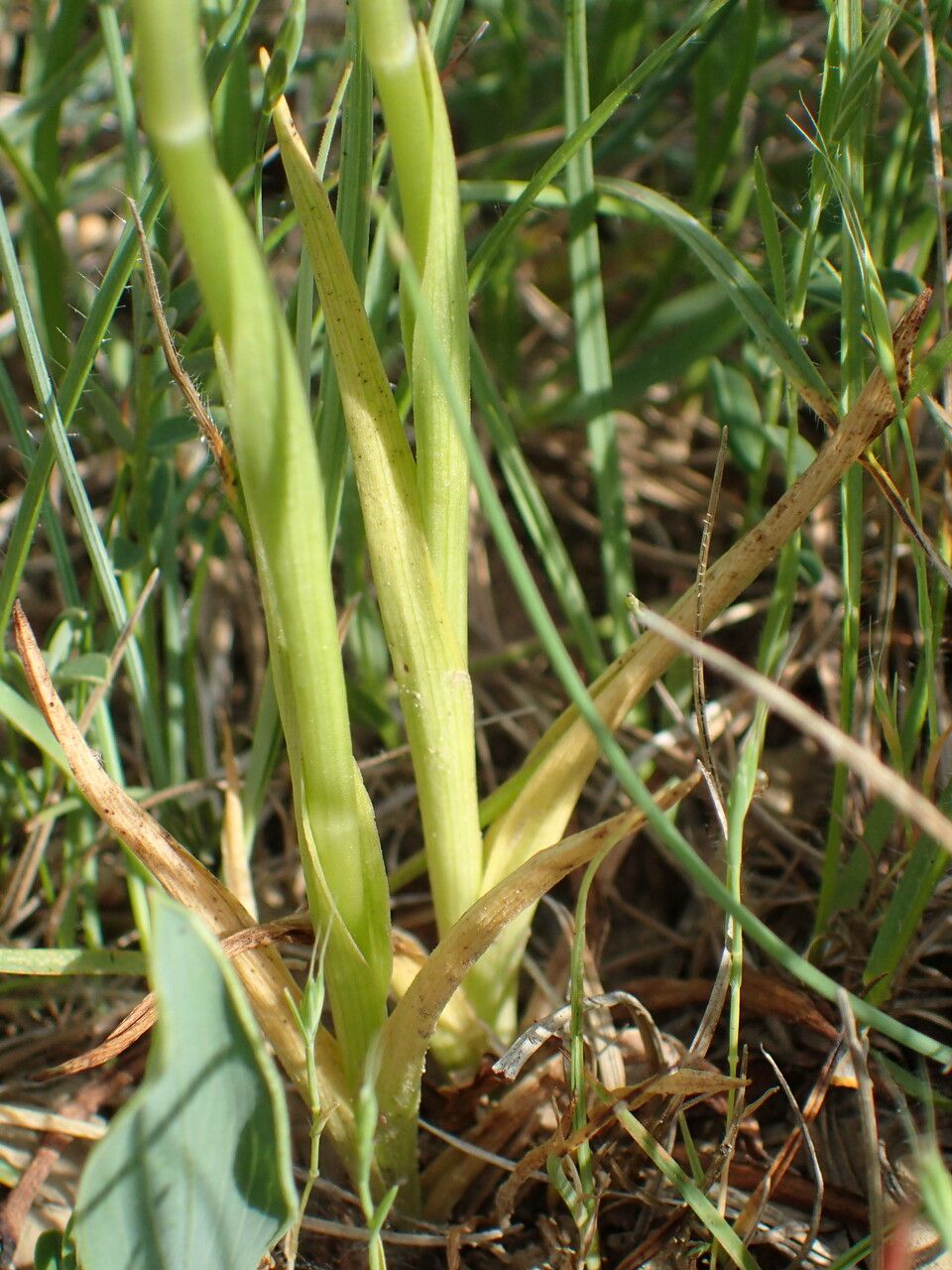
Anacamptis pyramidalis, the pyramidal orchid, is a perennial herbaceous plant belonging to the genus Anacamptis of the family Orchidaceae. The scientific name Anacamptis derives from Greek ανακάμτειν 'anakamptein' meaning 'bend forward', while the Latin name pyramidalis refers to the pyramidal form of the inflorescence.
Pyramidal orchid is generally resistant to disease and is subject to relatively few insect pests. Its care is regarded as difficult because it needs high humidity combined with good ventilation and minimal harmful pathogens. Overwatering can cause root rot. While anyone can grow a Pyramidal orchid, keeping it healthy and getting it to bloom again requires more cultivation experience.
How to keep Anacamptis Pyramidalis.
Light
The pyramidal orchid grows best with plentiful sunlight, meaning it does well when it is not lacking solar light. Nevertheless, it can withstand conditions with somewhat reduced sun exposure. Too much or too little sunlight can make the plant wilt or cause its growth to stop, so a balanced amount of light is important for its health.
Water
The pyramidal orchid flourishes in Mediterranean climates, where it prefers a balance of moderate moisture with wet winters and dry summers. To support its growth, water the plant weekly and maintain consistent humidity, particularly during its growing season. When grown outdoors, this herbaceous perennial thrives best when it receives adequate natural rainfall.
Temperature
Pyramidal orchid is native to temperate regions, preferring temperatures between 41 and 95 °F (5 and 35 °C). Known for its adaptability, pyramidal orchid adjusts to seasonal temperature changes while remaining within that range.
Fertilizer
For the Pyramidal orchid, the primary time to apply fertilizer is in early spring while the flowers are developing. Using the appropriate fertilizer promotes better blooms and helps the Pyramidal orchid produce attractive flowers. Fertilizing in early spring helps ensure excellent flowers during the season and provides energy for dormant growth phases.
Pruning
The pyramidal orchid features a dense flower spike and thrives in well-drained calcareous soils. Pruning is minimal and involves deadheading in late spring and removing damaged leaves in early spring. Regular pruning helps increase light and reduce disease risk, and it is recommended to fertilize after pruning to promote healthy growth.
Toxicity
Not particularly toxic.
Further reading →
The toxicity and danger assessments provided are for reference only. We do not assure their accuracy, so it's crucial not to depend on them. Seek professional advice when necessary for accurate guidance.
Botanical profile.
- Plant Type
- Herb
- Life Cycle
- Perennial
- Genus
- Anacamptis
- Family
- Orchidaceae
- Hardiness Zone
- 5-9
- Mature Height
- 30 cm
- Mature Spread
- 15 cm
- Leaf Color
- Green
- Leaf Type
- Semi-evergreen, Deciduous
- Flower Color
- White, Pink, Purple
- Flower Size
- 1.02 cm
- Bloom Time
- Early summer, Mid summer
- Planting Time
- Spring
- Harvest Time
- Mid summer
- Native Area
- Turkey, Sweden, Austria, Slovakia, Montenegro, Croatia, Morocco, Russia, Iraq, Germany, Estonia, Romania, Belgium, Portugal, Netherlands, France, Tunisia, Czech Republic, Cyprus, Bulgaria, Poland, Armenia, Greece, Ukraine, Lebanon, Serbia, Syria, Italy, Spain, Switzerland, Denmark, Iran, Albania, Ireland, United Kingdom, Hungary, Algeria, Azerbaijan, Turkmenistan
Other names.
Reader questions.
How should I water my Pyramidal orchid?
The way you water your Pyramidal orchid depends on whether it is actively growing or not. If it is actively growing, you should water the soil and occasionally water from above if it is warm. In winter or cool and wet weather, stick to watering the soil directly. You'll know if your orchid needs more water if the roots and leaves are dry or discolored. If it receives too much water, it will look mushy and limp. Plant your orchid in a pot with good drainage. During the growing season, water it several times a week, making sure the water drains quickly. The amount of water depends on the pot size - larger pots need less water, while smaller pots need more frequent watering. Use rainwater or distilled water, and try to match the water temperature to the air temperature.
Why is it important to add fertilizer to my Pyramidal orchid?
The Pyramidal orchid is mainly made up of leaves, so fertilization is essential for their appearance and function. Proper fertilization ensures consistent color and a healthy texture in the leaves. Fertilization also benefits the orchid's roots, both by promoting new root growth and maintaining the existing root system. This not only keeps the plant healthy in the present but also improves its ability to absorb soil nutrients in the future.
What are the sunlight requirements for Pyramidal orchid?
Pyramidal orchid requires full sun exposure of above 6 hours of sunlight daily to flourish but can also cope with partial sun, meaning about 3-6 hours of sunlight. It is crucial to find the perfect balance of light and shade in your garden to ensure the plant's health. The right amount of sunlight encourages the plant to thrive, whereas too little or too much sun can hinder its growth or cause the plant to wilt.
What is the indigenous climate for Pyramidal Orchid?
The Pyramidal Orchid is indigenous to areas with temperate climates, favoring temperature ranges between 41 to 95 °F (5 to 35 °C). It is known for its adaptability, able to adjust to varying temperatures within this range across different seasons.
What should I do if I give my Pyramidal orchid too much water or not enough water?
To avoid killing your Pyramidal orchid, it's important to prevent the soil from staying too moist for too long. While these plants need frequent watering during their active growth, they also require well-draining soil. When overwatered, the plant becomes mushy and develops root rot. In this case, you should carefully remove any rotting roots with sterile pruning shears and then repot the orchid in a container with good drainage and a fast-draining potting mix. However, repotting too often can be detrimental to the Pyramidal orchid, so it's crucial to find the right balance when it comes to watering. If the plant starts to shrivel and feel dry, it's probably underwatered, and you should increase the watering frequency.
When should I fertilize my Pyramidal orchid for optimal growth?
If you grow your Pyramidal orchid outdoors, it will start to grow new leaves in early spring. This is the sign to begin fertilizing for the year. One application of fertilizer in spring is usually enough, but if you want to maximize growth, you can feed it multiple times throughout spring and early summer. Feed it about once every month to a month and a half if you choose this option.
How essential is sunlight for the growth of Pyramidal orchid?
Sunlight is incredibly essential for the growth of Pyramidal orchid. This plant thrives under abundant exposure to sunrays and performs best when it receives a generous amount of sunlight. Although it can withstand limited sun exposure, its growth may stagnate or the plant may wilt if it's either overexposed or underexposed to sunlight. Achieving a balanced sun exposure is key to maintaining the health and vitality of the Pyramidal orchid.
Does Pyramidal Orchid require special frost protection during winter?
Pyramidal Orchid has strong cold resistance and usually does not require special frost protection measures during winter. However, if temperatures are expected to drop below -25°C, cold protection is important and can be provided by covering the plant with soil or straw. Additionally, watering the plant abundantly before the first freeze of autumn to keep the soil moist can help prevent drought and water scarcity during winter and early spring.
How frequently should I give water to my Pyramidal orchid?
To ensure the health of your Pyramidal orchid during its active growth stage (spring and summer), water it once or twice per week. If the weather is hot and dry for extended periods, you may need to increase watering to three times per week or more. During winter, your Pyramidal orchid still needs watering, but not as frequently. Watering two to three times per month should be enough during the coldest months. However, if you keep your orchid indoors in winter, be aware that indoor locations can dry out the soil faster, so you may need to water more frequently. Use the fall season to gradually decrease watering from the summer rate to your reduced winter schedule.
When is it best not to add fertilizer to my Pyramidal orchid?
During late fall and winter, your Pyramidal orchid goes into a dormant phase without producing new growth. As a result, it's best to avoid fertilizing it during this time. In spring and summer, if you do choose to fertilize, start decreasing the frequency as summer approaches because the orchid's growth rate also slows down. In general, it's not recommended to fertilize your Pyramidal orchid when the weather is extremely hot or the soil is abnormally dry. Fertilizing in these conditions can stress the orchid and lead to its premature death.
Can artificial lighting be used for Pyramidal orchid, and what are the recommendations?
Yes, artificial lighting can be used for Pyramidal orchid, especially when natural sunlight is insufficient. Indoor plants require proper lighting to grow optimally. LEDs are recommended due to their ability to provide specific wavelengths needed by plants. For full sun plants, 30-50W/sq ft of artificial light is needed, partial sun plants require 20-30W/sq ft, and full shade plants need 10-20W/sq ft. Place the light source 12-36 inches above the plant to mimic natural light and ensure the plant receives 8-12 hours of light per day.
How does Pyramidal Orchid respond to low temperatures?
Pyramidal Orchid is cold-tolerant and fares best when temperatures are kept above 5°C. If winter temperatures fall below -20°C, the plant should be protected. Below -25°C, there might not be visible changes during winter, but there could be less sprouting or none at all in the following spring. If this occurs, it's recommended to remove parts that have failed to sprout.