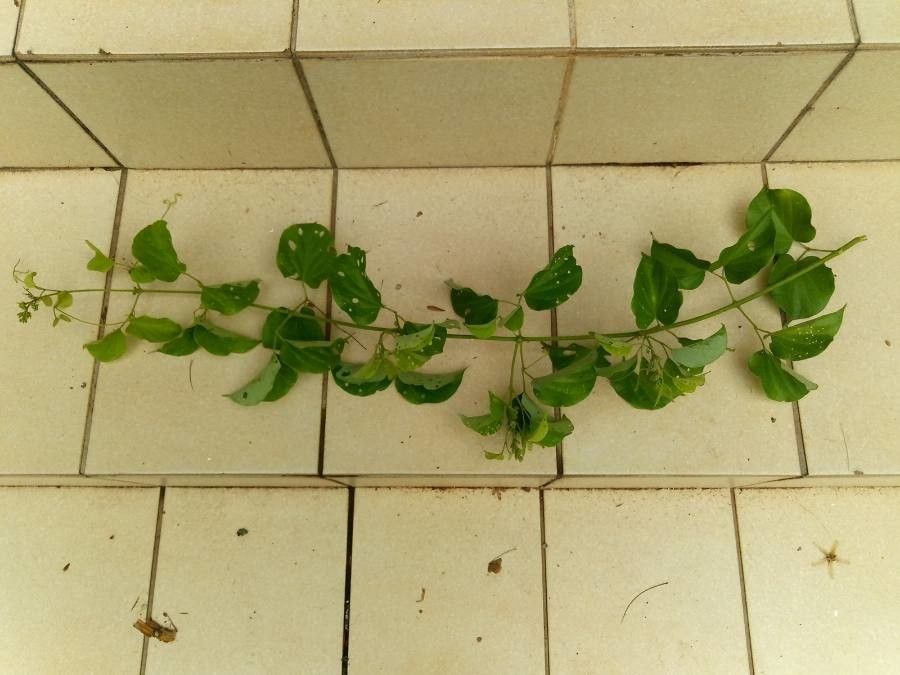
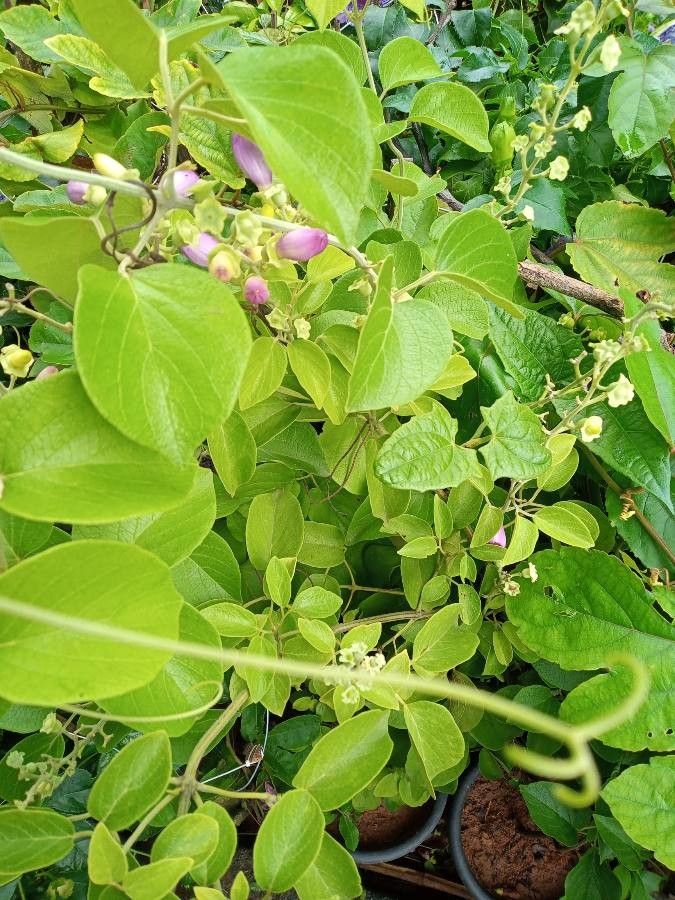
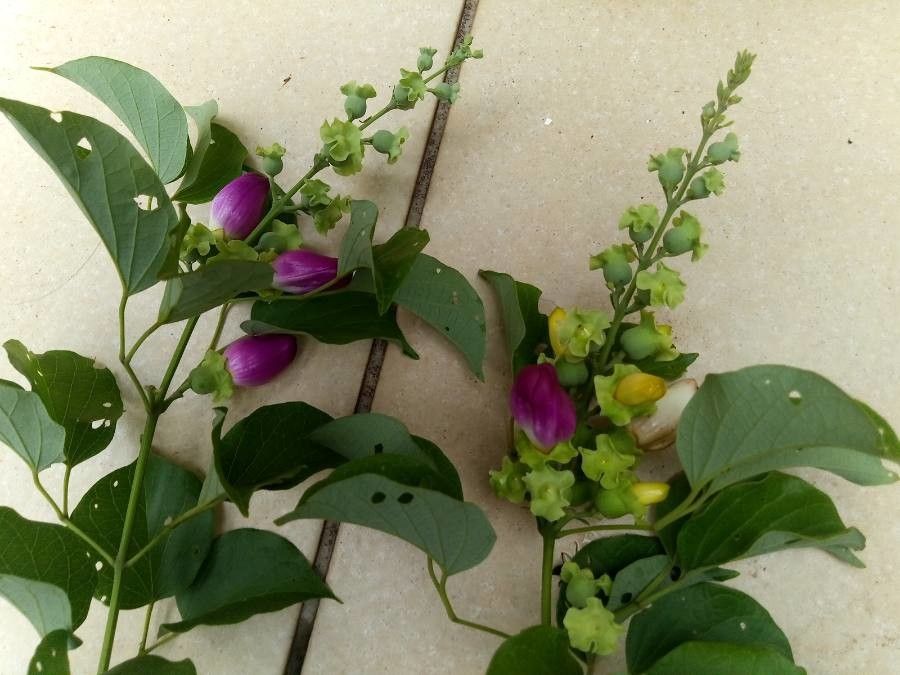
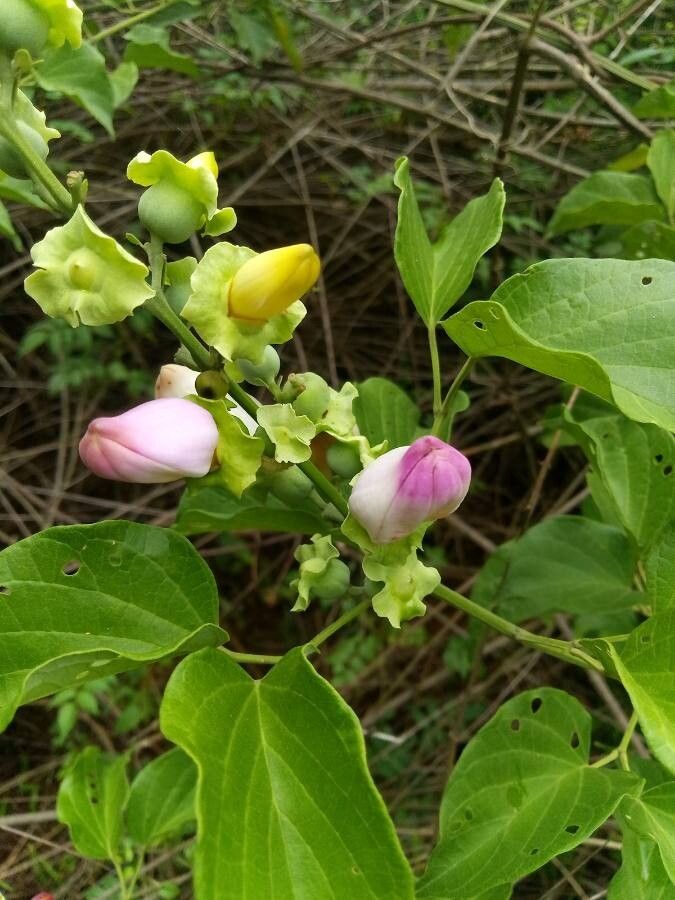
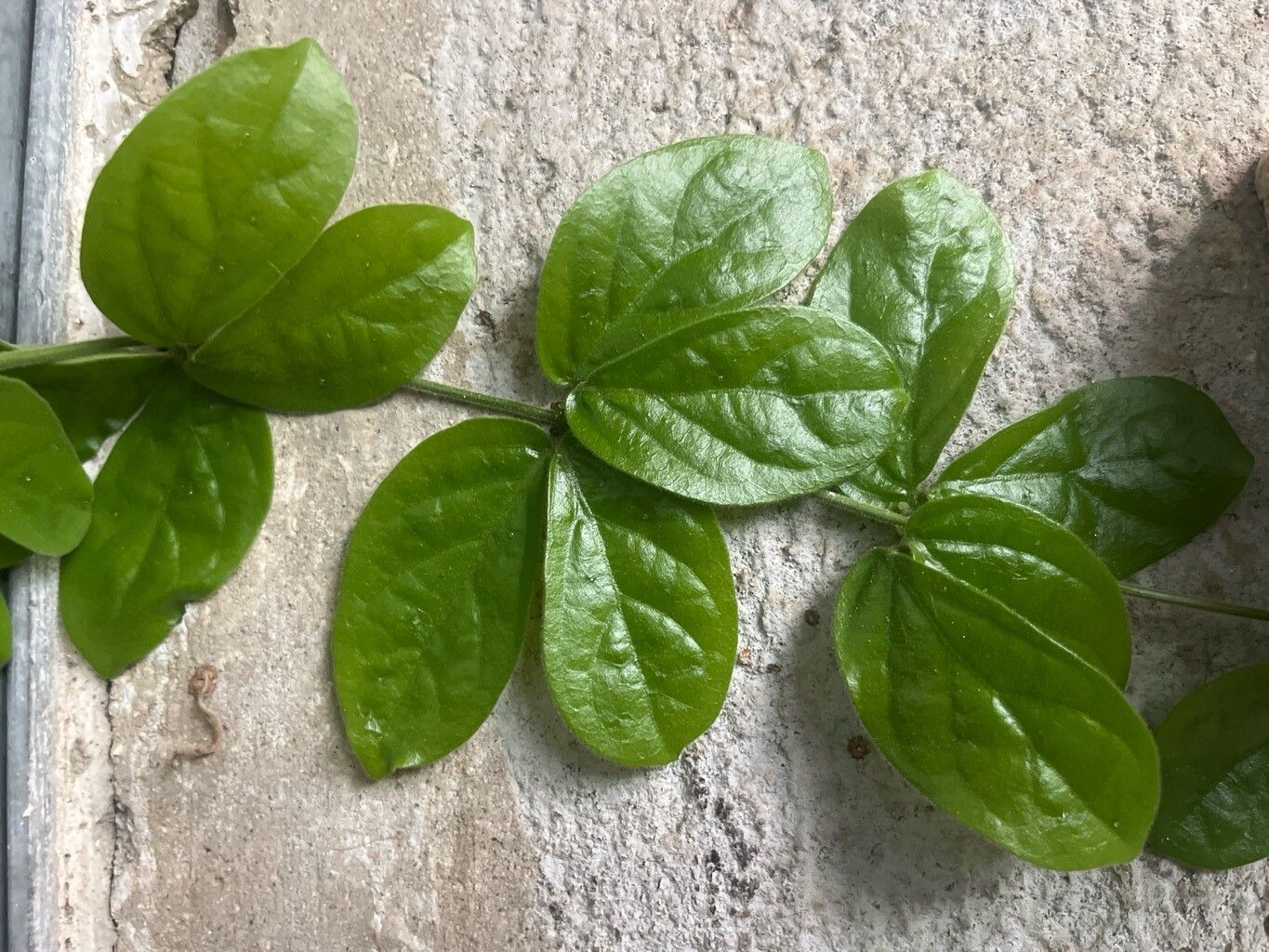
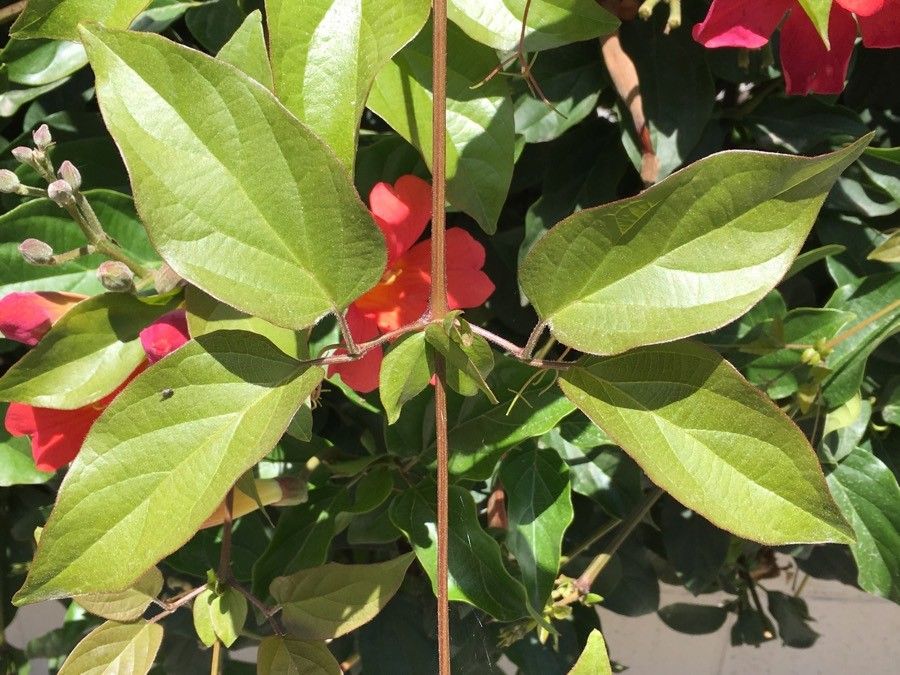
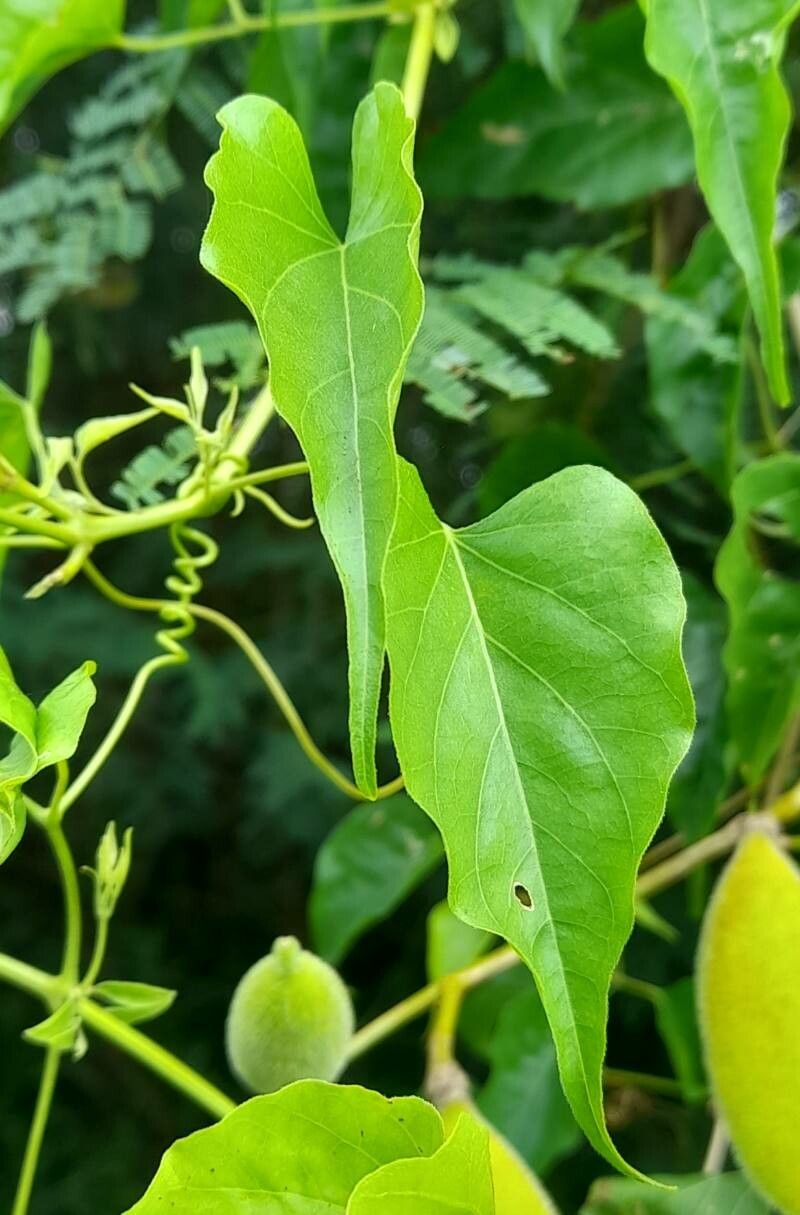
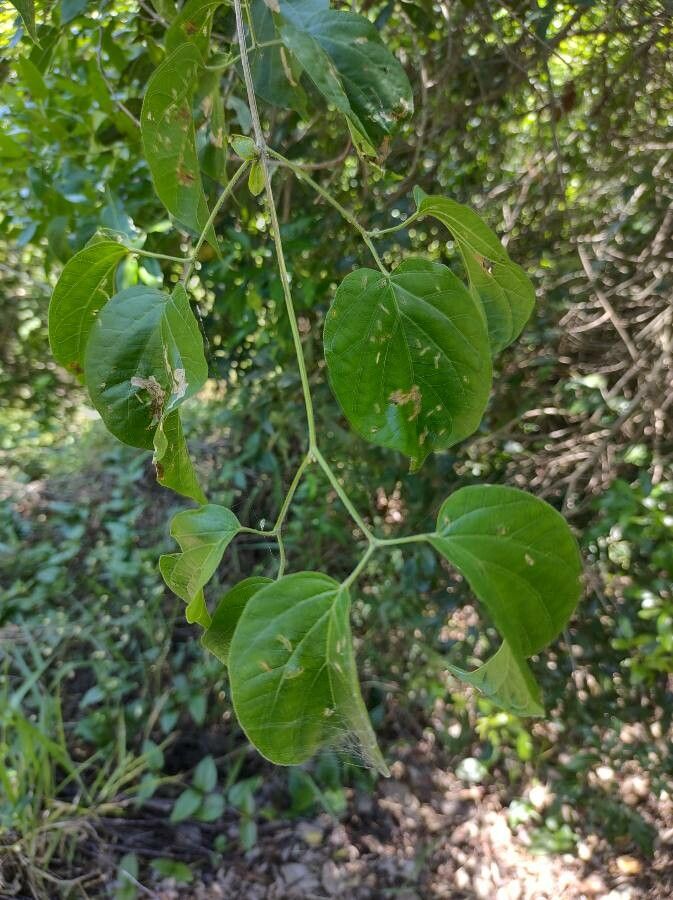
La Liana de cuello presenta buena resistencia a las enfermedades y, en general, no suele ser propensa a ellas. En cuanto a sus cuidados, esta planta es relativamente de bajo mantenimiento. Cuando se planta en el exterior necesita riegos mínimos y las plantas de mayor tamaño por lo general no requieren poda. Sin embargo, las plantas más pequeñas deben podarse después de que hayan florecido. La Liana de cuellot es adecuada para cualquiera que disponga de un espacio al aire libre, como un jardín o una terraza, y no precisa mucha experiencia en cuidados.
How to keep Amphilophium Paniculatum.
Light
Liana de cuello comes from open habitats, such as sunny meadows and forest edges, which offer ample light. It thrives in Full Sun but can also tolerate Partial Sun, adapting well to different sunlight conditions.
Temperature
Liana de cuello proviene de regiones tropicales, donde el clima suele ser cálido y húmedo. Por ello está bien adaptada a las altas temperaturas y a la humedad. No le gustan los cambios bruscos de temperatura y prefiere un ambiente con temperatura estable, por lo que es importante evitar las oscilaciones térmicas en el interior. Habitualmente no tolera el frío y necesita temperaturas más elevadas para desarrollarse. Si la temperatura ambiental desciende demasiado, la planta puede detener su crecimiento o incluso morir.
Fertilizer
The best time to fertilize a Liana de cuello is in early spring, as it breaks dormancy. This encourages overall growth and the development of flowers. Fertilization improves the foliage, stems, and branches, and promotes flowers that are large, vivid, and long-lasting. It helps transfer nutrients from the roots to the flowers and enhances the plant's health and resistance to disease.
Pruning
The Liana de Cuello is a vigorous climbing plant with abundant flowers. To achieve the best results, prune it in early spring by removing weak stems and shaping the plant. Regular maintenance helps prevent overgrowth and structural damage, promoting healthier growth and more blooms, which enhances its ornamental beauty.
Botanical profile.
- Plant Type
- Vine
- Life Cycle
- Perennial
- Genus
- Amphilophium
- Family
- Bignoniaceae
- Hardiness Zone
- 9-11
- Mature Height
- 10.06 m to 20.12 m
- Mature Spread
- 4.88 m to 10.06 m
- Leaf Color
- Dark Green, Forest Green
- Leaf Type
- Evergreen
- Flower Color
- Lavender
- Flower Size
- 3.05 cm to 5.08 cm
- Bloom Time
- Summer, Early fall, Mid fall
- Planting Time
- Spring, Summer, Autumn
- Harvest Time
- Fall, Early winter, Mid winter
- Native Area
- Colombia, Belize, Honduras, Mexico, Guatemala, Bolivia, Venezuela, Peru, Guyana, El Salvador, Nicaragua, Ecuador, Costa Rica, Panama
Other names.