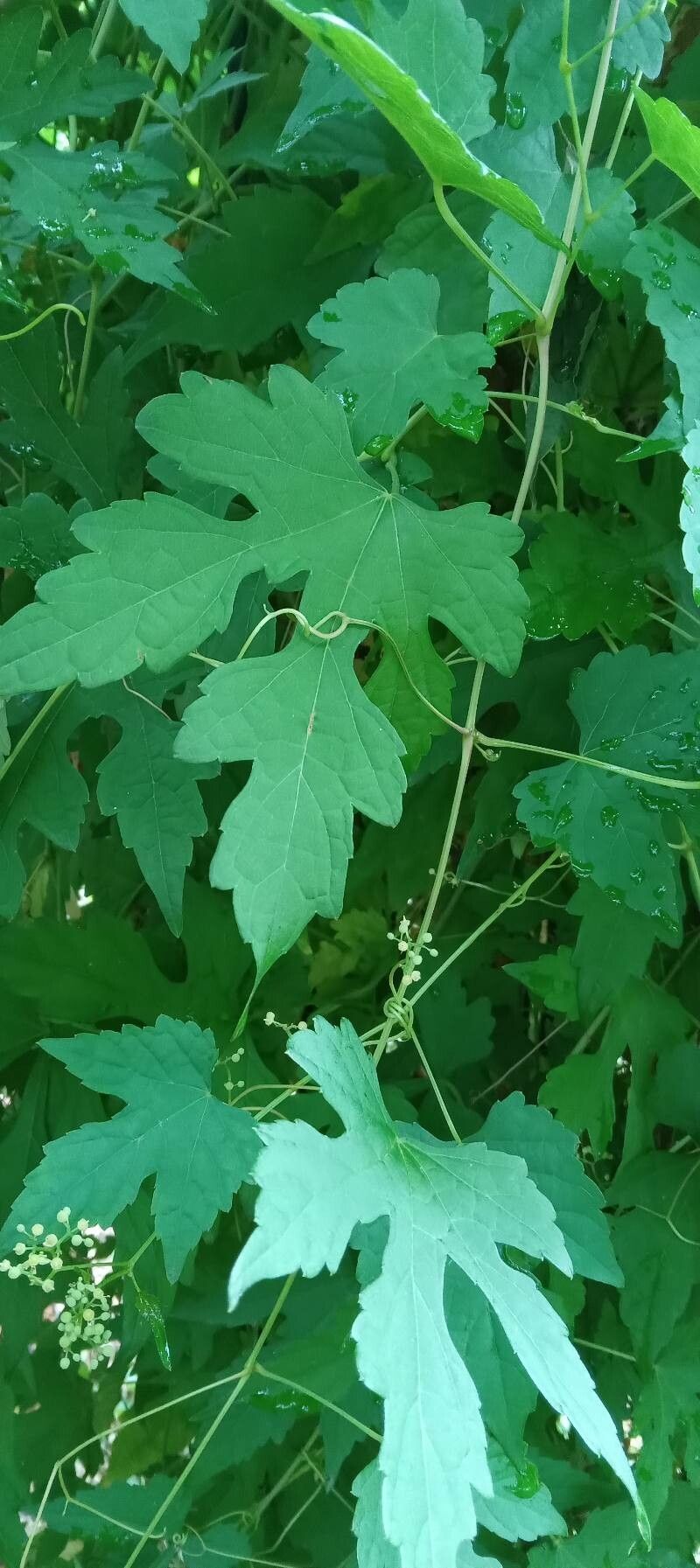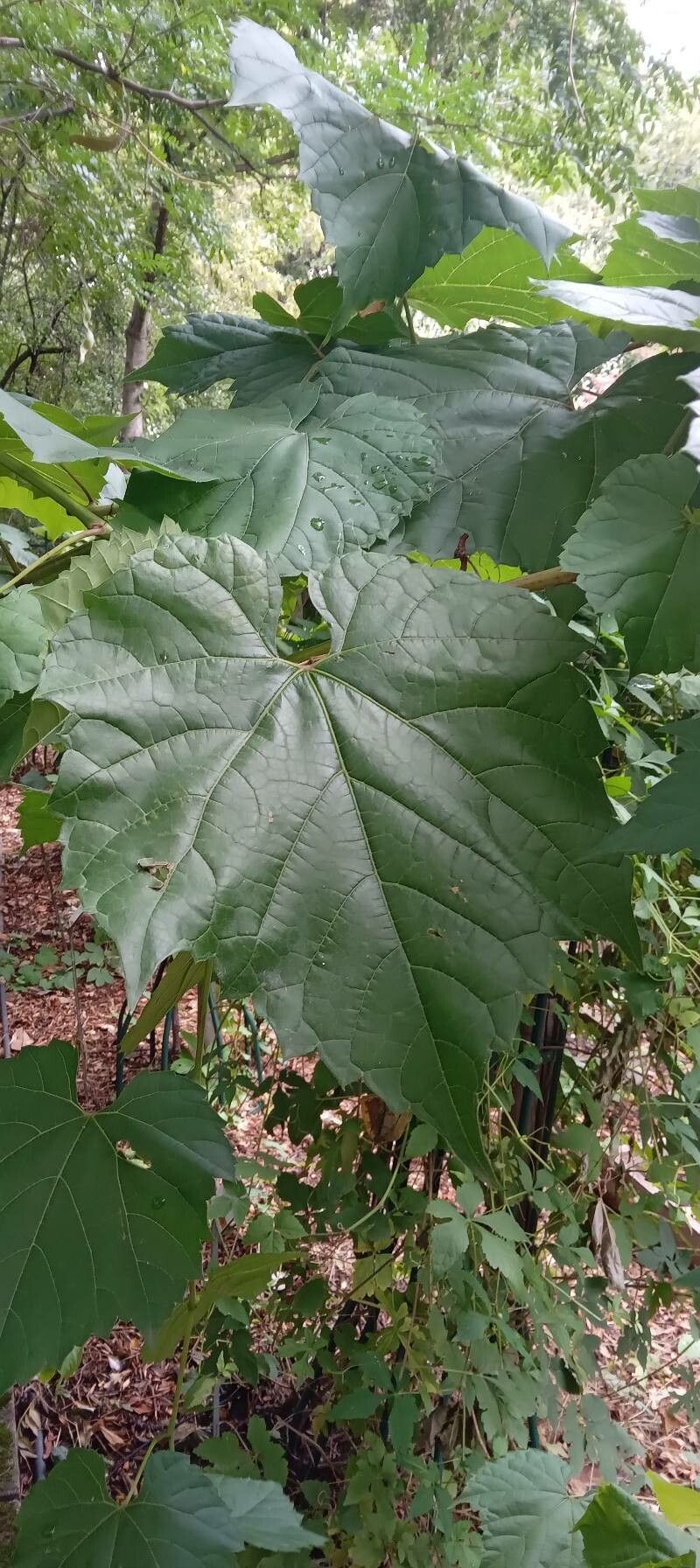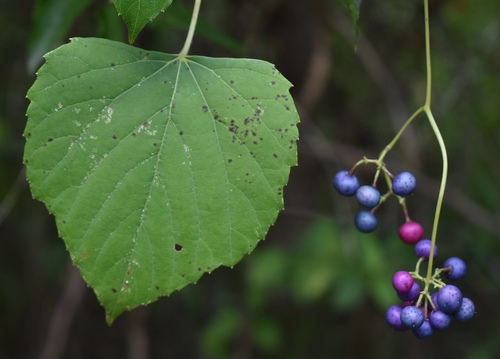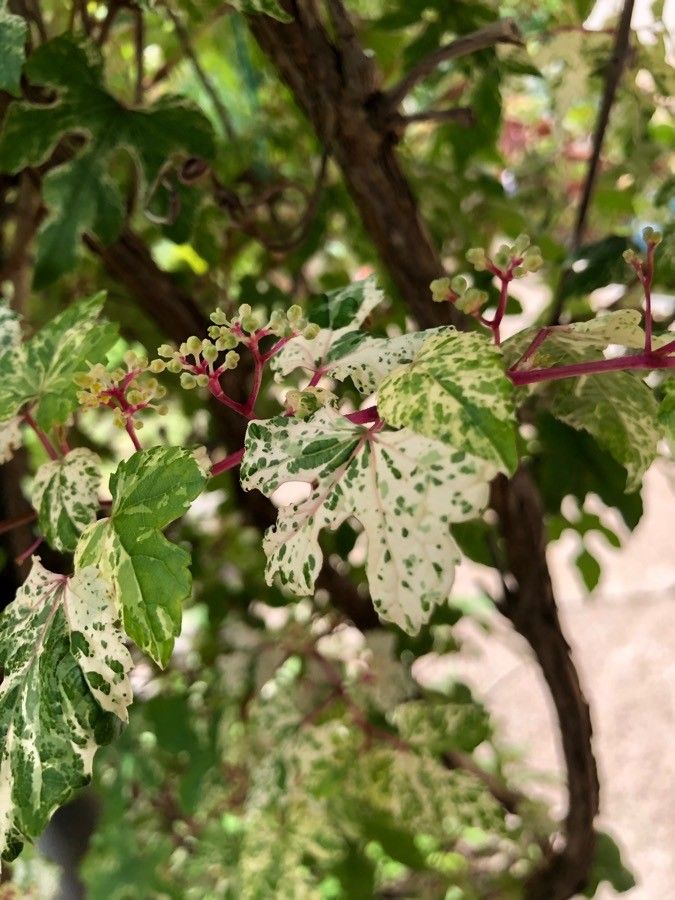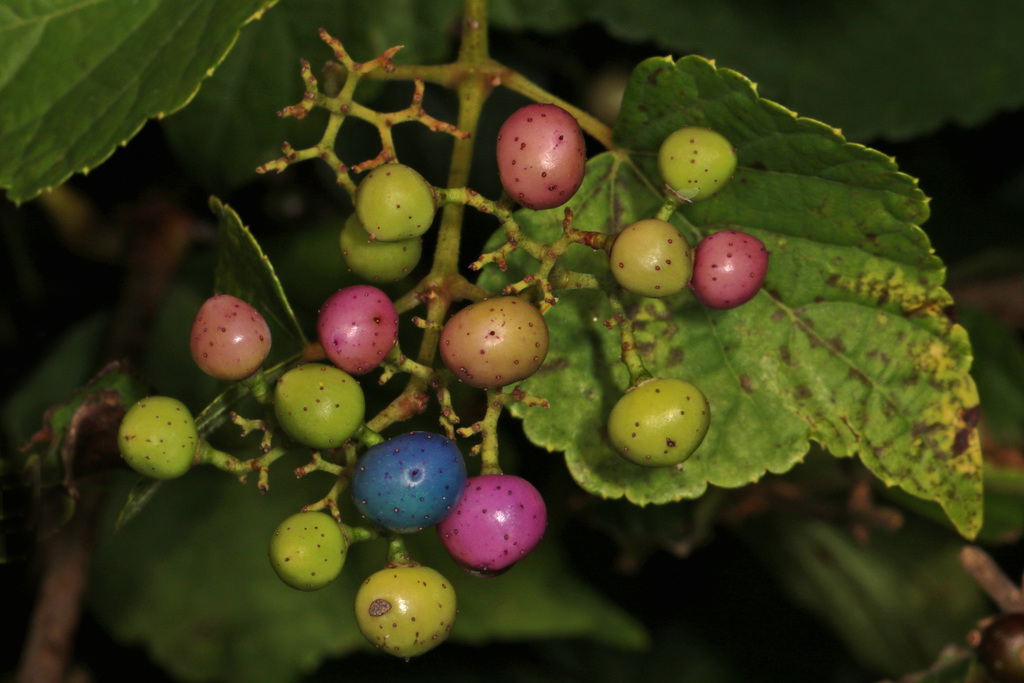
Ampelopsis glandulosa is a species of plant native to China, Japan, India, Nepal, Myanmar, Vietnam, and the Philippines.
Porcelain Berry has strong disease resistance and is generally not susceptible to diseases. Regarding care, this plant is relatively low-maintenance. When planted outdoors it requires minimal watering, and larger specimens typically do not need pruning. However, smaller plants should be pruned after they have bloomed. Porcelain Berry is suitable for anyone with an outdoor space, such as a garden or deck, and does not require a lot of care experience.
How to keep Ampelopsis Glandulosa.
Light
Porcelain Berry grows best in a spot with a balanced mix of sun and shade. It can endure a wide range of light conditions—from deep shade to full sun—but it develops most robustly in moderate light. Too little or too much light may limit its growth. In the wild it occupies varied light environments, demonstrating its adaptability.
Temperature
In its native habitat, porcelain Berry does best at temperatures between 50 to 95 ℉ (10 to 35 ℃). It is a temperate woody plant that can withstand temperatures as low as 41 ℉ (5 ℃). In hotter periods, it benefits from shading or misting to cool the leaves and avoid stress. In colder periods, it may require protection from frost and severe temperature drops.
Fertilizer
Fertilize your Porcelain Berry in early spring to encourage healthy growth. Consistent fertilization improves the plant’s overall health, producing vigorous growth, increased tolerance of challenging conditions, and stronger resistance to diseases and pests. Stick to a set fertilization schedule for your Porcelain Berry to maintain vibrant, deeply colored foliage and a lush appearance.
Botanical profile.
- Plant Type
- Vine
- Life Cycle
- Perennial
- Genus
- Ampelopsis
- Family
- Vitaceae
- Hardiness Zone
- 5-9
- Mature Height
- 6.1 m
- Mature Spread
- 2.13 m to 3.96 m
- Leaf Color
- Green, Yellow
- Leaf Type
- Evergreen
- Flower Color
- Green, White, Yellow
- Flower Size
- 1.52 cm to 2.54 cm
- Bloom Time
- Early summer, Mid summer
- Planting Time
- Spring
- Harvest Time
- Mid summer, Late summer
- Native Area
- China