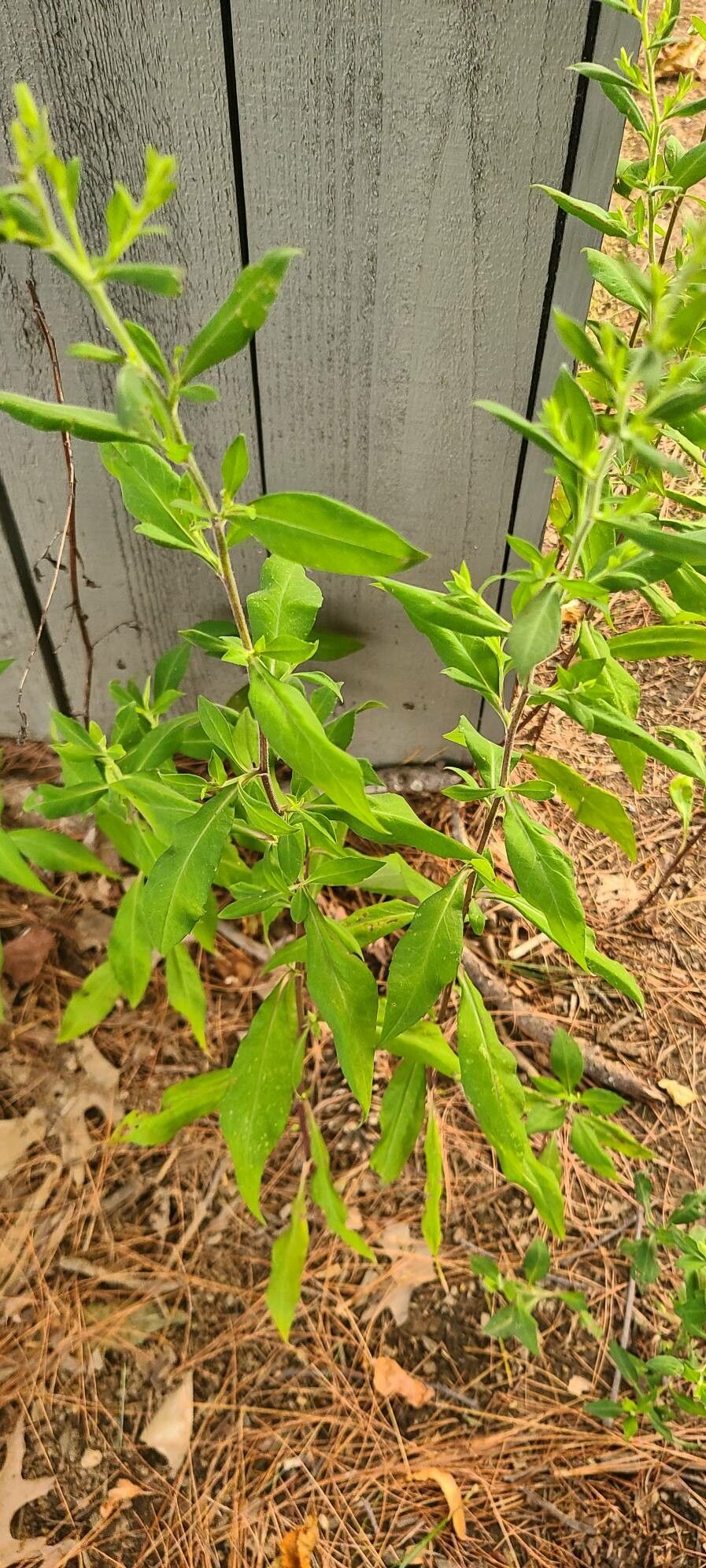
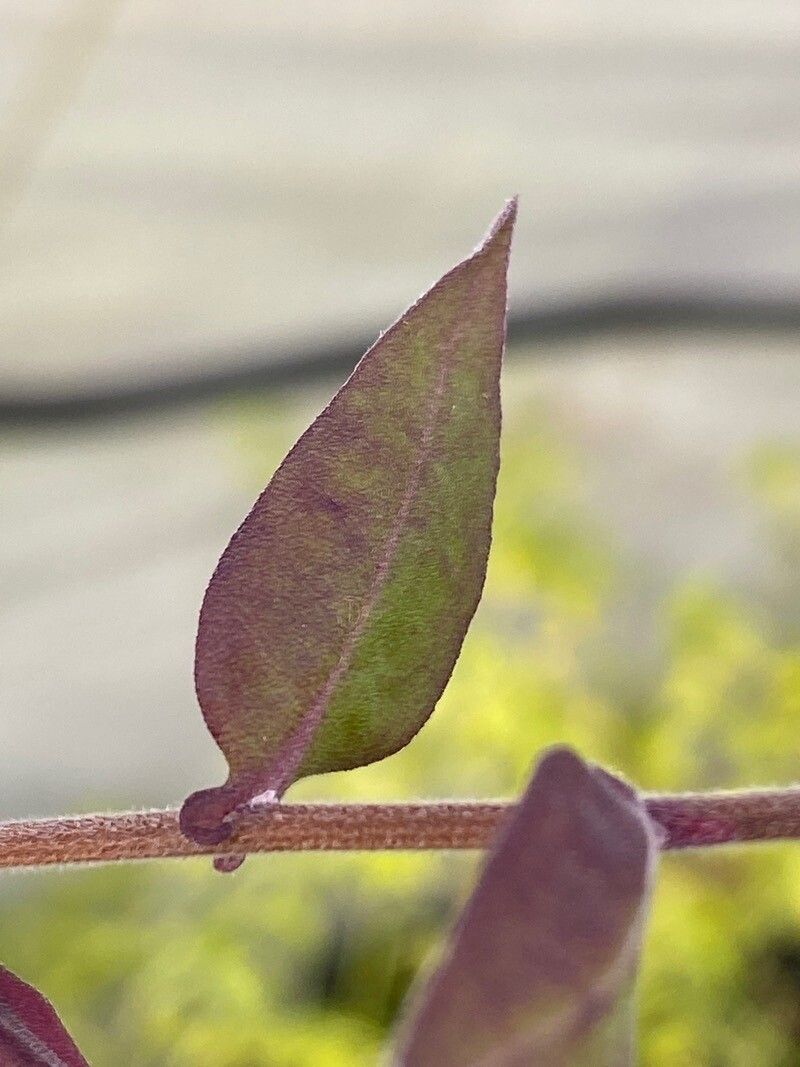
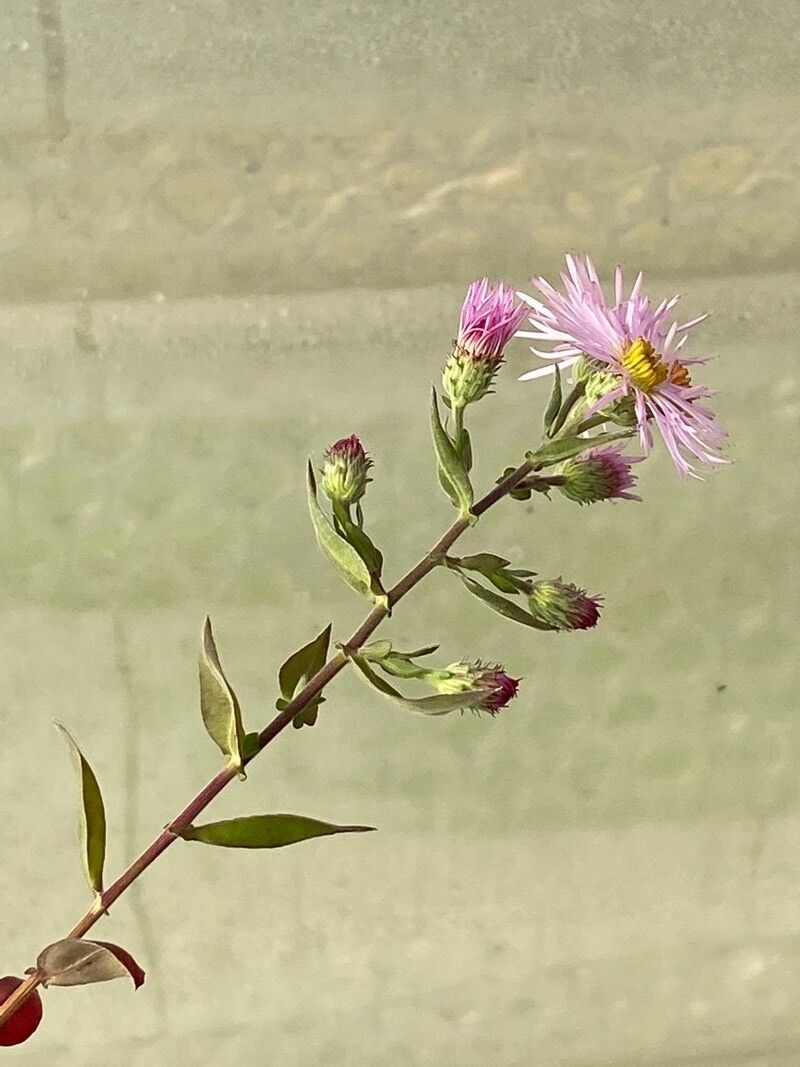
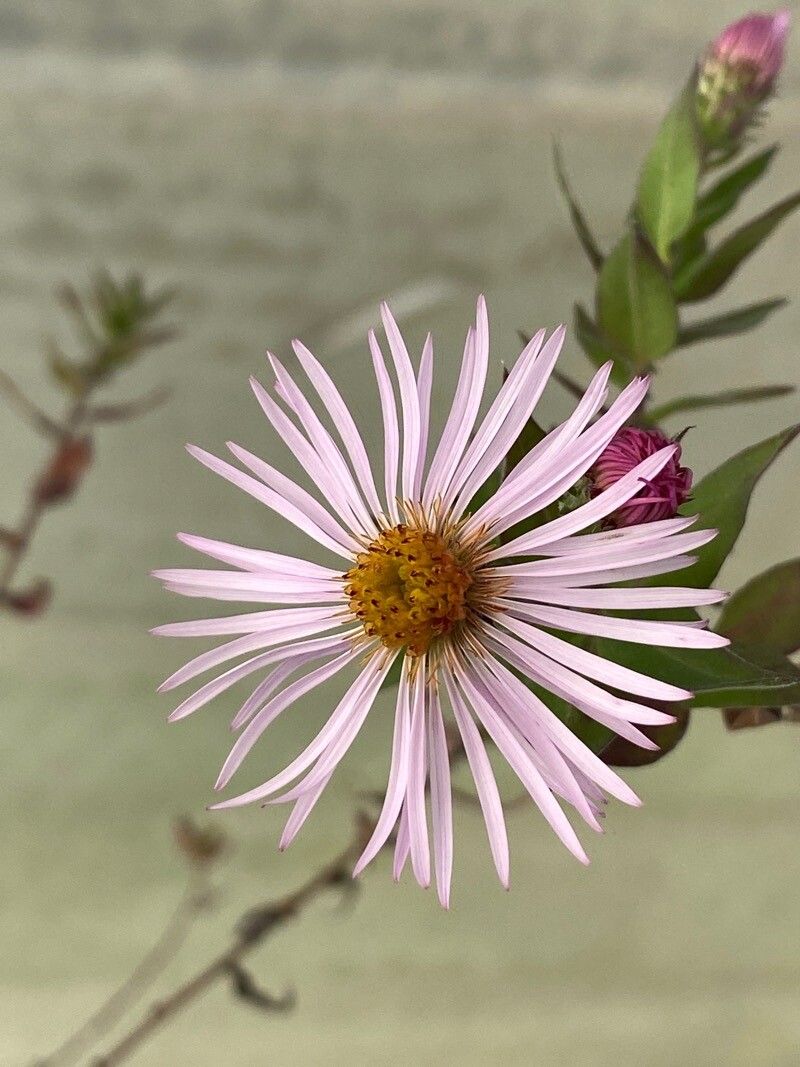
Ampelaster is a North American monotypic genus of flowering plants in the family Asteraceae. There is a single known species, Ampelaster carolinianus, with the common name of climbing aster. It is native to the southeastern United States, in the States of Florida, Georgia, North Carolina, and South Carolina.Ampelaster carolinianus is unusual in the family in that it is a climber, using other plants to support its weight. Sometimes it uses adventitious roots to this end. Flower heads are 1–15 per branch, with both ray florets and disc florets, the flowers pale pink to rose-purple.
Climbing aster is disease-resistant and, overall, not likely to develop illnesses. In terms of care, this plant is fairly low-maintenance. When grown outdoors it needs only light watering, and larger specimens typically do not require pruning. Smaller plants, however, should be pruned after they finish blooming. Climbing aster is suitable for anyone with an outdoor space, such as a garden or deck, and does not demand much care experience.
How to keep Ampelaster Carolinianus.
Light
Climbing aster does best with plenty of sunlight but can tolerate moderate light levels. While it favors a generous amount of sun, it can adjust to locations with less direct sunlight. Too much shade can reduce its vigorous growth and vitality. The light conditions in its native habitat reflect these same preferences.
Water
Climbing aster is well-suited to humid woodlands and thrives with moderate watering. It should be watered every one to two weeks to mimic natural rainfall patterns. This plant prefers to grow outdoors and does especially well in temperate gardens with favorable rain conditions. Its resilience makes it an excellent choice for these environments.
Temperature
The climbing aster is native to temperate regions and tolerates a range of temperatures, ideally between 50 to 100.4 °F (10 to 38 ℃). In winter, keep the plant a bit cooler within that preferred range to promote healthy growth.
Fertilizer
Timing is important when fertilizing Climbing aster. Apply fertilizer in early spring and continue monthly through early summer. Fertilizer promotes attractive blooms and supplies energy during both dormant and active growth periods.
Pruning
The climbing aster is a flowering vine celebrated for its profusion of blooms. To encourage healthy growth and more vibrant flowers, prune it in early spring by removing any dead or weak stems. Regular pruning also enhances air circulation and helps shape the plant, allowing for better sunlight penetration and improved structural support.
Botanical profile.
- Plant Type
- Vine, Shrub
- Life Cycle
- Perennial
- Genus
- Ampelaster
- Family
- Asteraceae
- Hardiness Zone
- 6-11
- Mature Height
- 3.35 m
- Mature Spread
- 91 cm
- Leaf Color
- Green
- Leaf Type
- Deciduous
- Flower Color
- Pink, Lavender, Purple
- Flower Size
- 2.54 cm to 7.62 cm
- Bloom Time
- Early fall, Mid fall
- Planting Time
- Spring, Summer
- Harvest Time
- Mid fall, Late fall
Other names.
Reader questions.
What are the sunlight requirements for Climbing aster?
Climbing aster thrives best in locations that offer full sun exposure, which means the plant should receive more than 6 hours of direct sunlight per day. However, it can also grow well in partial sun conditions, receiving about 3-6 hours of sunlight daily. It's important to observe your garden's sunlight patterns to ensure you place your Climbing aster in a spot that aligns with these needs, providing the perfect balance of light and shade for optimal growth.
What is the ideal temperature range for Climbing Aster?
Climbing aster, known botanically as Ampelaster carolinianus, thrives in temperate climates. The ideal temperature range for the health and growth of climbing aster is between 50°F (10°C) and 100.4°F (38°C). It's important to maintain this temperature range to ensure the plant's health, especially during the winter when it prefers the cooler temperatures within this spectrum for optimal growth. Even with its strong cold resistance, care should be taken when winter temperatures are expected to drop below -25°C by providing additional cold protection.
How does Climbing aster react to different light conditions?
Climbing aster is adaptable to a range of sunlight conditions. While it flourishes under the abundance of sunlight, it can also manage moderate light conditions. However, too much shade can impede its growth and vitality, indicating its preference for the light conditions of its native habitat. Nonetheless, when natural sunlight isn’t sufficient, especially during winter or in less sunny spaces, artificial lights can be a solution, ensuring the plant receives enough light to promote healthier and faster growth.
How can I protect Climbing Aster from extreme cold?
Despite the climbing aster's robust cold resistance, extreme winter conditions with temperatures dropping below -25°C might pose a risk to the plant. To protect it in such conditions, you can wrap the trunk and branches with insulating materials such as non-woven fabric or cloth. It is also recommended to water the plant abundantly before the first freeze of autumn. This ensures the soil around the plant remains moist and enters a frozen state which can help prevent drought and water scarcity for the plant during the cold winter months and early spring.
What are some key tips for using artificial lighting with Climbing aster?
When using artificial lighting for Climbing aster, particularly in scenarios with insufficient natural sunlight, there are several tips to follow for optimal growth. Choose the right type of artificial light, such as LED lights, which can be customized to the specific needs of the plant. Ensure the artificial light provides enough watts per square foot based on the plant's sunlight requirement (full sun, partial sun, or full shade). Position the light source correctly, about 12-36 inches above the plant, and mimic natural daylight hours by keeping the lights on for 8-12 hours per day.
What should I do if the Climbing Aster encounters low temperatures beyond its tolerance?
Climbing aster is highly tolerant of cold and flourishes when the temperature remains above 10°C. However, should the temperature fall below -15°C and especially under -25°C, the plant might not show immediate distress during winter, but come spring, the branches may become brittle and dry. You might also notice that no new shoots emerge. If this happens, it is recommended to prune away dead branches that have failed to produce new leaves in spring to help rejuvenate the plant.
What symptoms indicate Climbing aster is not receiving enough light?
Symptoms of insufficient lighting in Climbing aster include smaller new leaves, leggy or sparse growth, faster leaf drop, and slower or halted new growth, which indicate the plant may be struggling in low-light conditions. Additionally, leaves may develop irregular color patterns, appear lighter or show signs of chlorosis (yellowing due to the breakdown of chlorophyll), suggesting the need for more sunlight.
What are the signs of heat stress in Climbing Aster and how can it be mitigated?
During the hot summer months, it is essential to ensure that the climbing aster's temperature does not exceed 38°C. Exposure to temperatures above 43°C can cause the leaves to lighten in color and the tips to become dry and withered, making the plant more prone to sunburn. To mitigate heat stress, trim away the sunburned and dried parts of the plant. Moving the plant to a shaded location or using a shade cloth can protect it from the harsh midday and afternoon sun. Adequate watering in the morning and evening will also help keep the soil moist and reduce the risk of heat stress.
What symptoms indicate Climbing aster is receiving too much light?
Excessive sunlight can lead to several negative symptoms in Climbing aster, including sunscald, Leaf curling, wilting, leaf scorching, and chlorosis. These symptoms manifest as damage or alterations to the plant's leaves and stems, indicating that the plant may be exposed to more direct sunlight than it can handle, negatively impacting its overall health and ability to photosynthesize properly.
How can I address Climbing aster's light needs indoors and outdoors?
To address Climbing aster's light needs effectively, for indoors, gradually move your plants to sunnier spots each week until they receive at least 6 hours of direct sunlight daily, making use of south-facing windows and artificial lights as necessary. For outdoor plants, also move them gradually to sunnier spots to prevent sunburn. If your plant has been affected by insufficient light, note that parts of the plant may not recover, but new growth should be healthy once adequate light is provided. Additionally, managing obstructions that block sunlight and considering transplanting to better-lit locations are important steps for plants located on the ground.