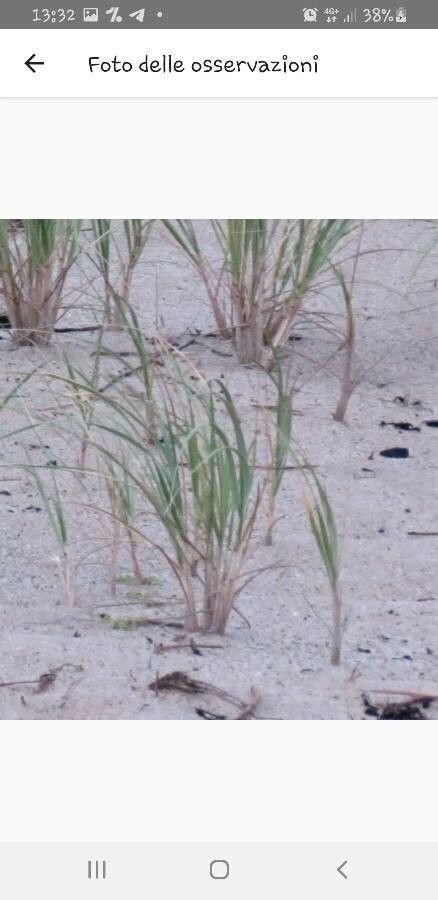
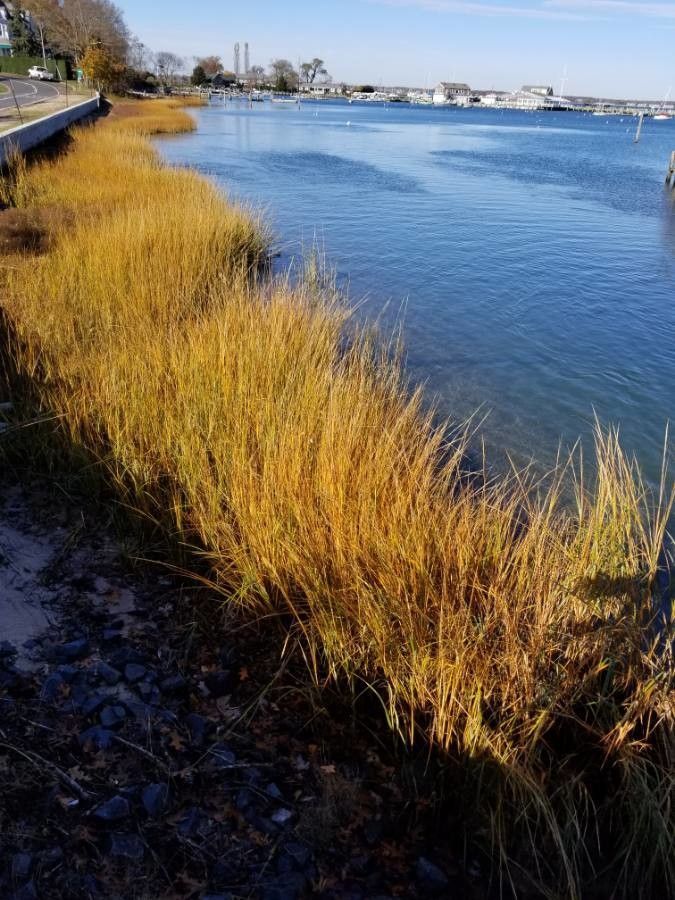
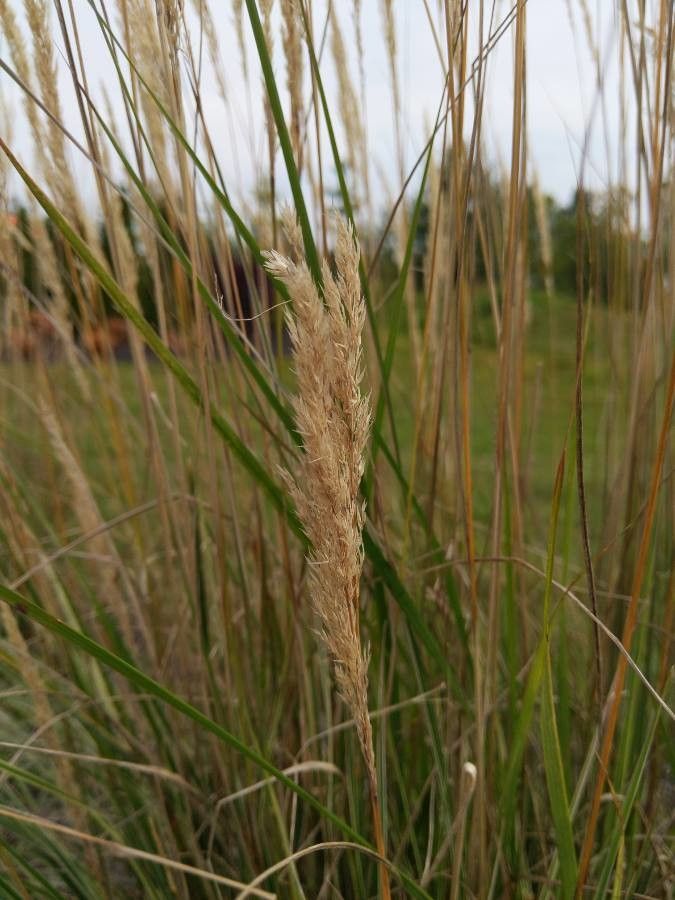
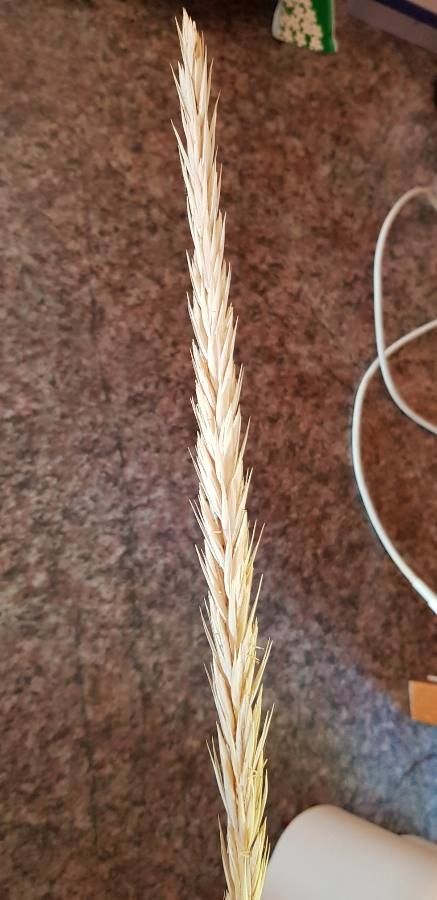
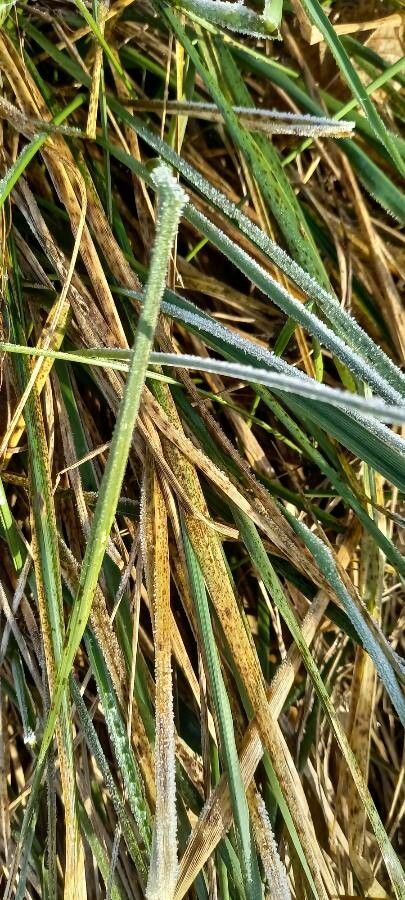
Ammophila breviligulata, commonly known as American beachgrass, is a perennial grass species native to the eastern coast of North America. It is a crucial component of coastal dune ecosystems, playing a significant role in stabilizing sand dunes and preventing erosion.
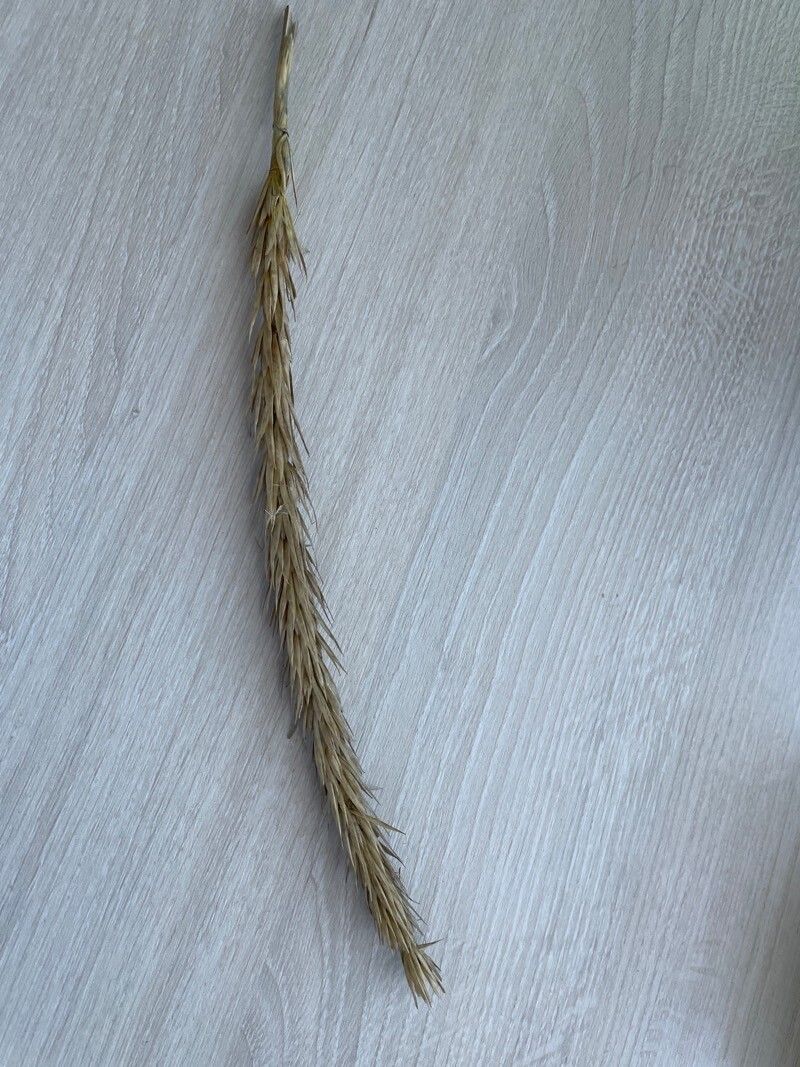
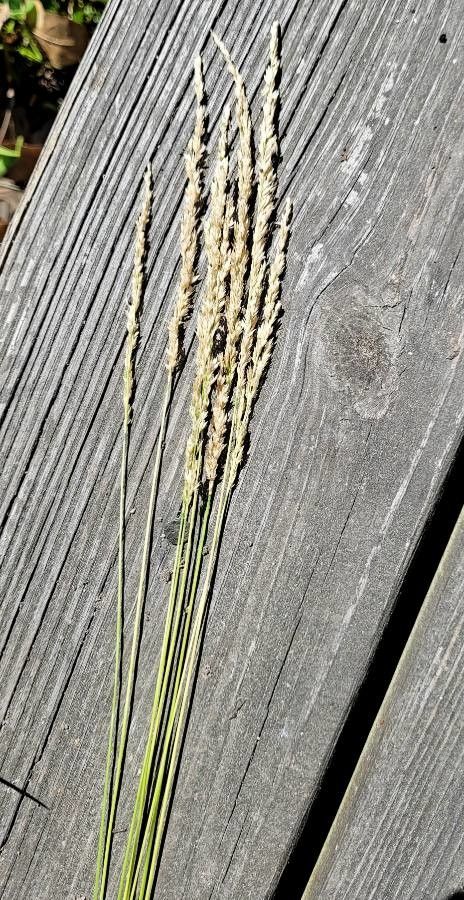
The plant features long, narrow leaves that can grow up to 60 cm in length and form dense clumps up to 1 meter tall. In the summer, it produces tall spikes of flowers that are wind-pollinated. American beachgrass is well adapted to harsh coastal conditions, such as salt spray, high winds, and shifting sands, thanks to its extensive root system, which can reach depths of up to 3 meters. Additionally, the plant has a symbiotic relationship with fungi, which helps it absorb nutrients from the sandy soil.
Due to its importance in stabilizing coastal ecosystems, American beachgrass is frequently used in dune restoration projects along beaches that are threatened by erosion or development activities.
American beachgrass is largely disease-resistant and typically not prone to illnesses. However, it can be affected by pests and pathogens in its environment. These problems are generally minor. For care, the plant requires moderate maintenance. Regular pruning is needed to keep a neat appearance and encourage healthy growth. Fertilizing can also help stimulate flowering. American beachgrass is well suited for people with outdoor spaces like a garden or patio and does not demand extensive gardening experience. It may need more attention if grown indoors.
How to keep Ammophila Breviligulata.
Light
American beachgrass thrives in locations that receive bright sunlight for most of the day, though it can tolerate areas with less sun. Native to coastal habitats, it is accustomed to strong sun exposure, but too much light can cause the foliage to bleach. Conversely, insufficient sunlight prevents healthy growth.
Water
American beachgrass excels in coastal dunes, adapting well to high salinity and shifting sands. It can tolerate sporadic rainfall but generally requires watering twice a week. With its robust root system, American beachgrass withstands drought and plays a crucial role in preventing coastal erosion.
Humidity
This plant prefers dry conditions, so don't mist it. However, watering it less often can also thrive in higher humidity.
Temperature
American beachgrass is native to regions where temperatures range from 41 to 90 °F (5 to 32 ℃). It favors moderate to relatively high temperatures. During seasonal transitions, conditions that mirror those temperature ranges best promote its growth.
Fertilizer
Generally, one spring application of fertilizer is enough for American beachgrass, though repeated feedings will maximize growth. Apply fertilizer every four to six weeks. Fertilization improves the leaves' appearance and function, helping maintain consistent color and a healthy texture. It also promotes root growth and nutrient uptake for the plant's long-term health.
Pruning
American beachgrass is a type of grass that helps stabilize sand dunes and requires very little pruning. In early spring, trim back dead stalks to about 2 inches above the ground to promote new growth. Be careful not to prune too much, as this can reduce the plant's ability to resist erosion and offer wind protection. Proper pruning enhances the grass's overall health, ensuring a vigorous display during the summer.
Botanical profile.
- Plant Type
- Herb
- Life Cycle
- Perennial
- Genus
- Ammophila
- Family
- Poaceae
- Hardiness Zone
- 4-8
- Mature Height
- 0.52 m to 1.07 m
- Mature Spread
- 15 cm to 30 cm
- Leaf Color
- Green, Blue, Gray
- Leaf Type
- Evergreen
- Flower Color
- Green, White, Brown
- Flower Size
- 25.40 cm
- Bloom Time
- Early summer, Mid summer
- Planting Time
- Spring, Summer, Autumn
- Harvest Time
- Late summer, Early fall
Other names.
Reader questions.
How should I water my American beachgrass in the best way?
To properly water the American beachgrass, use filtered water at room temperature. Tap water may contain harmful particles that can affect the health of the plant. The water temperature should be warm or slightly warmer as the American beachgrass is accustomed to a warm environment, and cold water may shock its system. Avoid overhead watering, which can cause problems with the foliage. Instead, pour the filtered room temperature water directly onto the soil until it is completely soaked. This practice benefits the plant by moisturizing the roots and aiding in the spreading and absorption of nutrients.
Why should I put fertilizer on my American beachgrass?
One of the key components of American beachgrass is its leaves. Fertilization plays a significant role in improving the aesthetic appearance and functionality of these leaves. By properly fertilizing your American beachgrass, you can ensure that its leaves maintain a consistent color and healthy texture. Additionally, fertilization works below the soil's surface by assisting the development of new roots and maintaining existing ones. This not only keeps your plant healthy in the present but also improves its ability to absorb soil nutrients in the future.
What are the sunlight requirements for American beachgrass?
American beachgrass, known botanically as Ammophila breviligulata, thrives best in areas that receive full sunlight for the majority of the day, as it originates from a seaside ecosystem accustomed to a high level of sun. The plant can endure in less sun-abundant areas but needs above 6 hours of sunlight for optimal growth, termed 'full sun', or about 3-6 hours, known as 'partial sun'. It's crucial to monitor how sunlight moves through your garden to ensure plants get a suitable balance of light and shade, as too much exposure may lead to bleached foliage, while insufficient sunlight can hinder healthy growth.
What are the ideal temperature conditions for growing American beachgrass?
American beachgrass thrives in environments with temperatures ranging from 41 to 90°F (5 to 32°C), indicating its preference for moderate to relatively high temperature levels. This plant is indigenous to areas within these temperature ranges, and maintaining such an environment through the changing seasons is optimal for its growth.
What should I do if I give too much or too little water to my American beachgrass?
Both overwatering and underwatering can harm the health of your American beachgrass, but overwatering is more common. When this species gets too much water, its stems and leaves may wilt and turn yellow. Overwatering for a long time can also cause root rot, mold, and mildew, which can kill your plant. Underwatering is less common because this plant can tolerate drought. However, it can still happen, and you'll notice that the leaves become brittle and brown. It's important to quickly recognize the signs of overwatering. Some diseases caused by overwatering, like root rot, may not be fixable if you wait too long. If you see early signs of overwatering, reduce your watering schedule immediately. Also, check the soil quality where your beachgrass grows. If it doesn't drain well, replace it with loose, well-draining potting mix. On the other hand, if you see signs of underwatering, simply water more regularly until the signs go away.
What is the ideal time to add fertilizer to my American beachgrass?
If you grow American beachgrass outdoors, it will start growing new leaves in early spring. This signals that it's time to fertilize the plant for the year. Normally, one application of fertilizer in the spring is sufficient. However, if you want to maximize growth, you can fertilize multiple times throughout spring and early summer. In this case, you can feed the beachgrass about once every month to a month and a half.
How can artificial lighting benefit indoor American beachgrass?
For American beachgrass grown indoors where natural sunlight may be insufficient, especially during winter or in spaces that receive less sunlight, artificial lighting serves as a critical solution. It promotes faster, healthier growth by providing adequate lighting. LED lights are preferred for indoor plant lighting due to their customization to supply specific light wavelengths needed by the plants. The requirements vary by plant type: full sun plants need 30-50W/sq ft, partial sun plants 20-30W/sq ft, and full shade plants 10-20W/sq ft of artificial light. The light source should be placed 12-36 inches above the plant, mimicking natural sunlight, and plants generally require 8-12 hours of light daily.
Is American beachgrass cold resistant, and how should it be protected in winter?
Yes, American beachgrass has strong cold resistance and does not usually require special frost protection measures during winter. However, if temperatures are expected to fall below -30°C, cold protection should be provided by covering the plant with materials like soil or straw. To prevent drought and water scarcity during the colder months, it is recommended to water the plant abundantly before the first freeze in autumn, ensuring the soil remains moist as it enters a frozen state.
How many times should I water my American beachgrass?
When caring for your American beachgrass, there are different methods to determine if it needs water depending on whether it is in a pot or planted in the ground. If it is in a pot, the most accurate way to check is to insert your finger into the soil. If the top two to three inches are dry, it is time to water it. Similarly, if it is planted in the ground, you can use the same finger test. If the first few inches of soil feel dry, it needs watering. In general, during the spring and early fall, watering once a week is usually sufficient. However, during extremely hot weather, you may need to water it two or more times a week. Keep in mind that mature American beachgrass has a remarkable ability to survive periods of drought.
When is the best time to not use fertilizer on my American beachgrass?
During the late fall and winter, your American beachgrass undergoes a dormant phase where it stops growing. It is important to refrain from fertilizing during this period. However, if you choose to fertilize in the spring and summer, it's recommended to reduce the frequency as summer approaches, as the growth rate of your American beachgrass slows down. It is not advisable to fertilize your American beachgrass during unusually hot weather or exceptionally dry soil conditions, as this can stress the grass and lead to premature death.
What symptoms indicate American beachgrass is receiving inadequate light?
Symptoms of inadequate light in American beachgrass include smaller new leaves, leggy or sparse growth, early dropping of older leaves, and slowed or halted new growth. Additionally, lighter-colored new leaves, chlorosis (yellowing leaves due to chlorophyll breakdown), sunscald, leaf curling, wilting, and leaf scorching are signs of light stress. These symptoms reflect either too much or too little sunlight, affecting the plant's chlorophyll production, water conservation, and overall health.
How does low temperature affect American beachgrass, and what should be done in spring if there's been cold damage?
American beachgrass is cold-tolerant, ideally remaining above 5°C. During winter, it should not drop below -25°C. When temperatures fall below -30°C, there may not be noticeable changes during winter, but a reduction in sprouting, or no sprouting at all, might be observed in spring. If there are parts of the plant that fail to sprout in spring due to cold damage, these should be removed to promote healthy growth.