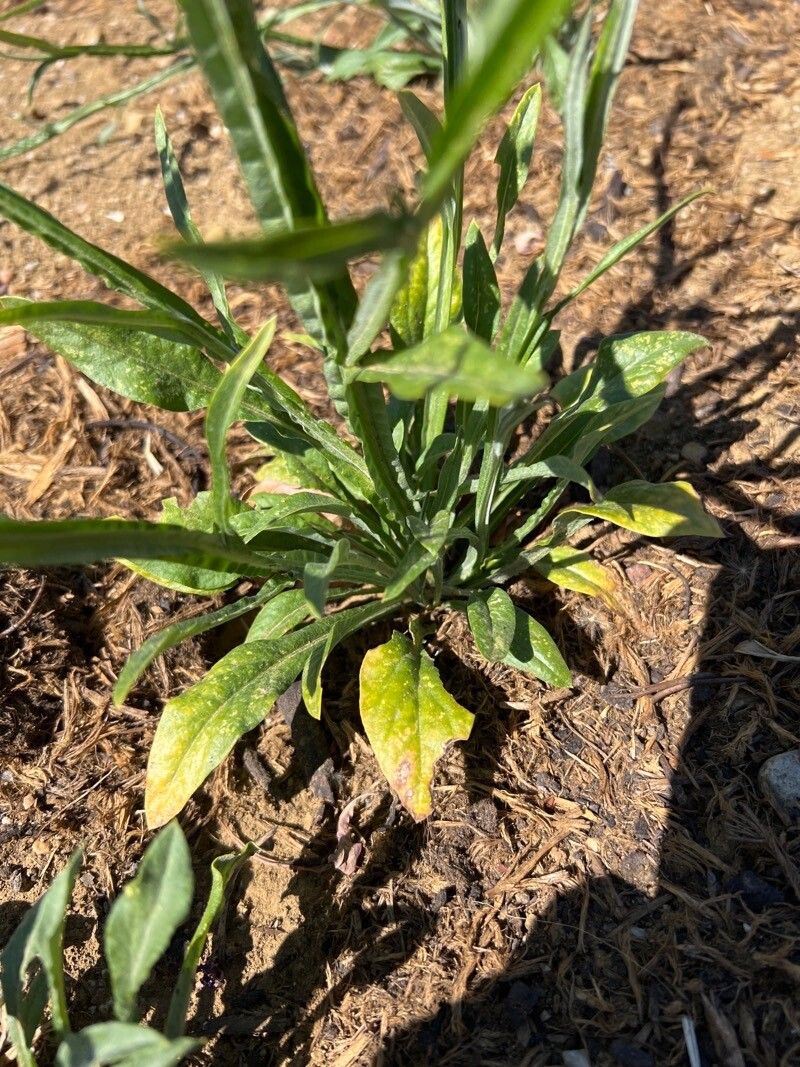
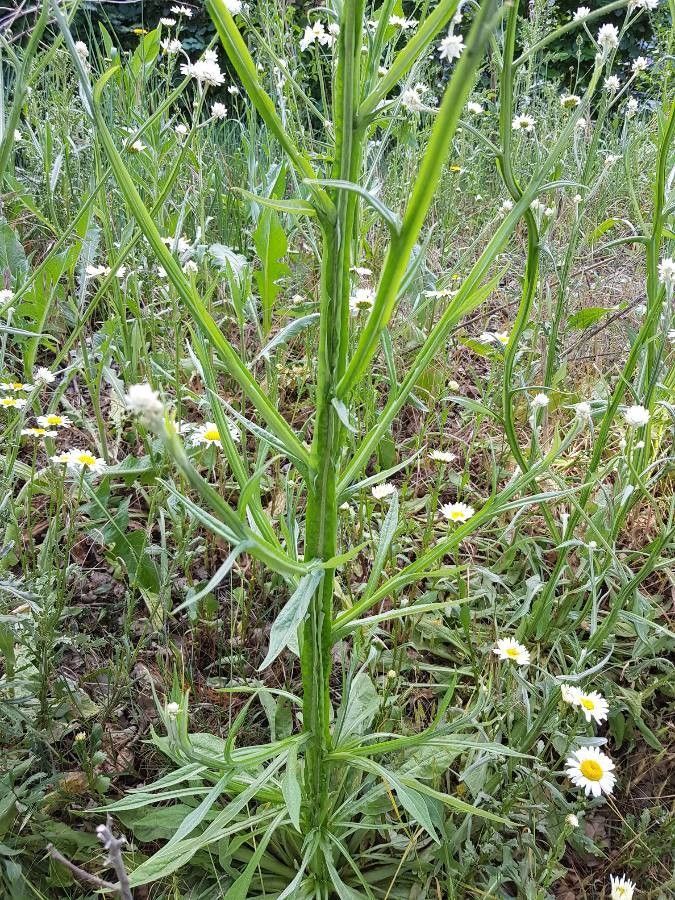
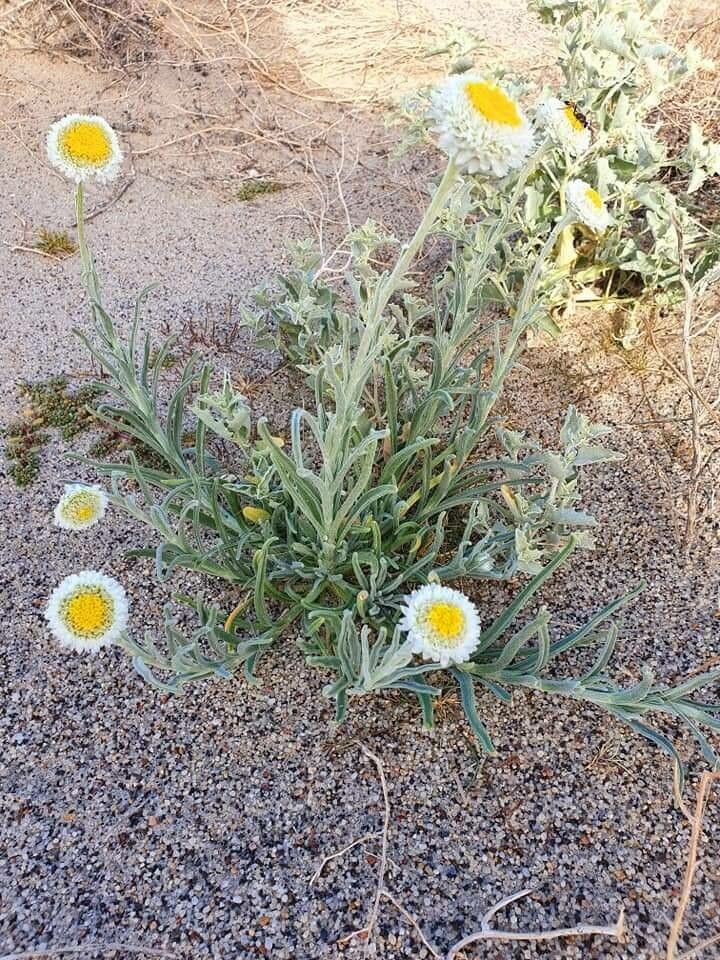
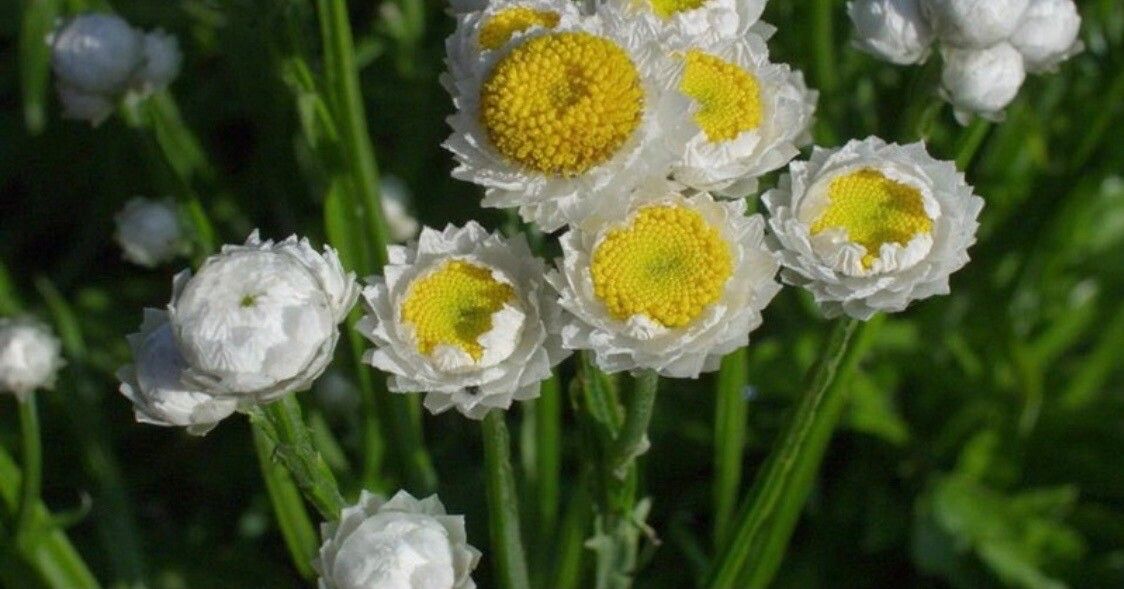
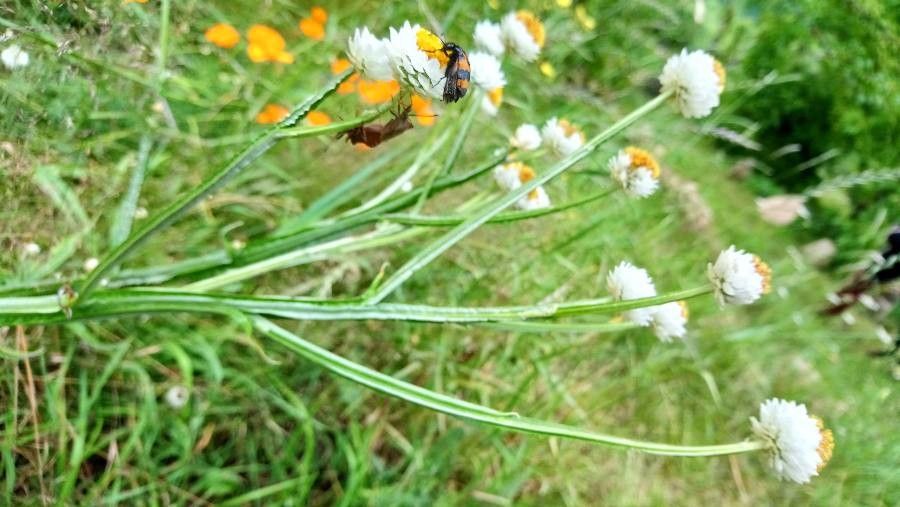
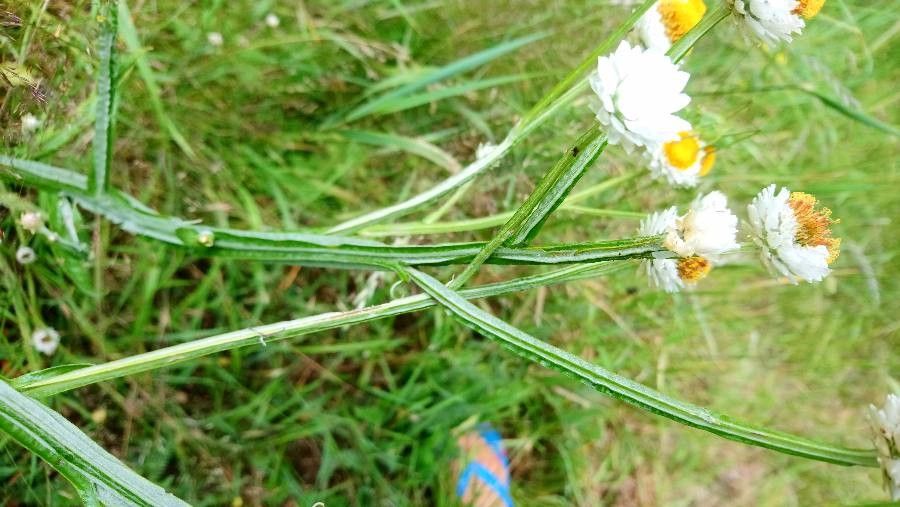
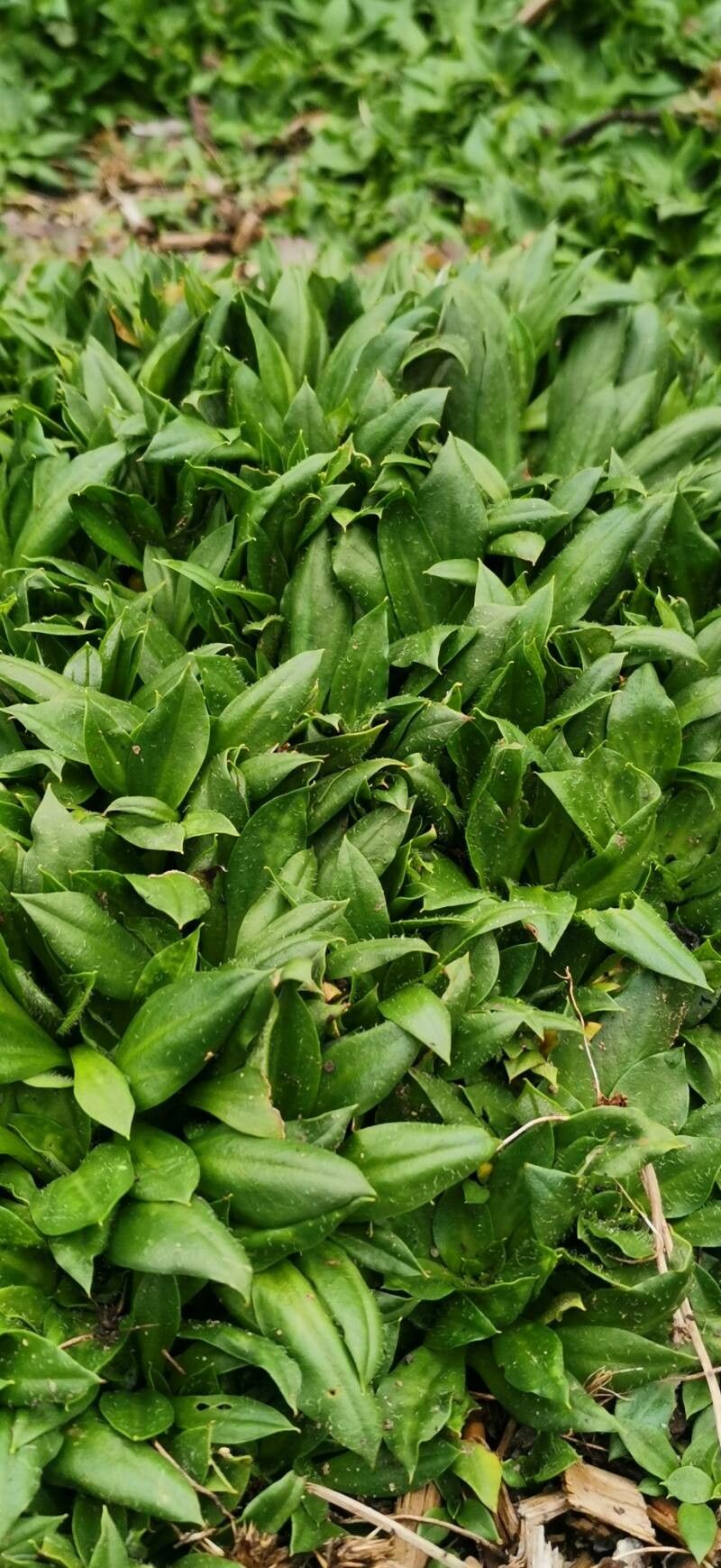
Ammobium alatum, commonly known as the winged everlasting, is a species of perennial herb in the daisy family Asteraceae and is both a native and an introduced species in south-eastern Australia. It has prominently winged stems, most of its leaves at the base, and heads of yellow florets surrounding by papery, white involucral bracts.
Winged everlasting daisy has good disease resistance and is generally not prone to diseases. However, it may be susceptible to pests and diseases present in its surroundings. These infections are usually not severe. In terms of care, this plant requires moderate maintenance. It should be pruned regularly to maintain an attractive appearance and healthy growth. Fertilization can also help promote flowering. Winged everlasting daisy is suitable for anyone with outdoor space, such as a garden or patio, and does not require a lot of care experience. It may require more attention when grown indoors.
How to keep Ammobium Alatum.
Light
The winged everlasting daisy does best in locations that receive sun all day. Intense light is essential for its healthy development and increases both flowering and leaf production. Coming from open habitats, it evolved under continuous solar exposure. Insufficient sunlight can impair its growth and flowering, while too much exposure may cause leaf damage.
Water
The winged everlasting daisy, native to arid regions, thrives with minimal water and exhibits high drought tolerance. It does best with weekly watering and well-draining soil, which mimic its adaptation to sporadic rainfall. This hardy plant is mainly cultivated outdoors and is popular in xeriscaping because of its resilience.
Temperature
The Winged everlasting daisy can tolerate a wide range of temperatures, but its range may still be restricted by particular combinations of moisture and heat. It does best in warm summer climates with sufficient rainfall or watering. Extended stretches of cloudy, rainy weather or prolonged high temperatures raise the risk of the Winged everlasting daisy dying. In winter, protecting it from cold can help increase the plant's chances of survival.
Fertilizer
When the Winged everlasting daisy has opened most of its flowers to full size, resume fertilizing. During the period of peak bloom, feed it about once every three to four weeks, as conditions allow. When the daisy begins to produce fewer new blooms, stop fertilizing; there is no reason to apply fertilizer when the plant can no longer make more flowers.
Pruning
The winged everlasting daisy has distinctive winged stems and daisy-like flowers. To encourage healthy growth, it's beneficial to prune the plant from early to late spring. Removing spent blooms will promote continuous flowering, while trimming any leggy growth will help maintain a compact shape. Regular cutting not only improves the plant's health but also boosts its resistance to diseases. Always ensure you use clean, sharp tools when pruning.
Botanical profile.
- Plant Type
- Herb
- Life Cycle
- Annual, Perennial
- Genus
- Ammobium
- Family
- Asteraceae
- Hardiness Zone
- 8-11
- Mature Height
- 91 cm
- Mature Spread
- 20 cm
- Leaf Color
- Gray, Light Gray
- Leaf Type
- Semi-evergreen
- Flower Color
- White
- Flower Size
- 2.54 cm
- Bloom Time
- Summer, Early fall
- Planting Time
- Spring, Summer
- Harvest Time
- Late summer, Fall
Other names.
Reader questions.
What are the sunlight requirements for a Winged everlasting daisy?
The Winged everlasting daisy requires full sun, which means it needs above 6 hours of sunlight daily to thrive. It's crucial to observe how sunlight moves through your garden and select locations that provide a perfect balance of light and shade. This ensures the plants receive the adequate sunlight they need for healthy growth, enhanced flowering, and leaf production. Originating from open habitats, these plants have evolved under constant solar exposure, making intense light pivotal for their development.
How can artificial lighting be used for Winged everlasting daisy if there's insufficient natural sunlight?
When natural sunlight is inadequate, especially during winter or in less sunny spaces, artificial lighting becomes essential for the growth of indoor Winged everlasting daisies. LED lights, which can be customized to provide specific wavelengths needed by the plants, are a popular choice. For optimal growth, full sun plants require 30-50W/sq ft of artificial light, partial sun plants need 20-30W/sq ft, and full shade plants require 10-20W/sq ft. The light source should be positioned 12-36 inches above the plant to mimic natural sunlight. Additionally, to emulate the natural daylight duration, most plants need 8-12 hours of light per day.
What symptoms indicate that a Winged everlasting daisy is receiving insufficient light?
When cultivated indoors with inadequate light, Winged everlasting daisies may exhibit several symptoms. Small and sparser leaves can indicate that new growth is not receiving enough light, making plants look weak and stretched-out. The plant may drop older leaves early to conserve resources, leading to slower or halted growth and paler new leaves. This signals a lack of chlorophyll and essential nutrients, which is detrimental to the plant's health.
What symptoms demonstrate that a Winged everlasting daisy is exposed to too much sunlight?
Excessive sunlight can harm Winged everlasting daisies, causing symptoms like chlorosis, where leaves turn yellow due to chlorophyll breakdown, impairing photosynthesis. Sunscald damages leaves or stems with intense exposure, presenting as bleached areas. Other signs include leaf curling, a defense mechanism to minimize sun exposure and water loss, wilting from increased transpiration, and leaf scorching evidenced by brown, crispy leaf edges. These symptoms suggest the plant is receiving more sunlight than it can handle, affecting its overall health.
What solutions can address Winged everlasting daisy's sunlight-related issues?
For optimal growth, gradually moving the plants to sunnier locations can help, aiming for at least 6 hours of direct sunlight daily. Using a south-facing window and keeping curtains open during the day can maximize sunlight exposure. If moving the plant is not feasible, consider artificial lighting, keeping lamps on for at least 8 hours daily or investing in grow lights. For outdoor plants, it's crucial to adjust their location gradually to prevent sunburn. Pruning trees to minimize shade and transplanting to sunnier locations during the dormant period can also enhance sunlight exposure. Note that parts of the plant already affected by light issues may not recover, but new growth will be healthy with better light conditions.