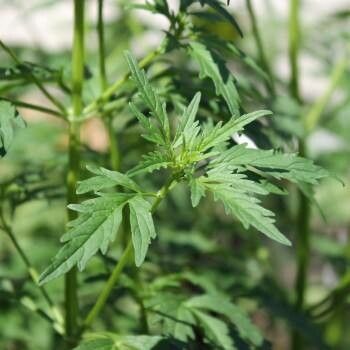
Amethystea is a genus of plants in the family Lamiaceae, first described for modern science by Linnaeus in 1753. It has only one known species, Amethystea caerulea, commonly known as blue amethystea. It is native to China, Japan, Korea, Central Asia, and parts of Russia.
Blue amethystea is fairly disease-resistant and is usually not prone to illness. However, it can be affected by pests and diseases present in its environment. These issues are typically minor. For care, the plant needs moderate maintenance. It should be pruned regularly to keep a neat appearance and encourage healthy growth. Fertilizing can also aid in promoting blooms. Blue amethystea is appropriate for anyone with outdoor space, such as a garden or patio, and does not demand extensive care experience. It may need increased attention when cultivated indoors.
How to keep Amethystea Caerulea.
Light
Blue amethystea is native to bright, open habitats where it thrives in full sun. It will tolerate partial sun but favors direct sunlight for optimal growth. This plant can be annual or biennial and is known for its sun-loving nature.
Water
The blue amethystea thrives in consistently moist conditions, requiring weekly watering to keep the soil evenly moist, but not overly saturated. It prefers outdoor environments with natural humidity and benefits from rainfall similar to its native habitat, which promotes vigorous growth during its active season.
Temperature
Blue amethystea is a flora that flourishes in its original habitat with temperatures between 68 and 95°F (20 to 35°C). If the months are cooler, it might be worth increasing the surrounding ambient temperature to match its preferred conditions.
Fertilizer
When Blue amethystea's flowers have mostly bloomed to their maximum capacity, it signifies the moment to recommence fertilization. Initiate fertilizing plans once again every three or four weeks as the plant is at its highest flower production, taking into account the weather conditions. However, once the production of new flowers begins to dwindle in the Blue amethystea, halt the fertilization actions because there's no necessity to proceed with fertilizing when the plant is unable to yield any additional blossoms.
Pruning
Blue amethystea displays vibrant blue flowers and thrives with regular pruning, which includes deadheading and shaping. For best results, prune from early to late spring to encourage denser foliage and healthier blooms. Be sure to use clean, sharp tools to prevent infections and make precise cuts.
Botanical profile.
- Plant Type
- Herb
- Life Cycle
- Annual
- Genus
- Amethystea
- Family
- Lamiaceae
- Hardiness Zone
- 8
- Mature Height
- 10 cm to 61 cm
- Mature Spread
- 20 cm to 30 cm
- Leaf Color
- Green
- Leaf Type
- Evergreen
- Flower Color
- Purple
- Flower Size
- 0.51 cm to 0.76 cm
- Bloom Time
- Early summer, Mid summer
- Planting Time
- Spring, Summer
- Harvest Time
- Late summer, Early fall
- Native Area
- Russia, Kazakhstan, Japan, Mongolia, Koppen, South Korea, China
Other names.
Reader questions.
What are the sunlight requirements for Blue amethystea?
Blue amethystea, known botanically as Amethystea caerulea, thrives in full sun conditions, requiring above 6 hours of sunlight daily. It can also tolerate partial sun, which means about 3-6 hours of sunlight. The plant originates from bright, open environments, and its growth is optimal when it receives direct sunlight. When selecting a location for your Blue amethystea, consider spots in your garden that offer a good balance of light and shade to ensure the plant's happiness and health.
What is the ideal temperature range for growing Blue amethystea?
Blue amethystea thrives in temperatures ranging from 68 to 95°F (20 to 35°C). It is important to maintain these temperatures, especially during the cooler months, by increasing the surrounding ambient temperature to meet the plant's preferences. This plant also has strong cold resistance, making special frost protection measures generally unnecessary. However, if temperatures are expected to drop below -10°C, it's crucial to protect the plant by covering it with soil or straw and ensuring the soil is moist before the first freeze of autumn. This preparation helps prevent drought and water scarcity during winter and early spring.
How can artificial lighting support Blue amethystea's growth indoors?
Indoor Blue amethystea plants require adequate lighting, especially when natural sunlight is insufficient, such as in winter or less sunny spaces. Artificial lights can be a vital solution, promoting faster and healthier growth. LED lights are recommended because they can be customized to provide the specific wavelengths of light that plants need. Full sun plants need 30-50W/sq ft of artificial light, while partial sun plants require 20-30W/sq ft. The light source should be placed 12-36 inches above the plant to mimic natural sunlight, and most plants benefit from 8-12 hours of artificial light per day.
How does Blue amethystea react to low temperatures?
Blue amethystea is cold-tolerant and performs best when the temperature stays above 20°C. During winter, ensure the temperature remains above 0°C. If temperatures fall below -10°C, you might not notice any immediate changes, but there could be a significant decrease in sprouting, or the plant may not sprout at all when spring arrives. To manage this, in spring, remove any parts of the plant that have failed to sprout.
What are the symptoms of inadequate light for Blue amethystea indoors?
When Blue amethystea is grown indoors under inadequate light, it may display symptoms like small and mature-sized leaves, leggy or sparse growth, early leaf drop to conserve resources, delayed or stopped growth, lighter-colored new leaves, and chlorosis, which is the yellowing of leaves due to a breakdown of chlorophyll. Excessive sunlight can cause sunscald, leaf curling as a defense mechanism to minimize water loss, wilting due to increased transpiration, and leaf scorching, characterized by brown, dry edges on leaves.
What are the effects of high temperatures on Blue amethystea, and how can these be mitigated?
In the summer, it's crucial to keep Blue amethystea's temperature below 35°C. Exposure to temperatures above 38°C can cause the plant's leaves to lighten in color, curl, and become susceptible to sunburn. In severe cases, the plant might wilt and dry out. To counteract the effects of high temperatures, trim away any sunburned or dried-up parts of the plant. Relocate it to a shaded area, or use a shade cloth to protect it from the midday and afternoon sun. Additionally, watering the plant in the morning and evening helps keep the soil moist, further protecting the plant from the heat.
What solutions are recommended for dealing with light-related issues in Blue amethystea?
For optimal growth, gradually move indoor plants to a location with at least 6 hours of direct sunlight daily, using south-facing windows for maximum exposure. Consider artificial lighting, such as desk or ceiling lamps, for at least 8 hours daily or professional grow lights for plants that are large or difficult to move. Outdoors, move plants to sunnier locations gradually to avoid sunburn. Observe the environment for obstructions like trees and consider pruning or transplanting smaller plants during their dormant period to areas with ample sunlight and good drainage. Note that parts of the plant affected by insufficient sunlight may not recover, but new growth will be healthy with increased light exposure.
What is the botanical name of Blue amethystea?
The botanical name of Blue amethystea is Amethystea caerulea.