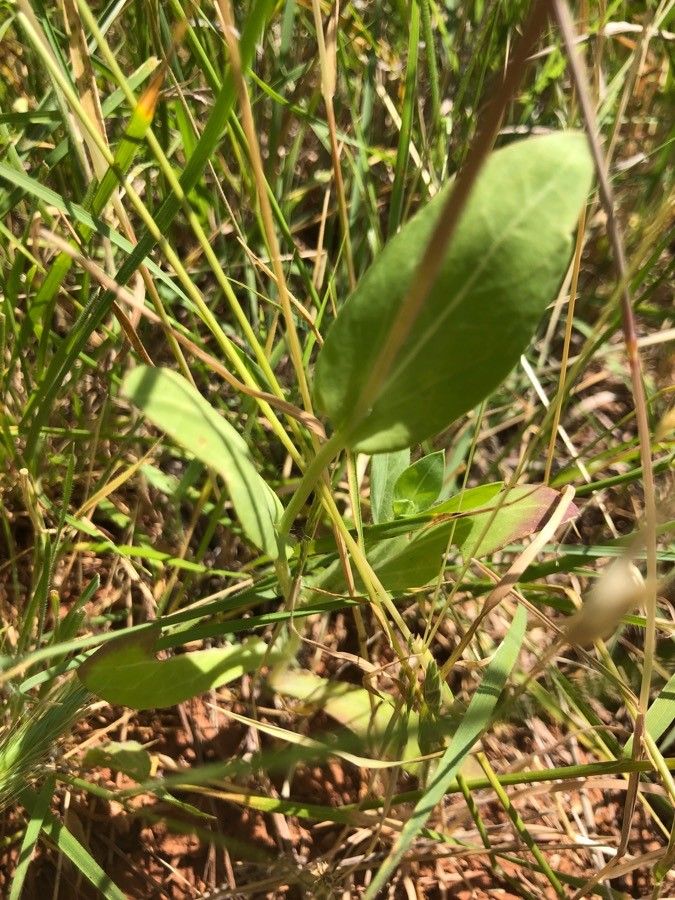
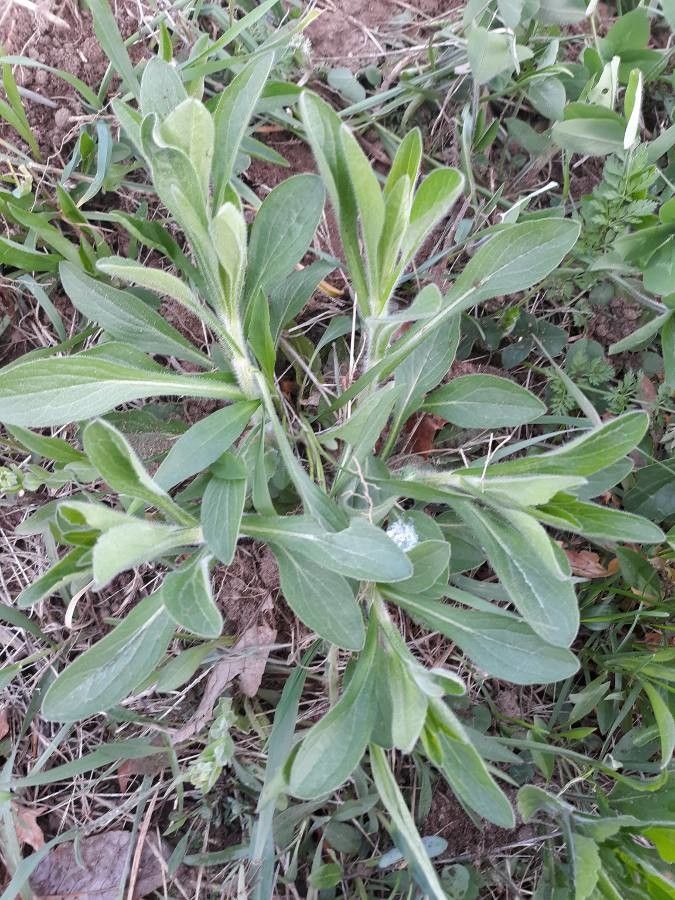
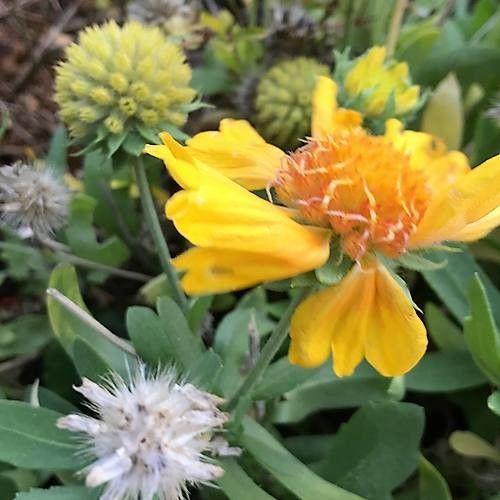
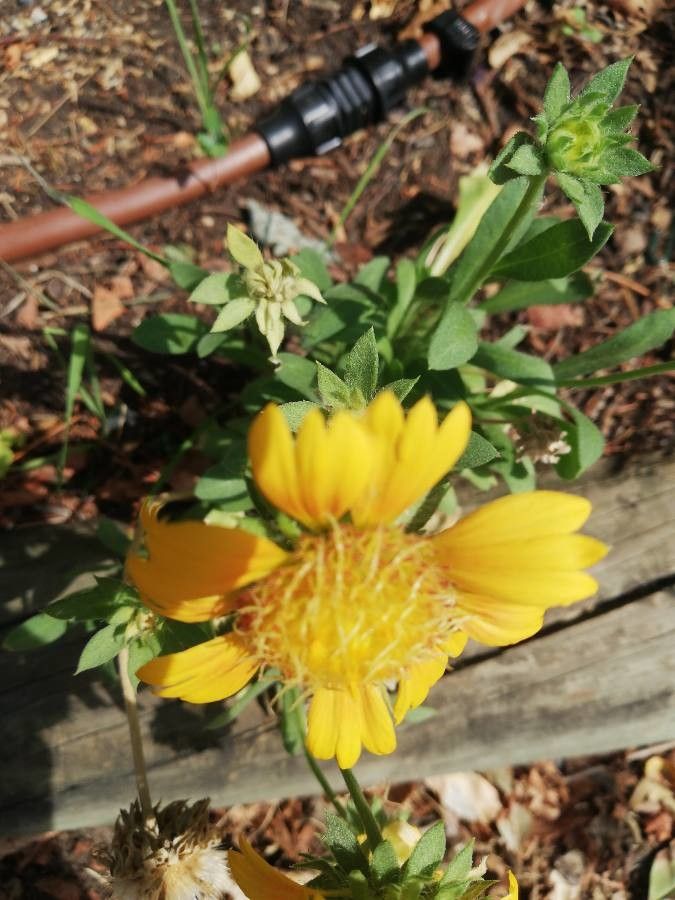
Amblyolepis setigera, commonly known as Hulett's aster, is a perennial herbaceous plant belonging to the Asteraceae family. It is native to California and thrives in various habitats such as chaparral, coastal sage scrub, and oak woodlands. The plant can grow up to 1 meter tall and features a woody base with numerous branches.
The leaves of Amblyolepis setigera are narrow, lance-shaped, and have serrated edges. Its flowers, though small, grow in clusters at the ends of branches. The blooms consist of yellow petals surrounding a central disk of tiny yellow flowers.
Hulett's aster blooms from late summer through fall, attracting a variety of pollinators, including bees and butterflies. Additionally, it serves as an important food source for birds during the winter months when other food sources are scarce.
Native American tribes have utilized Amblyolepis setigera for medicinal purposes, using it to treat ailments such as stomachaches, headaches, colds, and flu-like symptoms.
Overall, Amblyolepis setigera is an attractive plant that enhances the beauty of any garden or natural landscape. It also provides ecological benefits by supporting pollinators and wildlife habitats.
Huisache daisy has strong disease resistance and is generally not prone to illnesses. However, it can be affected by pests and diseases present in its surroundings. These problems are normally not severe. In terms of care, this plant requires moderate maintenance. It should be pruned regularly to keep a good appearance and support healthy growth. Fertilizing can also help encourage flowering. Huisache daisy is suitable for anyone with outdoor space, such as a garden or patio, and does not demand extensive plant-care experience. It may need more attention when grown indoors.
How to keep Amblyolepis Setigera.
Light
Huisache daisy favors spots where sunlight is partially filtered instead of fully blocked. It performs best under moderate light, which encourages healthy growth. Excessive or too little sun exposure can, however, weaken its vigor. Although it originates from a habitat with variable sunlight, it does not require different sunlight conditions at various growth stages.
Water
The Huisache daisy flourishes in arid landscapes, boasting excellent drought tolerance. To replicate its natural pattern of sporadic rainfall and avoid overwatering, it requires weekly watering. This plant prefers full sun exposure, allowing it to efficiently use water during its active growing season.
Temperature
The Huisache daisy is native to regions where temperatures range from 68 to 95 °F (20 to 35 °C). It prospers in these warm conditions. When temperatures fall significantly with the seasons, appropriate adjustments to its care should be made.
Fertilizer
When most of a Huisache daisy's blooms have opened to full size, resume fertilizing. At the time of peak bloom, apply fertilizer every three to four weeks, weather permitting. Then, once the Huisache daisy begins to produce fewer new blooms, stop fertilizing; there's no need to feed the plant when it can no longer produce more flowers.
Pruning
The Huisache daisy features vibrant, fragrant flowers and lush foliage. To promote healthy growth and blooming, prune it between early and late spring. Use clean tools to remove any dead branches. Regular pruning helps maintain the plant's shape and encourages vigorous growth. However, be careful not to over-prune, as this can cause stress to the plant.
Botanical profile.
- Plant Type
- Herb
- Life Cycle
- Annual
- Genus
- Amblyolepis
- Family
- Asteraceae
- Hardiness Zone
- 3-7
- Mature Height
- 15 cm to 40 cm
- Mature Spread
- 20 cm to 40 cm
- Leaf Color
- Green
- Leaf Type
- Semi-evergreen
- Flower Color
- Yellow
- Flower Size
- 3.30 cm to 5.08 cm
- Bloom Time
- Spring
- Planting Time
- Spring, Summer
- Harvest Time
- Late spring, Early summer, Mid summer
- Native Area
- Mexico
Other names.
Reader questions.
What are the sunlight requirements for Huisache daisy?
Huisache daisy thrives in areas receiving partial to full sunlight, about 3-6 hours of sunlight per day. It's important to observe how sunlight moves through your garden to find spots that offer the right balance of light and shade, ensuring the plant's well-being. Both full sunlight and partial shade are tolerable, but the plant shows an optimal growth response to moderate light intensities, where sunlight is somewhat filtered but not entirely blocked. Care should be taken to avoid both excessive and insufficient sun exposure to maintain the plant's vitality.
What is the native temperature range for Huisache daisy?
The Huisache daisy, or Amblyolepis setigera, is native to environments where temperatures range between 68 to 95 °F (20 to 35 °C). It thrives in warm conditions and can adjust to seasonal temperature drops without the need for additional frost protection measures. However, to help the plant through winter and early spring, it's recommended to water it generously before the first freeze in autumn, ensuring the soil remains moist and preventing drought and water scarcity.
How does artificial lighting benefit indoor Huisache daisies?
Indoor Huisache daisies benefit significantly from artificial lighting, especially when natural sunlight is insufficient, like during winter or in less sunny spaces inside the home. Artificial lights, such as LED lights, are recommended because they can be adjusted to provide specific wavelengths needed for plant growth. The right artificial light setup should consider the light's intensity (30-50W/sq ft for full sun plants, 20-30W/sq ft for partial sun plants, and 10-20W/sq ft for full shade plants), the proper distance from the plant (12-36 inches), and the duration, which mimics natural daylight hours, typically 8-12 hours per day.
How does Huisache daisy react to low temperatures?
The Huisache daisy is remarkably tolerant of cold, able to withstand winter temperatures down to -35°C without noticeable changes during the winter months. However, if temperatures fall below this threshold, the plant may experience reduced sprouting or fail to sprout in the spring. The recommended solution for any parts of the plant that have failed to sprout by spring is to simply remove them.
What are the signs of insufficient light in Huisache daisies?
Signs of insufficient light in Huisache daisies include smaller new leaves, leggy or sparse growth, faster leaf drop, slower or halted new growth, lighter-colored new leaves, chlorosis (leaves turning yellow), sunscald (damaged leaves from intense light), leaf curling (a defense mechanism against excess sunlight), wilting (due to excessive water loss), and leaf scorching (brown, dry edges on leaves due to too much sunlight). These symptoms highlight the importance of providing adequate light to ensure the health and vitality of the plant.
What should be done if a Huisache daisy is exposed to high temperatures?
The Huisache daisy does not tolerate high temperatures well. When exposed to temperatures above 35°C, its growth halts, and it becomes more susceptible to rot. To combat these effects, sunburned and dried-up parts of the plant should be trimmed away. Additionally, relocating the plant to a shaded area during midday and afternoon sun, or using a shade cloth, can help. Ensuring the soil remains moist through watering in the morning and evening is also beneficial in preventing heat stress.
What steps should be taken to remedy insufficient sunlight for Huisache daisies?
To remedy insufficient sunlight for Huisache daisies, gradually adapt them to increased light by shifting them to sunnier spots each week until they receive 3-6 hours of direct sunlight daily. For indoor or non-movable plants, consider supplemental artificial lighting, keeping a desk or ceiling lamp on for at least 8 hours daily or investing in professional plant grow lights. Outdoors, gently transition plants to sunnier locations to prevent sunburn. If obstructions like trees block sunlight, pruning can help. For smaller plants, transplanting during their dormant period to a sunnier, well-drained spot can enhance light exposure. It's crucial to adapt methods based on whether the plant is indoor, outdoor, or in the ground to ensure new growth is healthy despite parts affected by past light deficiencies might not recover.