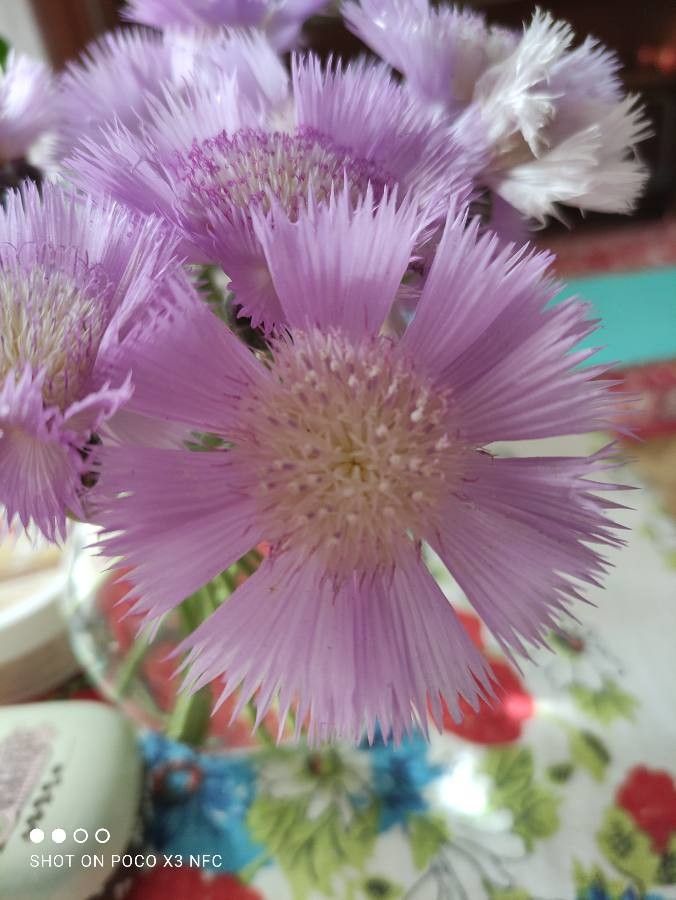
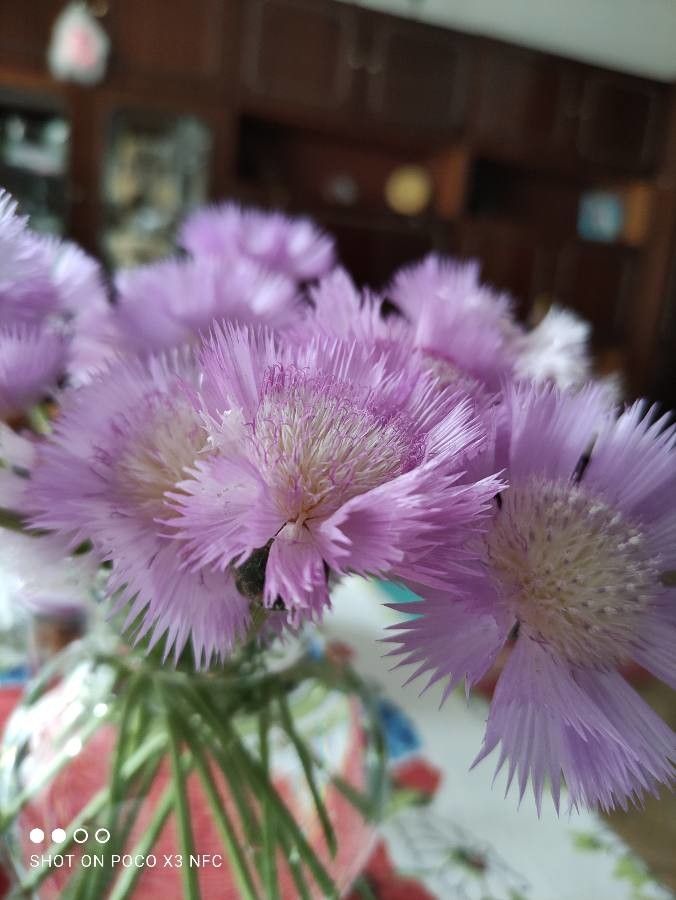
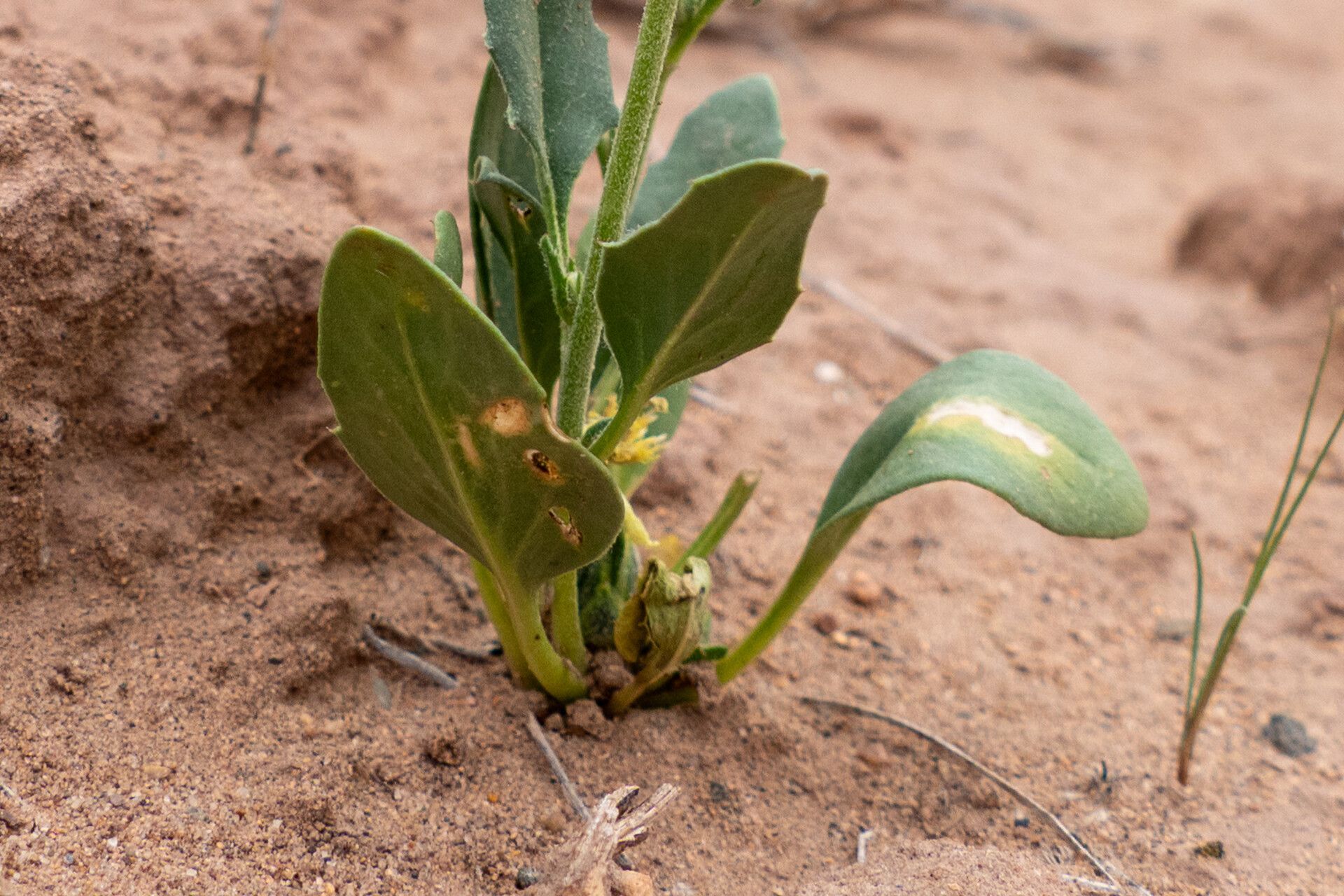
Amberboa moschata (common name sweetsultan) is a Southwest Asian species of plants in the family Asteraceae. It is native to Turkey, Iraq, Iran, and the Caucasus. It is also widely cultivated in many places as an ornamental, and is reportedly naturalized in parts of China and North America.Amberboa moschata is a branching herb up to 50 cm tall. Flower heads are usually purple, showy, and sweet-scented.
Sweet Sultan has strong resistance to disease and is typically not vulnerable to illnesses. Still, it can be affected by pests and diseases that exist nearby. Such infections are generally mild. Regarding care, this plant demands a moderate level of attention. It should be pruned on a regular basis to preserve a neat appearance and encourage healthy growth. Applying fertilizer can also aid in increasing flowering. Sweet Sultan is appropriate for anyone who has an outdoor area, like a garden or patio, and does not need extensive gardening experience. It may need more attentive care when cultivated indoors.
How to keep Amberboa Moschata.
Light
Sweet Sultan comes from sunny, open habitats where it does best in full sun. It can tolerate some shade but favors direct sunlight for the best growth. This plant, which may be annual or biennial, is noted for its sun-loving character.
Water
Amberboa moschata, native to dry regions, is impressively drought-tolerant. It thrives with weekly watering, which mimics the conditions of its natural environment. This watering routine keeps the soil moist while also allowing it to dry out, thereby optimizing water intake based on temperature changes throughout the growing season.
Temperature
Sweet Sultan can adapt to a broad range of temperatures, although its distribution can still be restricted by various combinations of moisture and heat. It grows best in warm summer climates with sufficient rainfall or regular watering. Extended stretches of cloudy, rainy weather or sustained high temperatures can raise the likelihood of Sweet Sultan dying. In winter, shielding the plant from cold improves its chances of survival.
Fertilizer
When most of Sweet Sultan's blooms have fully opened, resume fertilizing. When flowering reaches its peak, apply fertilizer every three to four weeks, as the weather allows. Then, once Sweet Sultan begins producing fewer new blooms, stop fertilizing; there's no need to feed the plant when it can no longer produce more flowers.
Pruning
Amberboa moschata is known for its fragrant flowers and delicate, feathery leaves. To encourage growth and abundant blooming, prune the plant from early to late spring. Be sure to remove spent blooms and any damaged stems. This will help maintain the plant's shape, improve air circulation, and prevent disease, promoting overall vitality.
Botanical profile.
- Plant Type
- Herb
- Life Cycle
- Annual, Biennial
- Genus
- Amberboa
- Family
- Asteraceae
- Hardiness Zone
- 7-10
- Mature Height
- 30 cm to 61 cm
- Mature Spread
- 30 cm to 46 cm
- Leaf Color
- Green, Gray, Silver
- Leaf Type
- Deciduous
- Flower Color
- Pink
- Flower Size
- 3.05 cm to 5.08 cm
- Bloom Time
- Summer
- Planting Time
- Spring, Summer
- Harvest Time
- Late summer, Early fall
- Native Area
- Iran, Armenia, Turkey
Other names.