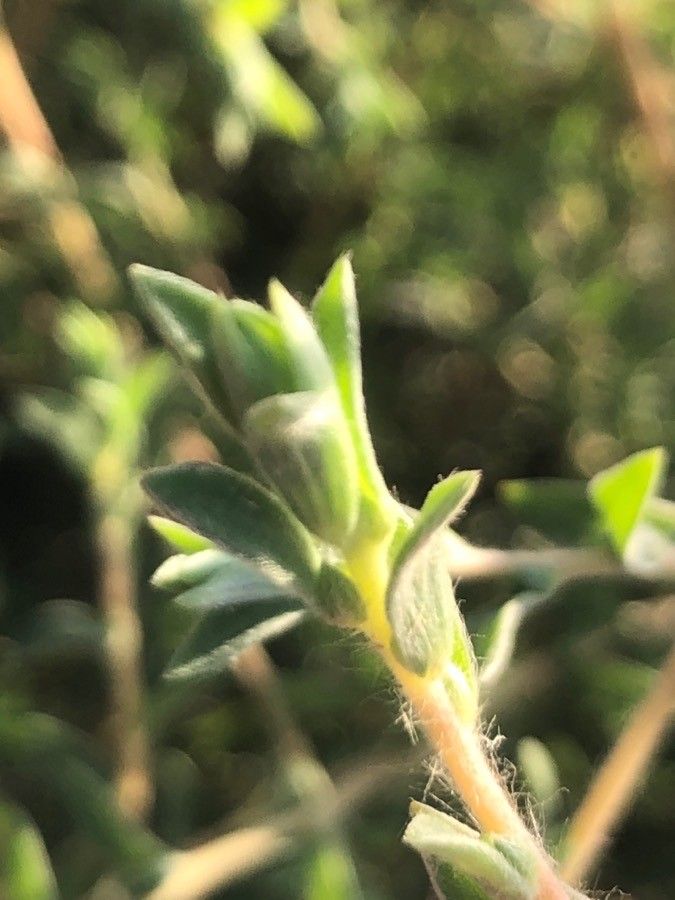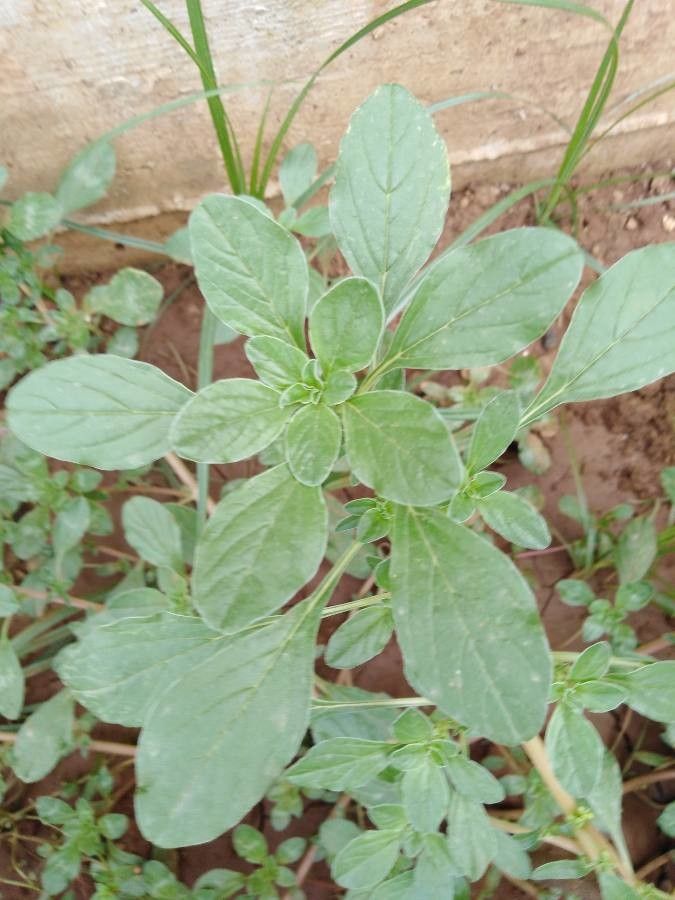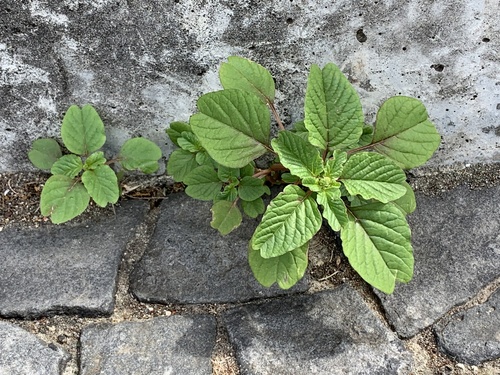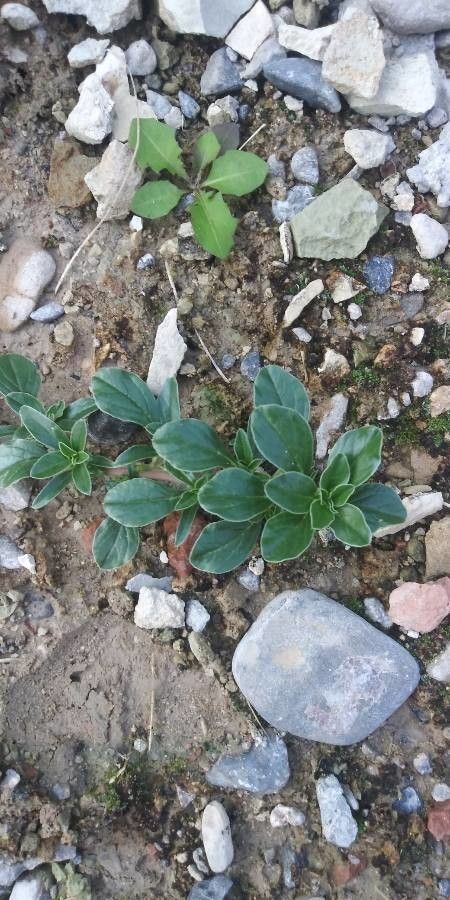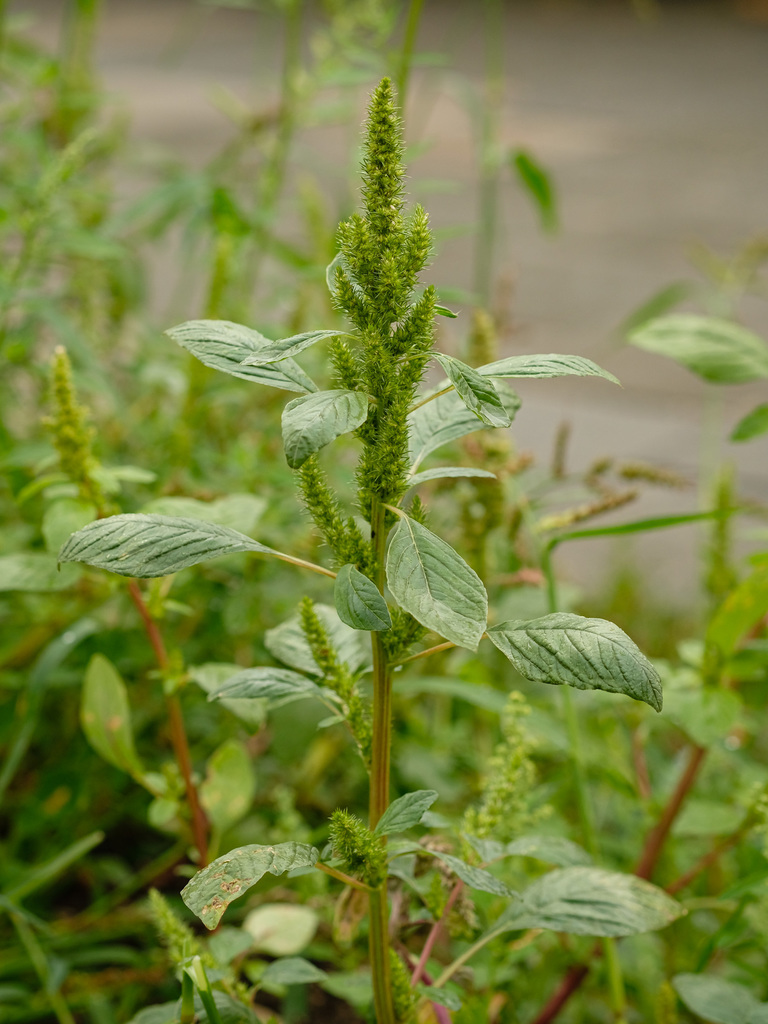
Amaranthus retroflexus, commonly known as redroot pigweed, is an annual plant that belongs to the Amaranthaceae family. Although native to North America, it has spread to various parts of the world. This plant can grow up to 1 meter tall, featuring a branching stem with green leaves that are oval or lance-shaped, often exhibiting a reddish tint at the base.
The flowers of Amaranthus retroflexus are small and greenish, arranged in dense clusters at the top of the stem. Its seeds are small, black or brown, and can be consumed as a grain.
Redroot pigweed is considered an invasive weed because of its rapid growth and ability to compete with other plants for resources. It thrives in disturbed areas such as fields, gardens, roadsides, and waste areas.
Redroot amaranth is an invasive species that significantly affects cotton, beans, peanuts, and other crops. FUN FACT · FROM THE LIBRARY
Despite being regarded as a weed by many farmers due to its competitive nature with crops like corn and soybeans, Amaranthus retroflexus has been used for centuries by indigenous people for its high nutritional value. It contains high levels of protein (up to 30% more than wheat), vitamins A and C, calcium, iron, potassium, among other nutrients.
Additionally, it contains phytochemicals such as squalene, which research studies on animals (rats) have shown may help reduce cholesterol levels.
Overall, Amaranthus retroflexus serves both ecological purposes, as a food source for wildlife, and nutritional purposes.
Redroot Amaranth (Pigweed Amaranth): This plant is known by various common names, often inspired by its appearance or its natural habitat. The name "redroot amaranth" is derived from its distinctive red or pink roots. It is also called "pigweed amaranth" because it tends to grow in areas where pigs often feed on it.
Redroot pigweed has strong disease resistance and is generally not prone to illnesses. Still, it can be affected by pests and diseases present in its environment. Such infections are typically mild. Regarding care, the plant needs moderate maintenance. It should be pruned regularly to preserve a good appearance and healthy growth. Fertilizing can also encourage flowering. Redroot pigweed is appropriate for anyone with outdoor space, like a garden or patio, and does not demand extensive care experience. It may need more attention when cultivated indoors.
How to keep Amaranthus Retroflexus.
Light
Redroot pigweed performs best in full sun but can tolerate partial shade. Its growth can be reduced if it lacks sufficient sunlight. Native to open, sunny habitats, the plant is adapted to high-light conditions. Both too much and too little light can adversely affect its development.
Water
Redroot amaranth flourishes in warm, dry regions but needs weekly watering to remain healthy. As an annual herb, it requires moderate and consistent moisture to promote rapid growth and flowering. Ideally, it should be grown outdoors, where it can benefit from rainwater during its peak growth periods, aligning with its natural life cycle.
Temperature
Redroot pigweed originates from habitats where temperatures range from 20 to 35 °C (68 to 95 °F). It grows best in these warm conditions. Seasonal adjustments may be required to keep temperatures within this desired range.
Fertilizer
Redroot pigweed responds well to regular, light applications of fertilizer to encourage healthy leaf development. You should fertilize Redroot pigweed about once a month during the summer. Nitrogen is important for foliage, and providing nitrogen-rich supplements helps Redroot pigweed flourish.
Botanical profile.
- Plant Type
- Herb
- Life Cycle
- Annual
- Genus
- Amaranthus
- Family
- Amaranthaceae
- Hardiness Zone
- 3-8
- Mature Height
- 15 cm to 91 cm
- Mature Spread
- 49 cm to 91 cm
- Leaf Color
- Green
- Leaf Type
- Deciduous
- Flower Color
- Green
- Flower Size
- 2.03 cm to 4.06 cm
- Bloom Time
- Early summer, Mid summer
- Planting Time
- Spring
- Harvest Time
- Mid summer
- Native Area
- Yemen, Mexico, Cyprus, Egypt
Other names.
Reader questions.
When Should I Water My Redroot Amaranth?
Watering your Redroot Amaranth (Amaranthus retroflexus) should be timely to ensure its health, growth, and vitality. The signs that indicate it's time to water include wilting or drooping leaves, which if healthy should feel firm, and dry soil to the touch about one to two inches deep. Young plants and seedlings require more frequent watering compared to mature plants. Additionally, the plant's need for water increases in hot, dry seasons or climates and decreases in cooler, humid conditions. Overwatering and underwatering can both be detrimental, causing conditions such as root rot or wilted leaves and stunted growth respectively.
What are the sunlight requirements for Redroot amaranth?
Redroot amaranth thrives best when exposed to full sunlight for more than 6 hours daily, but it can also cope with partial shade, receiving about 3-6 hours of sunlight. This plant originates from open, sunny habitats and has adapted to environments where sunlight is abundant. Ensuring it gets the right amount of sunlight is crucial for its development. It's important to observe how sunlight moves through your garden throughout the day and choose planting spots that offer a balance of light and shade, tailored to the needs of your plants.
What temperature range is ideal for Redroot amaranth?
Redroot amaranth, also known as Amaranthus retroflexus, thrives best in warm temperatures, ideally between 20 to 35 °C (68 to 95 °F). The plant is native to environments within this temperature range and prefers such conditions for optimal growth.
How Should I Water My Redroot Amaranth?
Watering Redroot Amaranth requires careful balance to avoid over-watering and ensure the plant's roots receive sufficient oxygenation between waterings. The soil should not become completely dry to avoid drought stress. Using a watering can with a narrow spout enables precise watering at the plant's base, which is crucial to avoid excess moisture on foliage that could lead to fungal diseases. This method helps in maintaining the right moisture level for the plant's health and growth.
How can I provide adequate lighting for Redroot amaranth indoors?
For indoor Redroot amaranth plants, adequate lighting is essential, especially when natural sunlight is lacking. Using artificial lighting, such as LED lights, can be a great solution. These lights can be customized to emit specific wavelengths needed for plant growth. Full sun plants, like Redroot amaranth, require 30-50W/sq ft of artificial light. The light source should be placed 12-36 inches above the plant to mimic natural sunlight and should be on for 8-12 hours per day to simulate the length of natural daylight hours.
Does Redroot amaranth require any special frost protection measures during winter?
Redroot amaranth possesses strong cold resistance, which typically makes special frost protection measures unnecessary during winter. However, in extreme conditions where winter temperatures might drop below -35°C, it's important to provide cold protection by covering the plant with soil or straw. Additionally, watering the plant abundantly before the first freeze in autumn ensures the soil stays moist and freezes, which helps prevent drought and water scarcity for the plant during winter and early spring.
How Much Water Does Redroot Amaranth Really Need?
Redroot Amaranth's water needs are contingent on its pot size and the plant's stage of growth. Typically, for a pot with an 8-10 inches diameter, about 1-2 liters of water is ideal, ensuring the water penetrates deep to reach the roots without causing waterlogging. The plant exhibits vibrant green leaves and sturdy stems when watered properly, whereas signs of under or over-watering include wilting, yellowing, or drop-off leaves. It’s crucial to achieve a balance to prevent root rot or stunted growth.
What are the signs of inadequate light for Redroot amaranth?
When Redroot amaranth receives insufficient sunlight, it may show several symptoms, including smaller new leaves, leggy or sparse growth, faster leaf drop, and slower or halted growth. Other signs are lighter-colored new leaves, indicating a lack of chlorophyll, and chlorosis, where leaves lose their green color and turn yellow. Sunscald, leaf curling, wilting, and leaf scorching are symptoms that can occur due to excessive sunlight exposure, highlighting the need for a balanced light environment.
How does Redroot amaranth react to low temperatures?
Redroot amaranth is cold-tolerant and fares best when the temperature remains above 20°C. During winter, it's crucial to keep it above 0°C. If temperatures fall below -35°C, you might not notice immediate changes during winter, but there could be a decrease in sprouting or even a total absence of sprouting come spring. To manage this, remove any parts in the spring that have failed to sprout.
What Kind of Water is Best for Redroot Amaranth?
Redroot Amaranth thrives on water that is free from impurities and harmful chemicals. Distilled water is the best option due to its purity. Rainwater is also suitable as it's natural and free from chlorine or fluoride. If using tap water, ensure it doesn't contain high levels of chlorine, fluoride, or other chemical substances. Filtered water can also be a good alternative, especially if it effectively removes unwanted minerals and chemicals. Letting tap water sit for 24 hours before use can help dissipate chlorine, making it safer for the plant.
How can I improve light conditions for Redroot amaranth?
To improve light conditions for Redroot amaranth, gradually moving plants to sunnier locations can be beneficial. For indoor plants, consider using artificial light sources if moving them isn't feasible, ensuring they receive at least 6 hours of direct sunlight daily or keeping artificial lights on for at least 8 hours. Outdoor plants should be moved to optimal sunlight spots gradually to avoid sunburn. If obstructions like trees block sunlight, pruning may help increase exposure. For smaller plants, transplanting during the dormant period to a sunnier location with good drainage can also improve growth.
What should I do if my Redroot amaranth experiences high temperatures?
During summer, keeping Redroot amaranth below 35°C is advisable. If temperatures exceed 38°C, the leaves may become lighter, prone to curling, susceptible to sunburn, and in severe cases, the entire plant may wilt and become dry. To counteract this, trim away the sunburned and dried-up parts, move the plant to a shade, or use a shade cloth during the midday and afternoon sun. Also, watering in the morning and evening will help keep the soil moist and protect the plant from the heat.