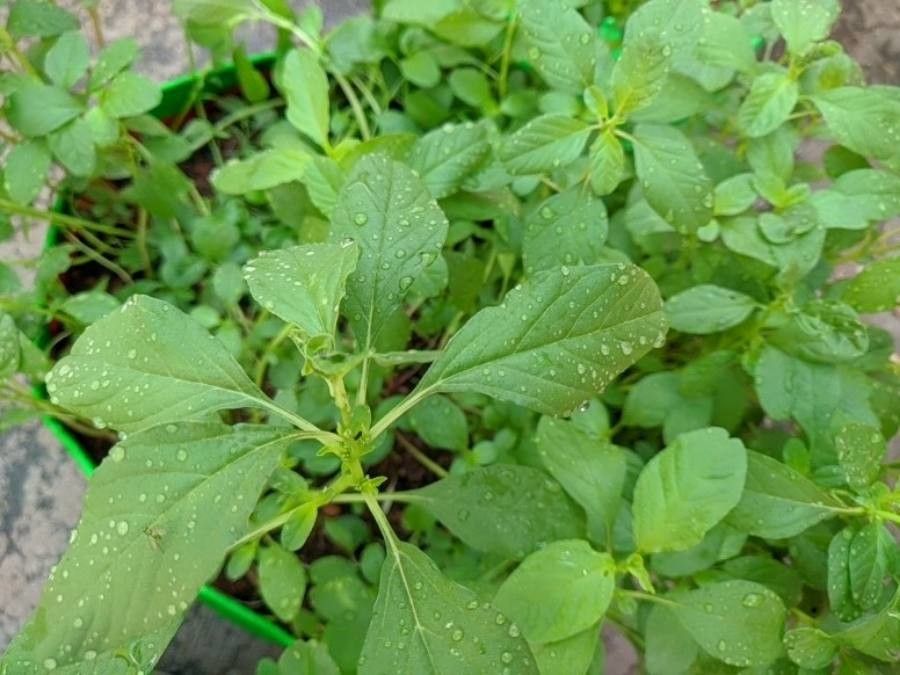
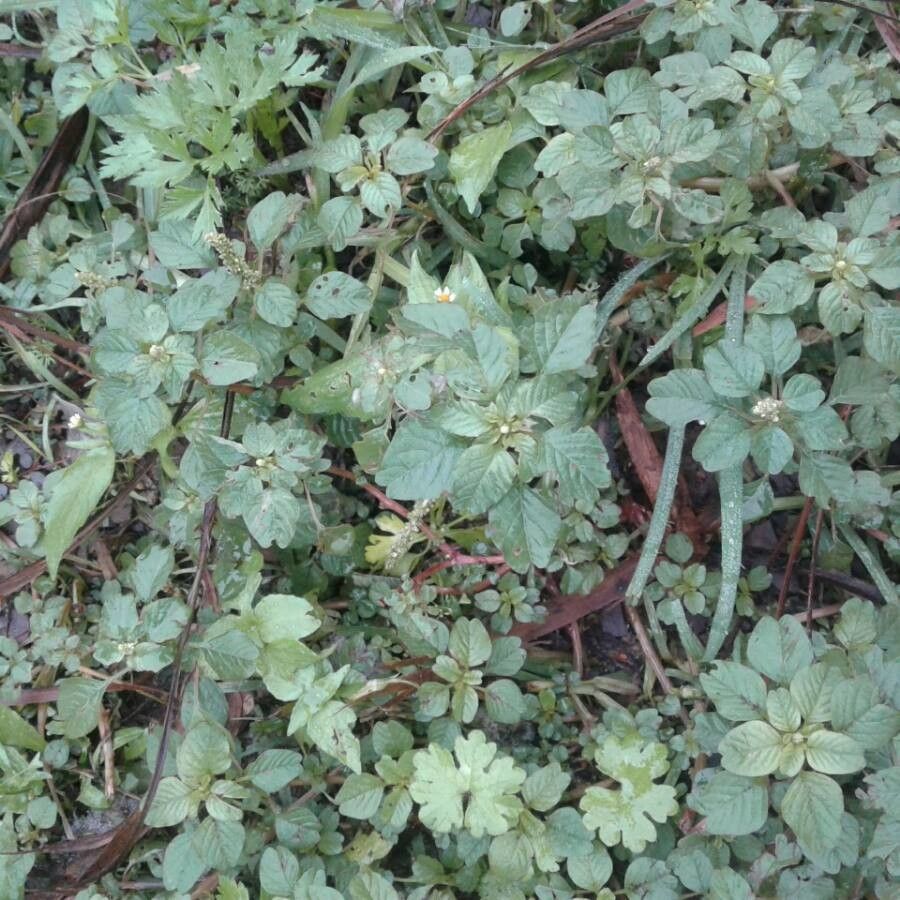
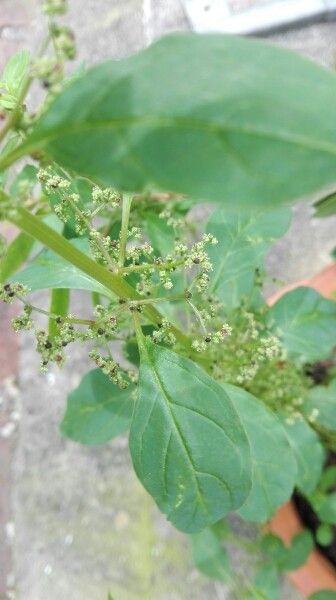
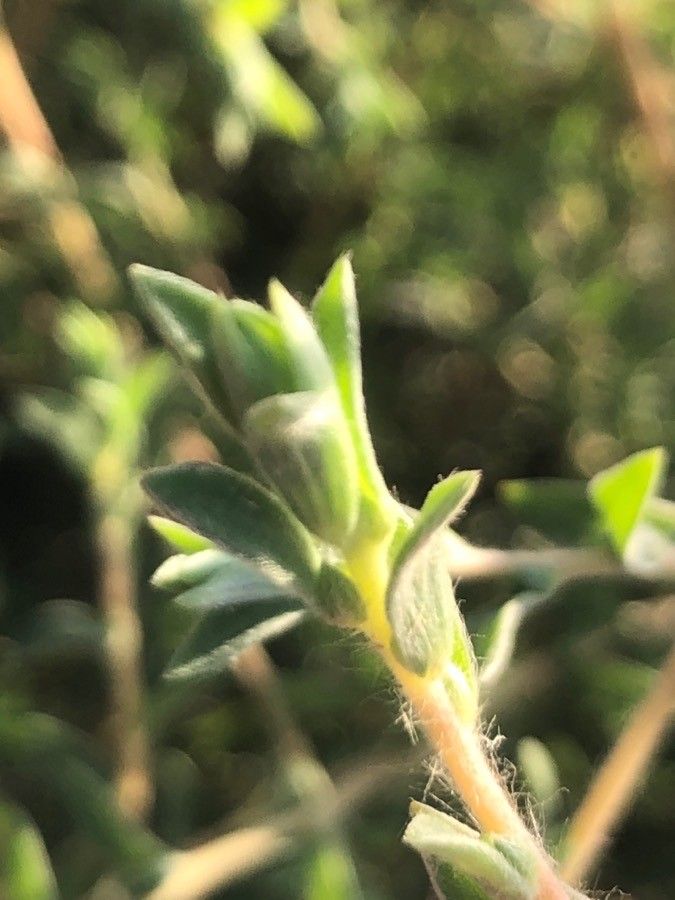
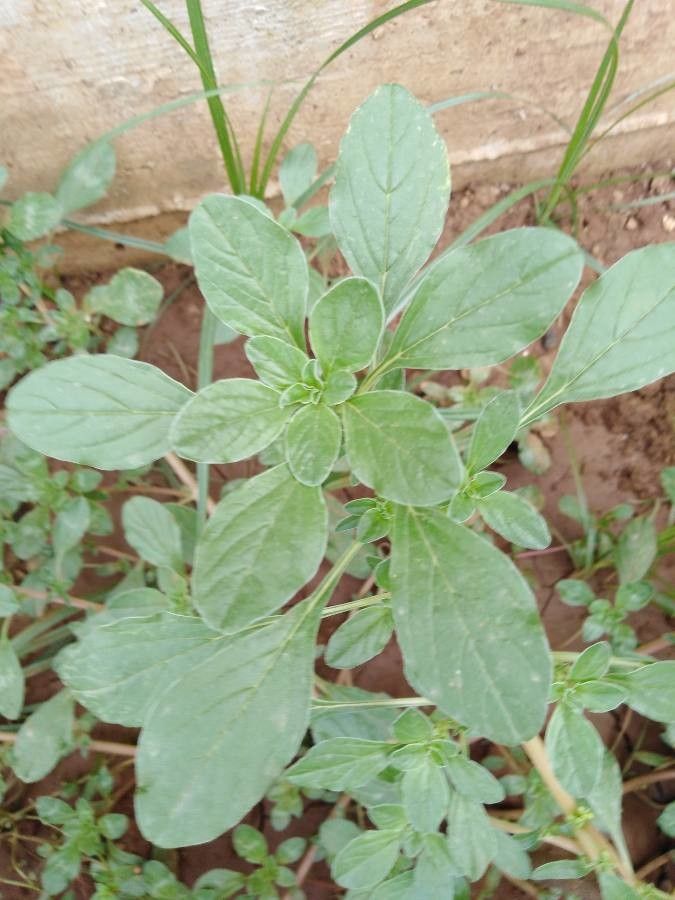
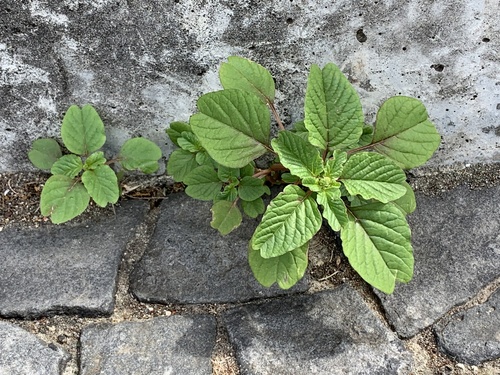
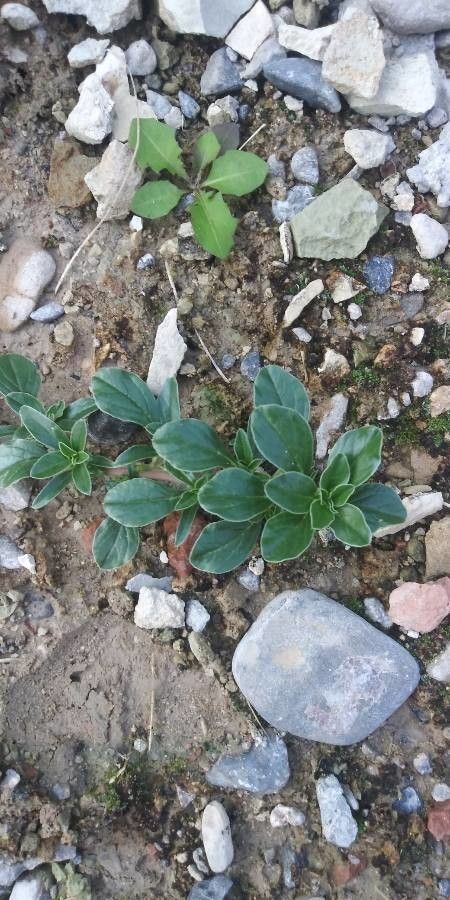
Amaranthus polygonoides is a species of flowering plant found in North America and the Caribbean. It goes by the common name of tropical amaranth.
Tropical amaranth has strong resistance to disease and is typically not vulnerable to illnesses. Still, it can be affected by pests and diseases present in its environment. Such infections tend to be mild. Regarding maintenance, this plant needs a moderate amount of care. It should be pruned regularly to preserve an attractive appearance and encourage healthy growth. Applying fertilizer can also support better flowering. Tropical amaranth is well suited for anyone with outdoor areas like a garden or patio and does not demand extensive horticultural experience. When cultivated indoors, it may need more attention.
How to keep Amaranthus Polygonoides.
Light
Tropical amaranth requires abundant natural light for optimal growth. In its native environment it flourishes under intense sunlight. It can, however, tolerate some shade. Too little light will hinder growth, while too much can burn the leaves.
Water
Tropical amaranth flourishes in conditions similar to those in the tropics, where it needs constant moisture without becoming waterlogged. To keep the plant healthy, it's best to water it weekly. Its growth is highly dependent on the availability of water, so managing rainfall effectively is crucial for its development throughout the seasons.
Temperature
Tropical amaranth comes from tropical areas where the climate is generally warm and humid. As a result, it is well suited to high temperatures and humidity. It does not tolerate sudden temperature shifts and prefers a steady thermal environment, so it is important to prevent temperature fluctuations indoors. It typically cannot withstand cold and requires warmer conditions to grow. If the ambient temperature drops too low, the plant may stop growing or even die.
Fertilizer
Tropical amaranth responds well to regular, light applications of fertilizer to encourage robust leaf development. You should feed Tropical amaranth about once each month during the summer. Since nitrogen is important for foliage, supplying nitrogen-rich fertilizers helps Tropical amaranth thrive.
Pruning
Tropical amaranth is a resilient annual plant known for its vibrant foliage and colorful blooms. To promote healthy growth, prune the plant in early spring. This helps remove dead leaves and trim leggy stems, resulting in a bushier appearance. Regular light pruning enhances air circulation, reduces disease risk, and maintains the plant's overall health. Always use sharp, clean tools for the best results.
Botanical profile.
- Plant Type
- Herb
- Life Cycle
- Annual
- Genus
- Amaranthus
- Family
- Amaranthaceae
- Hardiness Zone
- 8-11
- Mature Height
- 34 cm
- Mature Spread
- 20 cm to 40 cm
- Leaf Color
- Green, Light Green
- Leaf Type
- Evergreen
- Flower Color
- Green
- Flower Size
- 0.10 cm
- Bloom Time
- Summer, Fall
- Planting Time
- Spring, Summer, Autumn
- Harvest Time
- Late summer, Fall, Early winter
- Native Area
- Bahamas, Belize, Cuba, Honduras, Haiti, Mexico, Guatemala, Dominican Republic, Jamaica
Other names.
Reader questions.
What are the sunlight requirements for Tropical amaranth?
Tropical amaranth thrives best with ample exposure to natural sunlight, requiring more than 6 hours of sunlight daily (full sun) for optimal growth. It can also tolerate about 3-6 hours of sunlight (partial sun), which suits its native habitat's strong solar rays. However, while the plant can withstand some shade, insufficient light may hamper its growth, and excessive sunlight might scorch its leaves. Observing how sunlight moves through your garden and choosing spots that balance light and shade will ensure the plant's happiness.
What is the botanical name of Tropical Amaranth?
The botanical name of Tropical Amaranth is Amaranthus polygonoides.
How can artificial lighting support Tropical amaranth's growth indoors?
When natural sunlight is insufficient, especially in winter or less sunny indoor spaces, artificial lighting becomes crucial for Tropical amaranth's growth. Adequate artificial lighting, such as LED lights, is essential for promoting faster, healthier plant growth. These lights can be customized to provide specific wavelengths needed by the plant, with full sun plants requiring 30-50W/sq ft, partial sun plants 20-30W/sq ft, and full shade plants 10-20W/sq ft. Placing the light source 12-36 inches above the plant mimics natural sunlight, and most plants benefit from 8-12 hours of artificial light per day.
What type of content is available for Tropical Amaranth?
For Tropical Amaranth, currently, there is no specific content on essentials or symptoms provided in the data.
What are the signs of inadequate or excessive sunlight exposure in Tropical amaranth?
Signs of inadequate light include small leaves, leggy or sparse growth, faster leaf drop, slower or no new growth, and lighter-colored new leaves. These symptoms indicate light deficiency, as the plant may struggle with growth and maintaining energy. Conversely, excessive sunlight can cause chlorosis (yellowing leaves), sunscald, leaf curling, wilting, and leaf scorching, where leaves show damage from intense light exposure. These issues reflect the plant's response to too much sunlight, affecting its health and ability to photosynthesize.
What solutions can help manage sunlight exposure for Tropical amaranth?
For indoor plants, gradually moving them to sunnier locations to receive at least 6 hours of direct sunlight daily or using artificial light for at least 8 hours daily can optimize growth. For outdoor plants, it's crucial to gradually adapt them to sunlight by moving them weekly to prevent sunburn. Reducing obstructions like pruning trees or transplanting smaller plants during their dormant period can also enhance sunlight exposure. While parts of the plant affected by insufficient sunlight may not recover, new growth will be healthy with better light conditions.