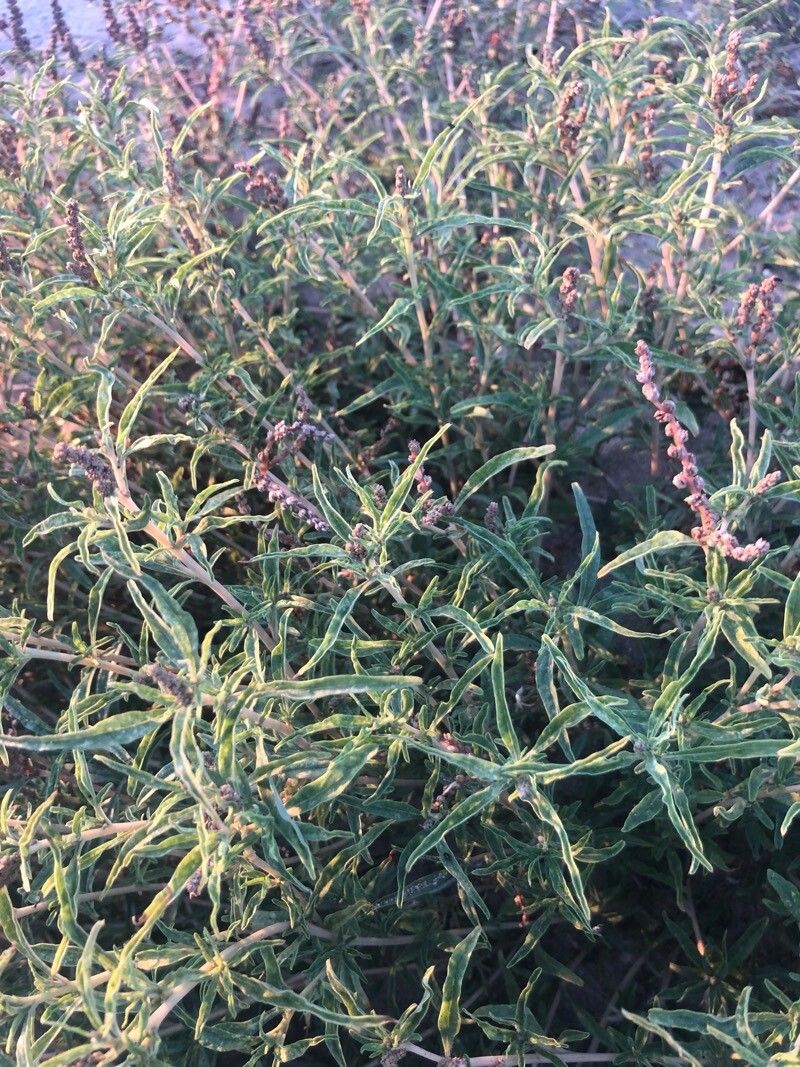
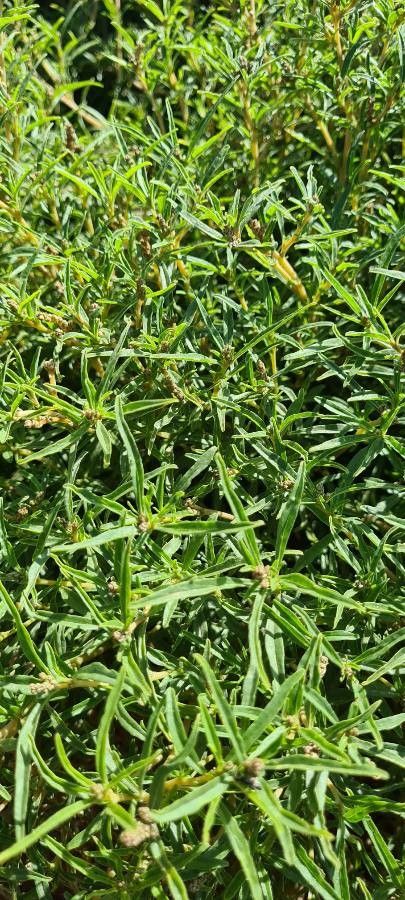
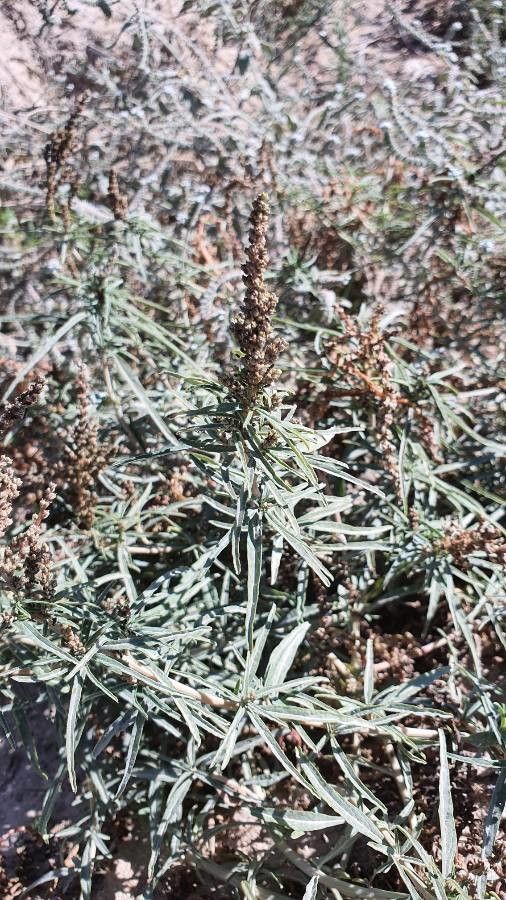
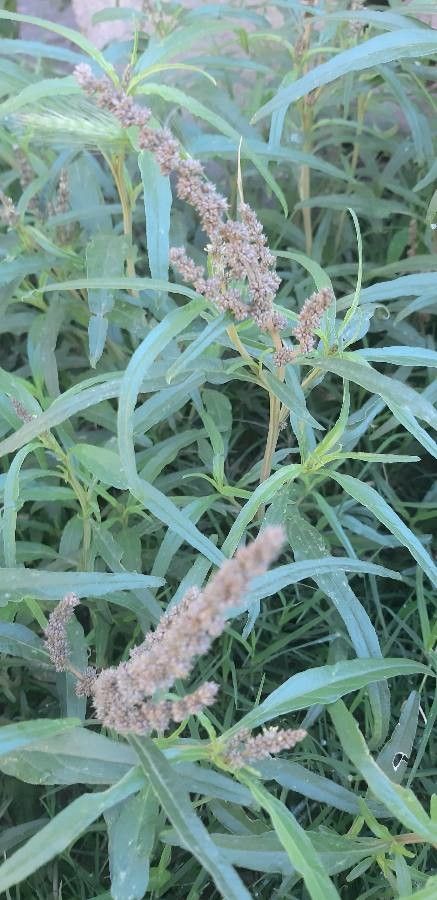
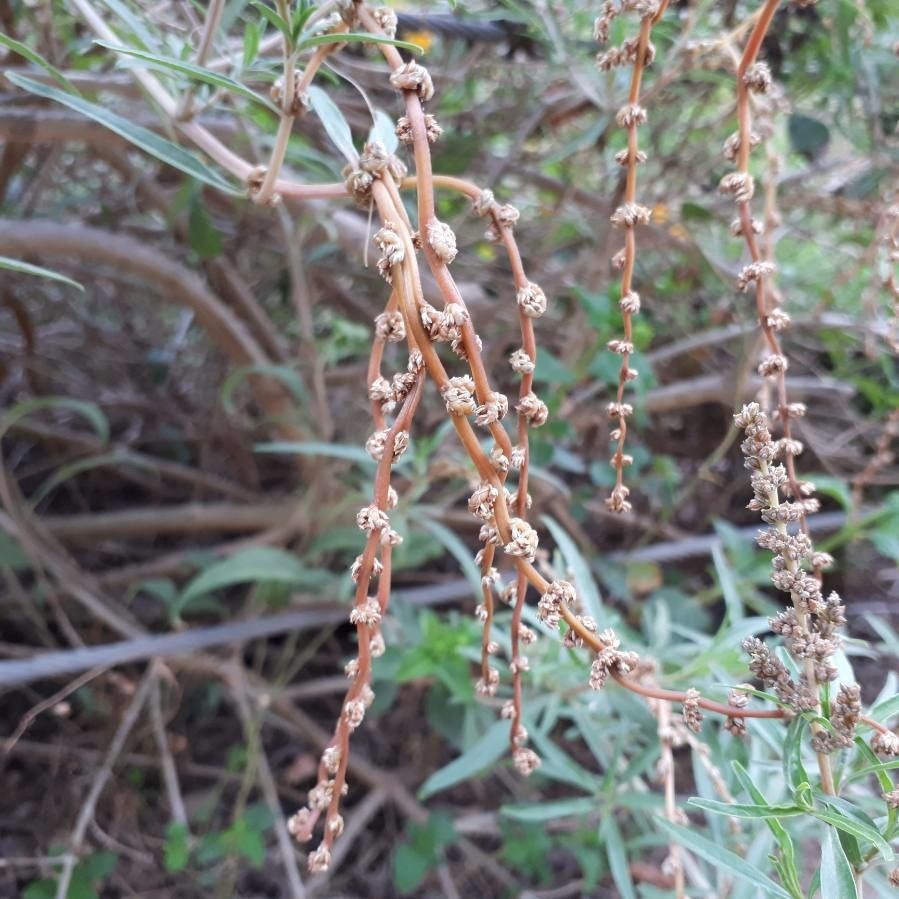
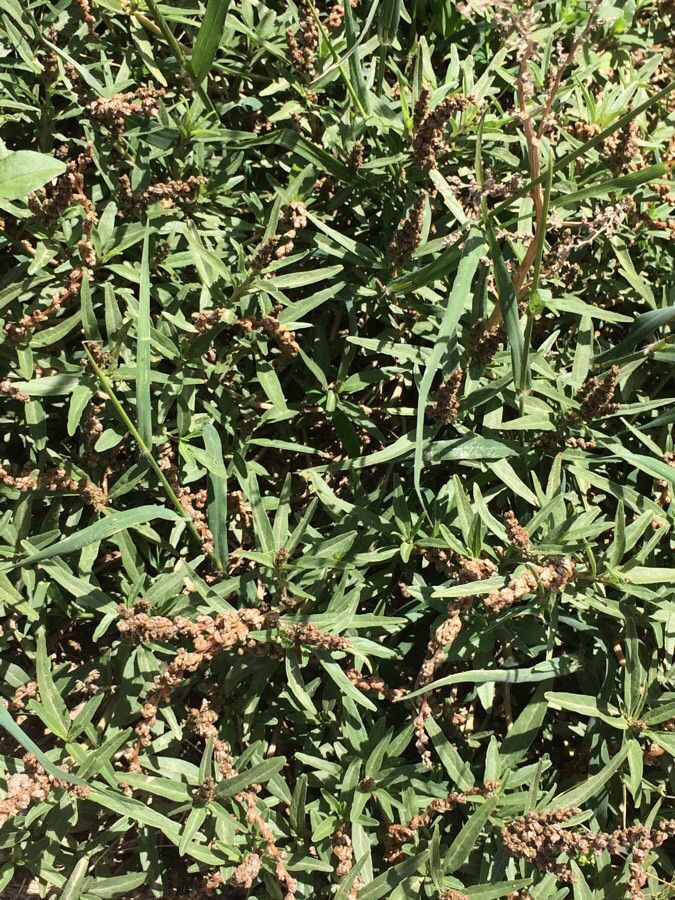
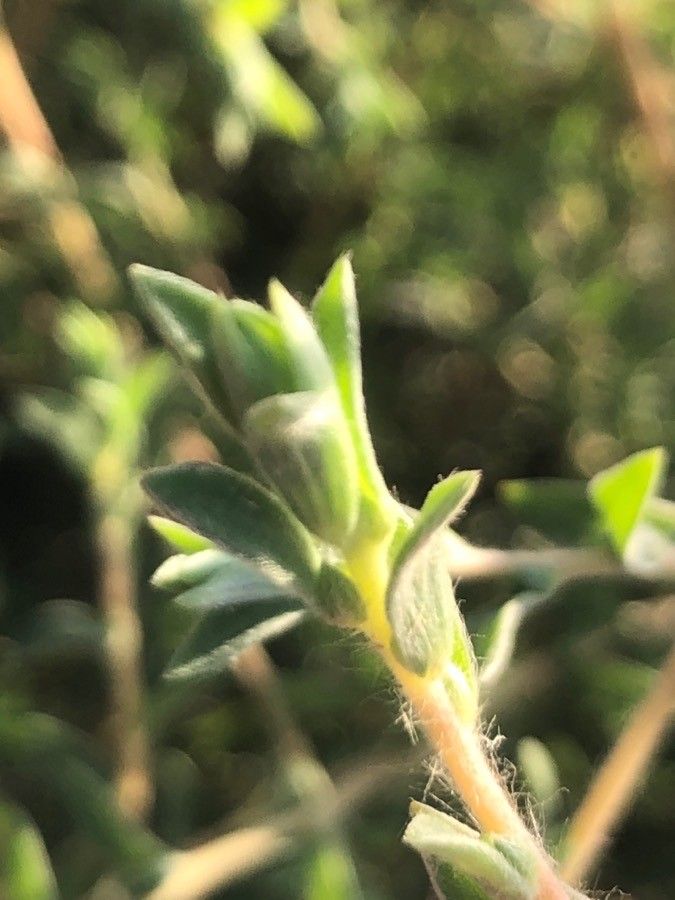
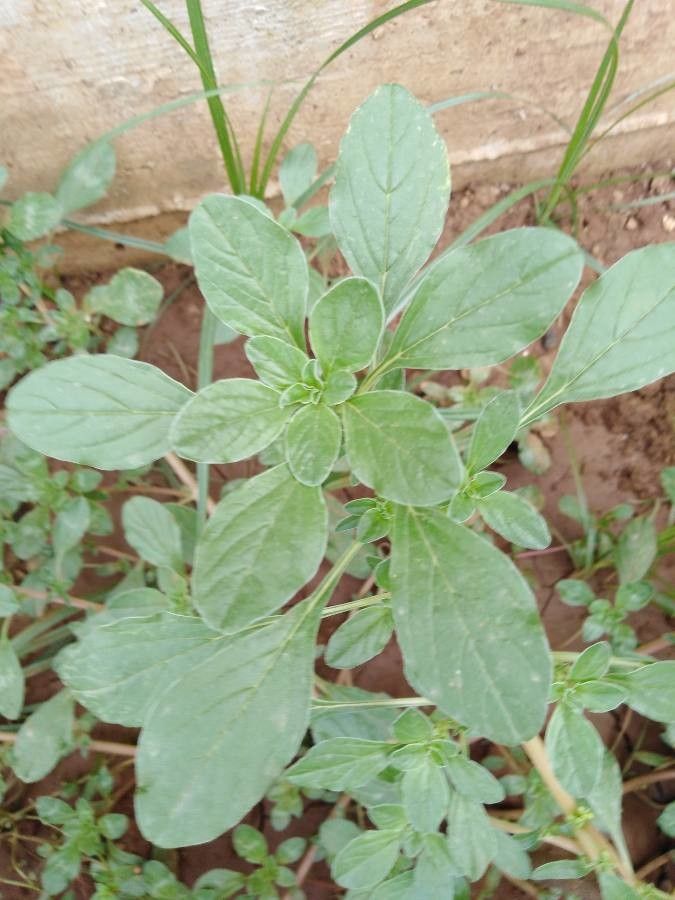
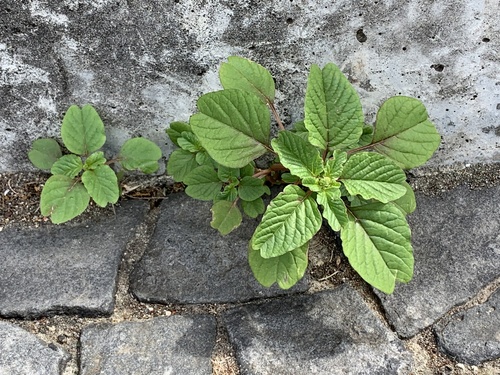
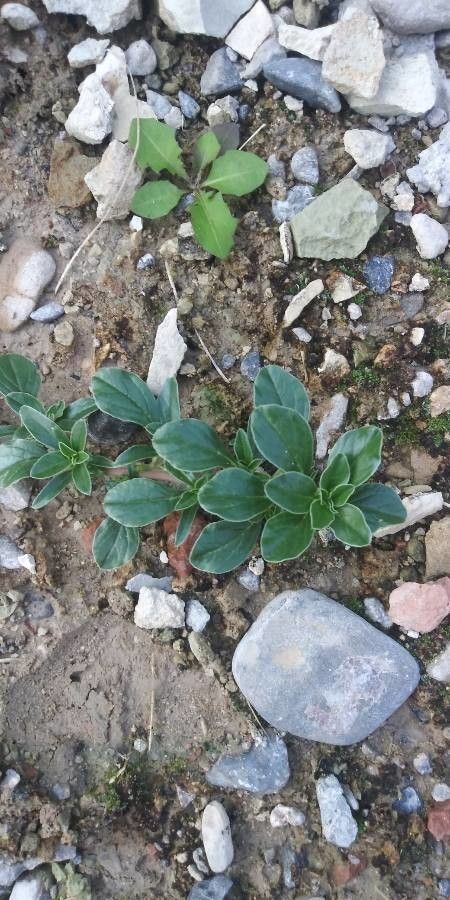
Amaranthus muricatus, the so-called African amaranth, is a species in the genus Amaranthus native to South America; Bolivia, Paraguay, Argentina and Uruguay. It is an invasive species in Africa, Europe and Australia, and to a lesser degree in North America and Asia. It is a decumbent perennial that does well in arid climates.A. muricatus may grow to about 60 cm tall. Its glabrous leaves are linear to lanceolate, about 2-5 cm long, with long petioles. Small flowers are produced on compact, pyramidal panicles. These flowers, which appear in summer and fall, produce wrinkled achenes, about 2 mm long, containing semiglossy, black, lenticular seeds that are typically 1-1.2 mm in diameter.
African amaranth is fairly resistant to disease and generally not highly susceptible to illnesses. Still, it can be vulnerable to pests and diseases present in its environment. These problems are typically minor. For care, the plant needs moderate maintenance. It should be pruned regularly to keep a neat appearance and support healthy growth. Fertilizing can also help encourage flowering. African amaranth is well suited for anyone with outdoor space like a garden or patio and does not demand extensive gardening experience. It may need more attention when grown indoors.
How to keep Amaranthus Muricatus.
Light
African amaranth comes from bright, open habitats where it does best in full sun. It can tolerate partial sun but favors direct sunlight for optimal growth. This plant, which may be annual or biennial, is noted for its sun-loving nature.
Temperature
African amaranth comes from tropical areas where the climate is typically warm and humid. Consequently, it is adapted to high heat and moisture. It does not tolerate sudden temperature shifts and prefers a steady temperature, so avoiding fluctuations indoors is important. It generally cannot withstand cold and needs warmer conditions to grow. If the surrounding temperature falls too low, the plant may stop growing or even die.
Fertilizer
African amaranth does well with regular, light applications of fertilizer to encourage healthy leaf growth. You should feed African amaranth roughly once a month during the summer. Nitrogen is essential for foliage, and providing nitrogen-rich sources helps African amaranth thrive.
Botanical profile.
- Plant Type
- Herb
- Life Cycle
- Annual
- Genus
- Amaranthus
- Family
- Amaranthaceae
- Hardiness Zone
- 9-11
- Mature Height
- 30 cm to 76 cm
- Mature Spread
- 30 cm to 61 cm
- Leaf Color
- Green, Dark Green
- Leaf Type
- Deciduous
- Flower Color
- Green
- Flower Size
- 0.20 cm to 0.25 cm
- Bloom Time
- Summer, Fall
- Planting Time
- Spring, Summer, Autumn
- Harvest Time
- Late summer, Fall, Early winter, Mid winter
- Native Area
- Argentina, Uruguay, Bolivia, Paraguay
Other names.