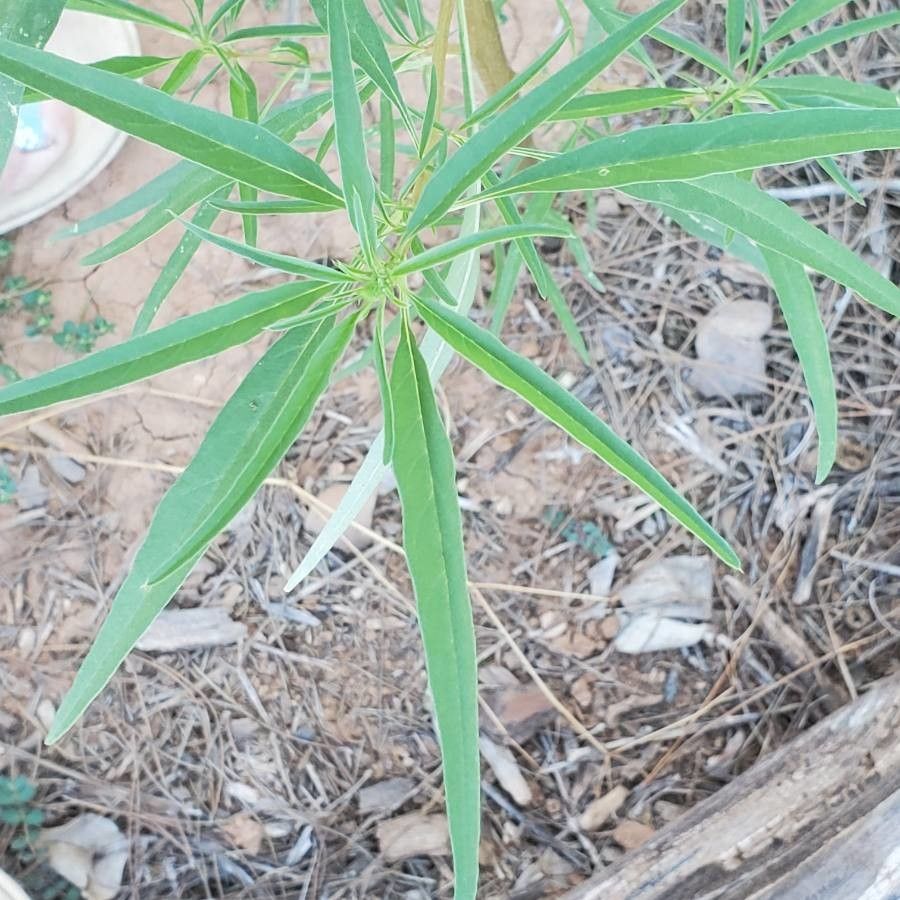
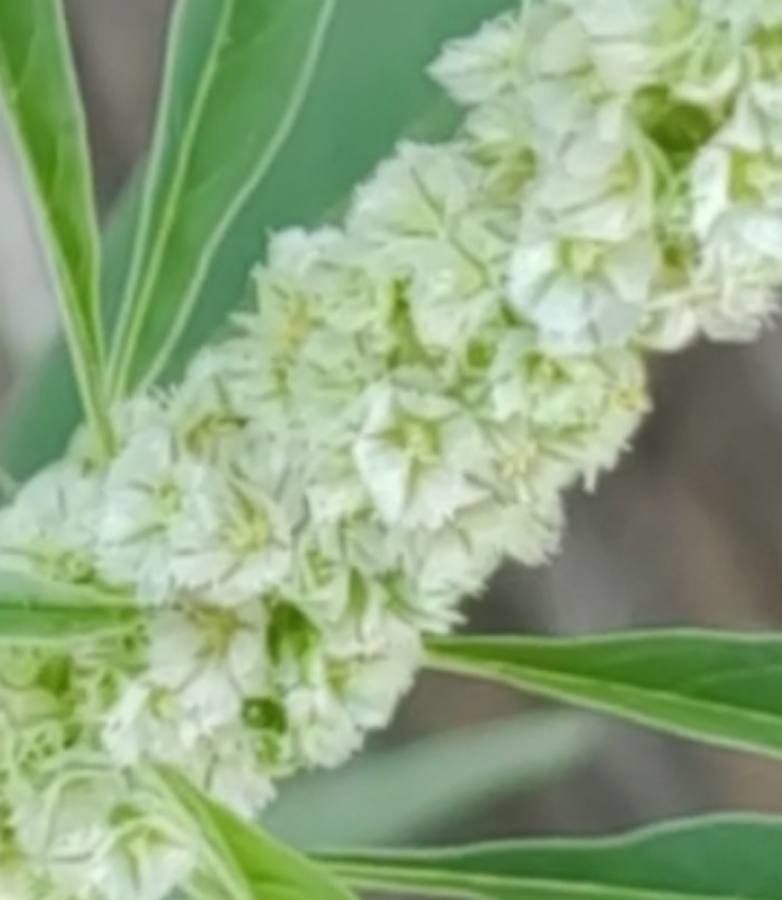
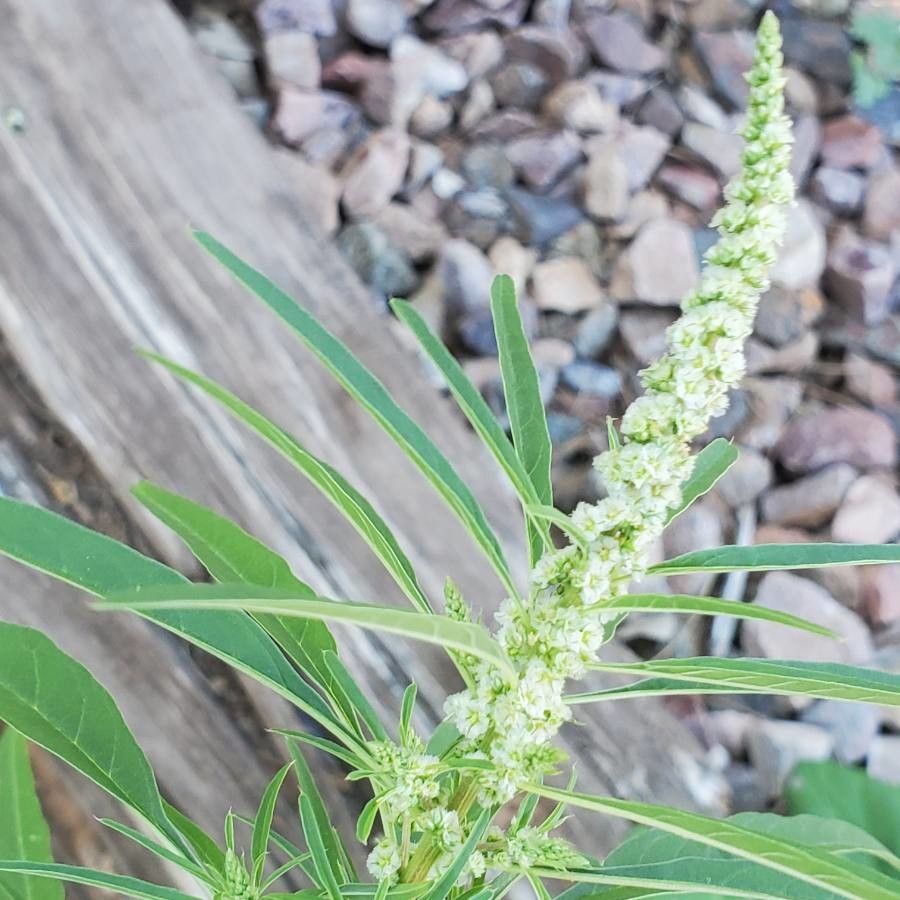
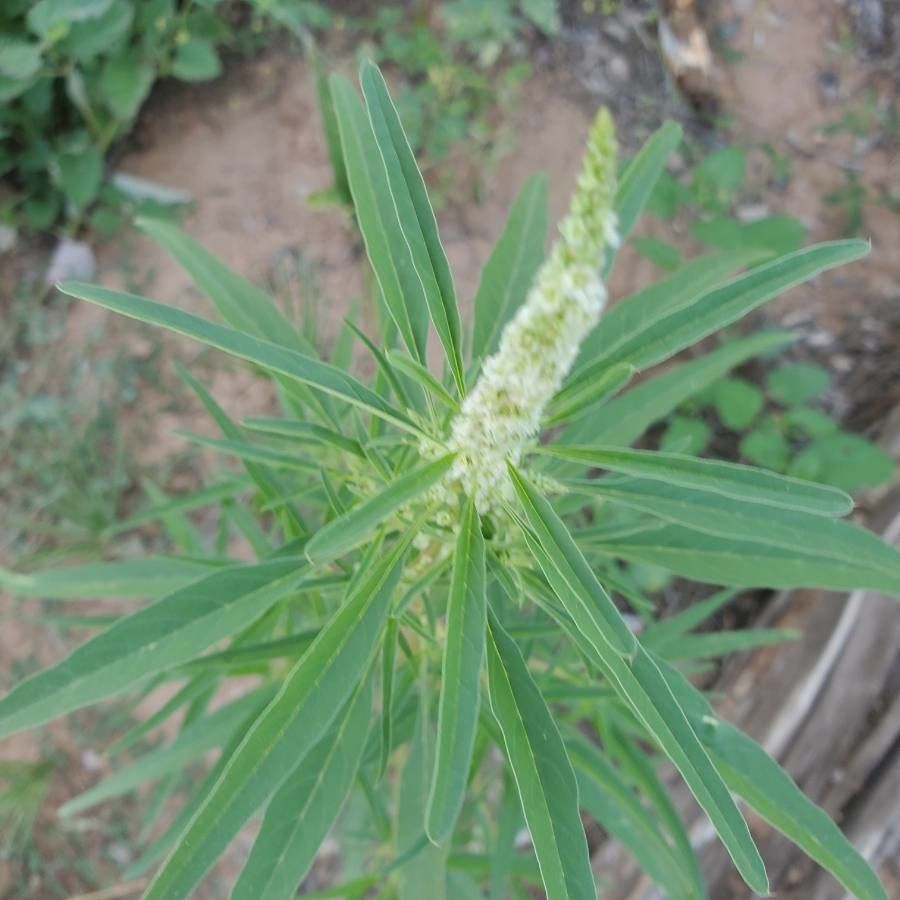
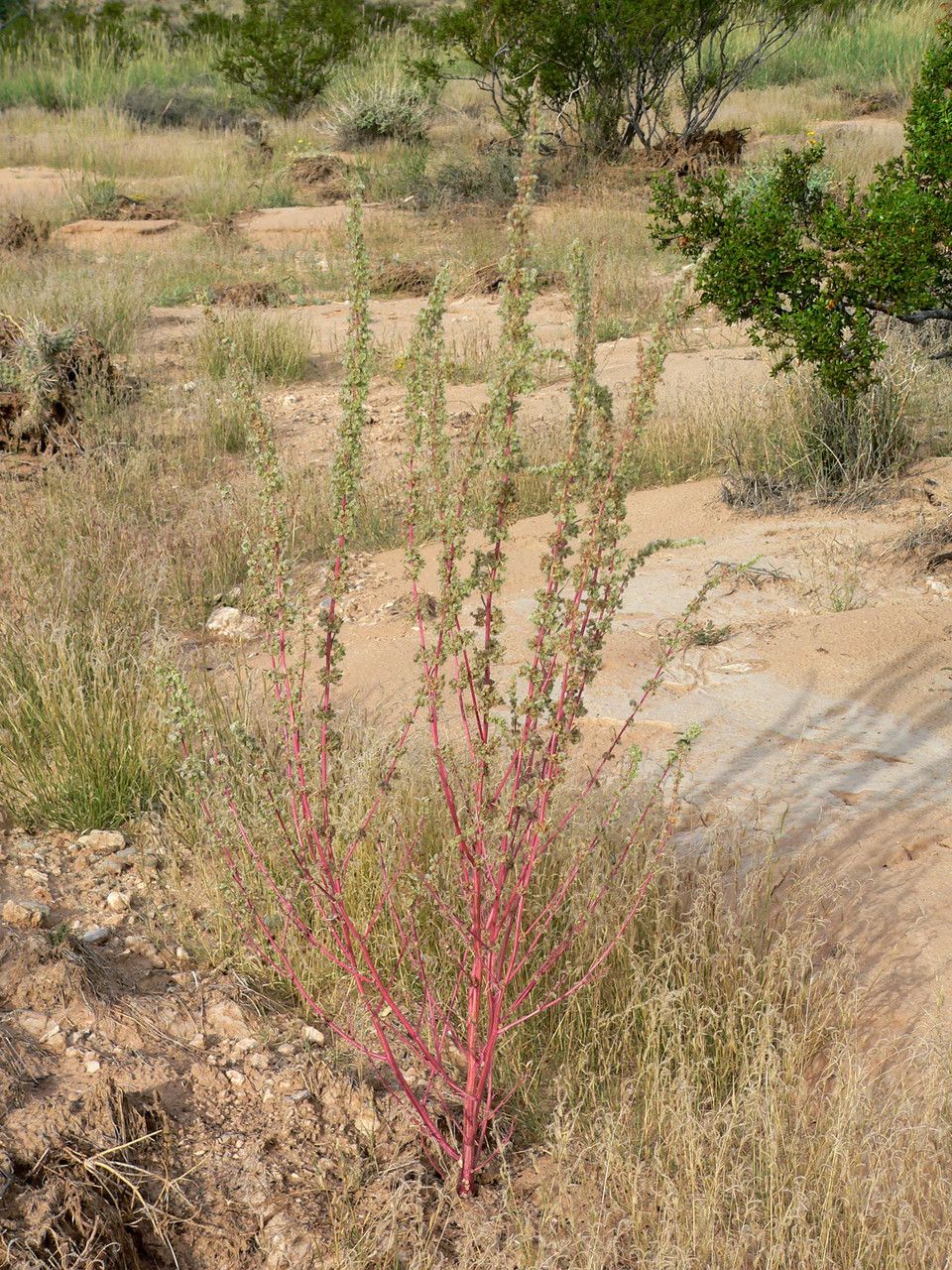
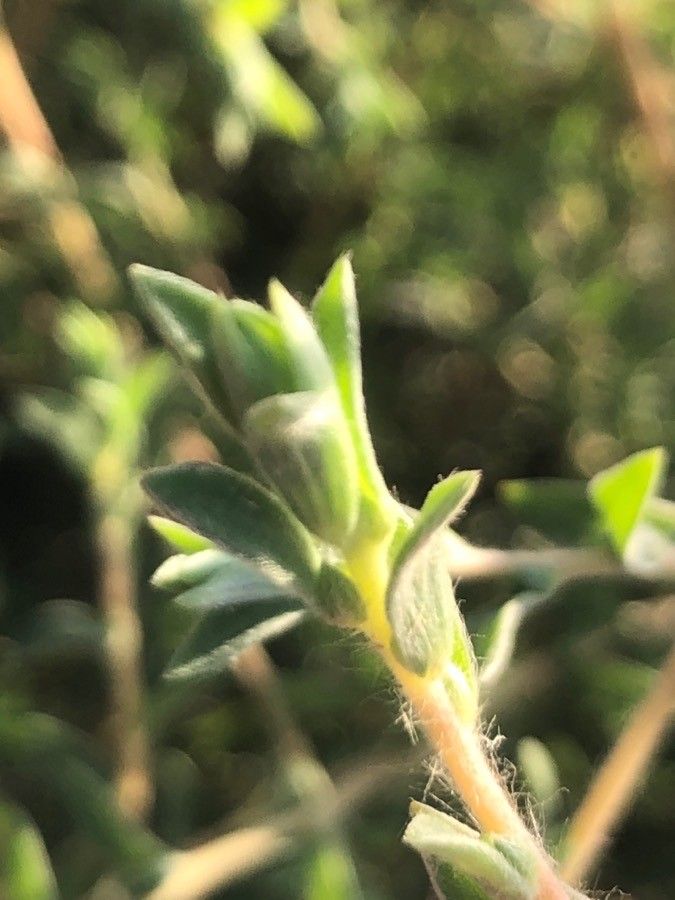
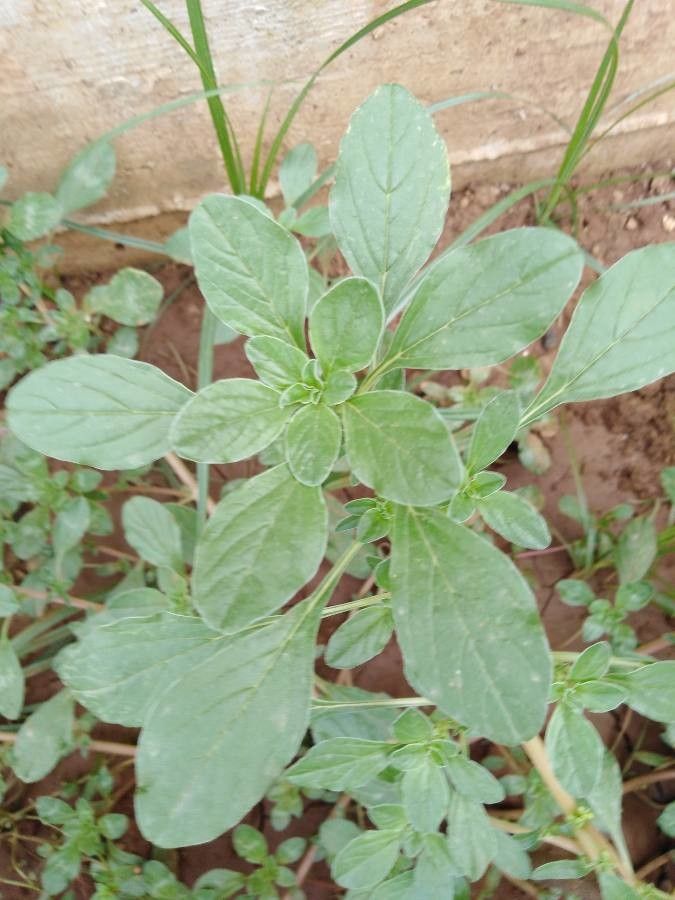
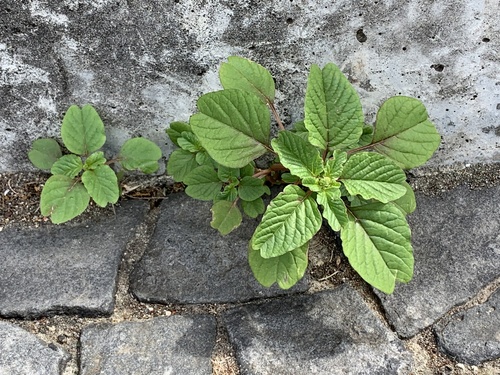
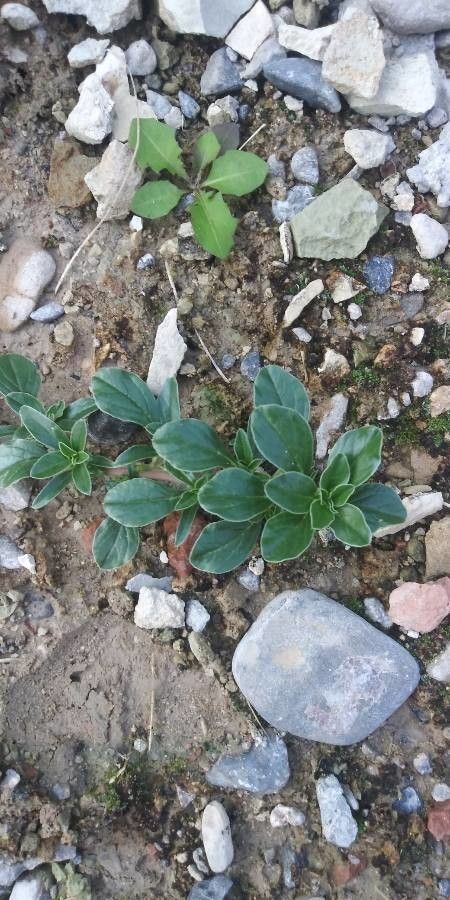
Amaranthus fimbriatus is a species of glabrous flowering plant in the Amaranthaceae family. It is commonly known as fringed amaranth or fringed pigweed. The plant is an annual herb that can often grow up to 0.7 m (2 ft.) in height. The flower is greenish to maroon. It is found in North America and in Mexico. It often grows on sandy, gravelly slopes, semideserts or in disturbed habitats. It usually blooms after the summer rains in these arid regions. It is considered to be an invasive weed.Two varieties of A. fimbriatus have been described: A. fimbriatus var. fimbriatus and A. fimbriatus var. denticulatus. The small variations are found in the tepals.
Fringed amaranth is fairly resistant to disease and typically not vulnerable to illnesses. Still, it can be affected by pests and diseases present in its environment. Those infections are generally mild. When it comes to care, the plant needs a moderate level of attention. It should be pruned regularly to keep a neat appearance and support healthy growth. Feeding it with fertilizer can also encourage blooming. Fringed amaranth is well suited for someone with outdoor space, like a garden or patio, and does not demand a lot of gardening experience. It may need additional care if grown indoors.
How to keep Amaranthus Fimbriatus.
Light
Fringed amaranth comes from bright, open habitats and flourishes in full sun. It can tolerate partial sun but prefers direct sunlight for best growth. This plant, which may be annual or biennial, is known for being sun-loving.
Temperature
Fringed amaranth is fairly adaptable to temperature, able to endure high heat and considerable temperature fluctuations. In hot weather, attention should be paid to watering and providing some shade to avoid sunburn. Conversely, fringed amaranth has relatively low cold tolerance. While it can handle a certain amount of chill, excessively low temperatures can cause frost damage.
Fertilizer
Fringed amaranth responds well to regular, dilute fertilizer applications to encourage healthy leaf development. You should fertilize Fringed amaranth about once a month during the summer months. Nitrogen is essential for foliage, and supplying nitrogen-rich sources helps Fringed amaranth thrive.
Pruning
Fringed amaranth flourishes with the appropriate pruning, which includes removing dead stems and trimming back overgrown branches. The ideal time for pruning is from early to late spring. This not only improves the plant's appearance but also encourages denser foliage, helps manage its size, and prevents disease, resulting in a robust plant.
Botanical profile.
- Plant Type
- Herb
- Life Cycle
- Annual
- Genus
- Amaranthus
- Family
- Amaranthaceae
- Hardiness Zone
- 9-11
- Mature Height
- 30 cm to 91 cm
- Mature Spread
- 20 cm to 49 cm
- Leaf Color
- Green, Dark Green
- Leaf Type
- Deciduous
- Flower Color
- Pink, Purple
- Flower Size
- 0.20 cm to 0.25 cm
- Bloom Time
- Summer
- Planting Time
- Spring, Summer, Autumn
- Harvest Time
- Late summer, Early fall, Mid fall
- Native Area
- Mexico
Other names.
Reader questions.
What are the sunlight requirements for Fringed Amaranth (Amaranthus fimbriatus)?
Fringed Amaranth (Amaranthus fimbriatus) thrives in conditions that meet its sunlight requirements accurately. It prefers 'Full sun' which means it should receive above 6 hours of sunlight daily. However, it can also grow in 'Partial sun' conditions, requiring about 3-6 hours of sunlight each day. It's essential to observe the movement of sunlight through your garden to find spots that offer the optimal balance of light and shade, ensuring the plants remain joyful and healthy.