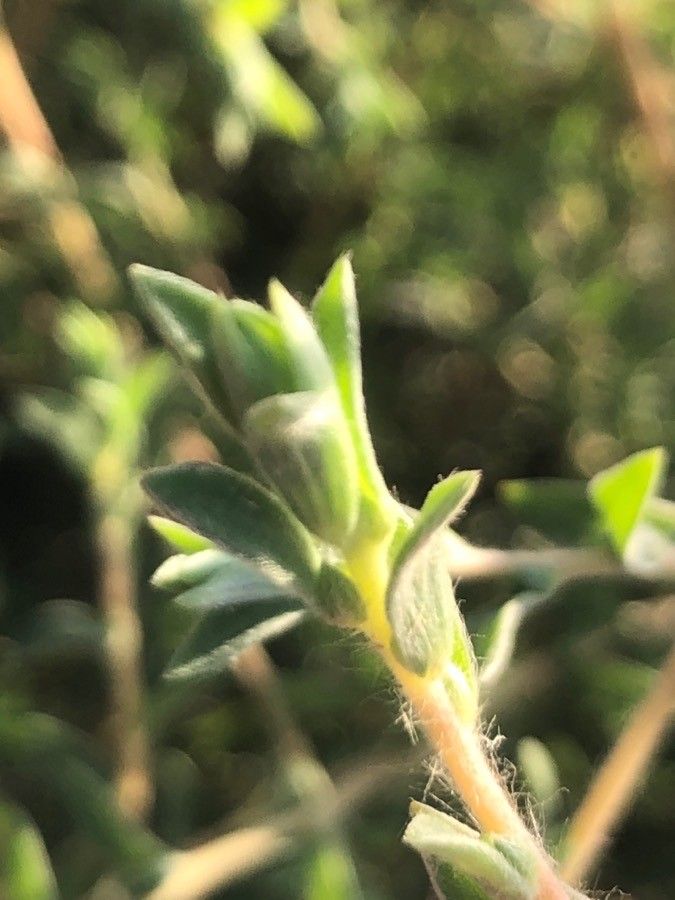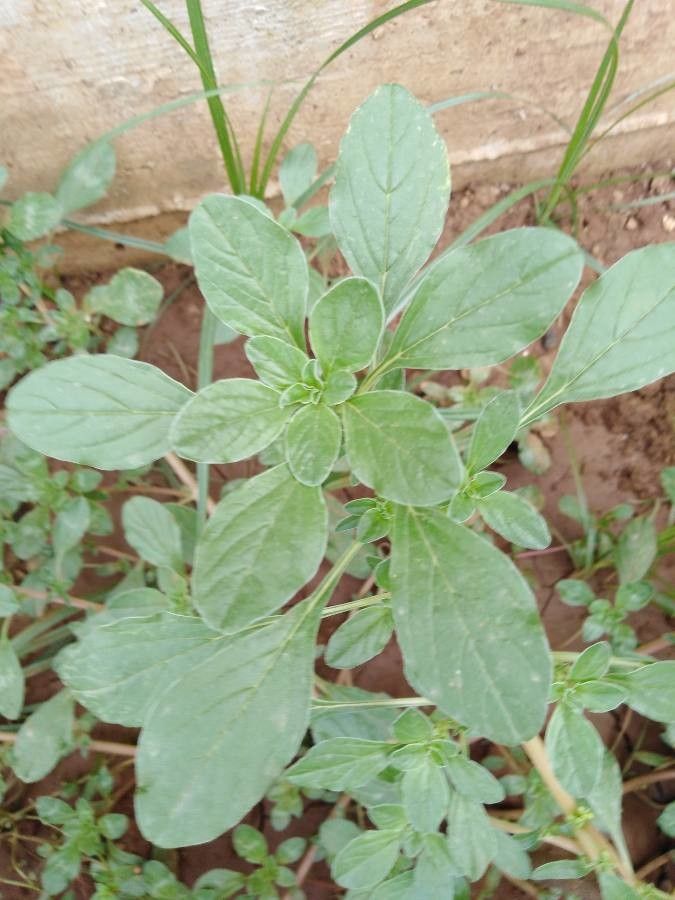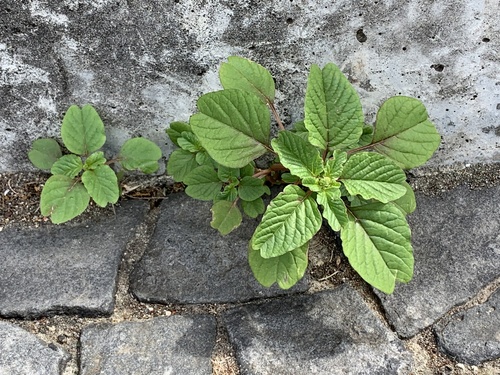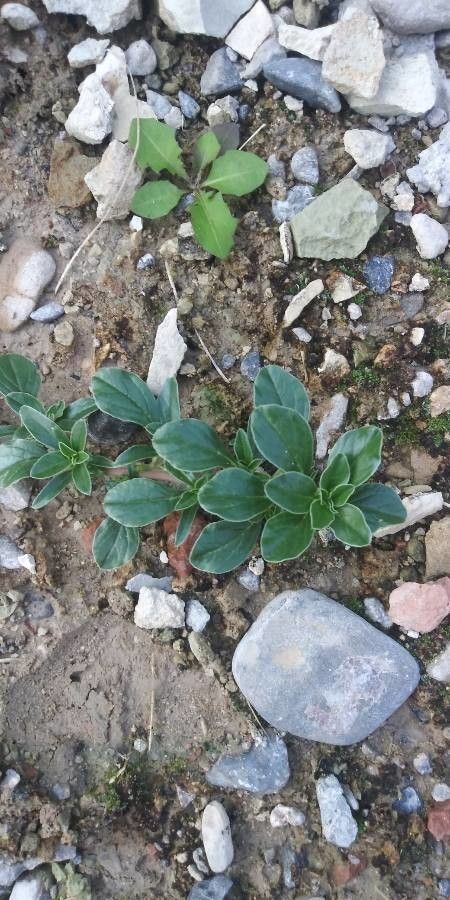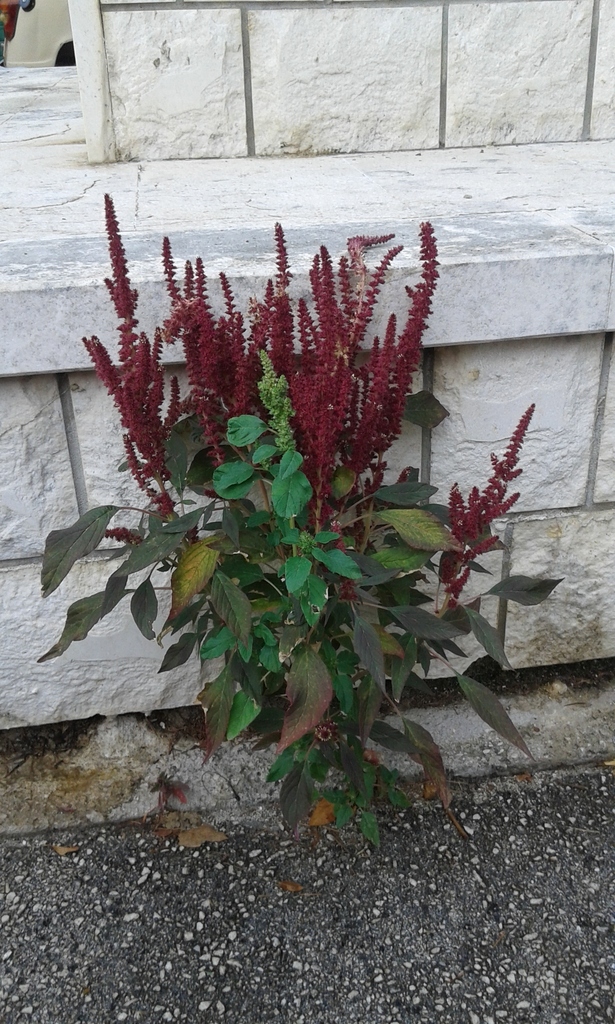
Amaranthus cruentus is a flowering plant species that yields the nutritious staple amaranth grain. It is one of three Amaranthus species cultivated as a grain source, the other two being Amaranthus hypochondriacus and Amaranthus caudatus. In Mexico, it is called huautli (Spanish pronunciation: [ˈwawtli] and alegría ([aleˈɣɾi.a] and in English it has several common names, including blood amaranth, red amaranth, purple amaranth, prince's feather, and Mexican grain amaranth. In Maharashtra, it is called shravani maath ("श्रावणी माठ") or rajgira ("राजगिरा"). In Kerala, it is called chuvanna cheera ("ചുവന്ന ചീര") or commonly, cheera ("ചീര").In Karnataka, it is called "Dantina soppu"("ದಂಟಿನ ಸೊಪ್ಪು") or harive soppu ("ಹರಿವೆ ಸೊಪ್ಪು").
Red Amaranth: This plant truly lives up to its name with its vibrant gold, purple, and red leaves that maintain their beauty even after being harvested and dried. Due to the striking color of its leaves, it is aptly named red amaranth.
Red amaranth is fairly resistant to disease and is generally not highly susceptible to illnesses. However, it can be affected by pests and diseases present in its surroundings. These infections tend to be mild. As for care, this plant requires moderate maintenance. It should be pruned regularly to maintain an attractive appearance and healthy growth. Fertilizing can also help encourage flowering. Red amaranth is well suited for anyone with an outdoor area, such as a garden or patio, and does not demand extensive care experience. It may need more attention when grown indoors.
How to keep Amaranthus Cruentus.
Light
Red amaranth performs well when exposed to strong sunlight, making it tolerant of high light levels and encouraging vigorous growth. Throughout its various growth stages, intense sunlight supports its healthy development. Traditionally cultivated in sunny environments, both excessive and insufficient light can negatively impact its health and growth.
Water
Red amaranth originates from tropical climates and thrives with consistent moisture. To maintain evenly moist soil without causing waterlogging, it requires watering twice a week. When grown indoors, it's important to maintain humidity levels. Outdoors, healthy growth depends on receiving sufficient local rainfall during the growing season.
Temperature
Red amaranth is native to areas with temperatures ranging from 68 to 100 °F (20 to 38 ℃). It prefers these moderately warm conditions. In colder seasons, try adjusting the surrounding temperature to match its preference.
Fertilizer
Red amaranth benefits from regular, light applications of fertilizer to encourage healthy leaf growth. You should fertilize red amaranth about once a month during the summer. Nitrogen is important for foliage, and supplying nitrogen-rich sources helps red amaranth thrive.
Pruning
Red amaranth is an annual herb known for its vibrant red leaves. To encourage strong growth, it is important to prune it carefully from early to late spring. By removing damaged stems, you can improve air circulation and achieve a bushier appearance, which in turn boosts leaf yield. Always use sterilized tools to make clean cuts and minimize the risk of disease.
Pot & Repot
When repotting Red amaranth, choose a pot that is 1–2 inches (2.5–5.1 cm) larger in diameter and ensure it has good drainage. Use a well-draining potting mix and consider adding perlite for extra drainage. Repot during spring or early summer, then water thoroughly and place in a shady location at first.
Botanical profile.
- Plant Type
- Herb
- Life Cycle
- Annual
- Genus
- Amaranthus
- Family
- Amaranthaceae
- Hardiness Zone
- 2-11
- Mature Height
- 0.3 m to 2.13 m
- Mature Spread
- 0.91 m to 1.22 m
- Leaf Color
- Green, Purple
- Leaf Type
- Deciduous
- Flower Color
- Red, Pink
- Flower Size
- 15.24 cm
- Bloom Time
- Early summer, Mid summer
- Planting Time
- Spring, Summer
- Harvest Time
- Mid summer
- Native Area
- Honduras, Mexico, Guatemala, Bolivia, El Salvador, Nicaragua, Ecuador, Panama
Other names.
Reader questions.
How should I water my Red amaranth plant?
To water Red amaranth plants, you have multiple options for watering tools such as a garden hose with a spray nozzle or a watering can. The specific tool you use is not crucial because Red amaranth is not particular about the type of water it receives. It can survive with rainwater, tap water, or filtered water. However, it is advisable to avoid watering this plant from above as it can harm the leaves, flowers, and potentially cause disease. Implementing a drip irrigation system is often the most effective method for watering Red amaranth plants. This system ensures that water is evenly distributed and applied directly to the soil. In the case of container-grown Red amaranth, a similar watering approach can be used, but with different tools such as a cup, watering can, or tap to directly water the soil.
Why should I put fertilizer on my Red amaranth?
Not all plants require extra fertilizers because they can obtain the necessary nutrients on their own. However, red amaranth, like other plants, needs nutrients to support its growth and internal processes. The main nutrients that plants use are nitrogen, phosphorus, and potassium, and each of these nutrients serves important functions for the plant. In terms of foliage, nitrogen is particularly crucial. Red amaranth may struggle to obtain enough nitrogen from the soil, so many gardeners choose to provide additional nitrogen through fertilization.
What are the sunlight requirements for red amaranth?
Red amaranth requires strong sunshine exposure to thrive, benefiting from above 6 hours of sunlight daily for full sun conditions, and about 3-6 hours of sunlight for partial sun conditions. Observing how sunlight moves through your garden helps in choosing the right spots that provide a perfect balance of light and shade, ensuring the plant's health and vigorous growth. Adequate sunlight is essential during its various growth stages, as red amaranth originally grows in environments abundant in sunlight. Both too much and too little light can significantly affect its health and development.
What is the native temperature range for Red amaranth?
Red amaranth is native to environments where the temperature ranges between 68 to 100°F (20 to 38°C). It thrives in moderately warm conditions, which are ideal for its growth and development.
What can I do if I give my Red amaranth too much water or too little water?
If your Red amaranth lacks water, the solution is simple: water it more regularly. However, overwatering can be a bigger problem if you don't catch it early. Overwatering can lead to diseases, decline, and even death for your plant. To avoid this, choose a location with plenty of sunlight to dry the soil and good drainage to prevent waterlogging. If your potted Red amaranth is overwatered, consider changing it to a new pot with better drainage. When repotting, use loose soil and a pot that drains efficiently.
When should I fertilize my Red amaranth for the best results?
Red amaranth generally grows well and can benefit from monthly fertilization when actively growing. It is recommended to fertilize red amaranth once a month during the spring and summer, while refraining from fertilizing during fall and winter when the plant is less active. Look for signs of new growth as an indication to start fertilizing. Whether grown outdoors or in a container indoors, the fertilization schedule remains the same. However, if your red amaranth is in a container, you may not need to fertilize for the first one to two months. This is because container plant soil already contains sufficient nutrients. Once your plant has been in the same soil for a while, you can start fertilizing.
How can artificial lighting support red amaranth's growth indoors?
Indoor red amaranth plants require adequate lighting for optimal growth, especially when natural sunlight is insufficient, such as in winter or in less sunny spaces. Artificial lights, like LED lights, offer a vital solution by promoting faster, healthier growth. These lights can be customized to provide specific wavelengths needed by the plant. For full sun plants, 30-50W/sq ft of artificial light is needed, partial sun plants require 20-30W/sq ft, and full shade plants need 10-20W/sq ft. The light source should be placed 12-36 inches above the plant to mimic natural sunlight and most plants need 8-12 hours of light per day.
How does Red amaranth handle cold seasons?
Red amaranth possesses strong cold resistance, usually negating the need for special frost protection measures during winter. Even then, if temperatures are expected to drop below -40°C, it's important to protect the plant using materials such as soil or straw. Additionally, watering the plant abundantly before the first freeze in autumn helps ensure the soil remains moist and freezes in this state, which helps to prevent drought and water scarcity for the plant during the colder months.
How frequently should I give water to my Red amaranth plant?
To keep your Red amaranth healthy, it's important to water it regularly throughout the growing season. In the spring, aim to water once a week. As the weather gets warmer, you may need to increase watering to two or three times a week. However, be careful not to overwater, as it can harm the plant. Regardless of watering frequency, make sure the soil remains moist but not soaked. If you're growing Red amaranth in a pot, you'll need to water more frequently. Potted soil tends to dry out faster, so plan to water container-grown plants a few times a week, compared to just once a week for plants in the ground.
When should I not add fertilizer to my Red amaranth?
To ensure the well-being of your Red amaranth, do not fertilize it if it is already unhealthy due to disease or insect infestation. Additionally, avoid fertilizing a dehydrated plant, as this can exacerbate the issue. Only apply fertilizer to plants that are in good health. When watering, be mindful of not splashing fertilizer onto the leaves or stem, as it can cause burnt spots. Unless you have a specialized foliage fertilizer, make sure the fertilizer does not directly contact the plant.
What are the symptoms of inadequate light in red amaranth?
When red amaranth is cultivated indoors with inadequate light, it may exhibit several symptoms of light deficiency. These include smaller new leaves, leggy or sparse growth, faster leaf drop, slower or no new growth, and lighter-colored new leaves. Especially if the plant experiences too much sunlight, it may suffer from chlorosis, sunscald, leaf curling, wilting, and leaf scorching. These conditions reflect the plant’s struggle with maintaining its health under poor lighting conditions.
What should be done if Red amaranth experiences temperatures below -40\u00b0C?
When temperatures fall below -40°C, Red amaranth might not show immediate damage during the winter, but there can be a reduced sprouting rate or even no sprouting at all in the spring. In such cases, it is advised to remove any parts of the plant that have failed to sprout as a solution to revive its growth.