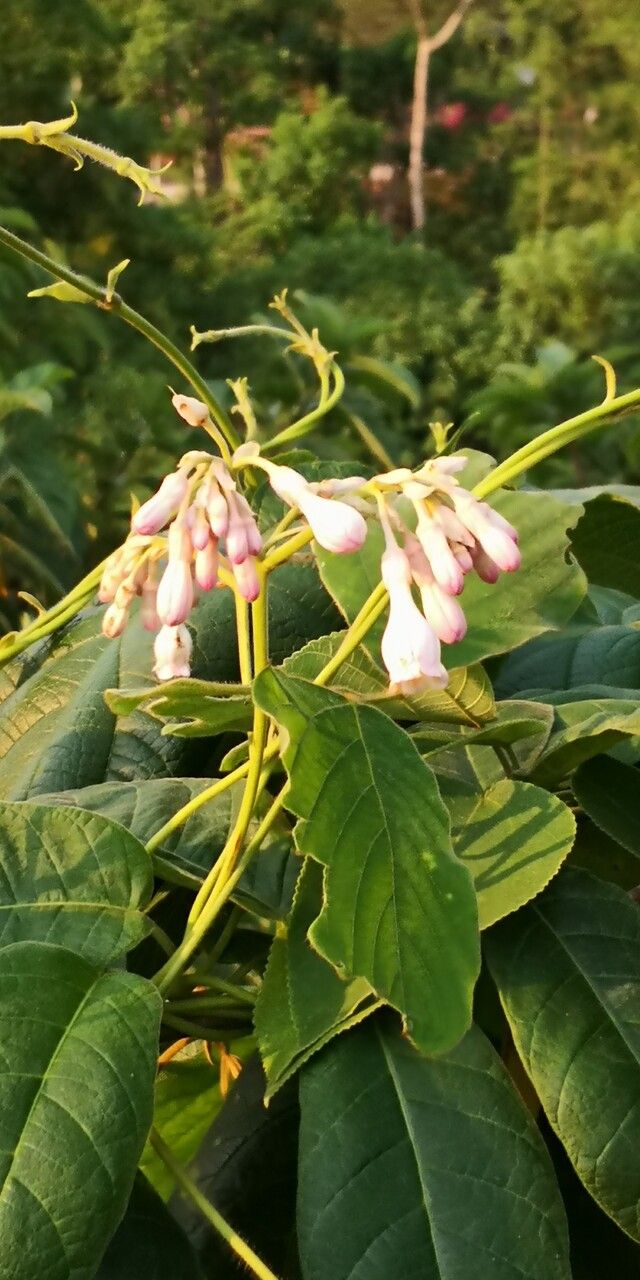
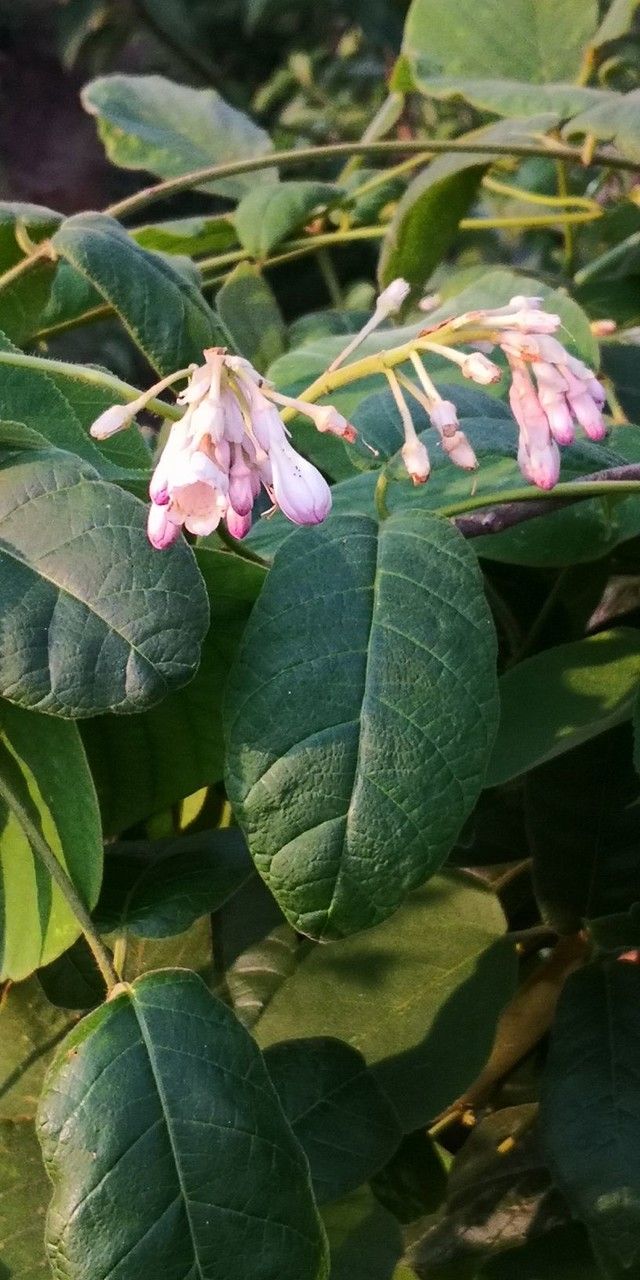
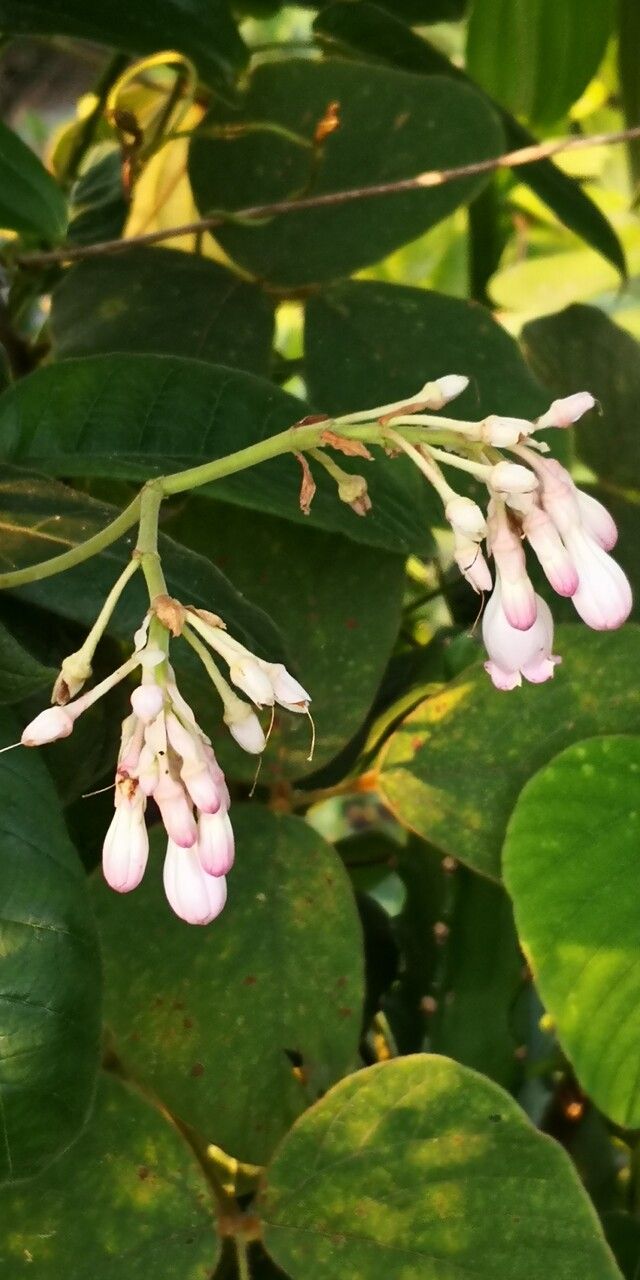
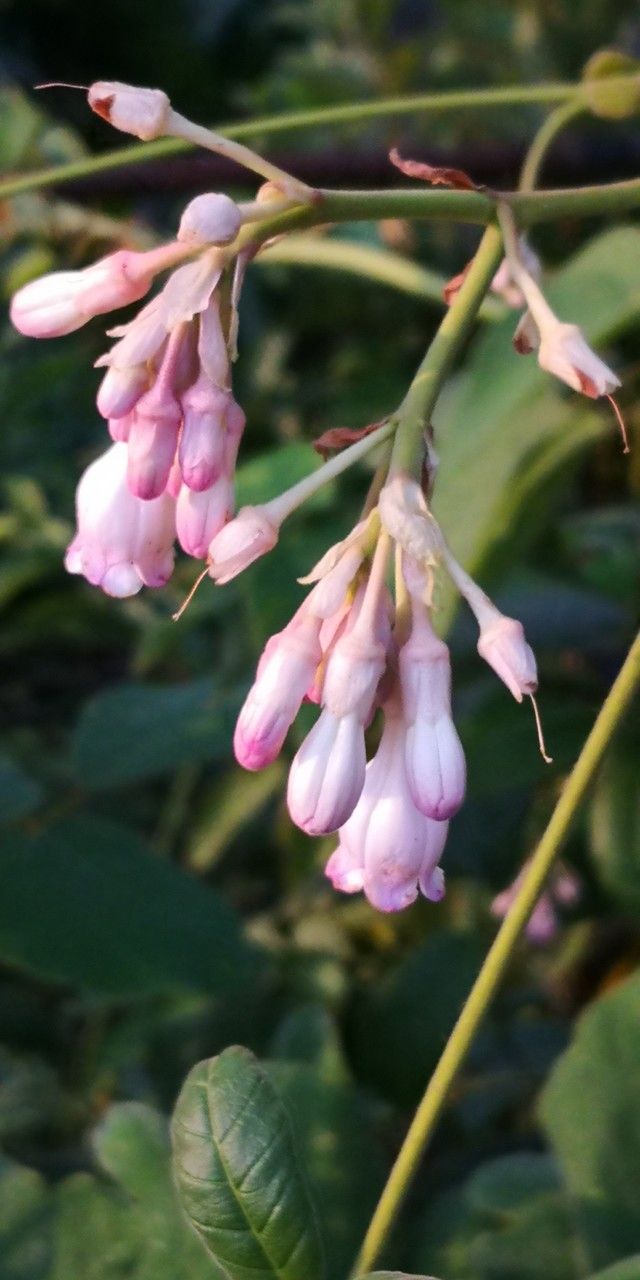
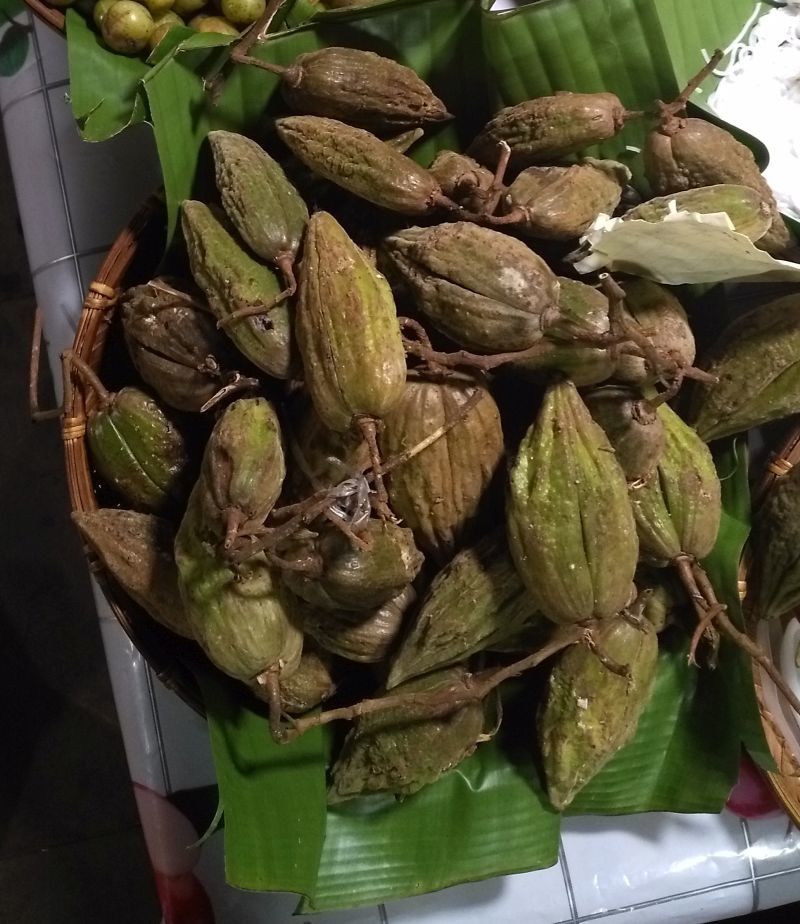
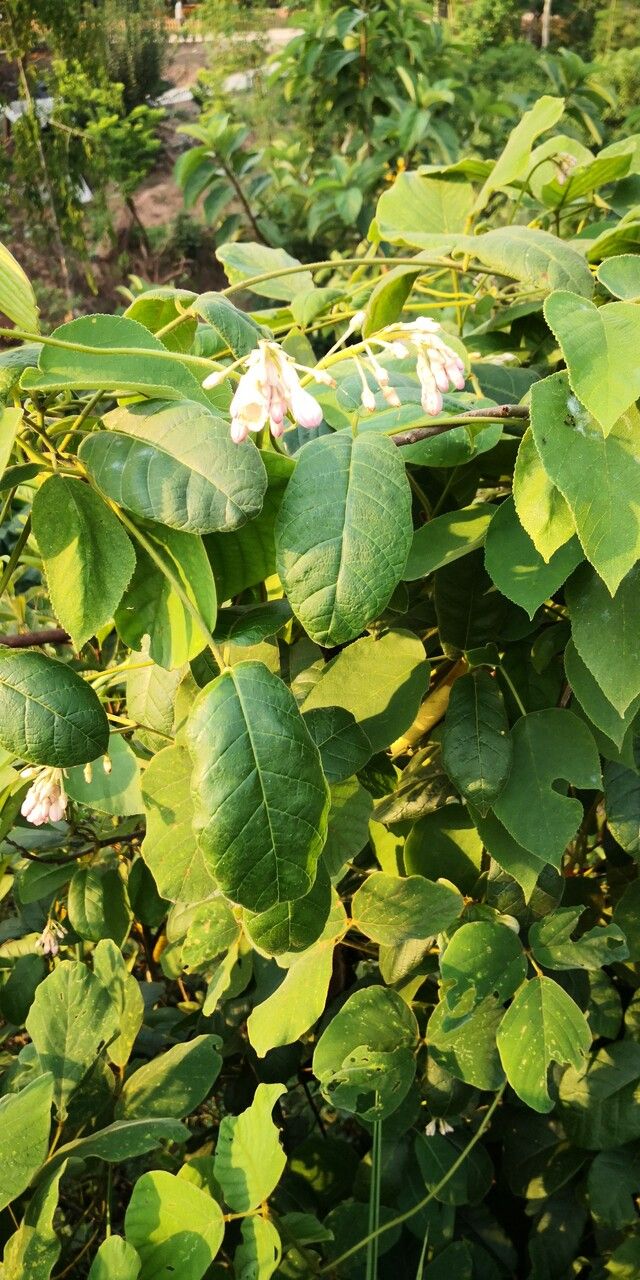
Amalocalyx is a genus of plant in family Apocynaceae consisting of lianas often found clinging to trees. It was first described as a genus in 1898. Three species names have been created in the genus. Some authors recognize all three as distinct species, but the World Checklist maintained by Kew Royal Botanic Garden considers the genus as constituting a single species, Amalocalyx microlobus.These lianas are found in altitude ranges of 800–1,000 metres (2,600–3,300 ft) in Southern Yunnan (South-east China), Laos, Cambodia, Burma, Thailand, Vietnam, and western Malaysia.Local names:
Chinese: 毛车藤 (Pinyin for Mandarin: máo chē téng) Laotian: ຊີມ ([síːm]).
Amalocalyx microlobus is highly resistant to disease and is usually not vulnerable to illnesses. As for maintenance, this plant is fairly low-maintenance. When grown outdoors it needs only light watering, and larger specimens generally do not require pruning. Smaller plants, however, should be pruned after they finish blooming. Amalocalyx microlobust is suitable for anyone who has an outdoor area, such as a garden or a deck, and it does not demand much care experience.
How to keep Amalocalyx Microlobus.
Light
Amalocalyx microlobus grows naturally in places like forest understories or rocky areas, where it is subject to natural shade. It prefers partial sun but can also tolerate full sun or full shade, showing that it is versatile and hardy.
Water
Amalocalyx microlobus prospers in conditions of high humidity and consistent moisture, similar to its natural tropical habitat. To ensure optimal growth, water the plant every three weeks, maintaining the soil lightly moist but not soggy. This plant is well-suited for indoor cultivation and particularly benefits from a humidified environment during its active growing season.
Temperature
Amalocalyx microlobus comes from tropical areas, where the climate is generally warm and humid. As a result, it is well adapted to high temperatures and humidity. It is sensitive to sudden temperature changes and prefers a constant thermal environment, so avoiding temperature fluctuations indoors is important. It typically does not tolerate cold and needs higher temperatures to grow. If the surrounding temperature falls too low, the plant may stop growing or even die.
Fertilizer
The best time to fertilize an Amalocalyx microlobus is in early spring as it comes out of dormancy. This encourages overall growth and flower development. Fertilization improves the foliage, stems, and branches, while encouraging larger, more vibrant, and longer-lasting flowers. It also helps transport nutrients from the roots to the blooms and enhances the plant's health and resistance to disease.
Pruning
The Amalocalyx microlobus is characterized by its delicate lobed leaves and clustered flowers. For optimal growth, it's best to prune the plant in early spring. Remove any dead branches to improve air circulation and light penetration. To maintain the plant's shape and encourage blooming, perform light trimming using sharp, clean tools. This ensures precision and supports the plant's health.
Botanical profile.
- Plant Type
- Vine
- Life Cycle
- Perennial
- Genus
- Amalocalyx
- Family
- Apocynaceae
- Hardiness Zone
- 9-11
- Mature Height
- 3.66 m to 4.27 m
- Mature Spread
- 2.13 m to 3.05 m
- Leaf Color
- Green, Dark Green
- Leaf Type
- Semi-evergreen
- Flower Color
- White
- Flower Size
- 2.03 cm to 3.05 cm
- Bloom Time
- Late spring, Summer
- Planting Time
- Spring, Summer, Autumn
- Harvest Time
- Late summer, Fall
- Native Area
- Cambodia, Vietnam, Myanmar, Laos, Thailand, China