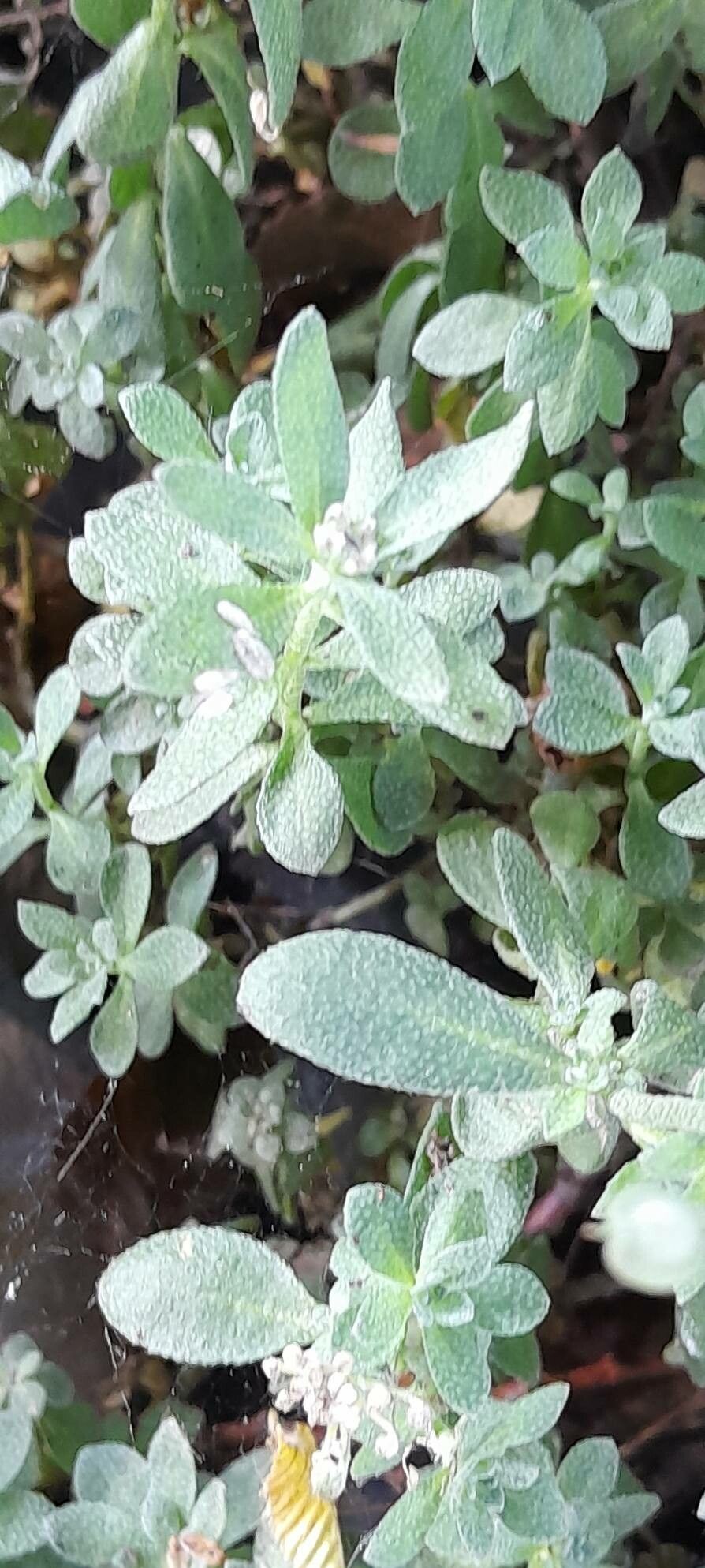
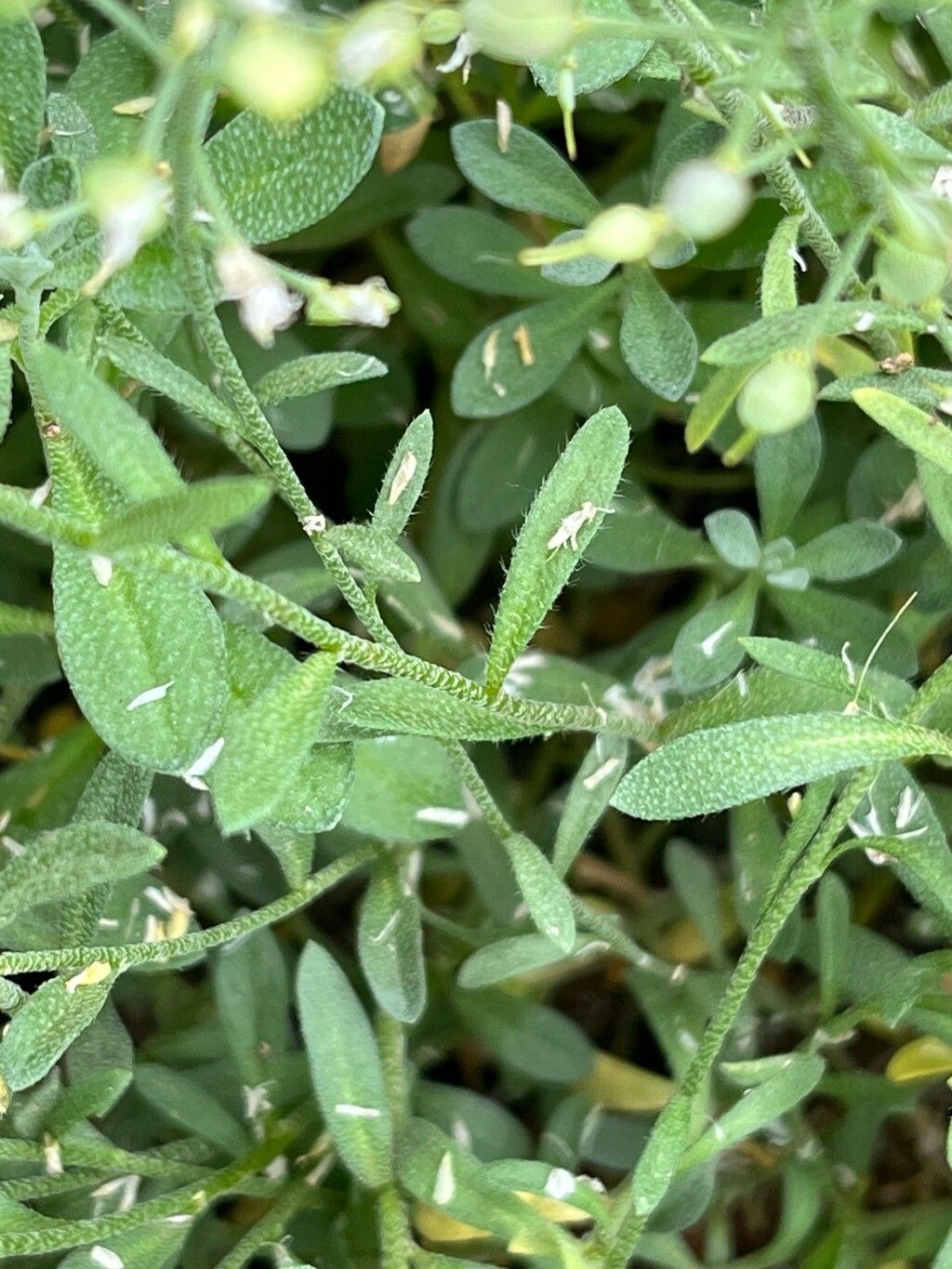
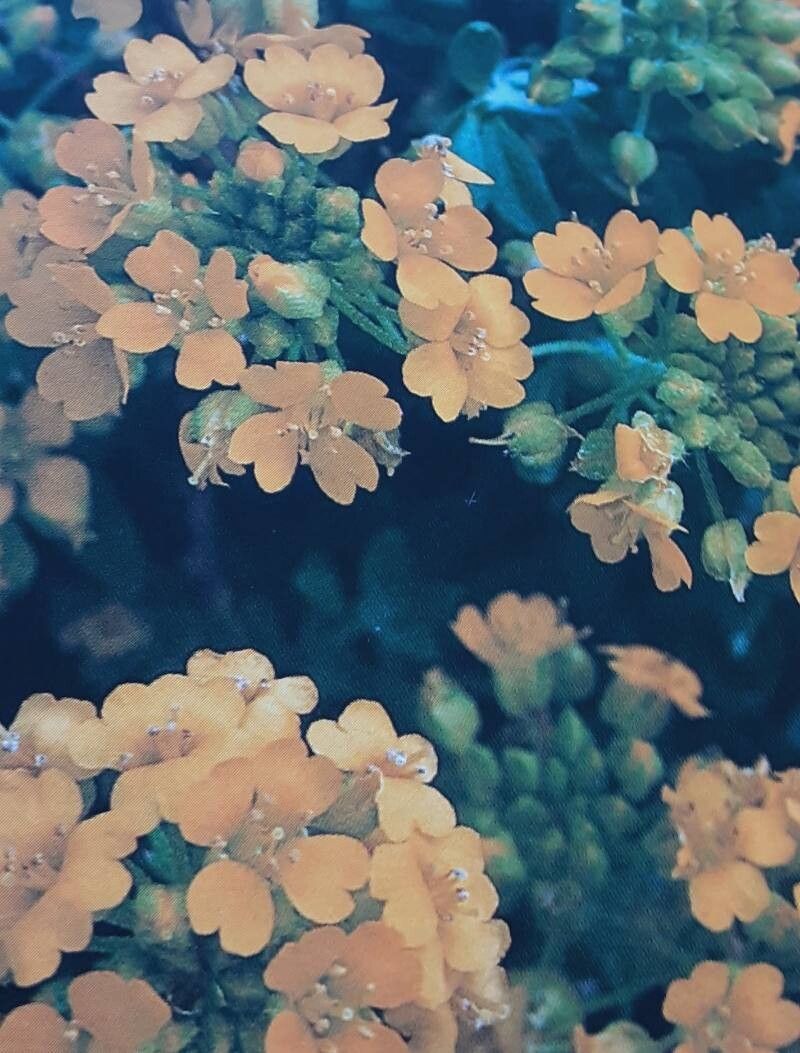
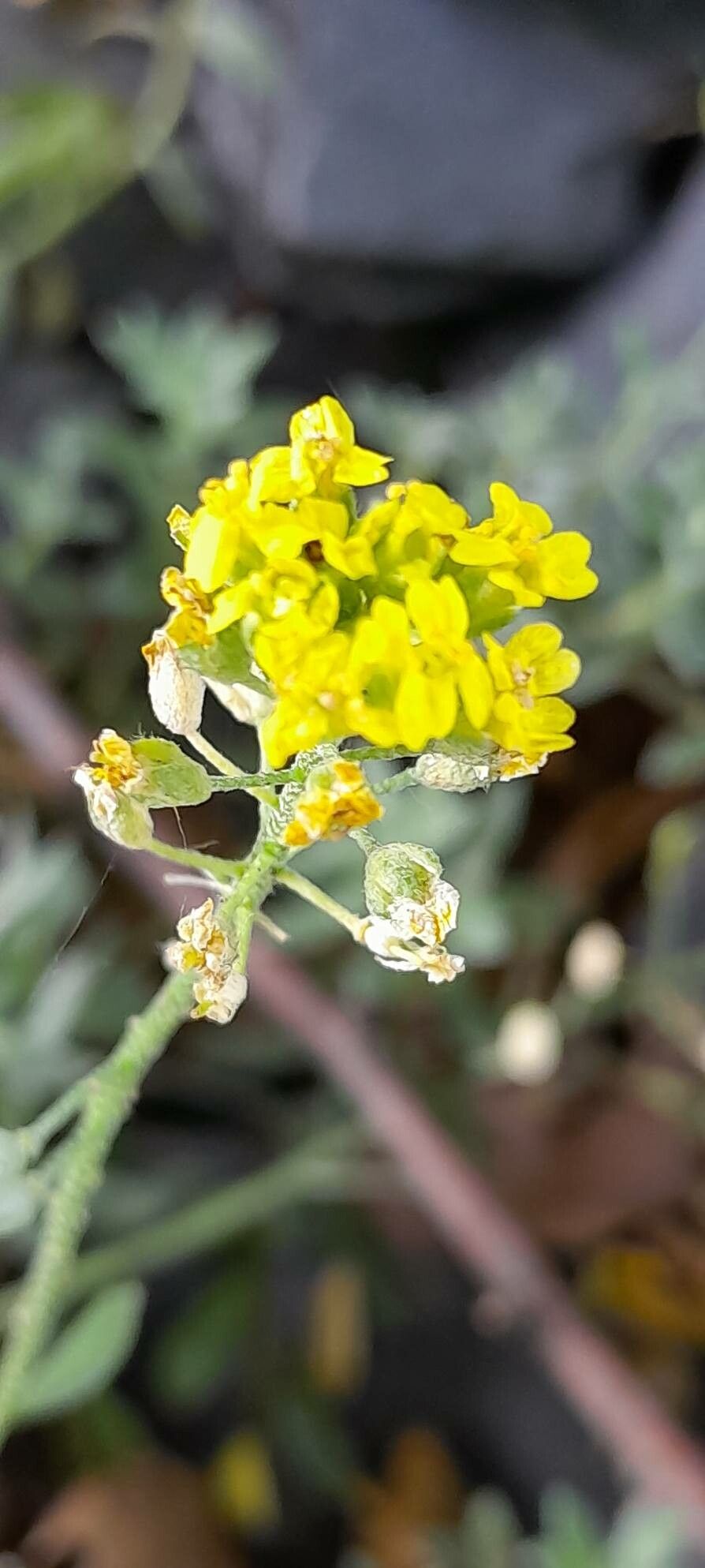
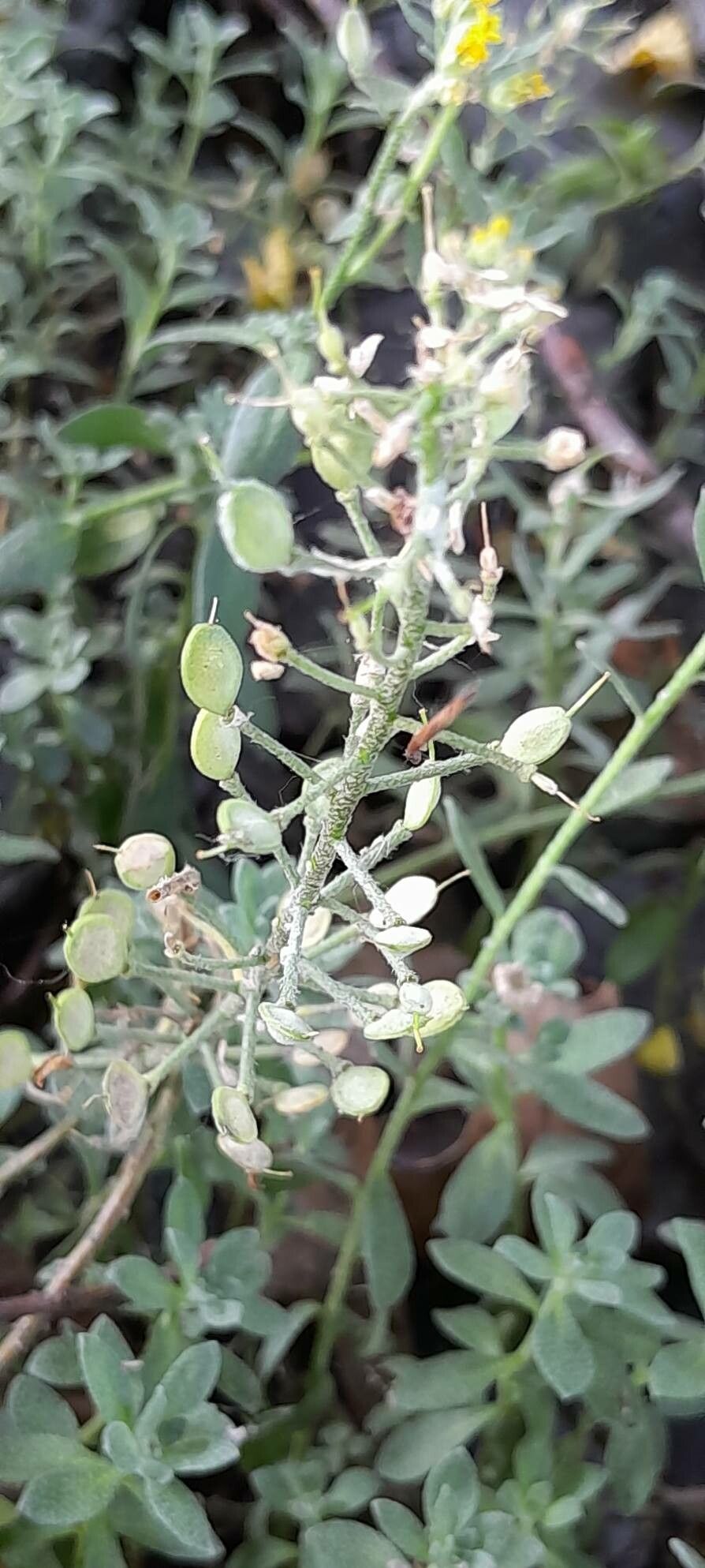
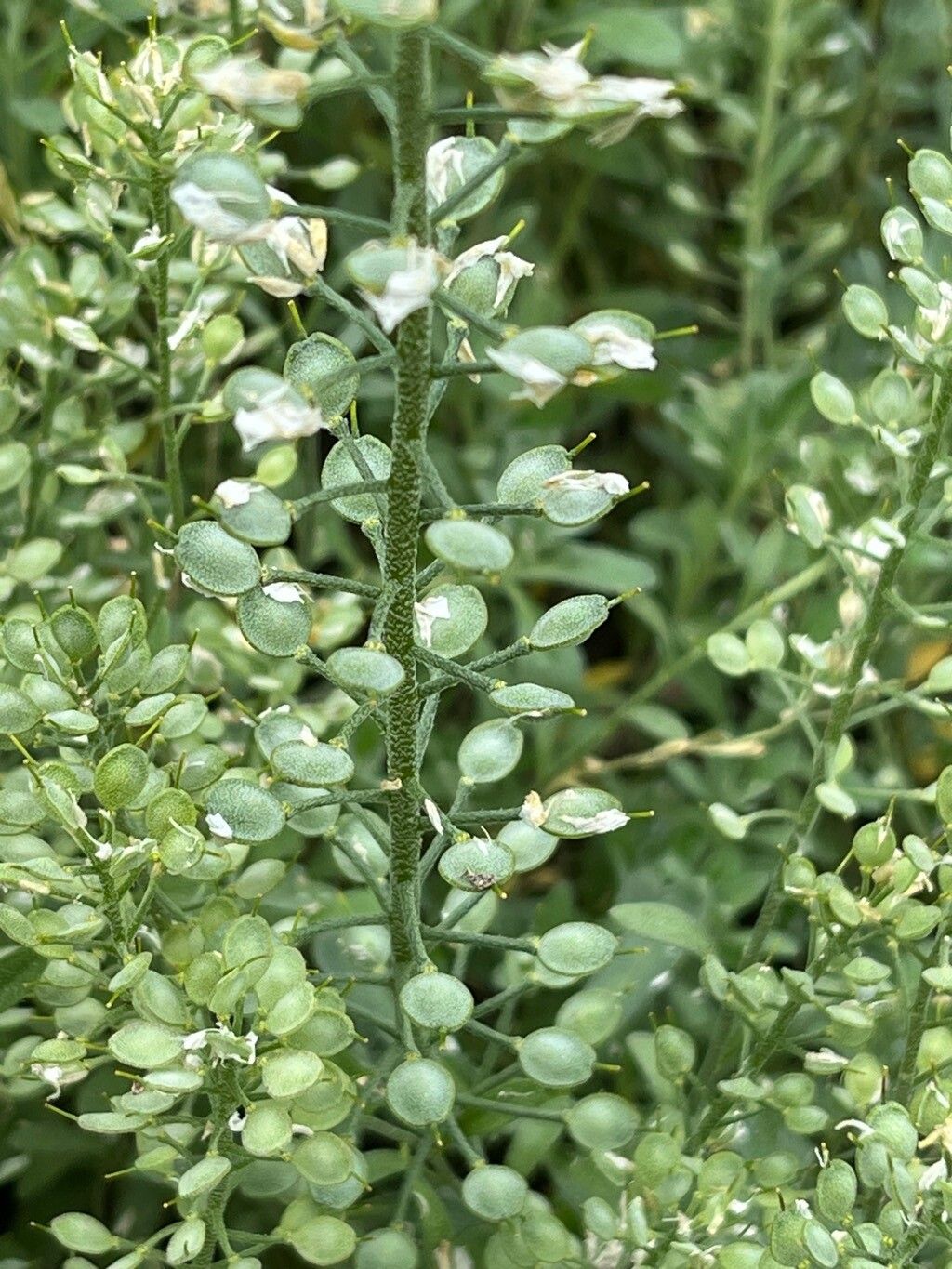
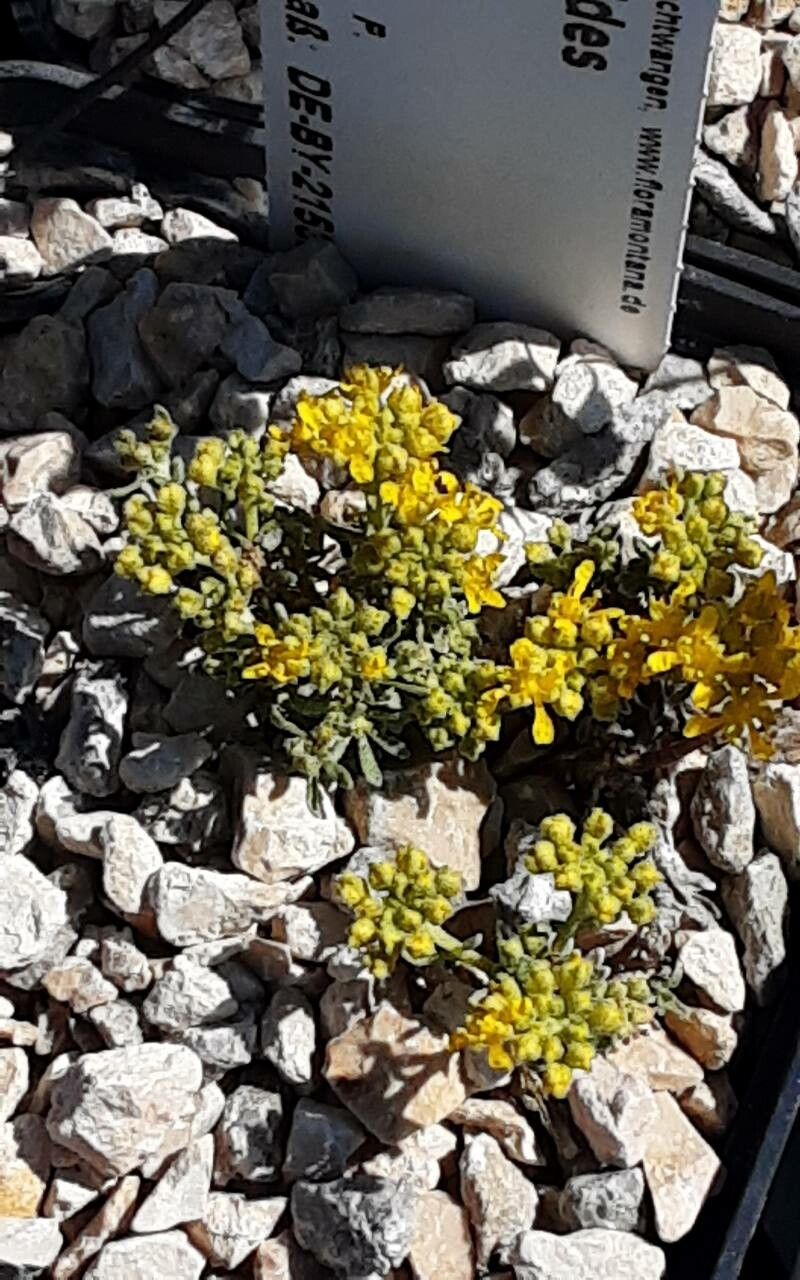
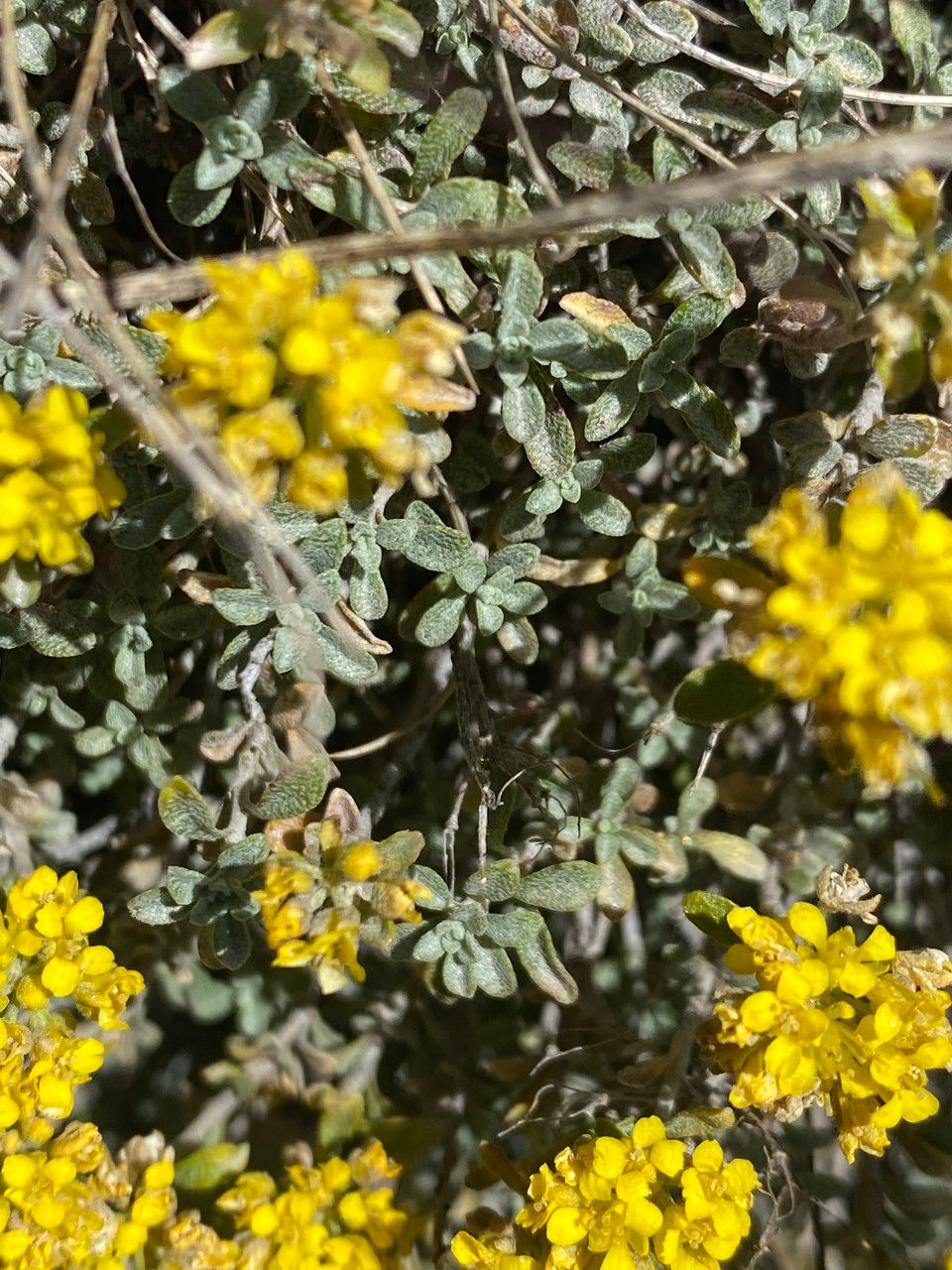
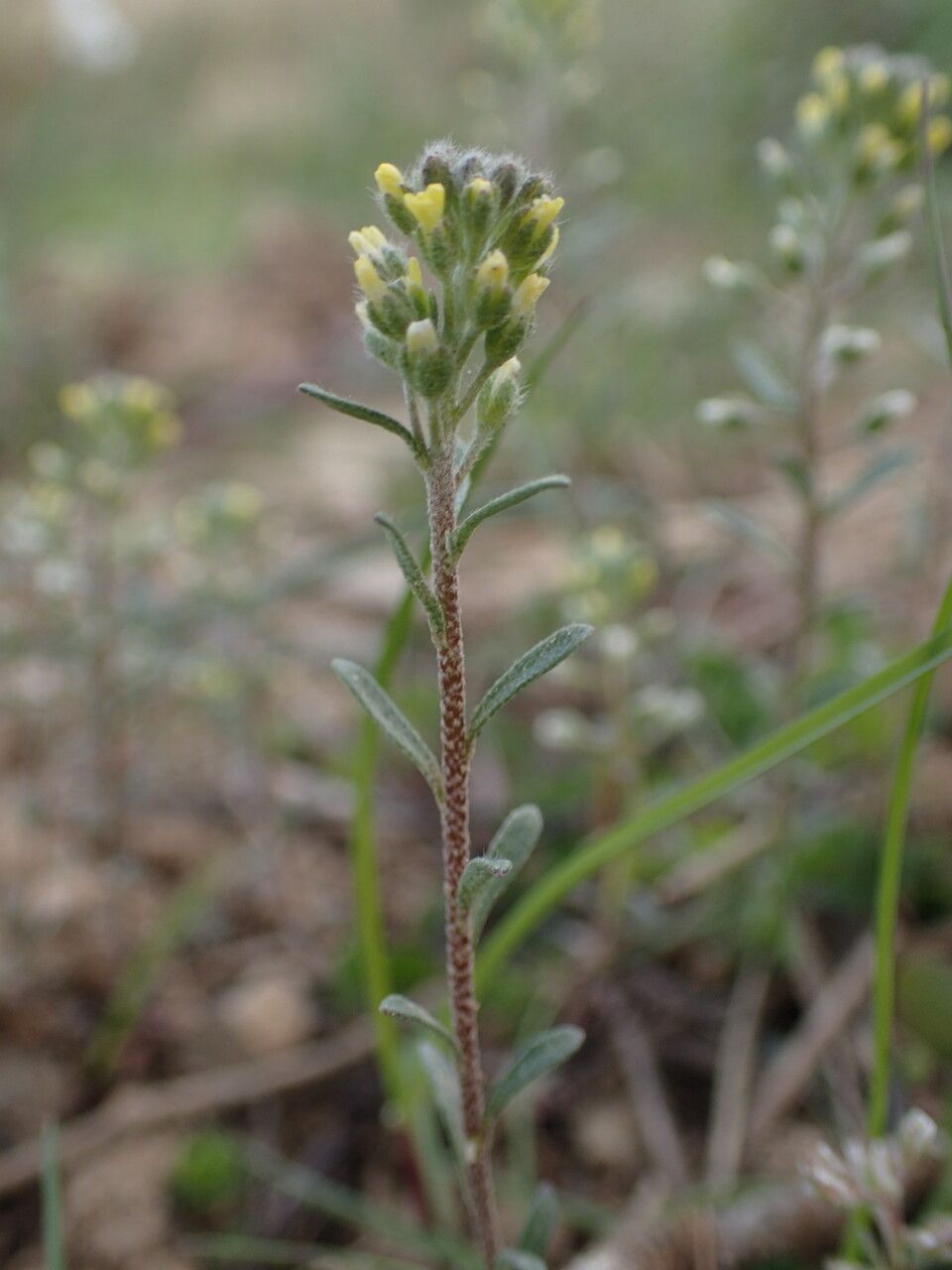
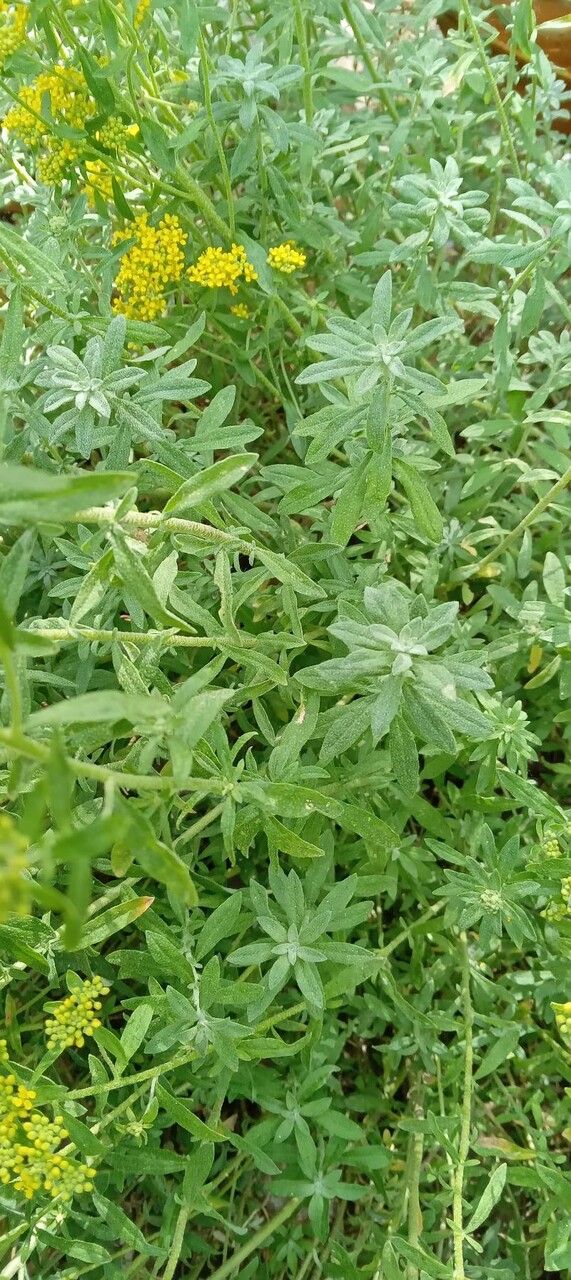
Alyssum wulfenianum is a flowering plant species in the Brassicaceae family, native to the Alps and Carpathians of Europe. It is a low-growing perennial herb, typically reaching heights of 5-15 cm. The plant features small, lance-shaped leaves that are gray-green in color and covered with fine hairs. Its flowers are small and white, with four petals arranged in a cross shape.
Alyssum wulfenianum thrives in well-drained soils and prefers full sun to partial shade. It is commonly used as an ornamental plant in rock gardens or as ground cover due to its low-growing nature. Additionally, the plant possesses medicinal properties, with extracts known for their anti-inflammatory effects.
Overall, Alyssum wulfenianum is an attractive and useful addition to any garden or landscape, appreciated for its hardiness, versatility, and aesthetic appeal.
Dwarf alyssum is fairly disease-resistant and generally not likely to suffer from illnesses. Still, it can be vulnerable to pests and diseases present in its environment. These problems are usually mild. Care-wise, the plant needs a moderate level of attention. It should be pruned regularly to keep a neat appearance and encourage healthy growth. Fertilizing can also help increase flowering. Dwarf alyssum is suitable for anyone with outdoor space, such as a garden or patio, and does not require extensive experience in plant care. It may need more attention if grown indoors.
How to keep Alyssum Wulfenianum.
Light
Dwarf alyssum is a sun-loving perennial herbaceous plant native to open habitats, where it commonly grows in meadows and grasslands. It prefers full sun but can also tolerate partial sun.
Water
Dwarf alyssum flourishes in rocky, dry environments and requires watering only every two weeks. It prefers well-draining soil, making it perfect for outdoor cultivation. This plant is ideal for xeriscaping and rock gardens, as it conserves water while easily adapting to natural rainfall patterns.
Fertilizer
The best time to fertilize Dwarf alyssum is in early spring, as it comes out of dormancy and starts active growth. Fertilizing supplies essential nutrients for healthy development. Although Dwarf alyssum has relatively low feeding requirements, applying fertilizer once a year can improve its survival and encourage better, longer-lasting blooms.
Pruning
Dwarf alyssum is a fragrant perennial plant known for its yellow flowers and silver-gray foliage. To keep the plant healthy, prune it in early to late spring after it has finished flowering. Use clean, sharp tools for precise trimming to remove spent blooms. This not only promotes new growth but also improves air circulation within the plant.
Pot & Repot
Dwarf alyssum is a low-growing ground cover that should be repotted every 2-3 years, ideally in early spring. When repotting, choose a slightly larger container and use well-draining soil. Maintain consistent moisture and place the plant in an area with partial sun. Regular grooming will encourage healthy and vibrant growth.
Botanical profile.
- Plant Type
- Herb
- Life Cycle
- Perennial
- Genus
- Alyssum
- Family
- Brassicaceae
- Hardiness Zone
- 4-8
- Mature Height
- 15 cm
- Mature Spread
- 46 cm
- Leaf Color
- Green, Gray
- Leaf Type
- Evergreen
- Flower Color
- Gold, Yellow
- Flower Size
- 0.51 cm to 1.02 cm
- Bloom Time
- Mid spring, Late spring, Early summer
- Planting Time
- Summer
- Harvest Time
- Summer
Other names.