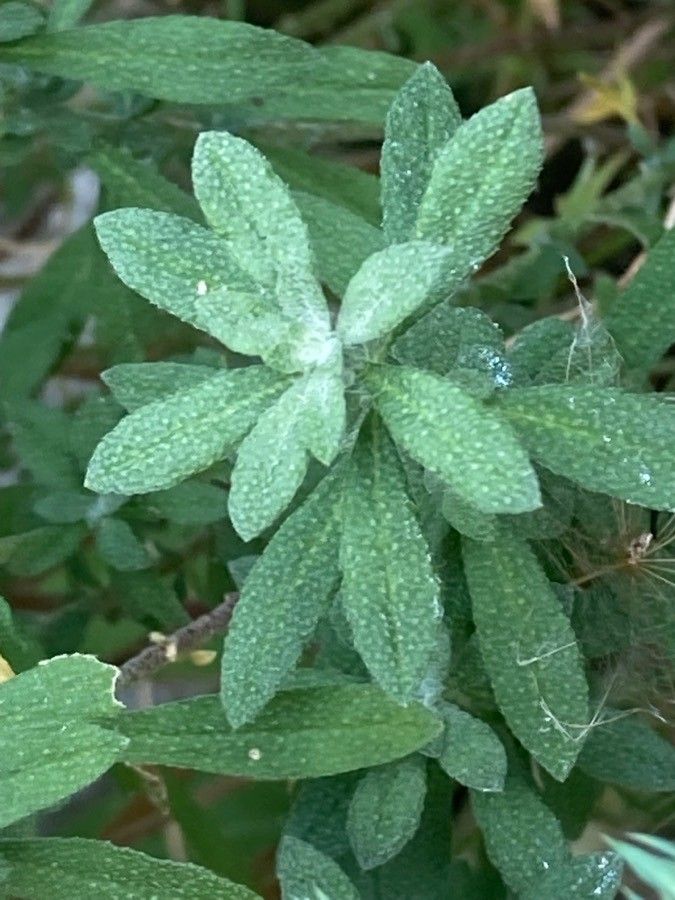
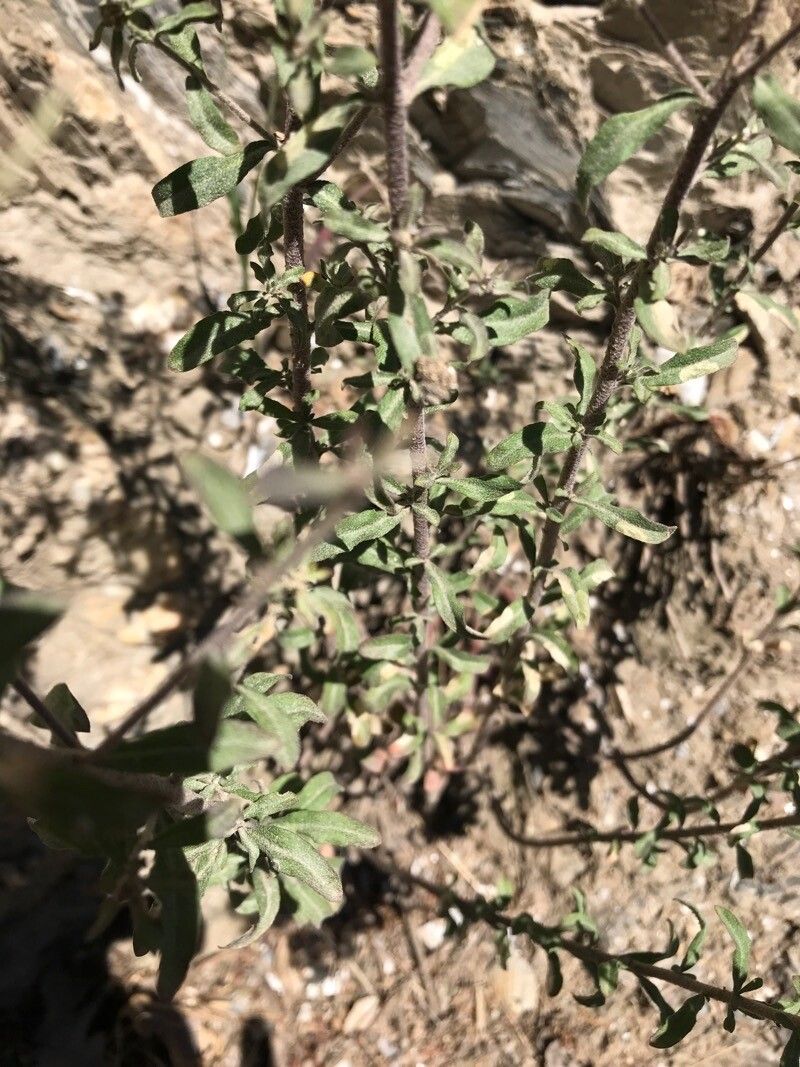
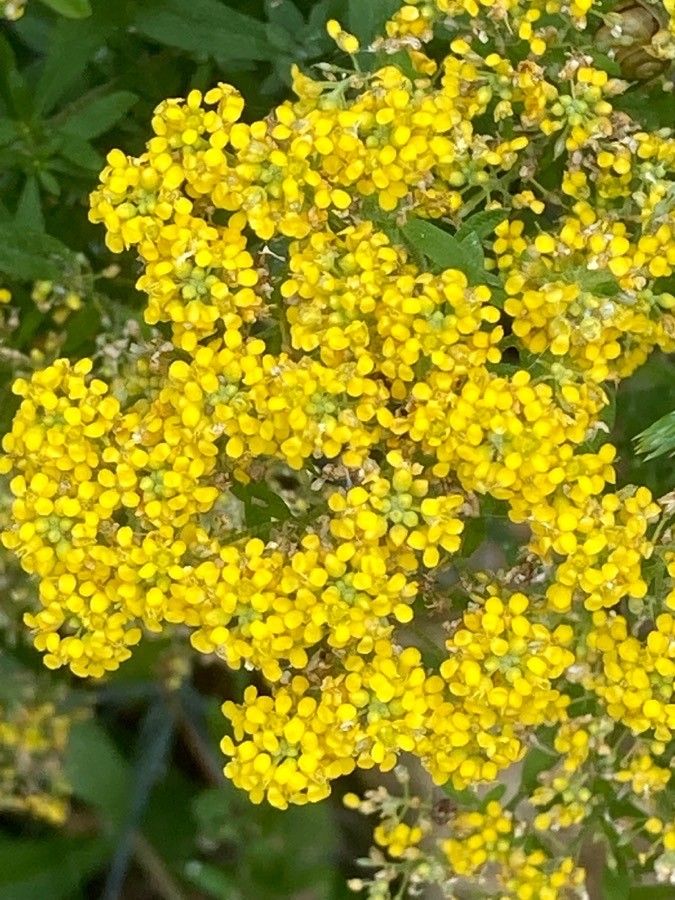
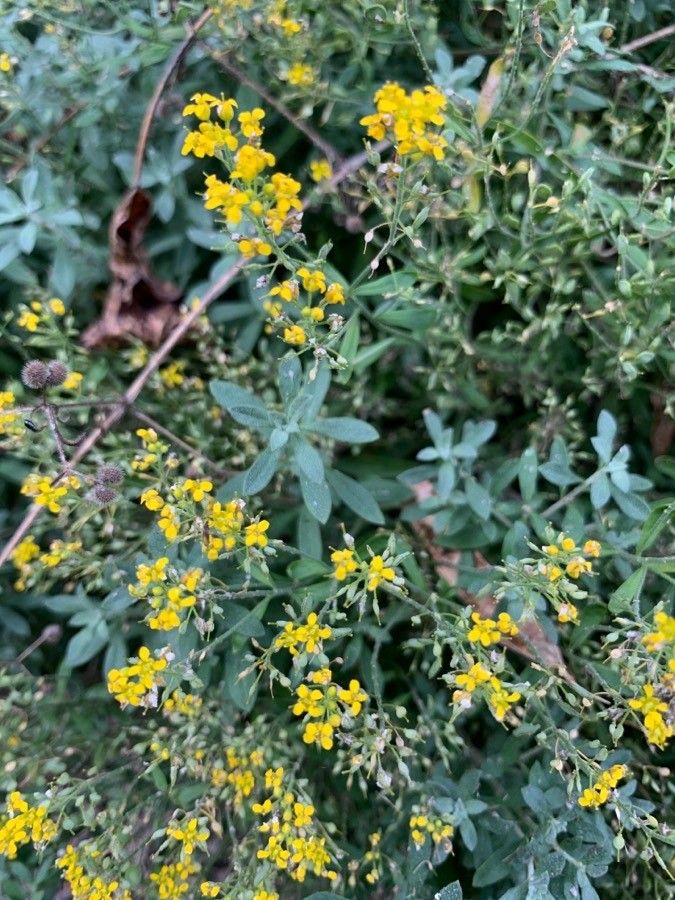
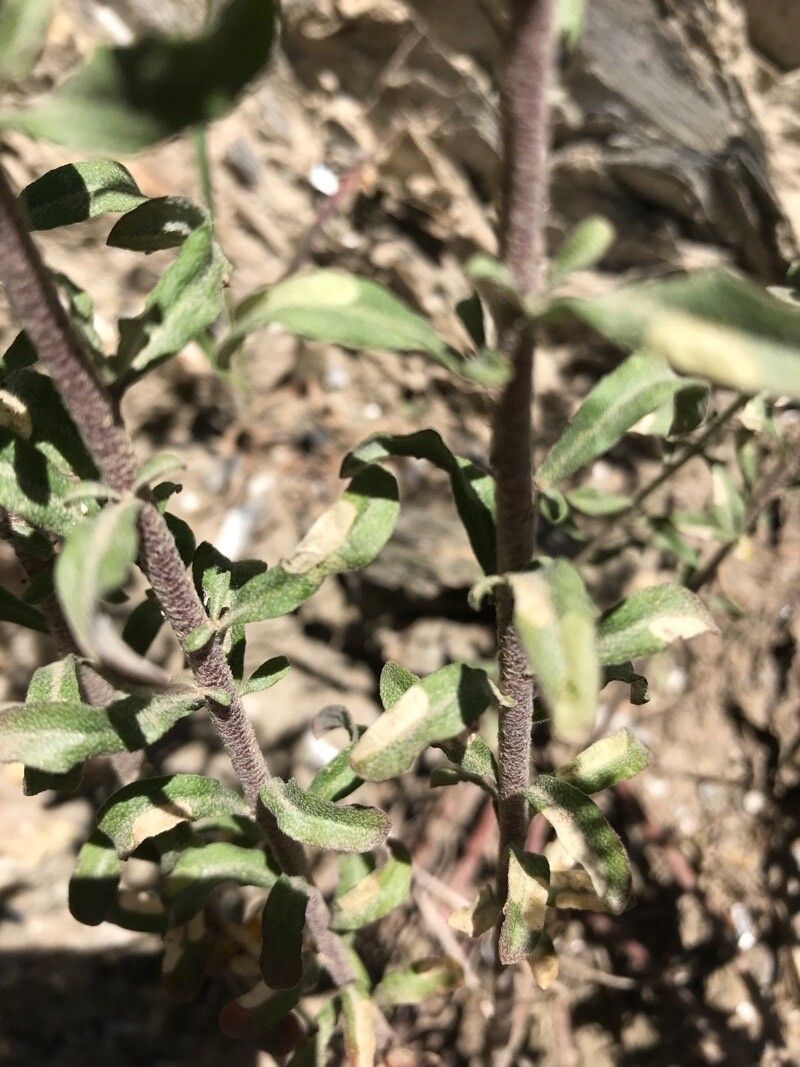
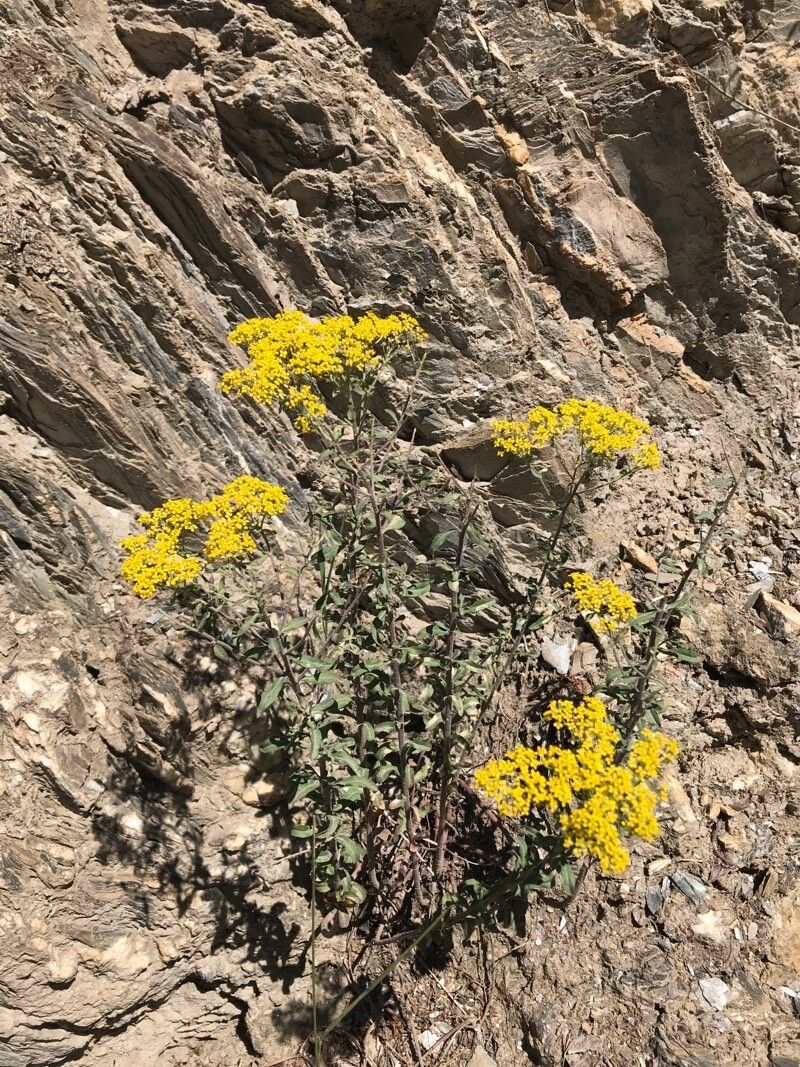
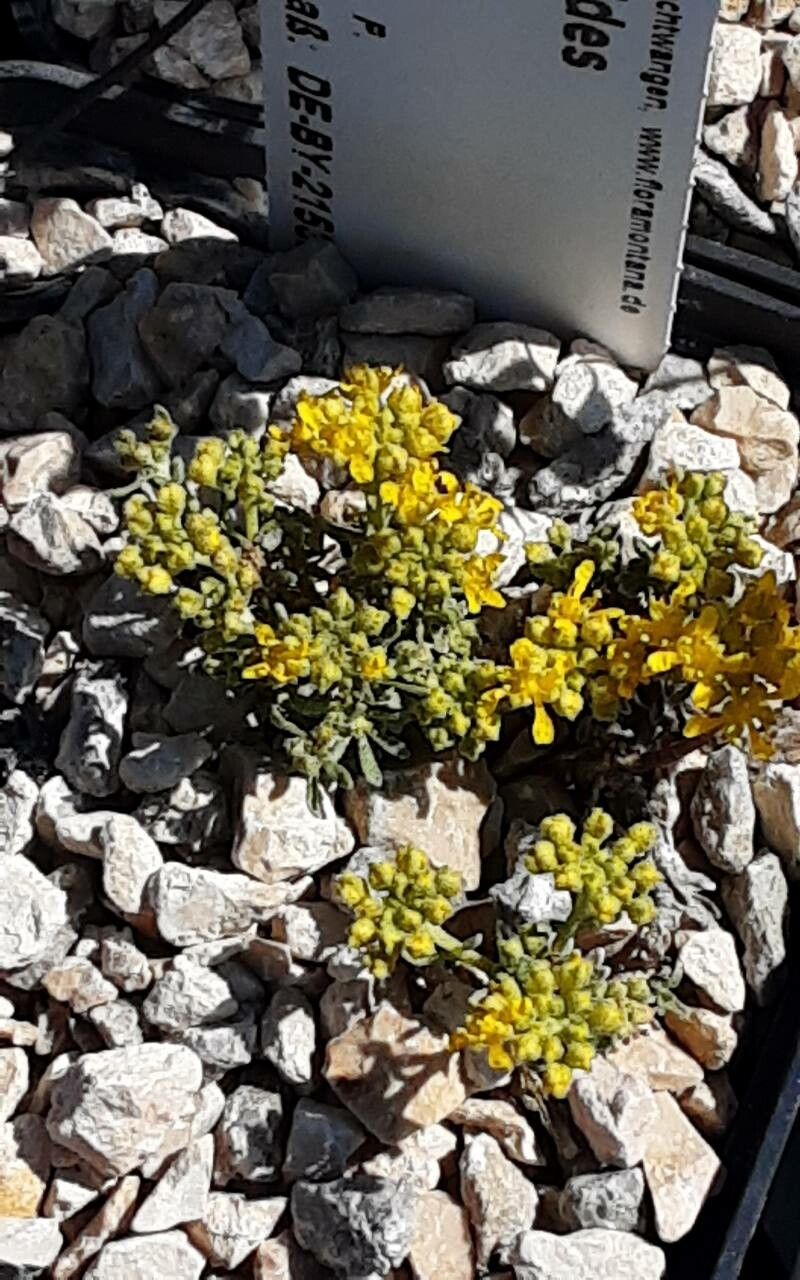
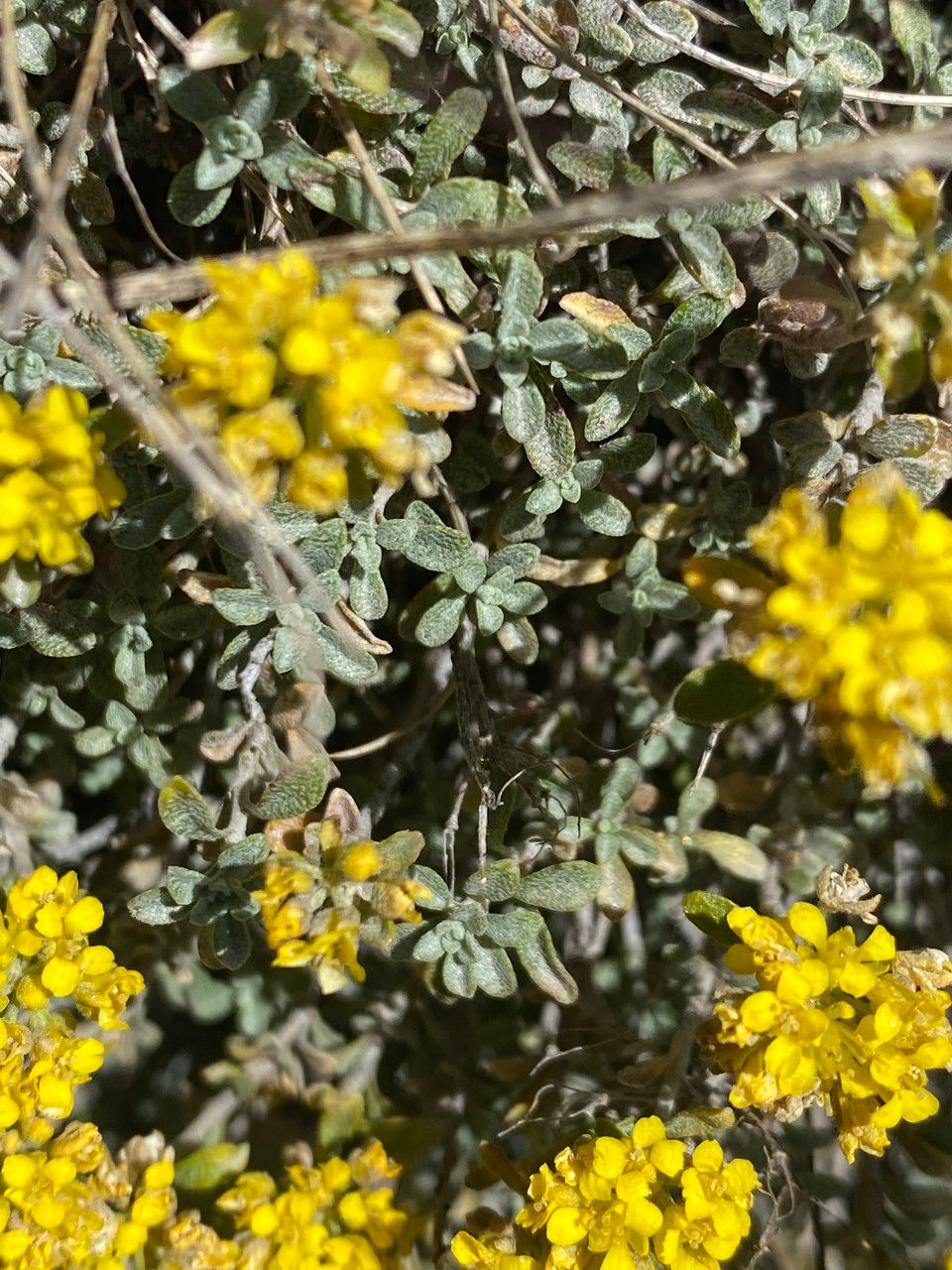
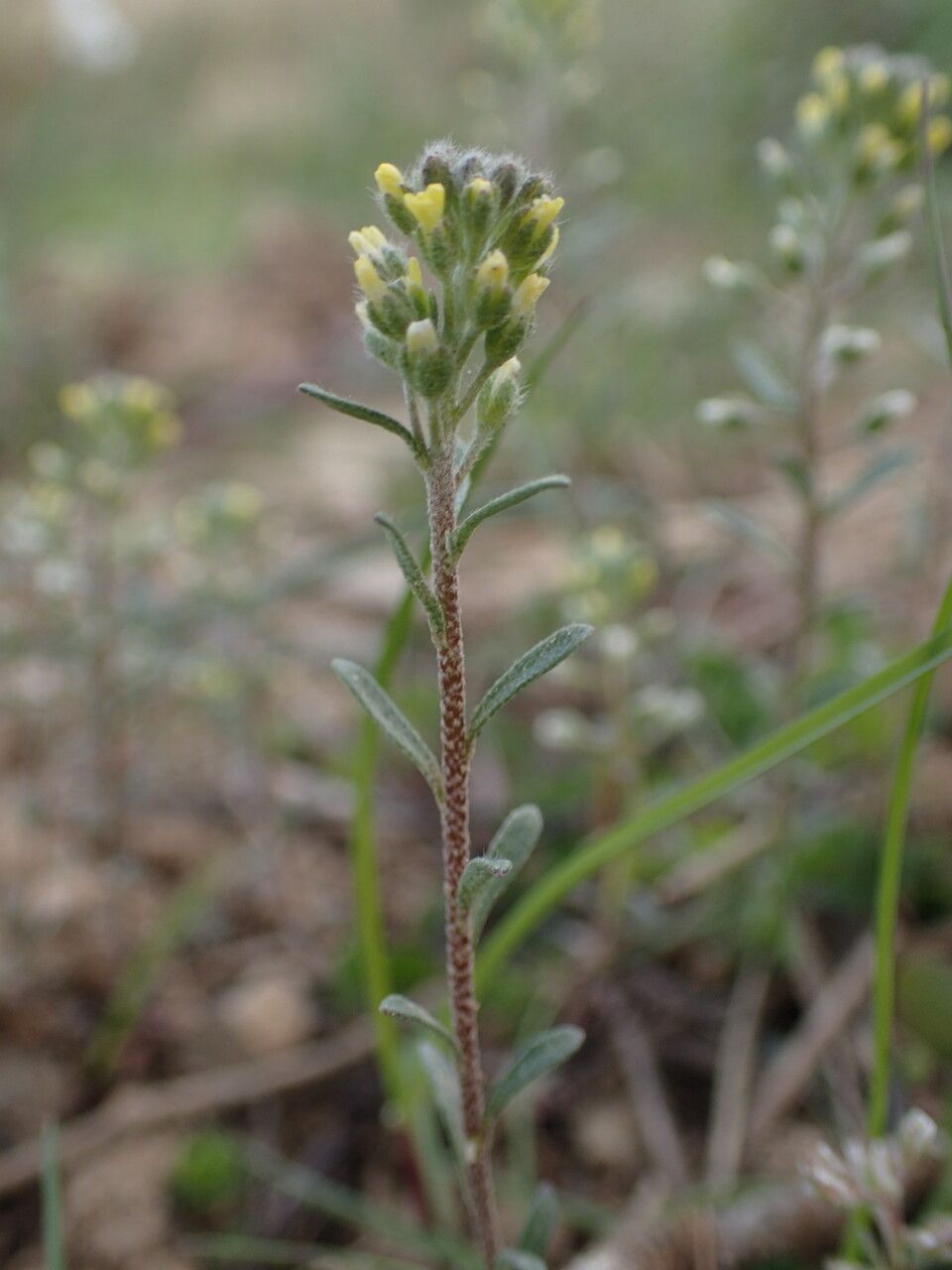
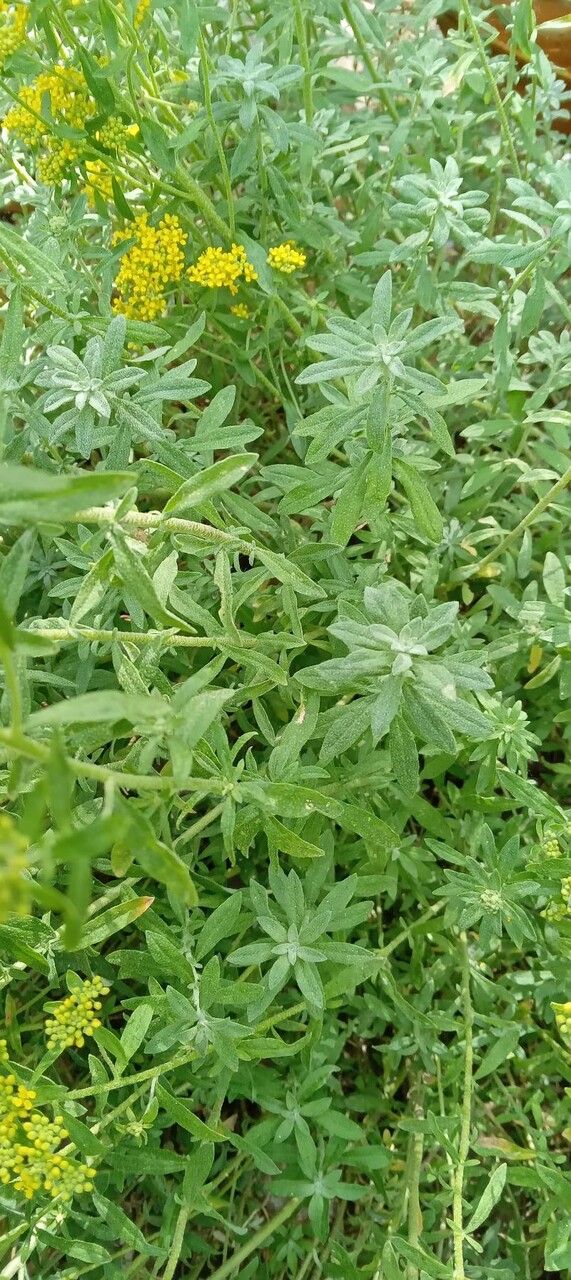
Alyssum murale, commonly known as yellow alyssum or wall alyssum, is a flowering plant in the Brassicaceae family. Native to Europe and Asia, it has been introduced and naturalized in many parts of the world. The plant typically grows up to 30 cm tall and features small yellow flowers that bloom in clusters from spring through summer.
Alyssum murale thrives in well-drained soils and full sun exposure, though it can also tolerate partial shade. It is often found growing on walls, rocks, cliffsides, and other rocky habitats. While drought-tolerant once established, the plant benefits from occasional watering during prolonged dry periods.
Yellow alyssum is an excellent choice for ground cover in rock gardens or as an edging plant for borders due to its low-growing nature. It attracts pollinators such as bees and butterflies with its sweet fragrance.
Overall, Alyssum murale is an easy-to-grow perennial that adds color and beauty to any garden or landscape with minimal maintenance requirements.
Yellow tuft is fairly disease-resistant and typically does not suffer from illnesses. Nevertheless, it can be vulnerable to pests and diseases present in its environment. Such infections are generally mild. As for maintenance, this plant needs moderate care. Regular pruning is necessary to preserve an attractive appearance and encourage healthy growth. Applying fertilizer can also help stimulate flowering. Yellow tuft is well suited to anyone with outdoor areas like a garden or patio and does not require extensive care experience. When grown indoors, it may need more attention.
How to keep Alyssum Murale.
Light
Yellow tuft is a sun-loving, perennial herbaceous plant native to open habitats and commonly found in meadows and grasslands. It prefers full sun but can also tolerate partial sun.
Water
Yellow tuft thrives in well-drained soils and temperate climates. It prefers consistent moisture but also shows moderate tolerance to drought. To maintain its vigor, especially during active growth, it should be watered weekly, though natural rainfall can support its vibrant yellow blooms. This makes yellow tuft an excellent choice for rock gardens or as ground cover.
Temperature
Yellow tuft can tolerate a wide range of temperatures, but its distribution may still be constrained by particular combinations of moisture and heat. It performs best in warm summer conditions with sufficient rainfall or watering. Extended periods of cloudy, rainy weather, or prolonged high temperatures, can raise the chance of Yellow tuft dying. In winter, protecting it from the cold can improve its survival.
Fertilizer
Typically, one spring fertilization is enough for Yellow tuft, though additional feedings can boost growth. Apply fertilizer every month to six weeks. Fertilizing improves leaf appearance and performance, helping maintain even color and a healthy texture. It also encourages root development and nutrient uptake, supporting long-term plant health.
Pruning
Yellow tuft is a low-growing plant with bright yellow flower clusters. To encourage a fuller appearance, prune it from early to late spring. During pruning, remove dead stems and trim back about one-third of the plant. This helps improve air circulation, prevents legginess, and enhances flowering, leading to a more vibrant display.
Botanical profile.
- Plant Type
- Herb
- Life Cycle
- Perennial
- Genus
- Alyssum
- Family
- Brassicaceae
- Hardiness Zone
- 4-9
- Mature Height
- 30 cm to 91 cm
- Mature Spread
- 30 cm to 49 cm
- Leaf Color
- Gray, Silver
- Leaf Type
- Semi-evergreen
- Flower Color
- Yellow
- Flower Size
- 0.25 cm to 0.51 cm
- Bloom Time
- Mid spring, Late spring, Early summer
- Planting Time
- Spring, Summer, Autumn
- Harvest Time
- Summer
Other names.