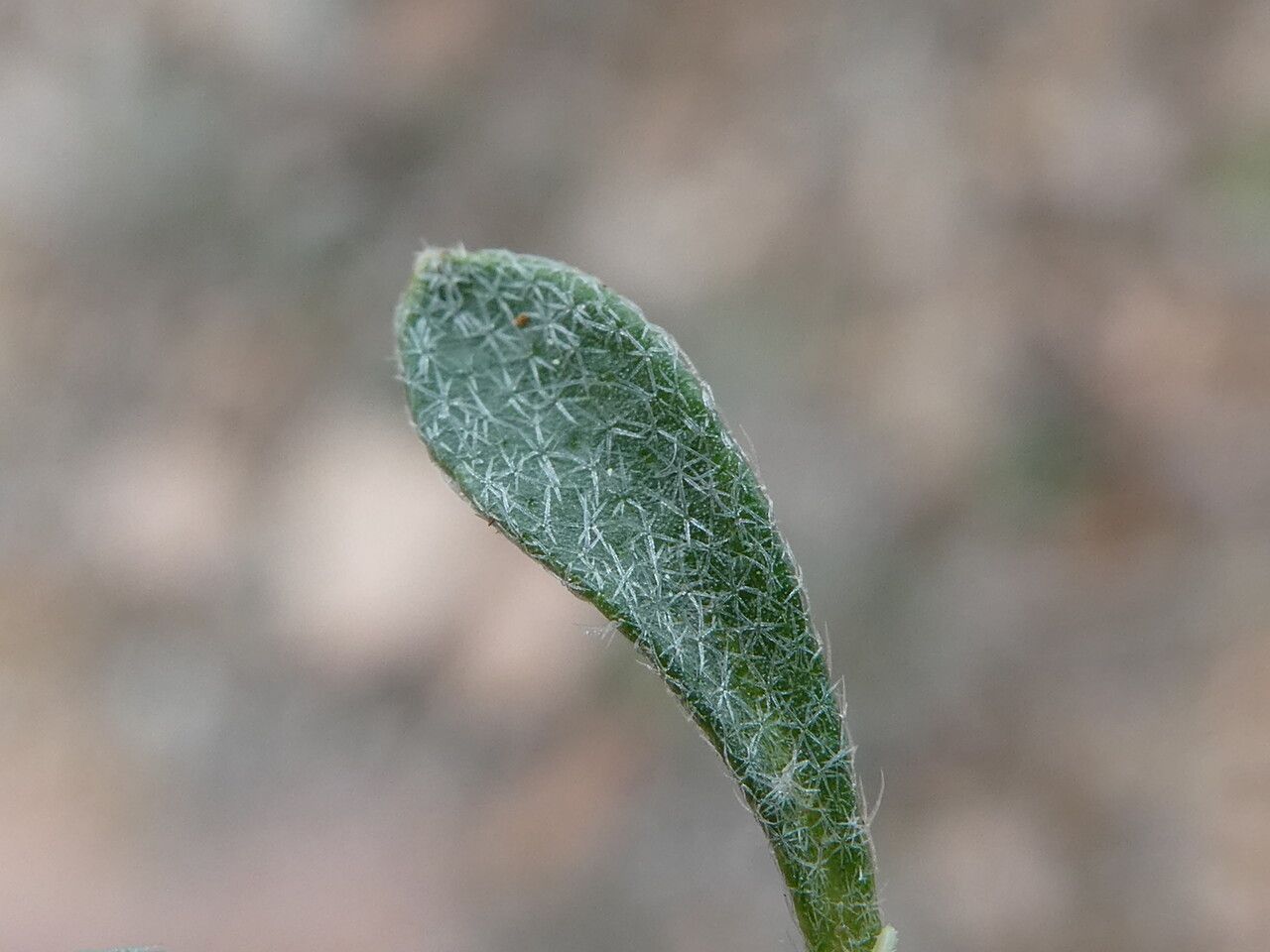
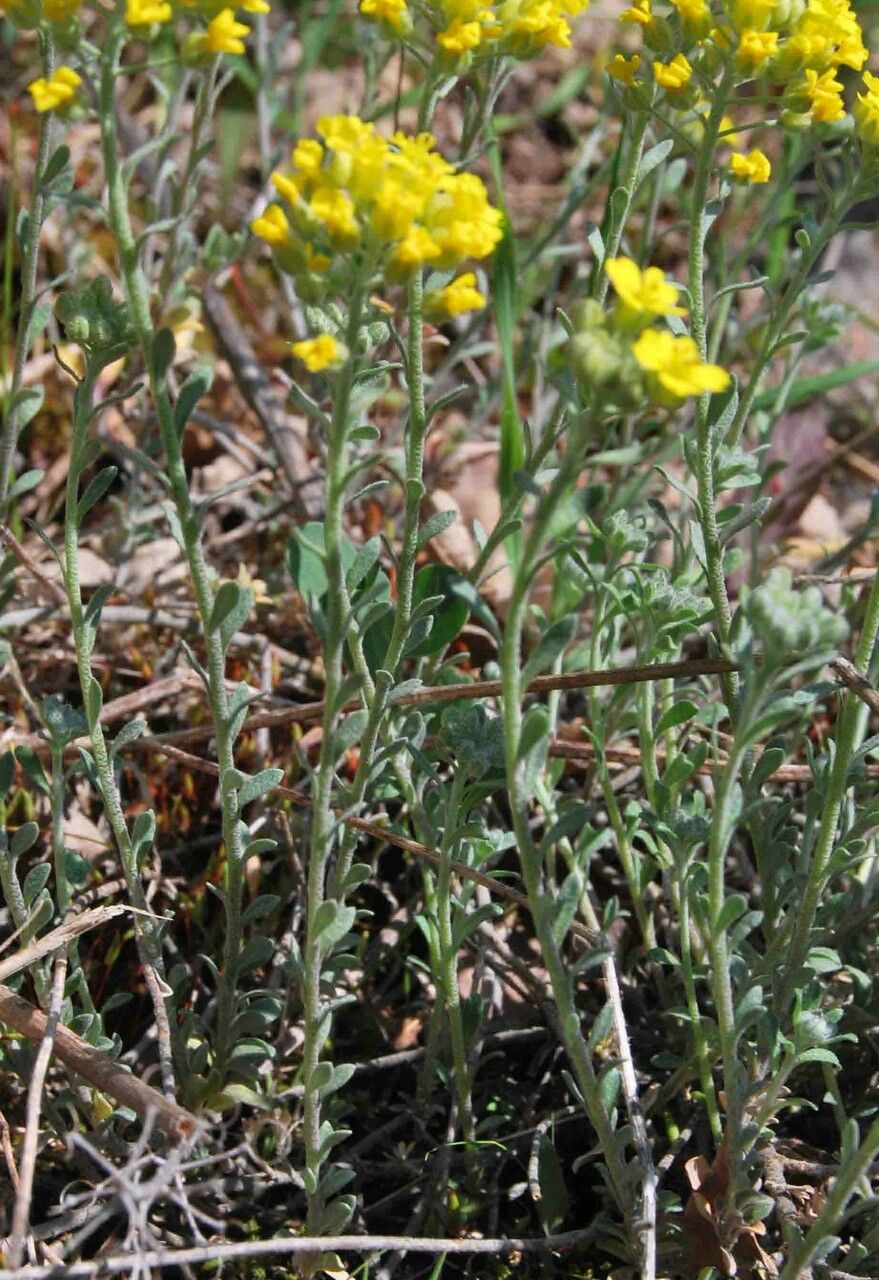
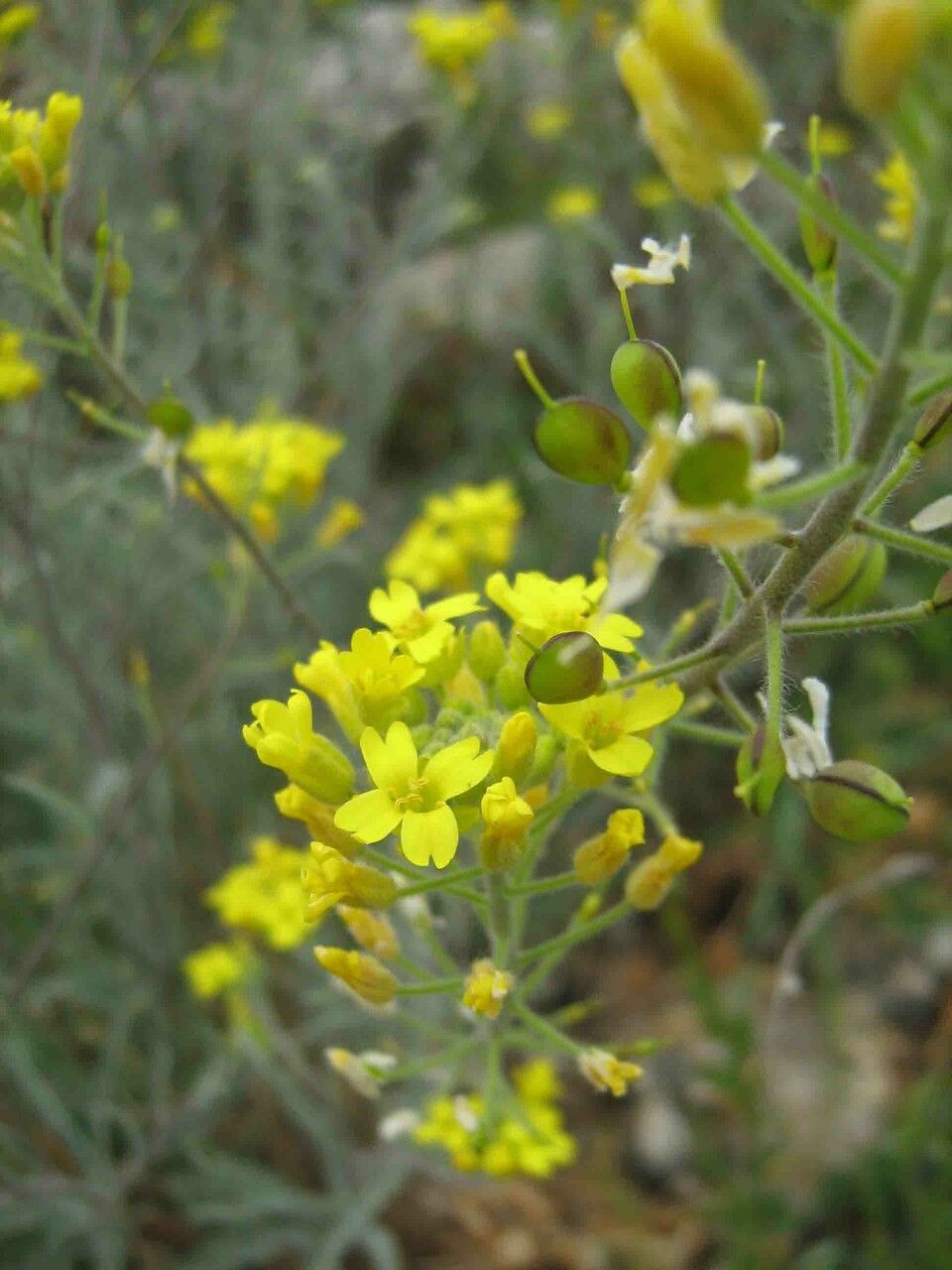
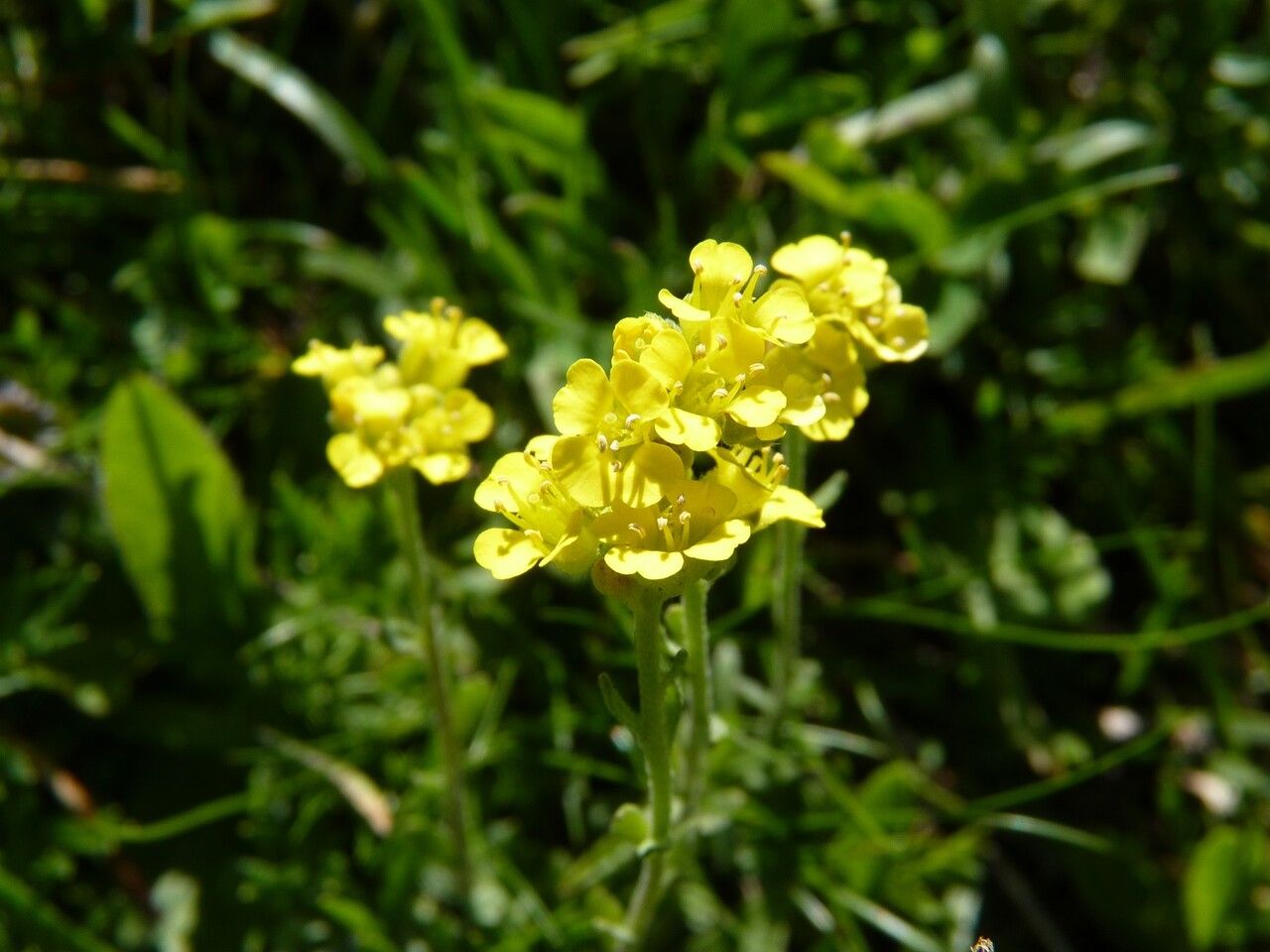
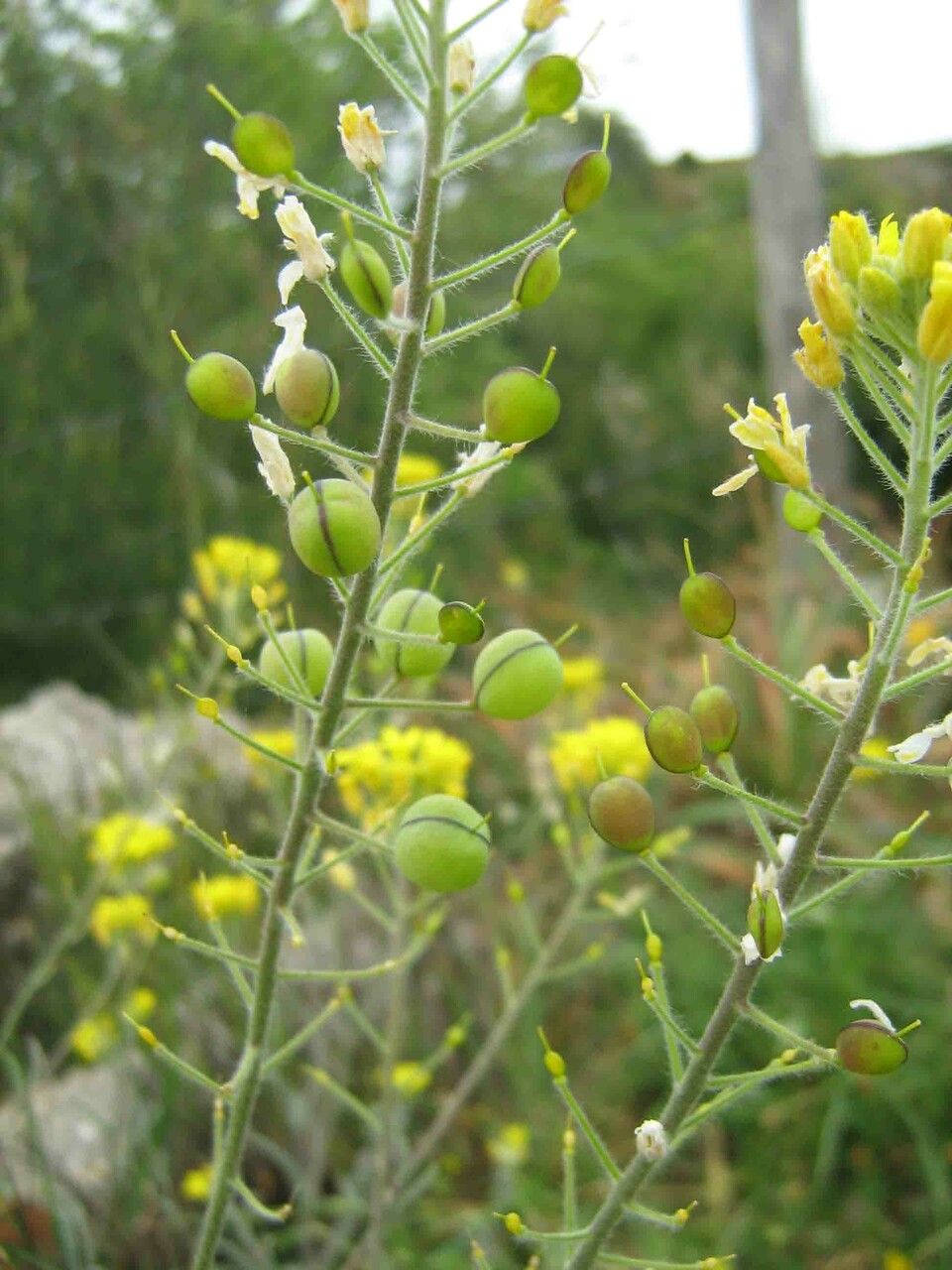
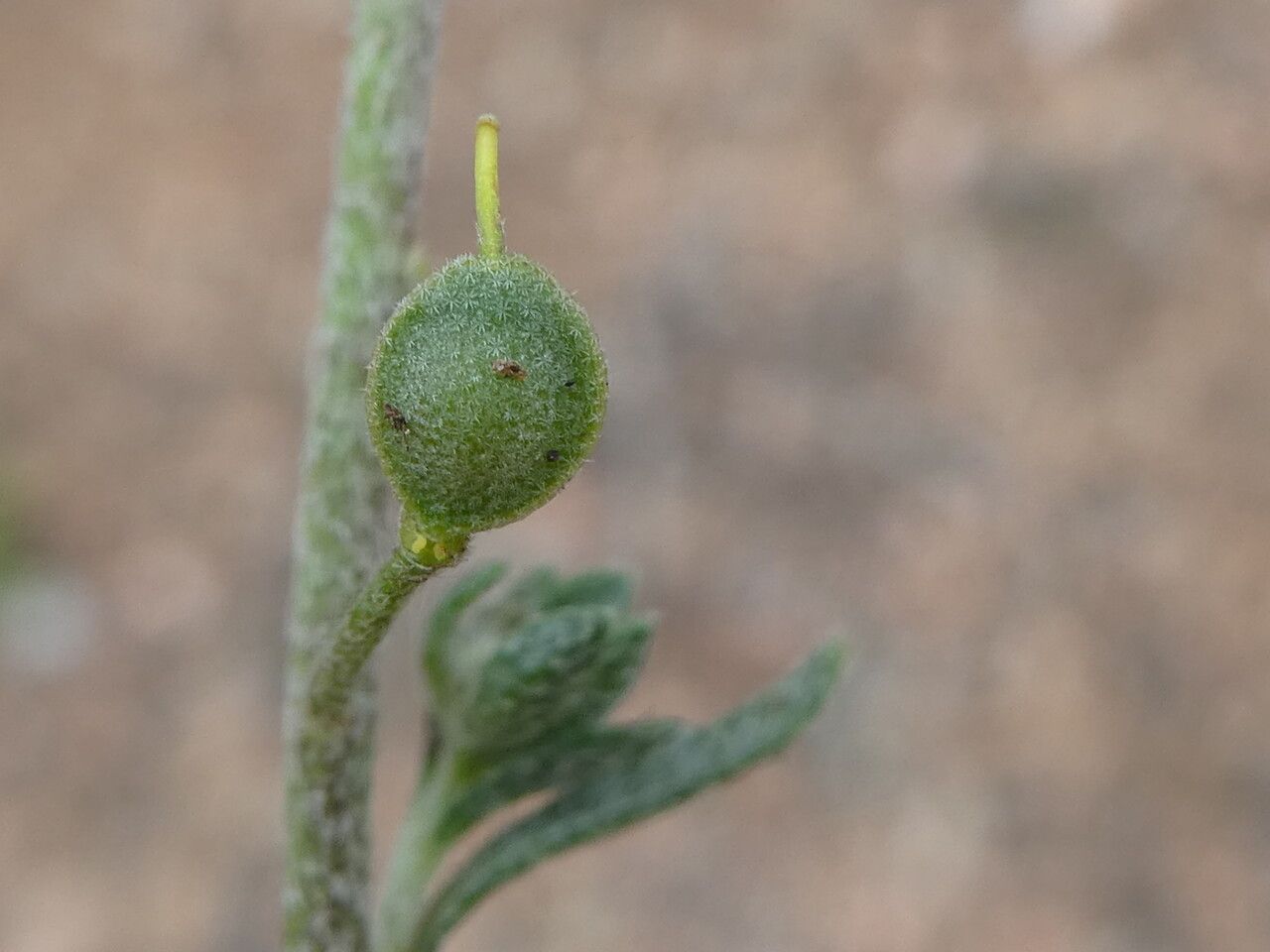
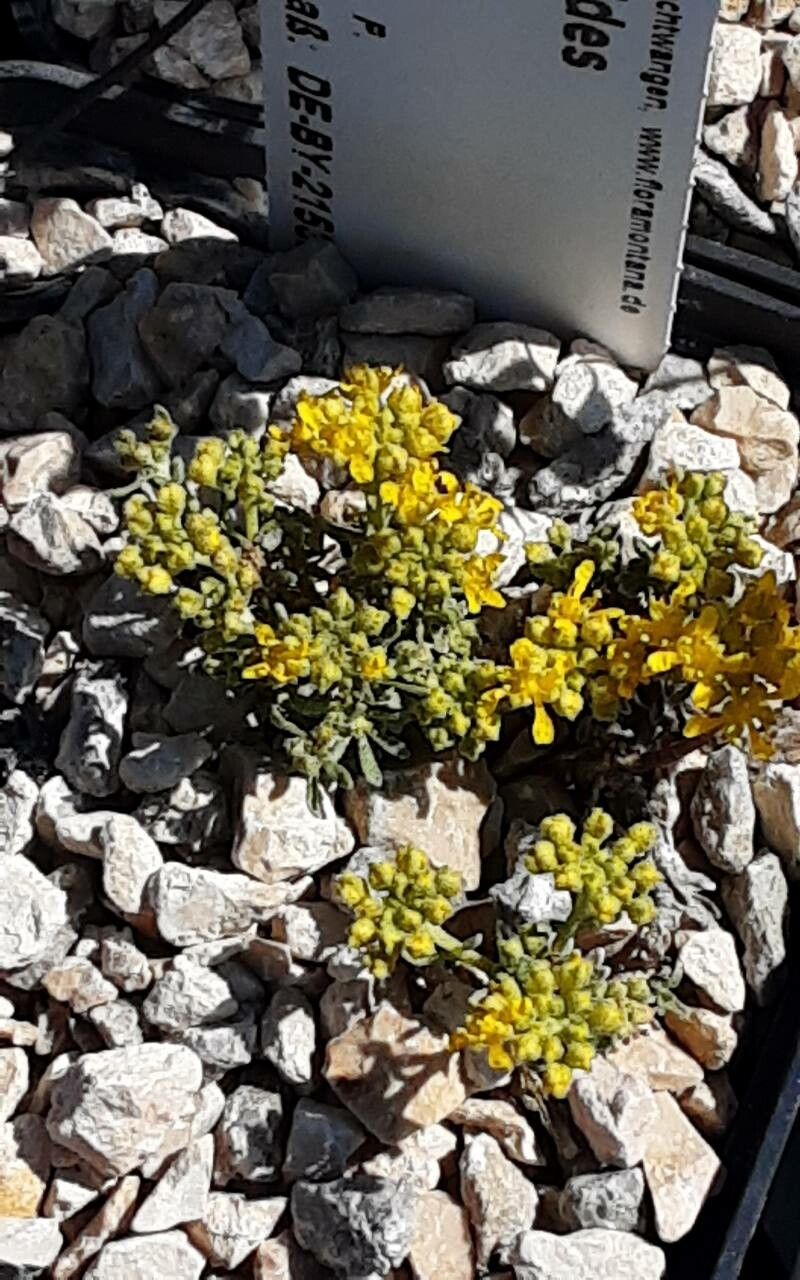
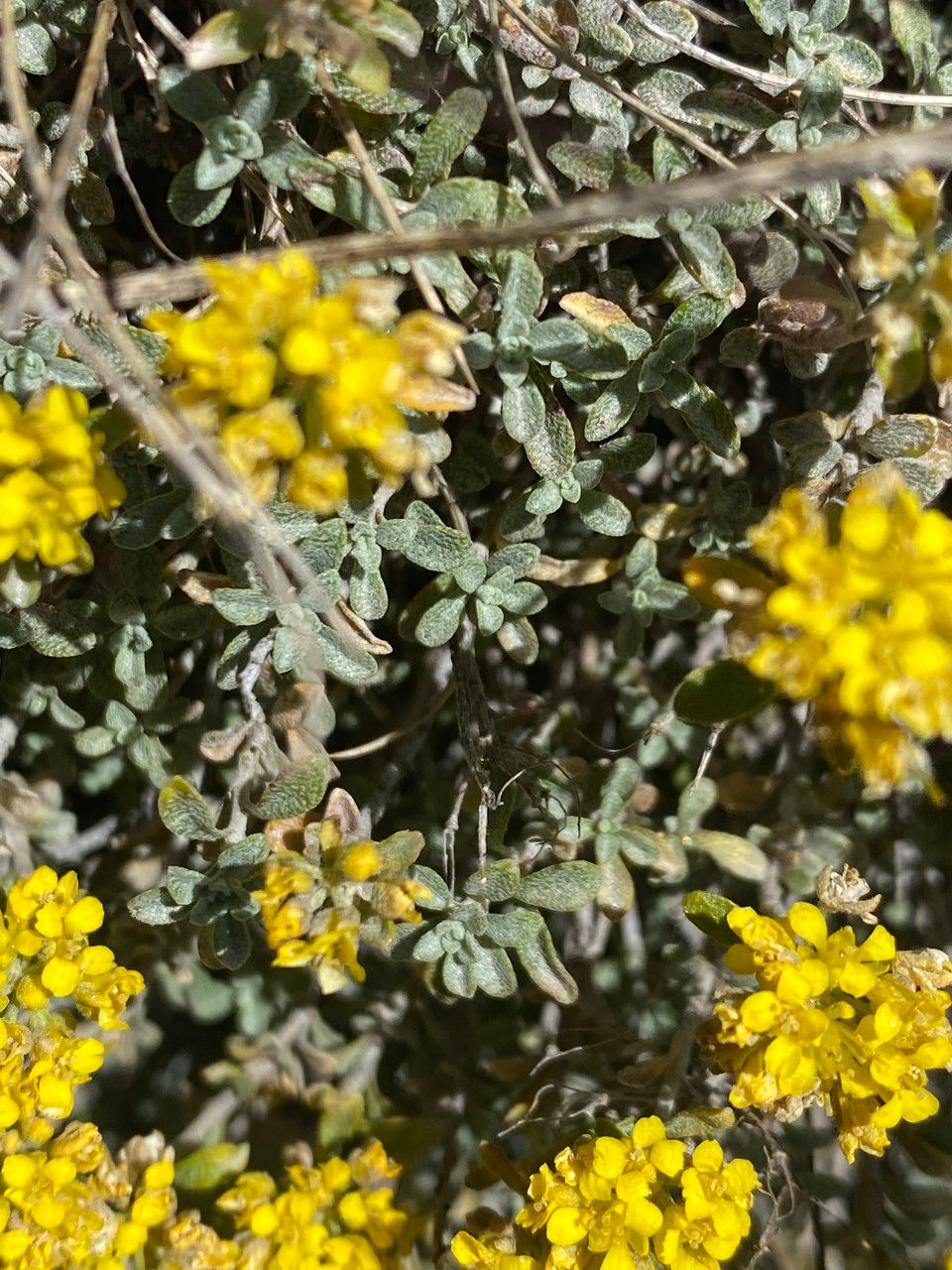
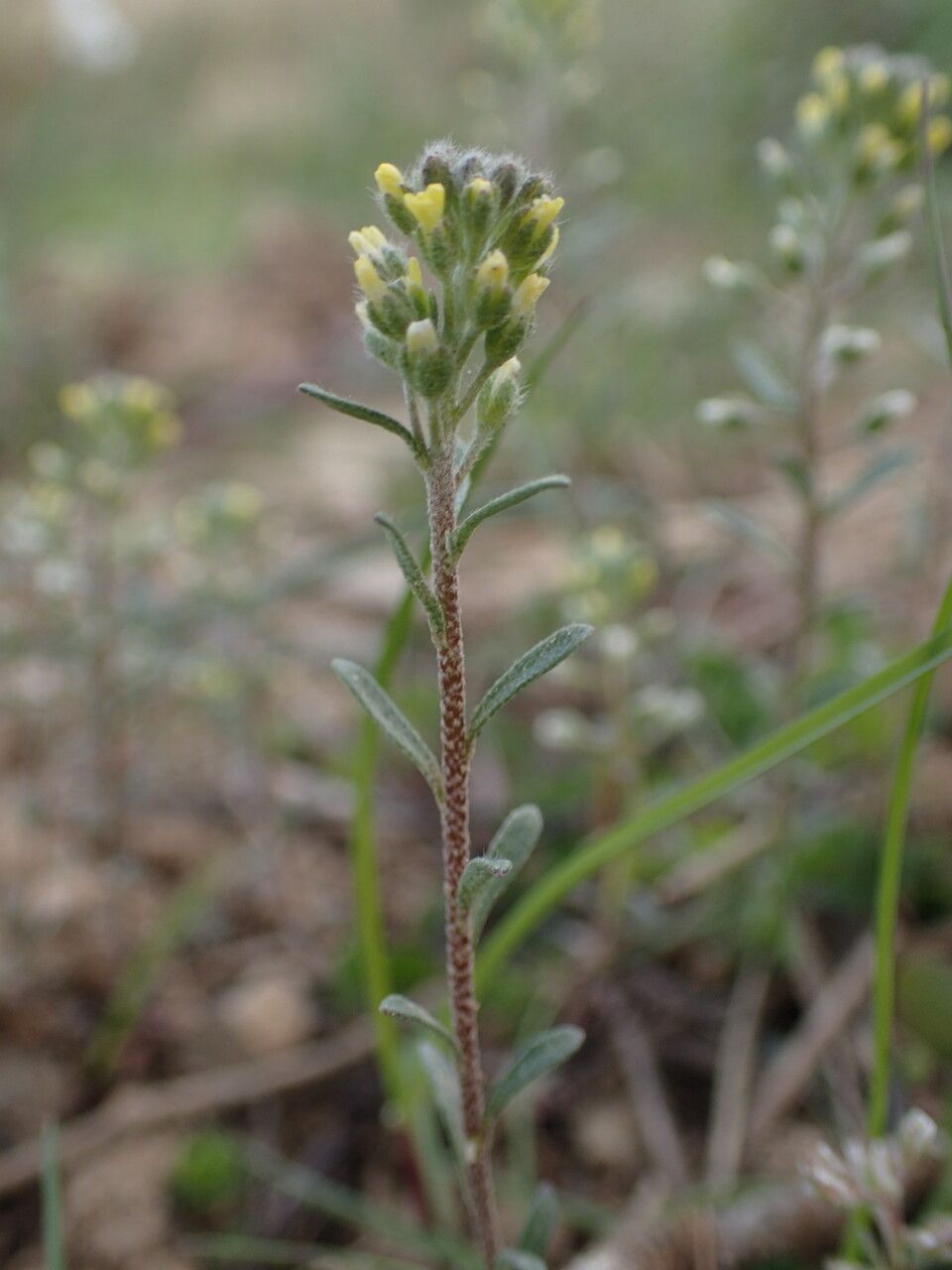
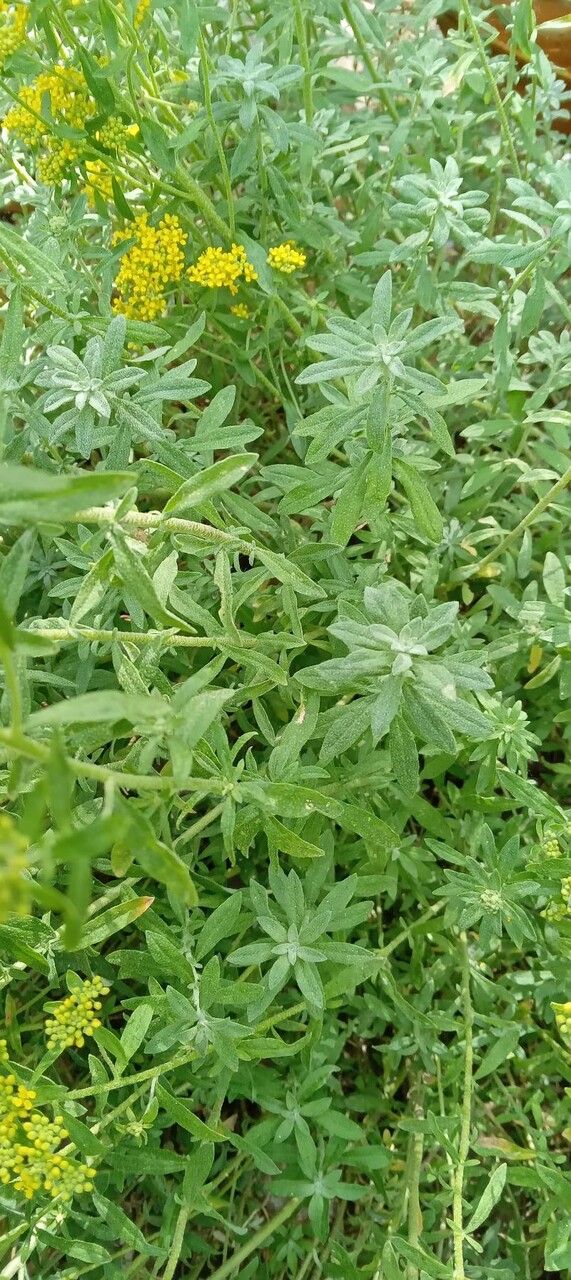
Alyssum montanum, commonly known as mountain alyssum, is a low-growing perennial plant that belongs to the Brassicaceae family. Native to Europe, it thrives in rocky areas, meadows, and along roadsides. The plant typically reaches a height of up to 30 cm and features lance-shaped green leaves.
Mountain alyssum flowers are small and yellow, with four petals arranged in a cross shape. They bloom from late spring through early summer and attract bees and other pollinators with their sweet fragrance.
These plants prefer well-drained soil with full sun exposure but can also tolerate partial shade. They are drought-tolerant and require minimal maintenance once established.
Mountain alyssum has been used for centuries for its medicinal properties due to compounds such as saponins, which have anti-inflammatory effects. Traditionally, the plant has been used to treat respiratory ailments like coughs and colds.
In gardens, mountain alyssums make excellent ground covers or edging plants due to their low-growing habit. They can be grown from seeds or propagated by dividing clumps in the spring or autumn.
Overall, Alyssum montanum is an attractive perennial plant that adds beauty to any garden while also offering medicinal benefits.
Mountain alyssum generally shows good disease resistance and is not highly prone to illnesses. Still, it can be affected by pests and diseases present in its surroundings, though these problems are typically mild. Regarding care, the plant needs moderate maintenance. It should be pruned regularly to keep a tidy appearance and support healthy growth. Fertilizing can also encourage more blooms. Mountain alyssum is appropriate for anyone with outdoor space, like a garden or patio, and does not demand extensive gardening experience. It can, however, need extra attention if cultivated indoors.
How to keep Alyssum Montanum.
Light
Mountain alyssum does best with ample sunlight, simulating the conditions of its natural environment. Excessive sun may produce minor wilting but will not inflict permanent damage on the plant. Conversely, insufficient light can hinder growth and prevent flowering, demonstrating the plant’s pronounced preference for sunny conditions.
Water
Mountain alyssum, native to mountainous areas, thrives in well-drained soil and cool temperatures and requires moderate moisture. To keep it healthy, water it once a week. This plant is ideal for rock gardens and benefits from natural rainfall, showing resilience to short dry spells.
Temperature
Mountain alyssum is a resilient plant that thrives in temperatures from 32 to 95°F (0 to 35°C). In winter, make sure the plant is not exposed to temperatures below freezing (0°C/32°F). In summer, it can tolerate temperatures as high as 95°F (35°C). Adjust its habitat accordingly for optimal growth.
Fertilizer
For Mountain alyssum, the best time to apply fertilizer is in early spring when the flowers are developing. The appropriate fertilizer promotes stronger blooms and helps Mountain alyssum produce attractive flowers. Fertilizing in early spring ensures excellent blooms throughout the season and supplies energy for dormant growth phases.
Pruning
Mountain alyssum is a low-growing perennial that benefits from regular pruning. The best time to prune is from late winter to early spring. By cutting back the stems by one-third, you can promote vigorous growth, improve air circulation, reduce pest problems, and enhance blooming. This will lead to a healthy display of vibrant yellow flowers.
Botanical profile.
- Plant Type
- Herb
- Life Cycle
- Perennial
- Genus
- Alyssum
- Family
- Brassicaceae
- Hardiness Zone
- 3-9
- Mature Height
- 15 cm
- Mature Spread
- 30 cm to 46 cm
- Leaf Color
- Green, Silver, Gray
- Leaf Type
- Evergreen
- Flower Color
- Yellow, Gold
- Flower Size
- 0.51 cm to 1.02 cm
- Bloom Time
- Spring
- Planting Time
- Spring, Summer
- Harvest Time
- Early summer, Mid summer
- Native Area
- Switzerland, Hungary, Germany, France
Other names.
Reader questions.
How should I water my Mountain alyssum plant in the best way?
To properly water the Mountain alyssum, use room temperature filtered water. Tap water may contain harmful particles, so filtering it is best. The plant prefers slightly warmer water because it originates from a warm environment and cold water can be a shock. Avoid overhead watering to prevent foliage problems. Instead, thoroughly soak the soil with filtered room temperature water. This benefits the plant by moistening the roots, allowing them to spread and gather essential nutrients.
Why do I have to add fertilizer to my Mountain alyssum plant?
Fertilization is important for the Mountain alyssum because it provides key nutrients for the plant's growth above and below ground. Despite this, Mountain alyssum has relatively low fertilization needs and can often survive without it. However, annual fertilization can greatly benefit the plant by keeping it alive and promoting the development of better and longer-lasting flowers. Therefore, if you want your Mountain alyssum to look its best, it is recommended to fertilize it annually.
What are the sunlight requirements for Mountain Alyssum?
Mountain Alyssum requires full sun, meaning it should receive above 6 hours of sunlight daily for optimal growth. It's important to observe the movement of sunlight through your garden to choose spots that provide a perfect balance of light and shade, ensuring the plants' happiness. The plant thrives under an abundance of sunlight, which mimics its natural habitat conditions. However, excessive sunlight may cause slight wilting, though it won't permanently damage the plant. In contrast, lower light conditions may stunt the plant's growth and result in a lack of flowering, indicating its strong affinity for sun-soaked environments.
What temperatures can Mountain Alyssum tolerate?
Mountain Alyssum is a hardy plant capable of flourishing within a wide temperature range, from as low as 32°F (0°C) to as high as 95°F (35°C). During winter, it's crucial to ensure that the plant isn't subjected to temperatures below freezing point, while in summer, it can withstand temperatures up to 95°F (35°C). The plant demonstrates strong cold resistance, which typically negates the need for special frost protection measures. However, in extreme conditions where temperatures are expected to drop below -35°C, preventative measures to protect against the cold, such as covering the plant with soil or straw, are advisable.
What should I do if I give my Mountain alyssum too much or too little water?
Overwatering is a more common problem for Mountain alyssum and can cause wilting, yellowing leaves, and various diseases like root rot, mold, and mildew. Underwatering is less common but can result in brittle, brown leaves. It's important to detect signs of overwatering early to prevent irreparable damage. If you notice these signs, reduce watering and consider improving soil drainage. If your Mountain alyssum shows signs of needing more water, simply increase your watering schedule until the signs disappear.
When should I fertilize my Mountain alyssum?
The best time to fertilize a Mountain alyssum is in late winter to early spring when it is transitioning from dormancy to active growth. Fertilizing during this time promotes healthy growth and sets the plant up for a successful season. While it is generally recommended to fertilize in early spring, it is also possible to do so in the fall. However, it is not advisable to fertilize during summer or winter.
How can artificial lighting benefit indoor Mountain Alyssum plants?
Indoor Mountain Alyssum plants require adequate lighting for optimal growth, especially when natural sunlight is insufficient. This is common in winter or in less sunny spaces. Artificial lights, such as LED lights, are a vital solution as they can be customized to provide specific wavelengths of light needed for healthy plant growth. For full sun plants, 30-50W/sq ft of artificial light is recommended, while partial sun plants need 20-30W/sq ft, and full shade plants need 10-20W/sq ft. The light source should be placed 12-36 inches above the plant to mimic natural sunlight, and most plants will need 8-12 hours of light per day.
How do I protect Mountain Alyssum from extreme temperatures?
To protect Mountain Alyssum from extreme winter temperatures that might drop below -35°C, it is recommended to cover the plant with insulating materials like soil or straw. Additionally, watering the plant abundantly before the first freeze in autumn helps the soil retain moisture which can be beneficial during winter. In cases of extreme summer heat, where temperatures exceed 38°C and the plant shows signs of stress such as lighter leaves, curling, or sunburn, it is advisable to trim away damaged parts, move the plant to a shaded area, or use a shade cloth. Keeping the soil moist with morning and evening watering can also help alleviate stress from high temperatures.
How frequently should I water my Mountain alyssum?
If your Mountain alyssum plant is in a pot, you can use a simple method to determine if it needs water. Just stick your finger into the soil. If the top two to three inches of soil feel dry, it's time to water. The same method applies if you're growing your Mountain alyssum outdoors in the ground. Once again, if the first few inches of soil have dried out, it's time to water. In the spring and early fall, this usually means watering once a week. However, during very hot weather, you may need to water twice a week or more. It's worth noting that mature, well-established Mountain alyssum plants can endure drought quite well.
When shouldn't I put fertilizer on my Mountain alyssum?
To keep your Mountain alyssum healthy, it is important to fertilize it only during the late winter and early spring. This plant has low fertilization needs, so a single feeding per year is sufficient. Avoid fertilizing during the spring, summer, and fall, as this can easily lead to overfertilization and its complications. However, if you missed fertilizing in the spring, it is acceptable to feed it in the fall. During the winter, when the Mountain alyssum is in a dormant growth phase, there is no need to fertilize as it does not produce new growth.
What are the symptoms of light deficiency in Mountain Alyssum?
Mountain Alyssum can exhibit several symptoms when exposed to inadequate lighting, including smaller new leaves, leggy or sparse growth, faster leaf drop, slower or no new growth, lighter-colored new leaves, chlorosis (leaves turning yellow due to the breakdown of chlorophyll), sunscald (damaged plant tissue from intense sunlight exposure), leaf curling (as a defense mechanism to minimize water loss), wilting (loss of turgor pressure), and leaf scorching (brown, dry, and crispy edges on leaves from excessive sunlight). These symptoms indicate the plant's struggle with light conditions, highlighting its need for sufficient sunlight.
What are the symptoms of temperature stress in Mountain Alyssum?
Mountain Alyssum shows resilience to cold, thriving best above 0°C and needing protection if temperatures approach -30°C. Below -35°C, you might not notice immediate changes, but there can be a decrease or absence of sprouting come spring. In contrast, high temperatures above 35°C, especially beyond 38°C, may cause the leaves to lighten, curl up, suffer from sunburn, and the plant might even wilt and dry up. To mitigate these issues, in spring, remove parts that haven't sprouted, and in summer, manage sun exposure and maintain soil moisture to help the plant recover.