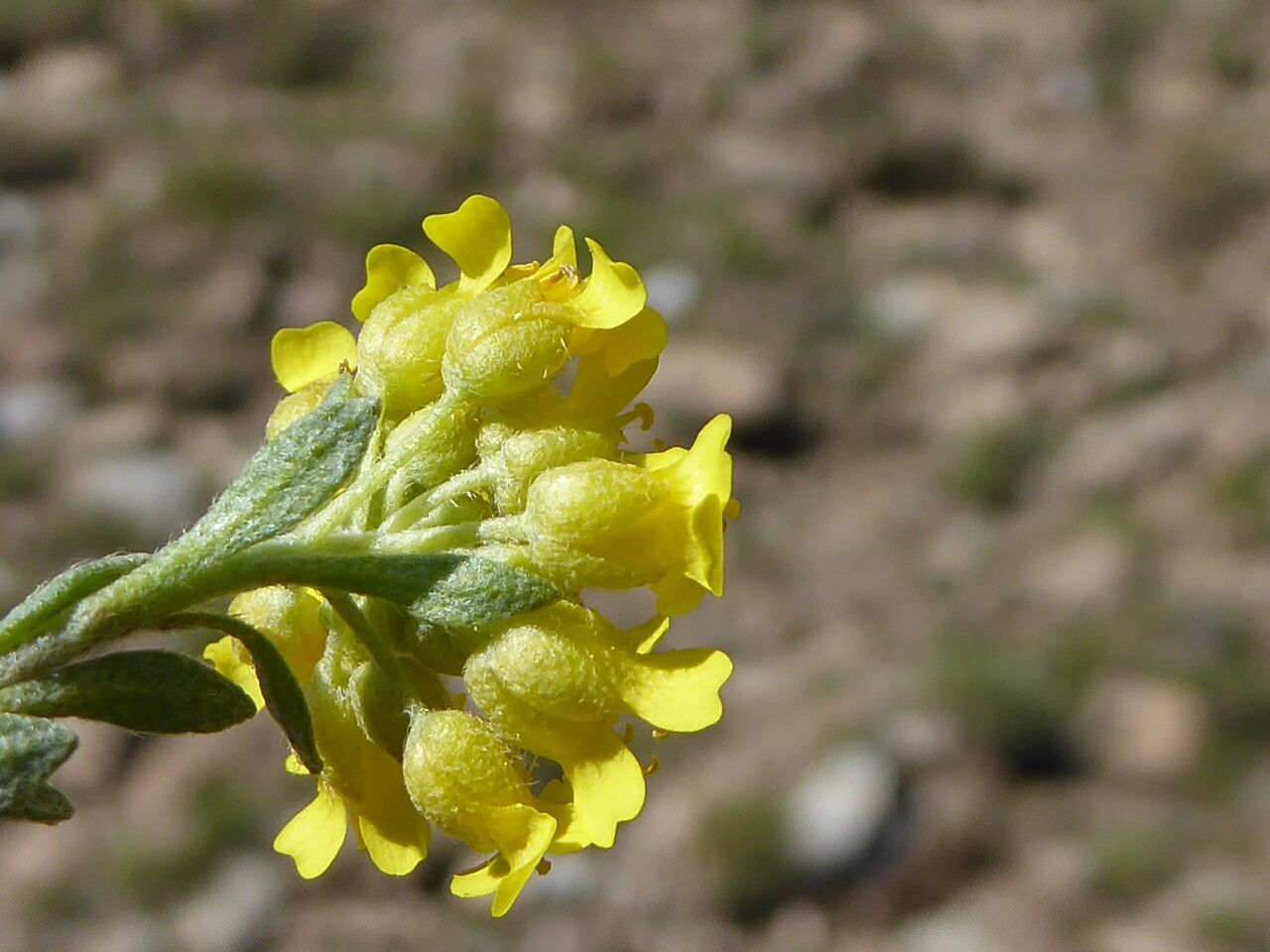
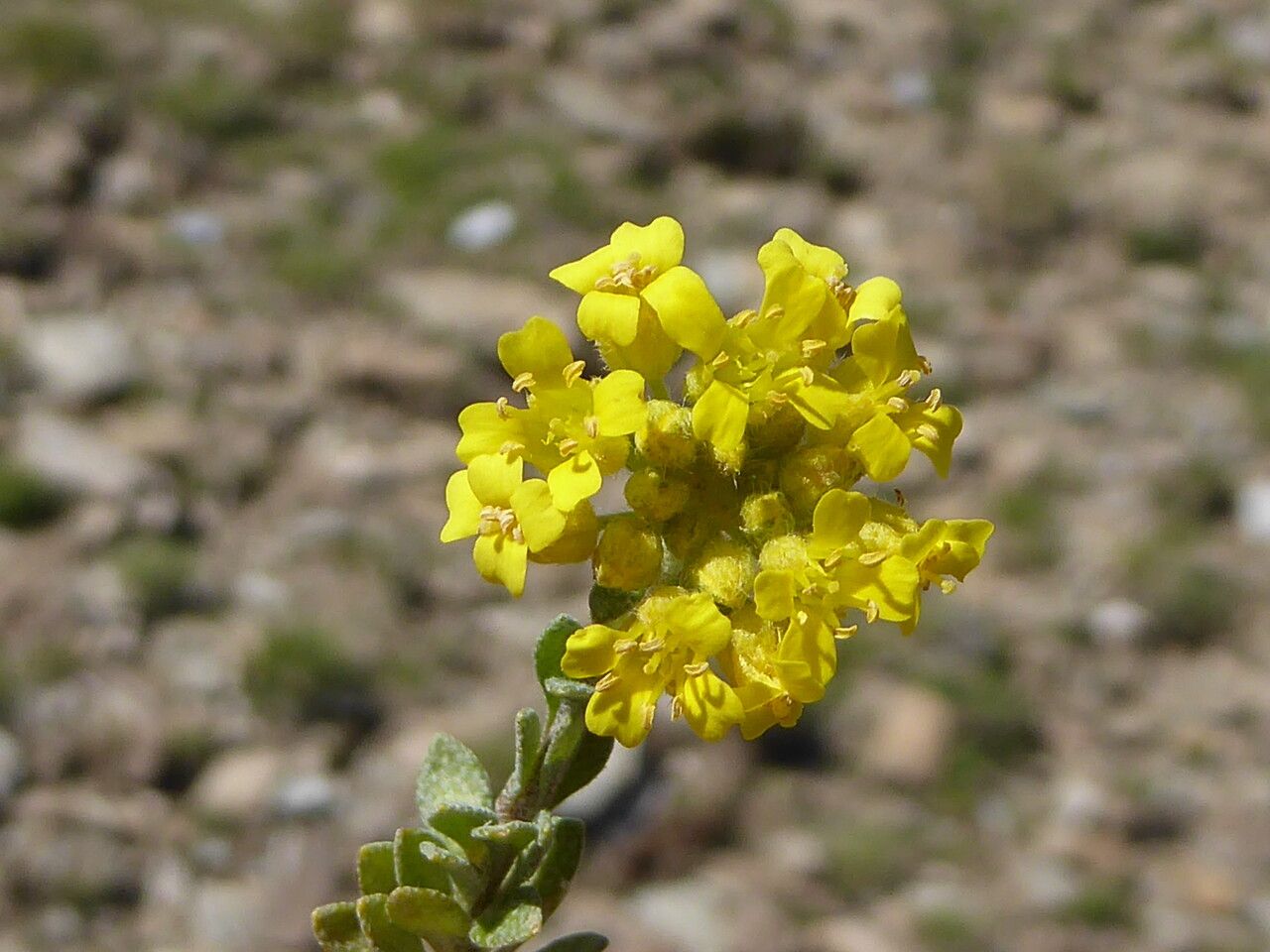
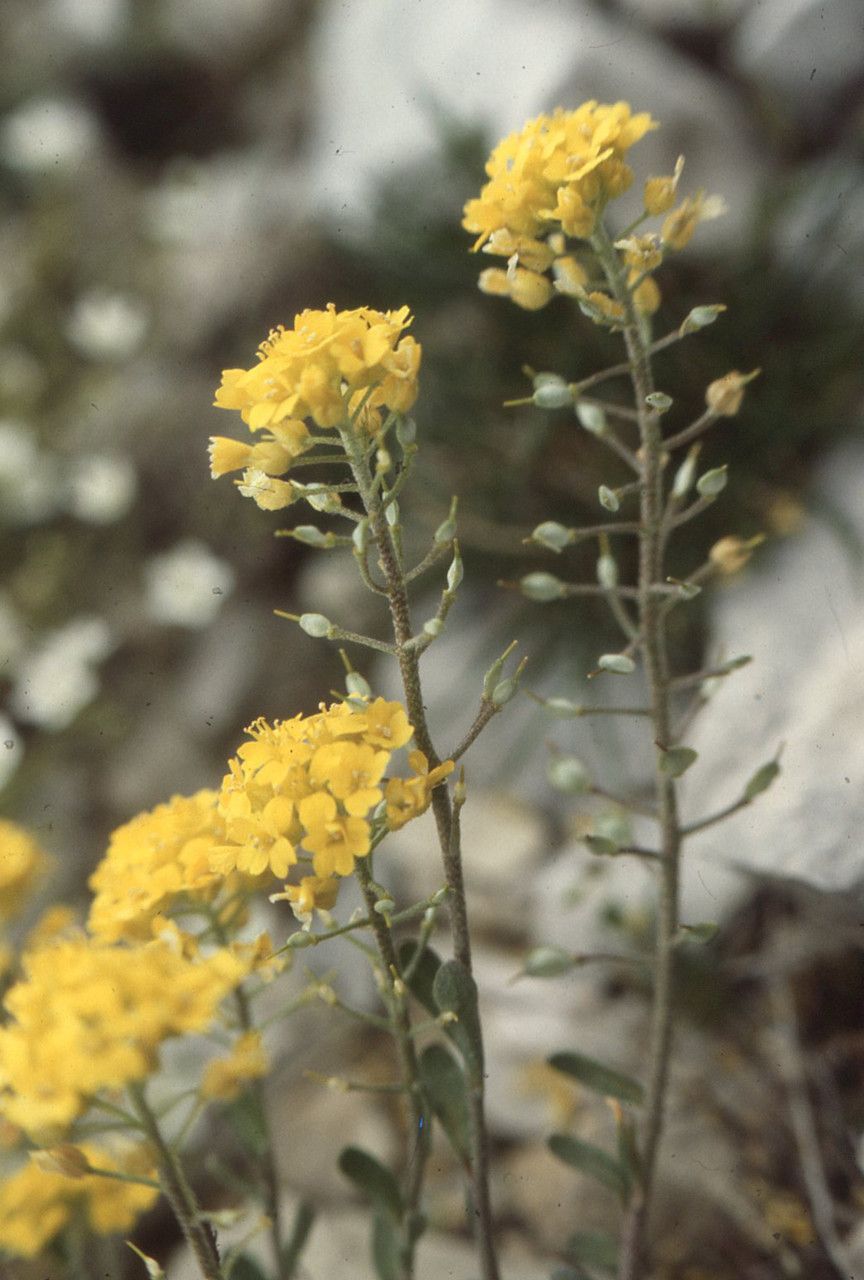
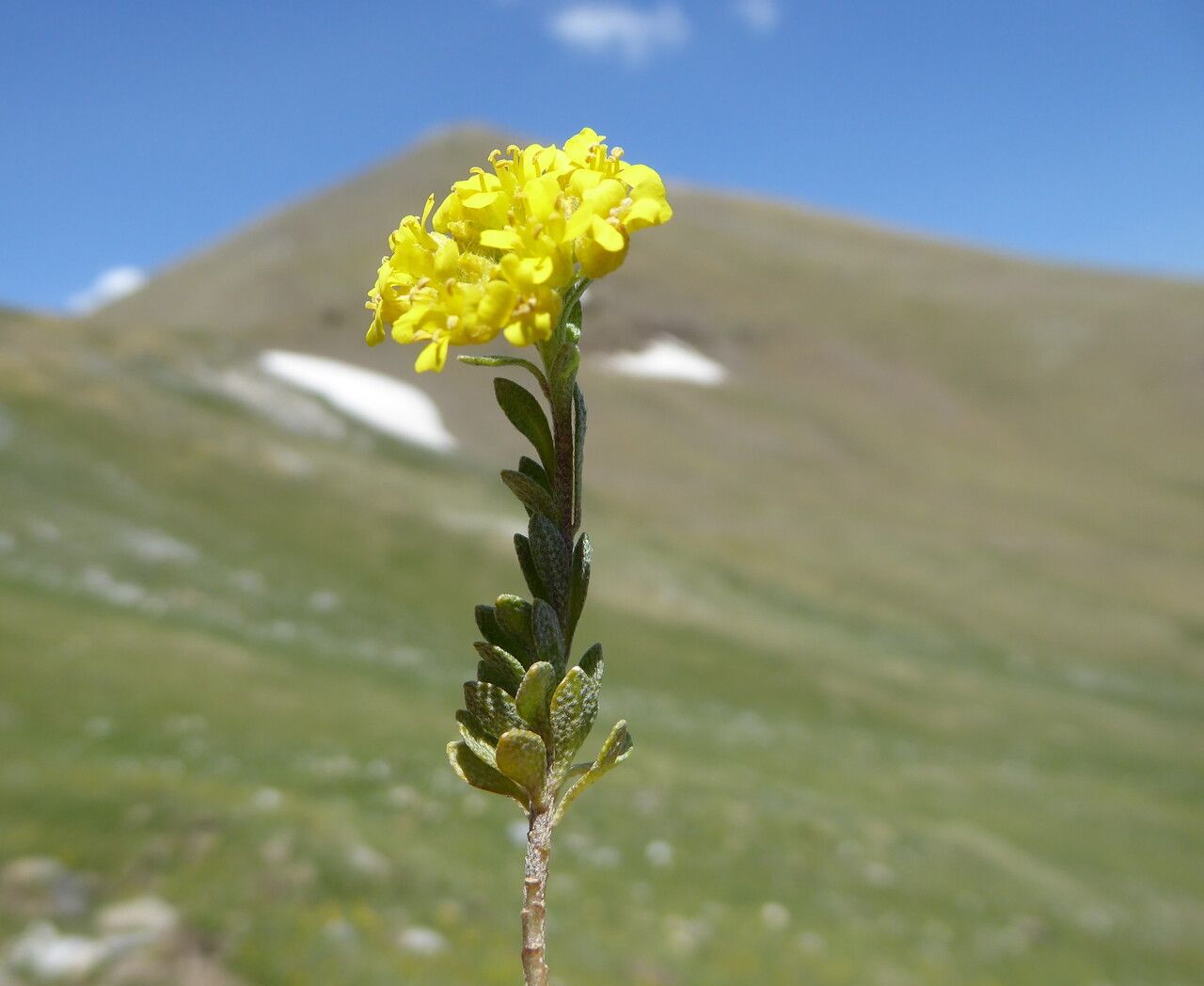
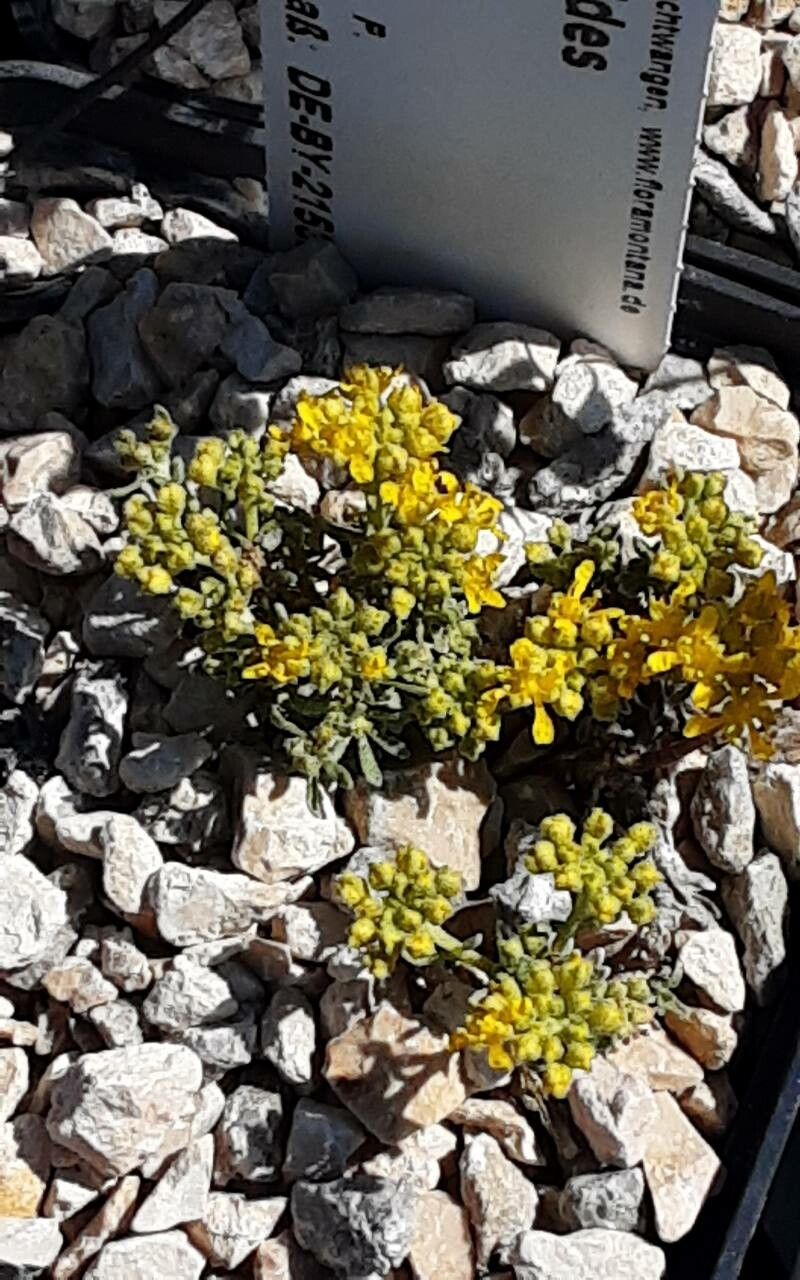
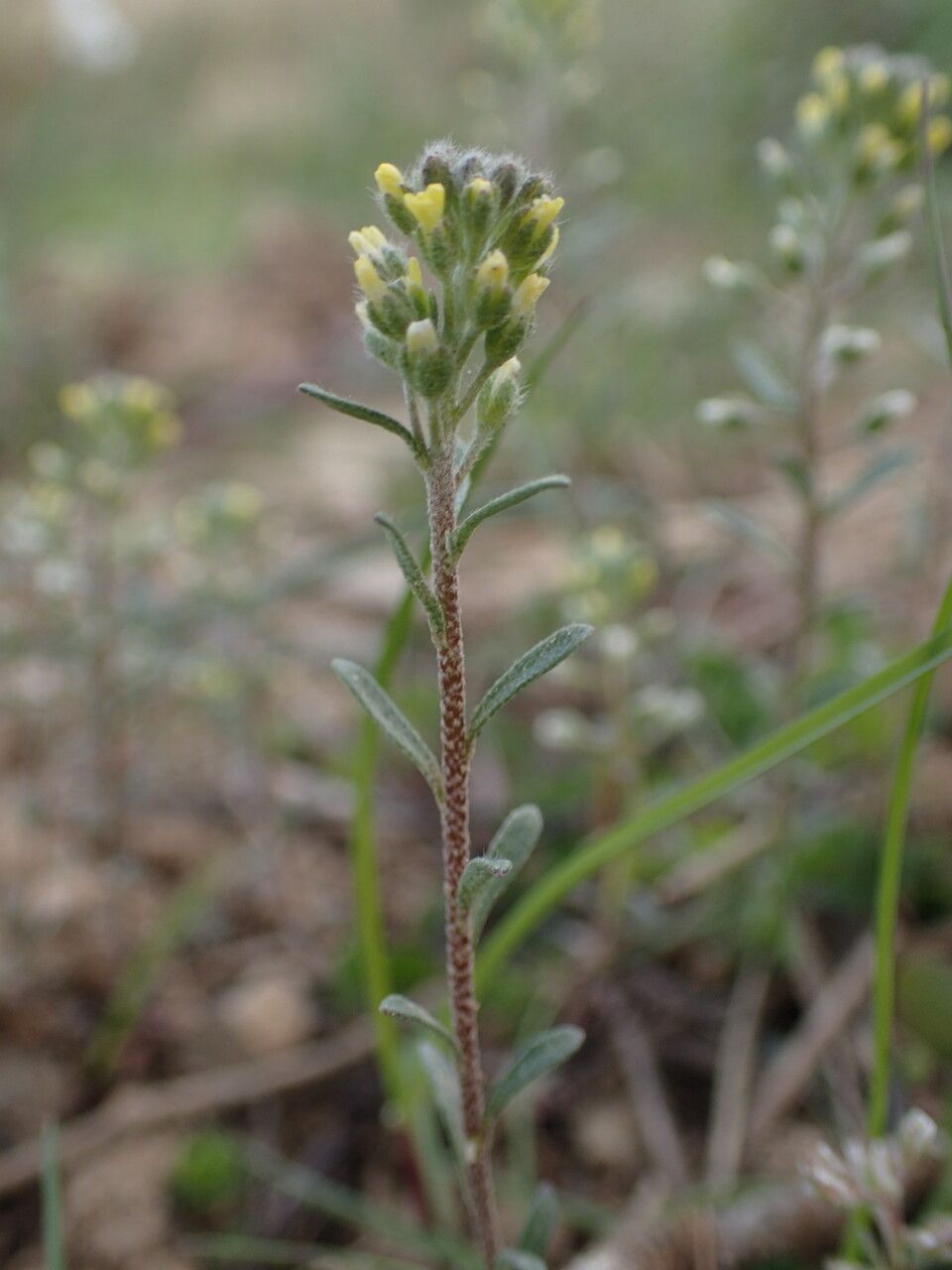
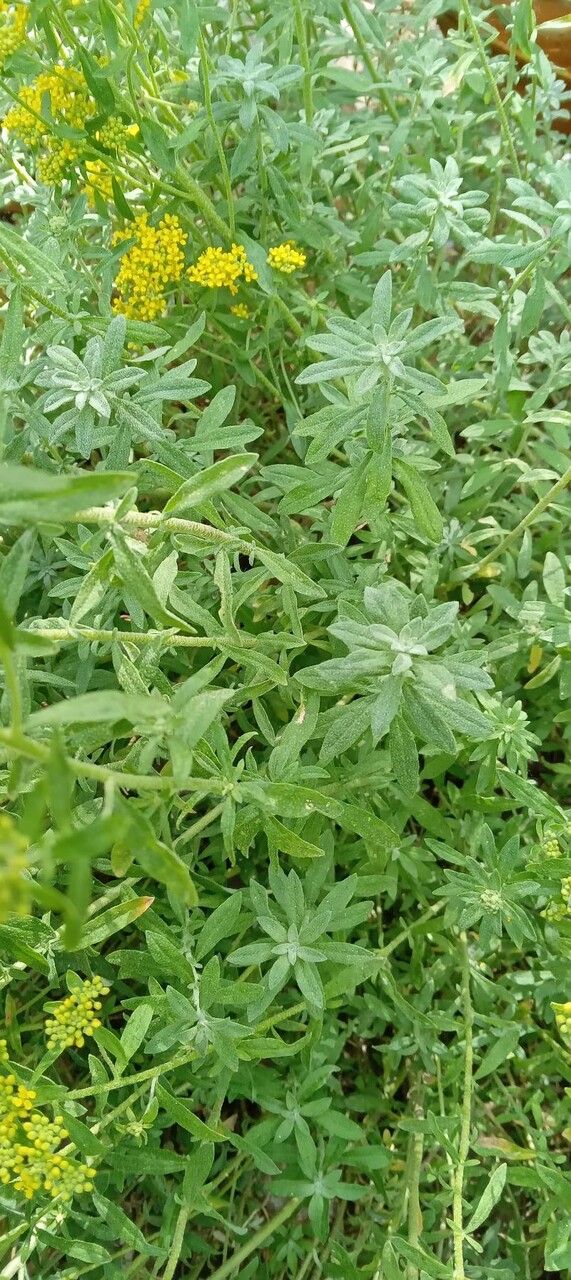
Alyssum cuneifolium, commonly known as wedge-leaved alyssum, is a small herbaceous plant in the Brassicaceae family. Native to Europe and Asia, it has been introduced to North America as an ornamental plant. The plant typically grows up to 30 cm in height and features small white or yellow flowers that bloom in clusters from spring through summer.
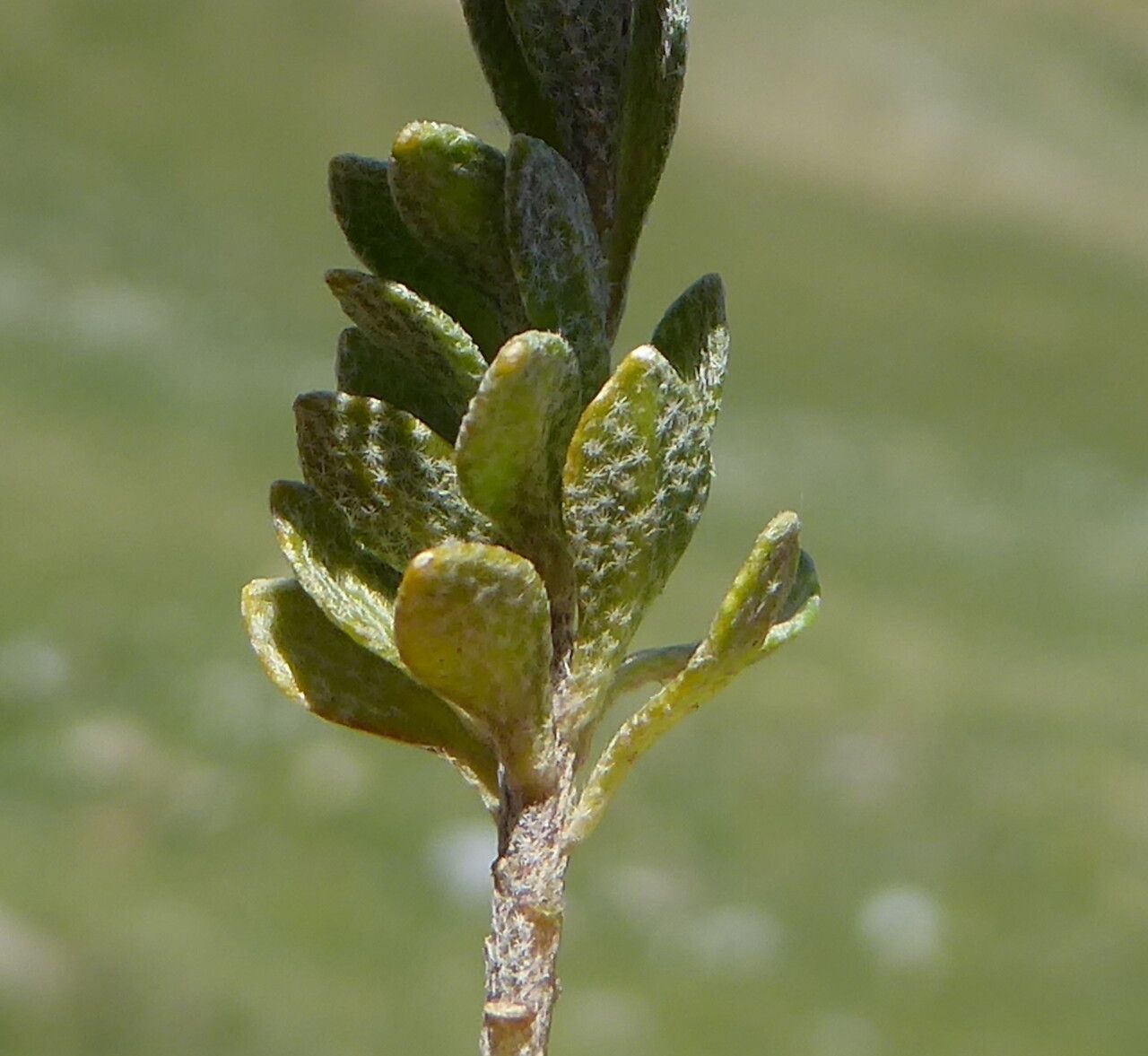
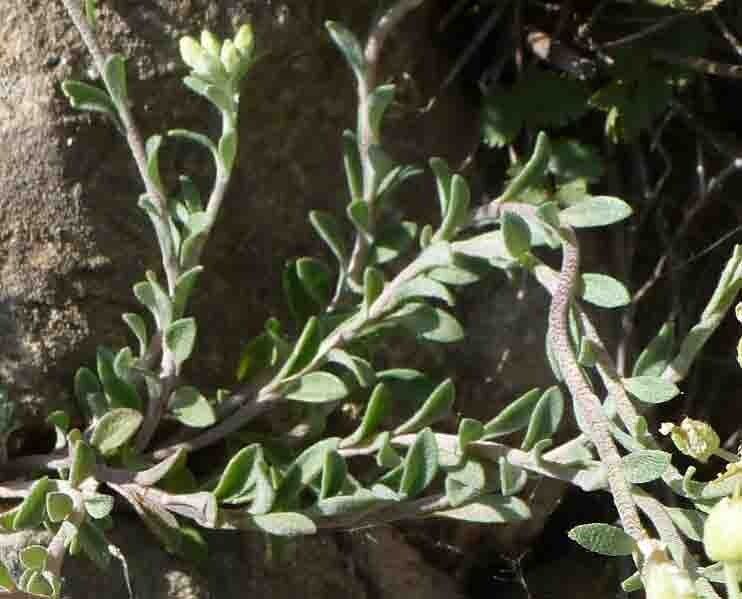
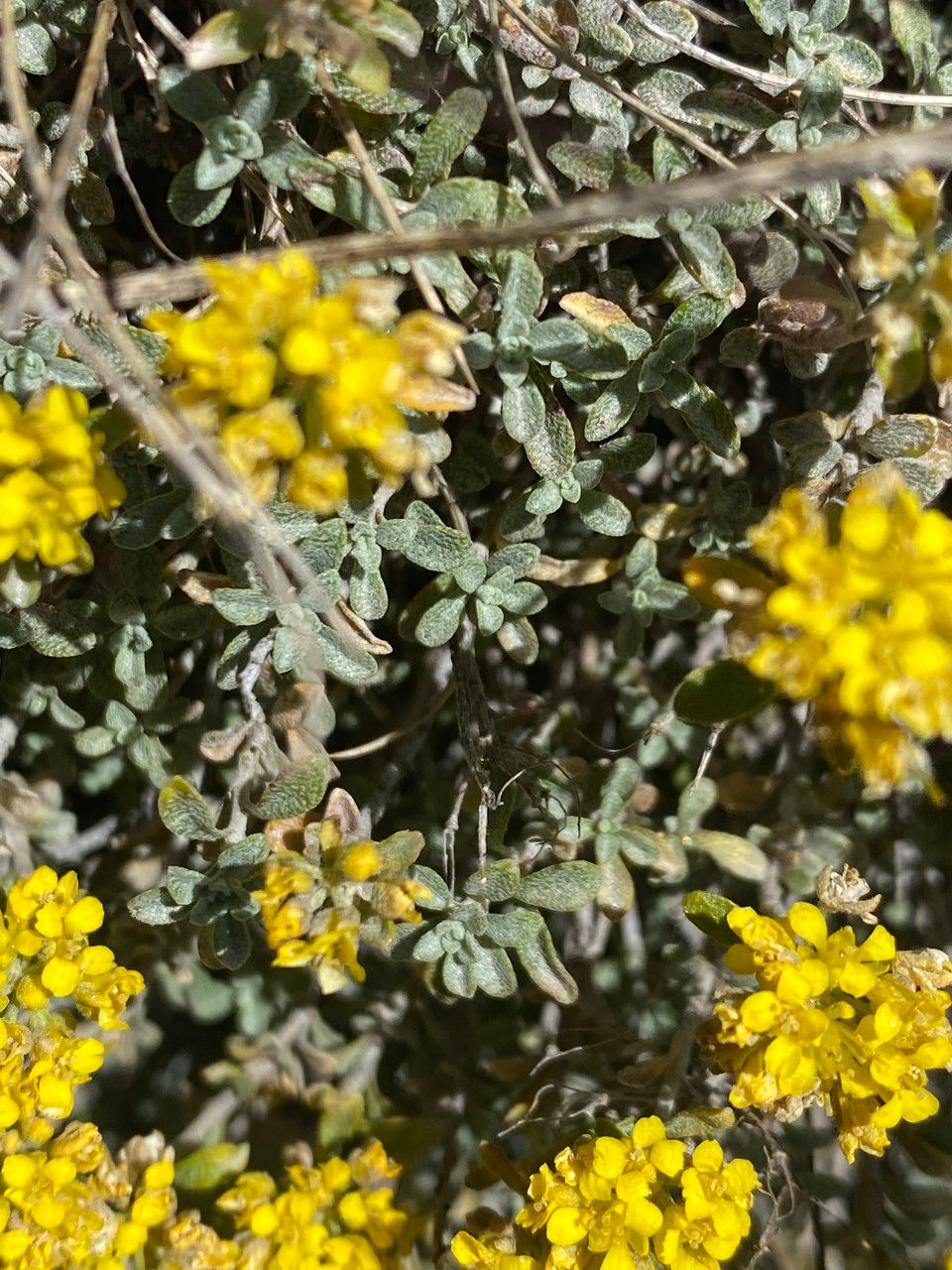
The leaves of Alyssum cuneifolium are wedge-shaped with toothed edges, which is the source of its common name. The thin, branching stems have a slightly hairy texture. This hardy perennial thrives in well-drained soil and can be grown in full sunlight or partial shade.
Due to its low-growing habit and attractive flowers, Alyssum cuneifolium is often used as an edging plant or ground cover. It also attracts pollinators such as bees, butterflies, and hoverflies.
In traditional medicine, Alyssum cuneifolium has been used for its anti-inflammatory properties to treat skin conditions like eczema and psoriasis.
Overall, Alyssum cuneifolium is a beautiful ornamental plant that not only adds color to any garden but also offers medicinal benefits.
Dwarf alyssum is fairly disease-resistant and generally not likely to suffer from illnesses. Still, it can be vulnerable to pests and diseases present in its environment. These problems are usually mild. Care-wise, the plant needs a moderate level of attention. It should be pruned regularly to keep a neat appearance and encourage healthy growth. Fertilizing can also help increase flowering. Dwarf alyssum is suitable for anyone with outdoor space, such as a garden or patio, and does not require extensive experience in plant care. It may need more attention if grown indoors.
How to keep Alyssum Cuneifolium.
Light
Dwarf alyssum comes from bright, open habitats and performs best in full sun. It can tolerate some partial shade but prefers direct sunlight for optimal growth. This plant, which may be annual or biennial, is recognized for its sun-loving character.
Water
Dwarf alyssum, native to Mediterranean regions, thrives in dry, rocky environments. This plant is drought-tolerant and benefits from moderate watering twice a week to maintain soil moisture. Often seen in rock gardens, dwarf alyssum can adapt to natural rainfall, needing less irrigation during its dormant period.
Temperature
Dwarf alyssum can tolerate a wide range of temperatures, but its distribution may still be restricted by varying combinations of moisture and heat. It grows best in warm summer climates with sufficient rainfall or regular watering. Extended periods of cloudy, rainy weather or sustained high temperatures can increase the likelihood of Dwarf alyssum dying. In winter, adequate protection from the cold can improve the plant's chances of survival.
Fertilizer
When Dwarf alyssum has opened most of its blooms to full size, it's time to resume fertilizing. Around the period when blooms are at peak production, begin fertilizing again every three to four weeks, weather permitting. Then, once the Dwarf alyssum starts producing fewer new blooms, stop fertilizing; there is no need to fertilize when the plant can no longer produce additional blooms.
Pruning
Dwarf alyssum benefits from pruning in the early to late spring. Focus on removing spent flowers and gently shaping the plant, rather than heavy cutting. This encourages new growth, increases flower density, and keeps the plant looking neat and tidy while preventing it from becoming leggy. Ensure the plant receives enough air circulation and light to reduce the risk of pests and diseases.
Botanical profile.
- Plant Type
- Herb
- Life Cycle
- Annual
- Genus
- Alyssum
- Family
- Brassicaceae
- Hardiness Zone
- 4-8
- Mature Height
- 5 cm to 15 cm
- Mature Spread
- 10 cm to 20 cm
- Leaf Color
- Green, Gray, Silver
- Leaf Type
- Deciduous
- Flower Color
- White
- Flower Size
- 0.25 cm to 0.51 cm
- Bloom Time
- Mid spring, Late spring, Early summer
- Planting Time
- Spring, Summer
- Harvest Time
- Summer
- Native Area
- Italy, Spain, Greece, France
Other names.