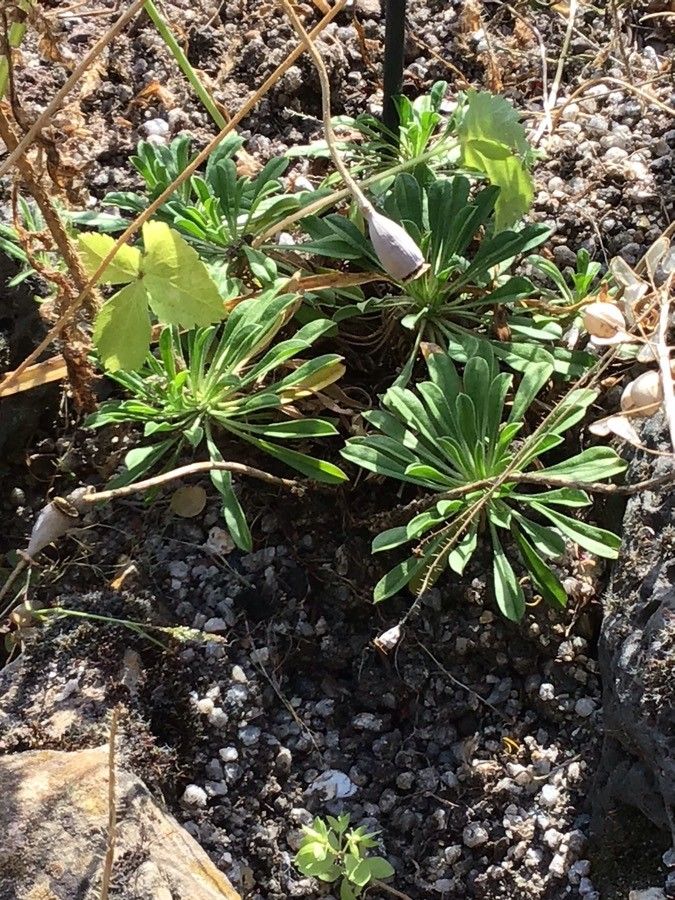
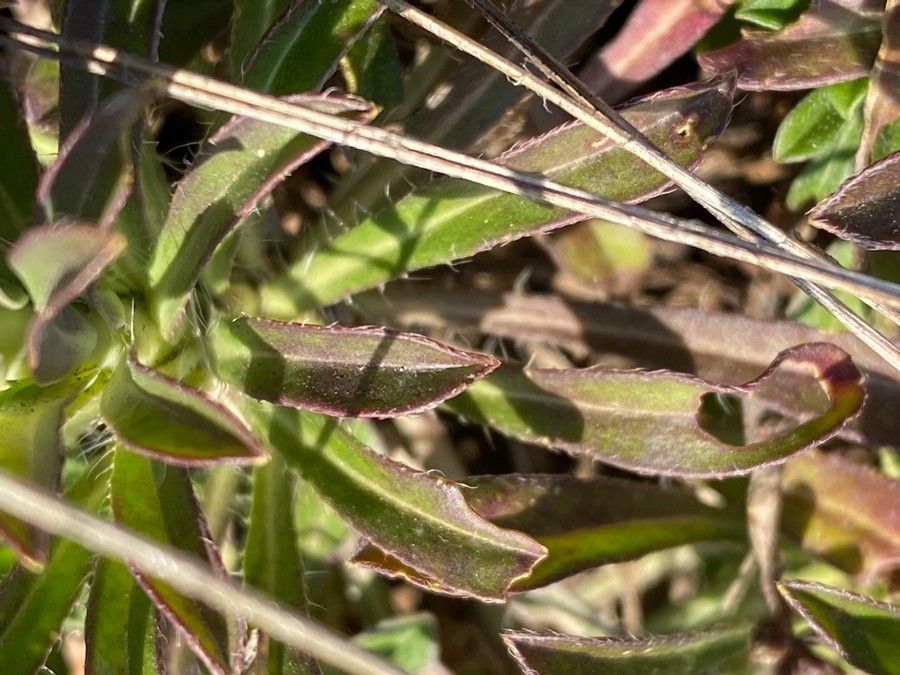
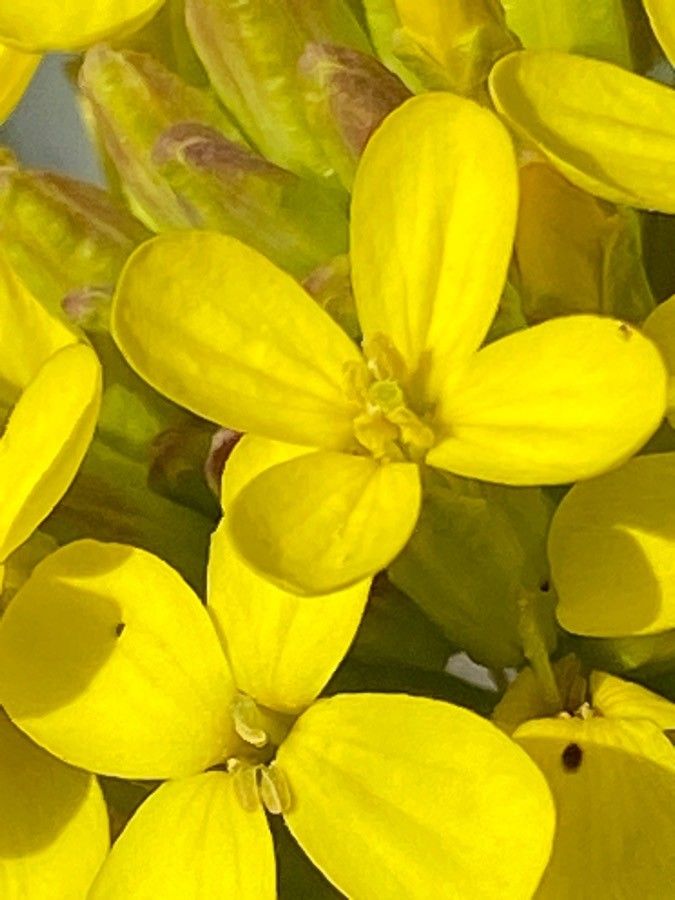
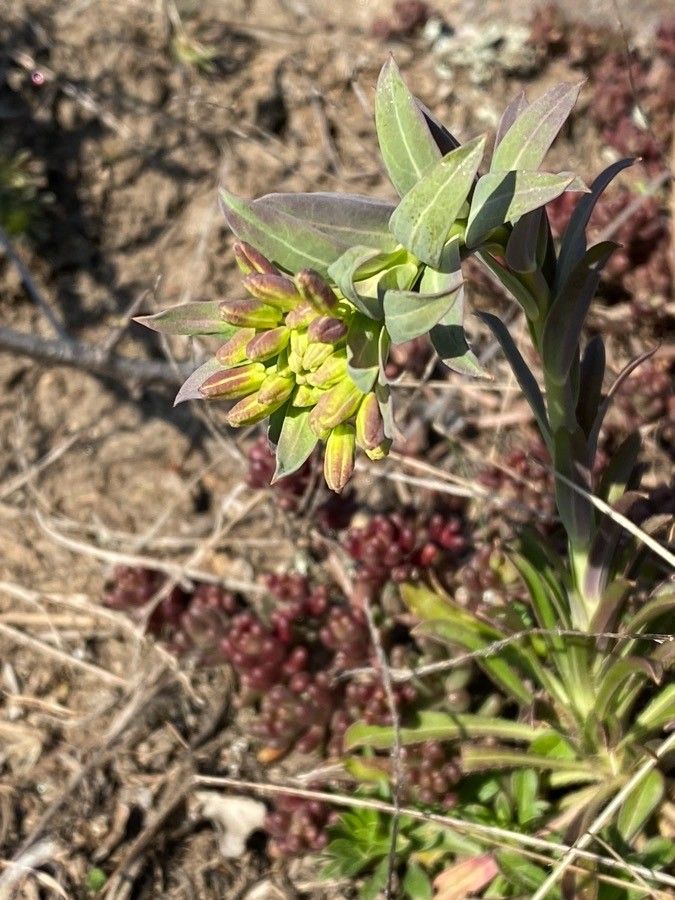
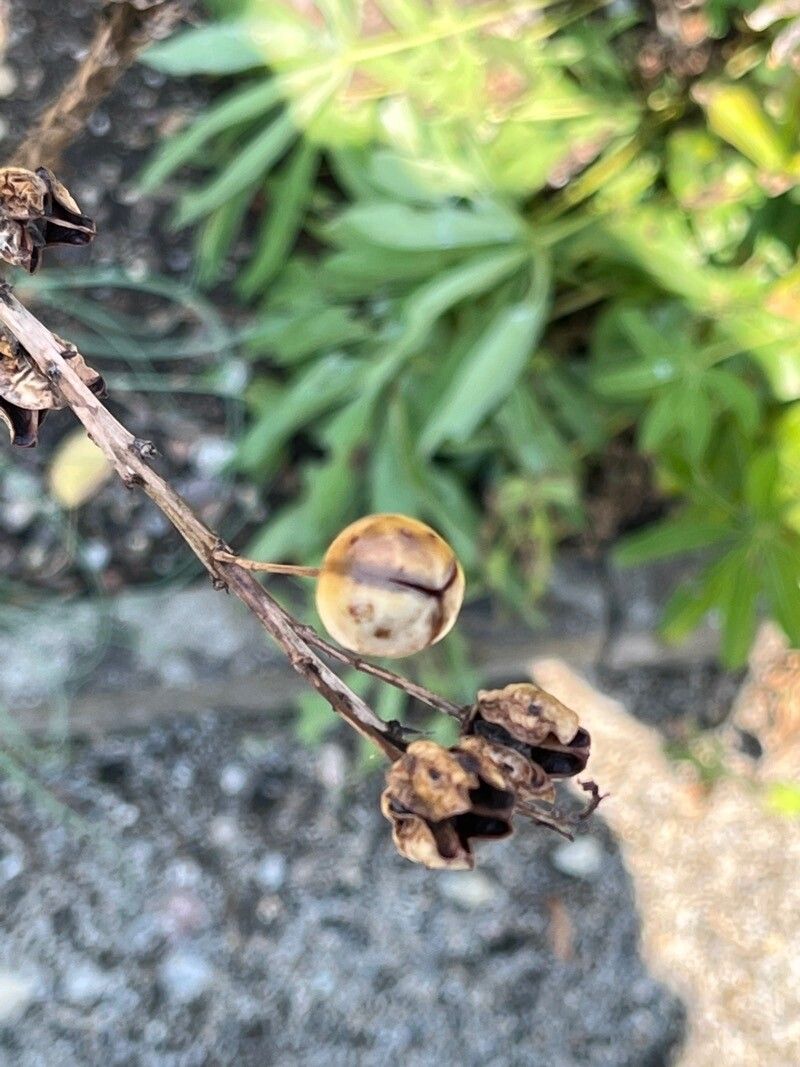
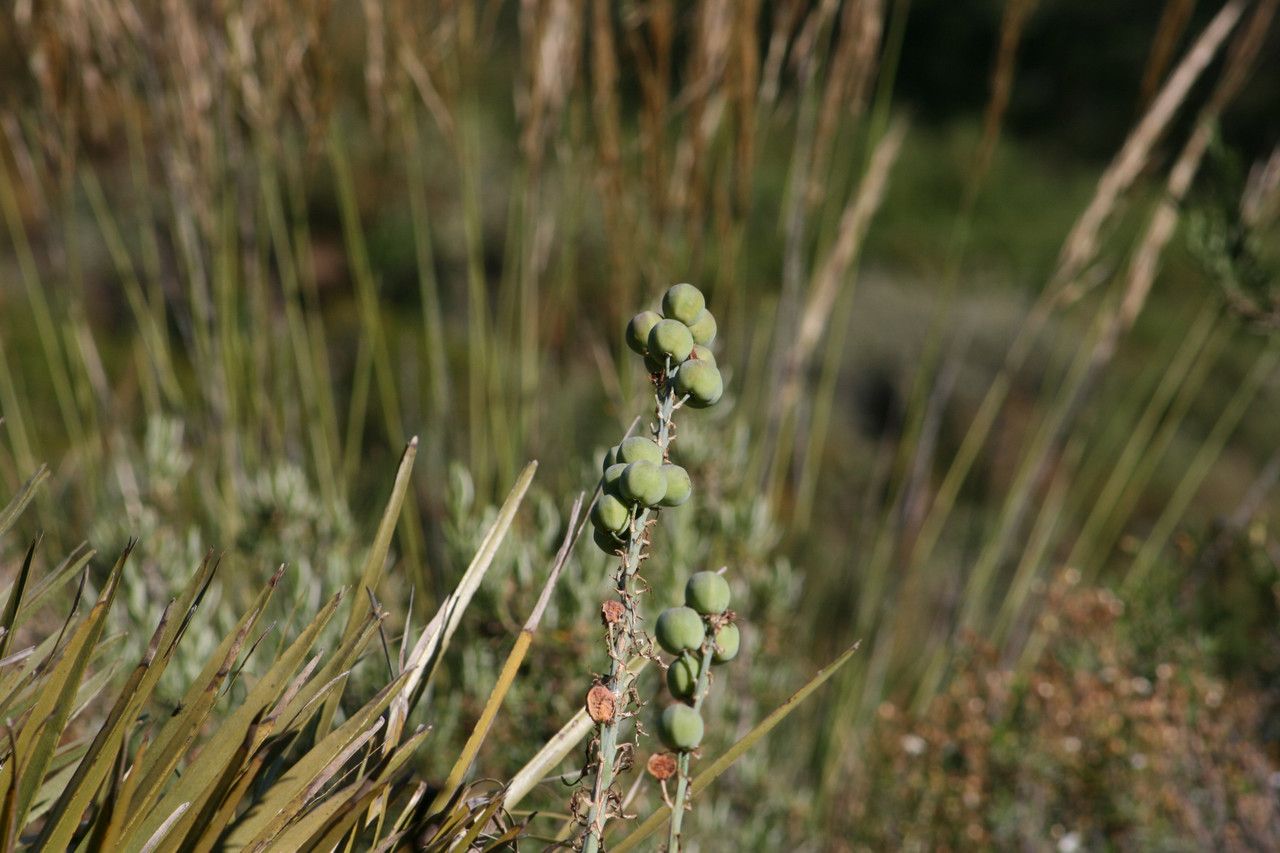
Alyssoides is a genus of flowering plants in the family Brassicaceae containing a single species, Alyssoides utriculata. A herbaceous perennial plant native to Southern Europe and Turkey, it grows on dry rocky slopes and on calcareous rocks, reaching heights of 20 to 50 cm and blooming with yellow flowers between April and May–July.The genus formerly contained a second species, Alyssoides cretica, but after molecular phylogenetic studies from 2008 and 2013 it was reassigned to the genus Lutzia.There are two subspecies: the A. utricalata subsp. utriculata, and A. utriculata subsp. bulgarica, which characteristically differ by the pattern and shape of their hairs.Alyssoides utriculata is used as an ornamental plant and in gardening may be referred to as inflated bladderseed or as (Greek) bladderpod (not to be confused with other plants named bladderpod).
Inflated bladderseed is largely disease-resistant and is generally not prone to illnesses. Nonetheless, it can be affected by pests and diseases present in its environment. These problems are typically mild. For care, the plant requires moderate maintenance. It should be pruned regularly to keep a tidy appearance and support healthy growth. Fertilizing can also encourage flowering. Inflated bladderseed is well suited for anyone with outdoor space, such as a garden or patio, and does not demand extensive care experience. It may need more attention when grown indoors.
How to keep Alyssoides Utriculata.
Light
Inflated bladderseed is a sun-loving herbaceous perennial native to open habitats, commonly occurring in meadows and grasslands. It prefers full sun but can also tolerate partial sun conditions.
Water
The inflated bladderseed thrives in arid regions due to its exceptional drought tolerance. For optimal growth, it should be watered once a week, as excessive watering can lead to root rot. As an evergreen plant, the inflated bladderseed keeps its leaves throughout the year. Its thick leaves are particularly effective at storing water for dry periods.
Fertilizer
The primary time to fertilize Inflated bladderseed is early spring, when the flowers are forming. Using the correct fertilizer promotes stronger blooms and helps Inflated bladderseed produce attractive flowers. Fertilizing in early spring ensures excellent flowers throughout the season and supplies energy for dormant growth phases.
Pruning
The inflated bladderseed is known for its distinctive, inflated seed pods and thrives in well-drained soils. To ensure healthy growth and good airflow, it is best to prune this plant from early to late spring, concentrating on removing dead stems. Regular pruning not only lowers the risk of disease but also encourages flowering. Remember to use sanitized tools to make clean cuts.
Botanical profile.
- Plant Type
- Herb
- Life Cycle
- Perennial
- Genus
- Alyssoides
- Family
- Brassicaceae
- Hardiness Zone
- 6-9
- Mature Height
- 25 cm
- Mature Spread
- 25 cm
- Leaf Color
- Light Green, Gray
- Leaf Type
- Semi-evergreen
- Flower Color
- Yellow
- Flower Size
- 0.51 cm to 1.02 cm
- Bloom Time
- Mid spring, Late spring
- Planting Time
- Spring
- Harvest Time
- Early summer, Mid summer
Other names.
Reader questions.
How should I water my Inflated bladderseed plant?
To properly care for the Inflated bladderseed plant, it is recommended to use filtered water at room temperature. Tap water may contain harmful particles, hence the preference for filtered water. It is important to use water that is at room temperature or slightly warmer, as the plant is adapted to a warm environment and cold water can be disruptive. Additionally, it is best to avoid watering this plant overhead, as it can cause issues with the foliage. Instead, water the soil directly until it is thoroughly soaked. This method helps to keep the roots moist and allows them to spread and absorb the necessary nutrients from the soil.
What is Inflated bladderseed?
Inflated bladderseed, known botanically as Alyssoides utriculata, is a plant species. Currently, there is no additional information provided regarding its essentials or symptoms associated with this plant.
What should I do if I give too much or too little water to my Inflated bladderseed?
Both overwatering and underwatering can harm the health of your Inflated bladderseed, but overwatering is more common. Too much water can cause wilting and yellowing of the stems and leaves, and it can also lead to diseases like root rot, mold, and mildew that can kill the plant. Underwatering is less likely for the Inflated bladderseed due to its drought tolerance, but it can still happen, resulting in brittle and brown leaves. It's important to detect signs of overwatering early and reduce watering if necessary. If the soil doesn't drain well, replace it with a loose, well-draining potting mix. If you notice signs of underwatering, simply water more regularly until the signs go away.
How often do I need to water my Inflated bladderseed plant?
If your plant is in a pot, the most precise way to determine if your Inflated bladderseed requires water is by checking the soil moisture level. Insert your finger into the soil and if the top two to three inches are dry, it is time to water it. For Inflated bladderseed grown outdoors in the ground, you can use a similar method to test the soil. Once again, if the first few inches of soil are dry, it's time to water the plant. In spring and early fall, following this method usually means watering approximately once a week. However, in extremely hot weather, watering frequency may need to be increased to twice a week or more. Nevertheless, mature and well-established Inflated bladderseed plants have shown impressive resistance to drought.
How much water does my plant need?
To properly water your Inflated bladderseed, make sure the top two to three inches of soil are dry. It's important to water the plant thoroughly, allowing the soil to become completely soaked. You'll know you've added enough water when excess water starts to flow out of the drainage holes at the bottom of the pot. If you don't see any excess water draining, it means you haven't watered enough. However, be careful not to let water accumulate inside the soil, as this can harm the plant. If the water doesn't drain properly, it may be due to poorly draining soil, which you should avoid. If the plant is outside, around 1 inch of rain per week is sufficient.
How should I give water to my inflated bladderseed plant as it grows?
The water needs of the Inflated bladderseed can vary at different growth stages. When the plant is young or recently transplanted, it requires more water to support root development. After a few seasons, the water requirement decreases. Another stage that requires additional water is during blooming, as flower development uses a significant amount of moisture.
How should I water my Inflated bladderseed plant throughout the year?
The Inflated bladderseed plant has varying water needs throughout the year. It requires the most water during the hottest months of summer. During this time, you may need to water the plant more than once per week, depending on how quickly the soil dries. In contrast, during the winter, the plant enters a dormant phase and requires much less water. In fact, watering may not be necessary at all during winter. However, if you do choose to water, do so only about once per month to avoid the risk of disease.
What's the difference between watering my indoor and outdoor Inflated bladderseed plants?
It is easiest to grow the Inflated bladderseed indoors if you don't live in temperate or tropical regions. Remember, when growing in a container, the soil can dry out faster than if planted in the ground. If you have air conditioning units that dry out the air, you may need to water your Inflated bladderseed more often if it's planted outside. However, if you regularly receive rainfall, you may not need to water it much at all. On the other hand, if you grow it indoors, you will need to water it more often since you can't rely on rainwater to moisten the soil.