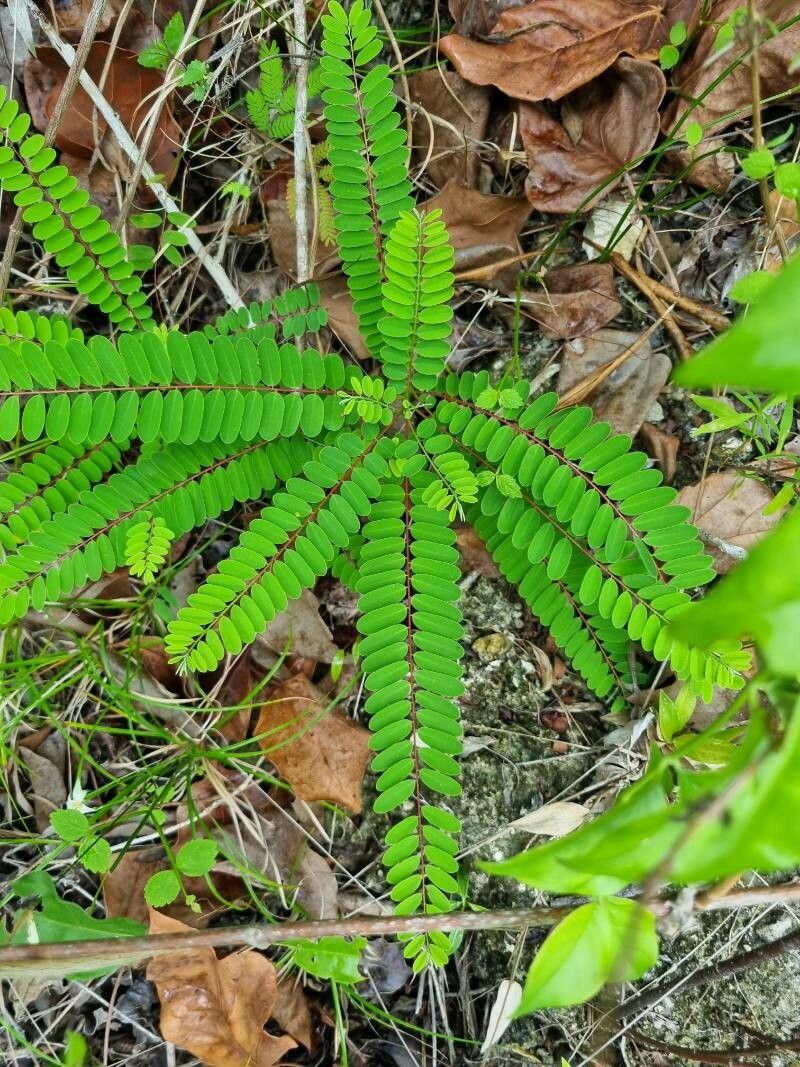
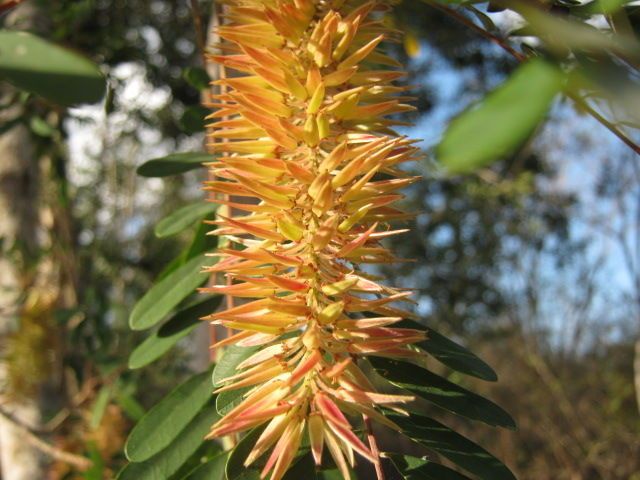
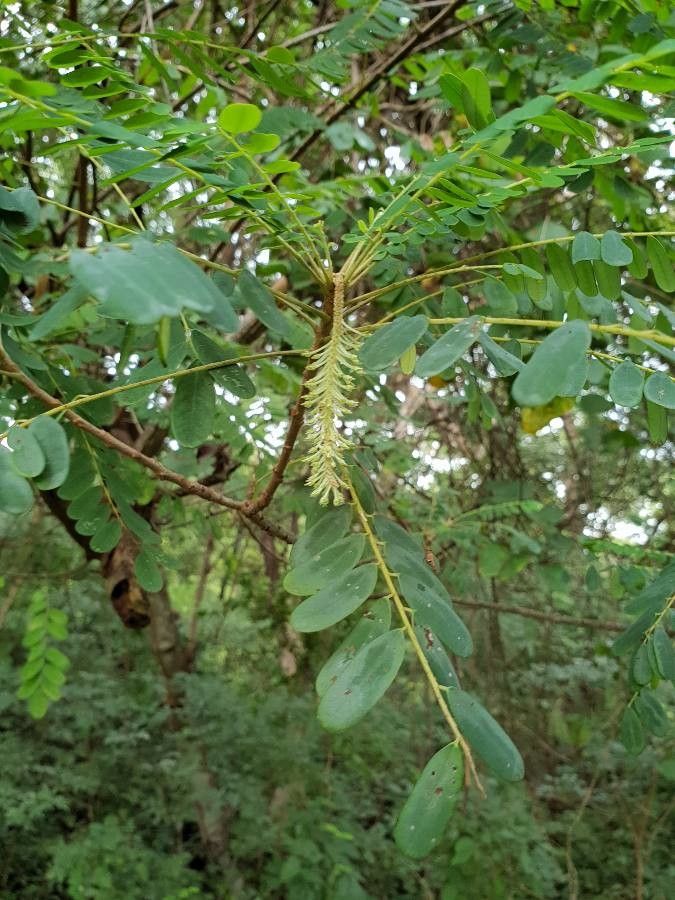
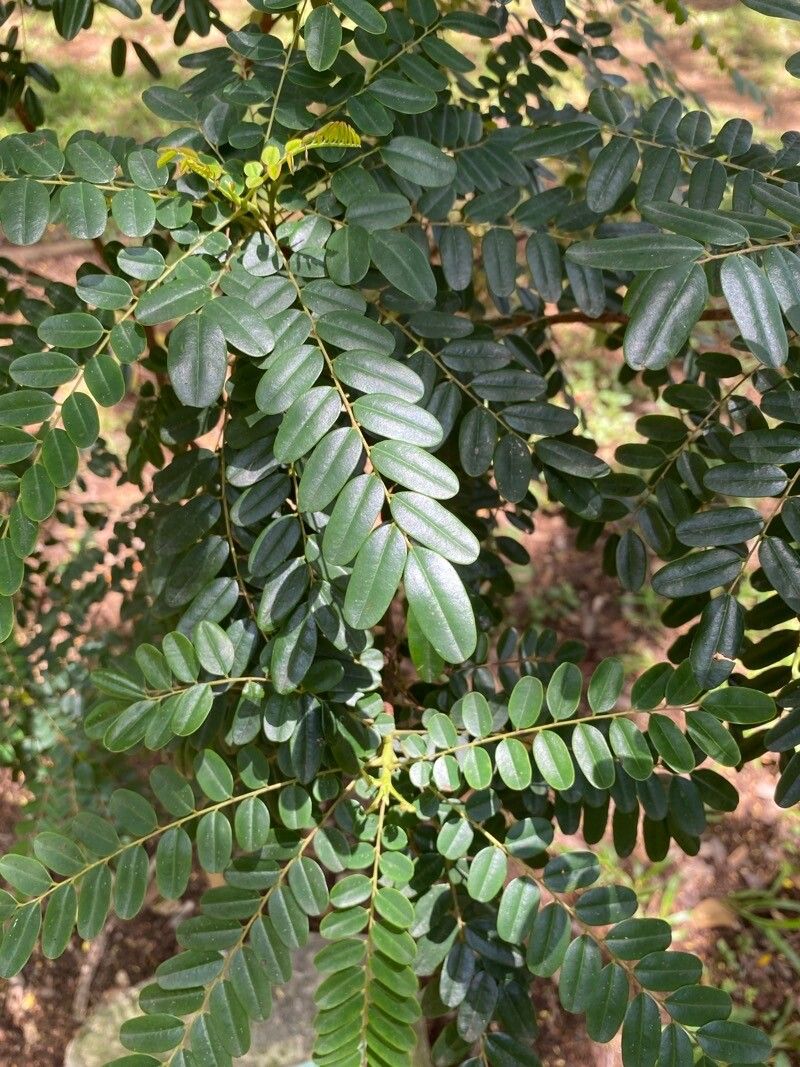
Alvaradoa amorphoides, the Mexican alvaradoa, is a species of plant in the Picramniaceae family. It is a common native plant in Mexico but is also native to southern Florida, where is it endangered.
Mexican alvaradoa is resistant to disease and generally not susceptible to illnesses. As for care, the plant is fairly low-maintenance. When grown outdoors it needs only light watering, and larger specimens usually do not require pruning. Smaller plants, however, should be pruned after they finish blooming. Mexican alvaradoa is suitable for anyone with an outdoor area, like a garden or deck, and does not demand extensive care experience.
How to keep Alvaradoa Amorphoides.
Light
Mexican alvaradoa does best when provided with abundant light. Its most vigorous growth is seen with ample light exposure, although it can tolerate mildly shaded locations. Excessive shade, however, can impede its growth. Native to habitats with consistent light, it may become stunted or develop discolored leaves if light is insufficient.
Water
The Mexican Alvaradoa is well-suited to arid conditions, showing a strong tolerance for drought when watered every 2-3 weeks. It thrives in well-draining soil and can endure dry periods, benefiting from the occasional rainfall. During the growing season, increased rain encourages robust growth while preserving the plant's hardiness.
Temperature
Mexican alvaradoa is native to habitats where temperatures range from 50 to 95 °F (10 to 35 °C). The plant performs best when temperatures are maintained within that range year-round.
Fertilizer
Fertilize your Mexican alvaradoa in early spring to encourage healthy growth. Regular feeding improves its overall health, leading to vigorous growth, increased tolerance of difficult conditions, and enhanced resistance to pests and diseases. Keep a consistent fertilization schedule for your Mexican alvaradoa to maintain vibrant, deeply colored, and lush foliage.
Pruning
The Mexican alvaradoa is characterized by its feathery leaves and dense growth. To maintain its shape and health, it's best to prune it in early spring. This helps to shape the plant, remove any damaged branches, and improve air circulation. Always use sterilized tools to ensure clean cuts. Regular pruning encourages vigorous growth and helps prevent disease, keeping the plant aesthetically pleasing and healthy.
Botanical profile.
- Plant Type
- Tree, Shrub
- Life Cycle
- Perennial
- Genus
- Alvaradoa
- Family
- Picramniaceae
- Hardiness Zone
- 6-9
- Mature Height
- 6.1 m to 9.14 m
- Mature Spread
- 3.05 m to 6.1 m
- Leaf Color
- Green, Dark Green
- Leaf Type
- Deciduous
- Flower Color
- Green, Yellow
- Flower Size
- 2.54 cm
- Bloom Time
- Mid spring, Late spring, Early summer
- Planting Time
- Spring, Summer, Autumn
- Harvest Time
- Mid summer, Late summer, Early fall
Other names.
Reader questions.
What are the sunlight requirements for Mexican alvaradoa?
Mexican alvaradoa requires plenty of light exposure for its healthiest growth, thriving best when exposed to an ample amount of light. It can tolerate partially shaded areas, but excessive shading may hinder its growth. To ensure your Mexican alvaradoa receives enough light, consider its native environment which is accustomed to routine light exposure. Insufficient light leads to stunted growth or discolored foliage. Sunlight recommendations include full sun, defined as above 6 hours of sunlight, and partial sun, defined as about 3-6 hours of sunlight. Observing the movement of sunlight through your garden helps in choosing the right spots that balance light and shade, ensuring the happiness of your plants.
What temperature conditions are ideal for the growth of the Mexican alvaradoa?
The Mexican alvaradoa, scientifically known as Alvaradoa amorphoides, thrives in environments where the temperature ranges from 50 to 95 °F (10 to 35 °C). It is vital to maintain the temperature within this range throughout the year for the plant to grow optimally. The Mexican alvaradoa possesses a strong resistance to cold, generally eliminating the need for frost protection measures during winter. However, in the event that winter temperatures are anticipated to plunge below -25°C, it is crucial to take measures to protect the plant from the cold. This can include wrapping the trunk and branches with insulating materials like non-woven fabric or cloth. Additionally, it is recommended to water the plant abundantly before the first freeze of autumn to keep the soil moist, which helps prevent drought and water scarcity during the colder months.
How can artificial lighting be used for Mexican alvaradoa?
When natural sunlight is not enough, especially during winter or in less sunny spaces, artificial lighting provides a necessary solution for indoor plants like the Mexican alvaradoa. It promotes faster, healthier growth by offering adequate lighting. Choosing the right type of artificial light is crucial, with LED lights being a popular option because they can be tailored to provide specific wavelengths needed by your plants. Full sun plants need 30-50W/sq ft of artificial light, partial sun plants require 20-30W/sq ft, and full shade plants need 10-20W/sq ft. The ideal placement of the light source is 12-36 inches above the plant, and the duration should mimic natural daylight hours, generally 8-12 hours of light per day.
How should I care for the Mexican alvaradoa in low temperatures?
Mexican alvaradoa is noted for its cold tolerance, preferring temperatures above 10°C. In the winter, it's advisable to maintain a temperature above -15°C for the plant. If temperatures fall below -25°C, the alvaradoa might not show immediate signs of damage in winter, but come spring, its branches could become brittle and dry, failing to produce new shoots. To remedy such damage in the spring, you should prune away dead branches that haven't produced new leaves, which will help encourage healthy growth and vitality in the plant.
What are the symptoms of light deficiency in Mexican alvaradoa?
Light deficiency in Mexican alvaradoa can lead to several symptoms indicating the need for more sunlight. These include smaller new leaves compared to mature ones, leggy or sparse growth, faster leaf drop, slower or no new growth, lighter-colored new leaves indicating a lack of chlorophyll, and even chlorosis where leaves lose their green color turning yellow. Conversely, symptoms of excessive sunlight exposure include sunscald on leaves or stems, leaf curling as a defense mechanism, wilting due to increased water loss, and leaf scorching characterized by brown, dry, and crispy leaf edges.
What should I do if the Mexican alvaradoa experiences high temperatures?
During the summer months, it's important to ensure that the temperature around the Mexican alvaradoa does not exceed 35°C. Exposure to temperatures higher than 38°C can result in the leaves of the plant lightening in color, tips becoming dry and withered, and increased susceptibility to sunburn. To manage these issues, you should trim away any sunburned or dried-up parts of the plant. It may also be beneficial to reposition the plant to a shaded area or utilize a shade cloth to protect it from the harsh midday and afternoon sun. Additionally, watering the plant in the morning and evening can help maintain soil moisture and alleviate stress from high temperatures.
What solutions are available for managing light exposure for Mexican alvaradoa?
Managing light exposure for Mexican alvaradoa involves a few key strategies whether indoor or outdoor. Indoors, gradually moving the plant to sunnier locations each week until it receives at least 6 hours of direct sunlight daily is recommended. Using artificial light, like desk or ceiling lamps for at least 8 hours daily or investing in professional plant grow lights, can provide additional light if the plant is large or not easily movable. Outdoors, selecting the best sunlight spot and moving the plants progressively is crucial to avoid sunburn. Reducing obstructions, such as pruning trees that block sunlight, and transplanting smaller plants during their dormant period to a location with ample sunlight and good drainage are effective ground solutions. It's important to note that parts of the plant affected by insufficient sunlight may not recover, but new growth will be healthy after adjusting light exposure.