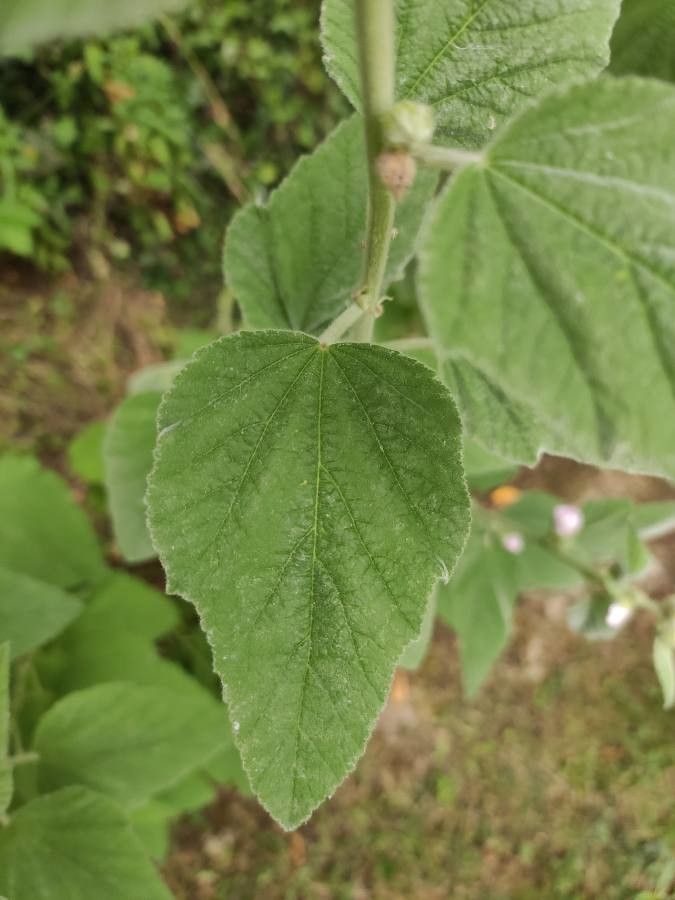
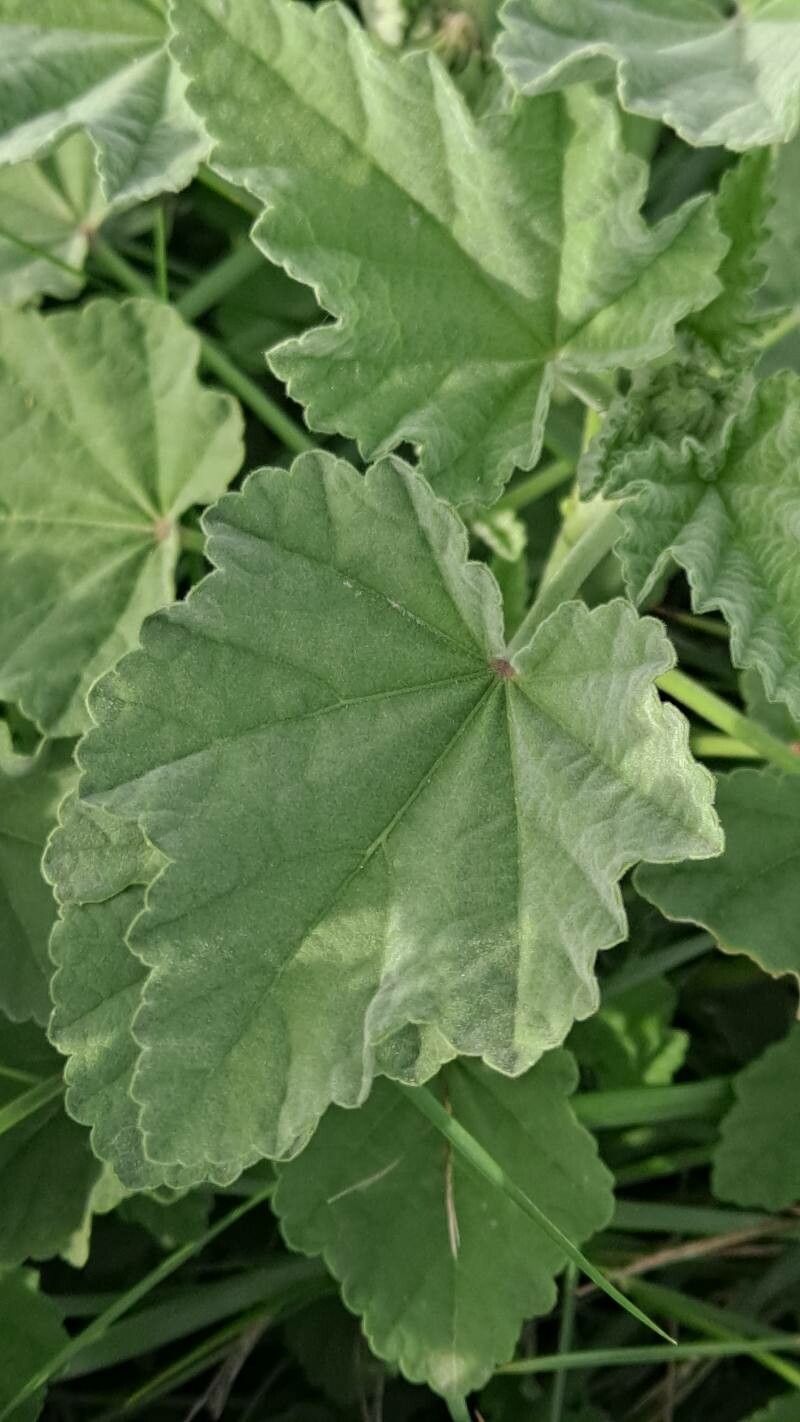
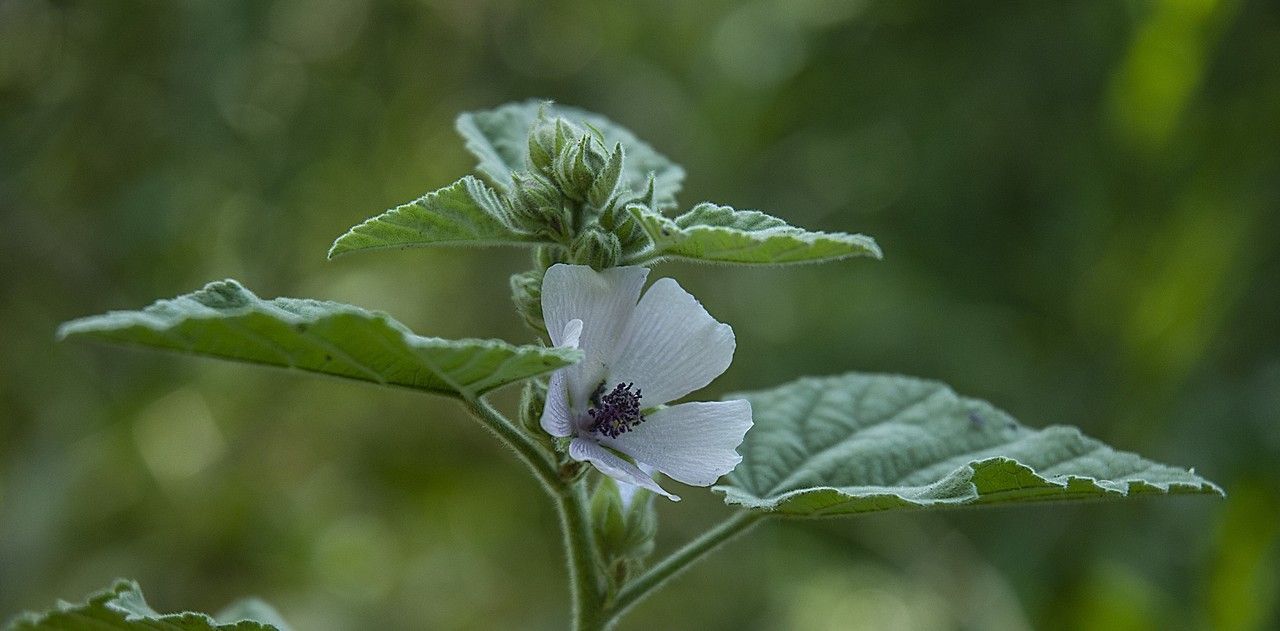
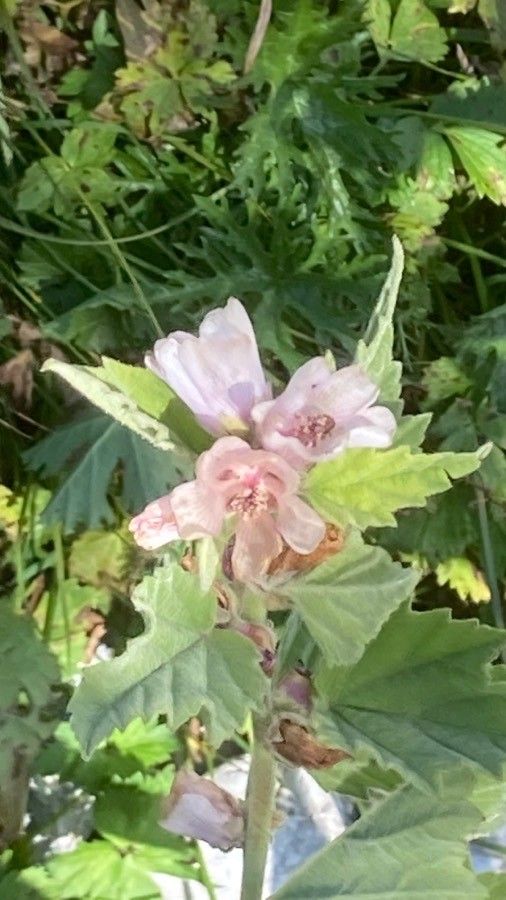
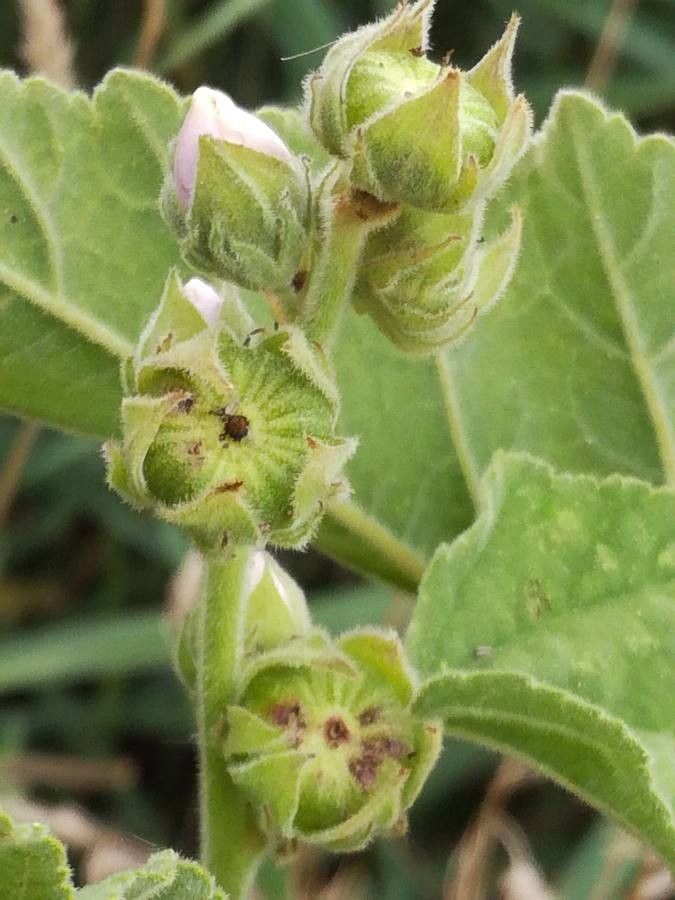
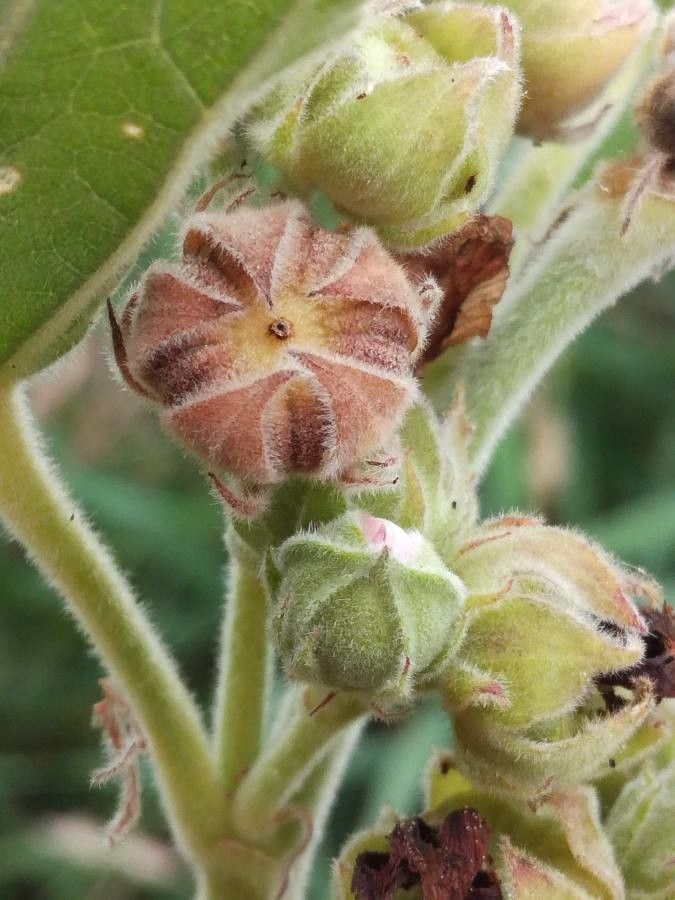
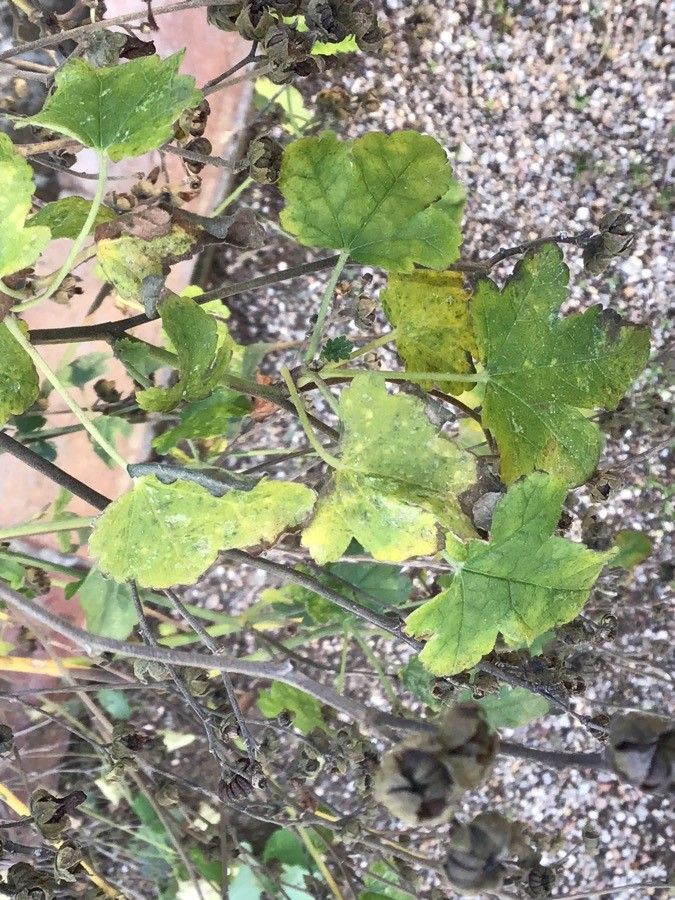
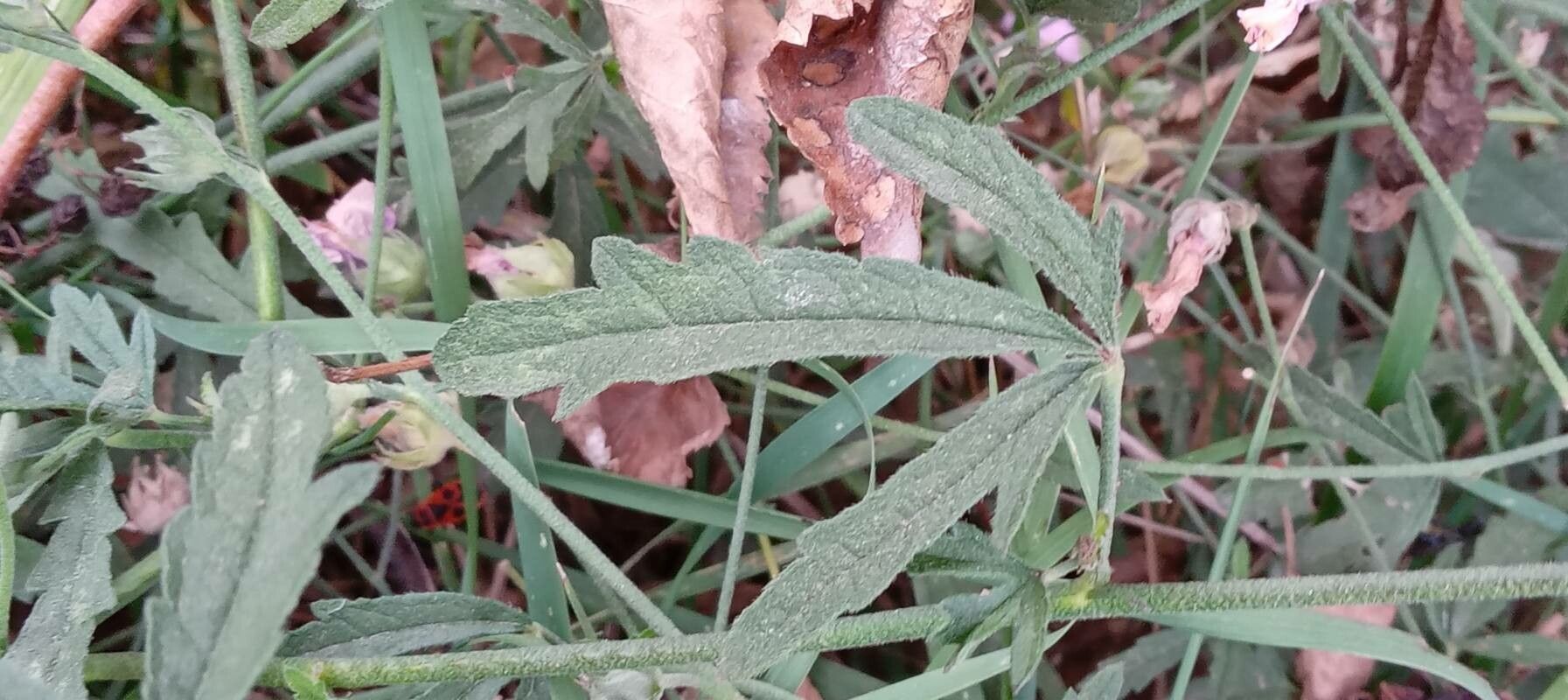
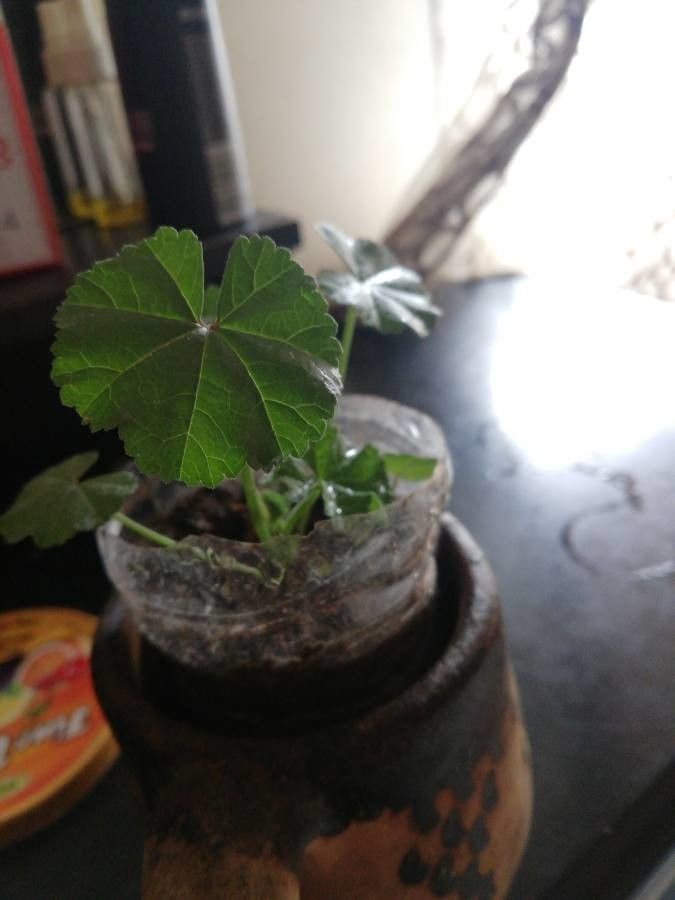
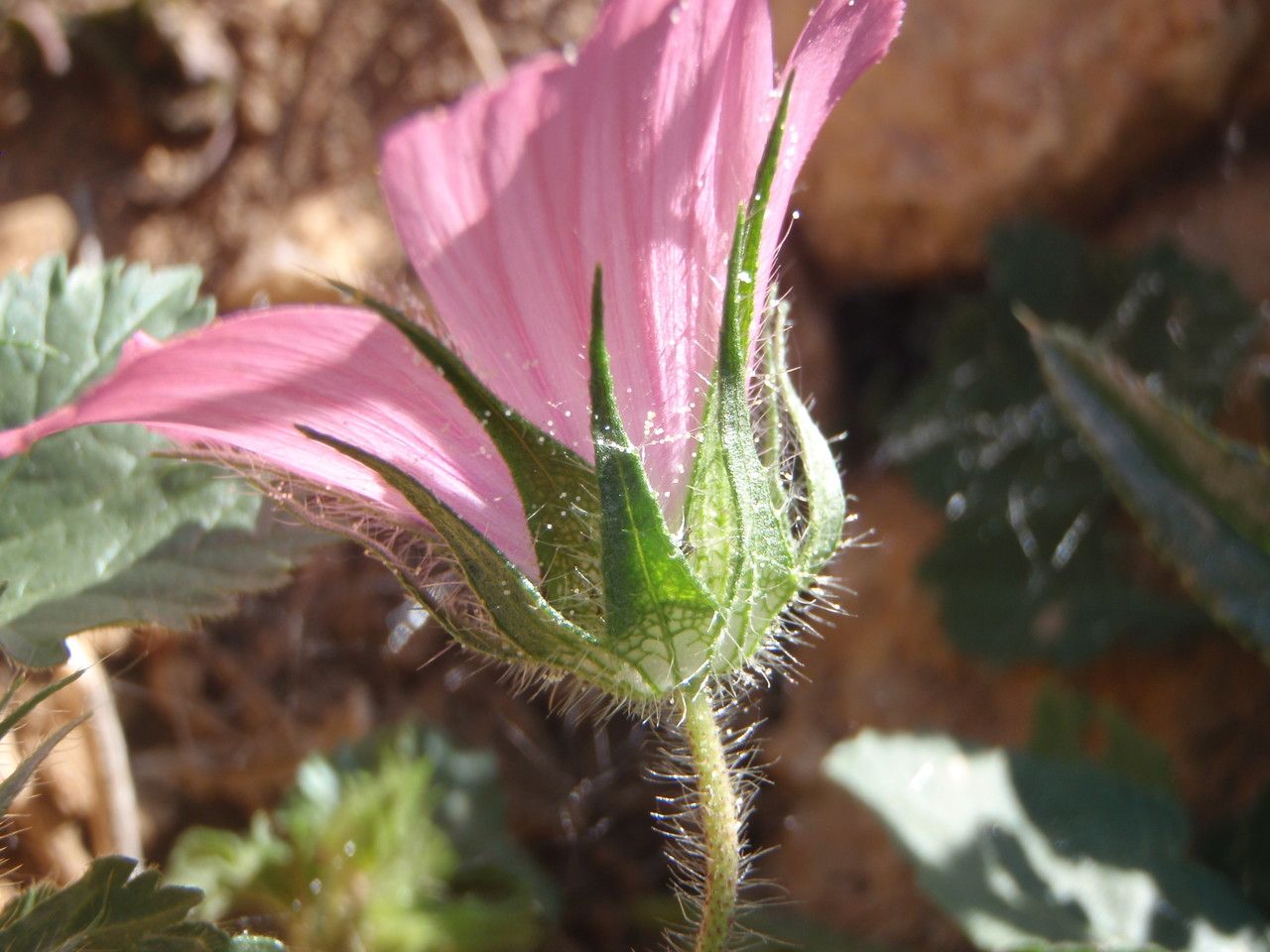
Althaea officinalis, the marsh mallow or marshmallow, is a species of flowering plant indigenous to Europe, Western Asia and North Africa, which is used in herbalism and as an ornamental plant. A confection made from the root since ancient Egyptian times evolved into today's marshmallow treat, but most modern marshmallow treats no longer contain any marsh-mallow root.
Marsh-mallow has moderate resistance to disease and can be susceptible to problems like leaf spot. Its vulnerability to insect pests varies with the variety, but most types are not very resistant to pests. Regarding care, Marsh-mallow requires regular watering and fertilizing, along with frequent removal of yellowing leaves. It is important to address pests and diseases as they occur and to harvest the plant promptly. Marsh-mallow is suited to those who can dedicate some time and energy to routine care.
How to keep Althaea Officinalis.
Light
Marsh-mallow favors situations with abundant sunlight, though it can also cope with environments that receive only moderate sun. Both excessive and insufficient sunlight can affect the plant's growth and health. The habitats where it originally grew are usually marked by plentiful sunshine.
Water
Marsh-mallow thrives in wetland habitats, preferring consistent moisture but can tolerate short periods of dryness. A weekly watering schedule helps maintain soil moisture without causing over-saturation. As an herbaceous perennial, marsh-mallow requires more water during its active growth phase to support lush foliage and flowering.
Temperature
Marsh-mallow naturally occurs in areas where temperatures range from 32 to 90°F (0 to 32℃). The plant can adapt well to changing seasons, but sudden drops or rises in temperature can harm its health. It is recommended to control the temperature around marsh-mallow in winter or summer when conditions are extremely cold or hot.
Fertilizer
To maximize the yield and flavor of Marsh-mallow, supply sufficient nitrogen during the entire growing period, from before planting through harvest. Plants that are well watered and fertilized develop plentiful, healthy leaves and show less bitterness. Before planting, amend the soil with organic material such as compost or manure, preferably 2 to 8 weeks beforehand.
Pruning
For optimal growth, marsh-mallow should be pruned properly from early to late spring. Focus on removing any dead or damaged stems. This practice encourages healthy growth, improves airflow, reduces the risk of disease, and enhances blooming. It is also essential to sterilize your tools to prevent infections, ensuring that the marsh-mallow continues to thrive throughout the growing season.
Botanical profile.
- Plant Type
- Herb
- Life Cycle
- Perennial
- Genus
- Althaea
- Family
- Malvaceae
- Hardiness Zone
- 3-7
- Mature Height
- 2.44 m
- Mature Spread
- 49 cm
- Leaf Color
- Green, Gray
- Leaf Type
- Deciduous
- Flower Color
- Pink
- Flower Size
- 5.08 cm to 7.62 cm
- Bloom Time
- Mid summer
- Planting Time
- Spring
- Harvest Time
- Mid summer
- Native Area
- Turkey, Austria, Slovakia, Montenegro, Slovenia, Croatia, Uzbekistan, Russia, Iraq, Germany, Romania, Belgium, Portugal, France, Tajikistan, Tunisia, Czech Republic, Bulgaria, Armenia, Poland, Greece, Ukraine, Lebanon, Serbia, China, Afghanistan, Syria, Kyrgyzstan, Kazakhstan, Italy, Spain, Denmark, Iran, Albania, Azerbaijan, Algeria, Hungary, Turkmenistan
Other names.
Reader questions.
How should I water my Marsh-mallow plant properly?
To ensure the health of your Marsh-mallow plant, it is best to use filtered water that is at room temperature. Tap water can be harmful due to possible particles. The plant is accustomed to a warm environment, so cold water can shock its system. Avoid overhead watering, as it can cause issues with the foliage. Instead, water the plant by applying filtered room temperature water to the soil until it is fully soaked. This helps to moisten the roots and promote their spread and nutrient absorption.
Why is it necessary to put fertilizer on my Marsh-mallow plant?
Fertilization is important for the growth of Marsh-mallow plants. It provides essential nutrients above and below the ground. Although Marsh-mallows have low fertilization needs and can survive without it, annual fertilization is highly beneficial. It helps keep the plant alive and promotes the development of longer-lasting flowers. Therefore, those who want their Marsh-mallow to thrive should remember to fertilize it every year.
What kind of sunlight does Marsh-mallow need?
Marsh-mallow plants require at least six hours of direct sunlight every day to maintain their leaves, roots, and blooms in a healthy condition. Similarly, other perennials typically need the same amount of sunlight. However, certain plants such as the Orange Daylily or Giant Coreopsis can survive with just three hours of sunlight daily. Even though these perennial flowering plants can manage with less sun, they won't flourish as well as they would in brighter conditions.
What is the native environment of Marsh-mallow?
Marsh-mallow, botanically known as Althaea officinalis, thrives in environments where the temperature ranges between 32 to 90°F (0 to 32°C). It is a plant with a remarkable adaptation ability across varying seasons, managing well within this temperature range. However, it's important to watch out for sudden temperature changes, which may negatively affect the plant's health. During extreme weather conditions, either in winter's cold or summer's peak temperatures, regulating the environment around Marsh-mallow is advisable to ensure its well-being.
What do I need to do if I give my Marsh-mallow too much or too little water?
Overwatering is a more common issue than underwatering for Marsh-mallow plants. Too much water can cause wilting, yellowing, and diseases like root rot, mold, and mildew. Underwatering is less common, but it can lead to brittle, brown leaves. To prevent overwatering, watch for early signs and reduce watering schedule immediately. Replace poorly draining soil with well-draining potting mix. If your Marsh-mallow shows signs of underwatering, simply water more regularly until the signs go away.
When should I fertilize my Marsh-mallow for the best results?
The best time to fertilize a Marsh-mallow is in late winter to early spring when the plant starts growing again. Fertilizing at this time promotes healthy growth and a strong start for the season. While it is generally recommended to fertilize in early spring, it is also okay to fertilize in the fall. Avoid fertilizing during summer and winter as it is not beneficial for the plant.
Can the sun harm Marshmallows? How can I keep Marshmallows safe from the sun and heat?
In warm climates, some Perennial Flowering Plants may struggle with excessive heat and suffer from sun damage. They can wilt, dry out, or even experience growth problems if they are consistently exposed to the intense afternoon sun. However, not all plants require protection from the light afternoon sun. For those that are harmed by intense afternoon exposure, it is recommended to provide them with some shade in warmer climates. Gardeners can achieve this by planting these plants in areas that do not receive direct heat during the afternoon, such as under trees or behind bushes.
Does Marsh-mallow require frost protection measures during winter?
No, Marsh-mallow does not require additional frost protection measures during winter due to its high cold tolerance. Nonetheless, it is recommended to water the plant generously before the first freeze sets in during autumn. This preparatory step ensures the soil around Marsh-mallow remains moist and becomes suitably frozen, which is essential for preventing drought conditions and water scarcity for the plant throughout the winter and into early spring.
How often do I need to water my Marsh-mallow?
If your Marsh-mallow plant is in a pot, the easiest way to know when it needs water is to check the soil by inserting your finger into it. If the top two to three inches of soil feel dry, it's time to water the plant. If you're growing your Marsh-mallow outdoors in the ground, you can use the same method to test the soil. Once the top few inches of soil have dried out, it's time to water the plant. In spring and early fall, you'll likely need to water the plant once a week using this method. However, during extremely hot weather, you may need to increase the frequency of watering to twice or more per week. That being said, mature and well-established Marsh-mallow plants have a remarkable ability to tolerate drought.
When is the best time to not put fertilizer on my Marsh-mallow?
To properly fertilize your Marsh-mallow, it is important to adhere to specific timing guidelines. It is best to fertilize during late winter and early spring when this plant requires minimal feeding. Overfertilizing during spring, summer, and fall should be avoided as it can lead to complications. However, if you missed the spring fertilization, it is acceptable to feed the plant in the fall. Additionally, there is no need to fertilize during the winter when the Marsh-mallow is in a dormant phase and not experiencing new growth.
Do I need to keep Marsh-mallow from getting too much sun?
Certain perennial plants require ample sunlight to reach their maximum bloom. However, in warmer climates, some of these plants actually benefit from less sun. For instance, individuals residing in hotter regions might find it beneficial to shade their flowering perennials during the intense afternoon sun, especially during summer months. Although many perennial flowering plants prefer partial shade in the hottest climates, there are exceptions. Take the Giant Coreopsis, for example, as it is not bothered by excessive sun exposure. These plants can flourish even when placed in the full sun during scorching weather.
What should be done if the winter temperature drops below -35°C for Marsh-mallow?
Marsh-mallow is exceptionally cold-tolerant, yet it's important to ensure that winter temperatures remain above -35°C. Should temperatures plunge below this critical threshold, the plant may not show immediate distress during the winter season; however, you might notice a reduction in sprouting or even a complete lack of it come springtime. In such cases, it's advisable to remove any parts of the Marsh-mallow that have failed to sprout as a part of spring care.