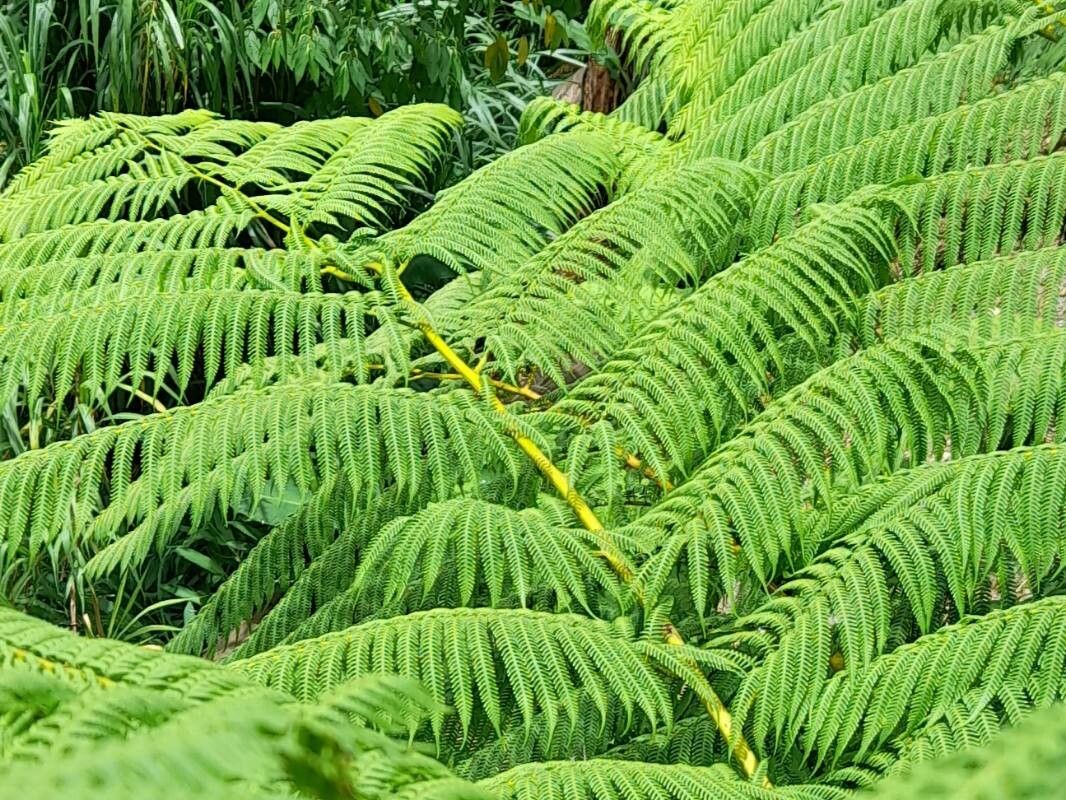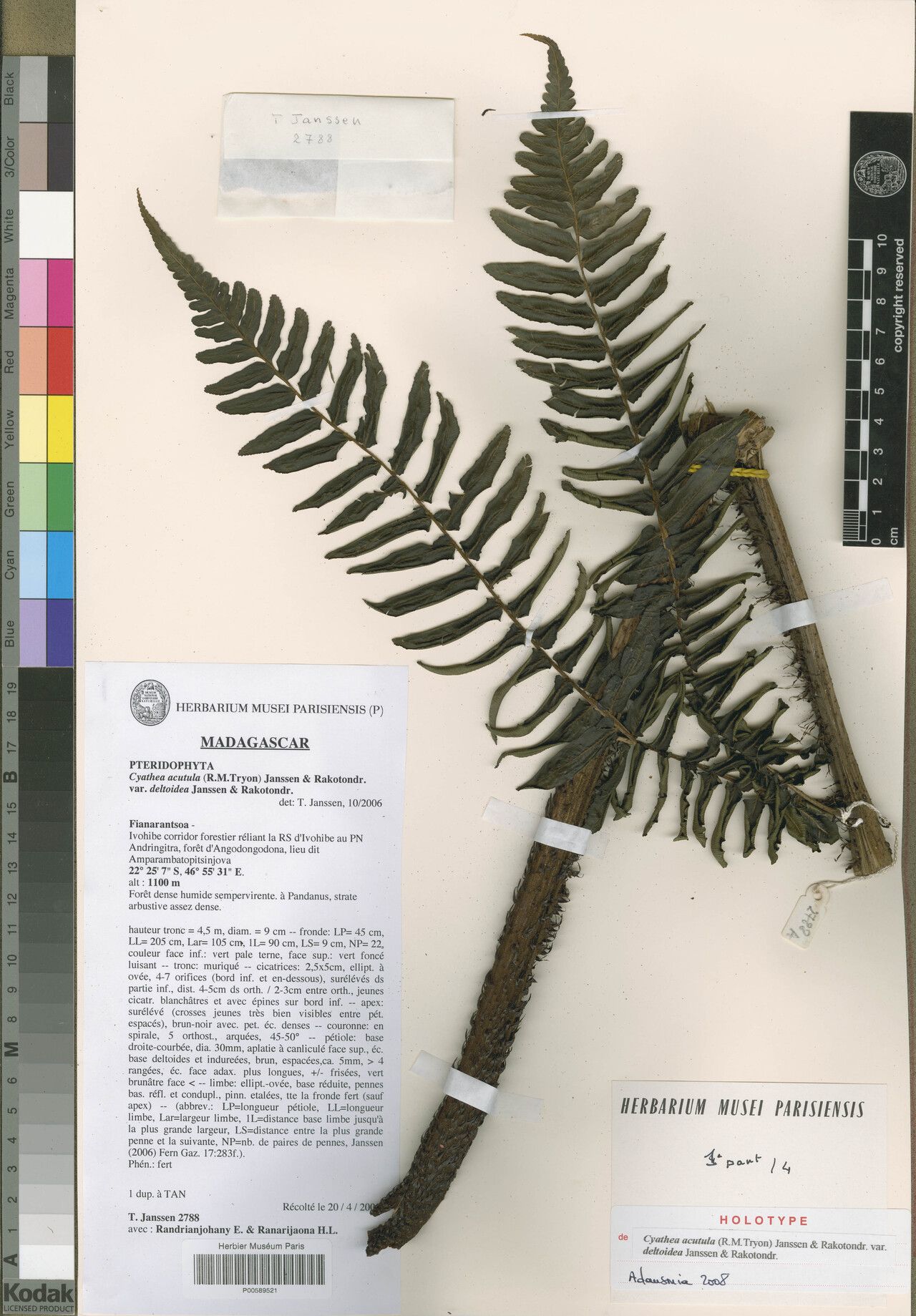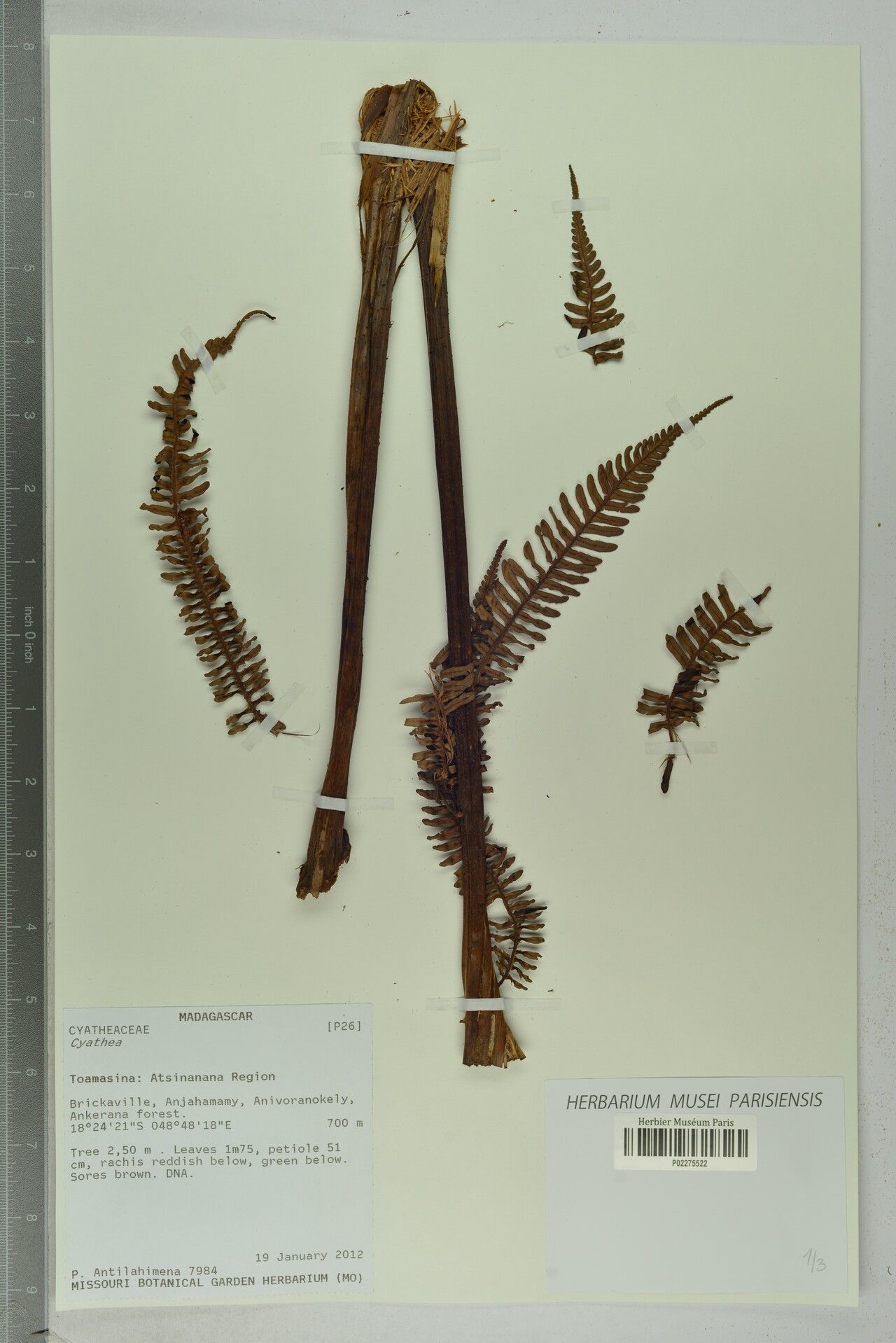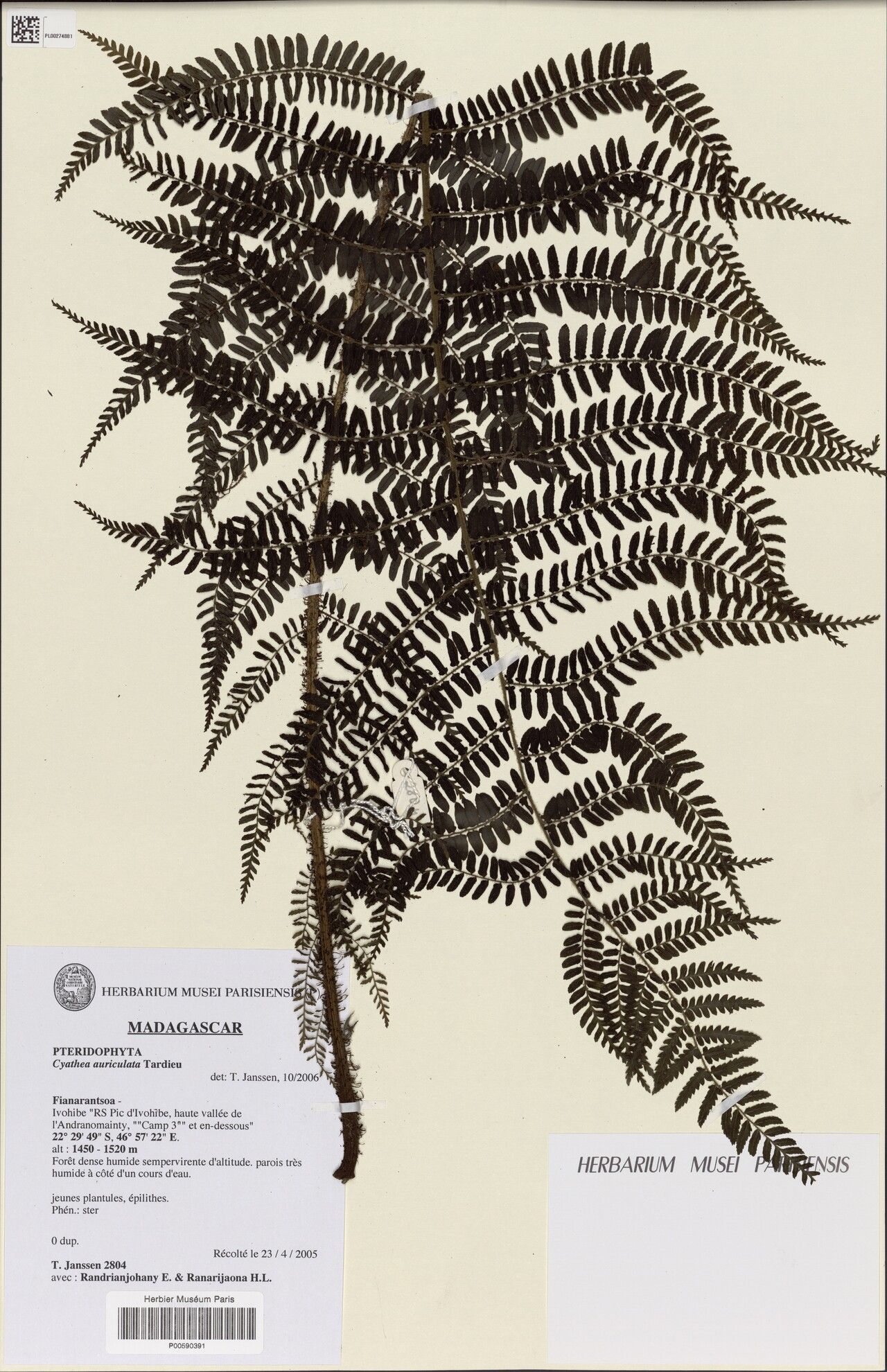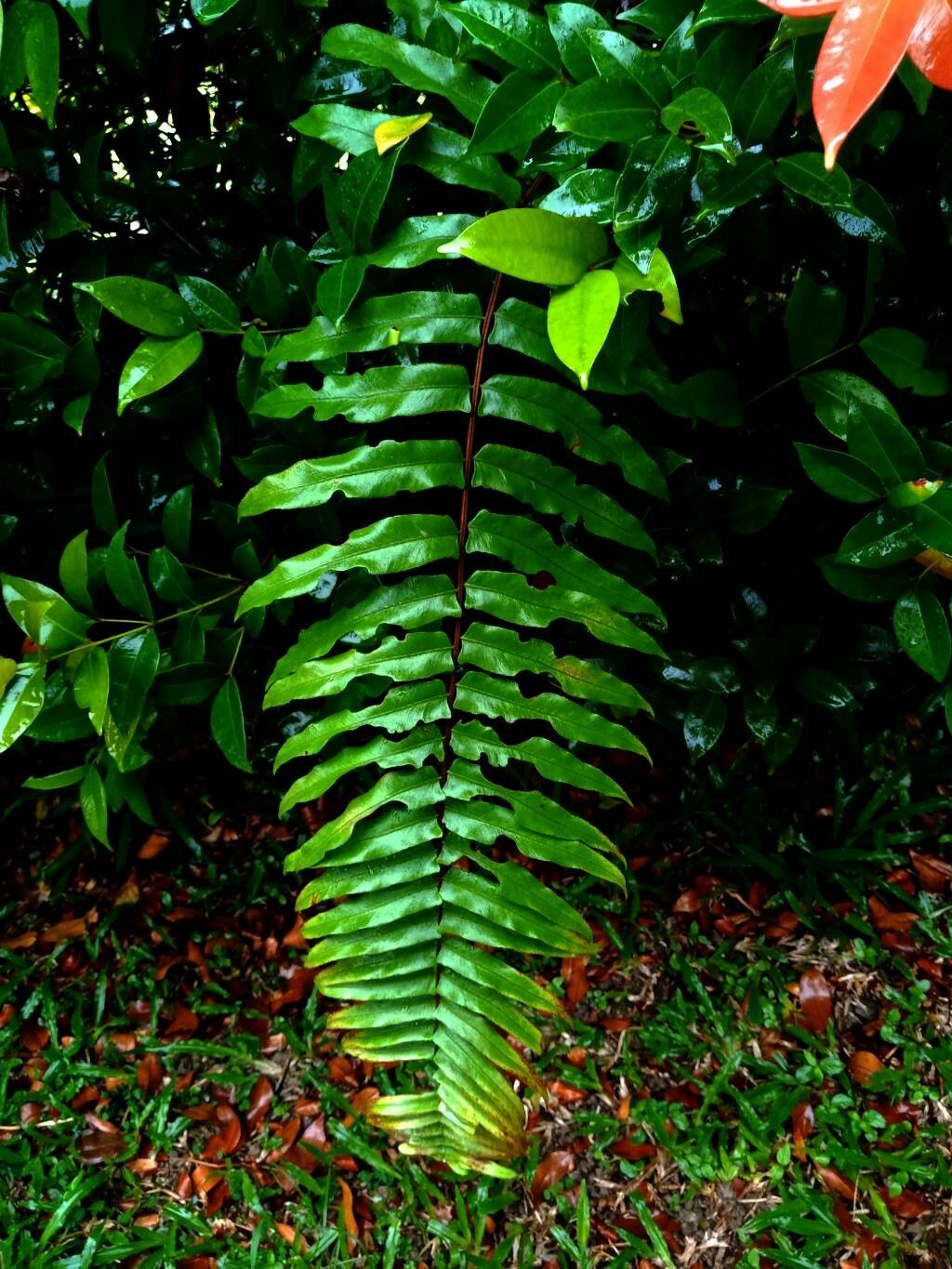
Gymnosphaera podophylla, synonyms Alsophila podophylla and Cyathea podophylla, is a widespread species of tree fern native to southern China, Hainan, Taiwan, Vietnam, Laos, Myanmar, Thailand, Cambodia, the Ryukyu Islands, and Japan. It grows in forest by streams and in ravines at elevations of 600–1000 m.
Tree fern generally shows good resistance to disease and has relatively few insect pests. Its care is regarded as difficult because it requires a moist environment and frequent watering. However, the roots are susceptible to rotting if overwatered or if the environment lacks adequate ventilation. Tree fern is appropriate for people with some growing experience, since most individuals can keep it alive for a certain period. Nevertheless, it may struggle to thrive, and its leaves can dry out and become less healthy over time.
How to keep Alsophila Podophylla.
Light
Tree fern is native to habitats such as forest understories or rocky areas, where it provides natural shade. It favors Full Shade but can tolerate Partial Sun.
Water
Tree ferns thrive in humid, shaded environments and can endure moderate drought. To mimic their natural habitat, it is best to water them twice a week. During their active growing season, it is crucial to maintain adequate moisture to ensure the development of lush fronds. This is especially important for these evergreen plants, which are often grown outdoors.
Temperature
Native to a moderately temperate environment, the tree fern thrives in temperatures of 68 to 95 °F (20 to 35 °C). It does best with warm days and cool nights. Seasonal adjustments may be necessary in regions with extreme temperatures.
Pruning
Tree ferns are characterized by their feathery fronds and tall trunks. To encourage growth, prune them in early spring by removing dead fronds with clean cuts close to the trunk. Be careful not to prune too heavily, as this can cause stress to the plant. Always use sterilized tools to prevent disease, and follow trusted horticultural advice for best results.
Botanical profile.
- Plant Type
- Fern
- Life Cycle
- Perennial
- Genus
- Alsophila
- Family
- Cyatheaceae
- Hardiness Zone
- 9
- Mature Height
- 0.91 m to 3.05 m
- Mature Spread
- 2.13 m to 3.05 m
- Leaf Color
- Dark Green, Forest Green
- Leaf Type
- Evergreen
- Planting Time
- Spring, Summer
Reader questions.
What are the sunlight requirements for Tree Ferns?
Tree Ferns, scientifically known as Alsophila podophylla, flourish in environments that mimic their natural habitat, such as forest understories or rocky areas. These plants prefer full shade but can tolerate partial sun, receiving about 3-6 hours of sunlight daily. It's crucial to observe the movement of sunlight through your garden to find spots that offer a good balance of light and shade, ensuring the plants' well-being.
What is the ideal climate for tree ferns?
Tree ferns originate from a balanced climate and thrive in temperatures between 68 to 95 °F (20 to 35 °C), performing best during warm days and cool nights. They possess some cold tolerance, usually not requiring additional measures if temperatures stay above 0°C. In regions experiencing extreme temperatures, seasonal adjustments may be necessary. If temperatures are expected to drop below freezing, temporary cold protection measures like wrapping the plant with plastic film, fabric, or other materials should be applied, removing these once temperatures rise again.
How can artificial lighting support Tree Ferns indoors?
When natural sunlight is not sufficient, especially during winter or in less sunny spaces, artificial lighting becomes essential for Tree Ferns' growth. Indoor plants benefit significantly from LED lights, which can be tailored to provide specific light wavelengths needed for optimal growth. The intensity of artificial light recommended varies based on the plant's sunlight needs: full sun plants require 30-50W/sq ft, partial sun plants need 20-30W/sq ft, and full shade plants need 10-20W/sq ft. The light source should be placed 12-36 inches above the plant, mimicking natural sunlight as closely as possible. Most plants thrive with 8-12 hours of artificial light per day.
How do tree ferns react to low temperatures?
Tree ferns have a moderate tolerance to low temperatures, thriving best above 20°C and requiring to be kept above 0°C during winter. Exposure to temperatures below -5°C may cause leaf droop, which can lead to leaves wilting and falling off in severe cases. To protect tree ferns from low temperatures, frost-damaged parts should be trimmed off, and precautions like wrapping the plant with non-woven fabric or cloth and constructing a wind barrier to protect from cold winds should be considered before the arrival of colder weather.
What are the symptoms of inadequate light for Tree Ferns?
Tree Ferns can show several signs when they're not getting enough light. New leaves may appear smaller, and the plant might exhibit leggy or sparse growth, indicating a stretch towards the light source. A faster than usual leaf drop signifies the plant is conserving resources, which may also lead to slower or halted growth. Insufficient sunlight can cause newer leaves to be lighter in color or display irregular patterns, a symptom of chlorophyll and nutrient deficiency. Conditions such as chlorosis, sunscald, leaf curling, wilting, and leaf scorching are indicative of either too much sunlight or an improper light balance, affecting the plant's overall health and ability to photosynthesize.
How do tree ferns respond to high temperatures?
Tree ferns should ideally be kept below 35°C during the summer. Exposure to temperatures above 38°C may result in lighter leaf coloration, dry and withered leaf tips, curling leaves, and increased susceptibility to sunburn. To mitigate damage from high temperatures, sunburned and dried parts of the plant should be trimmed away. Relocating the plant to a shaded area or using a shade cloth to reduce exposure to midday and afternoon sun is advisable. Additionally, watering the plant in the morning and evening to maintain soil moisture can help it to cope with high temperatures.
How can you adapt Tree Ferns to changing light conditions?
To optimize Tree Fern growth and adapt them to changing light conditions, a gradual increase in sunlight exposure is beneficial. For indoor plants, moving them to progressively sunnier spots each week until they receive the desired 3-6 hours of sunlight, or providing artificial light for at least 8 hours daily can help. For outdoor plants, similarly, it's advisable to move them gradually to sunnier locations to prevent sunburn. If plants are too large or not easily movable, artificial lighting or strategic pruning to reduce sunlight obstructions can be considered. It's important to note that parts of the plant damaged by insufficient light may not recover, but new growth will be healthy with improved light conditions.