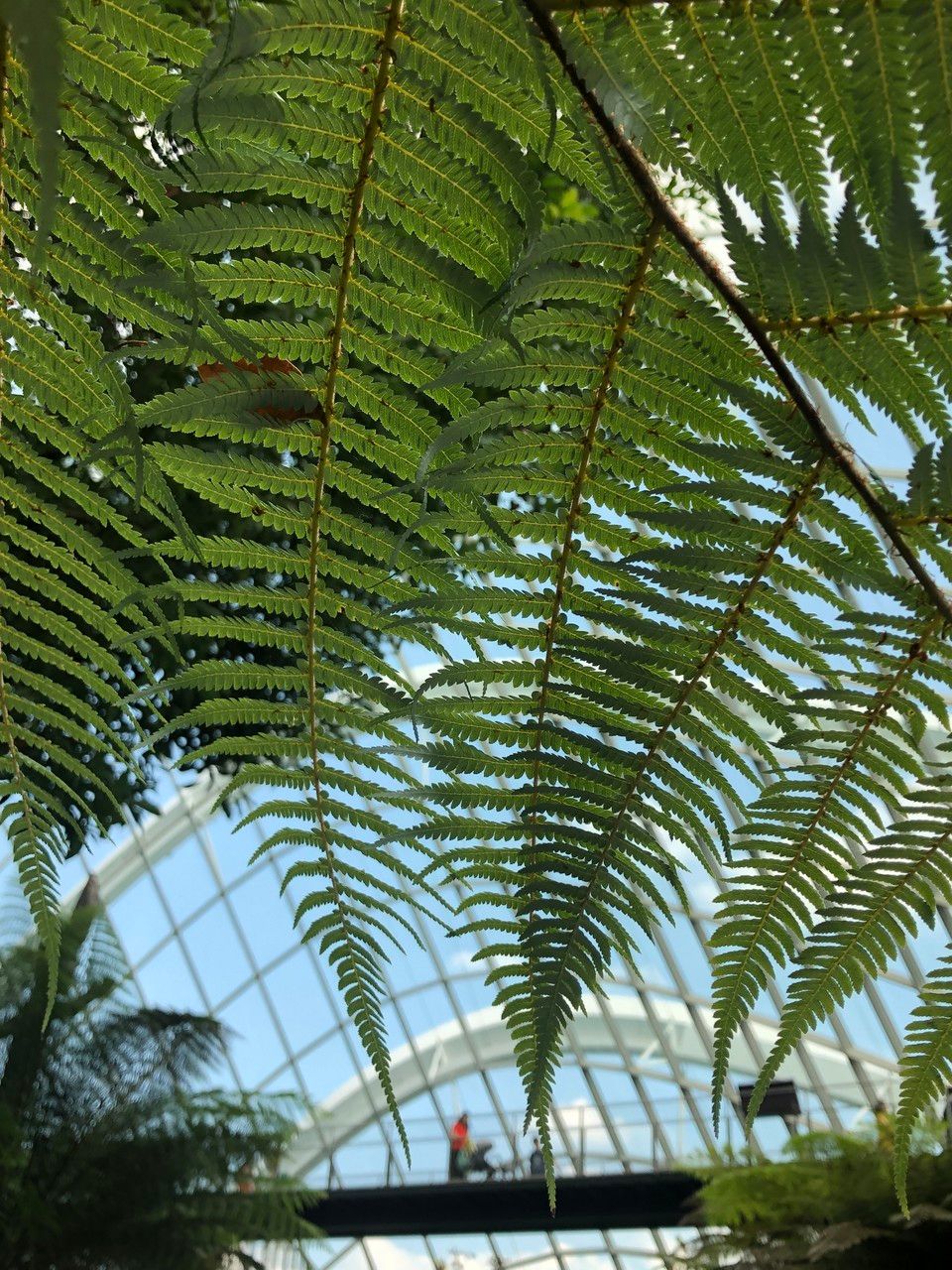
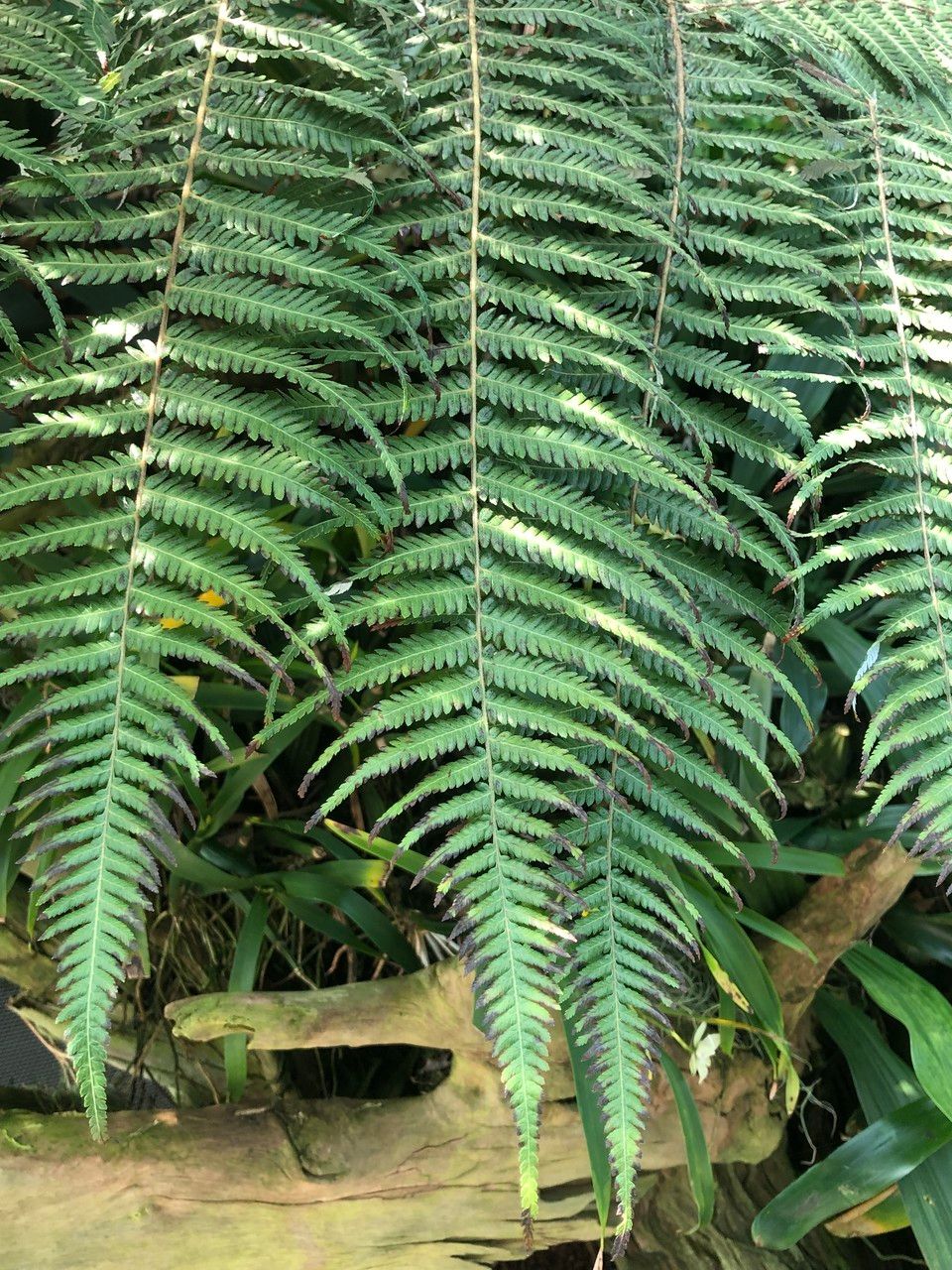
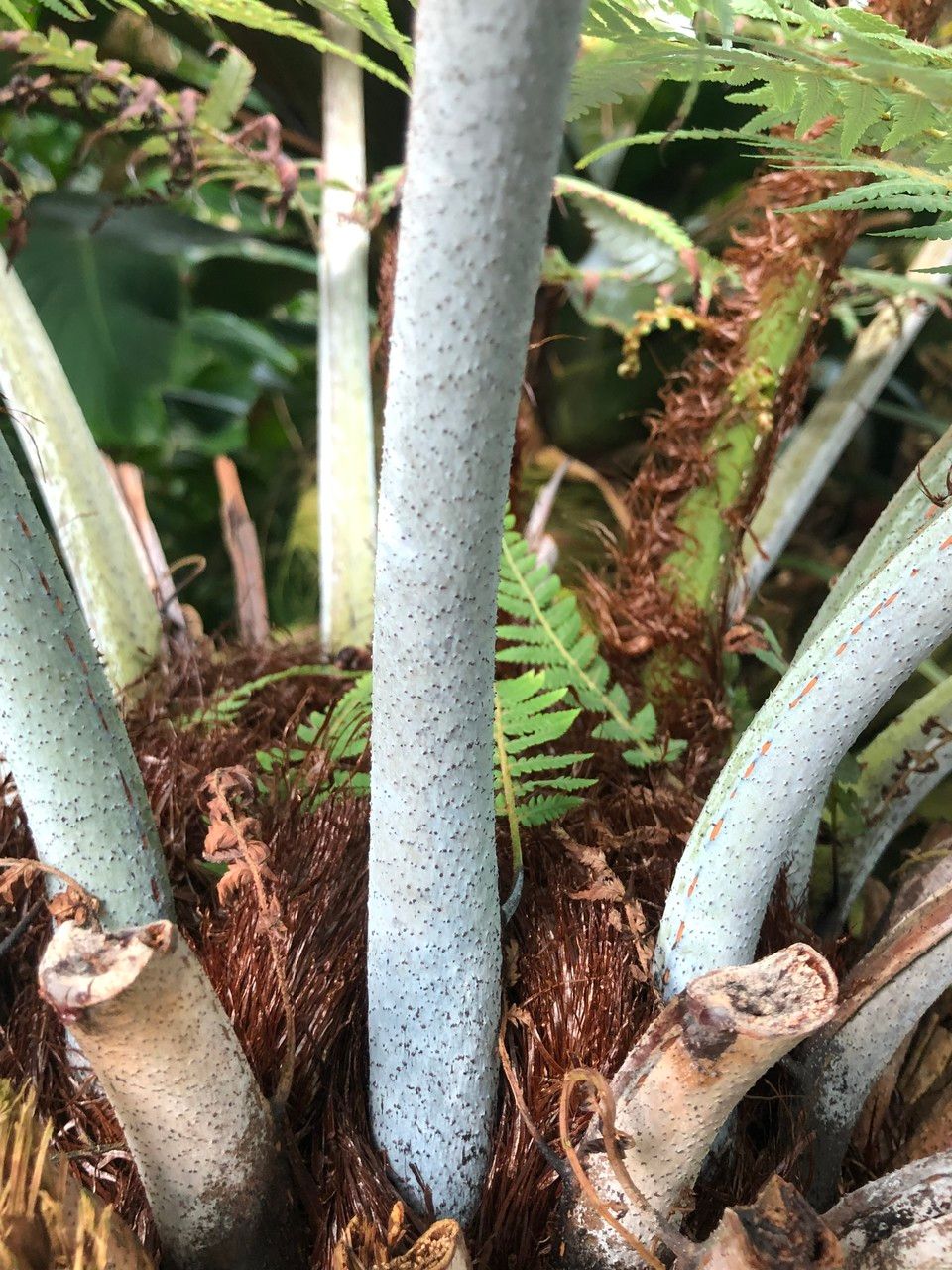
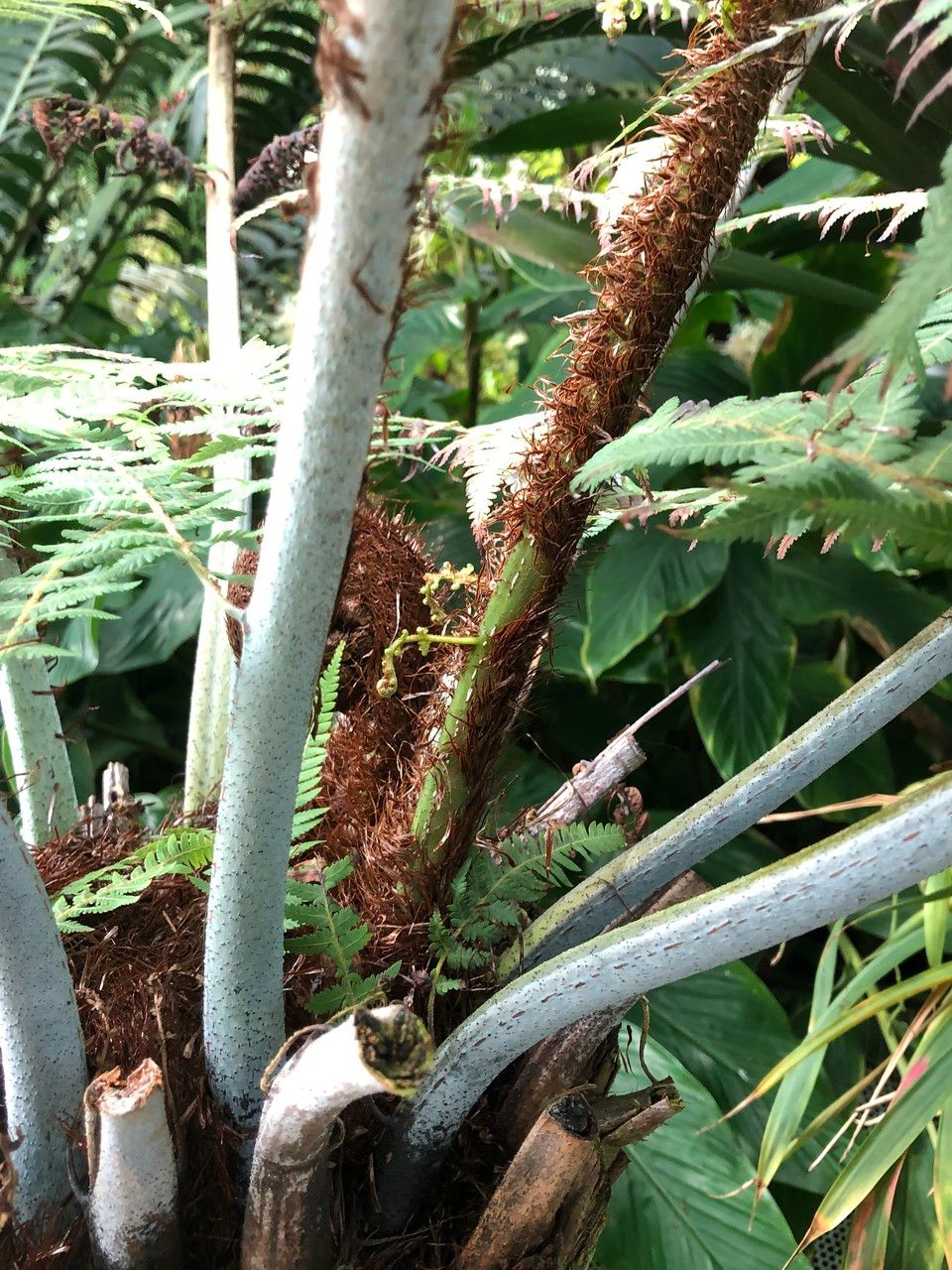
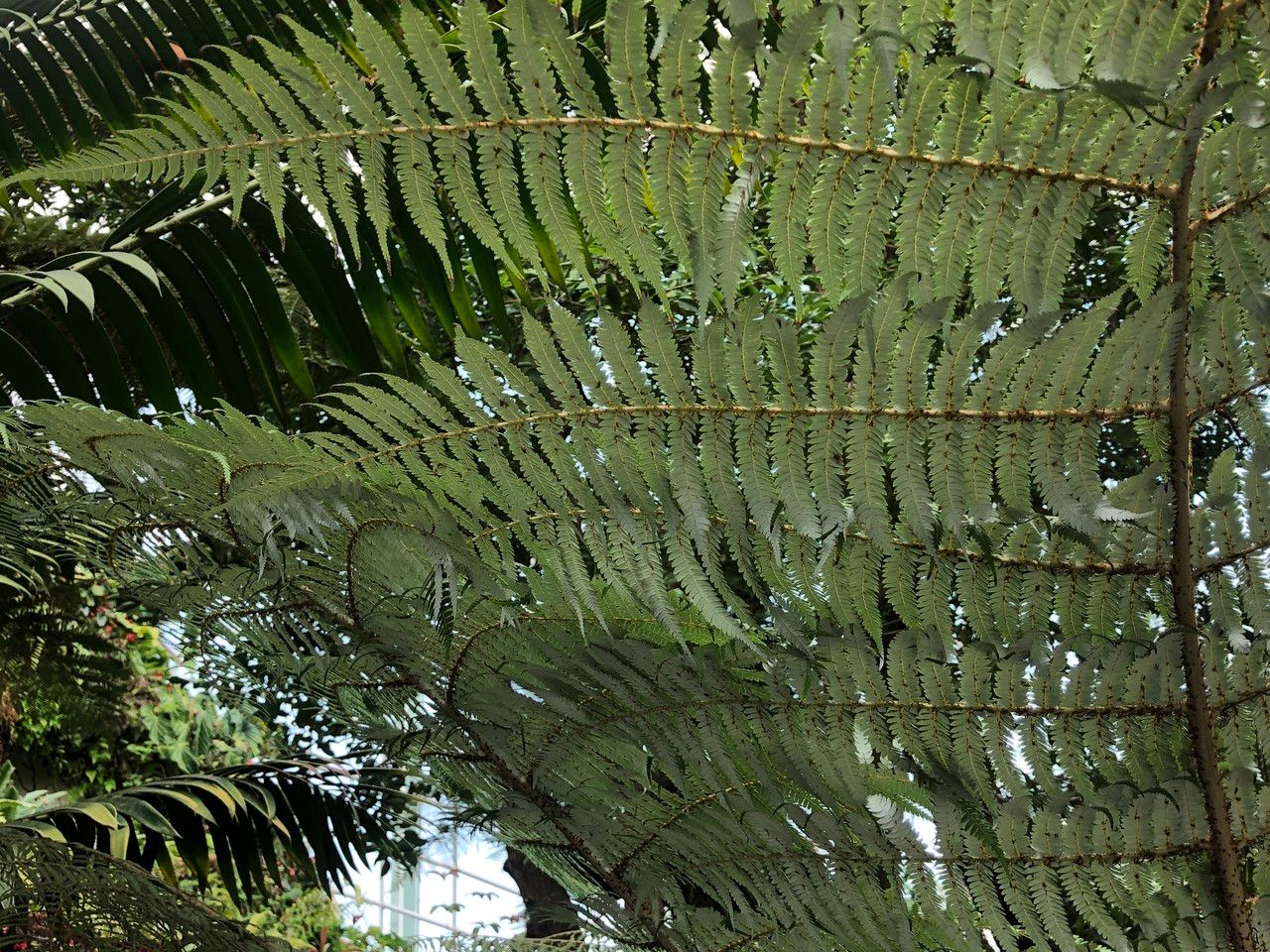
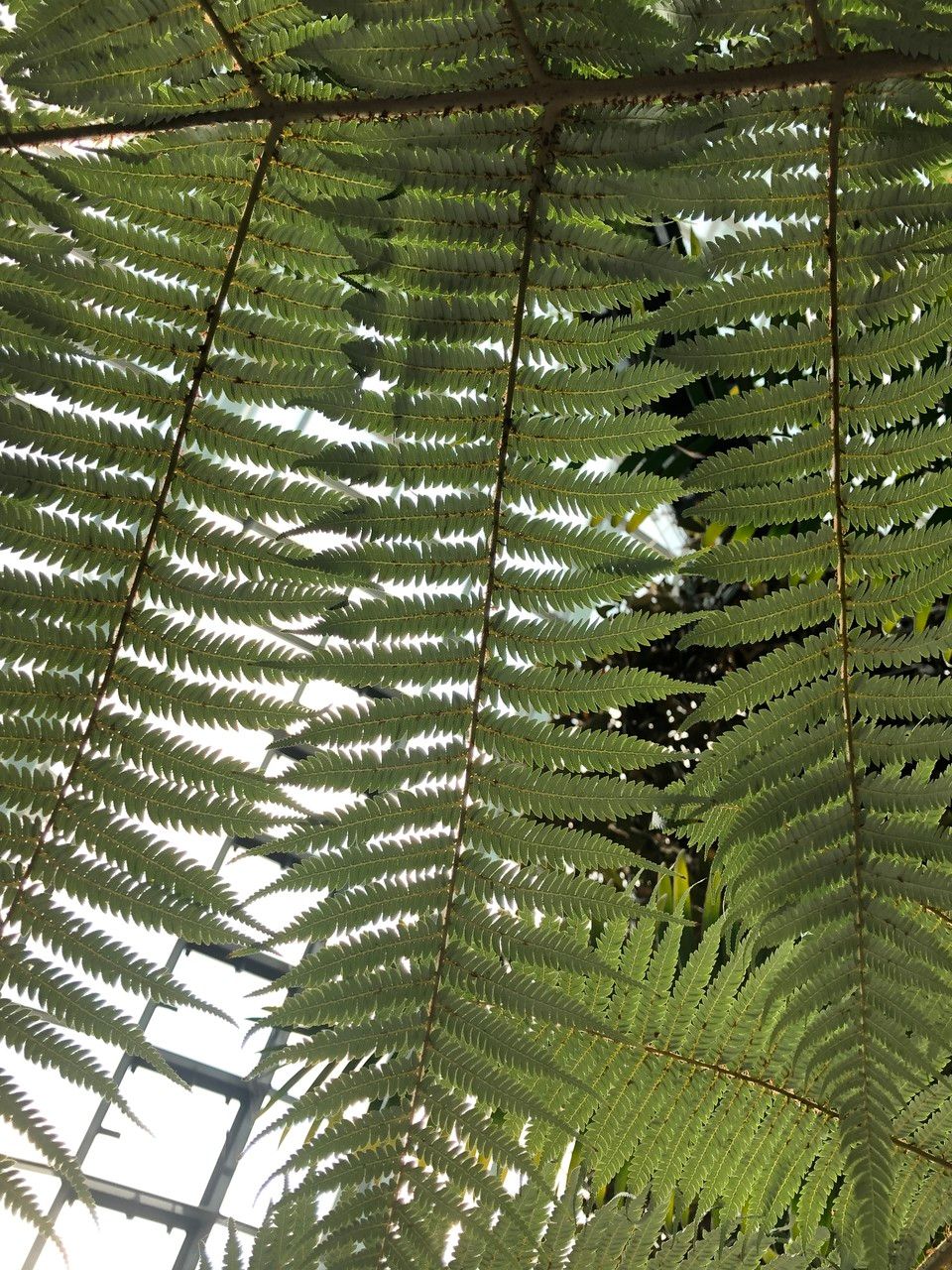
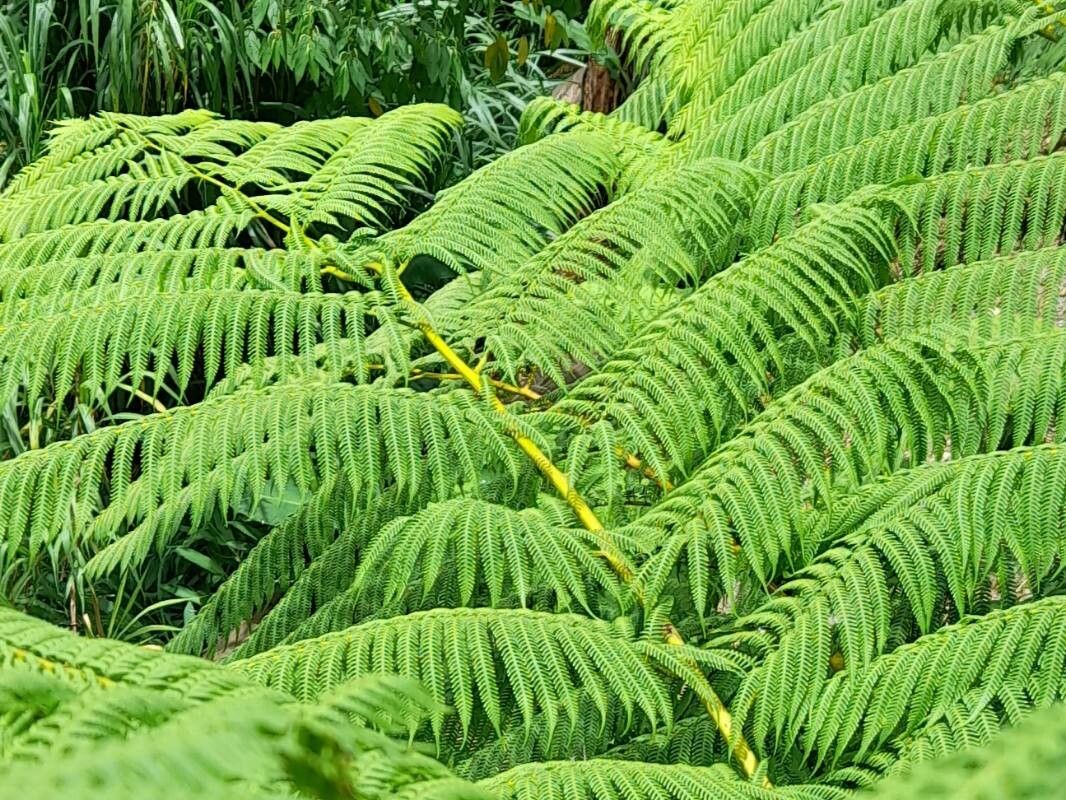
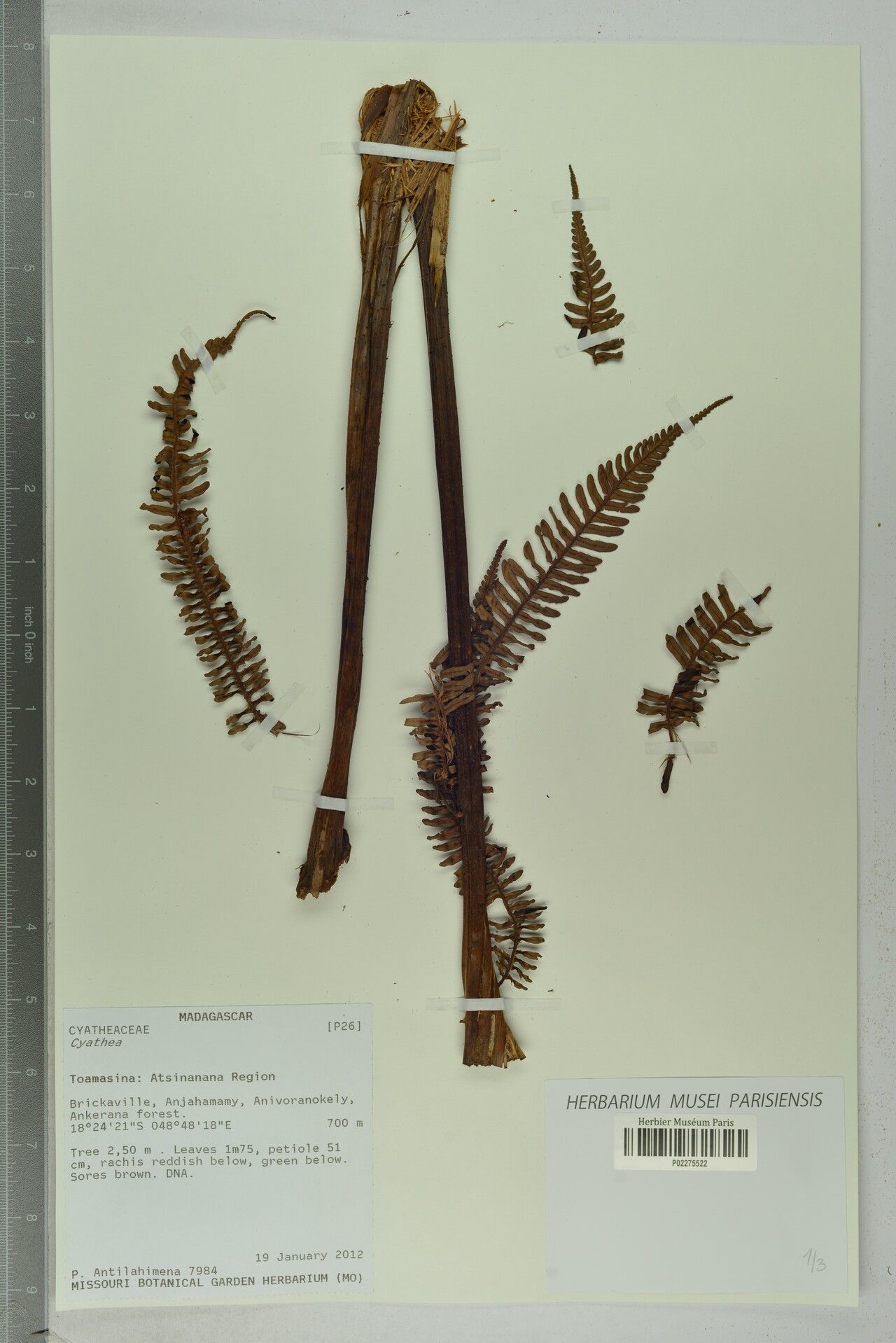
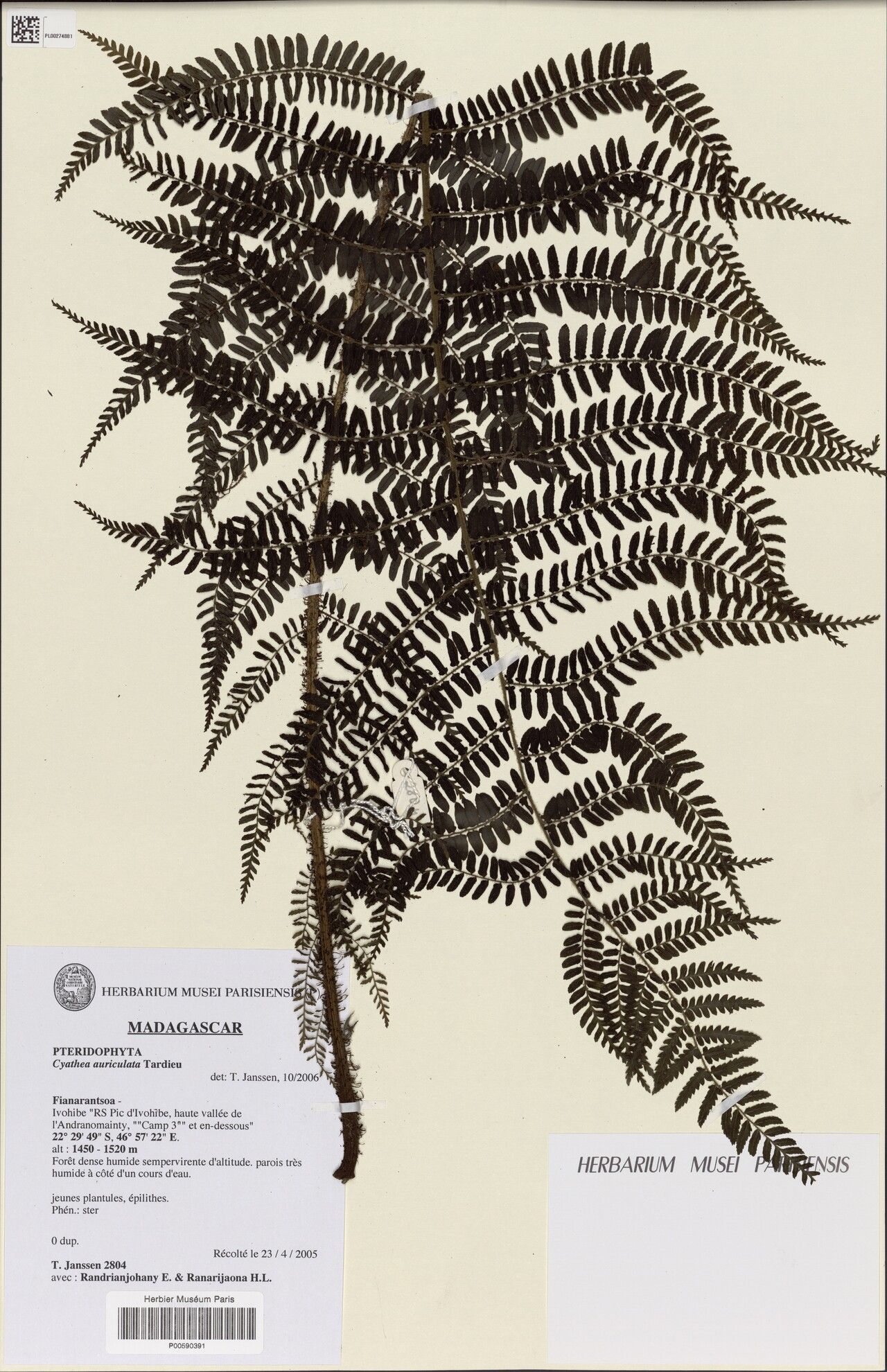
Alsophila dealbata, commonly known as the silver fern or ponga, is a species of tree fern native to New Zealand. This plant is a highly regarded symbol of the country, frequently featured in logos and emblems. It can grow up to 10 meters tall, with fronds extending up to 4 meters in length. The fronds are silvery-green with a distinctive silver-white underside, which gives the fern its name. Alsophila dealbata thrives in moist, shady areas such as forests and gullies but can also adapt to drier conditions once it is well established. Historically, the Maori people have used it for medicinal purposes, such as treating wounds and skin conditions. Additionally, its strong aroma makes it effective for food storage by repelling insects. While the silver fern is widely recognized outside New Zealand due to its use in branding, it holds deeper significance within the country's indigenous communities, remaining an important part of Maori culture and mythology.
Silver tree-fern typically resists disease well and is affected by relatively few insect pests. Its care is regarded as difficult, since it needs a moist environment and frequent watering. At the same time, the roots can rot if the plant is overwatered and the surroundings lack good ventilation. Silver tree-fern is appropriate for people with some growing experience, as most individuals can keep it alive for a certain amount of time. Nevertheless, it may struggle to thrive, and its leaves can dry out and become less healthy over time.
How to keep Alsophila Dealbata.
Light
Silver tree-fern does best in a spot with intermediate sun exposure, which is important for healthy growth. Its natural habitat is dappled shade, showing it prefers moderate light intensity. Too much sun can cause leaf scorch, while too little light can lead to stunted growth.
Water
The Silver Tree-Fern, native to Australasian forests, thrives in moist, humid environments. To keep its lush foliage healthy, it needs to be watered twice a week. Regular misting is also recommended to maintain the surrounding humidity. This makes it an excellent choice for indoor decor.
Temperature
Silver tree-fern grows best in forest thickets. It is extremely sensitive to temperature and humidity; high temperatures, dry conditions, and strong sunlight can all stress the plant. In summer it needs proper shading and a humid environment. Generally it does not require special care in winter, but a prolonged winter drought can still be lethal.
Fertilizer
The Silver Tree Fern benefits from a high-nitrogen fertilizer for lush growth. During the growing season, apply the fertilizer monthly, but reduce the amount during the winter. Be sure to dilute the fertilizer to prevent root damage, and adjust the application based on the plant's growth stage. Safety is crucial—wear gloves and follow all instructions carefully for the best results.
Pruning
Pruning a silver tree fern is essential for improving its appearance and health. The main techniques involve removing dead fronds to encourage better growth and air circulation. The best time to prune is in early spring, which helps boost the plant's vigor and reduces the risk of disease. This process ultimately preserves the unique beauty of the fern.
Botanical profile.
- Plant Type
- Fern
- Life Cycle
- Perennial
- Genus
- Alsophila
- Family
- Cyatheaceae
- Hardiness Zone
- 9-11
- Mature Height
- 10.06 m
- Mature Spread
- 2.13 m to 3.05 m
- Leaf Color
- Green
- Leaf Type
- Evergreen
- Planting Time
- Spring, Autumn
- Native Area
- New Zealand
Other names.
Reader questions.
What are the sunlight requirements for a Silver tree-fern?
The Silver tree-fern, scientifically known as Alsophila dealbata, thrives best in intermediate sun exposure, preferring around 3-6 hours of sunlight per day. Its ideal growing condition mimics its native habitat, which provides dappled shade, indicating a moderate intensity of light is most beneficial. It's crucial to watch how sunlight moves through your garden to select the best spots that offer a blend of light and shade. Too much sunlight can result in leaf scorch, while insufficient sunlight may cause stunted growth and other detrimental effects.
How should indoor Silver tree-ferns be lit with artificial lighting?
For Silver tree-ferns grown indoors where natural sunlight is not adequate, especially during winter or in areas receiving less sunlight, artificial lighting is essential. LED lights are recommended because they can be adjusted to provide the specific wavelengths needed by plants. Depending on the plant's needs, full sun plants require 30-50W/sq ft, partial sun plants need 20-30W/sq ft, and full shade plants should have 10-20W/sq ft of artificial light. The light source should be positioned 12-36 inches above the plant to mimic natural sunlight, and the duration of exposure should generally be 8-12 hours per day.
What are the symptoms of insufficient or excessive light in Silver tree-fern?
Silver tree-fern exhibits several symptoms when exposed to inadequate or excessive light. Insufficient light may result in small new leaves, leggy or sparse growth, faster leaf drop, slower or no new growth, and lighter-colored new leaves, indicating a lack of chlorophyll. Excessive light can cause chlorosis (leaves losing their green color), sunscald (pale, bleached areas on leaves or stems), leaf curling, wilting due to increased water loss, and leaf scorching with brown, dry edges. Monitoring these symptoms is crucial for adjusting the plant's light exposure to ensure optimal health and growth.
What steps can be taken to alleviate symptoms of improper lighting in Silver tree-fern?
To optimize growth and alleviate symptoms of improper lighting for Silver tree-fern, indoor plants should be gradually moved to sunnier spots each week until they receive the appropriate 3-6 hours of direct sunlight daily. For large or immovable plants, using artificial light for at least 8 hours daily or investing in professional plant grow lights offers a good solution. Outdoors, plants should be moved to sunnier locations gradually to prevent sunburn. Pruning nearby trees can help reduce obstructions for outdoor plants. Transplanting smaller plants during their dormant period to a brighter location with good drainage can also be beneficial. Keep in mind that parts of the plant affected by insufficient sunlight might not recover, but new growth should be healthy with improved light conditions.