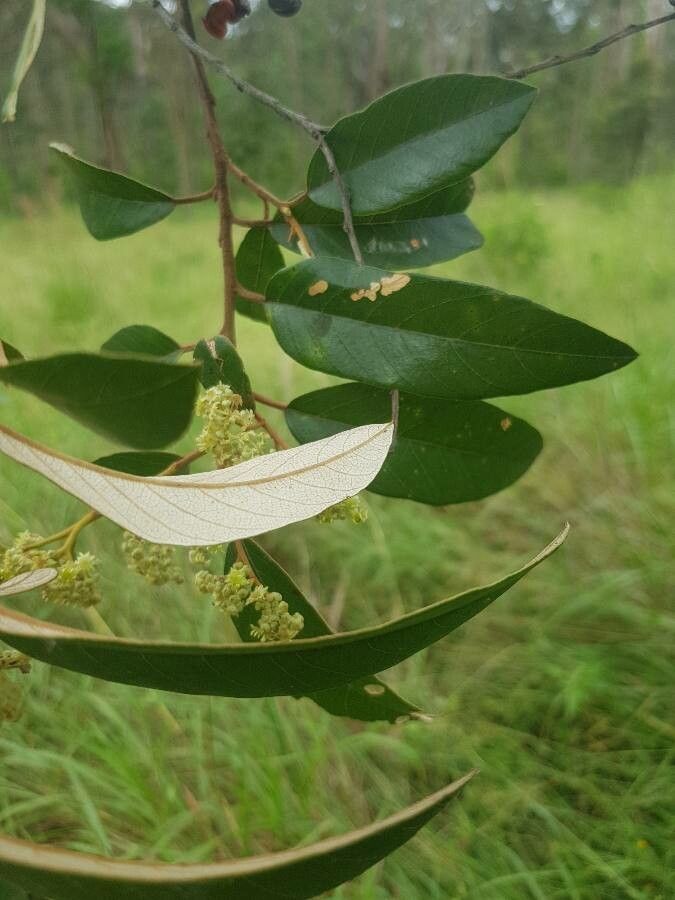
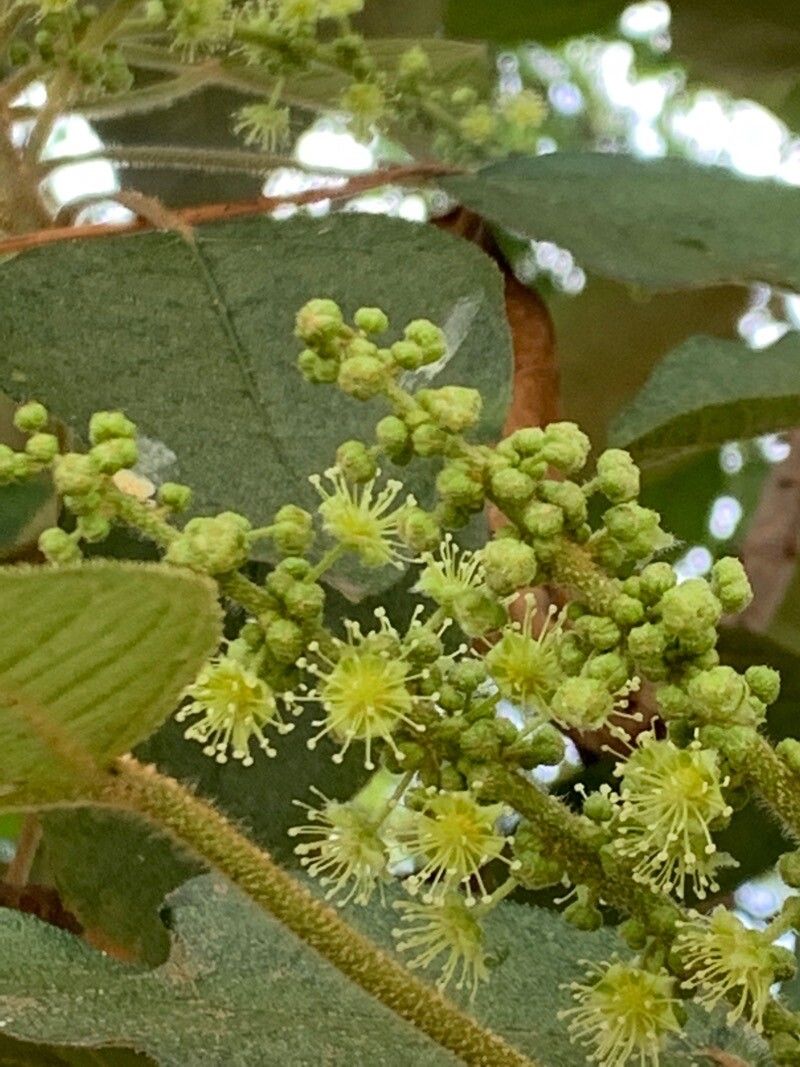
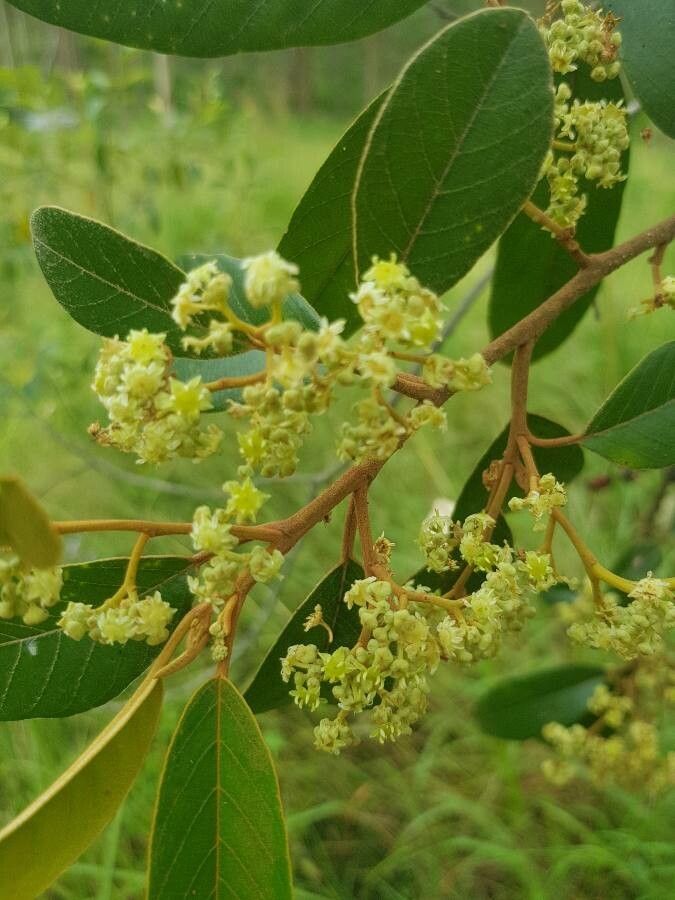
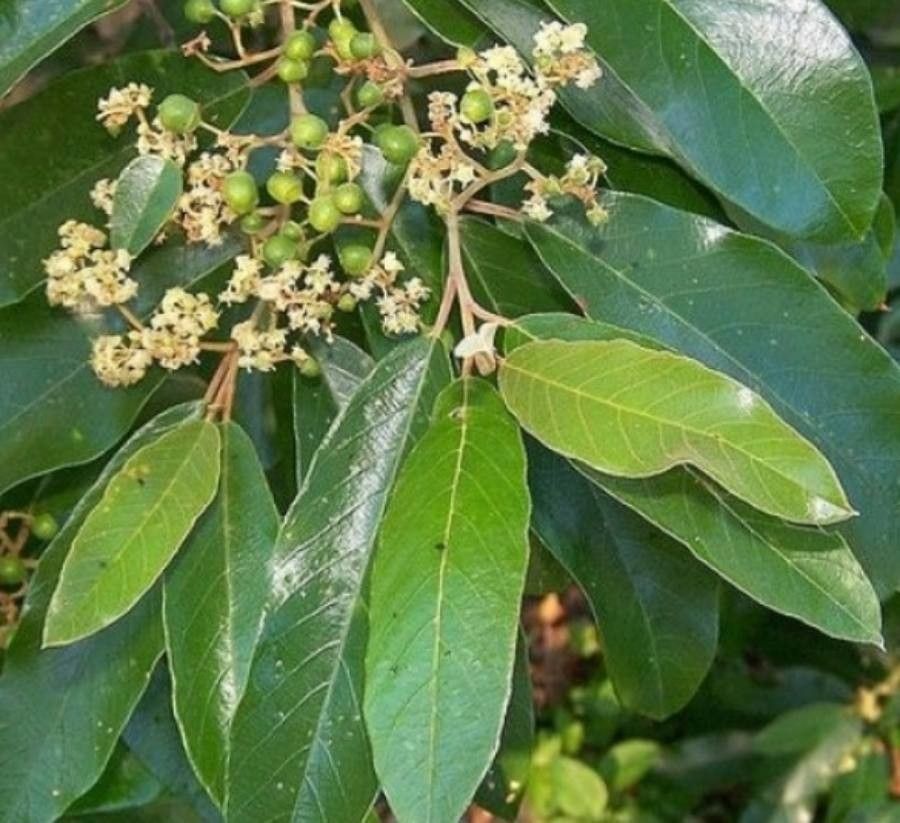
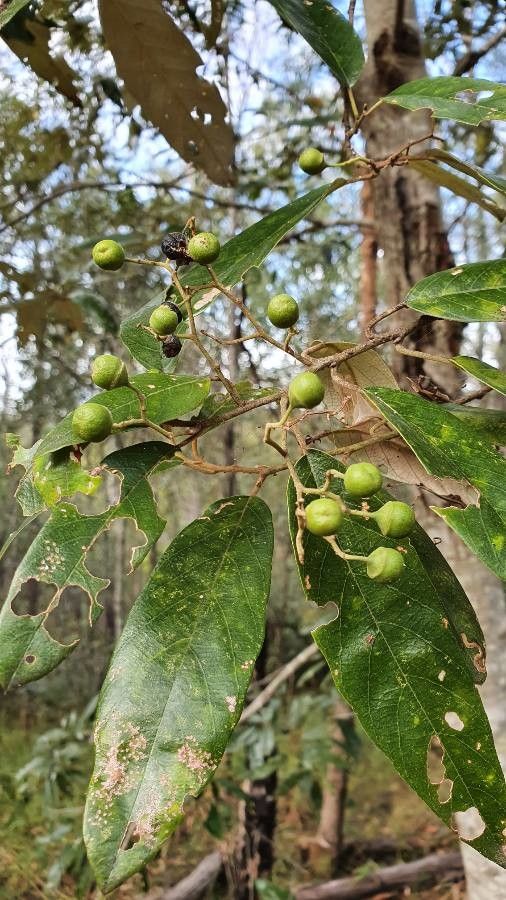
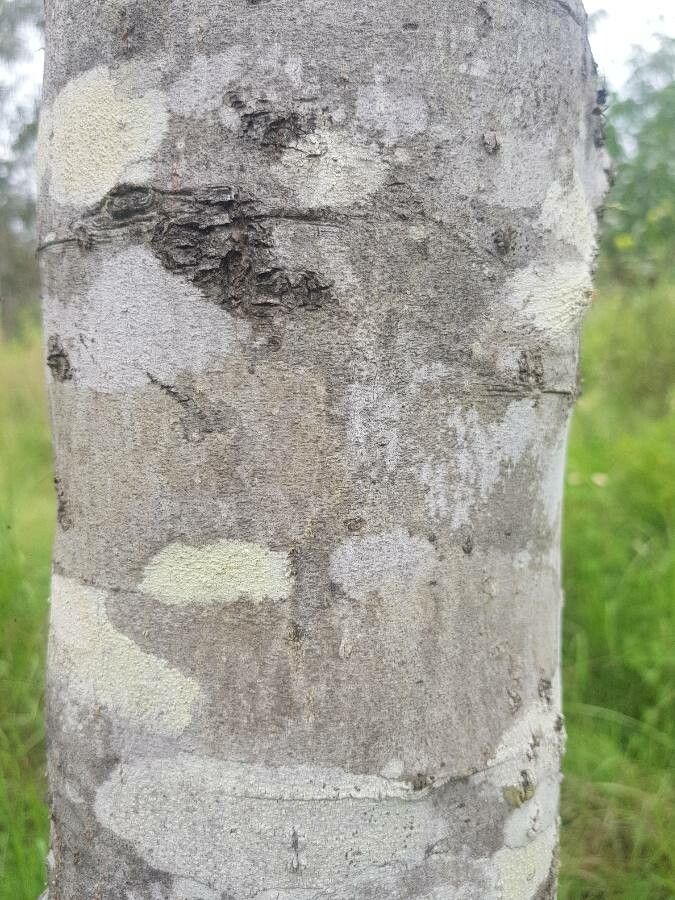
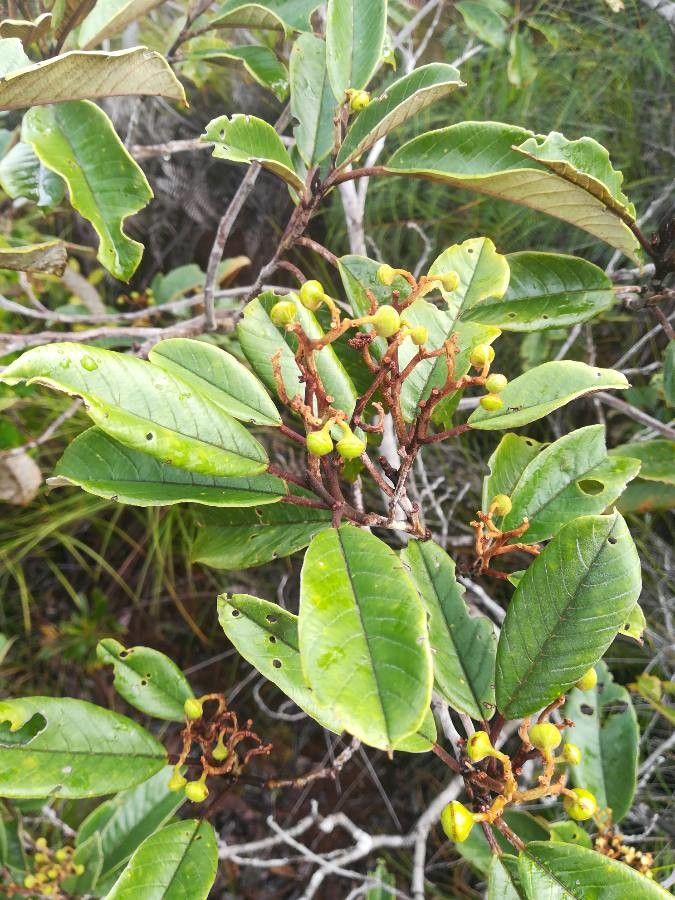
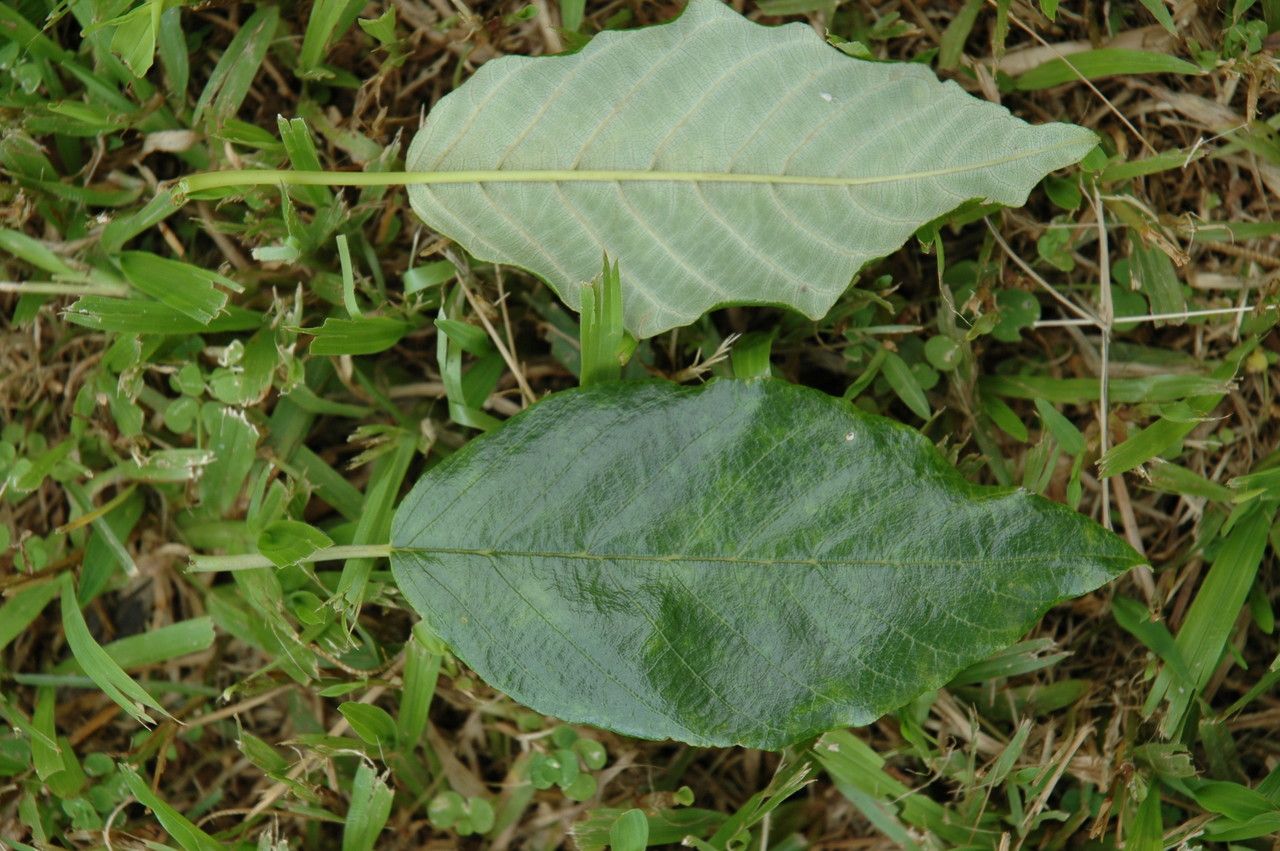
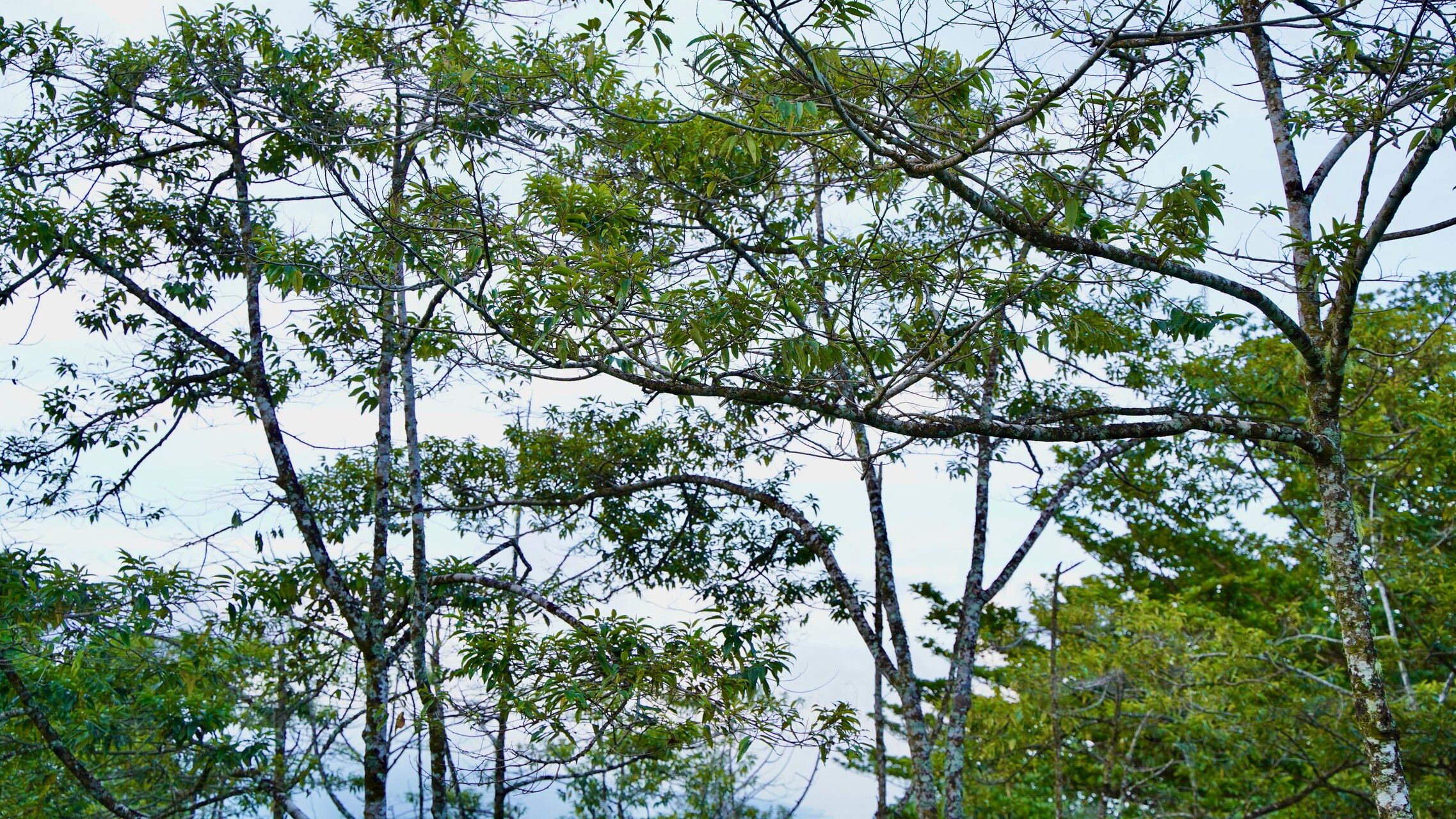
Alphitonia excelsa, commonly known as the red ash or soap tree, is a species of tree in the family Rhamnaceae. It is endemic to Australia, being found in New South Wales, Queensland, Northern Territory and the northeastern tip of Western Australia. It is used in bush regeneration as a pioneer species and for amenity planting.
Red ash is resistant to disease and typically not susceptible to illnesses. This plant is fairly low-maintenance. When grown outdoors it needs little watering, and mature plants usually do not require pruning. Smaller plants, however, should be trimmed after they have bloomed. Red ash is suitable for anyone with an outdoor space, such as a garden or deck, and does not demand extensive care experience.
How to keep Alphitonia Excelsa.
Light
Red ash is native to open settings—such as sunny meadows and forest edges—where light is abundant. It prefers Full Sun but can endure Partial Sun, demonstrating good adaptability to different light conditions.
Water
Red ash thrives with moderate watering and is tolerant of drought conditions. It requires deep watering every two weeks, but not too frequently. This plant is well-suited for outdoor cultivation and benefits from natural rain cycles, efficiently storing water during the growing season.
Temperature
Red ash adapts well to heat and can handle higher temperatures and greater temperature fluctuations. In hot conditions, it's necessary to ensure adequate watering and to provide suitable shade to avoid sunburn. However, Red ash is fairly sensitive to cold. It can endure some cold, but extremely low temperatures can cause frost damage.
Fertilizer
Apply fertilizer to your Red ash in early spring to encourage healthy growth. Consistent feeding improves the tree’s overall health, producing vigorous growth, greater tolerance of harsh conditions, and better resistance to diseases and pests. Stick to a regular fertilization schedule to maintain foliage that is vibrant, deeply colored, and luxuriant in appearance.
Pruning
Red ash is an evergreen tree that is prized for its dense canopy. To maintain its health, it's important to use key pruning techniques. These include removing dead branches and thinning the tree to improve air circulation. The best time for pruning is during the tree's dormancy in early to late winter. Additionally, it's essential to use clean tools to prevent infections, which helps promote the tree's health and maintain its structure.
Botanical profile.
- Plant Type
- Tree
- Life Cycle
- Perennial
- Genus
- Alphitonia
- Family
- Rhamnaceae
- Hardiness Zone
- 10-12
- Mature Height
- 6.1 m to 24.99 m
- Mature Spread
- 4.88 m to 10.06 m
- Leaf Color
- Dark Green, Silver
- Leaf Type
- Evergreen
- Flower Color
- White
- Flower Size
- 2.54 cm
- Bloom Time
- Mid fall, Late fall, Early winter
- Planting Time
- Spring, Summer
- Harvest Time
- Late winter, Early spring, Mid spring
- Native Area
- Indonesia, Philippines
Other names.