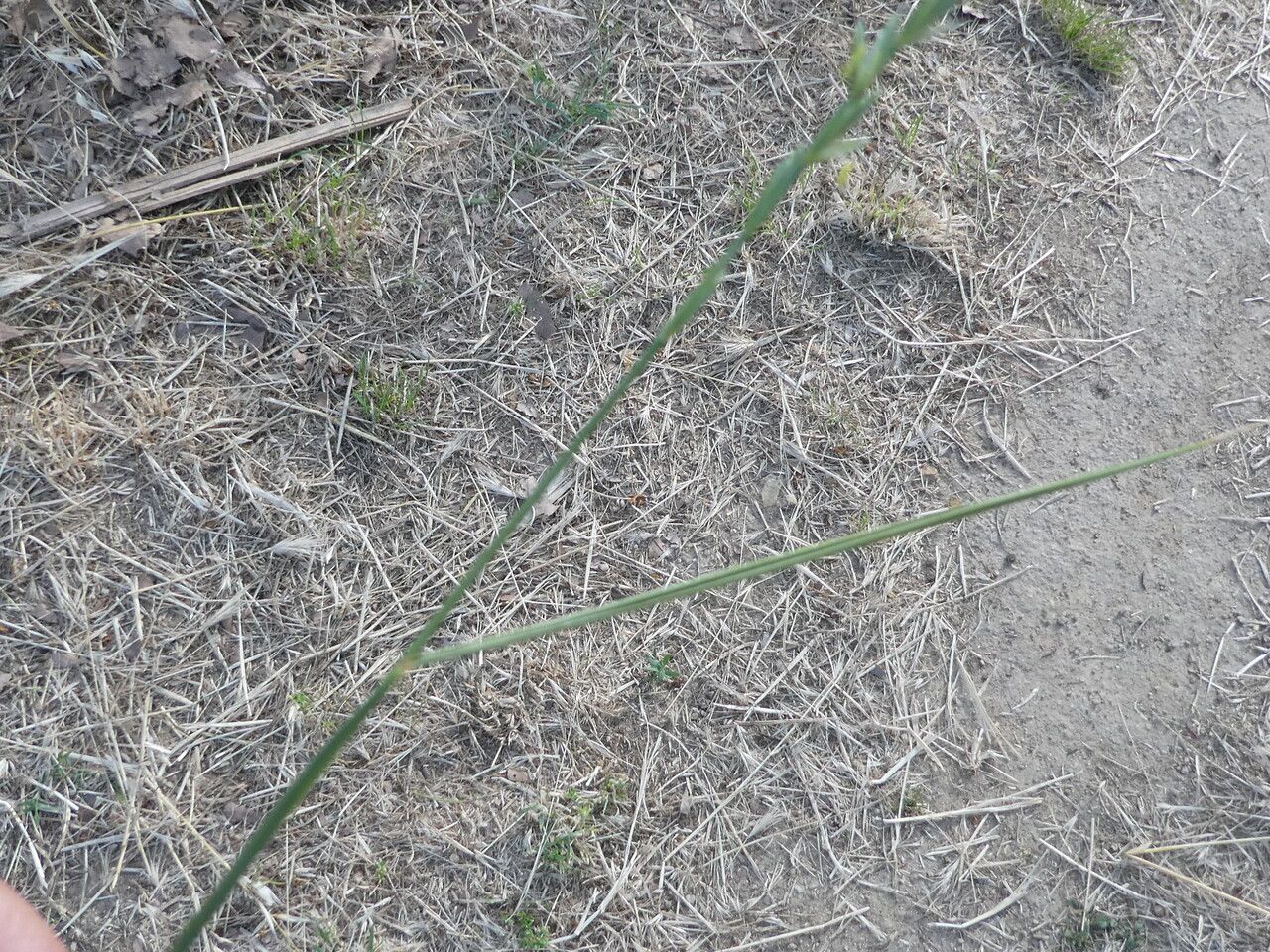
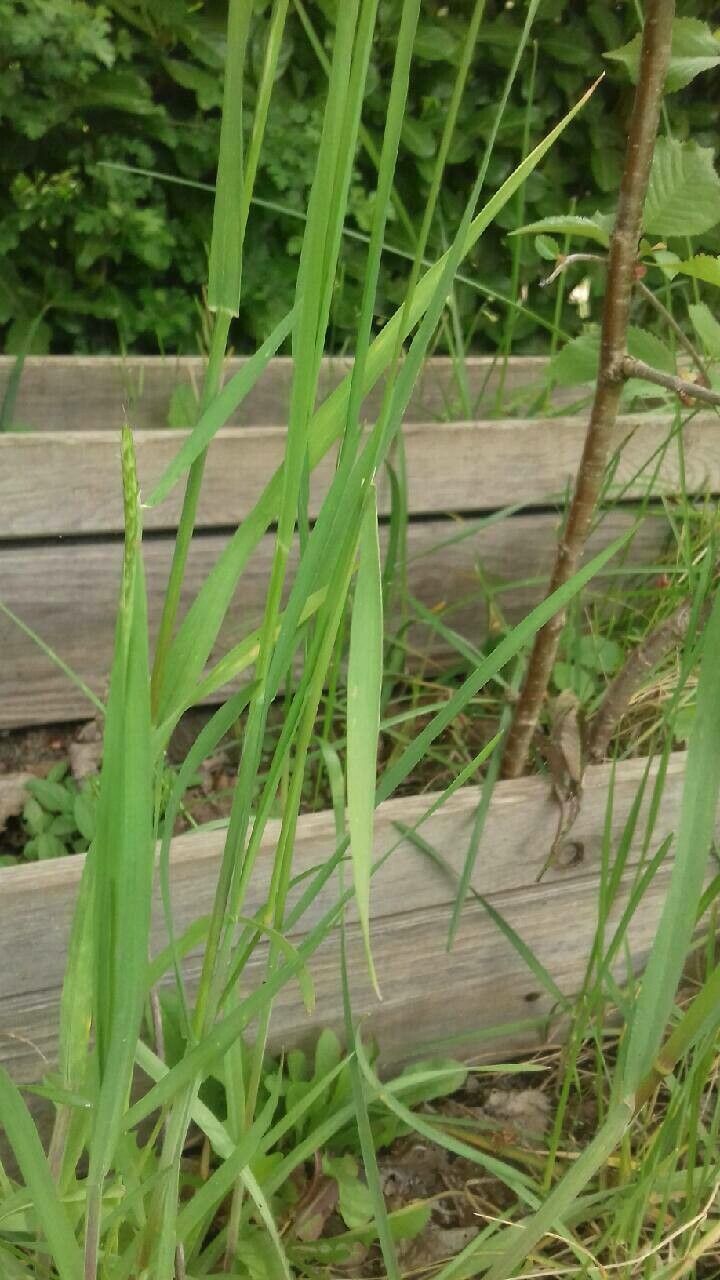
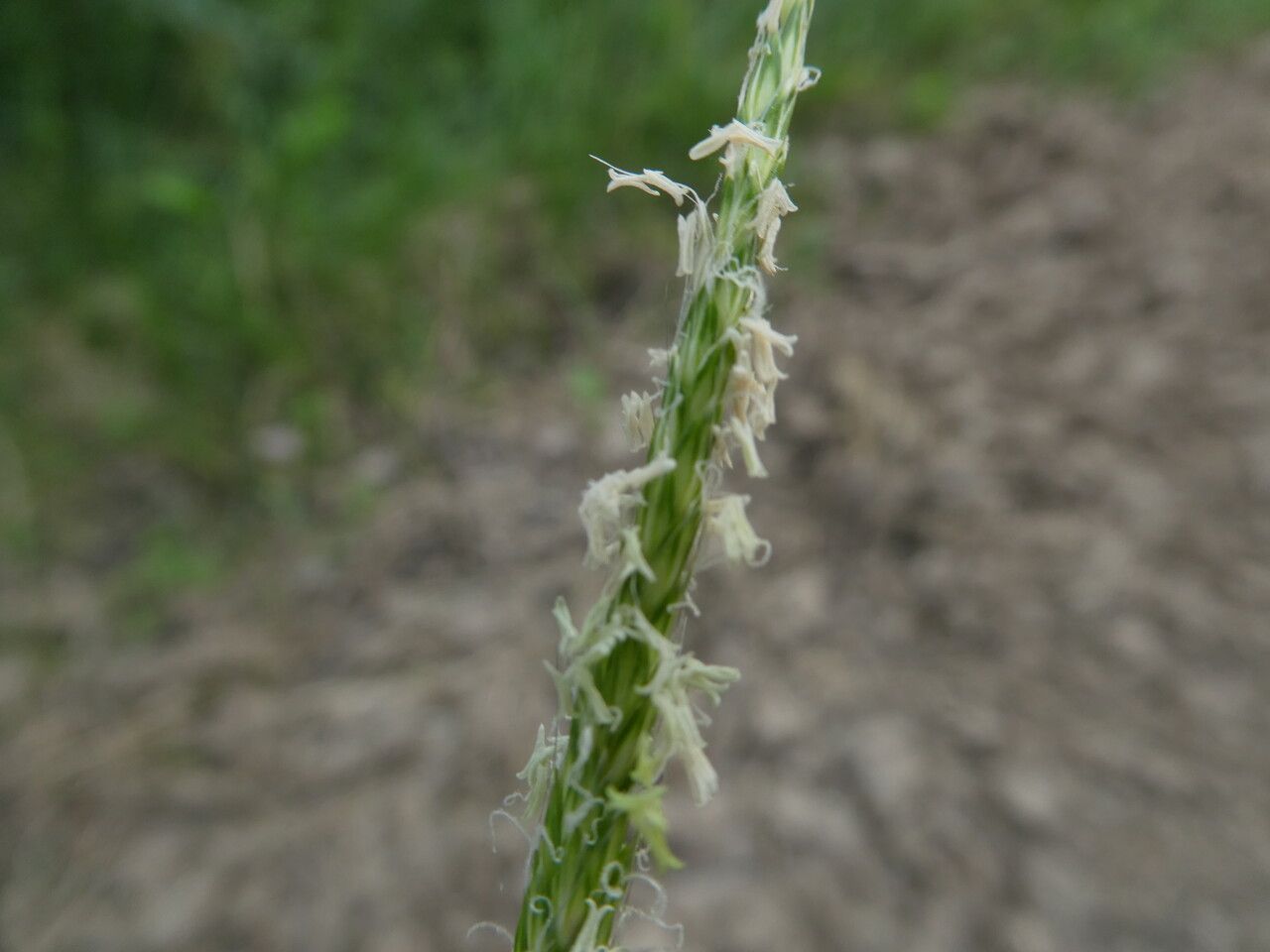
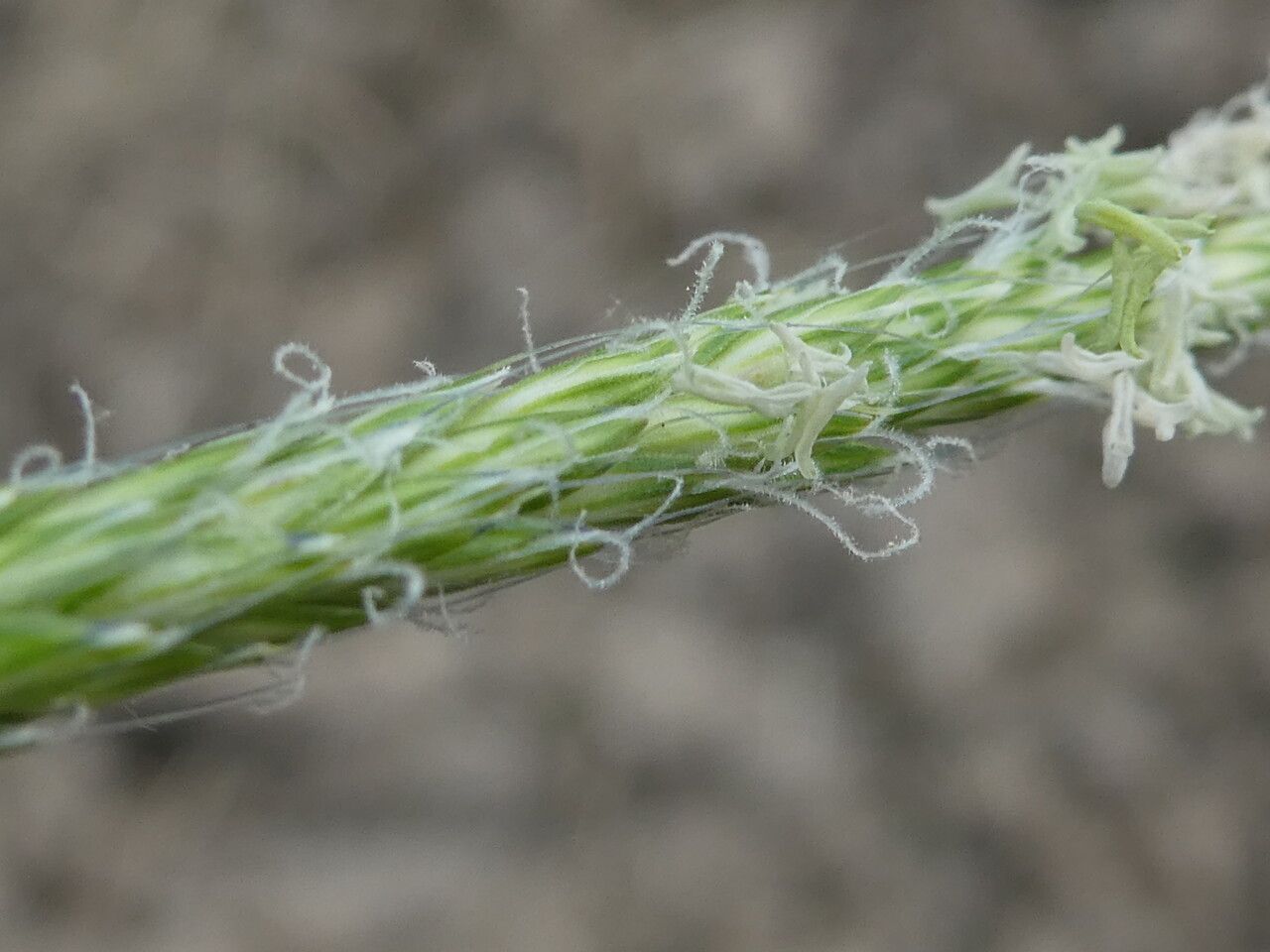
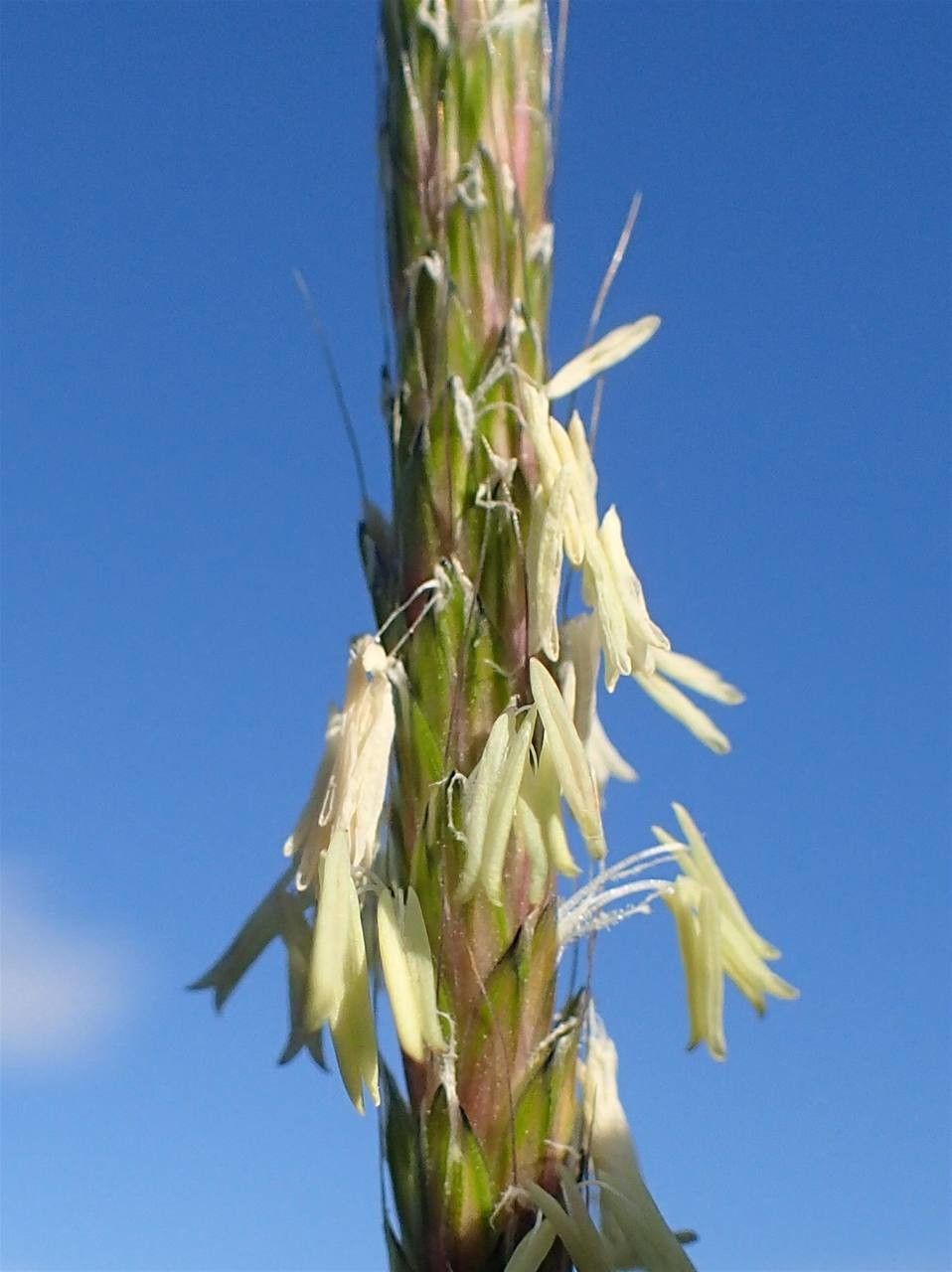
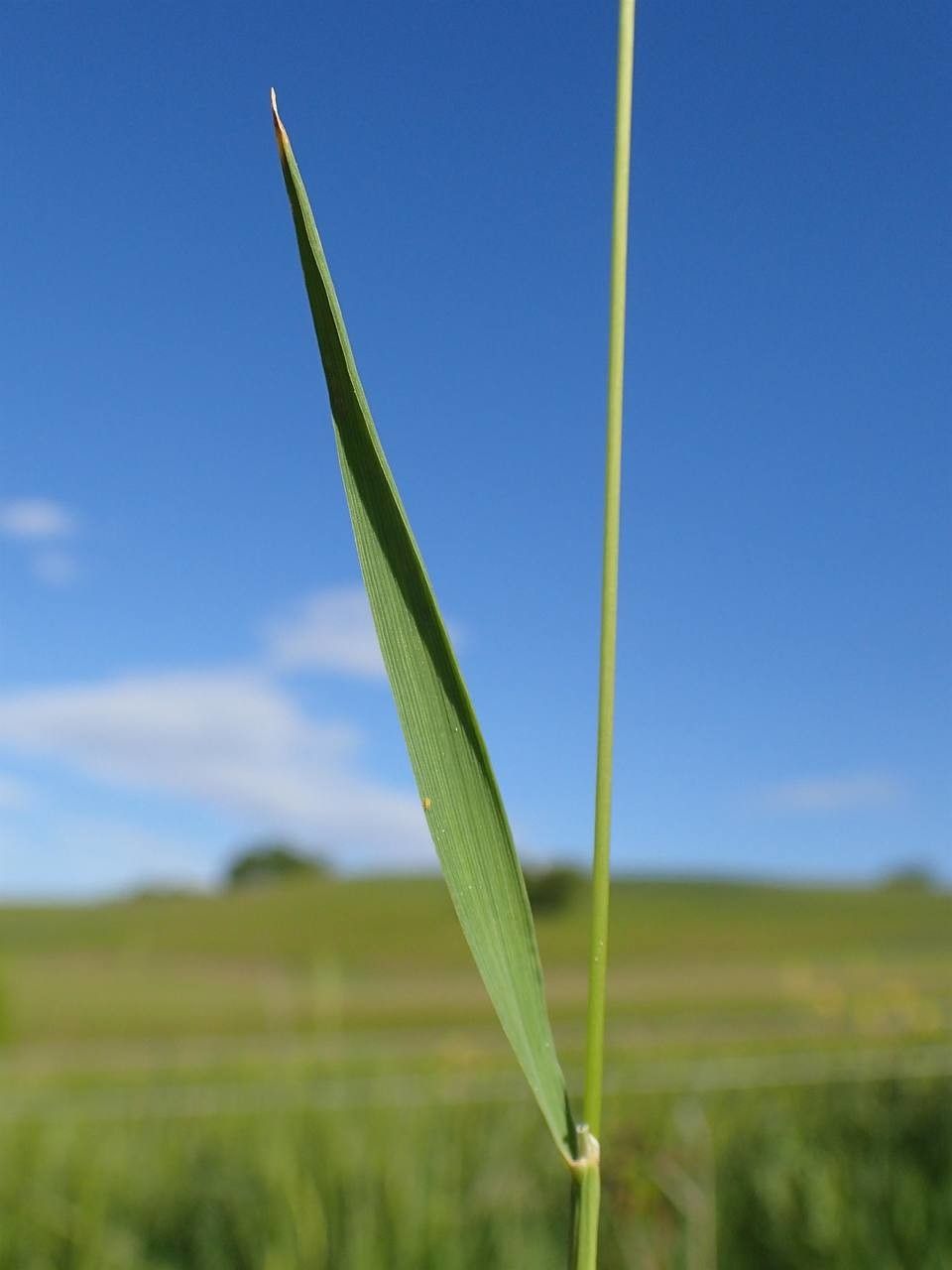
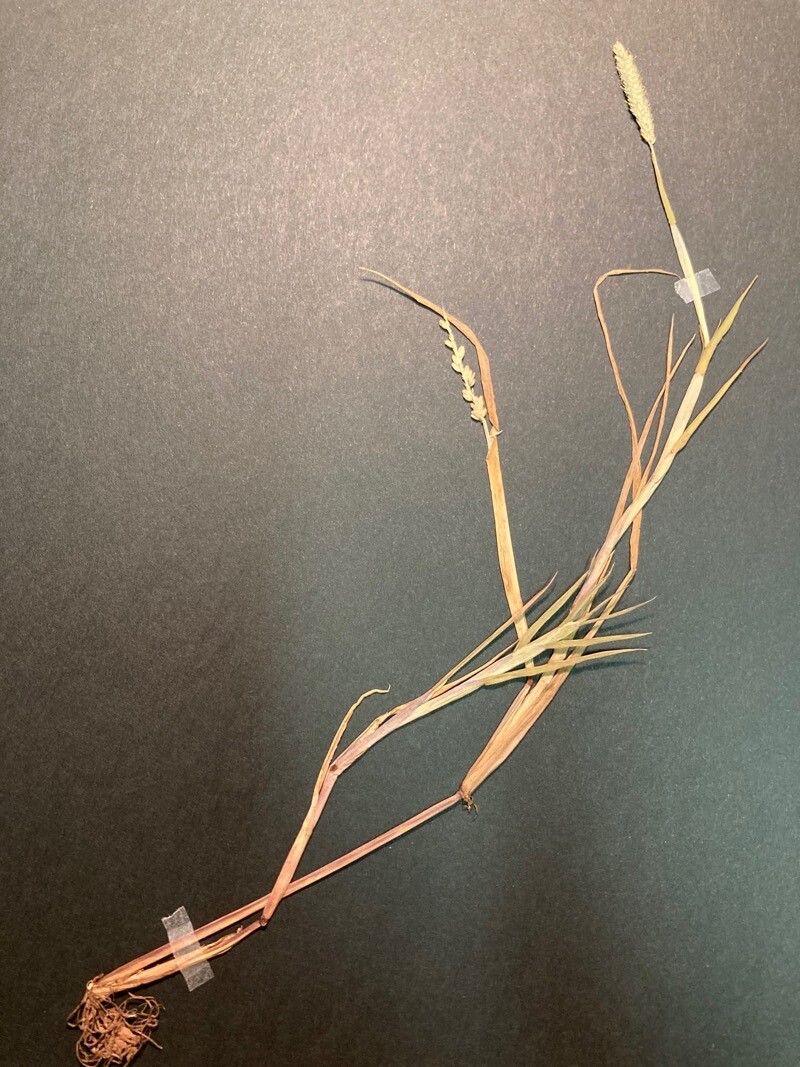
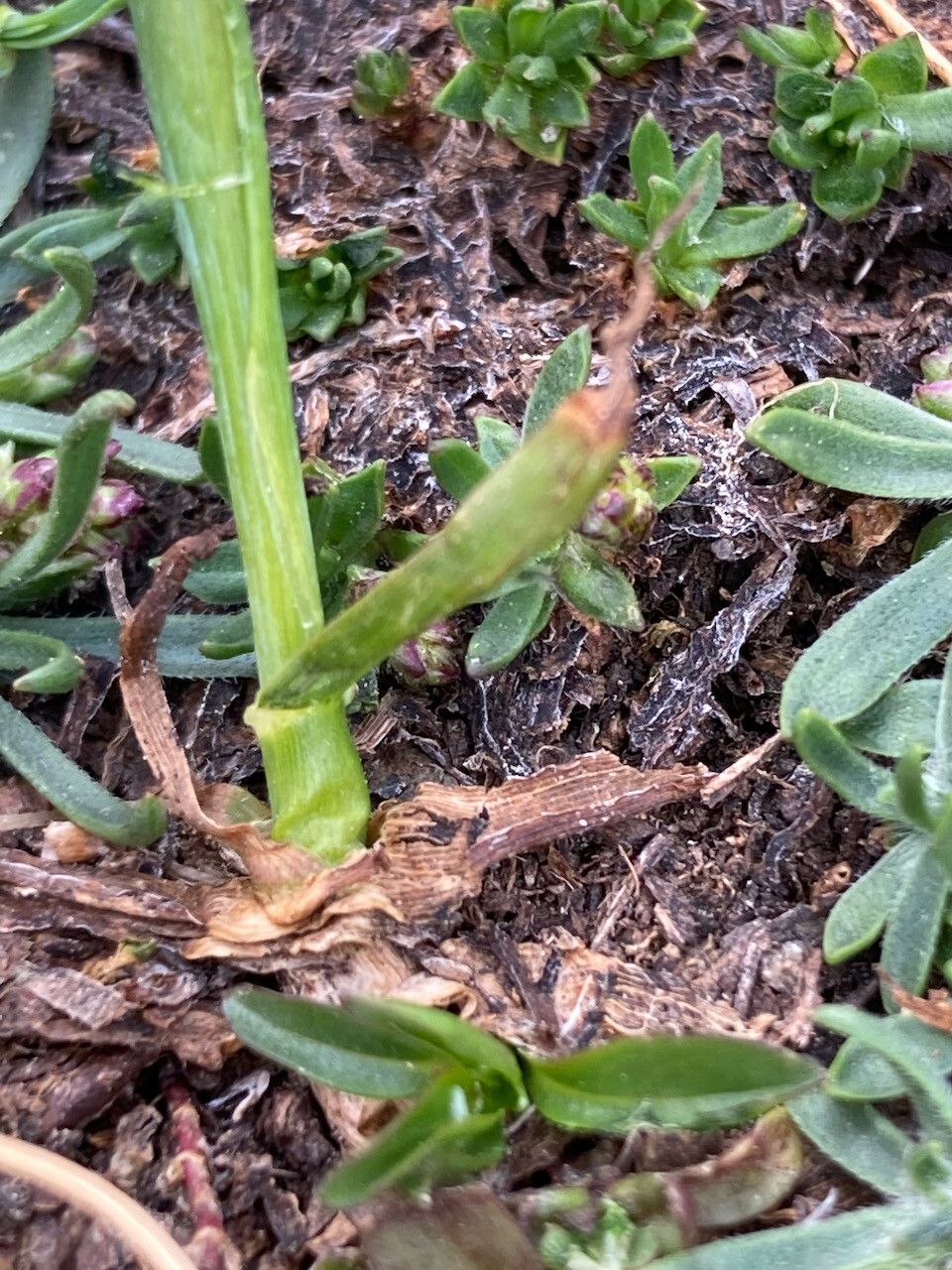
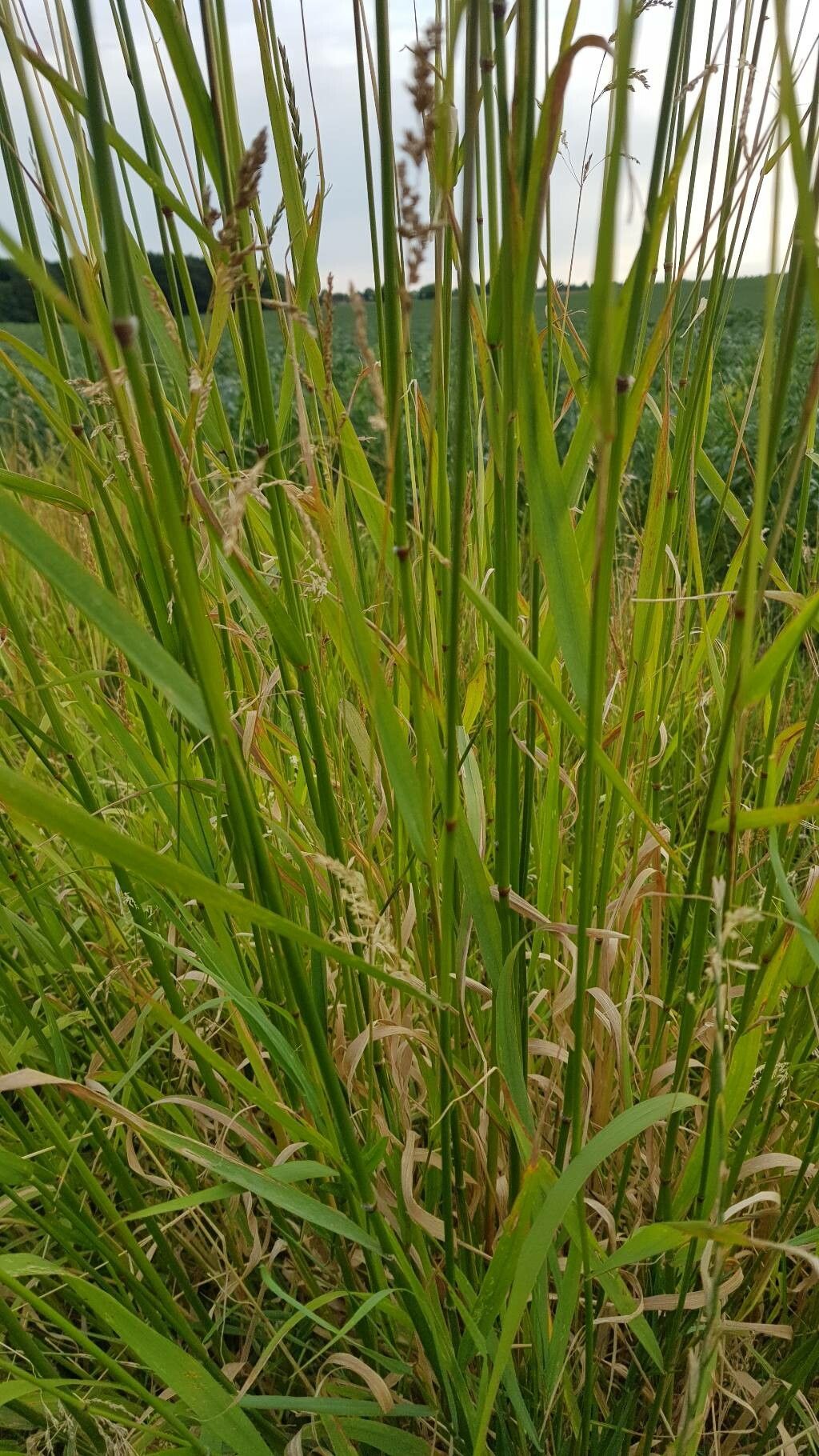
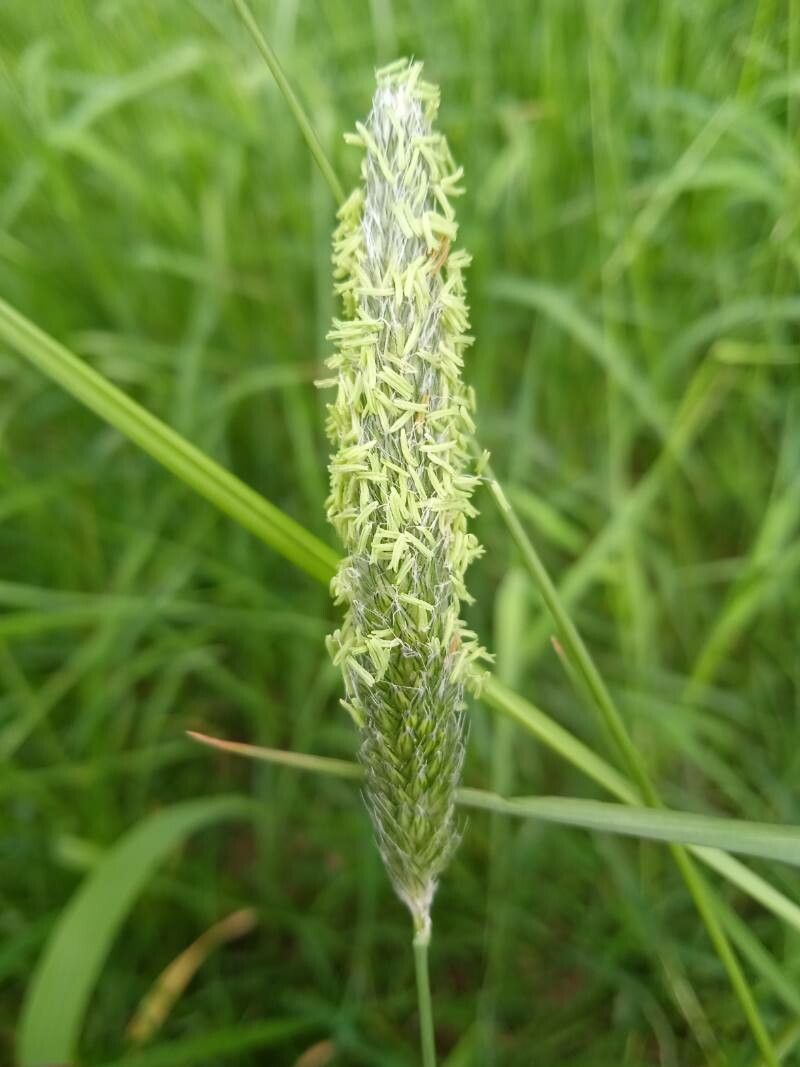
Alopecurus myosuroides is an annual grass, native to Eurasia, found in moist meadows, deciduous forests, and on cultivated and waste land. It is also known as slender meadow foxtail, black-grass, twitch grass, and black twitch.
Slender meadow foxtail is resistant to disease and generally not susceptible to illnesses. Regarding care, this plant is fairly low-maintenance. Planted outdoors it needs little watering, and larger plants typically do not require pruning. Smaller plants, however, should be pruned after they finish blooming. Slender meadow foxtail is suitable for anyone with an outdoor area, such as a garden or deck, and does not demand extensive care experience.
How to keep Alopecurus Myosuroides.
Light
Slender meadow foxtail comes from open, well-lit habitats and flourishes in full sun. It can tolerate partial shade but grows best with direct sunlight. This plant, which can be annual or biennial, is known for its sun-loving habit.
Water
Slender meadow foxtail thrives in temperate regions with moderate moisture, preferring soil that remains consistently moist but not waterlogged. Weekly watering helps maintain this ideal balance. Typically grown outdoors, this plant benefits from seasonal rainfall, which supports its growth cycles and ensures optimal development.
Temperature
Slender meadow foxtail is commonly found in areas where temperatures range from 68 to 95 °F (20 to 35 ℃), reflecting its natural temperate habitat. During colder periods, raise the temperature to meet its requirements.
Pruning
Slender meadow foxtail flourishes in moist soils and benefits from early spring pruning to manage its growth and prevent unwanted seeding. Removing dead stems encourages healthier growth and helps the plant use resources more efficiently. Regular pruning also improves air circulation, reduces the risk of disease, and maintains the plant's vitality and the overall beauty of the garden.
Botanical profile.
- Plant Type
- Grass
- Life Cycle
- Annual
- Genus
- Alopecurus
- Family
- Poaceae
- Hardiness Zone
- 3
- Mature Height
- 76 cm
- Mature Spread
- 10 cm to 30 cm
- Leaf Color
- Light Green, Green
- Leaf Type
- Deciduous
- Flower Color
- Yellow, Purple, Brown
- Flower Size
- 0.25 cm to 0.51 cm
- Bloom Time
- Mid spring, Late spring, Early summer
- Planting Time
- Spring
- Harvest Time
- Summer
- Native Area
- Libya, Egypt, Turkey, Sweden, India, Austria, Slovakia, Montenegro, Pakistan, Slovenia, Croatia, Belarus, Uzbekistan, Russia, Iraq, Germany, Estonia, Romania, Latvia, Belgium, Portugal, Netherlands, Saudi Arabia, France, Tajikistan, Tunisia, Czech Republic, Cyprus, Bulgaria, Poland, Armenia, Greece, Serbia, Lebanon, Lithuania, Afghanistan, Syria, Kyrgyzstan, Kazakhstan, Italy, Spain, Switzerland, Denmark, Israel, Iran, Albania, Azerbaijan, United Kingdom, Hungary, Algeria, Turkmenistan
Other names.
Reader questions.
What should I do if I give my Slender meadow foxtail too much or too little water?
Proper watering is crucial for the health and performance of this beautiful ornamental grass. When planted in the ground, watering issues can be resolved, but in a container, both overwatering and underwatering can quickly kill Slender meadow foxtail. Insufficient water can cause the grass to stop growing, while overwatering can result in yellow leaves with brown tips. Underwatering can cause drooping leaves, weak seed production, and browning. If you suspect incorrect watering, first determine if there is too much or too little water. If there is excess water, stop watering immediately and allow the soil to dry out. Once new growth appears, check the soil for moisture and decide if more water is necessary. Providing a deep and thorough watering is always better than frequent shallow waterings because it promotes deep root growth, making the grass more resistant to drought and watering-related issues.
What are the sunlight requirements for Slender meadow foxtail?
Slender meadow foxtail thrives in bright, open environments and requires full sun, meaning above 6 hours of sunlight daily, for optimal growth. It can also tolerate partial sun, which is about 3-6 hours of sunlight. However, it prefers direct sunlight to achieve its growth potential. Notably, indoor plants lacking natural sunlight can benefit greatly from artificial lighting, particularly during winter or in less sunny spaces. LED lights are recommended for their ability to provide specific wavelengths needed by the plants. Full sun plants should have 30-50W/sq ft of artificial light, partial sun plants need 20-30W/sq ft, and full shade plants require 10-20W/sq ft. Proper distance and duration of light exposure are crucial, with most plants needing 8-12 hours of light per day.
What is the ideal temperature range for Slender meadow foxtail?
Slender meadow foxtail thrives in temperate environments with temperatures ranging from 68 to 95 °F (20 to 35 °C). To accommodate this plant's needs, especially in colder seasons, the temperature should be adjusted accordingly to stay within this range. This grass species, known botanically as Alopecurus myosuroides, is naturally adapted to these conditions, highlighting the importance of maintaining an appropriate temperature for its optimal growth.
How often do I need to water my Slender meadow foxtail?
The watering needs of Slender meadow foxtail depend on its planting location. In general, water this grass once a week. In hot climates, water it once or twice a week in the summer. In moderate climates, watering once every seven days or more may suffice. Grass in containers usually needs more frequent watering than those in the ground. However, the grass's location also matters, as shaded grass requires less watering than in-ground grass. Only water Slender meadow foxtail when the soil is dry. You can check the soil by pressing your finger a couple of inches into it or by weighing the potted grass to see if it feels light. Insufficient water may cause the blades to appear folded and thinner. Despite its drought tolerance, regular, deep waterings will maintain its beautiful color. While this grass is drought resistant, it still needs care and attention. It thrives best with consistent watering. When newly planted, it requires more frequent watering until it establishes deep roots. Test the soil every 3 to 4 days for potted grass and water when it feels dry. Slender meadow foxtail in the ground generally needs less watering, but it depends on the soil type. Clay soil can retain moisture below the surface even if it feels dry on top, while sandy soils drain quickly and may need more frequent watering.
What are common symptoms of inadequate sunlight for Slender meadow foxtail?
When Slender meadow foxtail receives insufficient sunlight, several symptoms can manifest. These include new leaves growing smaller in size, the plant displaying leggy or sparse growth, and a faster rate of leaf drop as the plant tries to conserve resources. Growth can become delayed or stop altogether, and new leaves may appear lighter-colored or pale, indicating a lack of chlorophyll. Conditions like chlorosis, where leaves lose their green color, and sunscald, characterized by damaged and bleached areas on the plant tissue, can occur. Additionally, the plant may exhibit leaf curling, wilting, and leaf scorching as defense mechanisms or signs of stress due to inappropriate sunlight exposure.
How does Slender meadow foxtail cope with winter conditions?
Slender meadow foxtail is exceptionally cold-tolerant and doesn't require additional protection against frost in winter. Nonetheless, to prepare for the first freeze of autumn, it is beneficial to water the plant abundantly. This ensures the soil remains moist going into the frozen state, which mitigates drought and water scarcity during the winter and early spring. These measures help maintain the health and vigor of Slender meadow foxtail throughout the colder months.
What are the things to be careful about when watering my Slender meadow foxtail in different seasons, climates, or during different periods of growth?
To determine if you are watering enough, observe the rate of growth of your grasses. Slender meadow foxtail, for example, tends to double in size during the hottest months of the year. If the weather is hot but the grass isn't growing vigorously, you may need to adjust your watering schedule. In winter, watering once a month might suffice, but it's still important to check the soil moisture. During the grass's growth cycle in the warmest months, it will require more water than usual. However, water needs will significantly decrease during winter and cooler months. Crucially, remember to allow the soil to completely dry out before adding water to Slender meadow foxtail.
How can I solve inadequate sunlight issues for Slender meadow foxtail?
To solve inadequate sunlight issues for Slender meadow foxtail, consider gradually moving your plant to a sunnier location, ideally ensuring at least 6 hours of direct sunlight daily. For plants positioned indoors, utilizing a south-facing window can maximize sunlight exposure. If moving the plant isn't feasible, using artificial light such as desk, ceiling lamps, or professional plant grow lights for at least 8 hours daily can supplement light needs. For outdoor plants, avoid sudden changes in light exposure to prevent sunburn. If necessary, prune obstructing trees or transplant smaller plants during their dormant period to locations with ample sunlight and good drainage. It's important to remember that while damaged parts may not recover, new growth will be healthier following increased light exposure.
What should be done if the winter temperature falls below -35°C for Slender meadow foxtail?
Although Slender meadow foxtail is extremely cold-tolerant, maintaining winter temperatures above -35°C is crucial. If temperatures drop below this threshold, the plant may not show immediate symptoms, but it could lead to reduced sprouting or a complete lack of sprouting in spring. To manage this, any parts of the plant that have failed to sprout in the spring should be removed. This proactive step aids in the plant's recovery and encourages healthier growth in the following season.
How should Slender meadow foxtail be cared for in high temperatures?
Slender meadow foxtail is sensitive to high temperatures. When temperatures exceed 35°C, the plant's growth may halt, and it becomes prone to rotting. In such conditions, it's imperative to trim away any sunburned or dried-up parts of the plant. Relocating the plant to a shadier location or employing a shade cloth can protect it from harsh midday and afternoon sun. Additionally, watering the plant in the morning and evening helps keep the soil adequately moist, mitigating the adverse effects of high temperatures on the plant.