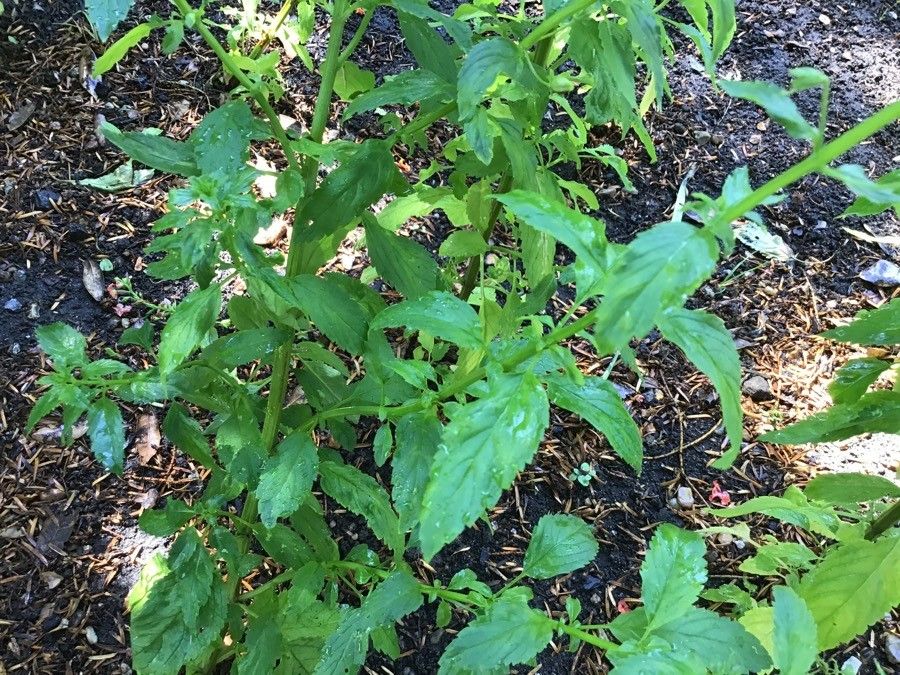
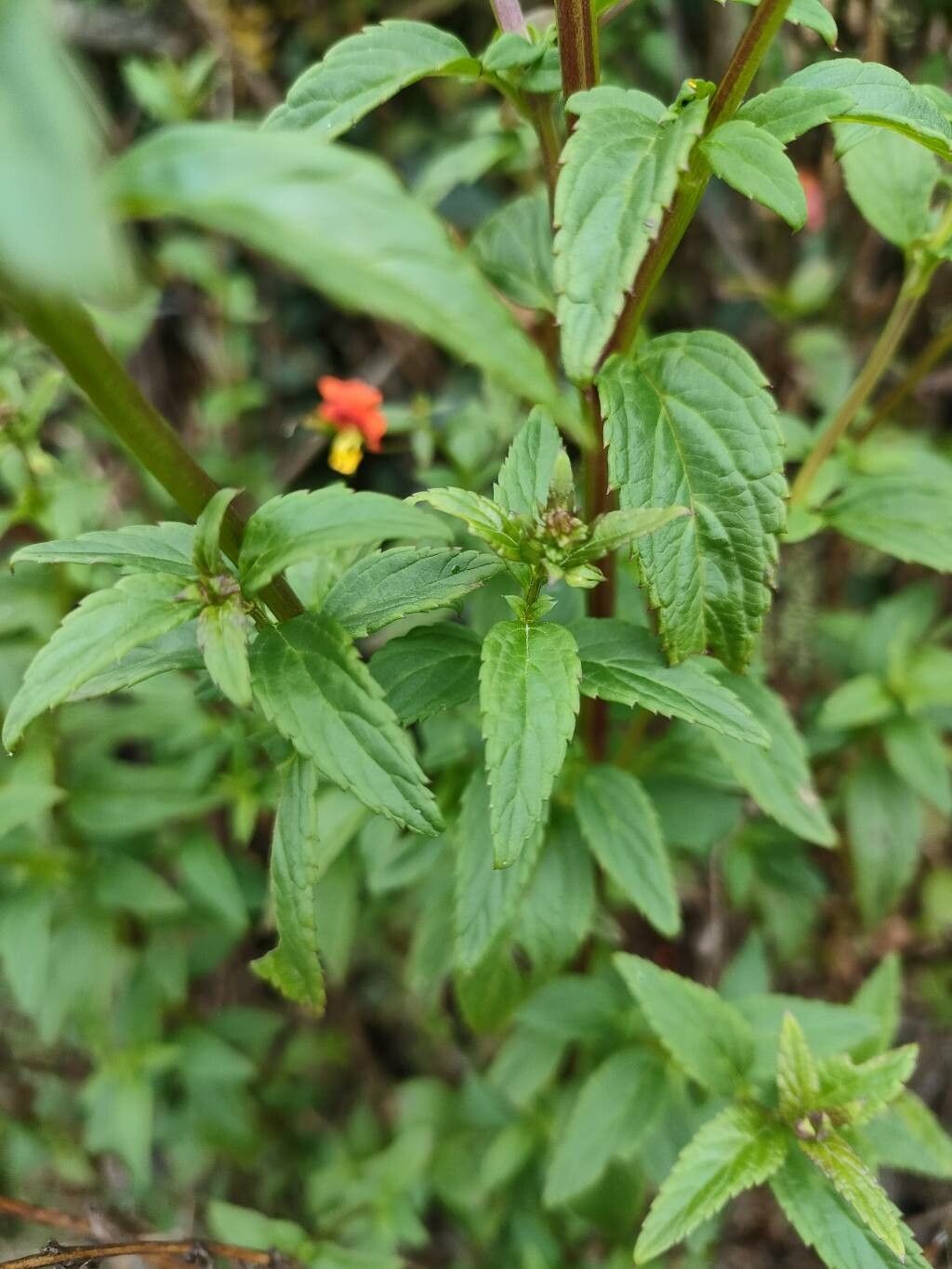
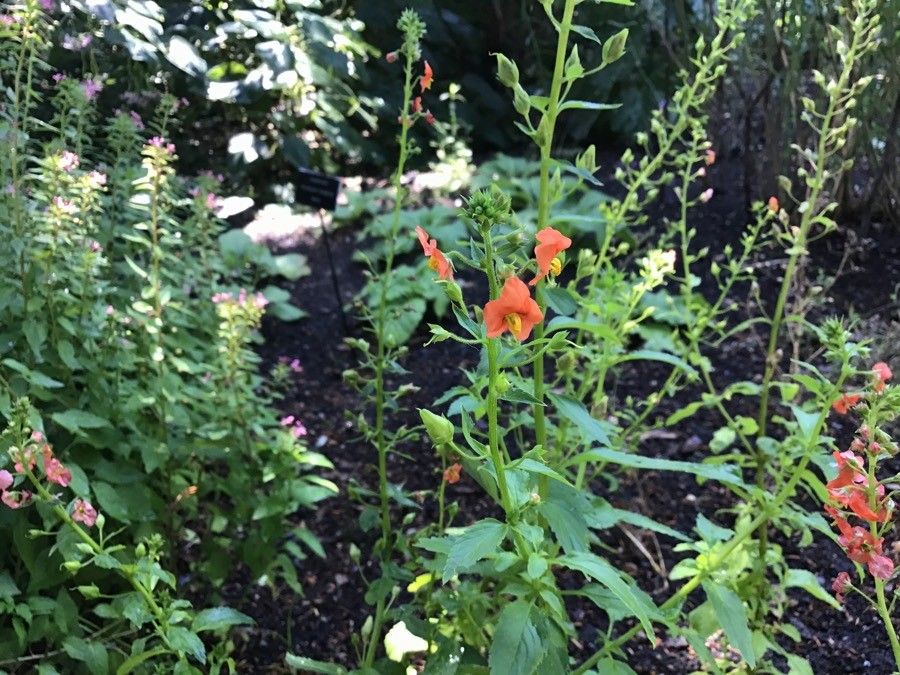
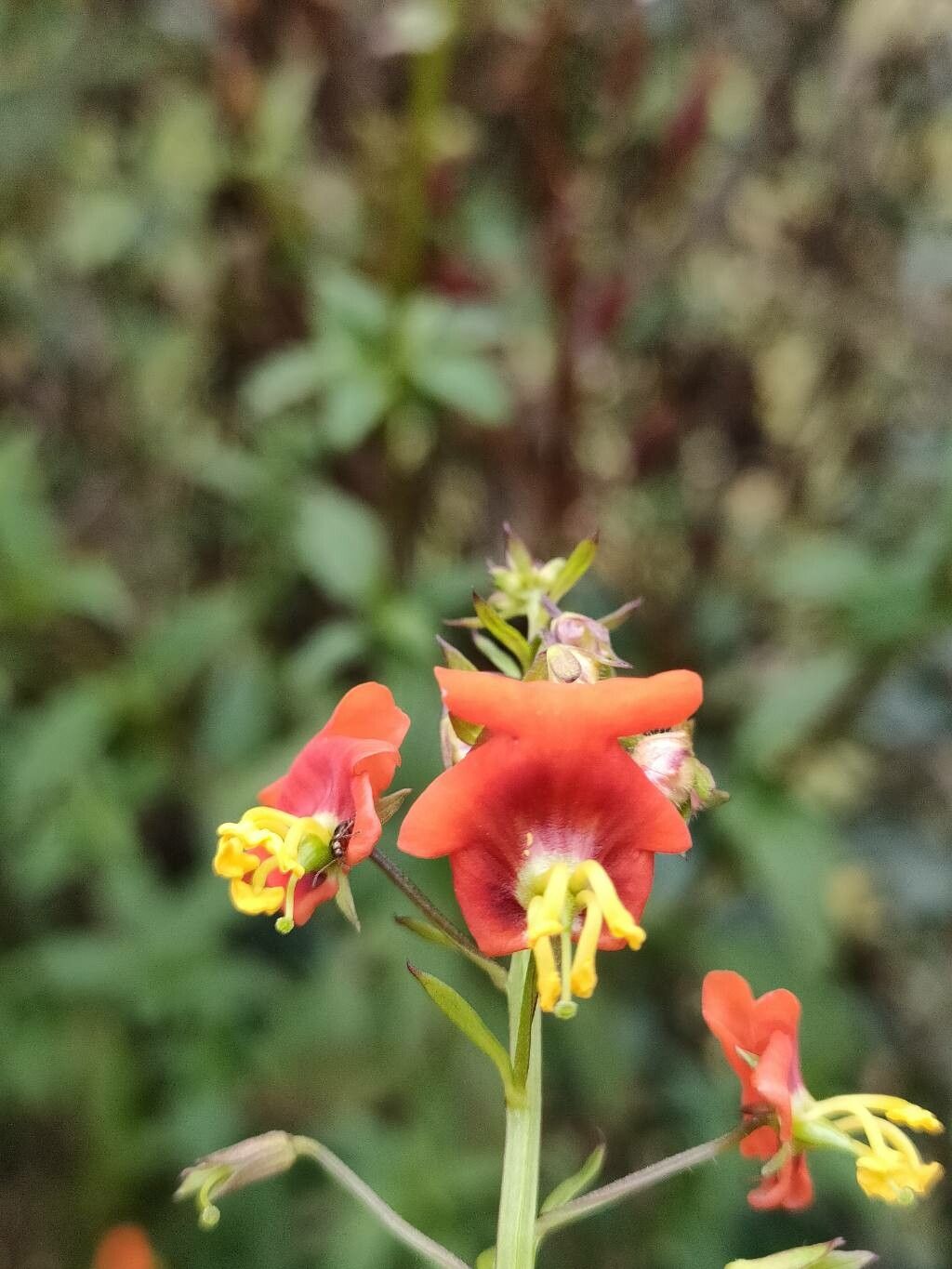
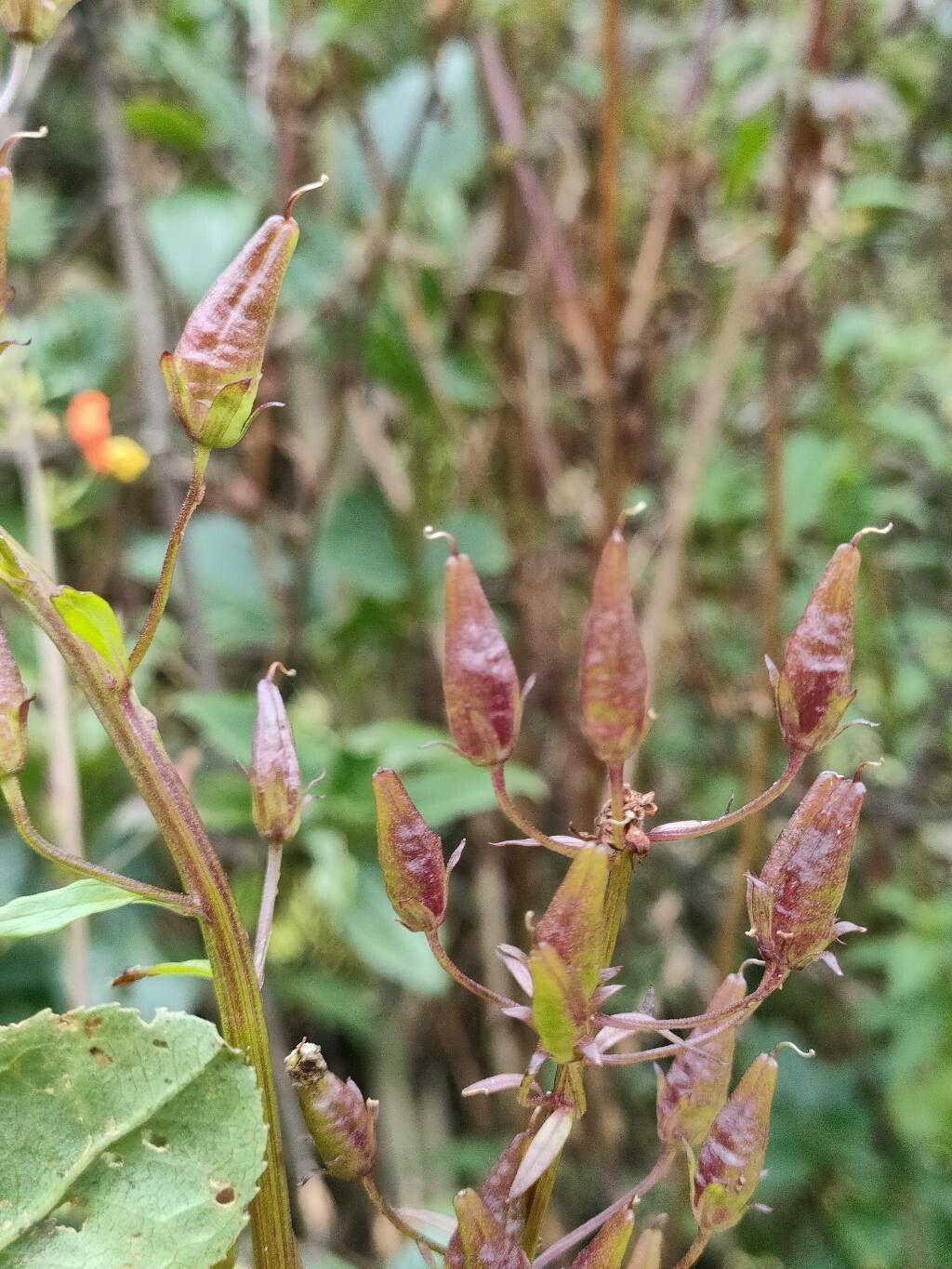
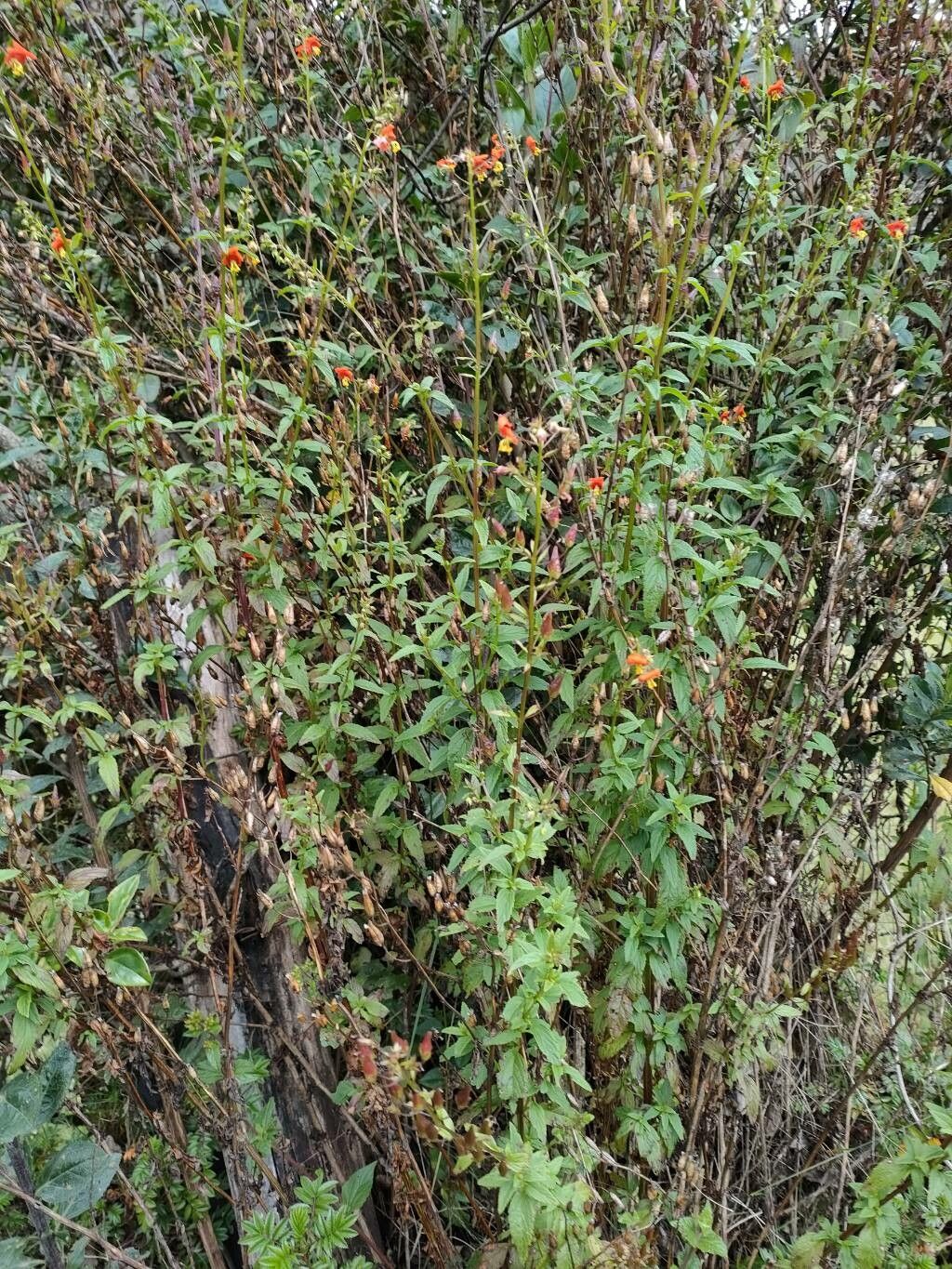
Alonsoa meridionalis (syn. Alonsoa grandiflora, Alonsoa incisifolia and Alonsoa warscewiczii), is an ornamental plant in the family Scrophulariaceae.
The red mask flower is fairly resistant to disease and usually does not develop many illnesses. However, it can be affected by pests and diseases present in its environment. Such infections are typically mild. Regarding care, this plant needs moderate maintenance. It should be pruned regularly to keep a neat appearance and support healthy growth. Fertilizing can also encourage flowering. The red mask flower is suitable for anyone with outdoor space, like a garden or patio, and does not demand extensive care experience. It may need extra attention when grown indoors.
How to keep Alonsoa Meridionalis.
Light
The red mask flower needs plenty of sunlight to thrive and maintain healthy growth. Its native habitat reflects this need, being largely filled with unobstructed sunlight. Too little or too much light can harm the plant's health and may cause it to decline.
Water
The Red Mask Flower thrives in moist, well-drained conditions and needs to be watered weekly for optimal growth. While it can tolerate short dry spells, it is ideally suited for temperate gardens where it benefits from natural rainfall patterns, making it an excellent choice for outdoor planting.
Temperature
Red mask flower can tolerate a broad range of temperatures, but its distribution may still be restricted by particular combinations of moisture and heat. It does best in warm summer climates with enough rainfall or irrigation. Long stretches of cloudy, rainy weather, as well as prolonged high temperatures, can raise the risk of the Red mask flower dying. In winter, proper protection from cold can increase the plant's chances of survival.
Fertilizer
The best time to fertilize a Red mask flower is in early spring, when it is coming out of dormancy and beginning active growth. Fertilization supplies essential nutrients needed for healthy growth. Although the Red mask flower has relatively low fertilization requirements, fertilizing once a year can improve its survival and encourage better, longer-lasting blooms.
Pruning
The Red Mask Flower flourishes with vibrant blooms when given proper care. To ensure healthy growth, prune your plant from late winter to early spring by removing spent blooms and trimming overgrown branches. This helps maintain the plant's shape, promotes health by eliminating dead or diseased parts, and enhances overall growth and flowering. For detailed care instructions, consult your local horticulture guidelines.
Botanical profile.
- Plant Type
- Herb
- Life Cycle
- Perennial
- Genus
- Alonsoa
- Family
- Scrophulariaceae
- Hardiness Zone
- 9-11
- Mature Height
- 61 cm
- Mature Spread
- 40 cm
- Leaf Color
- Green
- Leaf Type
- Evergreen
- Flower Color
- Red, Orange
- Flower Size
- 2.54 cm
- Bloom Time
- Late spring, Summer, Fall
- Planting Time
- Spring, Summer, Autumn
- Harvest Time
- Mid summer, Late summer, Fall, Early winter
- Native Area
- Colombia, Honduras, Mexico, Guatemala, Bolivia, Venezuela, Peru, El Salvador, Nicaragua, Ecuador, Costa Rica, Panama
Other names.
Reader questions.
What are the sunlight requirements for Red Mask Flower?
The Red Mask Flower (Alonsoa meridionalis) thrives in an environment that mirrors its original habitat, which is abundant in sunlight. For optimal growth, it requires full sun, defined as more than 6 hours of direct sunlight daily, or partial sun, approximately 3-6 hours of sunlight. It's vital to observe the movement of sunlight through your garden to ensure you're providing the right balance of light and shade. An imbalance, either scarcity or excess of light, could significantly affect the plant's vitality.
What is the common name of Alonsoa meridionalis?
The common name of Alonsoa meridionalis is Red mask flower.
How can artificial lighting benefit indoor Red Mask Flowers?
Indoor Red Mask Flowers, when deprived of natural sunlight, especially during winter or in less sunny areas, can greatly benefit from artificial lighting. Artificial lights, such as LEDs, can be customized to provide specific wavelengths needed for optimal growth, promoting healthier development. Full sun plants require 30-50W/sq ft, partial sun plants need 20-30W/sq ft, and full shade plants need 10-20W/sq ft of artificial light. The light source should be placed 12-36 inches above the plant to mimic natural sunlight, and the lights should be on for 8-12 hours per day to simulate natural daylight hours.
What are the essentials to know about the Red mask flower?
There are no specific essentials provided for the Red mask flower.
What are common symptoms of inappropriate lighting for Red Mask Flower?
Symptoms of inappropriate lighting for the Red Mask Flower include small leaves, leggy or sparse growth, faster leaf drop, and slower or no new growth, indicative of light deficiency. Conversely, symptoms of excessive sunlight exposure include chlorosis, where leaves lose their green color, sunscald, damage from intense sunlight exposure, leaf curling as a defense mechanism to reduce water loss, wilting from increased water loss, and leaf scorching characterized by brown, dry edges on leaves.
What are the symptoms of issues related to the Red mask flower?
No symptoms related to issues with the Red mask flower have been provided.
What are the solutions to improper lighting for Red Mask Flowers?
To address improper lighting, gradually acclimate your Red Mask Flower to receive at least 6 hours of direct sunlight daily, if indoors, use a south-facing window or consider supplemental artificial light sources, and keep them on for at least 8 hours daily. For outdoor plants, move them to sunnier locations gradually to avoid sunburn. If the issue is shade from obstructions, consider pruning or transplanting to a sunnier spot. However, note that portions of the plant affected by insufficient sunlight may not recover, but new growth should be healthy following these adjustments.