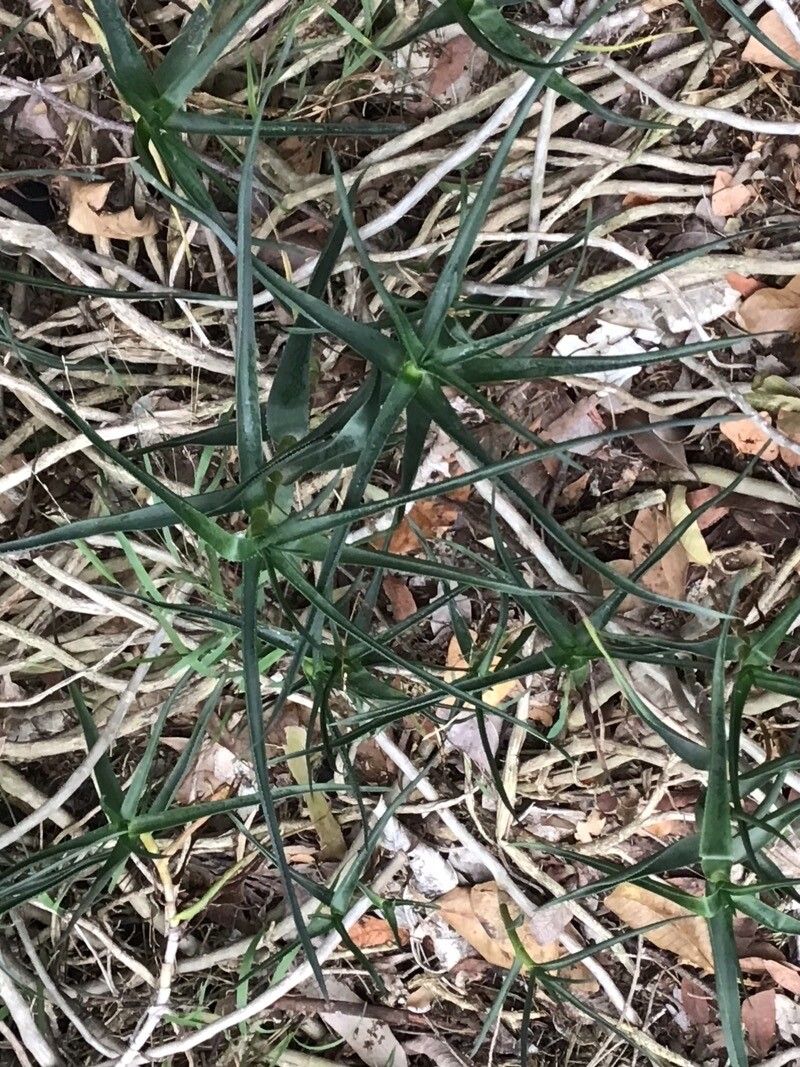
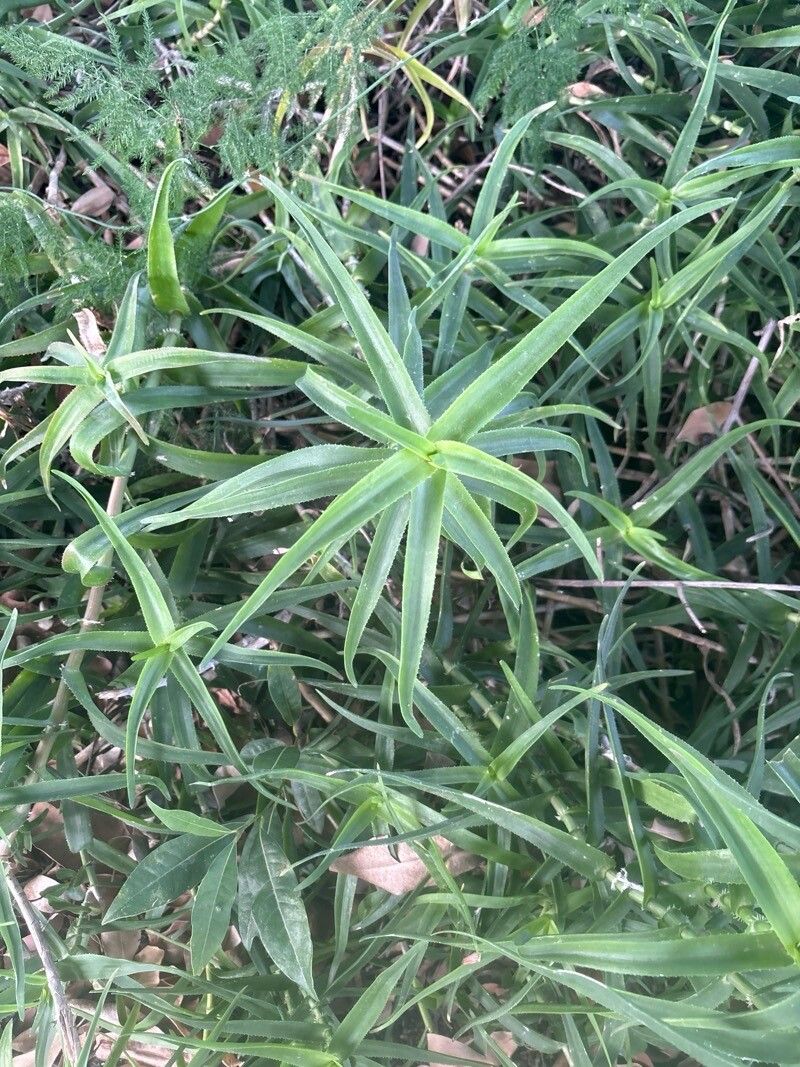
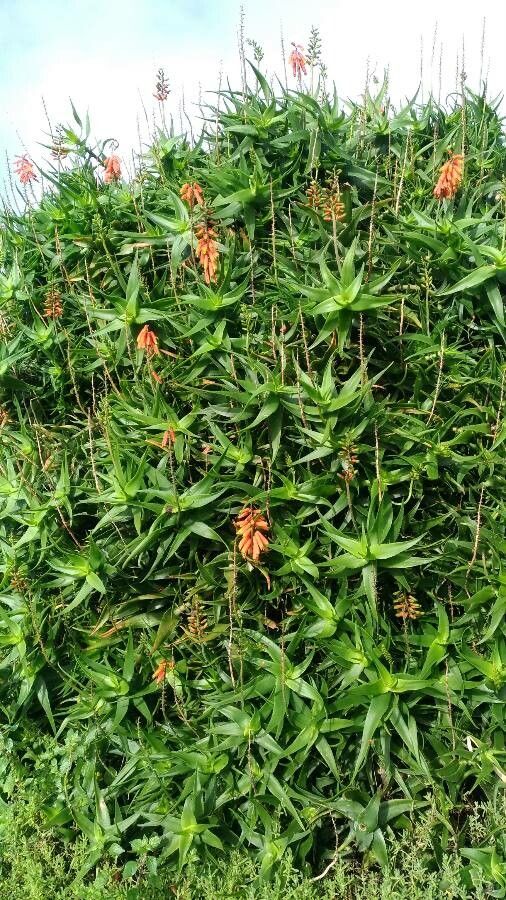
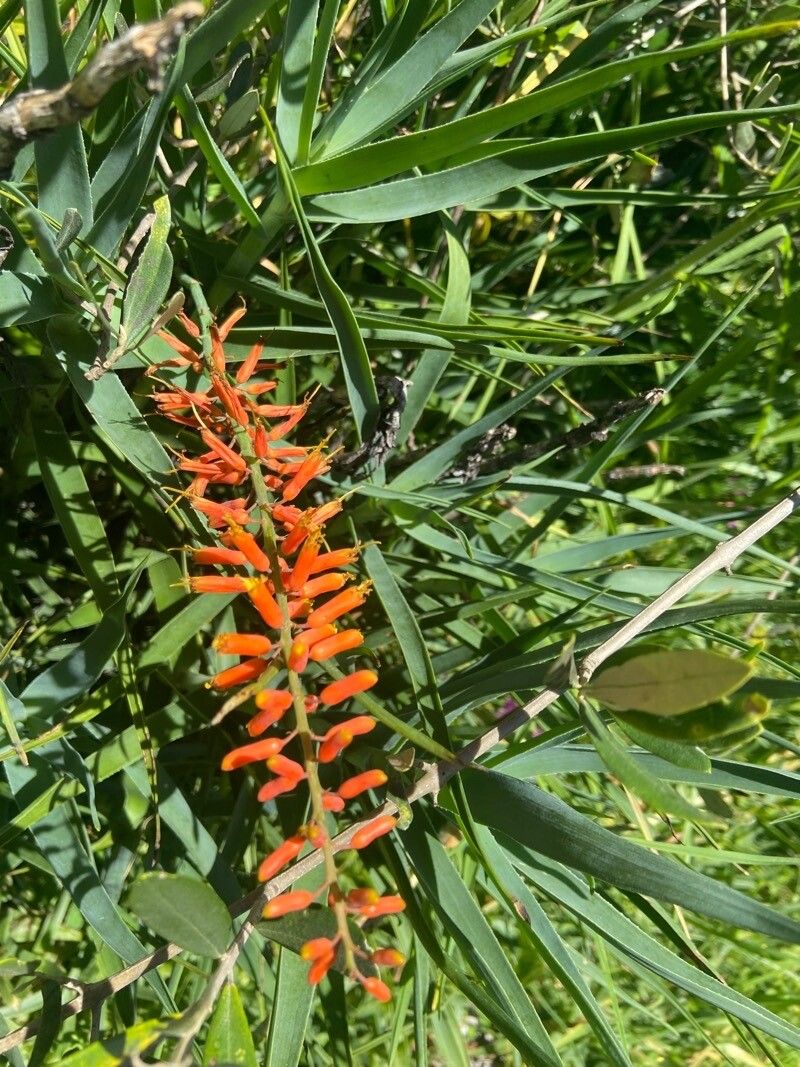
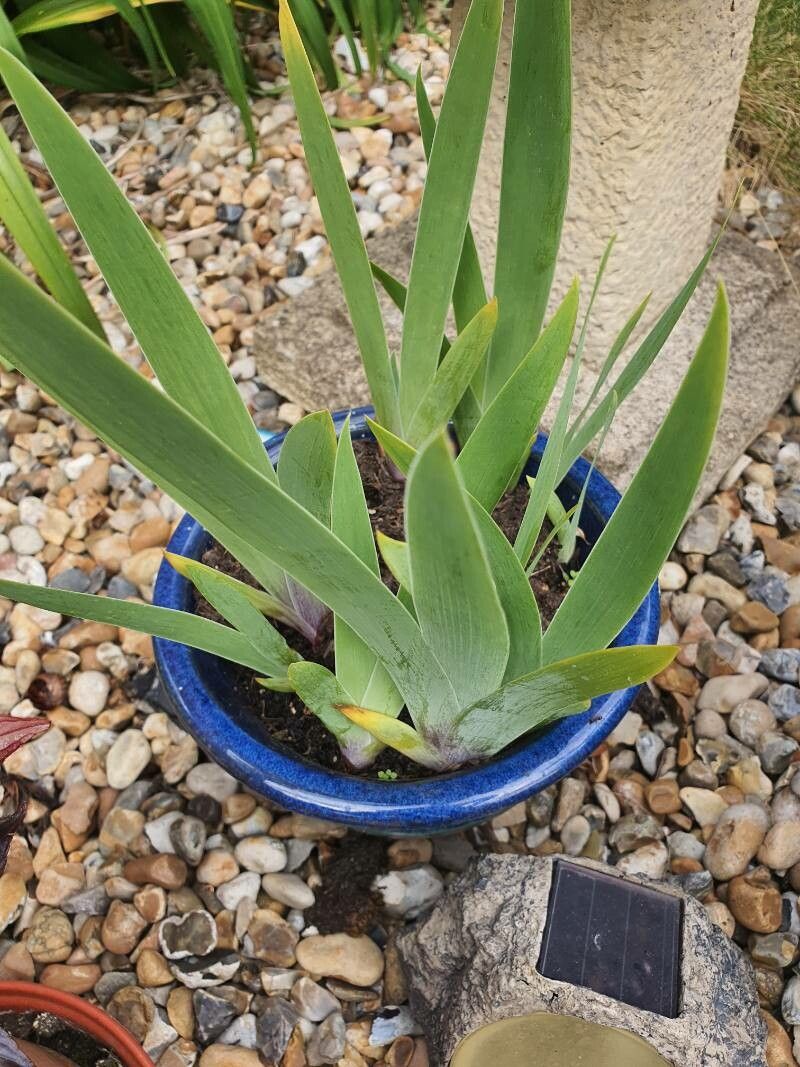
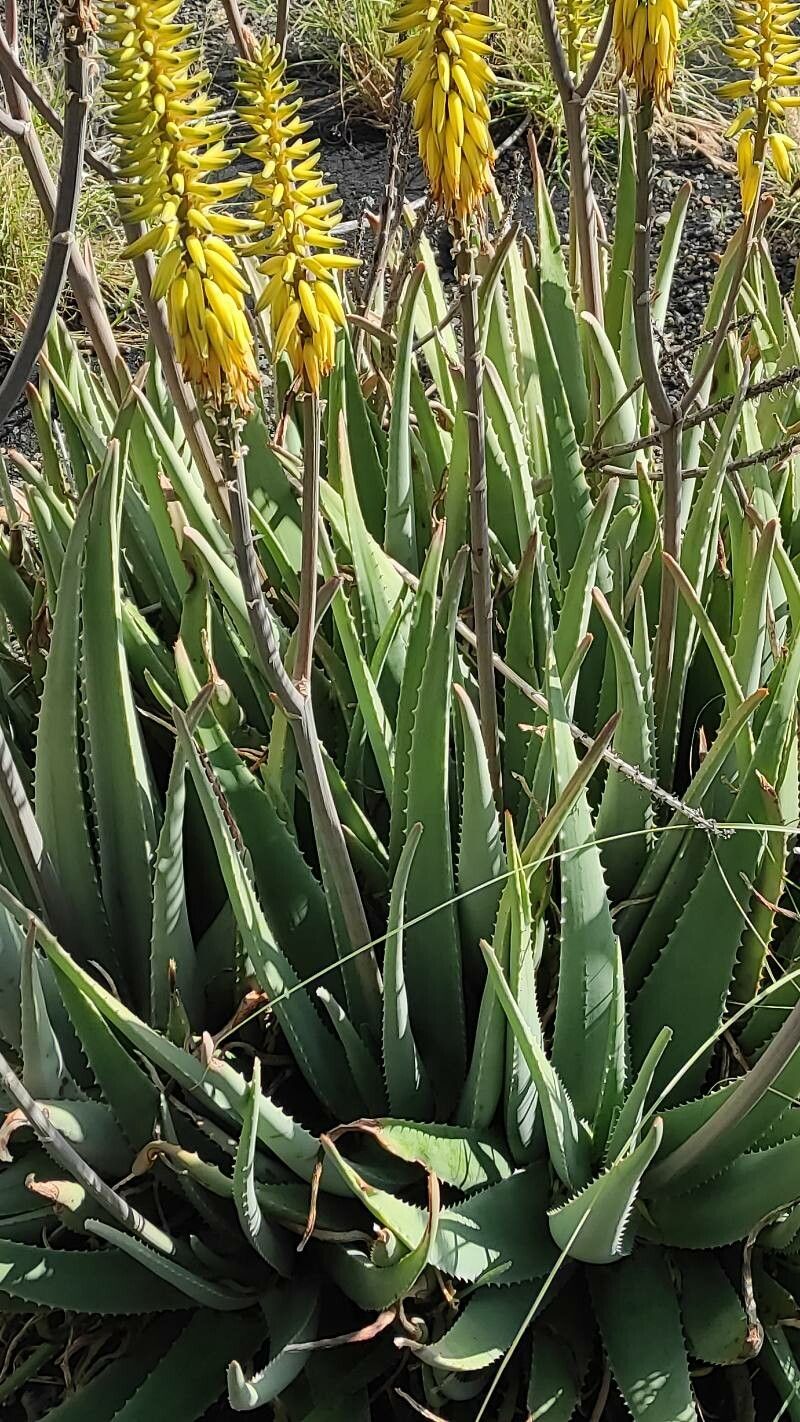
Aloiampelos tenuior, formerly Aloe tenuior, the fence aloe, is a bushy, multi-branched succulent plant from the grasslands and thickets of the Eastern Cape, Kwazulu Natal and Mpumalanga, South Africa. Its preferred habitat is sandy soils in open country, unlike many of its relatives that favour thicket vegetation. It is one of the most profusely flowering of all aloes and their relatives.
Fence aloe is highly resistant to diseases and, with routine care, is unlikely to become ill. It is also not readily affected by most pests and infections. Regarding care needs, Fence aloe is drought-tolerant and can withstand extended intervals without watering. It requires little fertilizer and typically does not need pruning. For these reasons, it is a suitable plant for gardeners of any skill level, particularly for those who prefer to spend less time on plant maintenance. It is an appropriate option for people who are away for long stretches and may occasionally forget to water their plants.
How to keep Aloiampelos Tenuior.
Light
Native to arid regions, Fence aloe thrives in full sun; its natural environment is defined by strong sunlight and minimal shade. It also tolerates partial sun, allowing some flexibility in its growth.
Water
Fence aloe is a drought-tolerant, arid-adapted plant that stores water in its succulent leaves. It typically requires watering about once a week. As an evergreen plant, it retains its foliage throughout the year. Fence aloe can be grown both indoors and outdoors, but it thrives best in warm climate zones.
Temperature
Fence aloe does best in warm conditions and needs higher temperatures during the growing season to encourage growth and metabolic activity. It prefers plenty of sunlight, proper moisture, and good air circulation. It can be damaged by very low temperatures and by excessive watering. It's also important to maintain balance and avoid temperatures that are too high or conditions that are too dry.
Fertilizer
Fence aloe only needs light doses of fertilizer once or twice a year during the growing season. Do not fertilize in winter or in summer when the plant is dormant. Cut back on feeding for plants that have been repotted, and wait a couple of months after repotting before you fertilize. Fertilizing helps maintain healthy growth and promotes blooming.
Pruning
Pruning fence aloe in early spring encourages healthy growth and an attractive shape. To improve air circulation, trim away dead stems and thin out crowded areas. Regular pruning boosts the health of the foliage and prevents legginess, making the plant a vibrant and appealing addition to your garden.
Botanical profile.
- Plant Type
- Succulent
- Life Cycle
- Perennial
- Genus
- Aloiampelos
- Family
- Asphodelaceae
- Hardiness Zone
- 9-11
- Mature Height
- 0 m to 3 m
- Mature Spread
- 49 cm to 91 cm
- Leaf Color
- Green
- Leaf Type
- Evergreen
- Flower Color
- Yellow, Orange
- Flower Size
- 2.03 cm to 3.05 cm
- Bloom Time
- Late fall, Early winter, Mid winter
- Planting Time
- Spring, Summer, Autumn
- Harvest Time
- Late winter, Early spring, Mid spring
- Native Area
- South Africa, Eswatini
Other names.