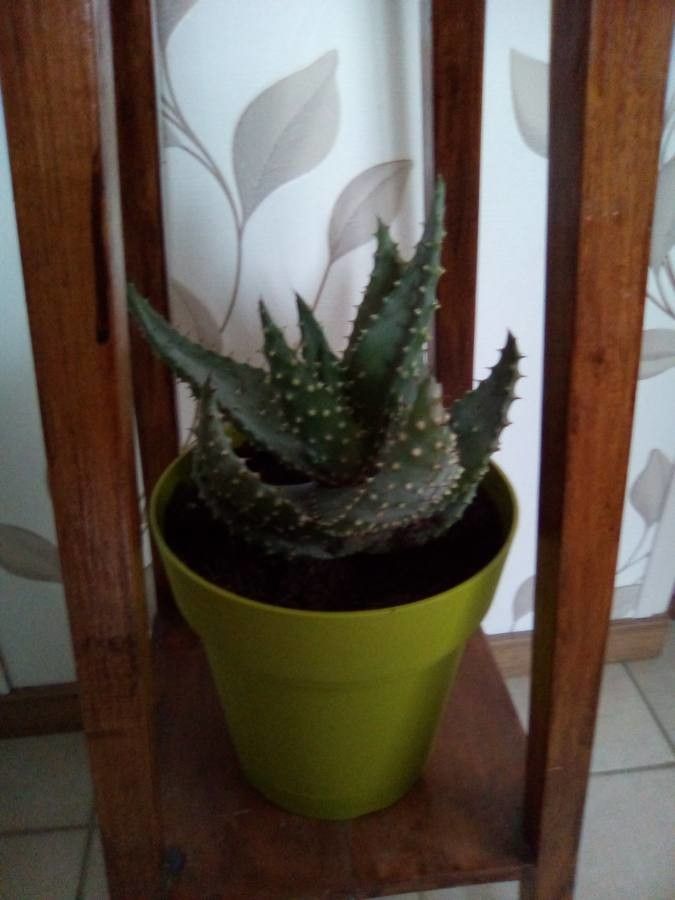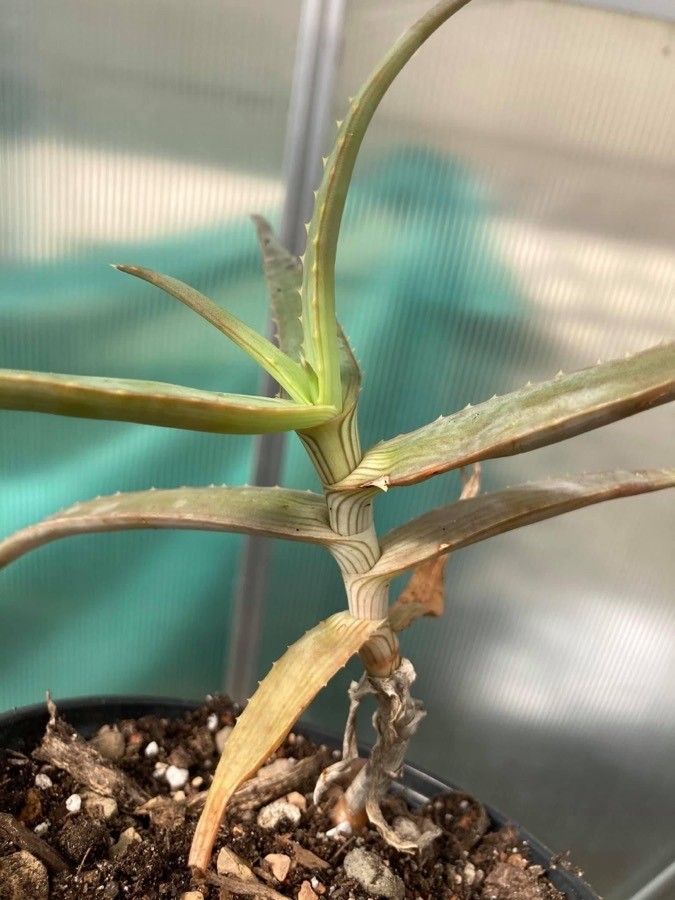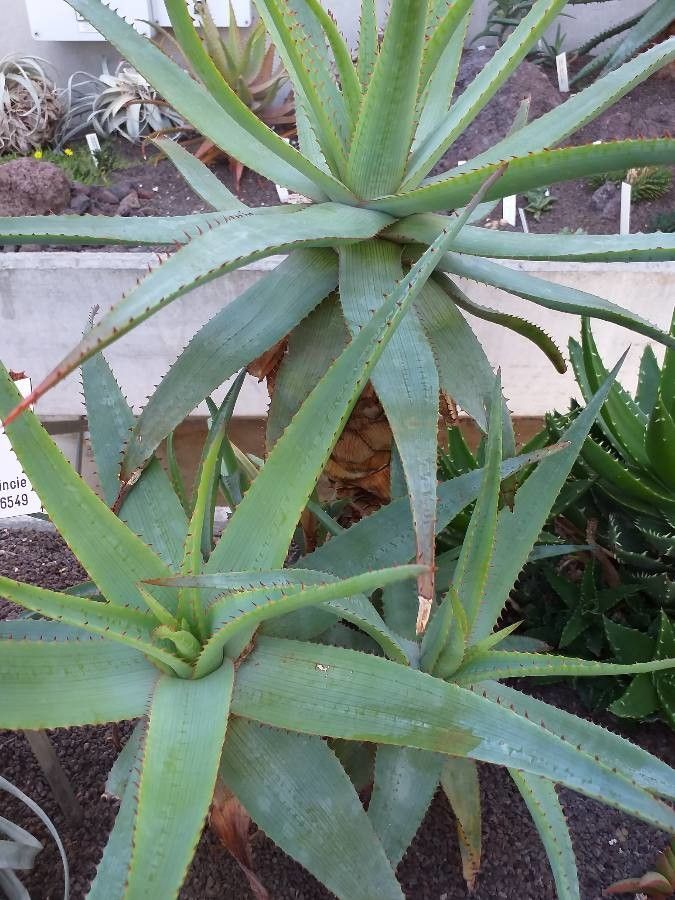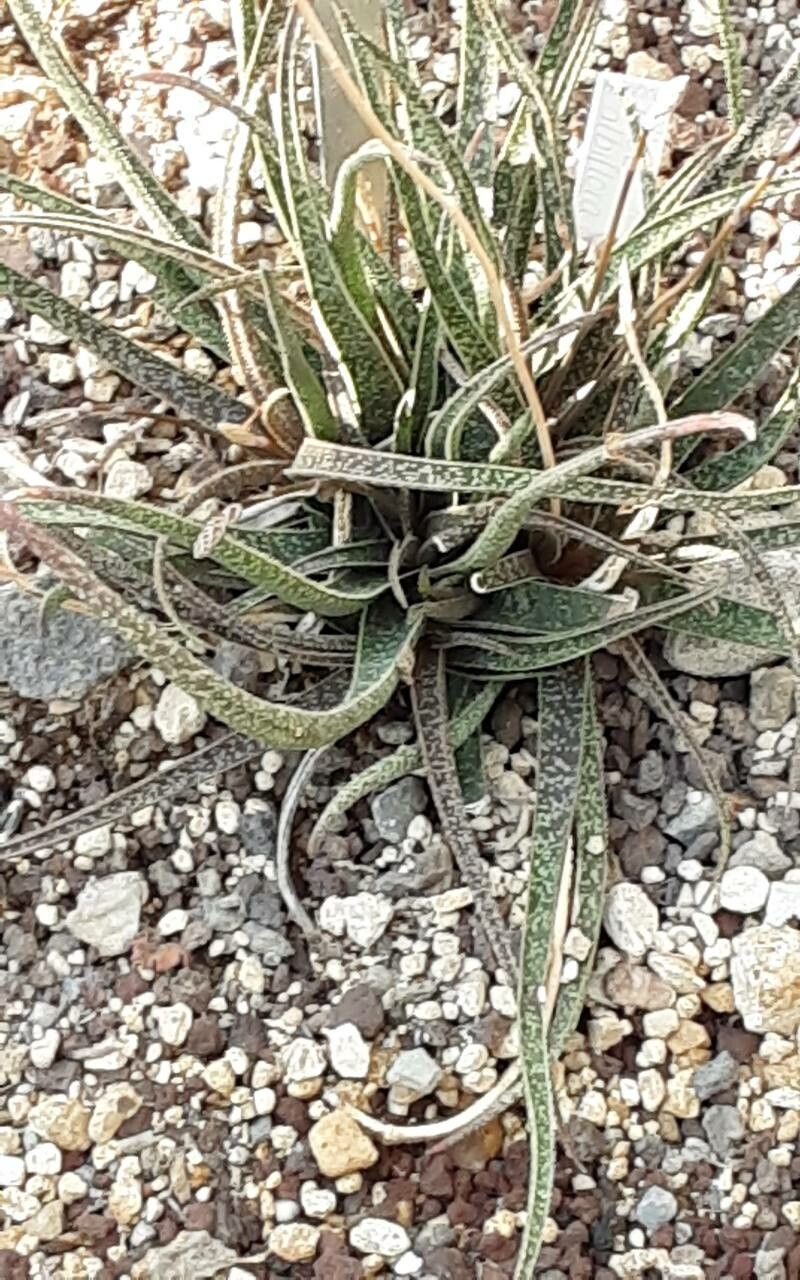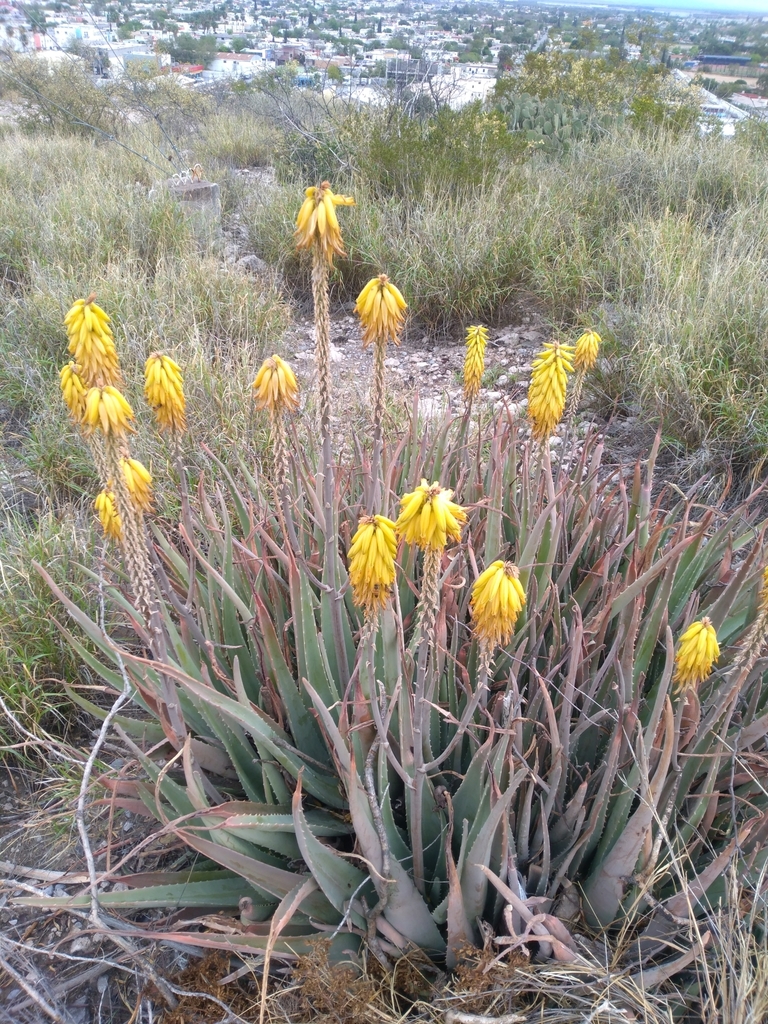
Aloe is a succulent plant belonging to the Asphodelaceae family. Originally native to Africa, it can now be found in many parts of the world. The plant features thick, fleshy leaves that are green or gray-green in color and can grow up to 2 feet long. These leaves are arranged in a rosette pattern and have small spines along their edges.
Aloe plants are renowned for their medicinal properties and have been used for centuries to treat various ailments such as burns, wounds, and skin irritations. The gel inside the leaves contains compounds with anti-inflammatory and antibacterial properties.
Besides its medicinal uses, Aloe is also popular as an ornamental plant due to its attractive appearance and low maintenance requirements. It can be grown both indoors and outdoors as long as it receives plenty of sunlight.
Overall, Aloe is a versatile plant that offers numerous benefits for both health and aesthetic purposes, making it an excellent addition to any garden or home collection.
Aloe vera has strong disease resistance and is less likely to become ill when given normal care. It is also not easily affected by most pests and diseases. Regarding care needs, aloe vera is drought-resistant and can endure long periods without watering. It requires little fertilizer and typically does not need pruning. This makes it a suitable plant for people of any experience level, especially those who prefer to spend less time on plant care. It is a good option for people who are often away for extended periods and may forget to water their plants regularly.
How to keep Aloe Vera.
Light
Aloe vera thrives under moderate sun exposure, though it can tolerate conditions with intense or minimal sunlight. The herb comes from environments where sunlight levels fluctuate, which contributes to its robust adaptability. Excessive sunlight, or a lack of it, can impair the plant's health, potentially causing an unhealthy appearance or stunted growth.
Water
Aloe vera, native to arid regions, is highly drought-tolerant and requires minimal watering, typically only once every three weeks. Its thick leaves efficiently store water, making it ideal for indoor cultivation. For best results, plant it in well-draining soil that mimics its natural desert habitat.
Humidity
This plant prefers dry conditions, so don't mist it. However, watering it less often can also thrive in higher humidity.
Temperature
In its natural habitat, aloe vera grows best at an average temperature of 68 to 100 ℉ (20 to 38 ℃). It does well in warm, dry conditions with low humidity. Across seasons, it’s advisable to adjust temperatures to keep them within this preferred range.
Fertilizer
For Aloe vera, light applications of fertilizer once or twice a year during the growing season are adequate. Avoid fertilizing in winter and during the summer dormancy. Reduce feeding for plants that have been repotted and wait a couple of months after repotting before applying fertilizer. Fertilizing helps maintain healthy growth and encourages flowering.
Pruning
Aloe vera needs very little pruning. You only need to remove spent flower stalks and any dead or discolored leaves. Trim away any orange or brown leaves to help direct nutrients to the healthier parts of the plant. For smaller plants, use a knife, and for larger plants, use pruning shears.
Pot & Repot
When repotting Aloe vera, choose a pot slightly larger than the current one that provides good drainage. Use a gritty, well-draining cactus or succulent mix. Gently remove the plant from its old pot, brush away excess soil, and set it in the new pot at the same planting depth. Wait a few days before watering so any root damage can heal. Repot in spring or fall and place it in a brightly lit location.
Botanical profile.
- Plant Type
- Succulent, Herb
- Life Cycle
- Perennial
- Genus
- Aloe
- Family
- Asphodelaceae
- Hardiness Zone
- 9-12
- Mature Height
- 20 cm to 91 cm
- Mature Spread
- 20 cm to 49 cm
- Leaf Color
- Green, Gray, Silver, Blue
- Leaf Type
- Evergreen
- Flower Color
- Yellow, Orange
- Flower Size
- 5.08 cm to 10.16 cm
- Bloom Time
- Early summer, Mid summer
- Planting Time
- Spring, Summer, Autumn, Winter
- Harvest Time
- Mid summer
- Native Area
- Saudi Arabia, Yemen
Other names.
Reader questions.
When Should I Water My Aloe Vera?
Watering your aloe vera properly is vital for its health and growth. The plant thrives when it receives just the right balance of water, avoiding both over and under-watering. The best time to water is when the top 1-2 inches of soil are dry, which can be discerned by regularly checking the soil's moisture level. Indications that your aloe vera needs water include dry soil, leaves feeling thin and curling inwards, a change in leaf color to brown or a faded green, and the appearance of leaf splits. Both over and under-watering can lead to significant health issues for the plant, including diseases and potentially plant death, so understanding these signs is crucial. However, it's important to ensure not to over-water as this can have adverse effects on the plant's health.
Why should I use fertilizer on my Aloe vera plant?
When growing Aloe vera, adding fertilizer to the growing medium provides essential nutrients. Despite its ability to store water and nutrients, applying plant food during the growing season promotes healthy growth. Additionally, fertilizing can stimulate blooming in mature Aloe vera plants during the growing season.
What are the sunlight requirements for Aloe Vera?
Aloe vera thrives under moderate sun exposure, typically needing about 3-6 hours of sunlight, though it can endure both more intense and minimal sunlight conditions due to its robust adaptation from environments with variable sun levels. It is important to observe the movement of sunlight through your garden to ensure the plants receive a balance of light and shade for optimal health. Watch out for signs indicating too much or too little light, as these can lead to an unhealthy appearance or stunted growth.
What is the best temperature for your Aloe vera plant?
Keeping Aloe vera in a specific range of conditions is best. The ideal temperatures for it are between 75-90℉ (25-32℃). In the early winter season, it shouldn't be exposed to temperatures below 75℉ (25℃). If you move it indoors, it will be better protected from extreme temperature changes. Although Aloe vera can tolerate some extreme temperatures, it is not ideal. It can sometimes survive in low temperatures around 50℉ (15℃), but if winter conditions are expected outside, it's recommended to bring it indoors.
How Should I Water My Aloe Vera?
Aloe vera, being a succulent, has unique watering requirements that are key to avoid root rot and disease. The preferred methods of watering include bottom watering, which allows the plant to absorb necessary moisture without dampening the foliage, and using a watering can with a long, narrow spout to directly water the soil. Using a moisture meter can help avoid over or under-watering by providing an accurate measure of the soil's moisture level at the root. When watering, it's crucial to focus on soaking the potting medium around the base of the plant as opposed to the foliage itself to prevent rot. Also, ensure to water only when the soil is completely dry to cater to aloe vera's sensitivity to overwatering.
When should I add fertilizer to my Aloe vera plant?
Aloe vera plants require minimal fertilizer, with recommended fertilization occurring 1-2 times per year during the growing season. It is best to fertilize in the spring and autumn, avoiding winter and summer when the plant is dormant. If you have recently repotted your Aloe vera, it is important to reduce the amount of fertilizer and wait a few months before beginning to fertilize again.
Can Aloe Vera be grown with artificial lighting?
Yes, aloe vera can be grown with artificial lighting, which is especially useful in winter or less sunny spaces where natural sunlight is insufficient. Artificial lights, such as LED lights customized for plant growth, can provide the specific wavelengths needed. The intensity of artificial light required varies based on the plant's natural sunlight needs: 30-50W/sq ft for full sun plants, 20-30W/sq ft for partial sun plants, and 10-20W/sq ft for full shade plants. The light source should be placed 12-36 inches above the plant, mimicking natural daylight for 8-12 hours per day.
How do I change the temperature for my Aloe vera as it grows in different stages?
Aloe vera goes through different growing phases. First, the dormant seed develops into a seedling. These dormant seeds require specific conditions to grow, including a temperature of 75-90℉ (25-32℃) for germination. For optimal growth, it is best to plant them during the summer when the temperature is around 85℉ (30℃). During the hot summer months, you can move your Aloe vera from indoors to a spot with plenty of sunlight to ensure it receives enough light.
How Much Water Does Aloe Vera Really Need?
Aloe vera requires minimal water due to its adaptation to arid conditions, making it different from more water-reliant plants. It's beneficial to provide small, frequent waterings, allowing the soil to dry out completely between sessions. Typically, watering every 2-3 weeks is satisfactory, depending on factors like pot size, plant size, and environment. Proper hydration is indicated by plump, green, and fleshy leaves. Over-watering can lead to soft, mushy leaves and root rot, whereas under-watering results in dry, brittle leaves. Using a well-draining potting mix and erring on the side of underwatering can help maintain optimal moisture levels.
When is it not a good idea to add fertilizer to my Aloe vera plant?
Aloe vera, like other plants, goes through a dormancy period where fertilizer applications should be stopped. The plant stops growing in both summer and winter, so it's best to avoid fertilizing during these times. It's also recommended to refrain from fertilizing for the first few months after repotting in the spring.
What are the common symptoms of incorrect sunlight exposure in Aloe Vera?
Aloe vera shows several symptoms when exposed to incorrect sunlight levels. Insufficient sunlight can cause leaves to develop irregular color patterns, appear pale, or display leggy growth, indicating a lack of chlorophyll and essential nutrients. Conversely, excessive sunlight leads to conditions like chlorosis, sunscald, leaf curling, wilting, and leaf scorching, damaging the plant's ability to photosynthesize and reducing overall health. It's crucial to monitor these symptoms closely and adjust the plant's exposure to sunlight accordingly.
How can I make sure my Aloe vera doesn't get too cold during cold seasons?
To protect your Aloe vera from harsh winter conditions, it is recommended to bring it indoors. Some people choose to use grow lights to give their plant enough sunlight, but if your home is not very dark, you may not need these lights. When positioning your plants, aim for areas with the most sunlight. This should provide enough light for your Aloe vera to thrive during winter. If you have multiple Aloe vera plants, remember to rotate them so that they all receive adequate sunlight. If you live in northern regions with frigid weather, avoid placing your Aloe vera too close to the window, as the cold may cause damage to the plants.