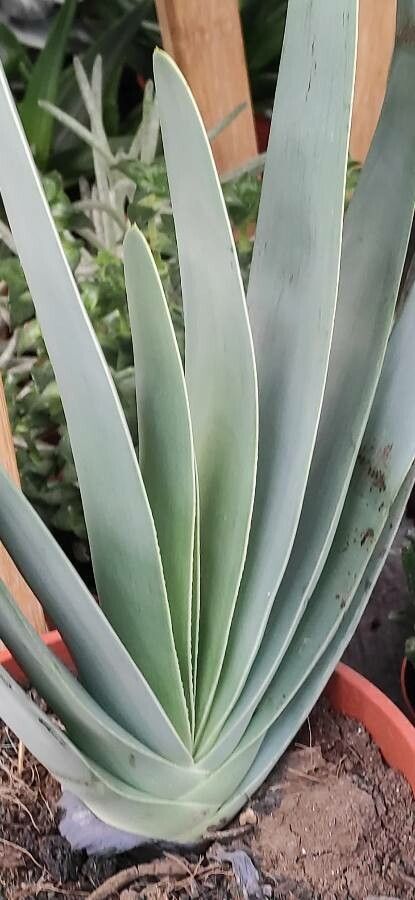
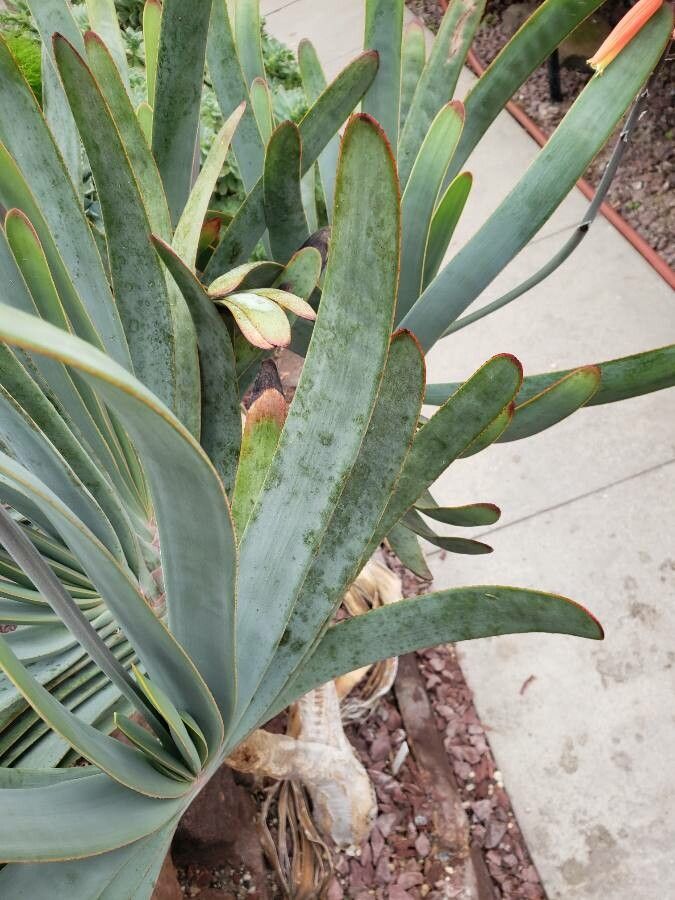
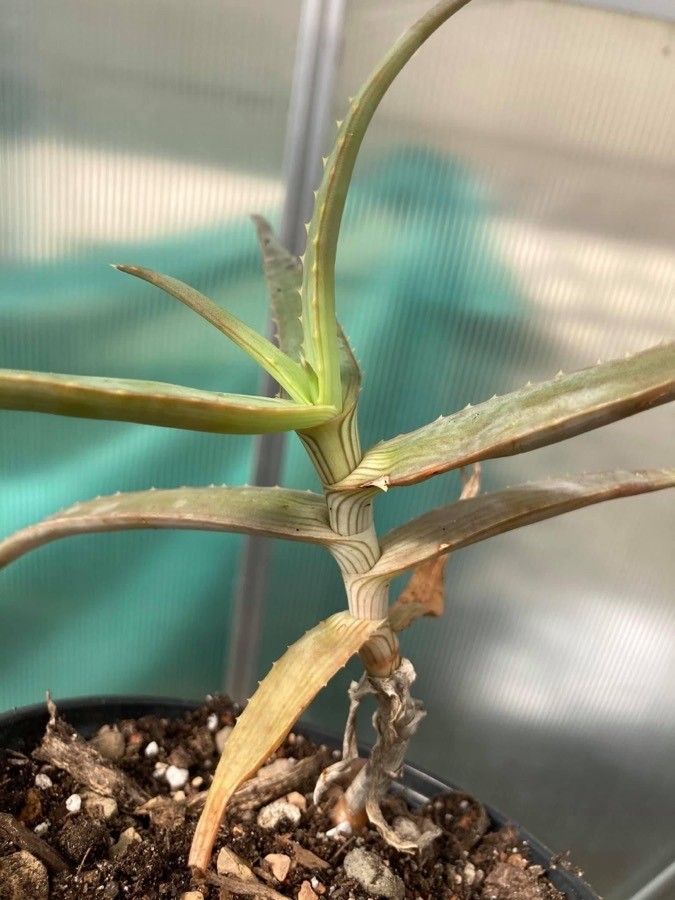
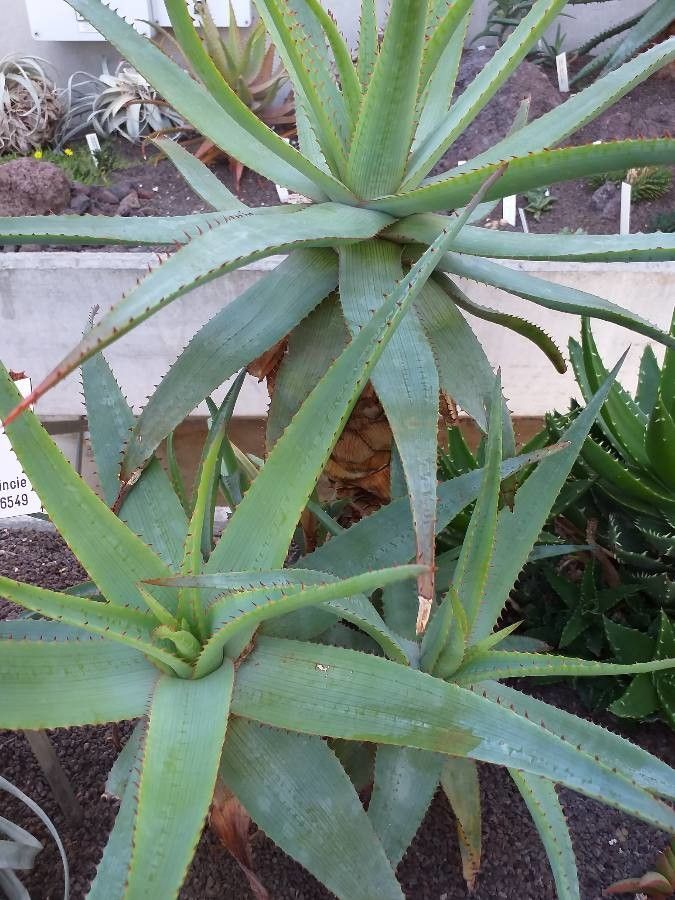
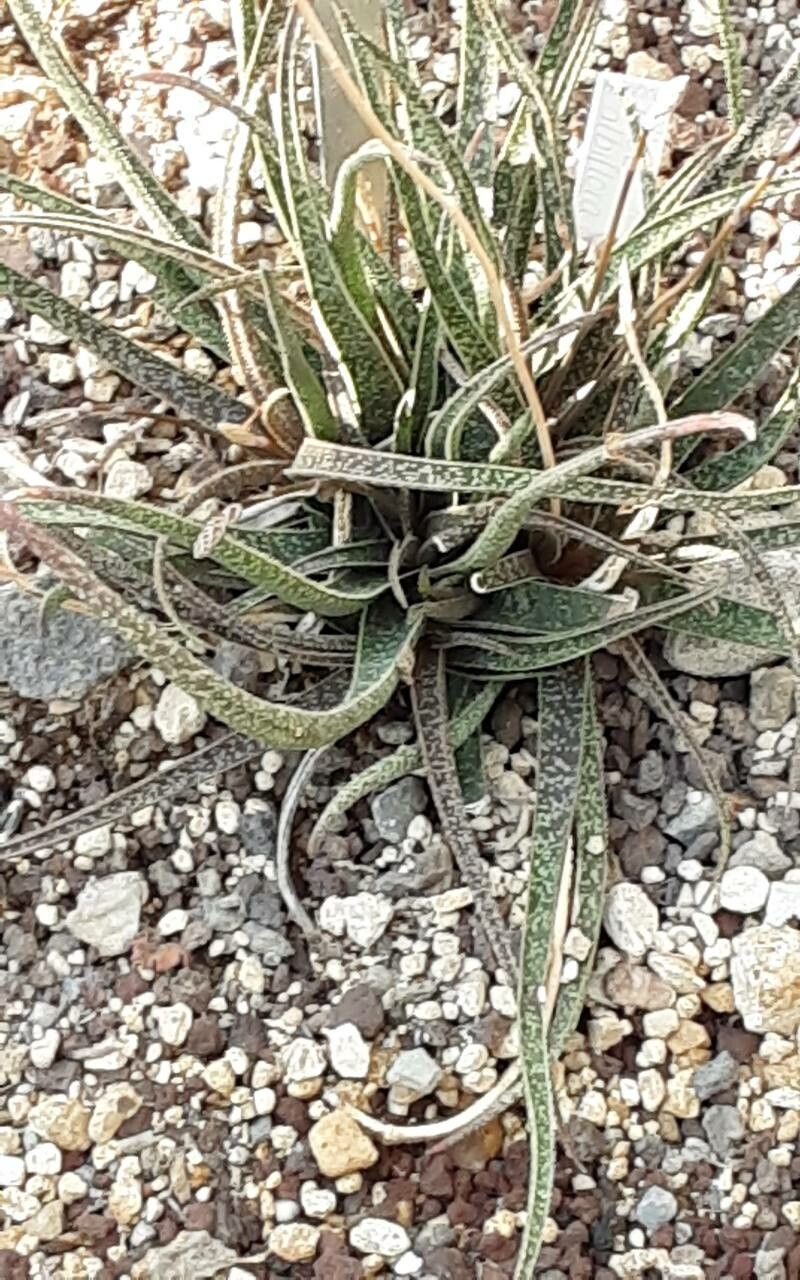
Aloe plicatilis, also known as the fan aloe or Kumara plicatilis, is a unique succulent native to the Western Cape province of South Africa. Belonging to the Asphodelaceae family, this plant is characterized by its distinctive fan-shaped growth habit. It typically reaches up to 3 meters in height and 2 meters in width, featuring multiple stems that emerge from a central point.
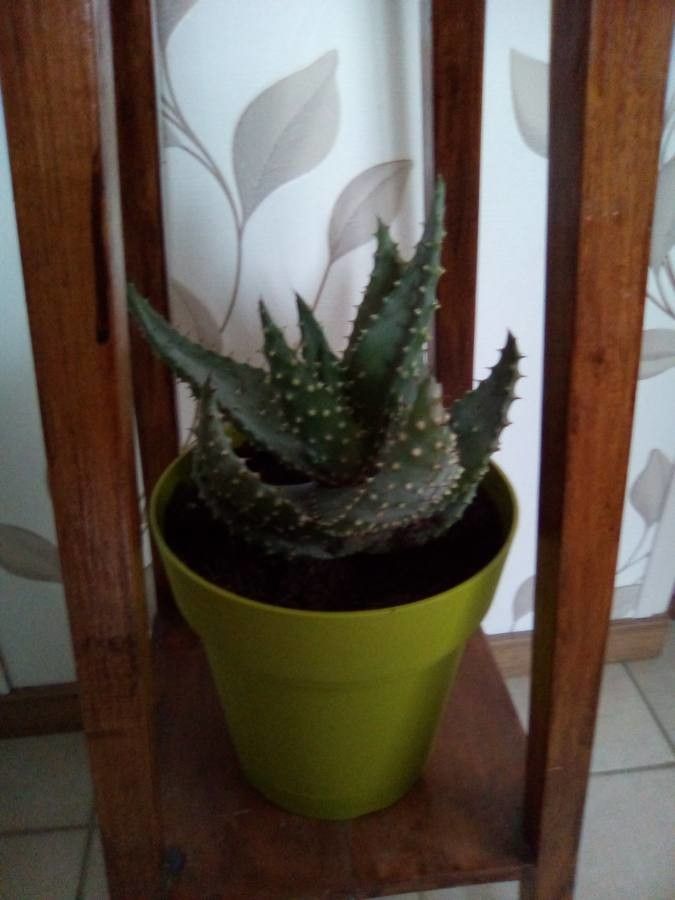
The leaves of Aloe plicatilis are thick and fleshy, with serrated edges that contribute to its unique appearance. They are arranged in an overlapping pattern along the stems, forming an eye-catching rosette-like structure. The leaves are generally green, but they can take on reddish or brownish hues when exposed to direct sunlight.
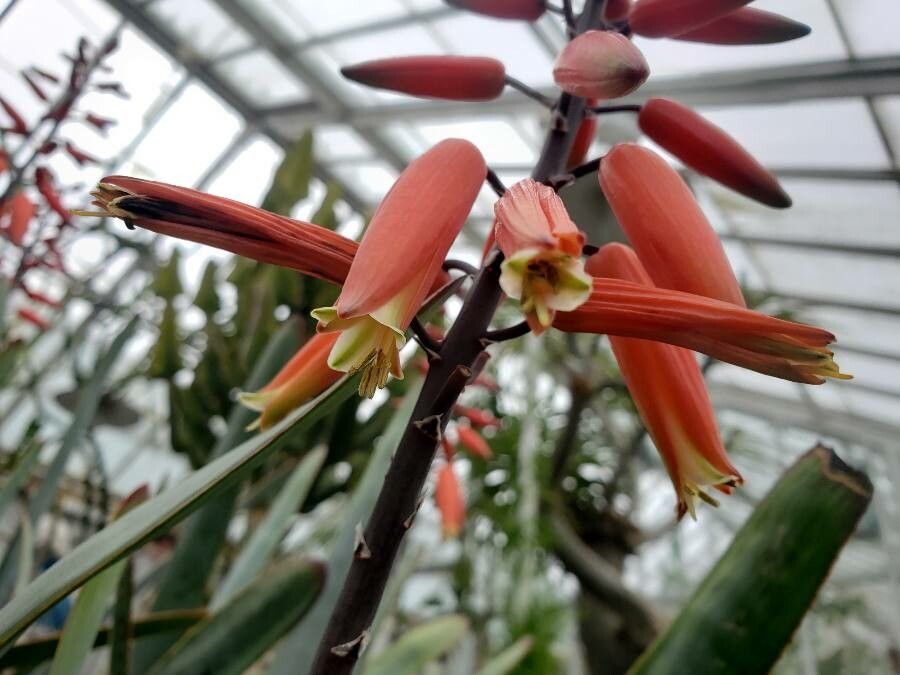
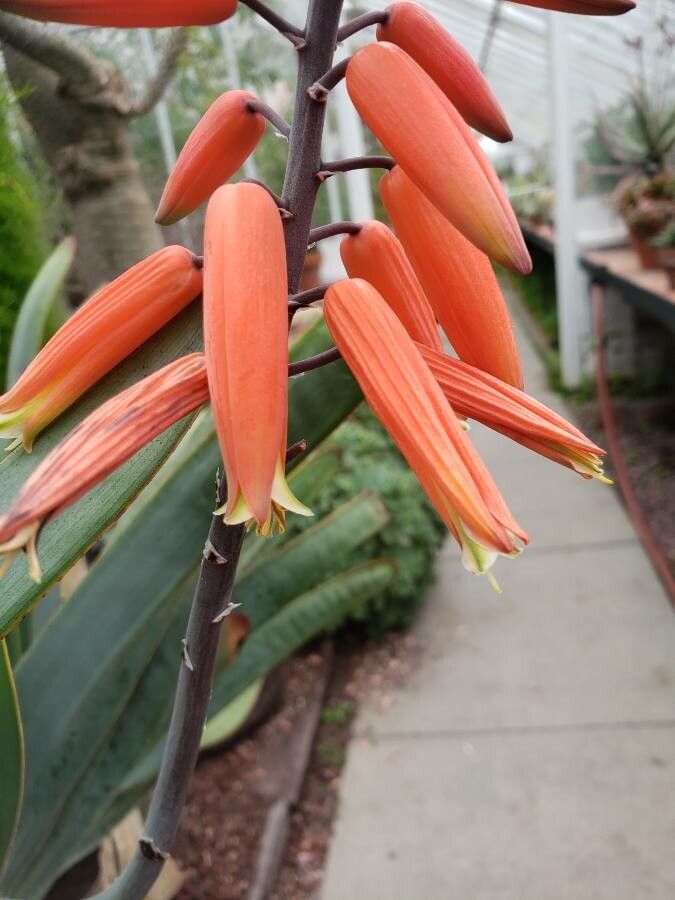
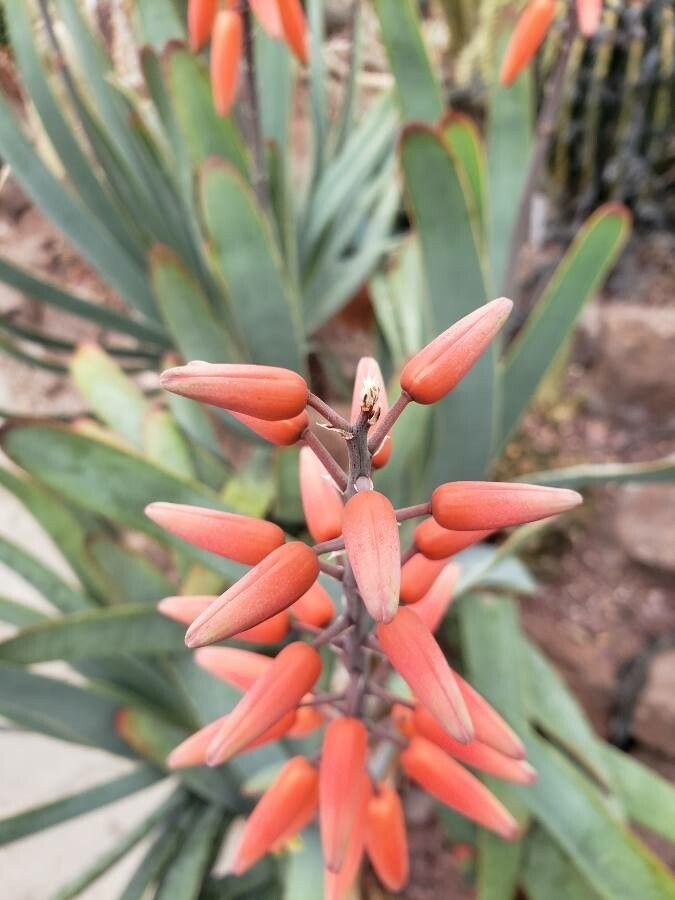
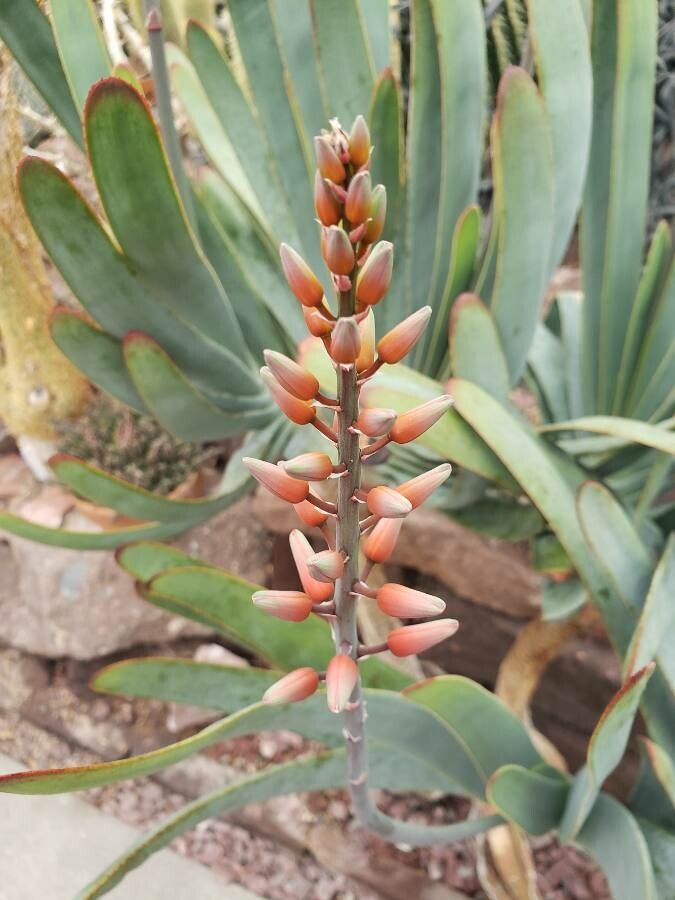
In late winter and early spring, Aloe plicatilis produces beautiful orange-red flowers on tall spikes, which attract pollinators such as birds and bees.
This succulent prefers well-draining soil with moderate moisture levels but can tolerate periods of drought once established. It thrives in full sun or partial shade but may require protection from extreme heat during hot summer months.
Overall, Aloe plicatilis is an attractive ornamental plant that adds interest to any garden or landscape design, thanks to its unique growth habit and striking appearance when in bloom.
Fan Aloe shows strong resistance to disease and under normal care conditions is unlikely to become ill. It is also not highly vulnerable to most pests and ailments. Regarding maintenance, Fan Aloe tolerates drought and can withstand extended intervals without watering. It requires little fertilizer and typically does not need pruning. Because of these traits, it is an appropriate plant for gardeners of any skill level, particularly for people who prefer to spend less time on plant care. It is well suited for those who are away for long stretches and might occasionally forget to water their plants.
How to keep Aloe Plicatilis.
Light
The fan Aloe grows best when placed in full sun, which supports vigorous growth. Its native habitat had plentiful daylight with shaded areas that provided secondary light. At every stage of growth, abundant sunlight remains important. Excessive or insufficient sunlight can harm its health, leading to discoloration and reduced growth.
Humidity
This plant prefers dry conditions, so don't mist it. However, watering it less often can also thrive in higher humidity.
Temperature
Native to an area with moderate temperatures, fan Aloe grows best in a range of 68 to 100 °F (20 to 38 ℃). To replicate its natural conditions, keep indoor temperatures within that range year-round.
Fertilizer
Fan Aloe only needs light fertilizer applications once or twice a year during the growing season. Avoid fertilizing in winter and during summer dormancy. Cut back on fertilizer for plants that have been repotted and wait a couple of months after repotting before fertilizing. Fertilizing promotes healthy growth and encourages blooming.
Botanical profile.
- Plant Type
- Tree
- Life Cycle
- Perennial
- Genus
- Aloe
- Family
- Xanthorrhoeaceae
- Hardiness Zone
- 9-11
- Mature Height
- 3.05 m to 4.88 m
- Mature Spread
- 2.13 m
- Leaf Color
- Green, Blue, Silver
- Leaf Type
- Evergreen
- Flower Color
- Red, Green, Orange
- Flower Size
- 5.08 cm
- Bloom Time
- Fall
- Planting Time
- Spring, Summer, Autumn
- Harvest Time
- Early winter, Mid winter
- Native Area
- South Africa
Other names.