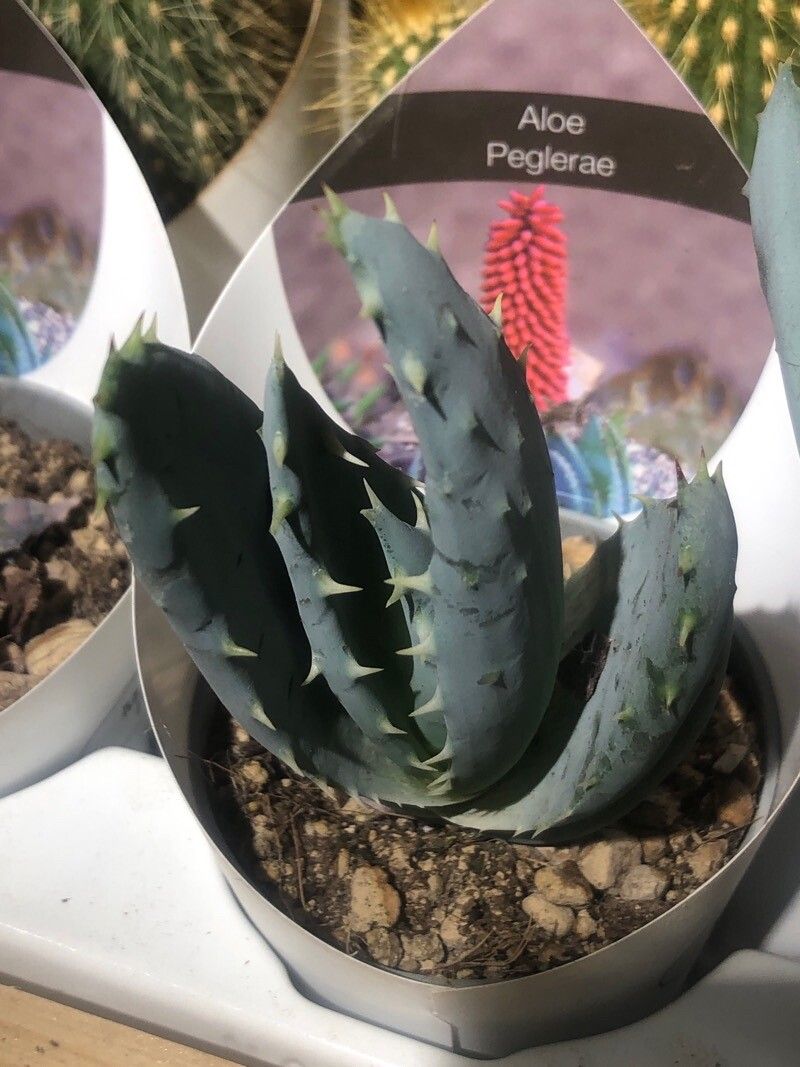
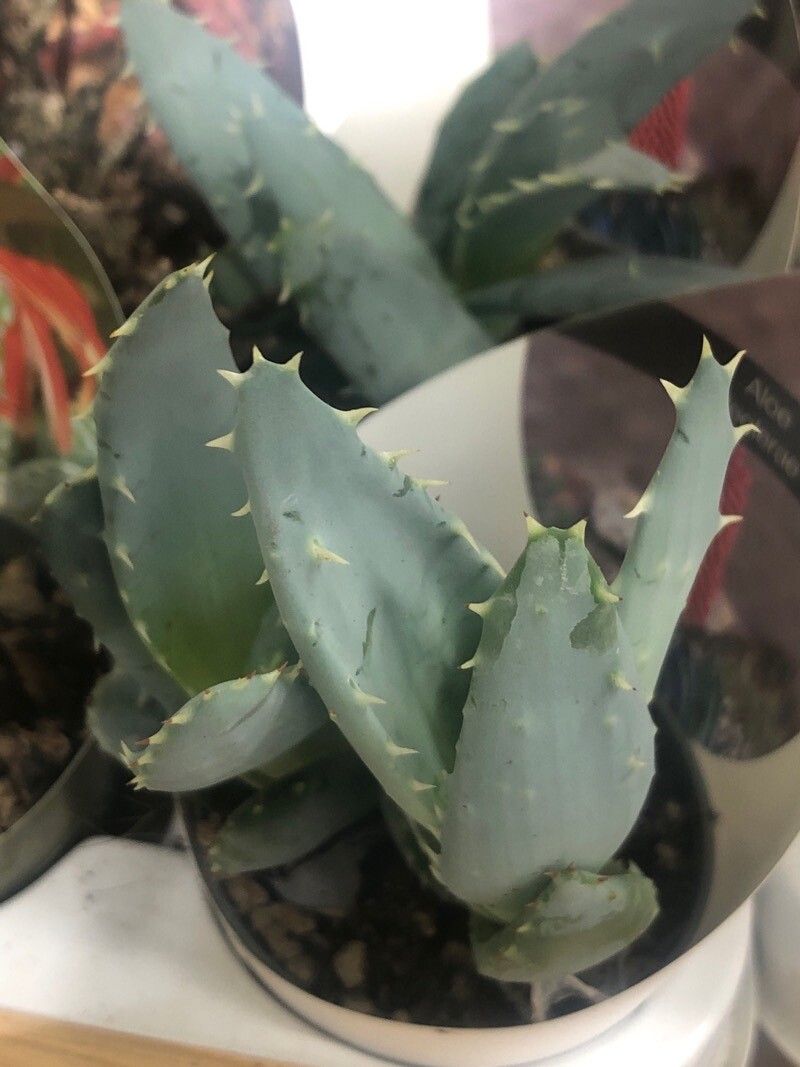
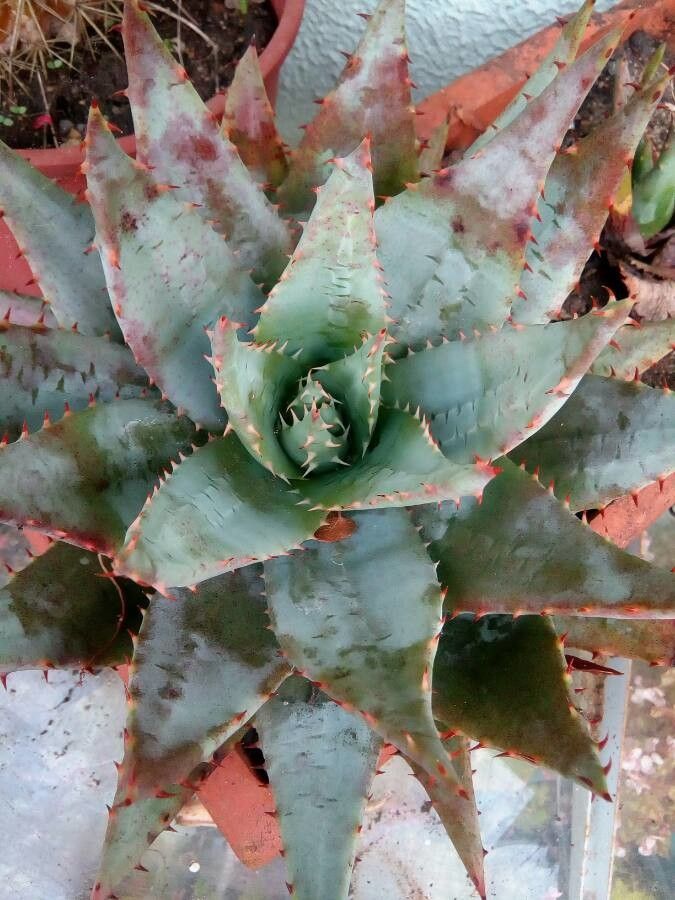
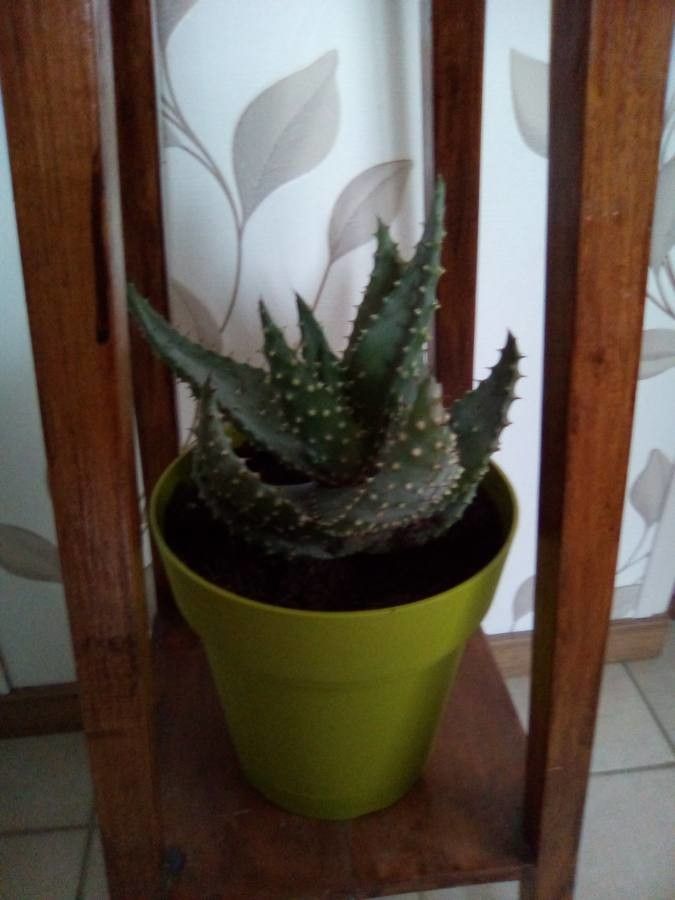
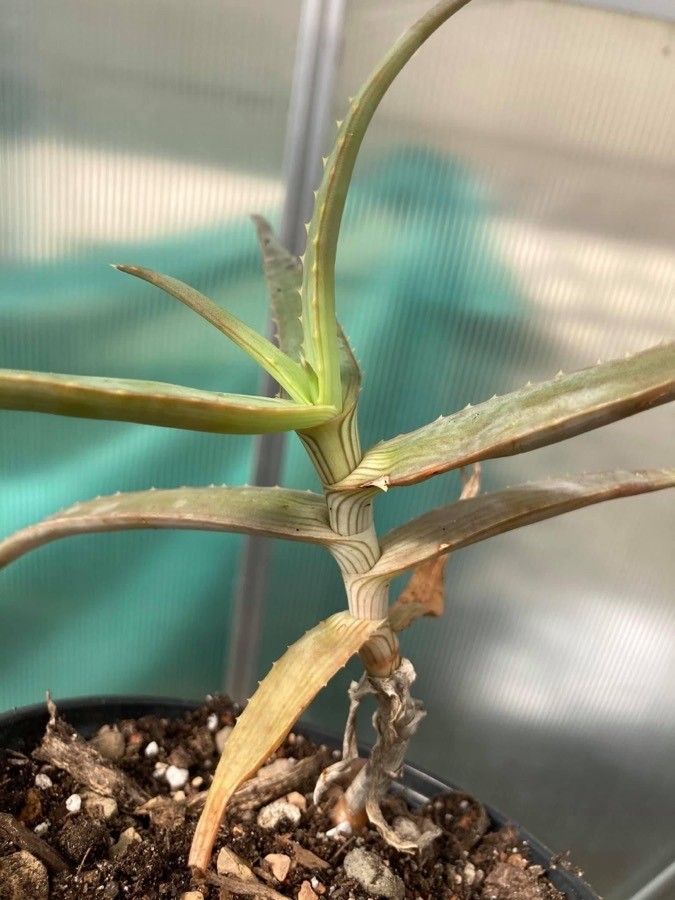
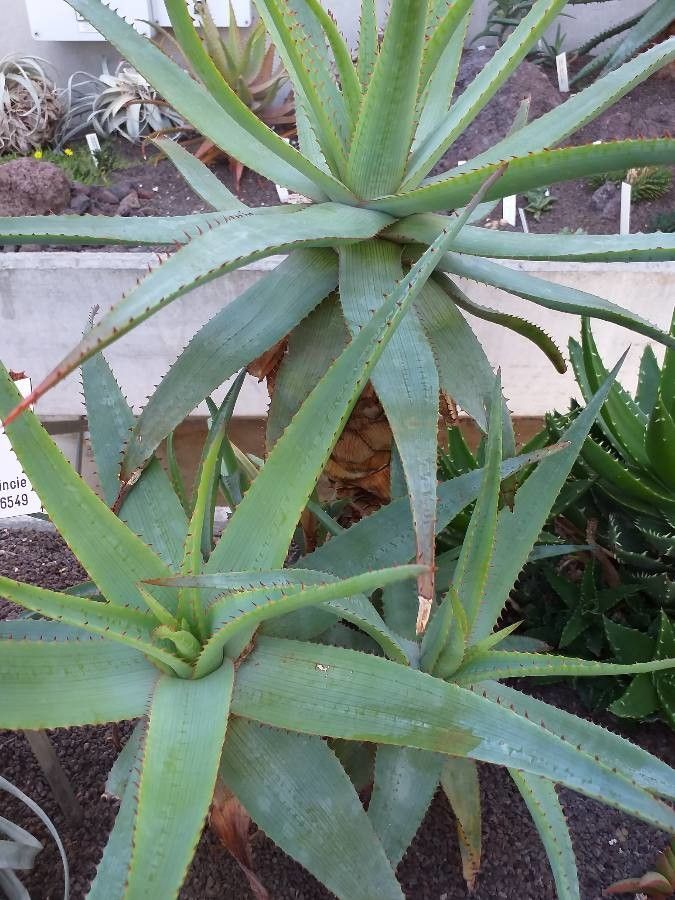
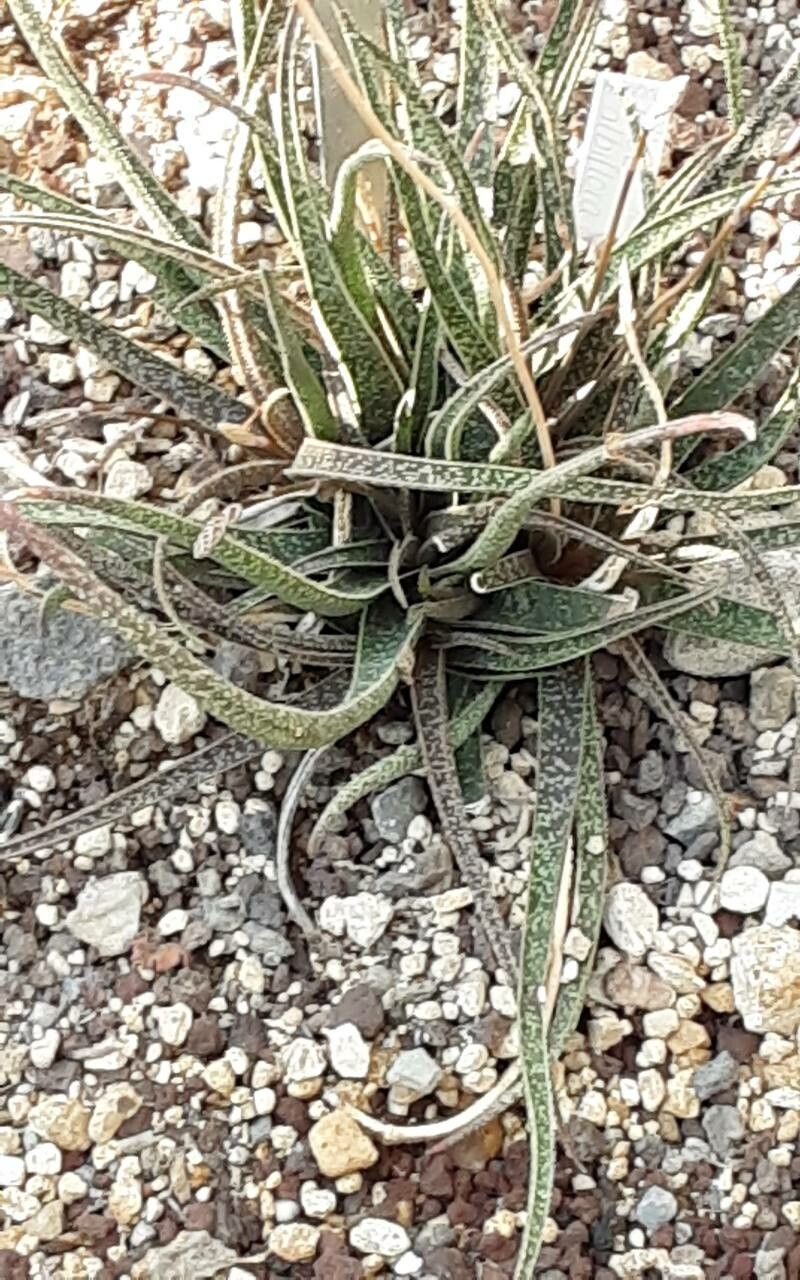
Aloe peglerae is a succulent plant species in the Aloe genus and the Asphodelaceae family. Native to South Africa, this plant thrives in rocky areas, hillsides, and grasslands. It forms a rosette of thick, fleshy leaves that are green-grey with white spots on their surfaces. The leaves are spirally arranged around the stem and can grow up to 30 cm long.
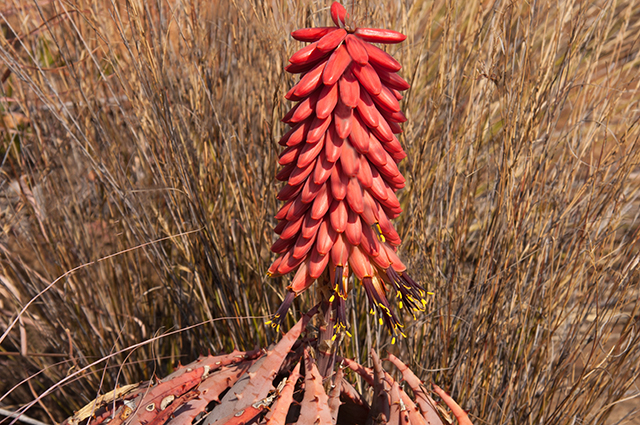
The Aloe peglerae produces tall spikes of tubular flowers that are either orange-red or pinkish-red. These flowers bloom in winter or early spring, attracting pollinators such as birds and insects.
The plant is well-suited to drought conditions due to its ability to store water in its leaves, making it an ideal choice for xeriscaping gardens or for those living in arid regions.
Traditionally, indigenous people have used Aloe peglerae for medicinal purposes, including treating wounds, burns, skin irritations, and digestive issues like constipation.
Overall, this unique succulent species makes an excellent addition to any garden, thanks to its striking appearance and low maintenance requirements. Its popularity continues to grow among gardeners worldwide.
Fez aloe has moderate disease resistance but is more sensitive to humidity. It becomes vulnerable to disease when humidity is high and is likely to suffer root rot during dormancy. Regarding care, Fez aloe tolerates drought but requires increased watering in the growing season. Watering should be greatly reduced or stopped entirely during the dormant period. Fez aloe is appropriate for people with some growing experience, though it can be challenging to care for, particularly while dormant. It is particularly suited to those who can spend time tending to it over the winter months.
How to keep Aloe Peglerae.
Light
Originating from dry regions, the Fez aloe performs best in full sun, its native habitat marked by intense sunlight and scarce shade. It can also tolerate partial sun, giving it some flexibility in growth.
Water
Fez aloe flourishes in arid environments and requires only minimal moisture. It needs to be watered infrequently, roughly once every three weeks. Its ability to withstand drought makes it an excellent choice for xeriscaping and rock gardens. The plant efficiently stores water, allowing it to survive dry periods by drawing on its internal reserves, making it well-suited for areas with seasonal rainfall.
Temperature
Although Fez aloe tolerates some heat, it mainly thrives and grows in cooler seasons and becomes dormant during summer. In very hot summer weather, provide shade to prevent scorching from strong sunlight. Watering should be cut back or stopped during the hottest part of the year to avoid root rot. Fez aloe shows vigorous growth in winter and spring. As long as temperatures do not drop too low, it will continue to grow steadily.
Fertilizer
For Fez aloe, light applications of fertilizer once or twice a year during the growing season are enough. Do not fertilize in winter or summer when the plant is dormant. Use less fertilizer for repotted plants and wait a couple of months after repotting before fertilizing. Fertilizing supports healthy growth and encourages blooms.
Pruning
Fez aloe is a resilient plant with thick, spiny leaves that requires minimal maintenance. To promote healthy growth, trim any dead leaves in early spring, being careful not to cut into healthy leaves. This not only improves the plant's appearance but also helps prevent disease. Always wear gloves when handling the plant to protect yourself from the spines. Additionally, remove any debris around the plant to ensure good airflow.
Toxicity
Fez Aloe is extremely toxic to both dogs and humans such that if any one consumes it, they will experience diarrhea, hypokalemia, pseudomelanosis coli and urinary problems. The toxicity is due to the glycosides contained in the plant. It is best to keep this plant away from the reach of children, dogs, and cats. Ensure to call your veterinarian if you suspect that one may have ingested it at home.
Further reading →
The toxicity and danger assessments provided are for reference only. We do not assure their accuracy, so it's crucial not to depend on them. Seek professional advice when necessary for accurate guidance.
Botanical profile.
- Plant Type
- Succulent
- Life Cycle
- Perennial
- Genus
- Aloe
- Family
- Asphodelaceae
- Hardiness Zone
- 9-12
- Mature Height
- 91 cm
- Mature Spread
- 91 cm
- Leaf Color
- Brown, Green, Orange, Gray
- Leaf Type
- Evergreen, Semi-evergreen
- Flower Color
- Red
- Flower Size
- 2.03 cm to 3.05 cm
- Bloom Time
- Late summer, Early fall
- Planting Time
- Spring, Summer, Autumn
- Harvest Time
- Mid fall, Late fall
- Native Area
- South Africa
Other names.
Reader questions.
How much sunlight does Fez aloe require?
Fez aloe, botanically known as Aloe peglerae, thrives in specific sunlight conditions to maintain its health and vitality. For optimal growth, it requires full sun, which is defined as receiving above 6 hours of sunlight daily. However, it can also tolerate partial sun, meaning it can grow in conditions where it receives about 3-6 hours of sunlight per day. It's important to observe the movement of sunlight through your garden throughout the day to find spots that offer a suitable balance of light and shade. This strategic placement ensures the plant's happiness by meeting its sunlight needs.
What is Fez aloe?
Fez aloe, scientifically known as Aloe peglerae, is a plant species belonging to the Aloe genus. Detailed information such as its essential properties, symptoms it can address, and additional details are not provided in this context.