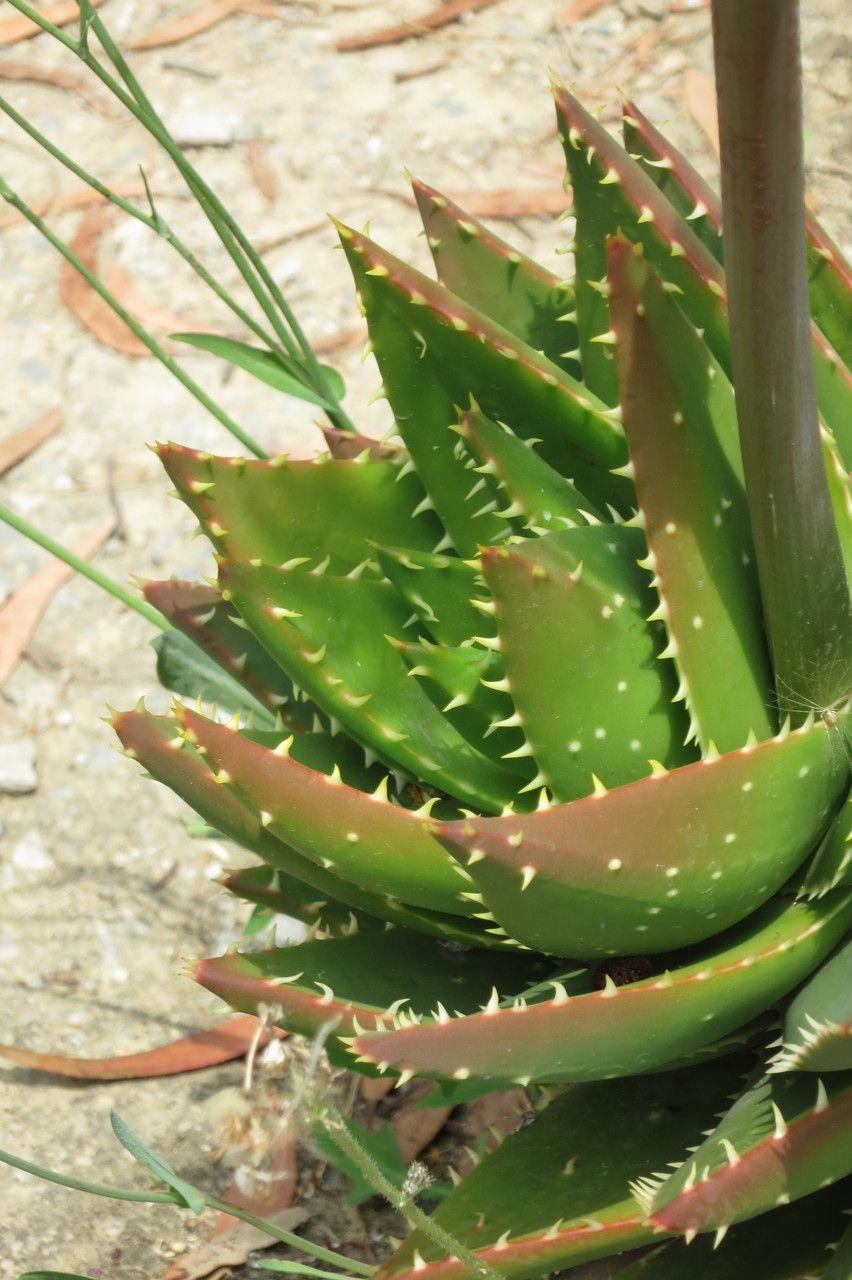
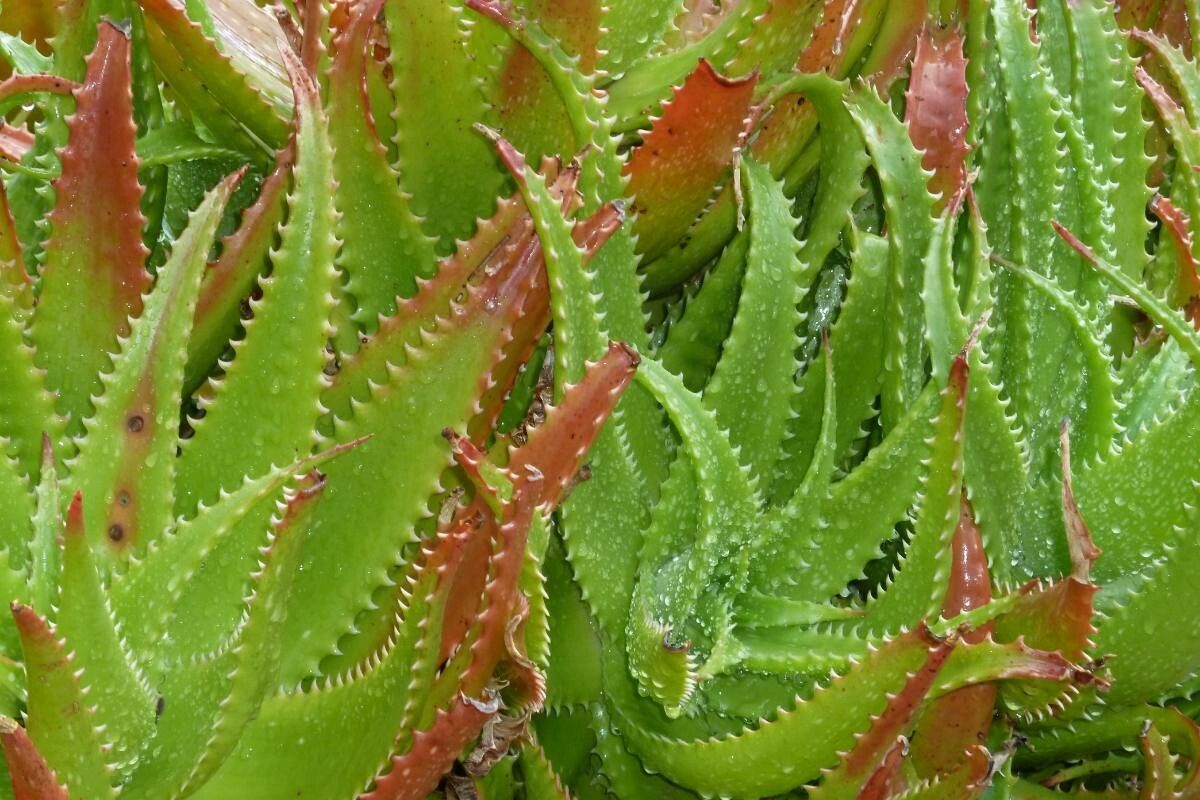
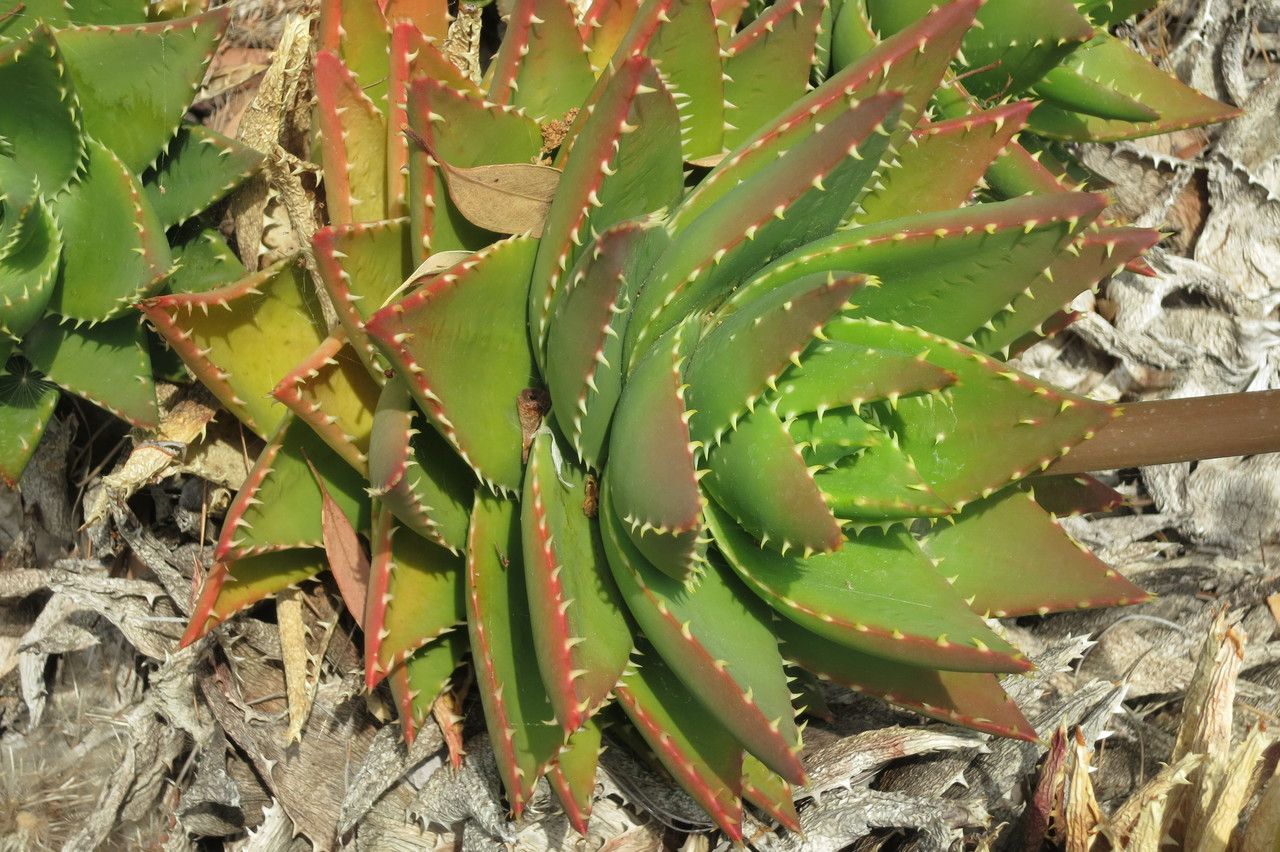
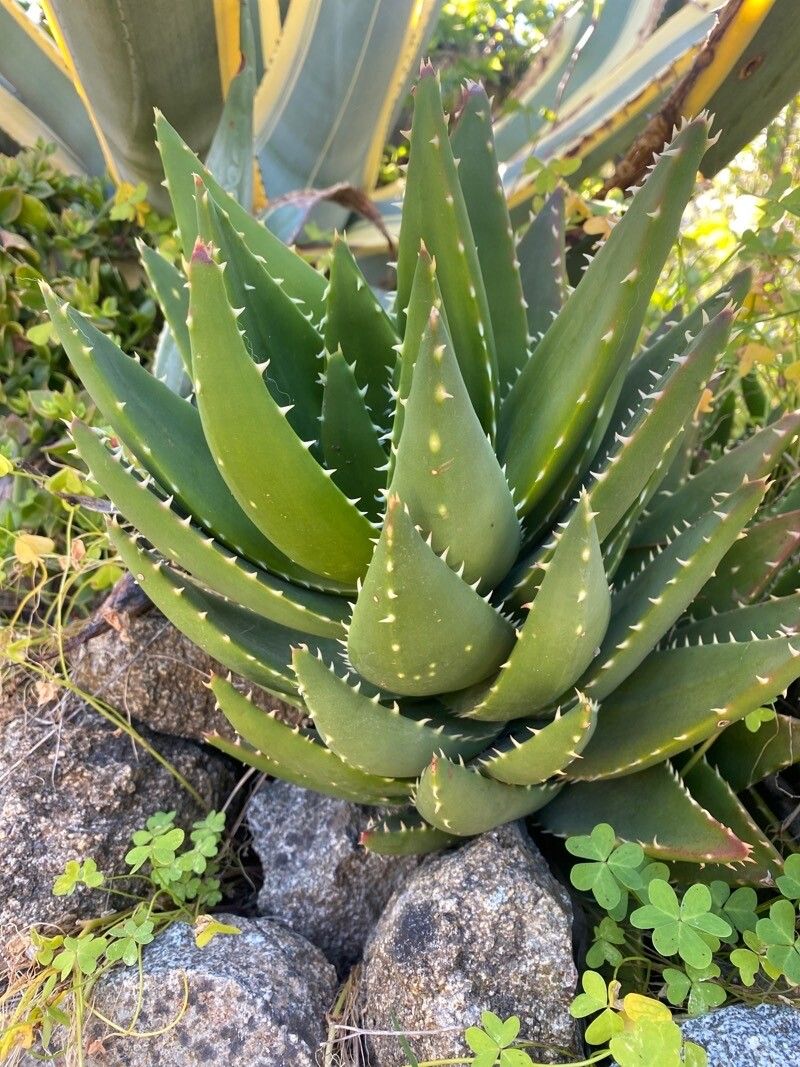
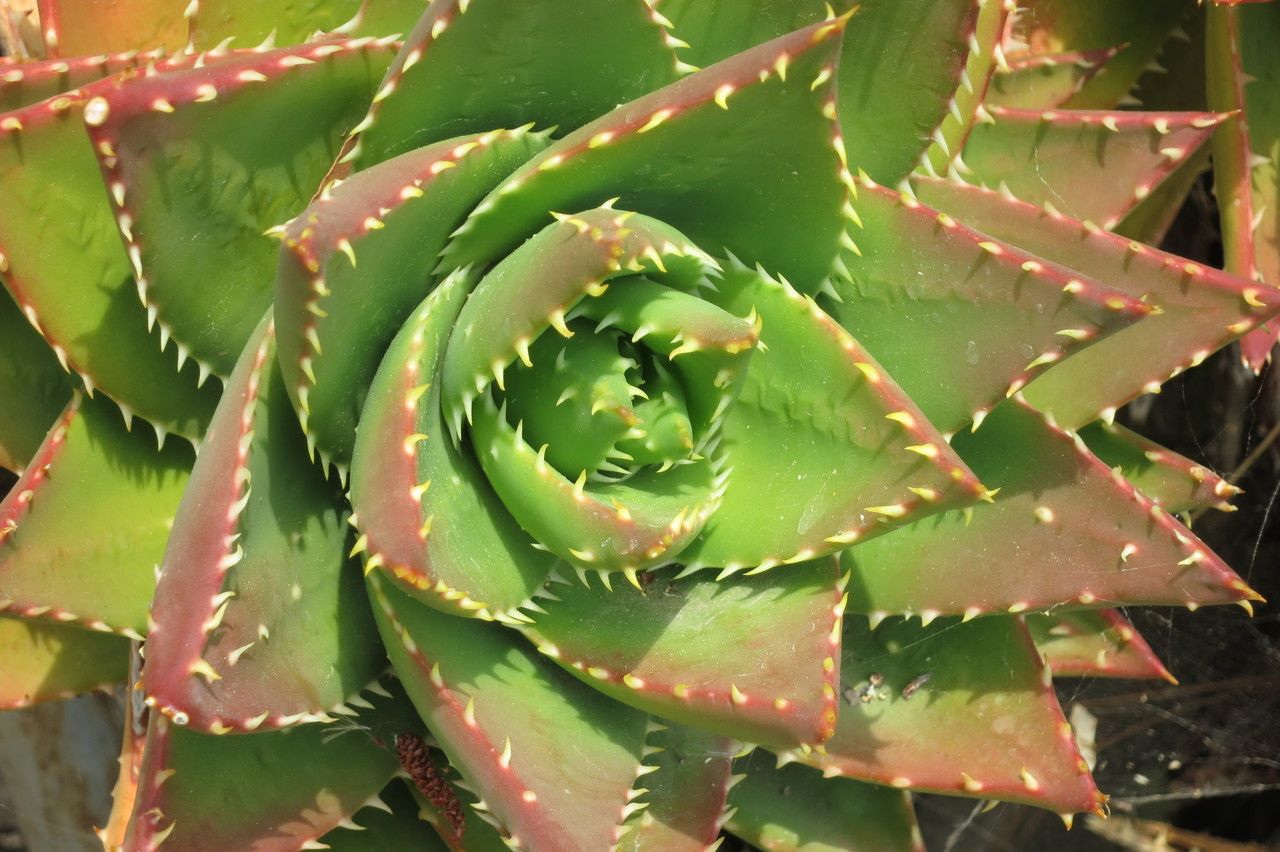
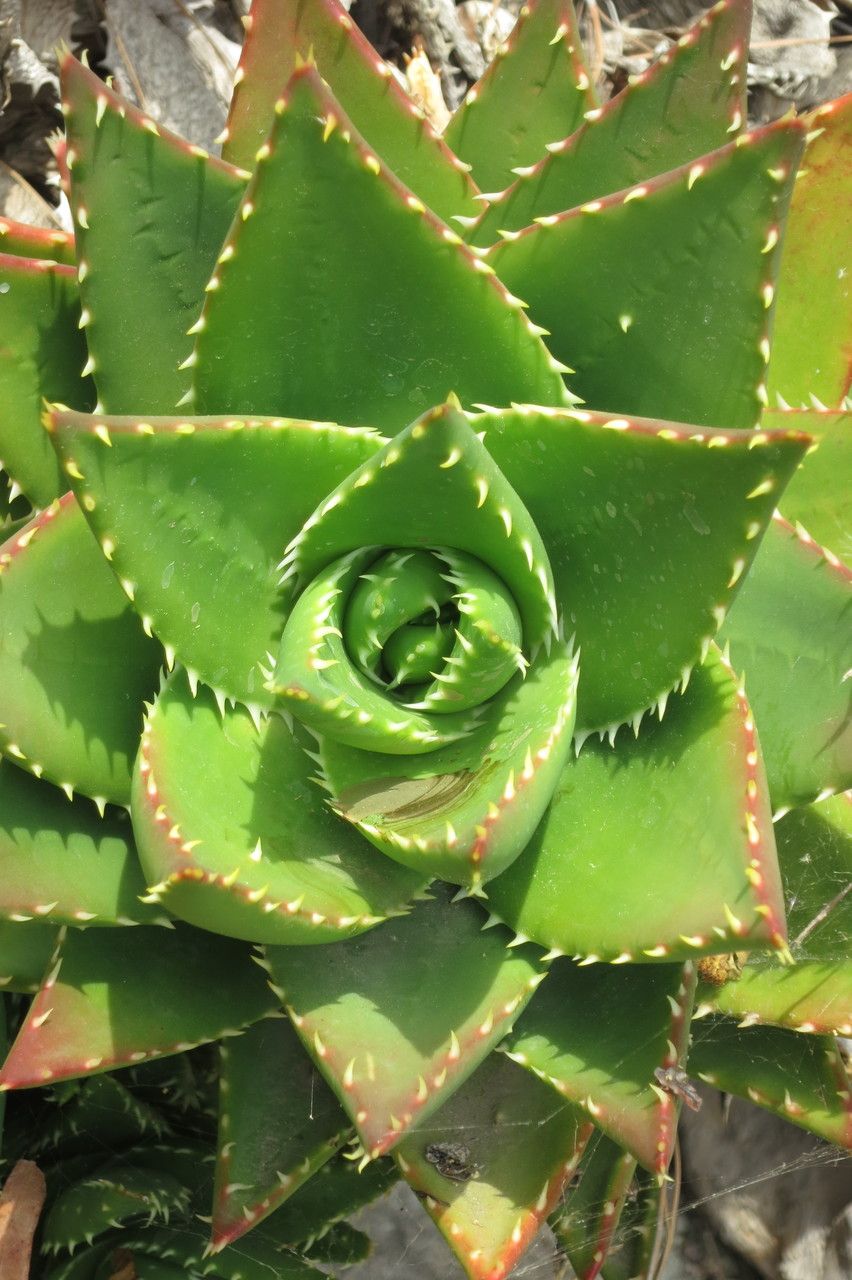
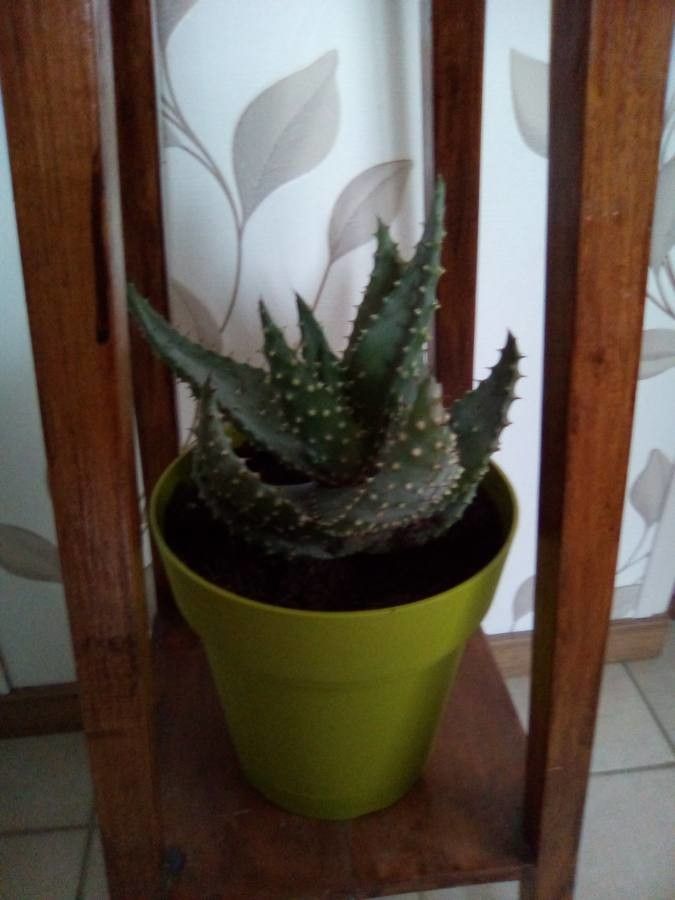
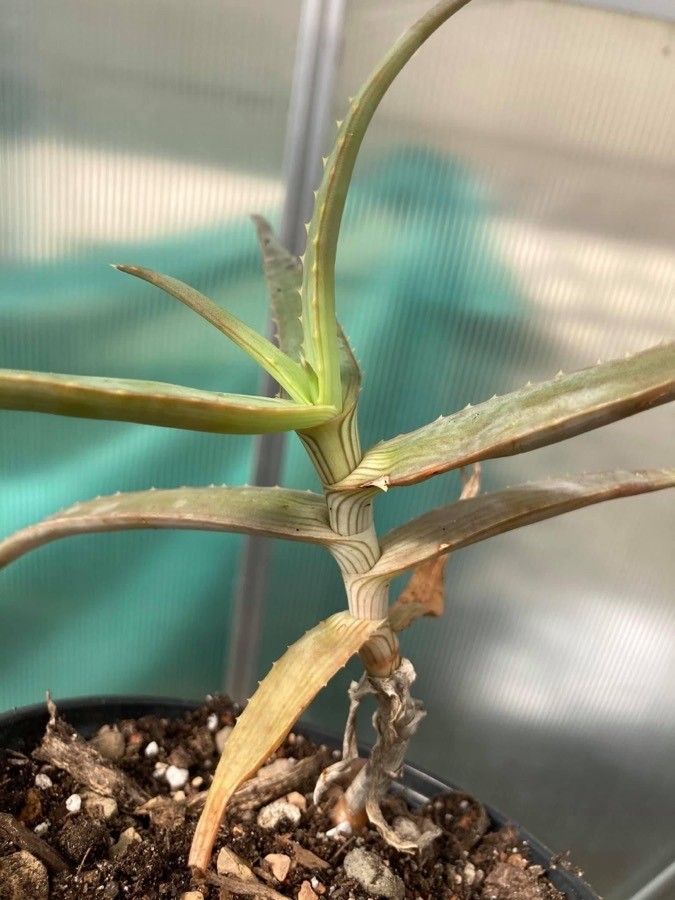
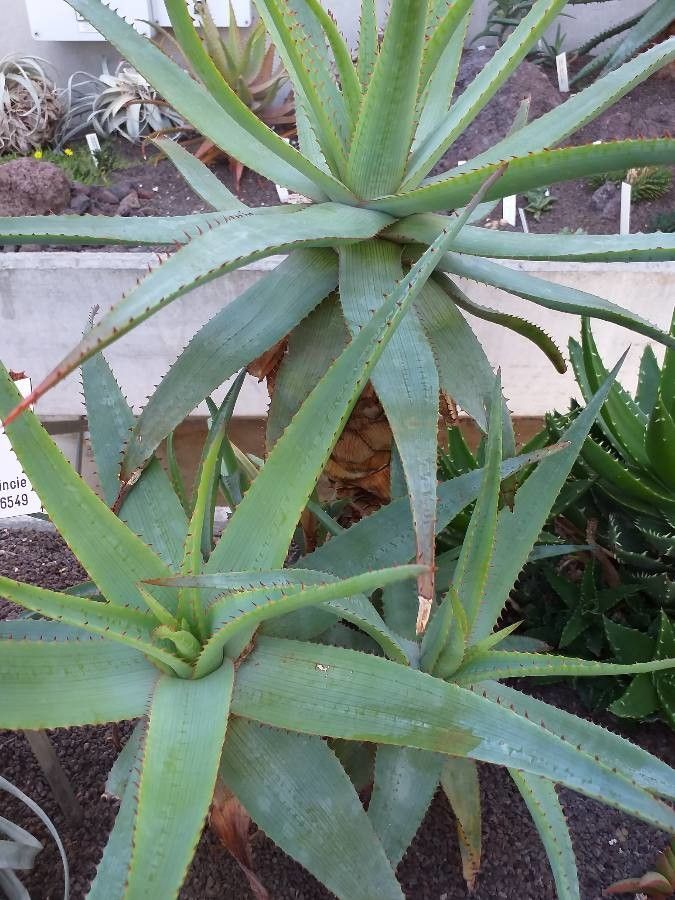
Aloe perfoliata, the rubble aloe or mitre aloe, is a hardy creeping aloe, found in rocky, mountainous areas throughout the Western Cape, South Africa.
Mitre aloe has strong resistance to disease and, with normal care, is less prone to becoming ill. It is also not easily vulnerable to most pests and diseases. In terms of care, Mitre aloe is drought-tolerant and can endure long stretches without watering. It needs little fertilizer and usually does not require pruning. These qualities make it a suitable plant for people at any experience level, especially for those who want to spend less time maintaining their plants. It is a good option for individuals who are away for extended periods and may forget to water their plants regularly.
How to keep Aloe Mitriformis.
Light
Mitre aloe thrives in places with moderate sunlight, yet it can tolerate light levels from very bright to very dim. This tolerance comes from the plant's native habitat, which has varied light conditions. Excessive sun can scorch the leaves, while too little light may slow its growth. At every stage of development, moderate light helps sustain healthy growth.
Temperature
The native temperature-related growth environment for mitre aloe is a subtropical climate, with warm temperatures of 20 to 38 ℃ (68 to 100.4 ℉) year-round. It prefers a consistently warm setting but can endure occasional cooler spells during the fall and winter months.
Fertilizer
For Mitre aloe, light applications of fertilizer once or twice a year during the active growing season are adequate. Do not fertilize in winter or summer when the plant is dormant. Use less fertilizer for plants that have been repotted, and wait a couple of months after repotting before applying fertilizer. Fertilizing helps maintain healthy growth and promotes flowering.
Pot & Repot
When repotting a Mitre aloe, choose a container slightly larger than the current one that has good drainage. Use a gritty, well-draining mix made for succulents or cacti. Gently remove the plant from its old pot, brush off excess soil, and set it into the new pot at the same depth. Wait a few days before watering so any root injury can heal. Repot in spring or fall and place the plant in a brightly lit spot.
Botanical profile.
- Plant Type
- Succulent, Herb
- Life Cycle
- Perennial
- Genus
- Aloe
- Family
- Xanthorrhoeaceae
- Hardiness Zone
- 9-12
- Mature Height
- 76 cm
- Mature Spread
- 61 cm to 91 cm
- Leaf Color
- Green, Blue
- Leaf Type
- Evergreen
- Flower Color
- Red
- Flower Size
- 2.03 cm to 3.05 cm
- Bloom Time
- Spring
- Planting Time
- Spring, Summer, Autumn
- Harvest Time
- Early summer, Mid summer
- Native Area
- South Africa
Other names.