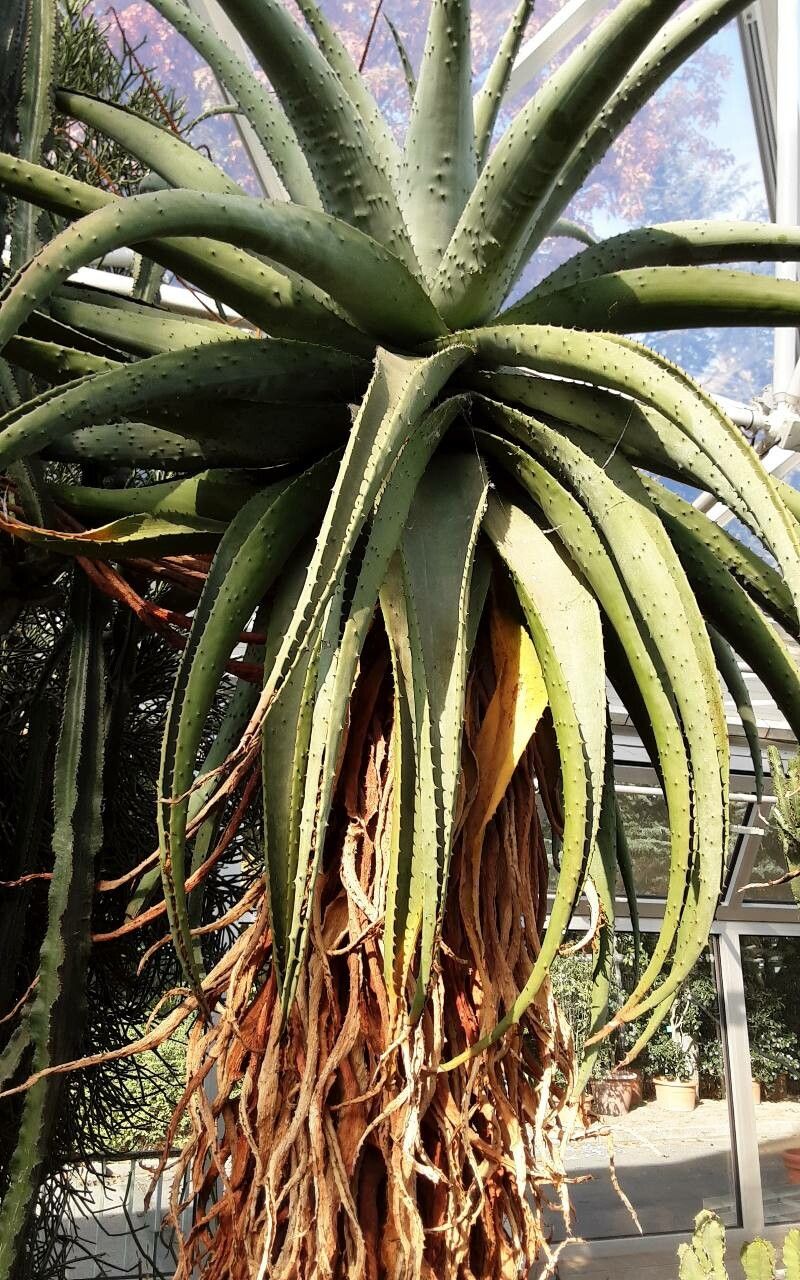
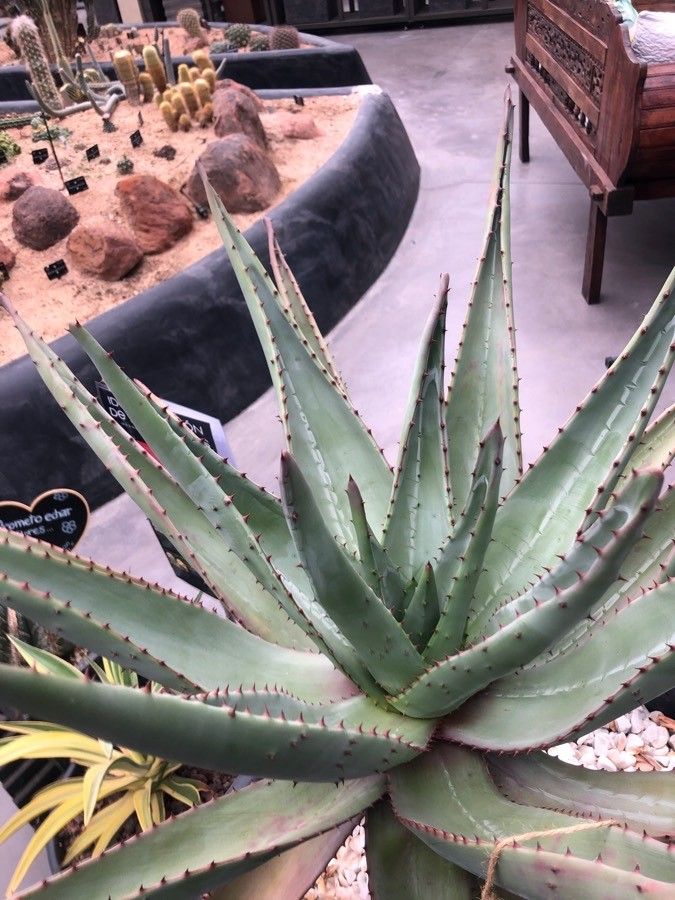
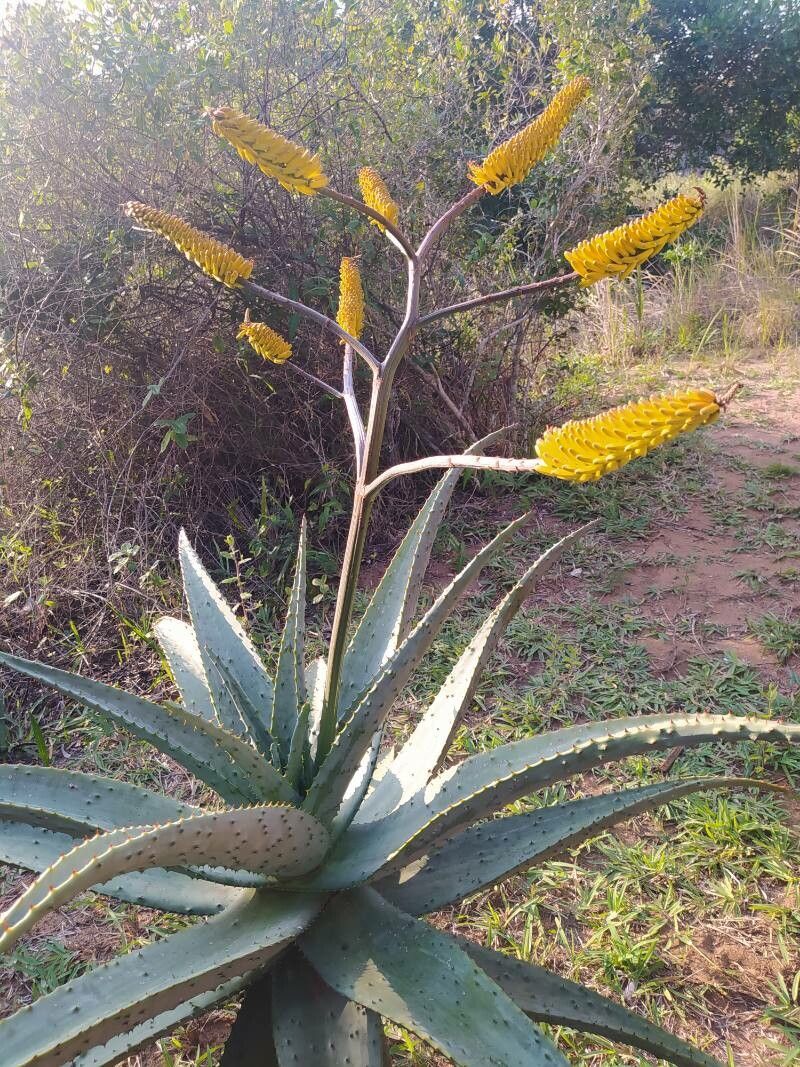
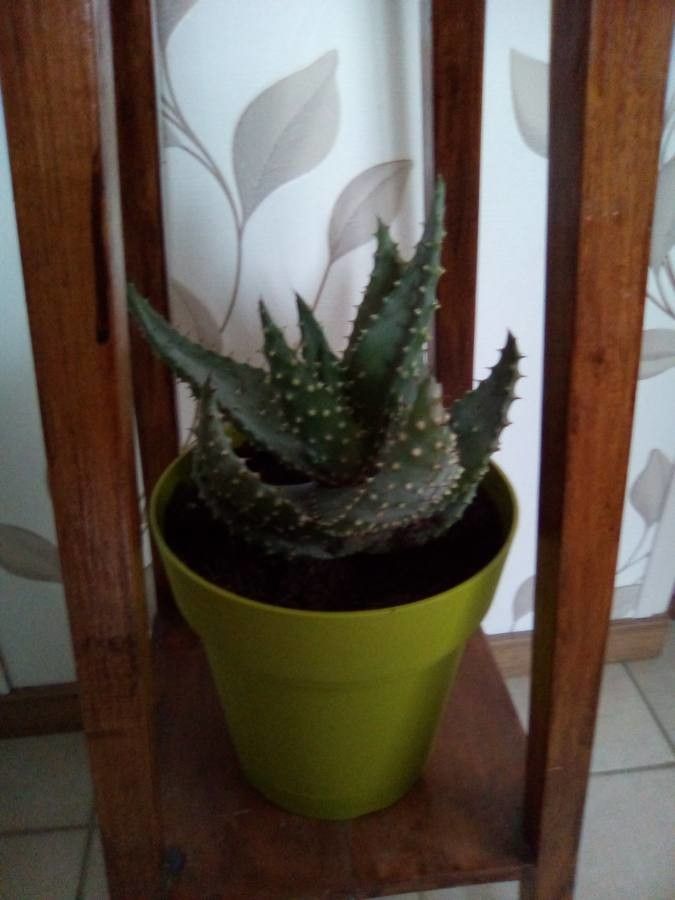
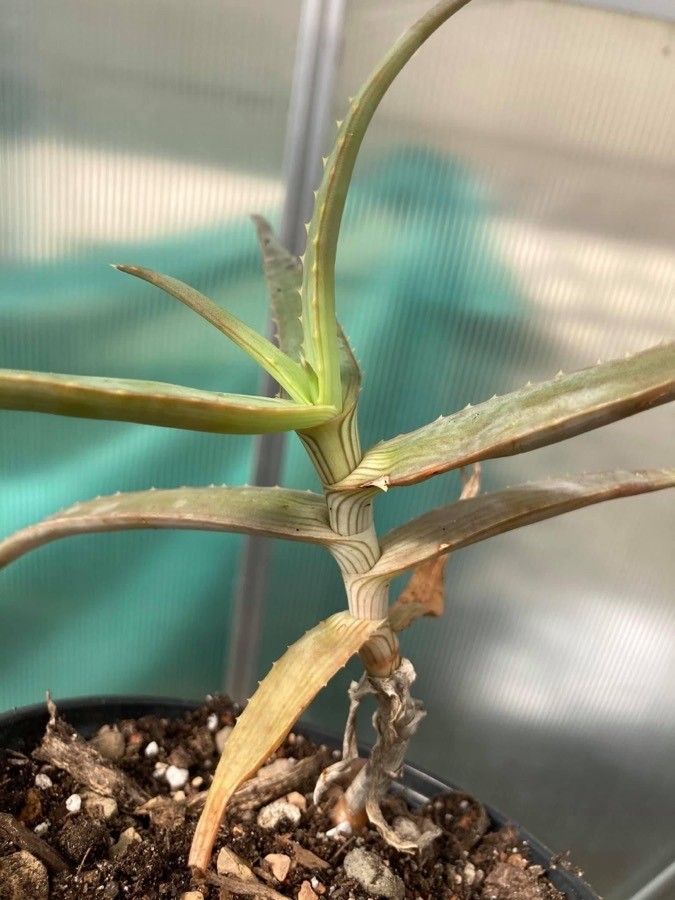
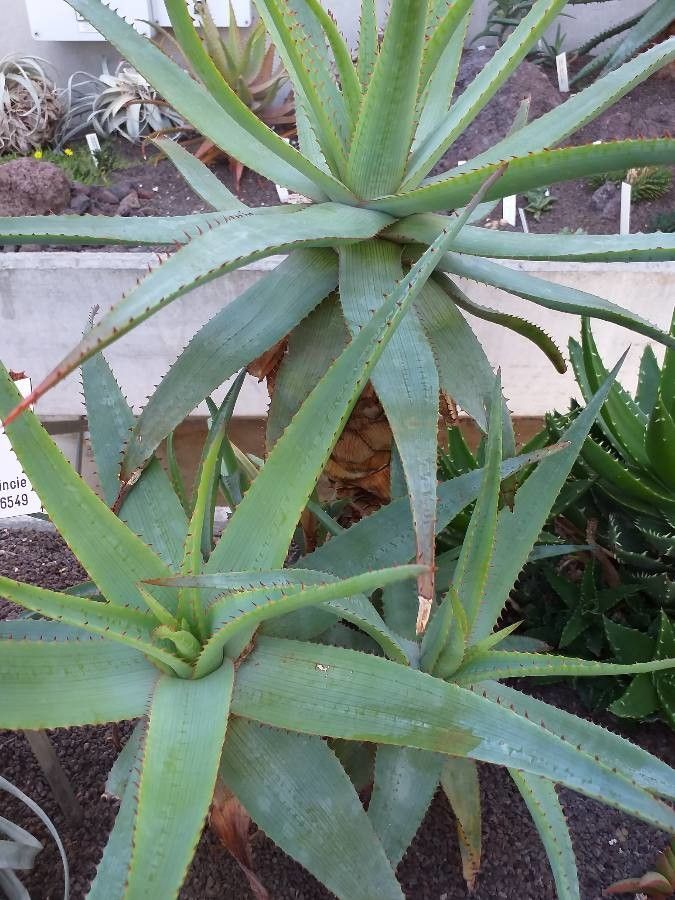
Aloe marlothii, commonly referred to as the mountain aloe or flat-flowered aloe, is a succulent native to southern Africa. The plant is named after Rudolf Marloth, a German botanist who extensively studied South African flora. This impressive plant can reach up to 6 meters in height and features thick, fleshy leaves arranged in rosettes. The leaves are a green-grey hue and have sharp teeth along their edges.
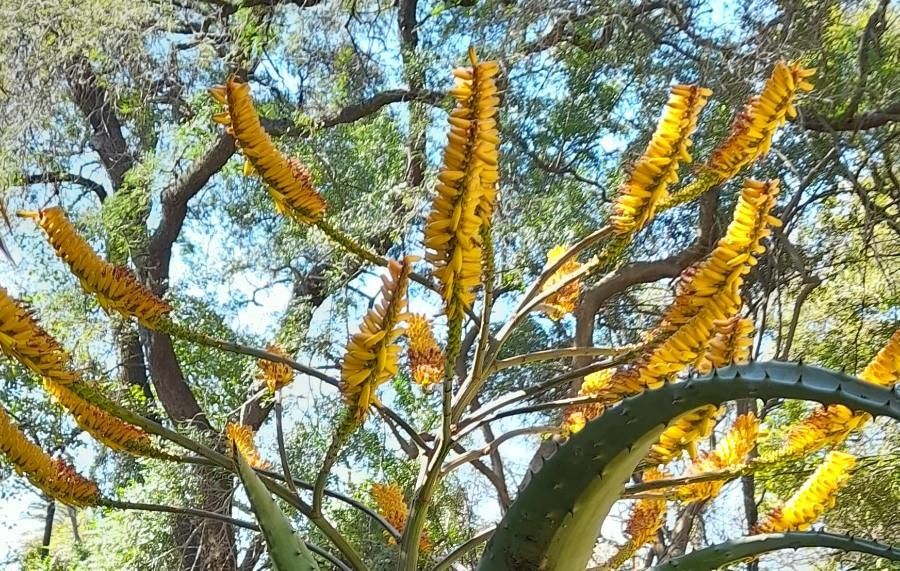
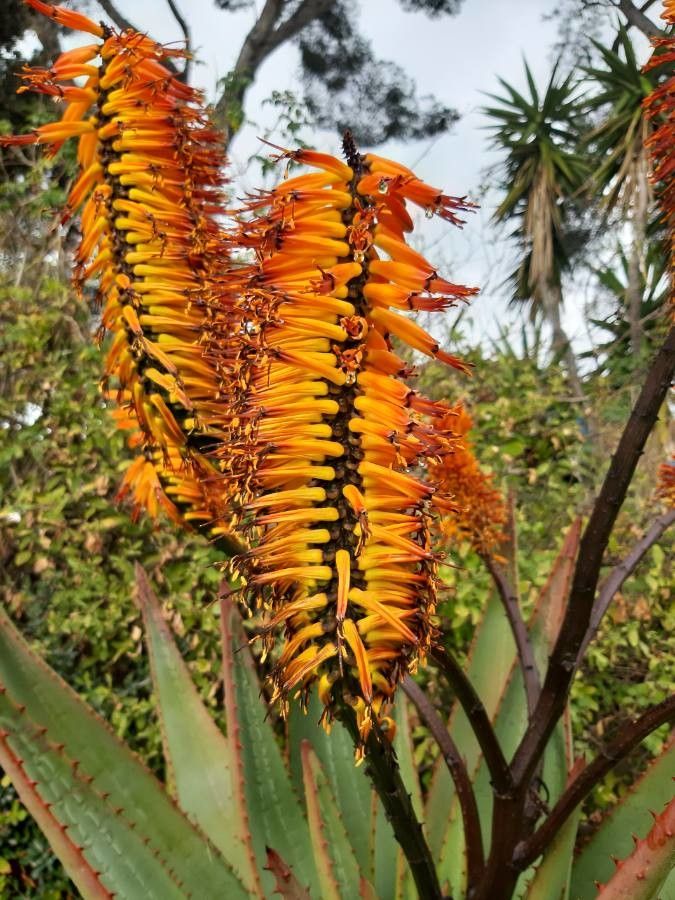
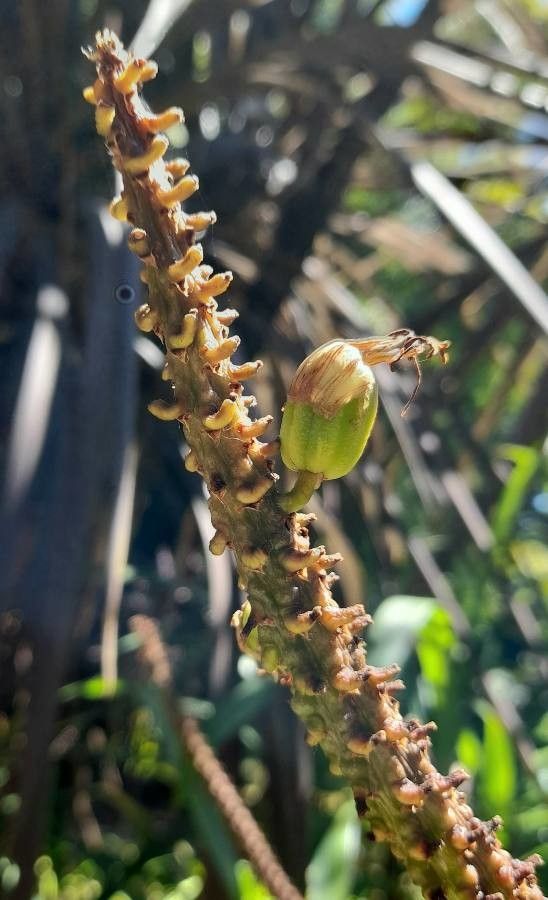
During the winter months, Aloe marlothii produces large clusters of tubular, orange-red flowers. These blooms attract birds and insects, such as sunbirds and bees, for pollination.
Indigenous people of southern Africa have long utilized Aloe marlothii for its medicinal properties. It is used to treat various ailments, including burns, wounds, fever, constipation, and arthritis. Additionally, the plant is known for its laxative effects.
Besides its medicinal uses, Aloe marlothii is popular as an ornamental plant due to its striking appearance. It can be grown both indoors and outdoors, provided it is planted in well-draining soil with ample sunlight.
In summary, Aloe marlothii is a remarkable succulent, valued for its ornamental appeal and significant cultural importance due to its traditional medicinal uses by indigenous people of southern Africa.
Mountain aloe has strong disease resistance and is unlikely to become sick under normal care. It is also not easily affected by most pests and diseases. In terms of care, Mountain aloe is drought-tolerant and can withstand long periods without watering. It requires little fertilizer and generally does not need pruning. This makes it suitable for people of all experience levels, especially those who want to spend less time caring for their plants. It is a good option for people who are often away for extended periods and may forget to water regularly.
How to keep Aloe Marlothii.
Light
Mountain aloe does best when exposed to abundant light throughout the day, though it can tolerate some shade. Native to places with strong sunlight, its health and growth are largely shaped by that exposure. Yet too much light can cause problems like scorching, while too little light may lower its vigor.
Water
Mountain aloe is a drought-resistant succulent originating from arid regions. It thrives with very little moisture. Water it every three weeks, ensuring the soil dries out completely between waterings. Its thick leaves make mountain aloe perfect for full sun environments, especially in xeriscaping or rock gardens where rainfall is infrequent.
Temperature
Mountain aloe is native to habitats with temperatures between 68 and 100 °F (20 to 38 °C). It prefers warm conditions and may need temperature adjustments as seasons change to remain healthy.
Fertilizer
For Mountain aloe, small amounts of fertilizer once or twice a year during the growing season are enough. Do not fertilize in winter or summer, when the plant is dormant. Use less fertilizer for repotted plants, and wait a couple of months after repotting before applying fertilizer. Fertilizing helps maintain healthy growth and encourages blooms.
Pruning
To care for mountain aloe, follow these steps: 1. Prune only the spent flower stalks and remove any dead leaves. 2. Trim any orange or brown leaves to improve nutrient flow within the plant. 3. Use a knife for trimming smaller plants and pruning shears for larger ones. 4. Regularly remove dried plant parts to ensure the plant remains healthy.
Pot & Repot
Repot your mountain aloe every two years to support its upright growth, which can reach up to 4 meters (13 feet). The ideal time for repotting is early spring, using a slightly larger pot with good drainage. After repotting, reduce watering for one week to help the mountain aloe settle and avoid root trauma.
Botanical profile.
- Plant Type
- Succulent
- Life Cycle
- Perennial
- Genus
- Aloe
- Family
- Asphodelaceae
- Hardiness Zone
- 9-11
- Mature Height
- 3.05 m
- Mature Spread
- 1.52 m
- Leaf Color
- Green
- Leaf Type
- Evergreen
- Flower Color
- Orange, Red
- Flower Size
- 10.16 cm to 15.24 cm
- Bloom Time
- Winter
- Planting Time
- Winter
- Harvest Time
- Spring
Other names.
Reader questions.
What should I do if I give my Mountain aloe plant too much water or too little water?
Mountain aloe and other succulents are resilient and can withstand long periods without water. However, if you forget to water your Mountain aloe for a month or more, it may show signs of thirst or damage. Underwatered Mountain aloes will appear lackluster and wrinkled, with some leaves drying up, turning brown, and falling off. The soil will be completely dried out. To remedy this, give your Mountain aloe plenty of water by submerging the pot in water for 5-10 minutes until the soil feels moist on the surface. On the other hand, overwatering can be dangerous and even fatal for Mountain aloes. Excess moisture leads to root rot, preventing the roots from absorbing nutrients. Wet conditions promote the growth of fungi and bacteria that feed on roots. Overwatered Mountain aloes will have yellow, swollen, and translucent organs that may burst open. If left untreated, the plant may turn brown or black and leaves will fall off easily. Check the soil to confirm if overwatering is the issue. Saving an overwatered plant is difficult but not impossible. Act early before significant damage occurs. Remove the plant from its pot, gently clean the wet soil from the roots, and rinse them in room-temperature water. This removes any lurking fungus and allows you to assess root health. If root rot has developed, the roots will be dark brown or black, soft, mushy, or slimy. If root rot is extensive, it may not be possible to save the plant. In this case, remove any healthy stems and propagate a new Mountain aloe. If some healthy roots remain, remove unhealthy roots using sterilized cutting tools and dip the remaining firm, pale roots in a fungicide. Repot the Mountain aloe in fresh, well-draining soil. While not always successful, this process usually allows the plant to recover and produce new growth in the next growing season.
Why should I put fertilizer on my Mountain aloe?
Fertilizing Mountain aloe during the growing season adds nutrients to the growing medium, supporting healthy growth. Although it already stores water and nutrients, applying plant food can further enhance its growth and even encourage mature specimens to produce blooms.
What are the sunlight requirements for Mountain aloe?
Mountain aloe requires full sun, meaning it thrives best in conditions with more than 6 hours of sunlight daily, but it can also tolerate partial sun, which is about 3-6 hours of sunlight. It's crucial to observe how sunlight moves through your garden to select spots that offer a balance of light and shade, optimizing the plant's happiness and growth. Originating from environments with abundant sunlight, its health is significantly impacted by exposure to light. However, it's important to note that too much light can cause scorching, while insufficient light might weaken the plant.
What is the native environment for Mountain aloe?
Mountain aloe, or Aloe marlothii, is native to environments where temperatures range from 68 to 100°F (20 to 38°C). It thrives in warm climates and may require temperature adjustments with changing seasons to maintain its health. This heat-loving plant gradually stops growing and enters a dormant state during winter.
How frequently do I need to water my Mountain aloe?
When it comes to watering Mountain aloe, there isn't a set rule to follow. The best way to figure out when to water it is by checking the soil and only watering it if it's completely dry. To do this, you can either stick your finger in the pot or use a moisture meter to check the soil beneath the surface. If you plant it in a deep pot, you can use a stick or chopstick to do the same test. If the soil feels slightly moist, it's best to wait a few days and check again. Typically, most people will need to water Mountain aloe about every two weeks during the summer and once a month in the winter. However, there are a few factors to consider that may alter the frequency. To determine how often to water, the section below provides some considerations to keep in mind.
When should I fertilize my Mountain aloe plant?
Mountain aloe plants require a small amount of fertilizer during the growing season, with a recommended frequency of 1-2 times per year. It's best to fertilize them in spring and autumn, avoiding winter and summer when they are dormant. When repotting, be cautious and decrease the amount of fertilizer used. It's also advisable to wait a few months after repotting before applying any fertilizer.
How can artificial lighting be used for indoor Mountain aloe plants?
Indoor Mountain aloe plants require adequate lighting for optimal growth. When natural sunlight is not sufficient, especially during winter or in less sunny locations, artificial lighting is a crucial alternative. Choosing the right type of light, such as LED lights, which can be customized to provide specific wavelengths needed by your plants, is vital. Full sun plants need 30-50W/sq ft, partial sun plants 20-30W/sq ft, and full shade plants 10-20W/sq ft of artificial light. The light source should be placed 12-36 inches above the plant to mimic natural sunlight effectively, and the duration should match the natural daylight hours for your plant's species, typically requiring 8-12 hours of light per day.
How should Mountain aloe be cared for during cold temperatures?
When the outdoor temperature drops below 0°C, Mountain aloe should be moved indoors for cultivation. It's recommended to choose a location near a south-facing window to ensure the plant receives as much sunlight as possible. If natural light is insufficient, supplemental lighting can be utilized. Watering should be reduced or stopped when the temperature falls below 20°C to prevent root rot. For those grown outdoors, watering should be completely halted during low temperatures. To protect the plant, a temporary greenhouse can be set up for insulation, or materials such as plastic film or fabric can be used to wrap the plant.
What should I think about when I water my Mountain aloe?
To properly water your Mountain aloe, you need to consider several factors such as container size, soil type, temperature, and humidity. The size of the container and the soil you use will determine how often you need to water and how much water to use each time. It's important to use a container with good drainage to avoid overwatering. Smaller containers hold less moisture, while larger pots stay wet longer and require less frequent watering. Avoid using an oversized pot as this can lead to overwatering. When repotting, move to a slightly larger container. A shallow container works best since Mountain aloe has shallow root systems. During winter, the Mountain aloe requires less frequent watering because growth slows down and the plant doesn't use as much water or energy. The soil retains moisture for a longer period in cool winter air. The climate in your location also affects watering needs. If you live in a humid area with regular rainfall, you'll need to water less often compared to a dry, arid climate. Keep in mind that conditions can vary within the same geographic location due to seasonal changes and indoor heating/air conditioning. For outdoor planting, once the Mountain aloe establishes a root system, it typically doesn't need extra water besides what it receives from precipitation and dew. However, during extended dry periods, you may need to water occasionally. In areas where Mountain aloe can only be grown in containers, you can move the plant outside during suitable spring and summer temperatures and bring it back indoors as temperatures drop. A potted Mountain aloe kept outdoors generally requires more water due to increased sun exposure, even on a shaded porch.
When is it not a good idea to put fertilizer on my Mountain aloe?
Mountain aloe, like other plants, goes through a dormancy period. During this time, it's best to halt the application of fertilizer. The plant stops growing in both summer and winter, so these seasons are also a good time to stop fertilizing. Additionally, it's recommended to avoid fertilizing for a few months after repotting in the spring.
What are the symptoms of insufficient or excessive light exposure in Mountain aloe?
Mountain aloe requires strong light to thrive, but symptoms of light deficiency include small or pale new leaves, leggy or sparse growth, faster leaf drop, and slower or halted growth indicating insufficient light. Conversely, excessive sunlight can lead to chlorosis (leaves turning yellow), sunscald, leaf curling, wilting, and leaf scorching, manifesting as damage from too much direct sunlight. These symptoms indicate the plant's struggle with the light conditions, impacting its health and vigor.
What are the symptoms of Mountain aloe in low temperatures?
Mountain aloe is not tolerant of low temperatures. It grows best when the temperature is above 20°C and should be kept above 0°C during winter. Exposure to temperatures below -5°C can lead to the plant becoming weak, wilting, and being prone to root rot. In some cases, mild frost damage may not show immediate symptoms, but after a week, the plant will gradually wither.