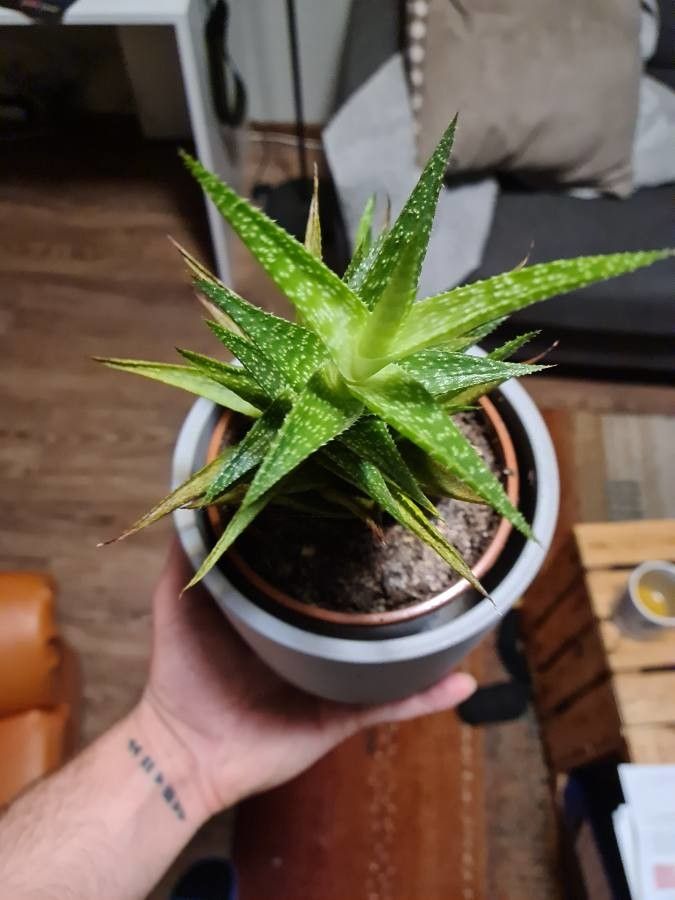
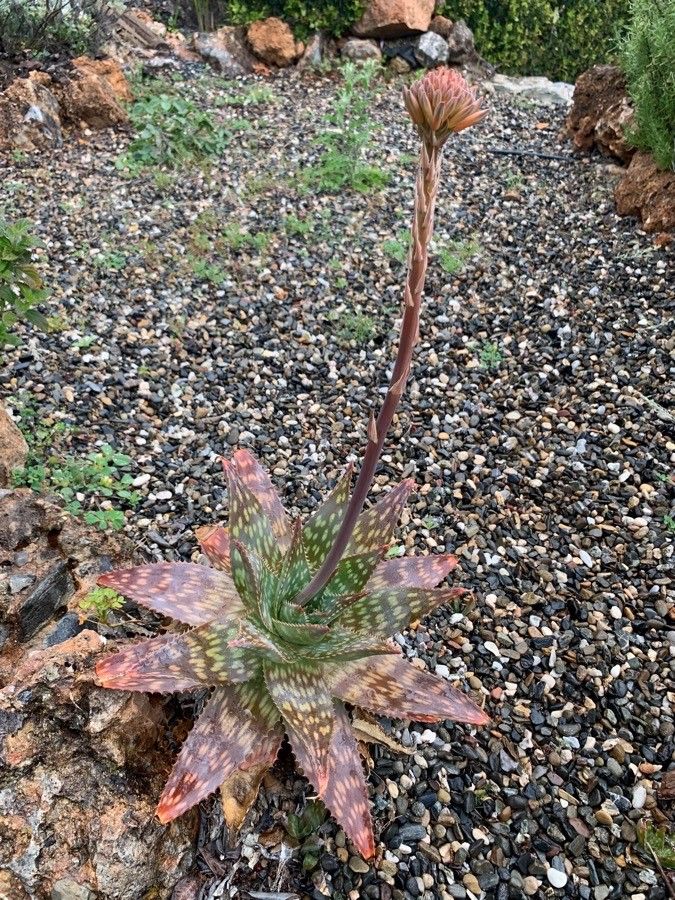
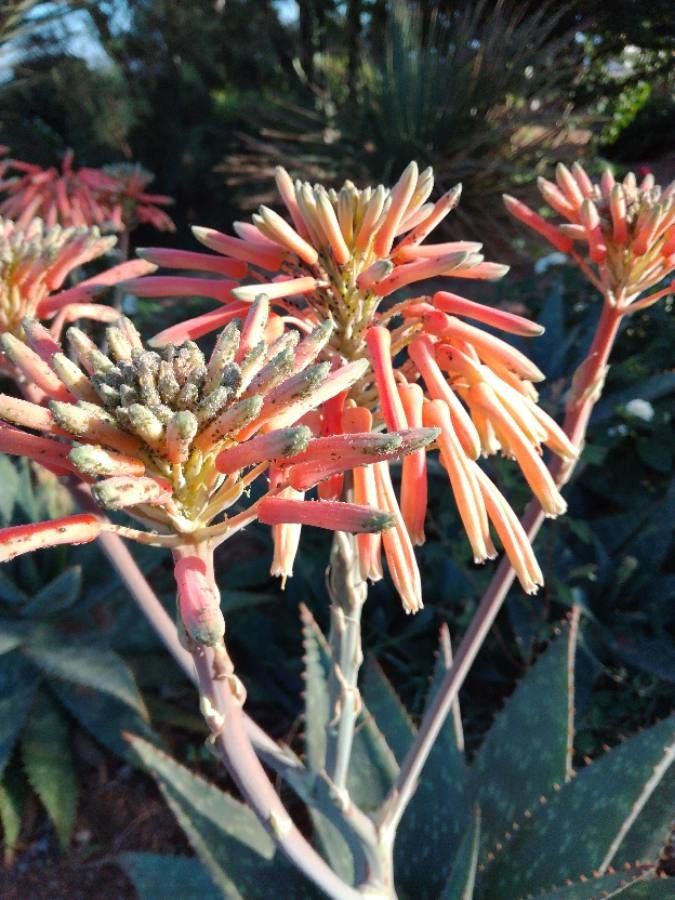
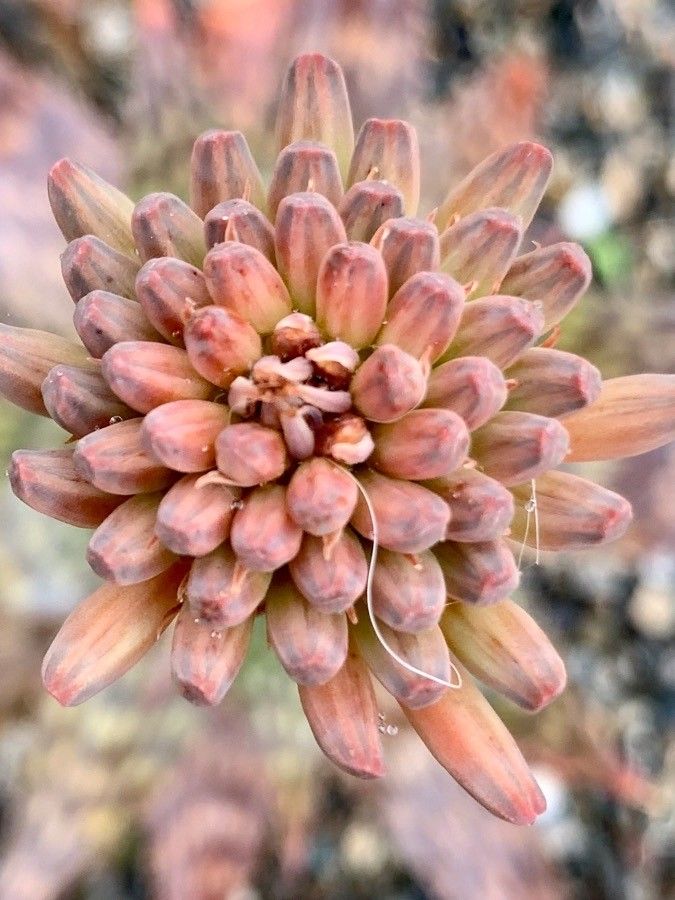
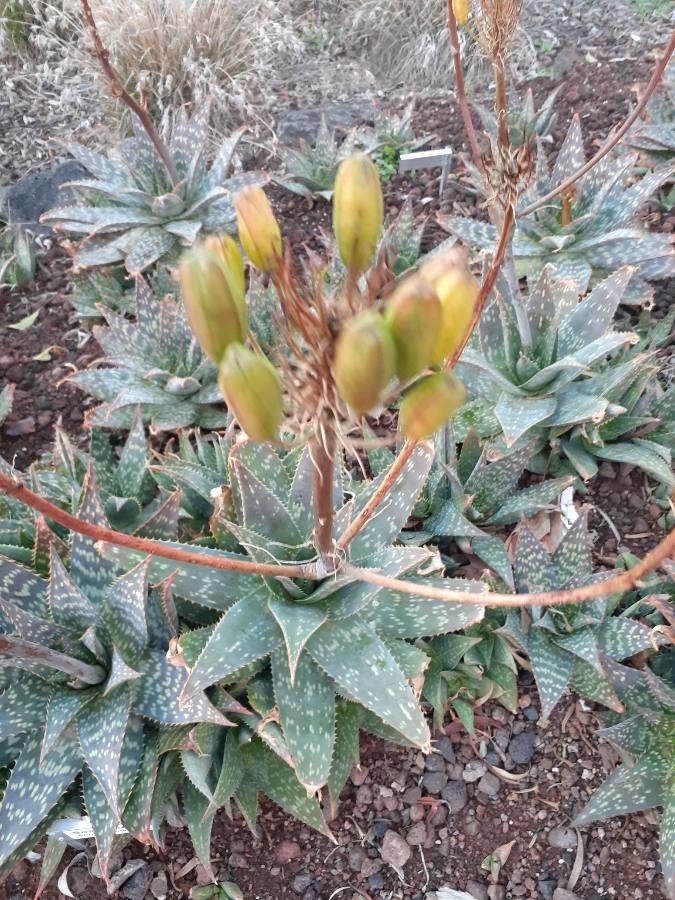
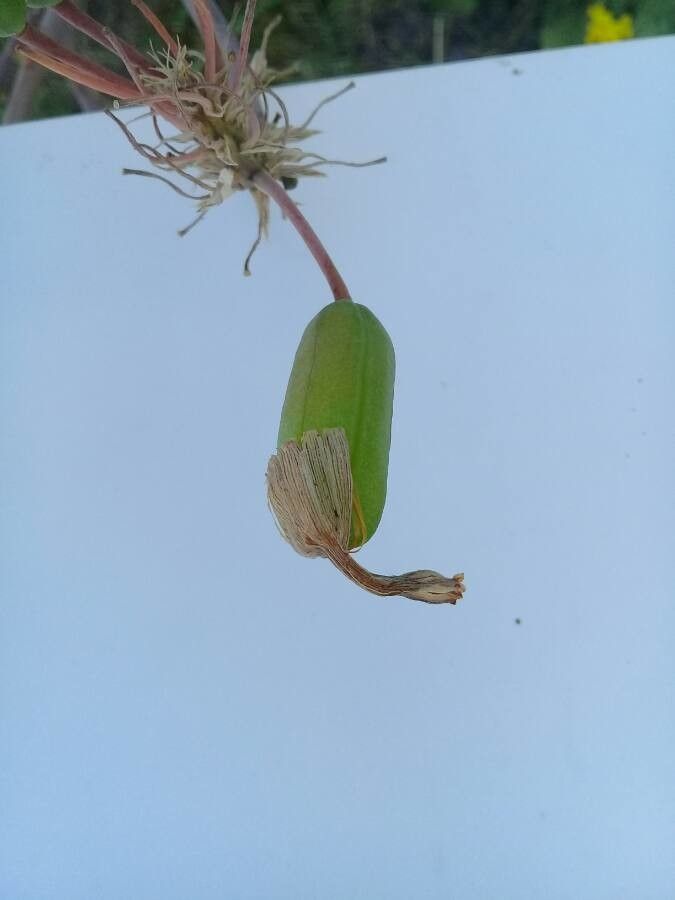
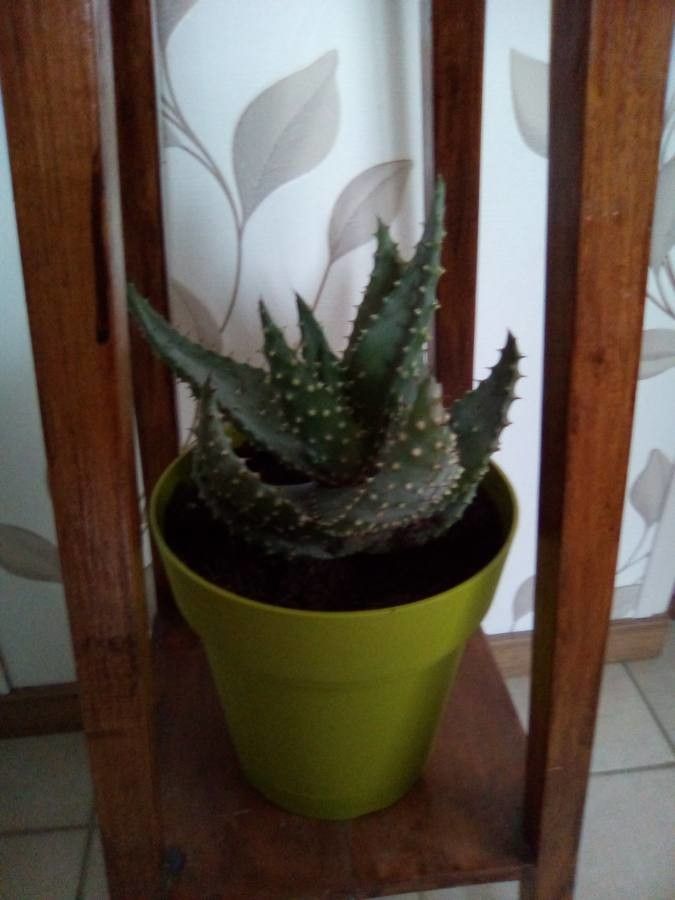
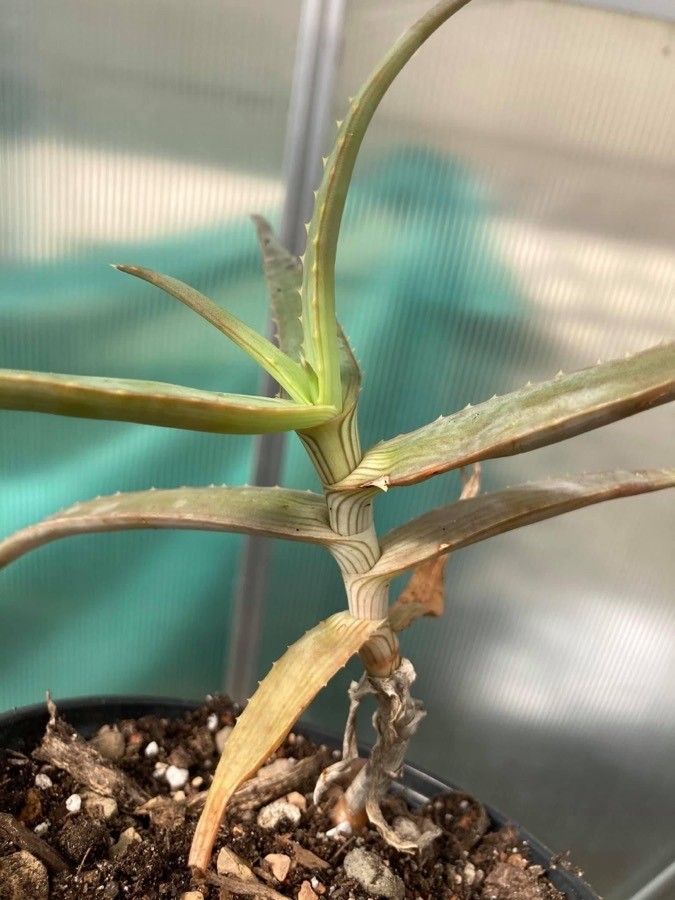
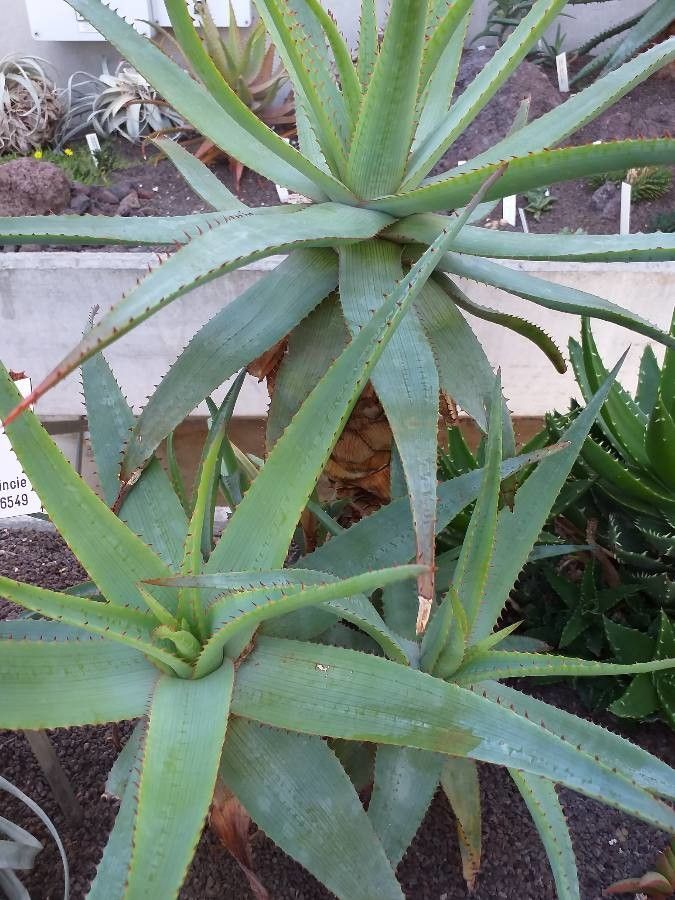
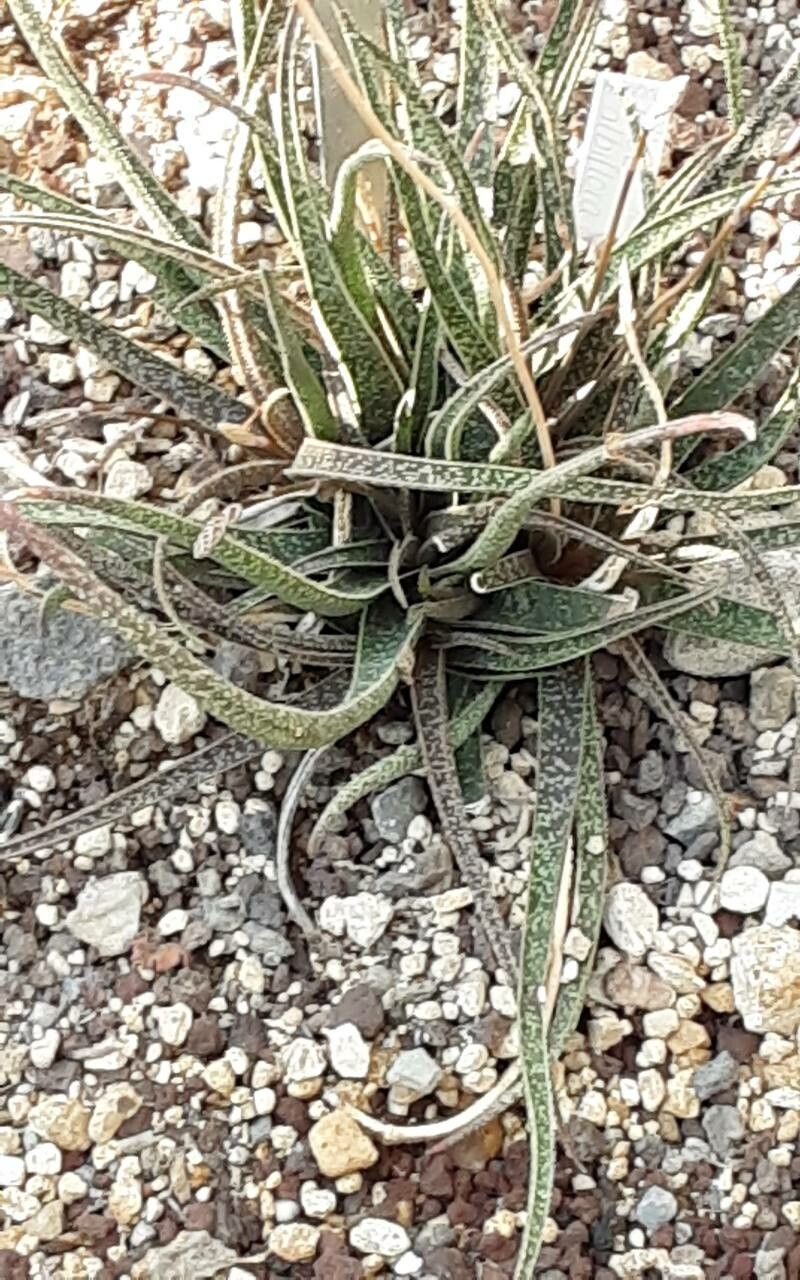
Aloe maculata, commonly known as Soap Aloe or Zebra Aloe, is a succulent plant belonging to the family Asphodelaceae. Native to South Africa, it thrives in various habitats, including rocky outcrops, grasslands, and savannas. This plant features a rosette of fleshy, green leaves adorned with white spots or stripes. The leaves, arranged in a spiral pattern, can grow up to 60 cm long and 10 cm wide. The leaf edges are lined with small, sharp teeth-like structures. Soap Aloe produces tall spikes of tubular flowers, reaching up to 90 cm in height, from late winter through early summer. These flowers are typically orange-red or yellow-orange. Renowned for its medicinal properties, Aloe maculata is often used to treat skin irritations such as burns, cuts, and insect bites due to its anti-inflammatory properties. Additionally, it possesses laxative effects that can help with constipation. Aloe maculata is a low-maintenance plant, making it a popular choice among gardeners looking for easy-to-grow plants for their gardens or indoor spaces. It prefers well-draining soil and full sun exposure but can also tolerate partial shade. Overall, this succulent species is an excellent addition to any garden, offering both unique aesthetics and valuable medicinal benefits.
Soap Aloe: Despite its name, soap aloe is not used to make soap. The name actually comes from its sap, which forms a lather similar to soapy water when mixed with water. Its striped leaves also give it the common name "zebra aloe."
Aloe vera has strong disease resistance and is less likely to become ill when given normal care. It is also not easily affected by most pests and diseases. Regarding care needs, aloe vera is drought-resistant and can endure long periods without watering. It requires little fertilizer and typically does not need pruning. This makes it a suitable plant for people of any experience level, especially those who prefer to spend less time on plant care. It is a good option for people who are often away for extended periods and may forget to water their plants regularly.
How to keep Aloe Maculata.
Light
Aloe vera thrives under moderate sun exposure, though it can tolerate conditions with intense or minimal sunlight. The herb comes from environments where sunlight levels fluctuate, which contributes to its robust adaptability. Excessive sunlight, or a lack of it, can impair the plant's health, potentially causing an unhealthy appearance or stunted growth.
Water
Soap aloe is well-suited for arid conditions and requires very little water, needing only to be watered every three weeks. It thrives in well-draining soil and should be protected from excessive rainfall. As an evergreen plant, soap aloe stays hydrated throughout the year, making it a low-maintenance choice for xeriscaping or gardens in dry climates.
Humidity
This plant will thrive in moderate humidity, which is probably the level in your home. However, misting it a few times a week can be very beneficial. Make sure the room has good ventilation.
Temperature
In its natural habitat, aloe vera grows best at an average temperature of 68 to 100 ℉ (20 to 38 ℃). It does well in warm, dry conditions with low humidity. Across seasons, it’s advisable to adjust temperatures to keep them within this preferred range.
Fertilizer
For Aloe vera, light applications of fertilizer once or twice a year during the growing season are adequate. Avoid fertilizing in winter and during the summer dormancy. Reduce feeding for plants that have been repotted and wait a couple of months after repotting before applying fertilizer. Fertilizing helps maintain healthy growth and encourages flowering.
Pruning
Soap aloe requires minimal pruning. The main focus should be on removing spent flower stalks and any dead or discolored leaves, which helps redirect nutrients to the healthier parts of the plant. For small to medium-sized plants, you can use a knife for pruning. However, larger plants require shears for effective maintenance.
Pot & Repot
When repotting Aloe vera, choose a pot slightly larger than the current one that provides good drainage. Use a gritty, well-draining cactus or succulent mix. Gently remove the plant from its old pot, brush away excess soil, and set it in the new pot at the same planting depth. Wait a few days before watering so any root damage can heal. Repot in spring or fall and place it in a brightly lit location.
Botanical profile.
- Plant Type
- Succulent, Herb
- Life Cycle
- Perennial
- Genus
- Aloe
- Family
- Asphodelaceae
- Hardiness Zone
- 9-12
- Mature Height
- 20 cm to 91 cm
- Mature Spread
- 20 cm to 49 cm
- Leaf Color
- Green, Gray, Silver, Blue
- Leaf Type
- Evergreen
- Flower Color
- Yellow, Orange
- Flower Size
- 5.08 cm to 10.16 cm
- Bloom Time
- Early summer, Mid summer
- Planting Time
- Spring, Summer, Autumn, Winter
- Harvest Time
- Mid summer
- Native Area
- Saudi Arabia, Yemen
Other names.
Reader questions.
What should I do if I give my Soap aloe plant too much water or too little water?
Soap aloe and other succulents are able to tolerate long periods without water, so it is uncommon to find them suffering from underwatering. However, if you have forgotten to water your Soap aloe for a month or more, you may notice signs of thirst and damage. Underwatered Soap aloes will appear lackluster and wrinkled, with some plants drying up completely or turning brown and crispy. The soil will also be completely dried out. To remedy this, give your plant plenty of water by submerging the pot in water for 5-10 minutes until you feel moisture on the surface of the soil. Overwatering is dangerous for Soap aloe and can be fatal if not addressed. Too much moisture leads to root rot, which prevents the roots from absorbing nutrients and water. Root rot occurs when wet conditions allow fungi and bacteria to thrive and feed on the roots. Symptoms of overwatering include yellow, swollen, and translucent organs that may burst open. If left untreated, the plant may turn brown or black and easily fall off. Check the soil to confirm if overwatering is the issue. Saving an overwatered plant can be difficult but catching it early is key. If the roots are rotten, it may result in the death of the entire plant. To assess the roots and soil, remove the plant from its pot and gently remove wet soil, rinsing the roots in room-temperature water to eliminate any lurking fungus. If the majority of the roots have rot, saving the plant may not be possible. In this case, remove any healthy stems for propagation. If only a portion of the roots are affected, there is a chance of saving the plant. Remove unhealthy roots with sterilized cutting tools, dip the firm and pale roots in fungicide, and repot in fresh, free-draining potting soil. In most cases, the plant will recover and produce new growth in the next growing season.
Why is it necessary to add fertilizer to my Soap aloe plant?
Fertilizing Soap aloe is beneficial for adding nutrients to the growing medium. Despite its ability to store water and nutrients, applying plant food during the growing season promotes healthy growth. Additionally, fertilizing can stimulate mature specimens to produce blooms in the growing season.
What are the sunlight requirements for Soap aloe?
Soap aloe thrives in full sun, which means it benefits from above 6 hours of sunlight per day. It can also grow under partial sun conditions, receiving about 3-6 hours of sunlight daily. Watch the movement of sunlight through your garden to find spots that provide the right balance of light and shade, ensuring your plants' happiness and optimal growth.
What is the ideal temperature range for growing Soap Aloe?
Soap aloe, also known as Aloe maculata, thrives best in moderate climates with temperatures ranging between 59 to 100 °F (15 to 38 °C). It is crucial to ensure that the plant is protected during extreme seasonal temperatures to prevent damage. As a heat-loving plant, soap aloe goes dormant in winter, and care adjustments, such as reducing or halting watering, are necessary to prevent root rot.
How often do I need to give water to my Soap aloe?
Determining how often to water Soap aloe can be a bit flexible. To gauge when it's time to water, check the soil and only water if it's completely dry. You can either insert your finger in the pot or use a moisture meter to check the soil beneath the surface. When using a deep pot, you can use a stick or chopstick for this purpose. If the soil feels slightly damp, wait a few days and check again. In general, most people will need to water Soap aloe every two weeks in summer and once a month in winter. However, there are various factors that can influence the watering frequency. Some of these factors are listed below for your consideration in determining how often to water.
When should I fertilize my Soap aloe plant?
Soap aloe, like other plants, benefits from extra nutrients. However, it only requires a small amount of fertilizer during the growing season. It is recommended to fertilize Soap aloe 1-2 times a year, specifically in the spring and autumn. Avoid fertilization during winter and summer when the plant is dormant. If you have recently repotted the plant, be cautious with the amount of fertilizer used. It is best to wait a few months after repotting before applying fertilizer.
How does lighting affect the growth of Soap aloe?
Soap aloe is robust, thriving in generous sunlight but also tolerating intermediate light conditions. Originating from areas of intense solar exposure, it prefers ample sunlight for optimal growth and health. However, insufficient sunlight can lead to stunted growth and faded leaf color. For indoor plants lacking natural light, artificial lighting such as LED lights, providing specific light wavelengths, can promote healthier growth. The right amount of artificial light varies based on the plant's needs, mimicking natural sunlight in intensity and duration.
How should I care for my Soap Aloe during cold weather?
During cold weather, especially when outdoor temperatures drop below the plant's tolerable minimum, it's essential to move your soap aloe indoors to protect it from cold stress and potential frostbite. Placing the plant near a south-facing window ensures it receives ample sunlight. If natural light is insufficient, consider using supplemental lighting. Additionally, it's advised to stop watering for outdoor plants in low temperatures to avoid root rot. A temporary greenhouse setup or wrapping the plant with insulating materials like plastic film or fabric can also offer added protection against the cold.
What things should I think about when giving my Soap aloe water?
To ensure proper watering for your Soap aloe, consider several environmental factors such as container size, soil type, temperature, and humidity. The container and soil you choose will dictate the frequency and amount of water needed. Opt for a container with good drainage to allow excess water to escape. A small container holds less moisture, so it will require more frequent watering. Conversely, a larger pot will retain water longer and need less frequent watering, but avoid using an oversized pot to prevent overwatering. When repotting, choose a container only slightly larger than the current one, as Soap aloe has shallow root systems. Adjust watering according to the seasons - water less frequently during winter when the plant is in a dormant phase. Winter air has lower evaporation rates, so soil moisture stays longer compared to summer. Your local climate also impacts watering needs; humid areas with ample rain require less watering compared to dry, arid climates. Keep in mind that conditions can vary depending on the season and indoor heating or air conditioning use. If you have Soap aloe planted in the ground, it generally relies on rainfall and dew for its water needs, but consider occasional watering during prolonged dry spells. If grown in a container, you can move the plant outside in suitable spring and summer temperatures, but monitor watering more closely as the increased sun exposure may increase the plant's water requirements.
When should I not put fertilizer on my Soap aloe plant?
Soap aloe, like other plants, goes through a dormancy period when fertilizer applications should be stopped. This occurs during the summer and winter, when the plant stops growing. It is also advisable to avoid fertilizing for a few months after repotting in the spring.
What are the symptoms of inadequate lighting for Soap aloe?
Inadequate lighting can cause several symptoms in Soap aloe, including smaller new leaves, leggy or sparse growth, faster leaf drop, slower or halted growth, pale or irregularly colored new leaves, and conditions like chlorosis, sunscald, leaf curling, wilting, and leaf scorching. Each of these symptoms indicates a struggle with the lighting conditions, either too little or too much light, affecting the plant's overall health.
What symptoms indicate that Soap Aloe is affected by low temperatures, and how can I help it recover?
When soap aloe is subjected to temperatures below its tolerance level, it may become weak, wilt, and is at risk of developing root rot. Initial symptoms of frost damage might not be apparent, but the plant could gradually wither. To assist its recovery, affected areas and potentially rotted roots should be trimmed off. Frost-affected plants can be propagated through cuttings if necessary. It's crucial to move the plant to a warm environment indoors near a south-facing window to ensure it receives enough sunlight, using supplemental lighting if needed.