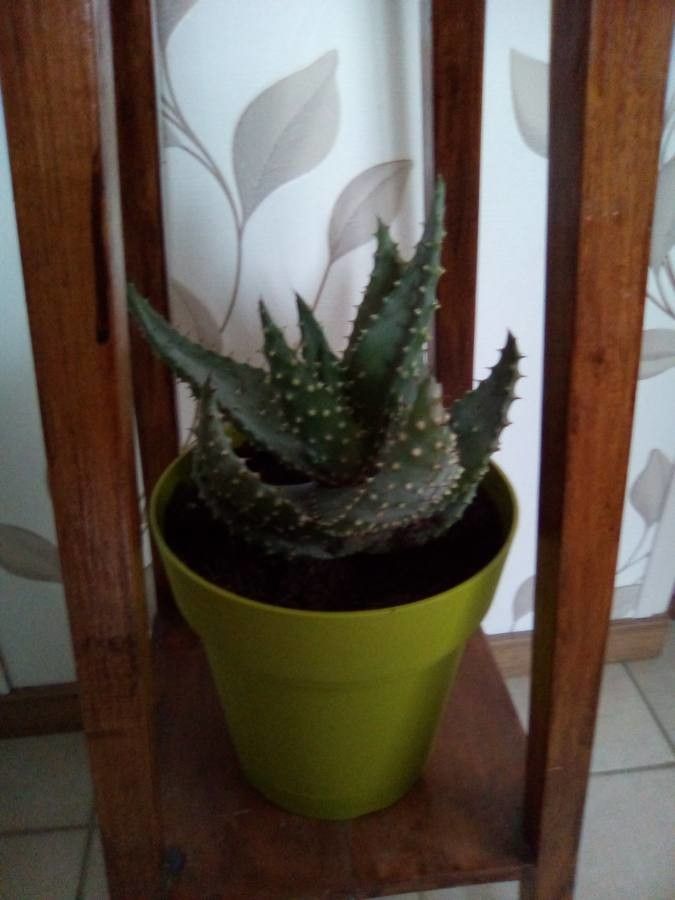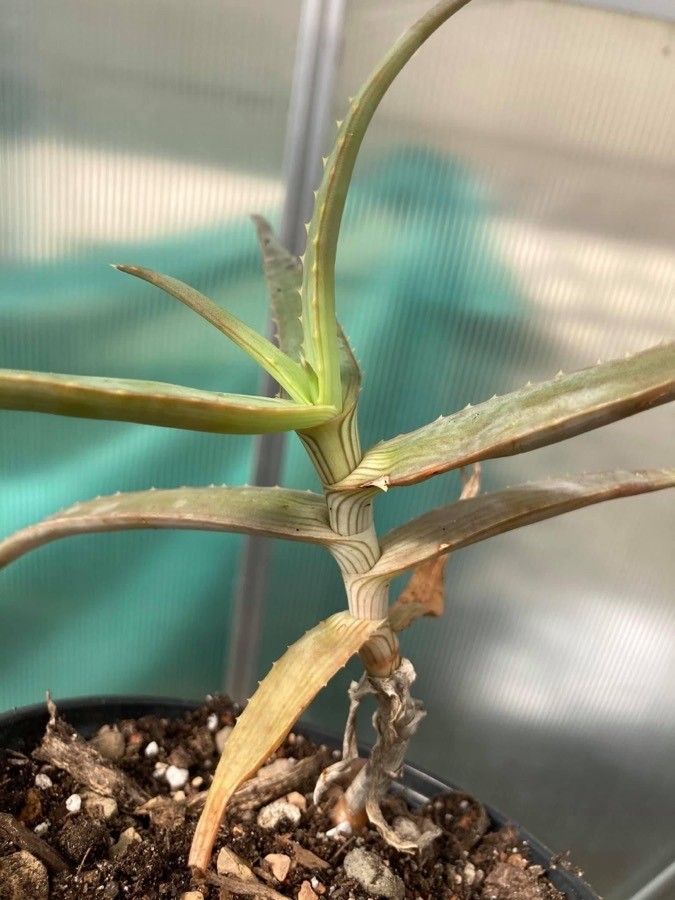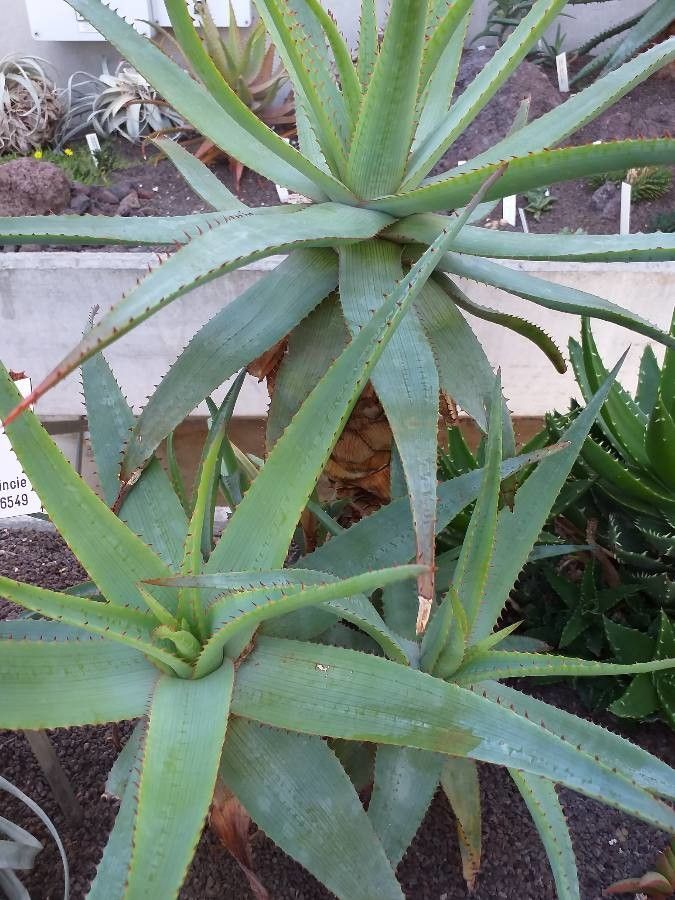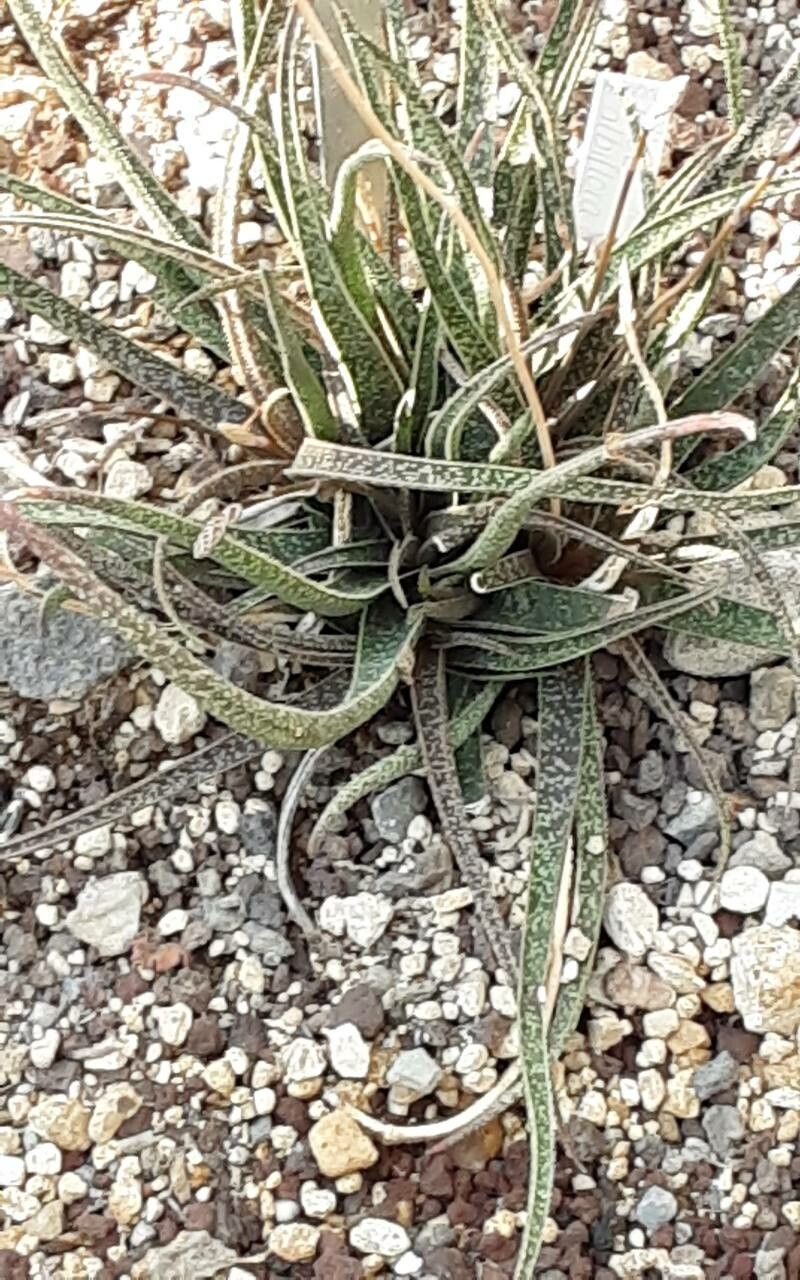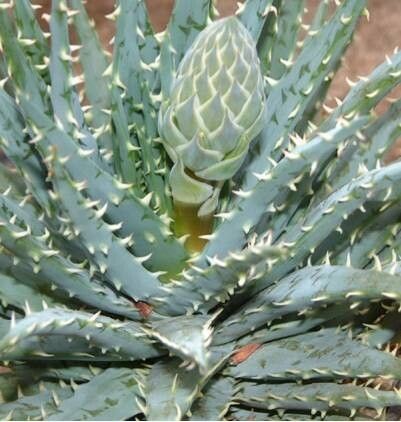
Karoo aloe has strong disease resistance and is unlikely to become ill under normal care. It is also not easily vulnerable to most pests and diseases. In terms of care, Karoo aloe is drought-tolerant and can endure long periods without watering. It needs little fertilizer and generally does not require pruning. This makes it a suitable plant for people at any experience level, especially those who want to spend less time caring for their plants. It is a good option for people who are often away for extended periods and may forget to water their plants regularly.
How to keep Aloe Longistyla.
Light
The Karoo aloe is native to locales with diffused light, like the forest understory or stony regions that offer organic shade. It leans towards partial sunlight but can withstand complete sunlight too.
Water
Aloe longistyla thrives in well-drained, dry soil and needs filtered water because it's sensitive to minerals. Water the plant deeply but infrequently, and check the soil's moisture level 2 to 3 inches down weekly. Excess moisture can lead to root rot. If this happens, allow the plant to dry out before replanting it in fresh soil.
Temperature
Karoo aloe flourishes in hot conditions and needs elevated temperatures during its growth period to boost its development and metabolism. It appreciates a lot of sun, suitable humidity, and adequate airflow. Nonetheless, it can get damaged if subjected to extremely low temperatures or too much watering. Thus, it's vital to find a middle ground and also steer clear of excessively hot temperatures and excessively arid conditions.
Fertilizer
For the Karoo aloe, it is advisable to lightly fertilize 1-2 instances annually during its growth cycle. Refrain from supplying fertilizer in the winter and summer seasons when the plant is inactive. For plants that have recently been repotted, lower the amount of fertilizer and hold off on fertilizing for a few months post-repotting. Providing fertilizer promotes robust development and stimulates flowering.
Pruning
Aloe longistyla has a compact rosette of thick, fleshy leaves. To maintain the plant's health, prune it in early spring by removing any damaged parts. Ensure you make clean cuts to promote healthy growth and improve air circulation. Use sharp tools to prevent infections, boosting the plant's vitality and appearance.
Botanical profile.
- Plant Type
- Succulent, Herb
- Life Cycle
- Perennial
- Genus
- Aloe
- Family
- Xanthorrhoeaceae
- Hardiness Zone
- 9-11
- Mature Height
- 30 cm to 61 cm
- Mature Spread
- 40 cm to 76 cm
- Leaf Color
- Light Green, Dark Green
- Leaf Type
- Evergreen
- Flower Color
- Red, Orange
- Flower Size
- 2.03 cm to 3.05 cm
- Bloom Time
- Winter
- Planting Time
- Autumn, Winter
- Harvest Time
- Spring
- Native Area
- South Africa