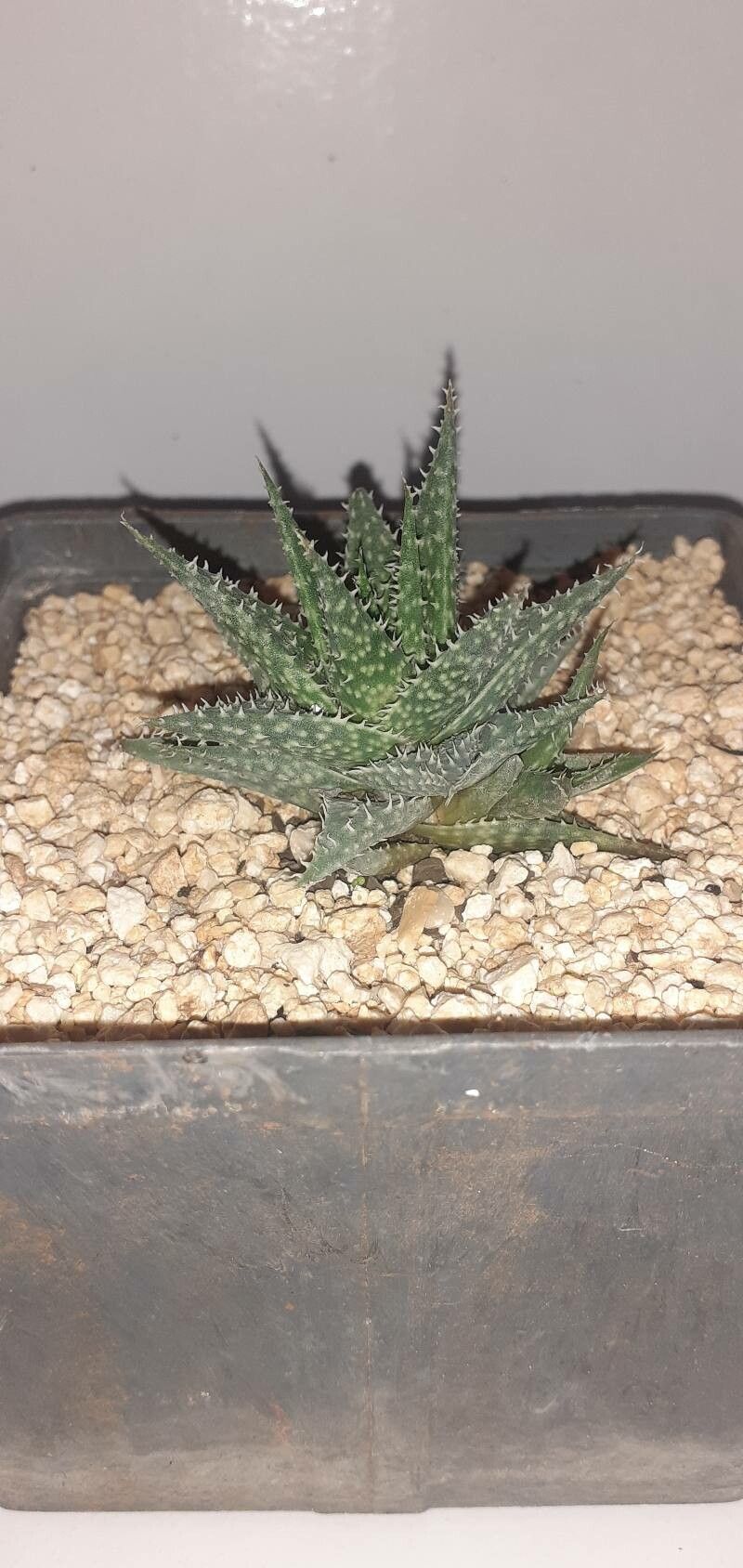
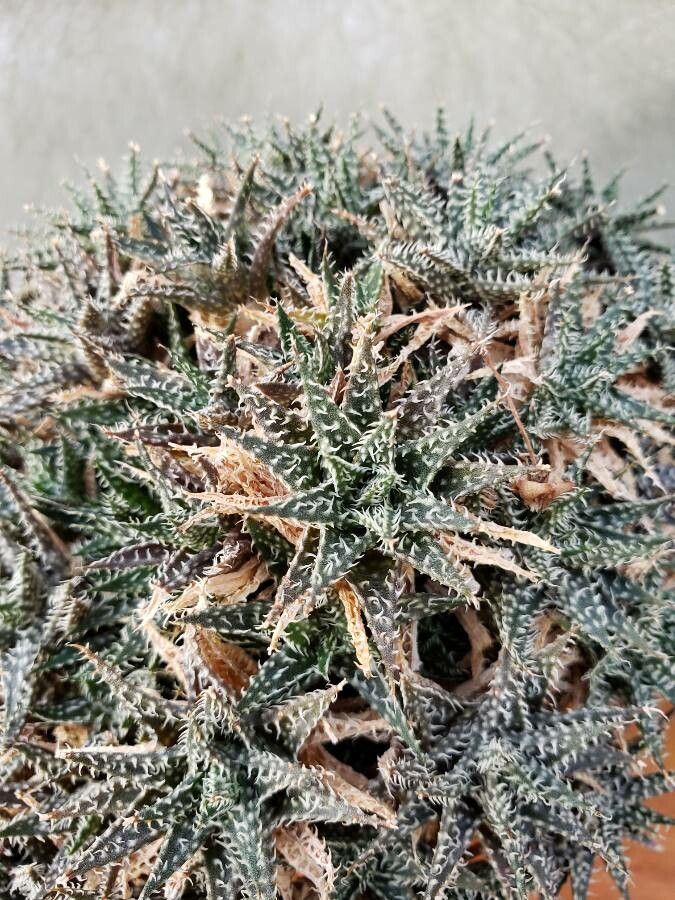
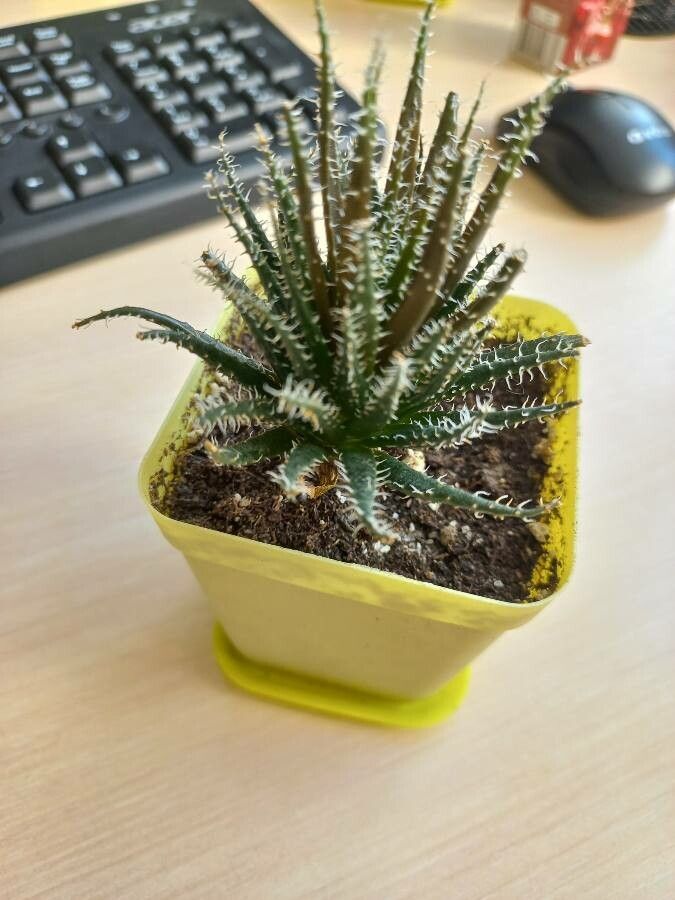
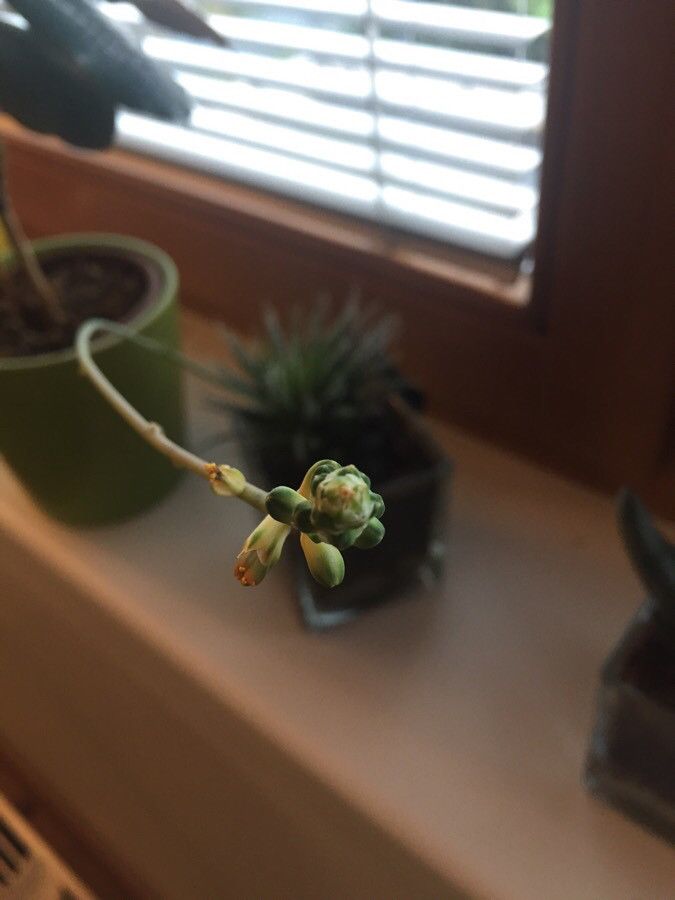
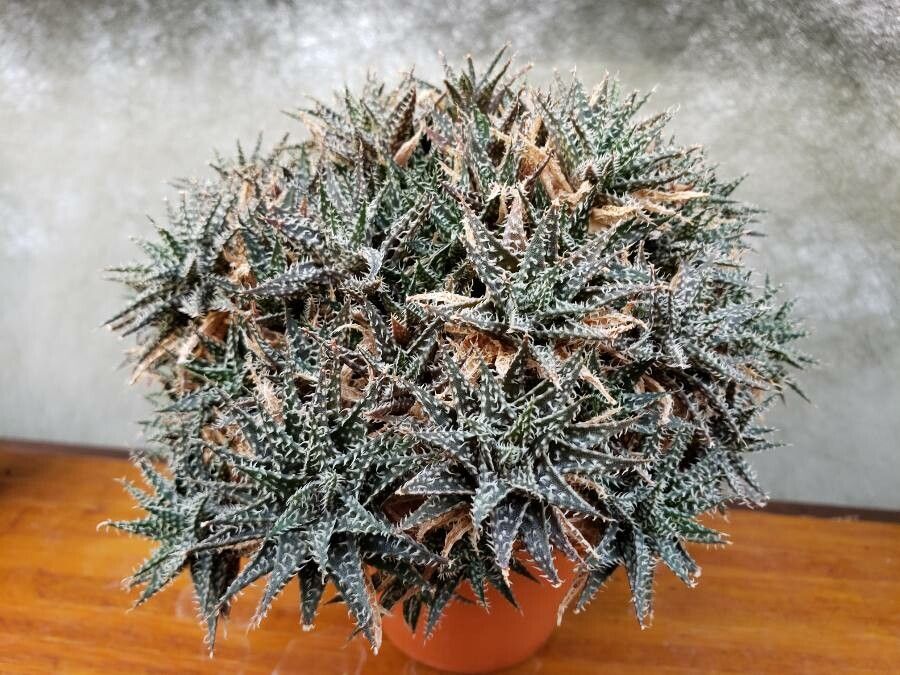
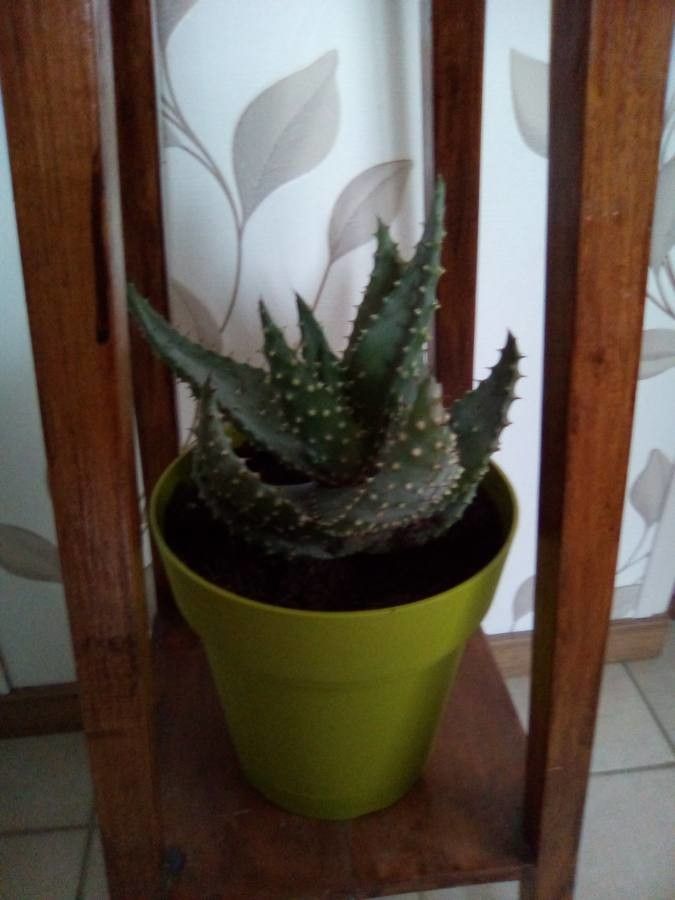
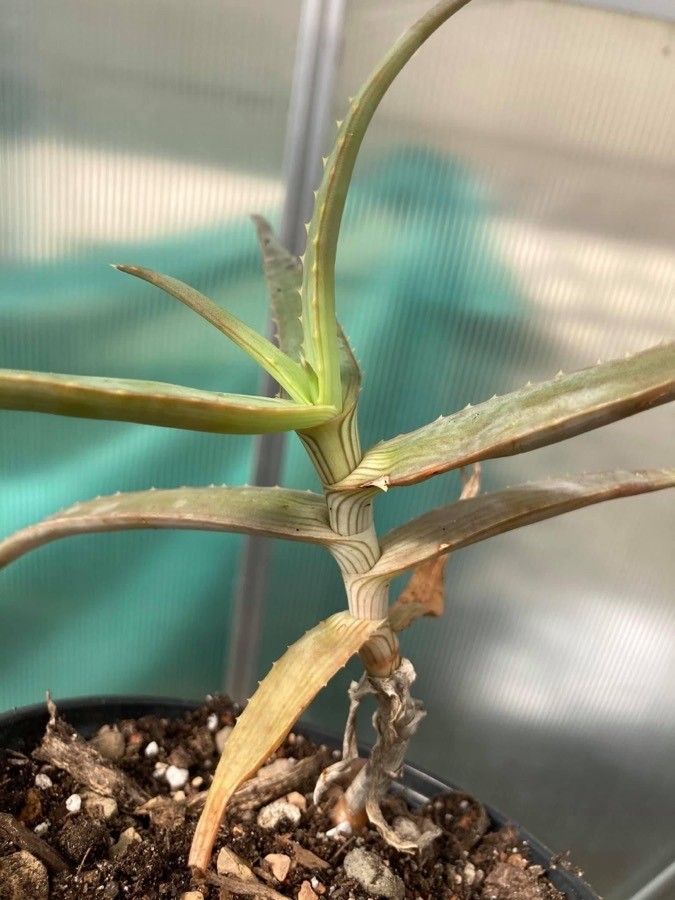
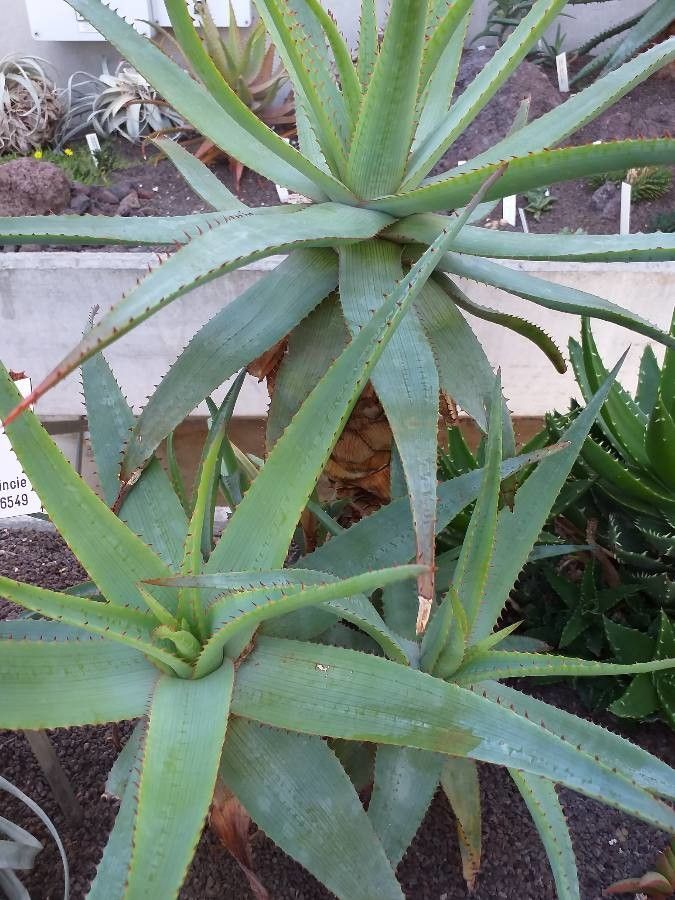
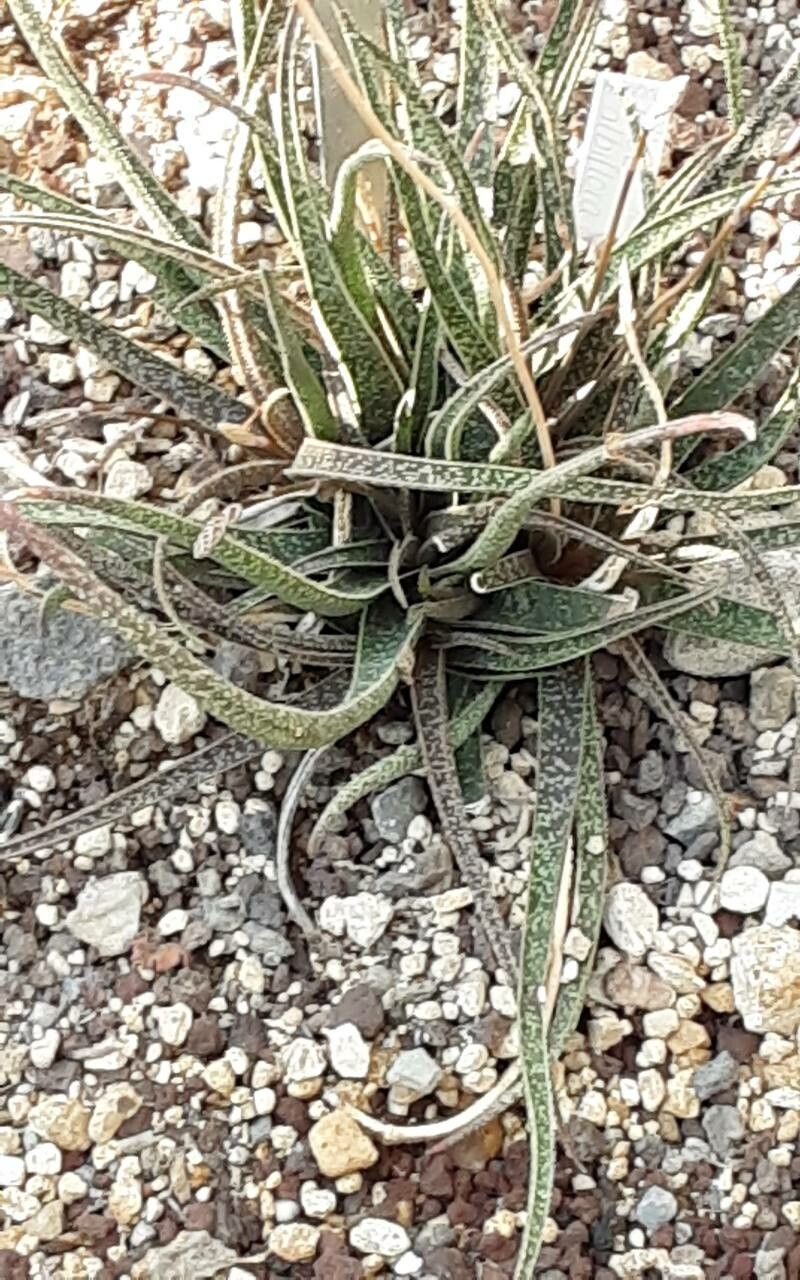
Aloe haworthioides is a species of flowering plant in the Asphodelaceae family. It native to Madagascar. This Aloe is named for its leaves covered with soft spines and thus its resemblance to Haworthia species. A small species, it grows in stemless, clumping offsets and sports orange, highly fragrant flowers.
Haworthia-leaved aloe has strong disease resistance and is less likely to become ill under normal care. It is also generally not prone to most pests and diseases. In terms of care, Haworthia-leaved aloe is drought-tolerant and can withstand long periods without watering. It requires little fertilizer and usually does not need pruning. This makes it a suitable plant for people of all levels of experience, especially those who prefer to spend less time on plant care. It is a good option for people who are often away for extended periods and may forget to water their plants regularly.
How to keep Aloe Haworthioides.
Light
Originating from arid regions, the Haworthia-leaved aloe does best in full sun, as its native habitat has intense sunlight and very little shade. It will also tolerate partial sun, providing some flexibility in its growth.
Water
The Haworthia-leaved aloe flourishes in dry, well-drained soil. It's important to use filtered water when watering this plant, as it is sensitive to the minerals found in tap water. Water the plant deeply but infrequently, usually about once a week. Before watering, make sure the soil is dry to prevent root rot. You can check the moisture level by inserting your finger 2–3 inches (5–7.5 cm) into the soil.
Temperature
Haworthia-leaved aloe grows best in warm conditions and needs relatively high temperatures during the growing season to support growth and metabolism. It prefers plenty of sunlight, moderate moisture, and good air circulation. However, it can be harmed by very low temperatures and by overwatering. It's also important to maintain balance and avoid extreme heat and overly dry conditions.
Fertilizer
Haworthia-leaved aloe only needs light fertilizer applications once or twice a year during the growing season. Do not fertilize in winter or in summer when the plant is dormant. Use less fertilizer for plants that have been repotted and wait a few months after repotting before you start feeding. Fertilizing promotes healthy growth and helps produce blooms.
Pruning
The Haworthia-leaved aloe has rosette-forming succulent leaves and benefits from pruning in early spring. To care for this plant, focus on removing dead leaves and thinning out crowded areas to improve air circulation and light penetration. Regular pruning encourages healthy regrowth and enhances the overall health of the plant, ensuring that the Haworthia-leaved aloe thrives.
Pot & Repot
When repotting a Haworthia-leaved aloe, choose a pot slightly larger than the current one that has good drainage. Use a gritty, well-draining succulent or cactus mix. Gently remove the plant from its old pot, brush off excess soil, and place it at the same depth in the new pot. Wait a few days before watering so any root damage can heal. Repot in spring or fall and keep the plant in a brightly lit spot.
Botanical profile.
- Plant Type
- Succulent
- Life Cycle
- Perennial
- Genus
- Aloe
- Family
- Asphodelaceae
- Hardiness Zone
- 9-11
- Mature Height
- 10 cm
- Mature Spread
- 15 cm
- Leaf Color
- Green
- Leaf Type
- Evergreen
- Flower Color
- Orange
- Flower Size
- 1.02 cm to 1.52 cm
- Bloom Time
- Winter
- Planting Time
- Spring, Summer, Autumn
- Harvest Time
- Late winter, Early spring, Mid spring
- Native Area
- Madagascar
Other names.