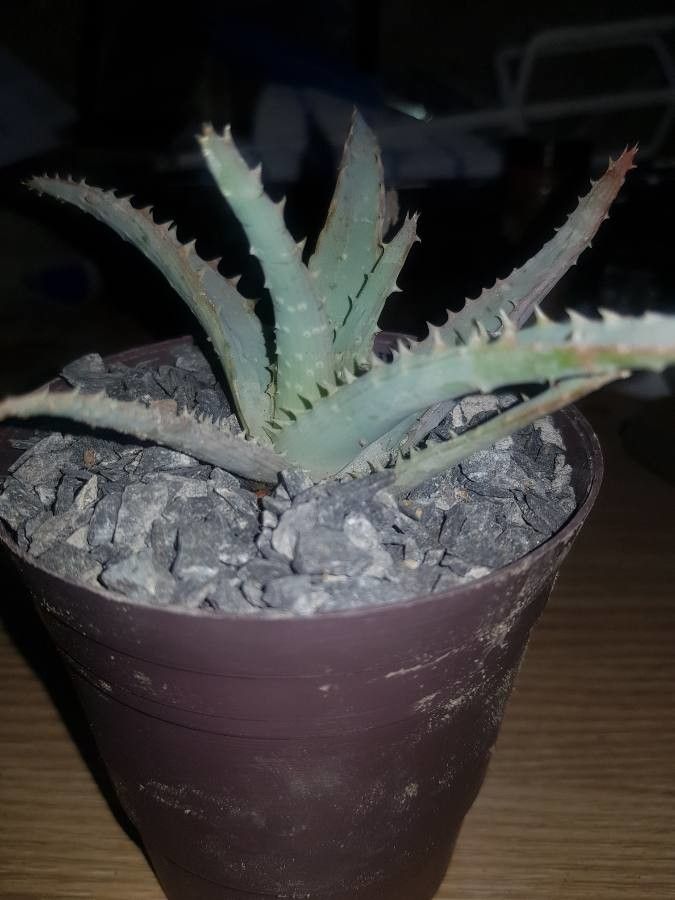
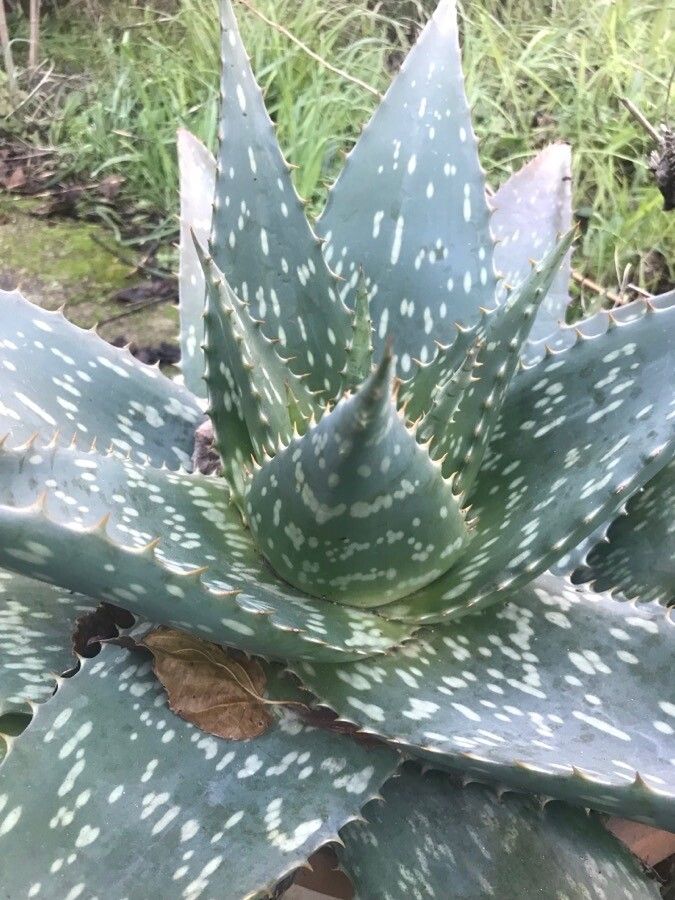
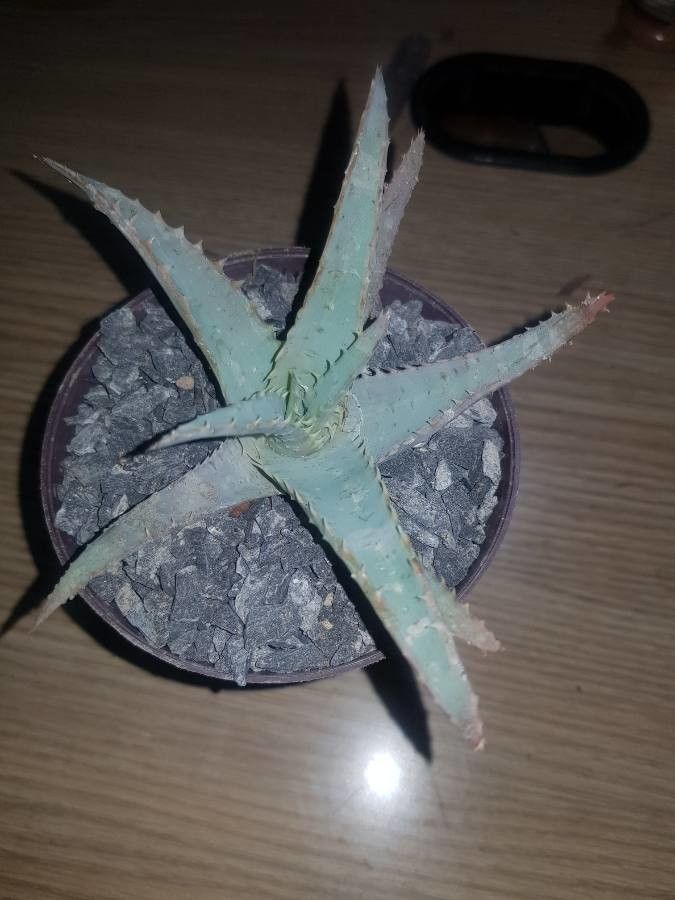
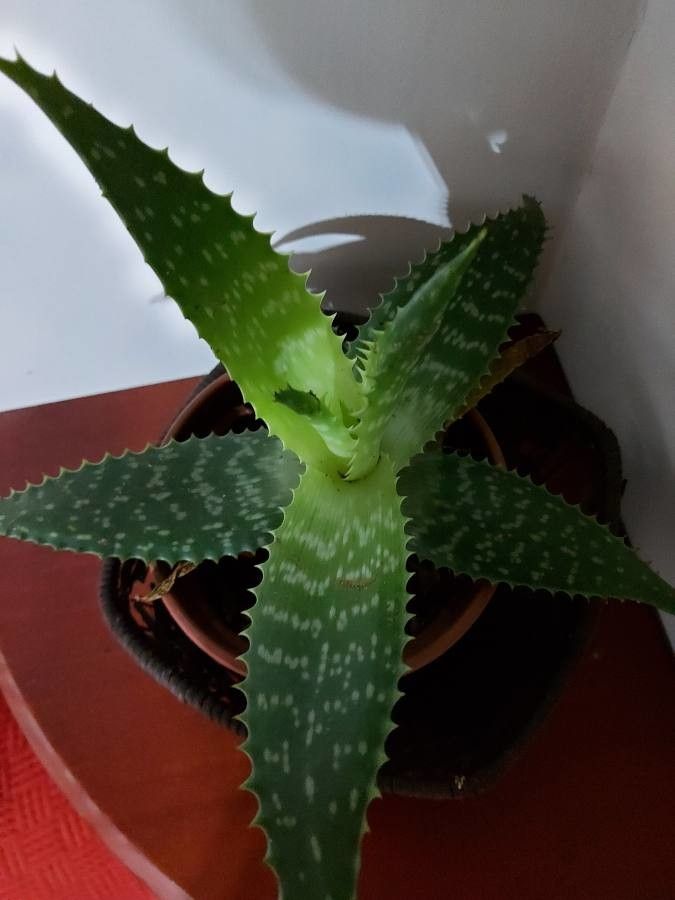
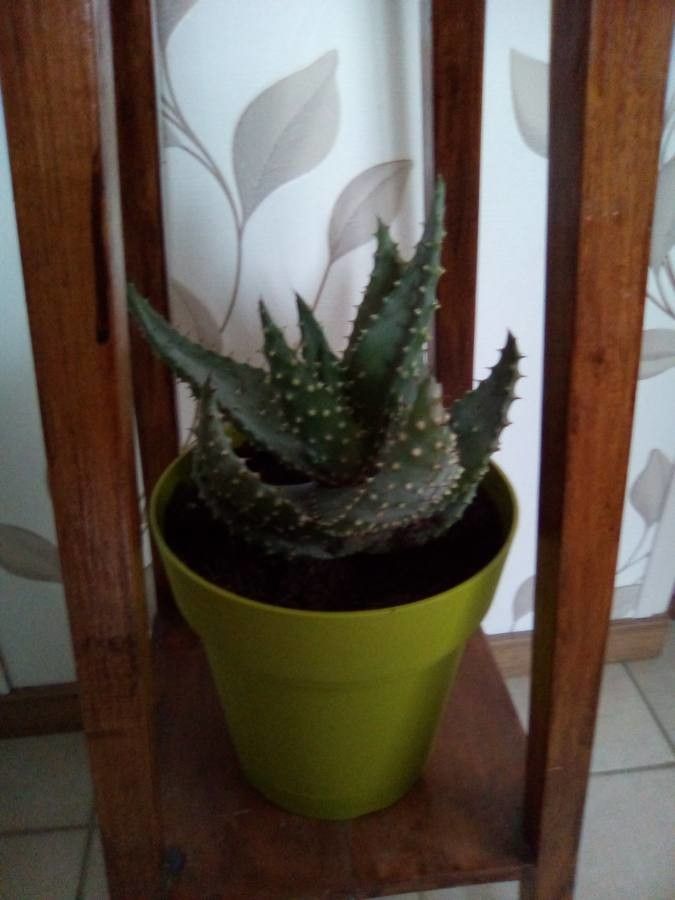
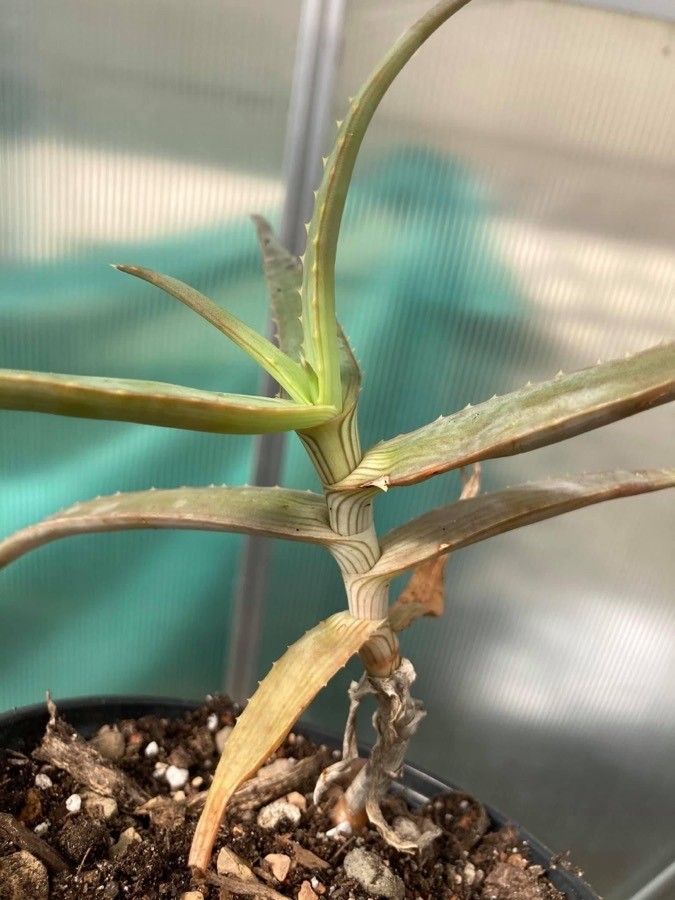
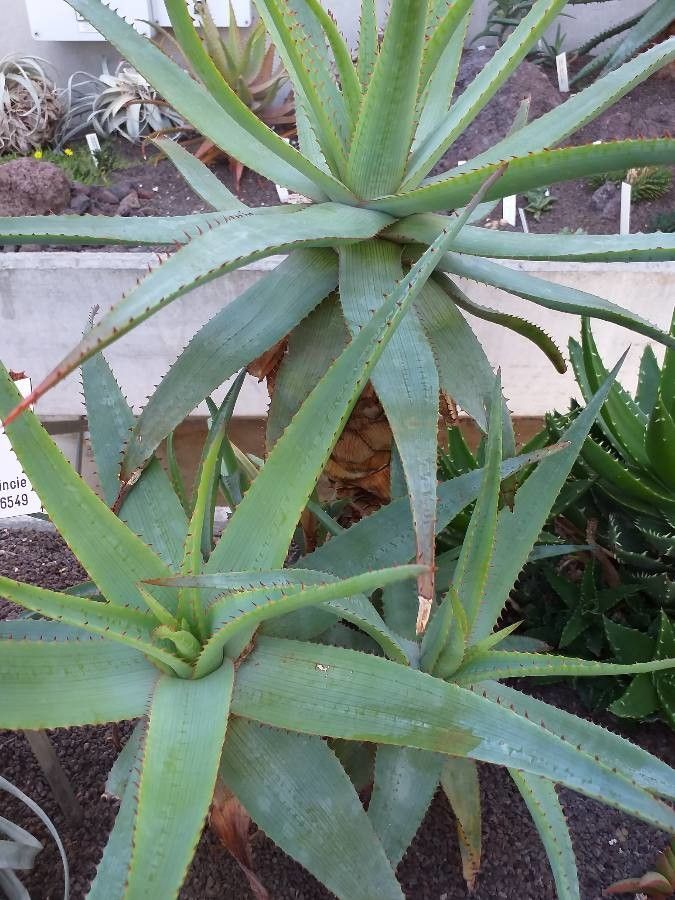
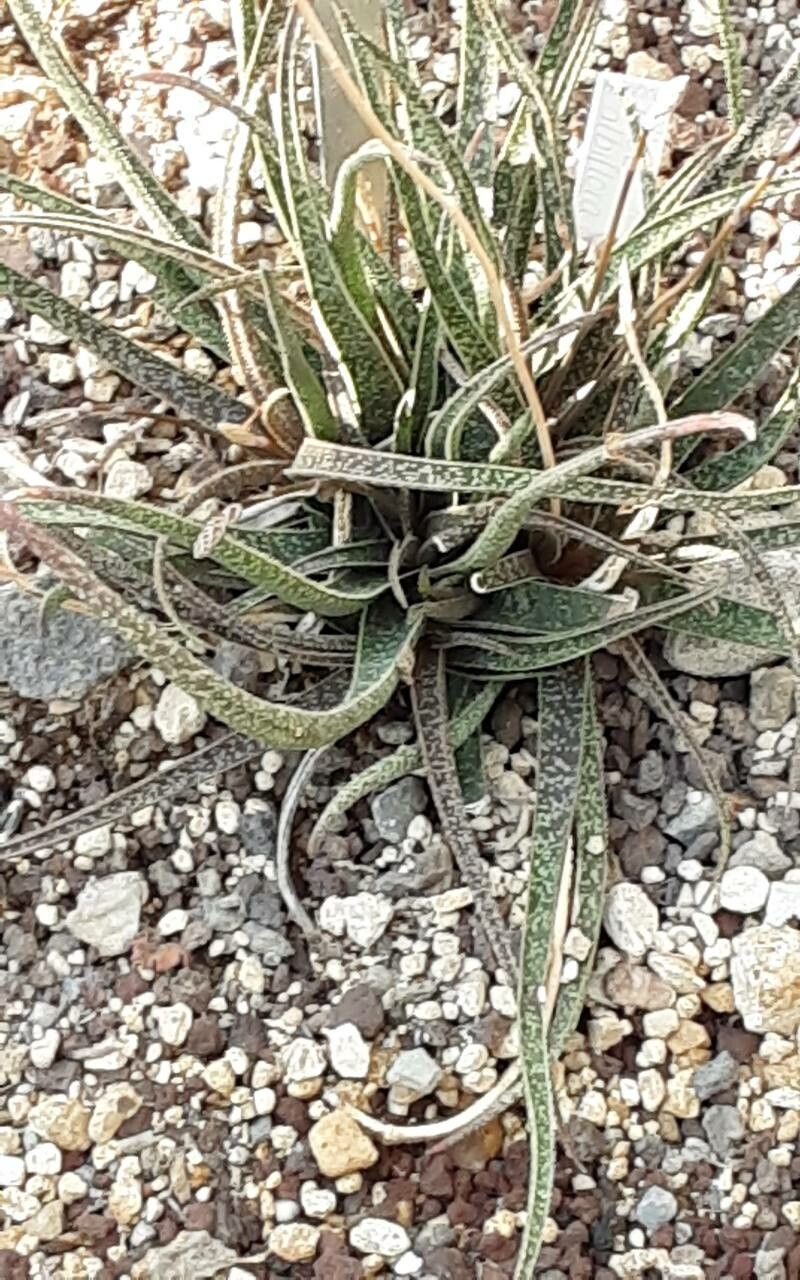
Aloe grandidentata is a succulent plant species belonging to the Aloe genus and the Asphodelaceae family. Native to South Africa, it thrives in various habitats such as rocky outcrops, grasslands, and savannas. The plant features a rosette of thick, fleshy, green-grey leaves adorned with white spots and sharp teeth along the margins.
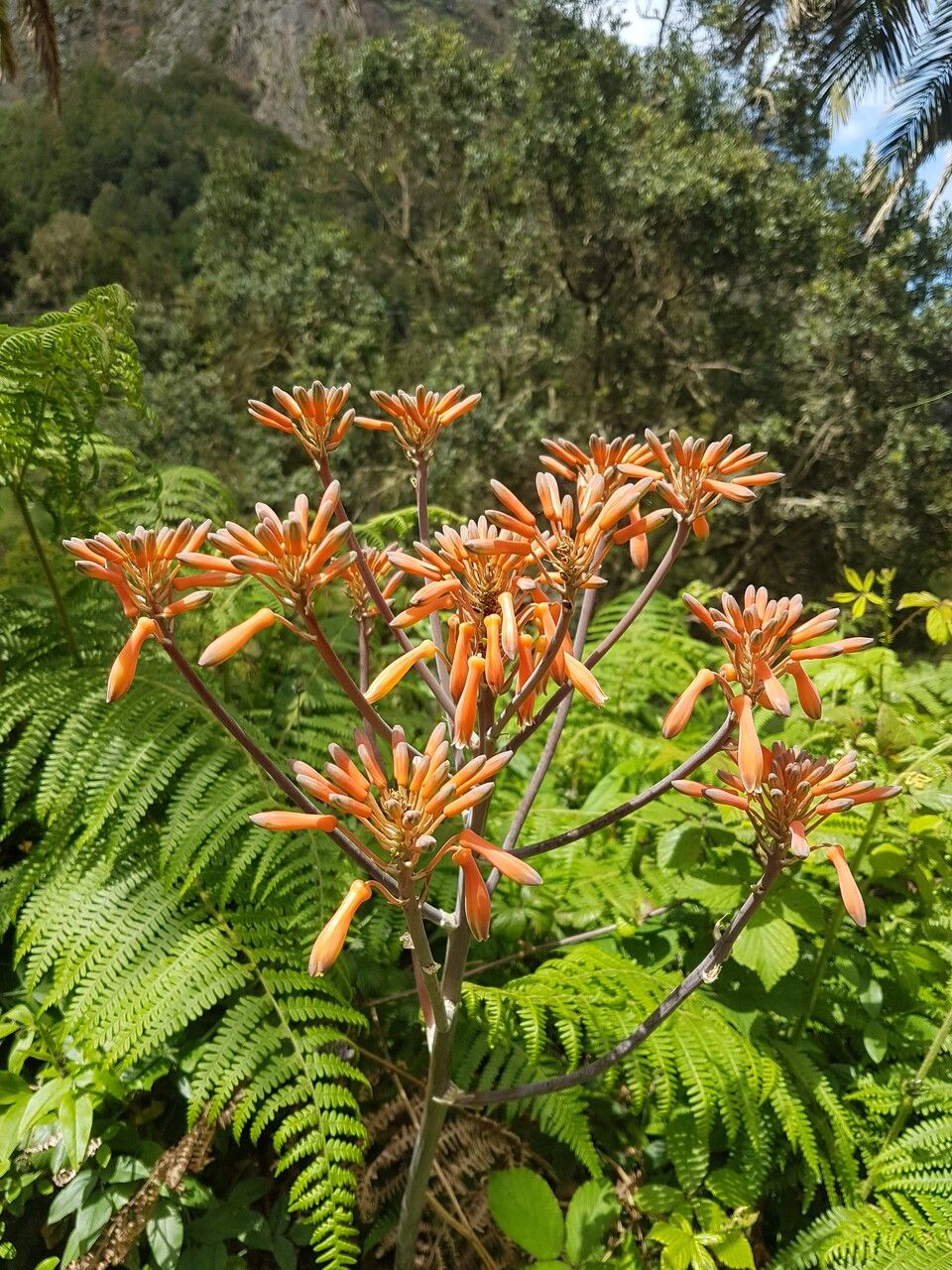
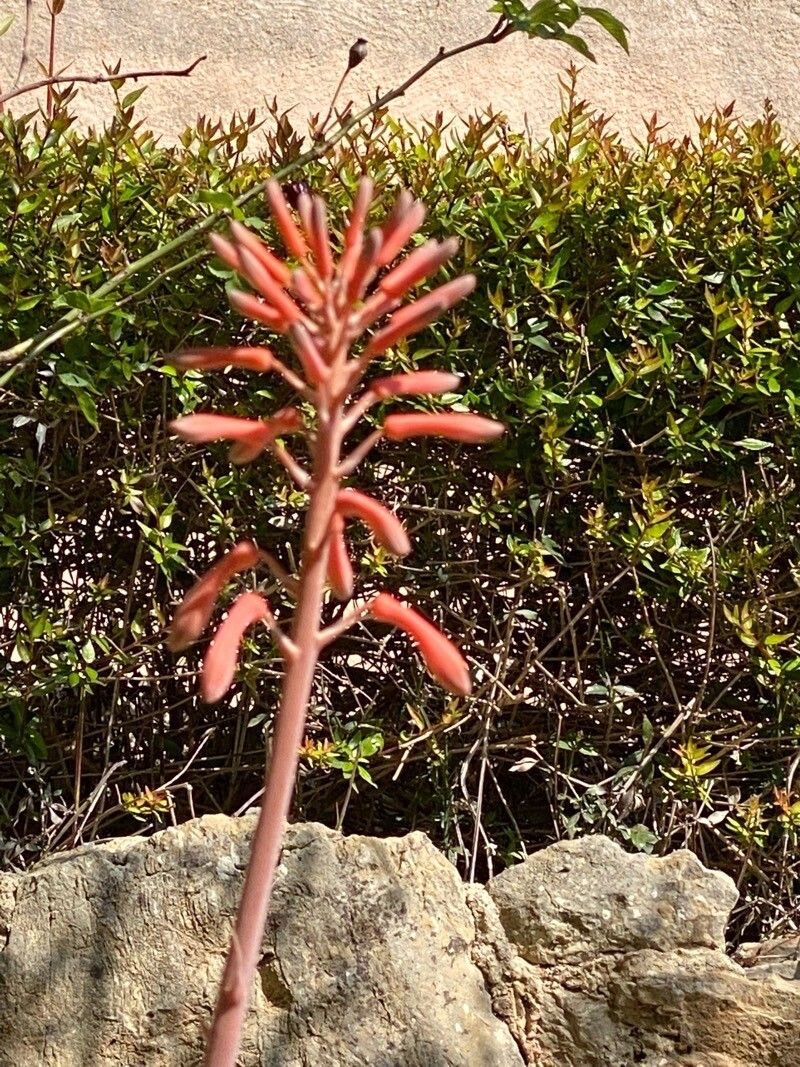
Aloe grandidentata produces tall inflorescences that can reach up to 1 meter in height. The flowers are tubular in shape and range in color from yellow-orange to red-orange.
Traditionally, indigenous people in South Africa have used Aloe grandidentata for its medicinal properties to treat various ailments, including wounds, burns, fever, and constipation.
In cultivation, Aloe grandidentata is easy to grow, requiring minimal care. It thrives in well-draining soil mixtures and needs only occasional watering during dry periods. Propagation is possible through offsets or seeds.
Overall, Aloe grandidentata is an attractive succulent that enhances both indoor and outdoor spaces while also offering medicinal benefits when used appropriately under medical supervision or by trained professionals.
Soup Aloe has strong resistance to disease and is unlikely to become ill under normal care. It is also generally resistant to most pests and infections. Regarding care needs, Soup Aloe is drought-tolerant and can endure long intervals without watering. It requires little fertilizer and typically does not need pruning. As a result, it is appropriate for gardeners of any skill level, especially those who prefer to spend less time on plant care. It is a suitable option for people who are often away for lengthy periods and may forget to water their plants regularly.
How to keep Aloe Grandidentata.
Light
Soup Aloe comes from places with dappled light, such as the forest understory or rocky areas that provide natural shade. It prefers partial sun but can also tolerate full sun.
Water
Aloe grandidentata does best in dry, well-drained soils and benefits from filtered water because it is sensitive to minerals and pH levels. It's important to water the plant deeply but not too often, ensuring you check the soil moisture before each watering. If the plant is overwatered, allow its roots to dry thoroughly and replant it in fresh soil. Avoid watering for one week after replanting.
Temperature
Soup Aloe does best in warm conditions and needs higher temperatures during the growing season to encourage growth and metabolic activity. It prefers plenty of sunlight, suitable moisture, and good airflow. However, it is vulnerable to damage from very low temperatures and from overwatering. It is important to maintain a balance and avoid both excessively high temperatures and overly dry conditions.
Fertilizer
For Soup Aloe, apply light amounts of fertilizer once or twice a year during the growing season. Do not fertilize in winter or in summer when it is dormant. Reduce feeding for plants that have been repotted and wait a couple of months after repotting before you fertilize. Fertilizing promotes healthy growth and encourages blooms.
Pruning
Aloe grandidentata, featuring a rosette of thick, fleshy leaves, benefits from pruning in early spring. To promote growth and improve airflow, remove any dead leaves. After the plant blooms, cut back the flower stalks to maintain its vitality. Always use clean tools to prevent infections and to keep the plant healthy and visually appealing.
Botanical profile.
- Plant Type
- Succulent, Herb
- Life Cycle
- Perennial
- Genus
- Aloe
- Family
- Asphodelaceae
- Hardiness Zone
- 9-11
- Mature Height
- 30 cm to 49 cm
- Mature Spread
- 40 cm to 61 cm
- Leaf Color
- Green, Dark Green
- Leaf Type
- Evergreen
- Flower Color
- Red, Orange
- Flower Size
- 2.03 cm to 3.05 cm
- Bloom Time
- Late fall, Early winter, Mid winter
- Planting Time
- Spring, Summer, Autumn, Winter
- Harvest Time
- Late winter, Early spring, Mid spring
- Native Area
- South Africa
Other names.
Reader questions.
What are the sunlight requirements for Aloe grandidentata?
Aloe grandidentata thrives in different sunlight conditions depending on the variant. For those requiring 'Full sun,' it's essential to provide above 6 hours of sunlight daily. However, if the plant variety falls under 'Partial sun,' about 3-6 hours of sunlight each day is sufficient. It's crucial to observe how sunlight shifts across your garden throughout the day, selecting spots that offer an ideal mix of light and shade. Doing so ensures your Aloe grandidentata grows healthy and happy.