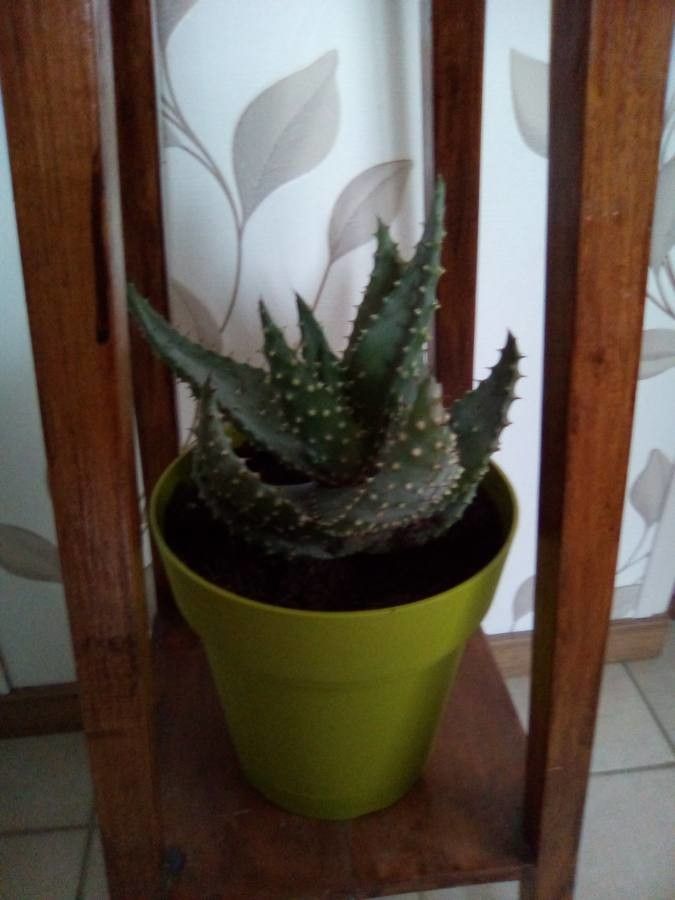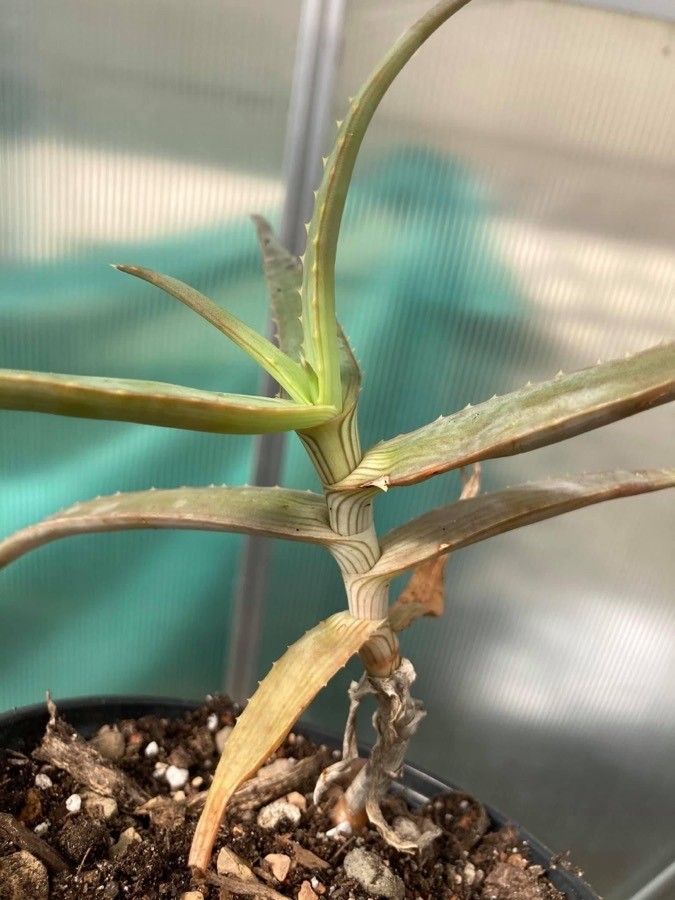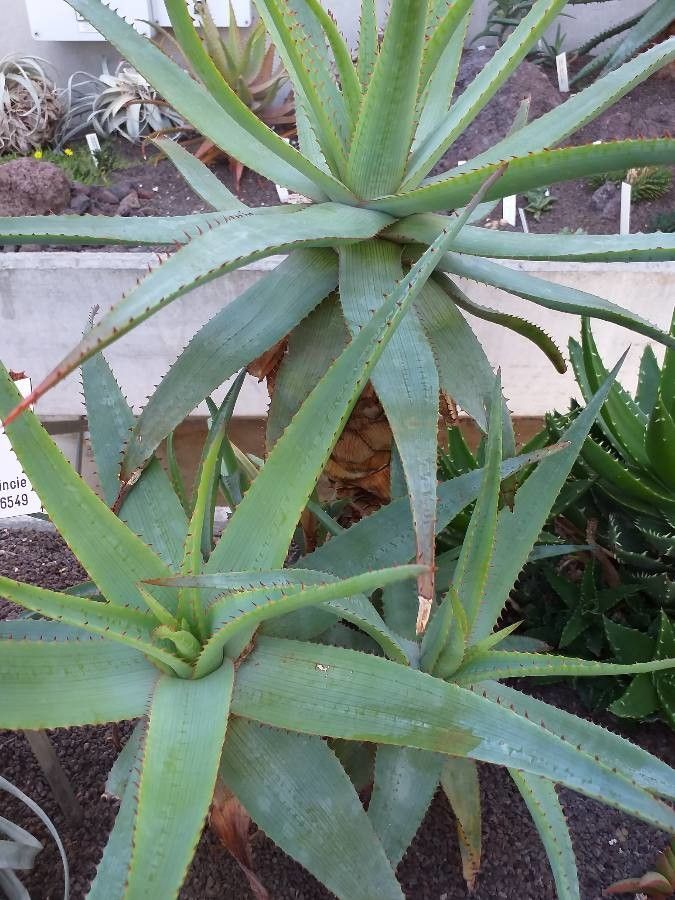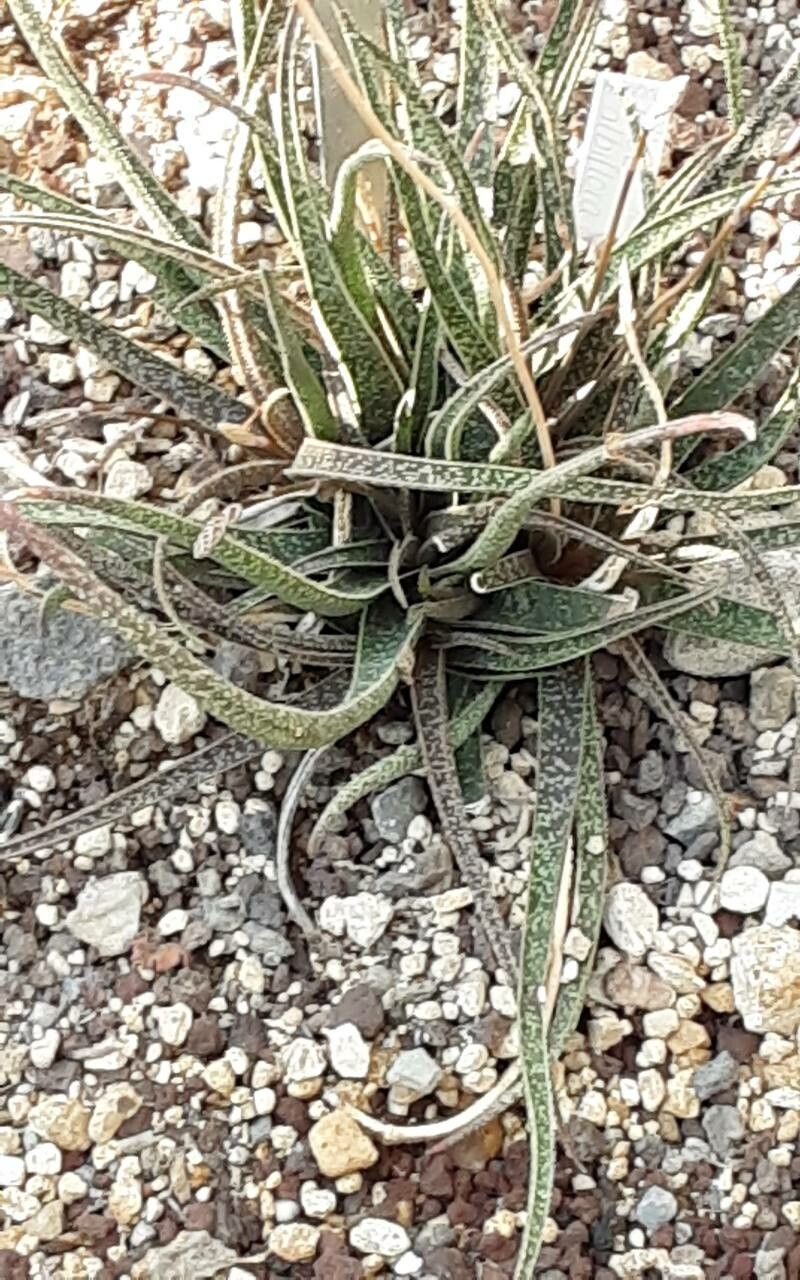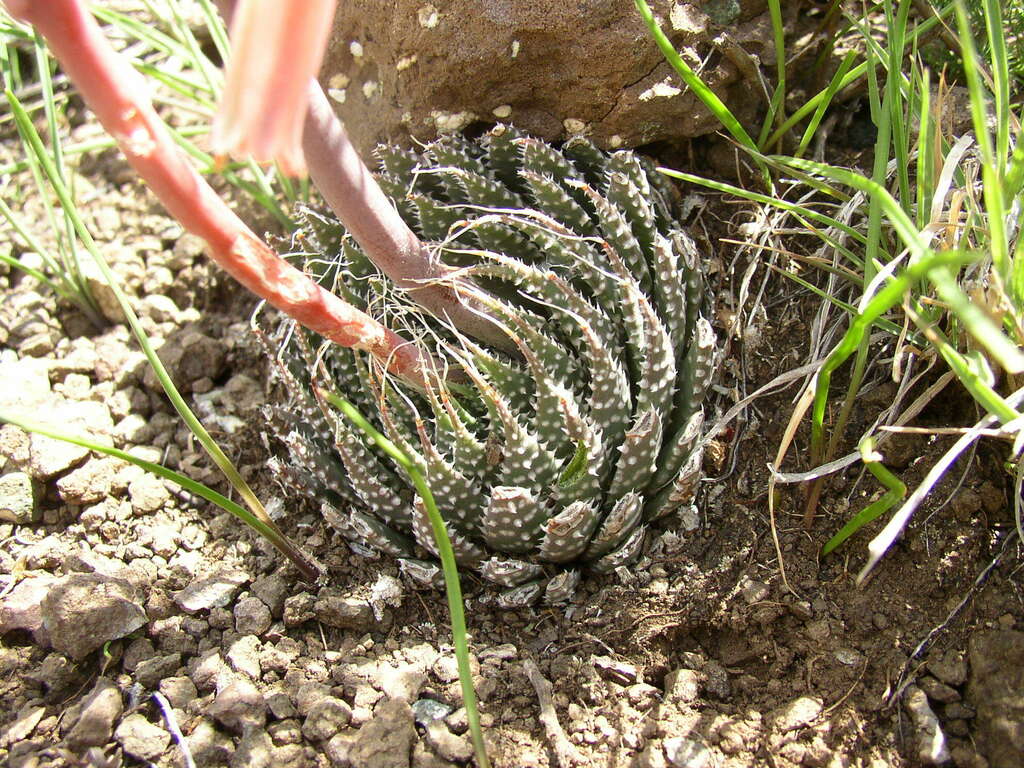
Aristaloe is a genus of evergreen flowering perennial plants in the family Asphodelaceae from Southern Africa. Its sole species is Aristaloe aristata, known as guinea-fowl aloe or lace aloe.
Lace aloe has strong disease resistance and is less likely to become ill under normal care. It is also not easily affected by most pests and diseases. In terms of care, Lace aloe is drought tolerant and can withstand long periods without watering. It does not need much fertilizer and generally does not require pruning. This makes it suitable for people of all experience levels, especially those who want to spend less time caring for their plants. It is a good choice for people who are often away for long periods and may forget to water their plants regularly.
How to keep Aloe Aristata.
Light
Lace aloe does best with plentiful sun, similar to its original habitat that favors abundant sunlight. At each stage of growth, ample light promotes optimal development. While it can tolerate moderate sunlight and survive with reduced light, insufficient sun can impede vigorous growth.
Water
Watering this plant as it grows is vital to keep it from drying out. If you want the roots to stay moist, keep watering the soil in the pot on a regular basis. When the plant is fully established, water it less frequently but make sure the soil is not completely dry.
Temperature
The lace aloe does best at temperatures from 68 to 100 ℉ (20 to 38 ℃) and originates from regions with warm climates. In colder months, it is advisable to keep the temperature above 60 ℉ (15 ℃) to avoid damaging the plant. In warmer months, keeping the plant in partial shade can help reduce heat stress.
Fertilizer
Lace aloe only requires light applications of fertilizer once or twice a year during the growing season. Do not fertilize in winter or summer when the plant is dormant. Cut back on feeding newly repotted plants and wait a few months after repotting before you fertilize. Feeding supports healthy growth and helps encourage blooms.
Pruning
Pruning the Lace Aloe succulent plant is not necessary. Remove any dead leaves or old stems from the plant if you believe it needs cleaning. It doesn't require any trimming or shaping and looks great simply the way it is.
Pot & Repot
When repotting Lace aloe, choose a pot a bit bigger than the current one that has good drainage. Fill it with a gritty, well-draining succulent or cactus mix. Gently lift the plant from its old container, brush off excess soil, and set it in the new pot at the same depth. Hold off on watering for several days so any damaged roots can heal. Repot during spring or fall and place the plant where it receives bright light.
Botanical profile.
- Plant Type
- Succulent, Herb
- Life Cycle
- Perennial
- Genus
- Aloe
- Family
- Xanthorrhoeaceae
- Hardiness Zone
- 9-11
- Mature Height
- 20 cm
- Mature Spread
- 15 cm
- Leaf Color
- Green, White
- Leaf Type
- Evergreen
- Flower Color
- Red, Orange
- Flower Size
- 4.06 cm
- Bloom Time
- Late spring, Early summer, Mid summer
- Planting Time
- Spring, Summer, Autumn, Winter
- Harvest Time
- Mid summer
- Native Area
- South Africa, Lesotho