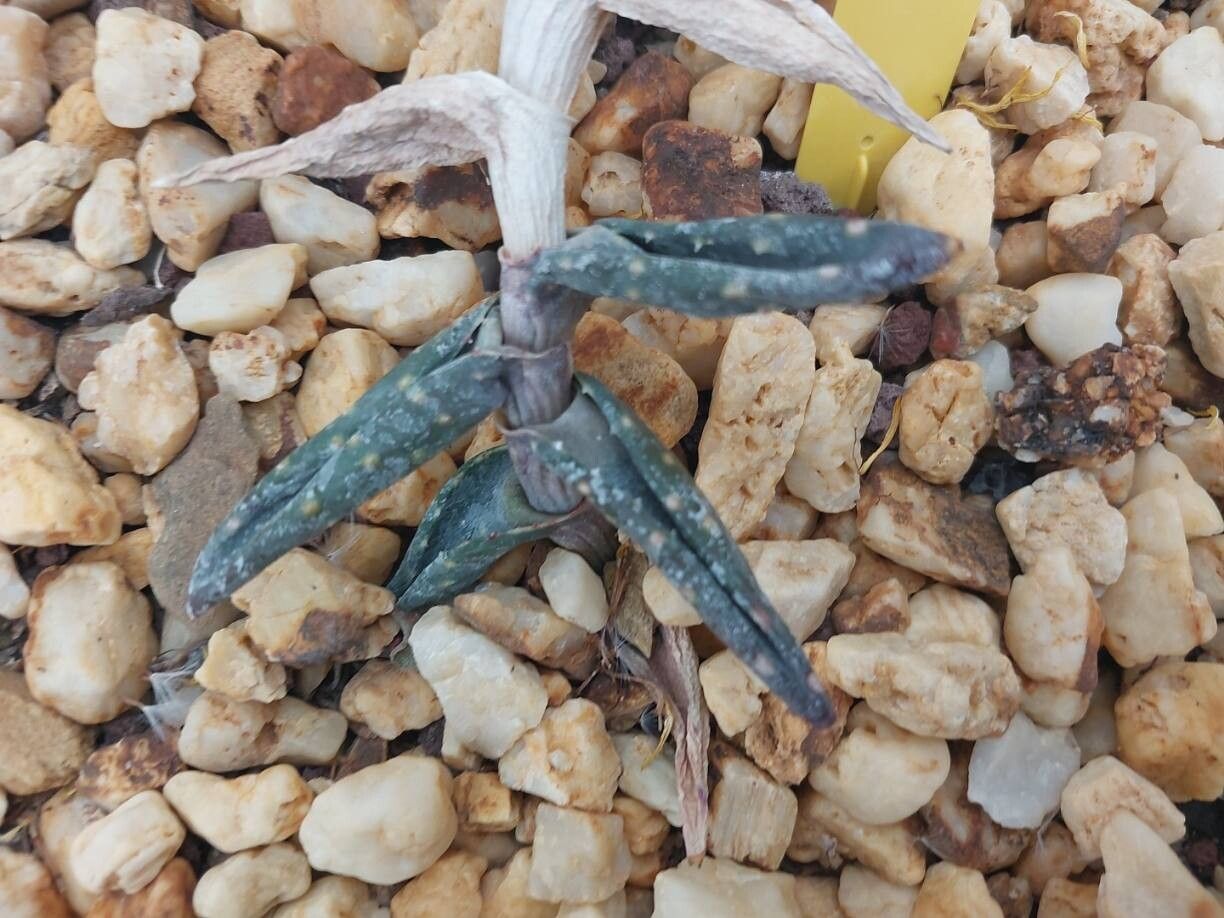
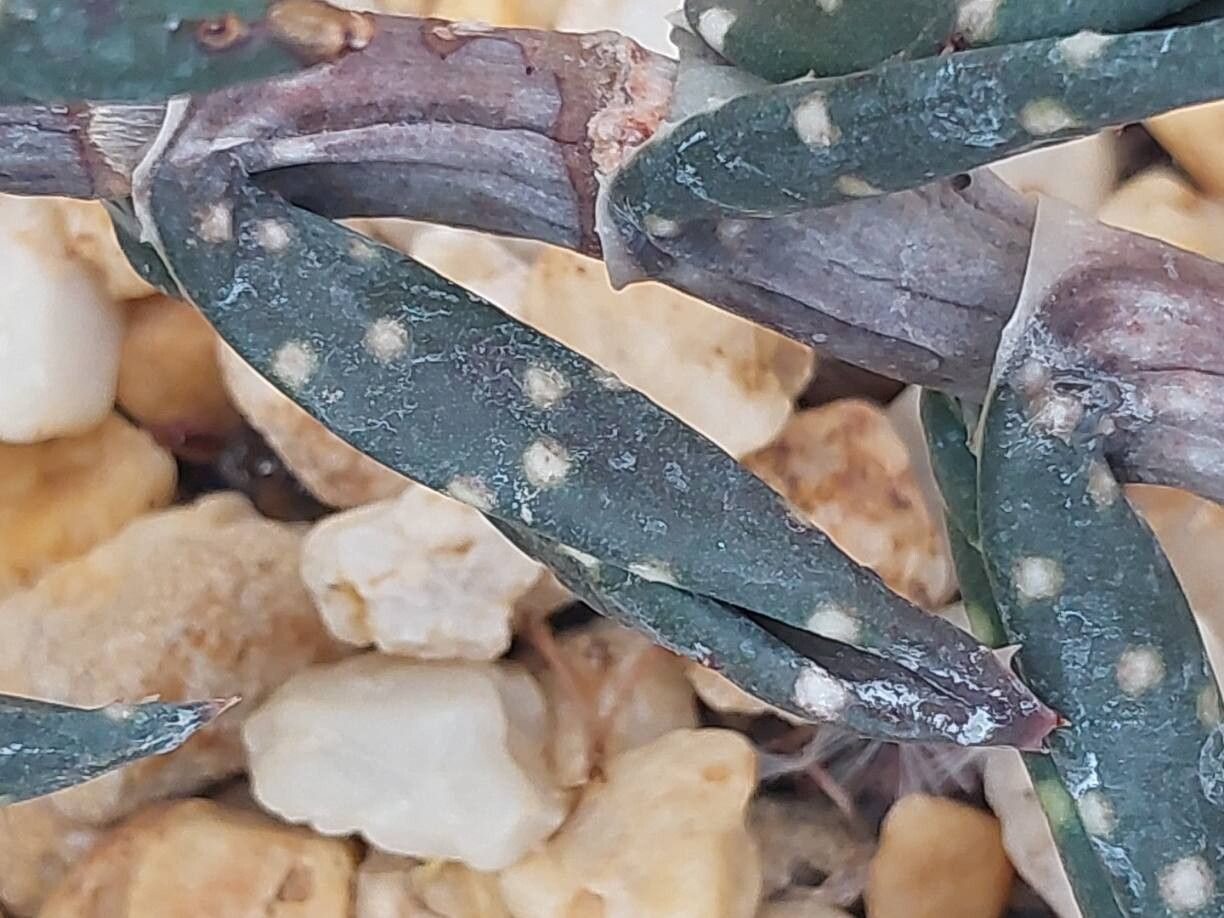
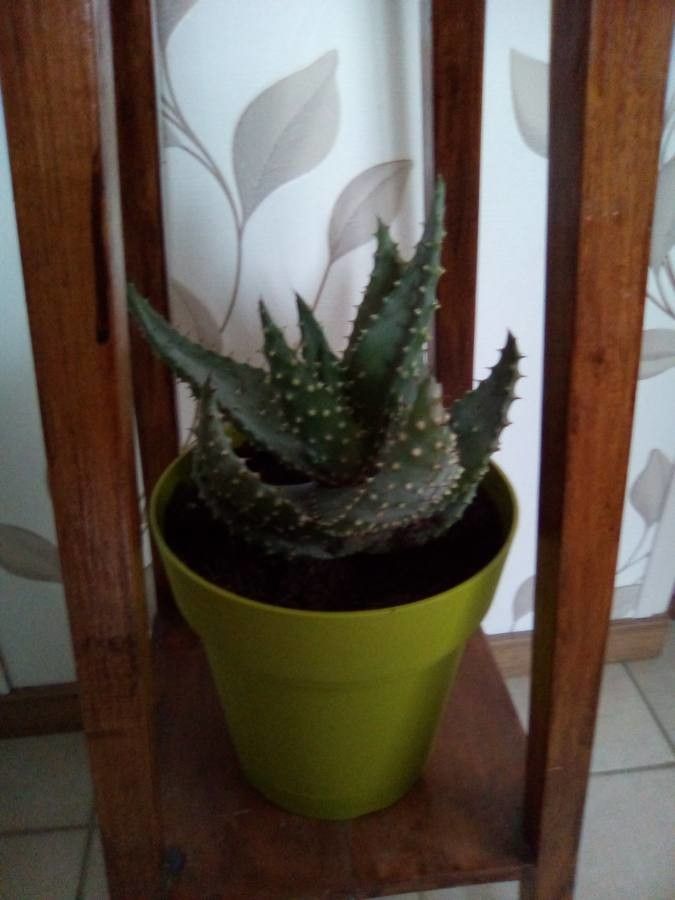
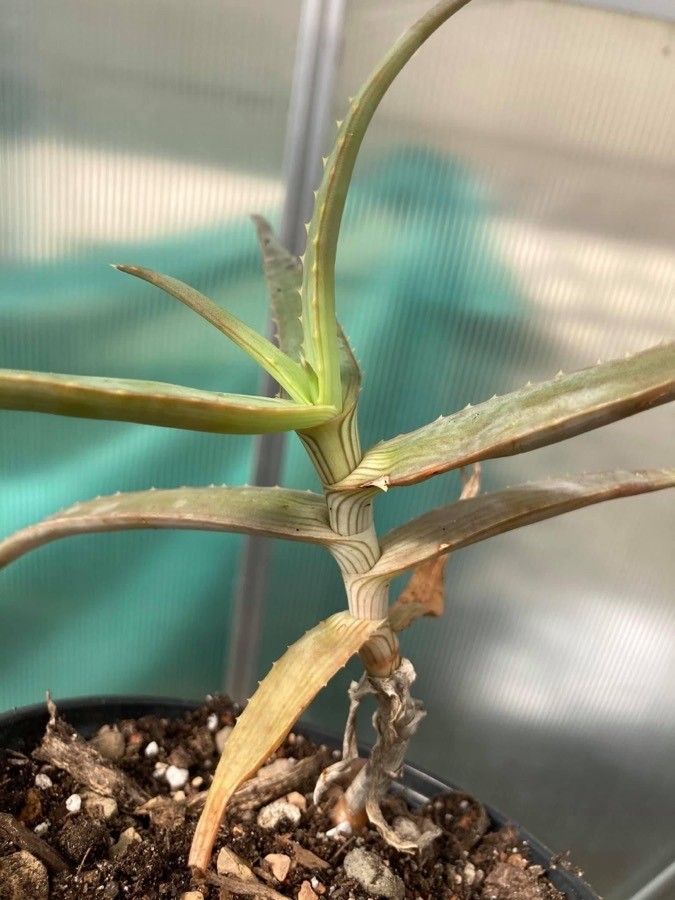
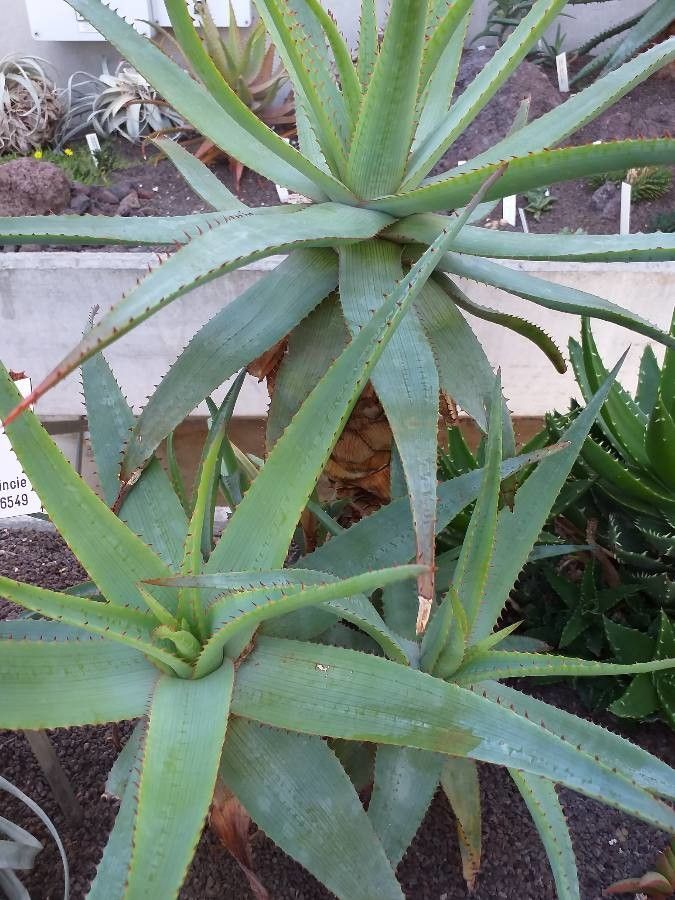
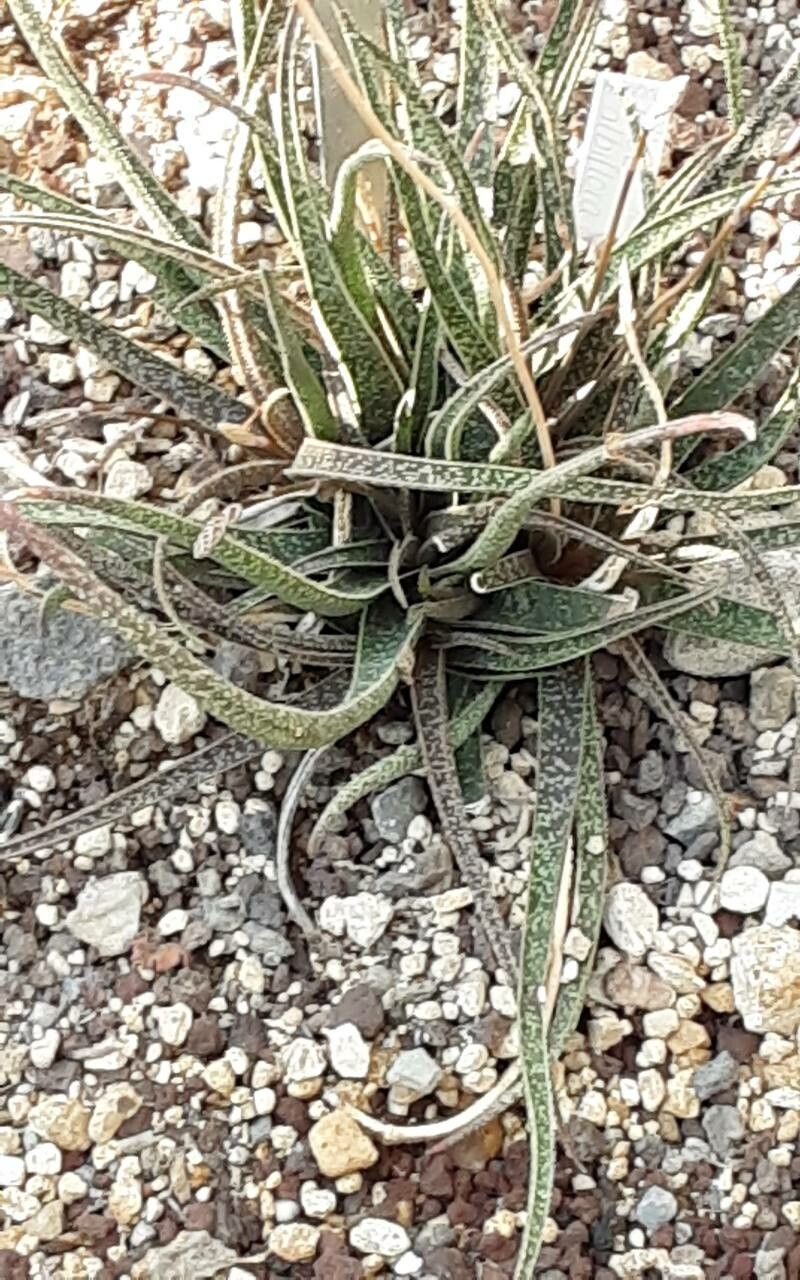
Aloe arenicola is a spotted creeping aloe, indigenous to the arid west coast of South Africa.
Sand aloe has good resistance to disease and, under normal care, is less likely to become ill. It is also not easily affected by most pests and diseases. In terms of care, Sand aloe tolerates drought and can withstand long periods without watering. It needs little fertilizer and generally does not require pruning. These traits make it a suitable plant for people of all experience levels, especially those who want to spend less time on plant care. It is a good option for people who are often away for long periods and may forget to water their plants regularly.
How to keep Aloe Arenicola.
Light
The Sand aloe, indigenous to dry areas, flourishes in direct sunlight, as its natural habitat is marked by intense solar exposure and scarce shade. It can also tolerate semi-shade, showing some flexibility in its development.
Temperature
The Sand aloe prospers in hot climates and necessitates elevated temperatures during its growth phase to enhance its growth and metabolism. It favours abundant sunlight, suitable dampness, and efficient air movement. Nevertheless, it is vulnerable to harm from overly cold temperatures and excessive watering. It's crucial to maintain a balance and evade extremely high temperatures and extremely dry conditions as well.
Fertilizer
For the Sand aloe plant, it's adequate to apply a small amount of fertilizer 1-2 times annually during its growing period. Refrain from fertilizing during the winter and summer seasons when the plant is inactive. After repotting, decrease the quantity of fertilizer for the plants and delay fertilization for a few months. Fertilization promotes robust growth and stimulates flowering.
Botanical profile.
- Plant Type
- Succulent
- Life Cycle
- Perennial
- Hardiness Zone
- 9-11
- Mature Height
- 61 cm
- Mature Spread
- 40 cm to 61 cm
- Leaf Color
- Green
- Leaf Type
- Evergreen
- Flower Color
- Red
- Flower Size
- 2.03 cm to 3.05 cm
- Bloom Time
- Late summer, Early fall, Mid fall
- Planting Time
- Spring, Summer, Autumn, Winter
- Harvest Time
- Late fall, Early winter, Mid winter
- Native Area
- South Africa
Other names.