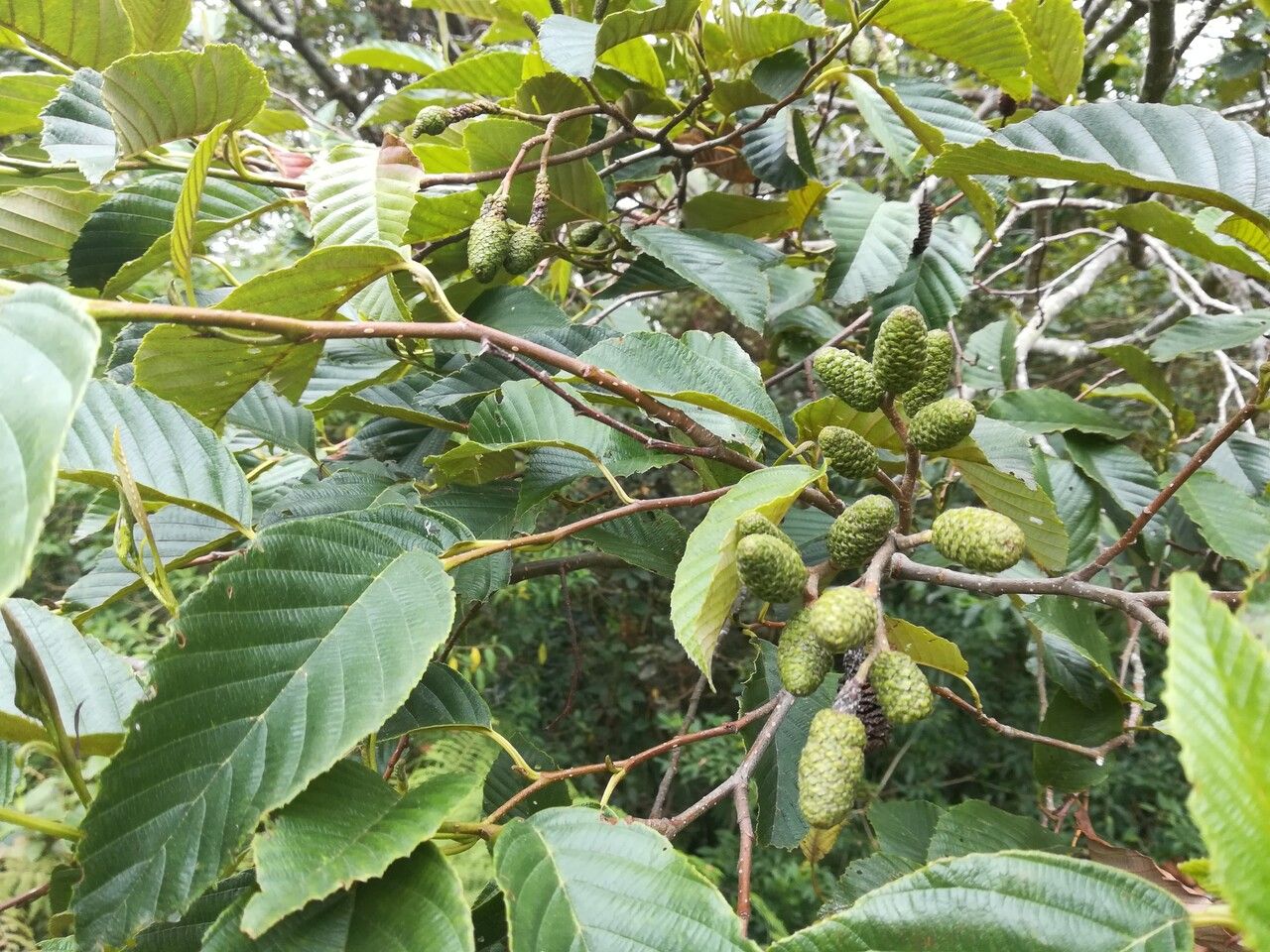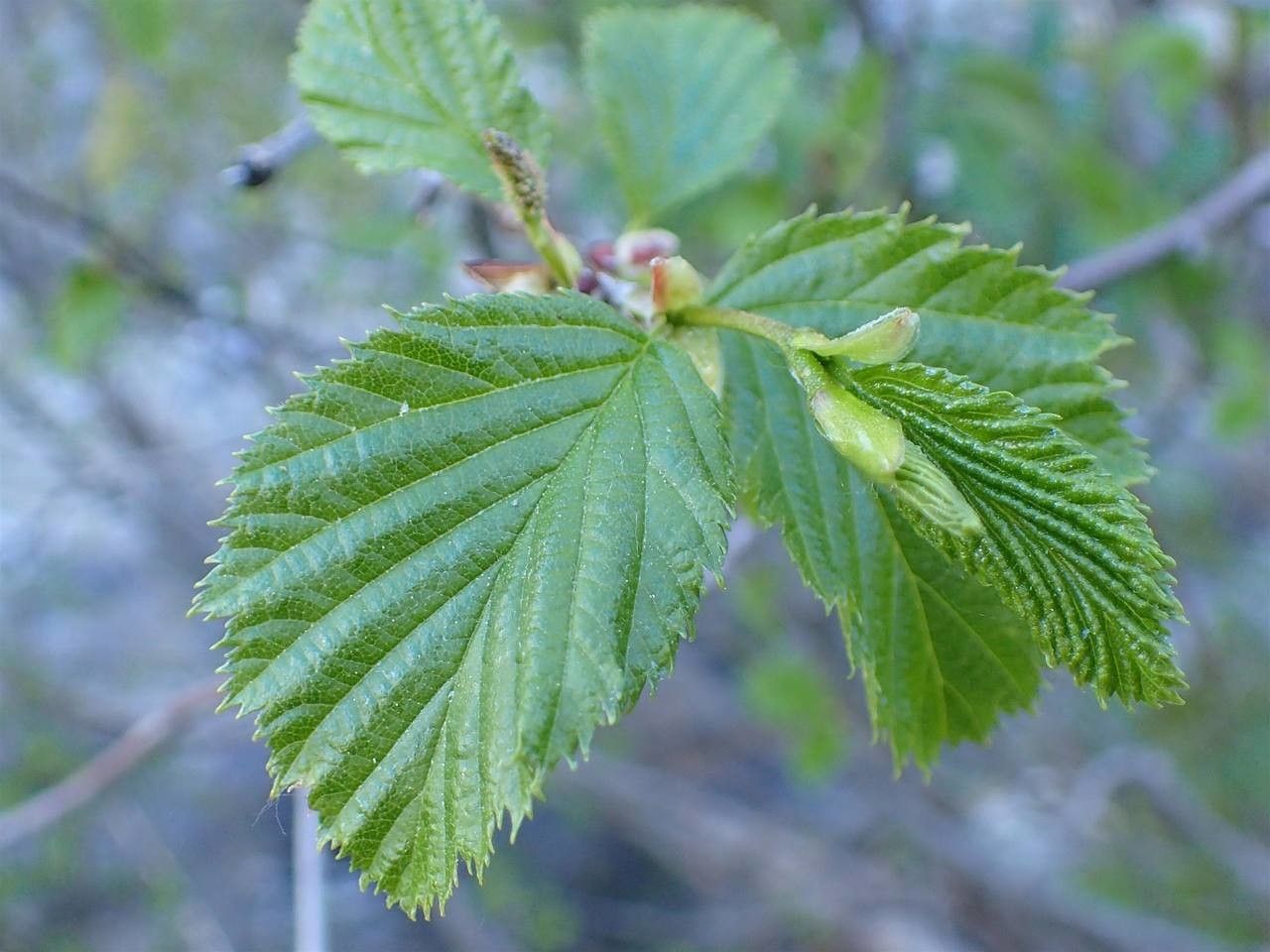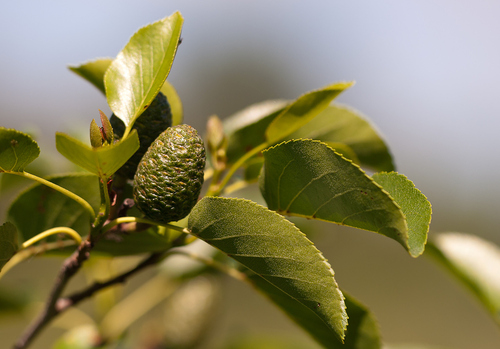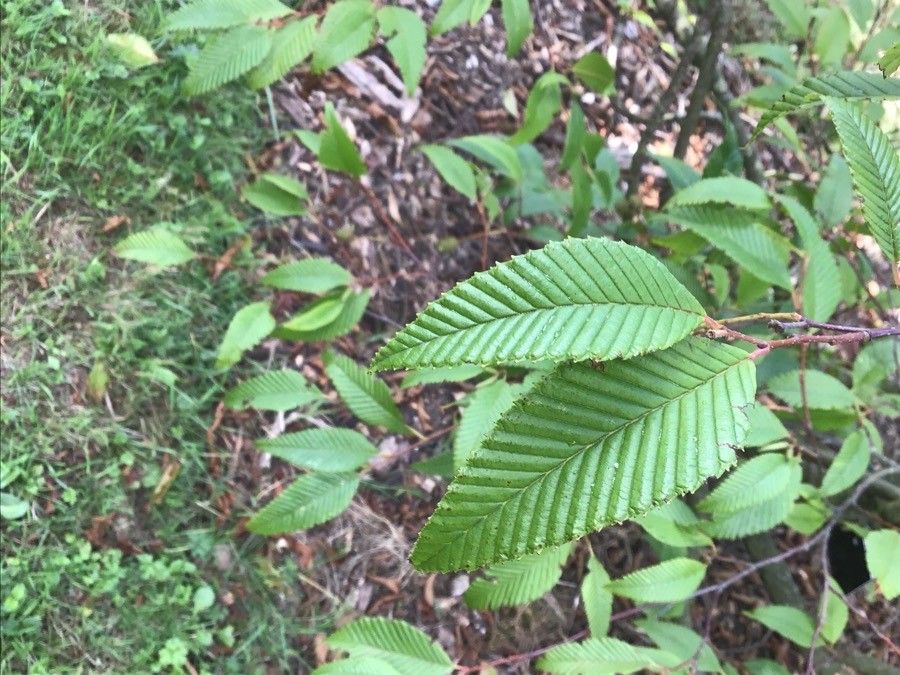
Alnus pendula is a species of flowering plant in the alder genus Alnus, native to Honshu and Hokkaido islands of Japan. An "exceptionally attractive" and "extremely elegant" large shrub or small tree, sources differ on whether it is introduced or native to Korea.
Drooping Alder has strong resistance to disease and is typically unlikely to be affected by illnesses. As for care, this plant is fairly low-maintenance. When grown outdoors it needs only minimal watering, and larger plants usually do not require pruning. Smaller plants, however, should be pruned after they have finished blooming. Drooping Aldert is suitable for anyone with outdoor space, such as a garden or a deck, and does not demand extensive care experience.
How to keep Alnus Pendula.
Light
The Drooping Alder originates from open habitats like sunny fields and the margins of forests which offer plenty of sunlight. It flourishes in areas with Full Sun, but can also withstand Partial Sun, showcasing its adaptability to different light circumstances.
Temperature
The Drooping Alder is highly adaptable to different weather conditions, be it blistering summers or freezing winters. Nonetheless, there is an ideal temperature range for its growth. The plant may become susceptible to heat and humidity stress when temperatures rise exceedingly high, potentially leading to its death. In areas where temperatures near the bottom limit of its cold tolerance, it becomes crucial to take steps to insulate the plant for its protection.
Fertilizer
Encourage robust growth in your Drooping Alder by fertilizing it at the beginning of spring. Consistent nourishment bolsters its general health, leading to strong growth, increased toughness under harsh conditions, and enhanced resistance to diseases and pests. Uphold a specific nourishment timetable for your Drooping Alder to guarantee lively leaves of deep hue and a dense appearance.
Pruning
Alnus pendula, known for its elegant, drooping branches, benefits from regular pruning. To encourage healthy growth and maintain its shape, it is best to prune in early spring. During this time, remove any dead branches by cutting at an angle, which helps prevent water accumulation. Using clean, sharp tools will ensure optimal results and promote vigorous growth.
Botanical profile.
- Plant Type
- Tree
- Life Cycle
- Perennial
- Genus
- Alnus
- Family
- Betulaceae
- Hardiness Zone
- 3-7
- Mature Height
- 14.94 m to 20.12 m
- Mature Spread
- 10.06 m to 14.94 m
- Leaf Color
- Lime Green, Dark Green
- Leaf Type
- Deciduous
- Flower Color
- Green, Brown
- Flower Size
- 2.03 cm to 4.06 cm
- Bloom Time
- Late winter, Early spring
- Planting Time
- Spring, Autumn
- Harvest Time
- Late summer, Early fall, Mid fall
- Native Area
- Japan
Other names.
Reader questions.
What are the sunlight requirements for Alnus pendula?
Alnus pendula requires specific sunlight conditions to thrive. For full sun exposure, it needs more than 6 hours of sunlight daily. If the plant is in a location with partial sun, it should receive about 3-6 hours of sunlight per day. It's important to observe the way sunlight moves through your garden to find spots that offer a perfect balance of light and shade. This careful placement ensures your Alnus pendula's health and happiness.