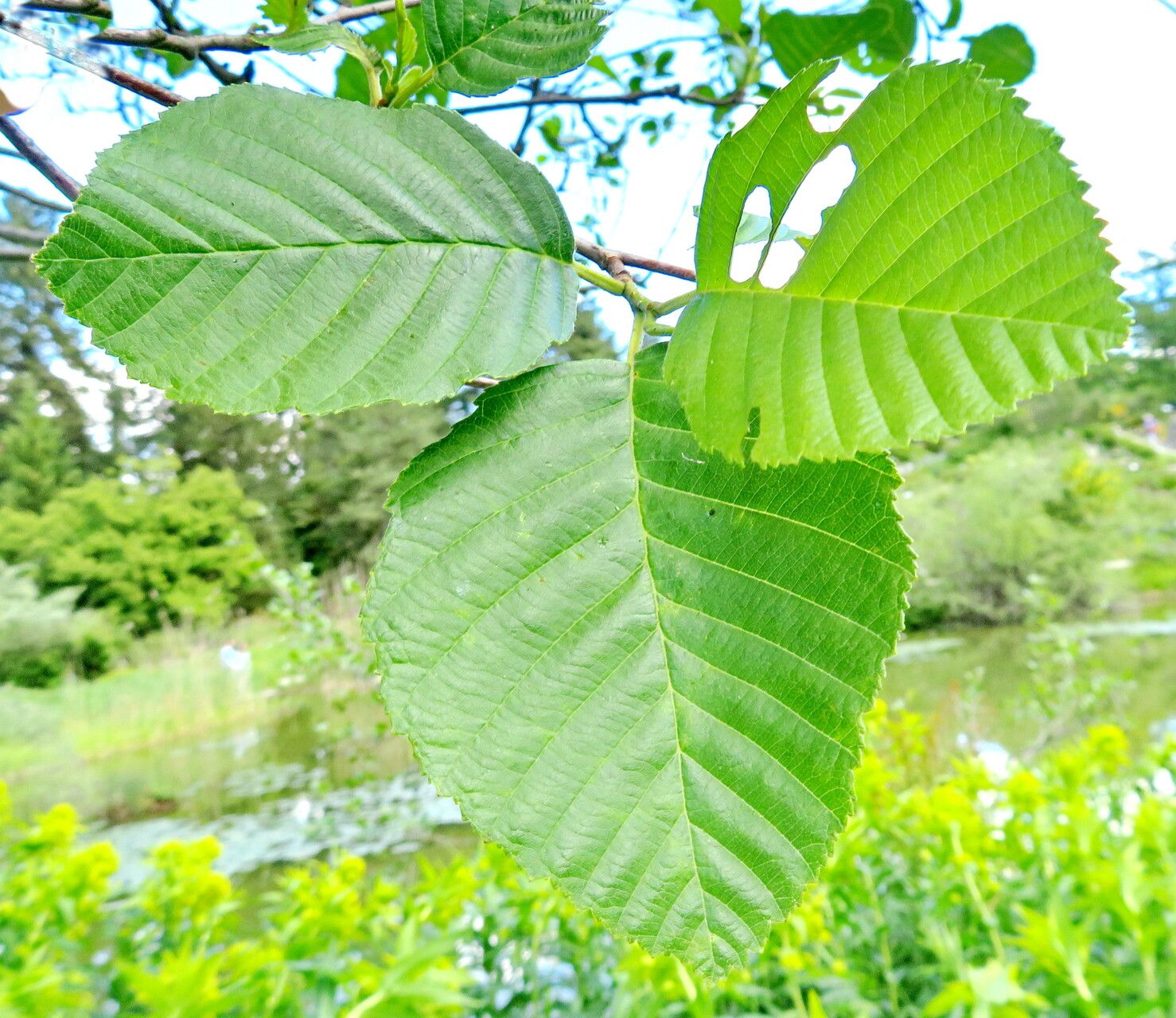
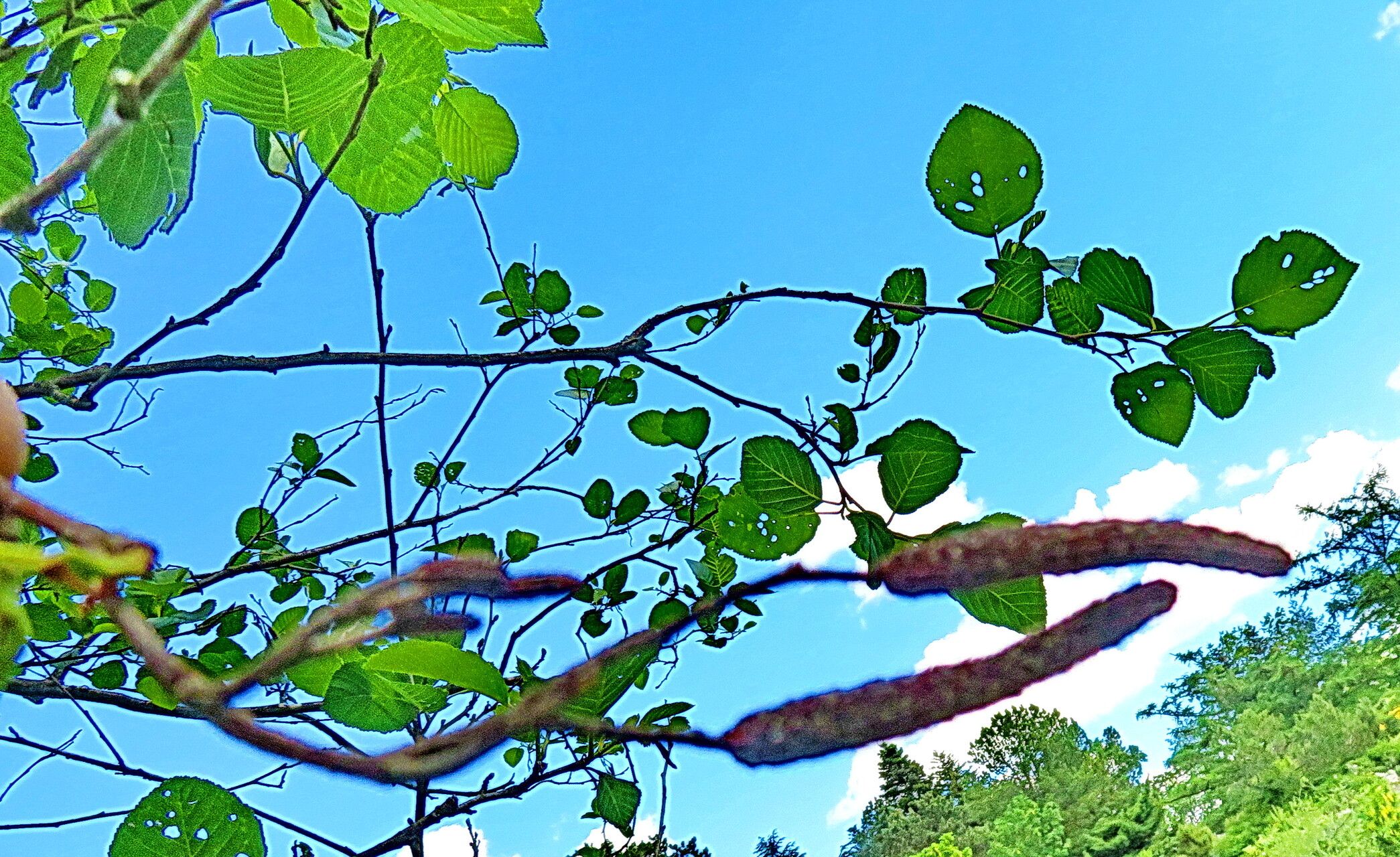
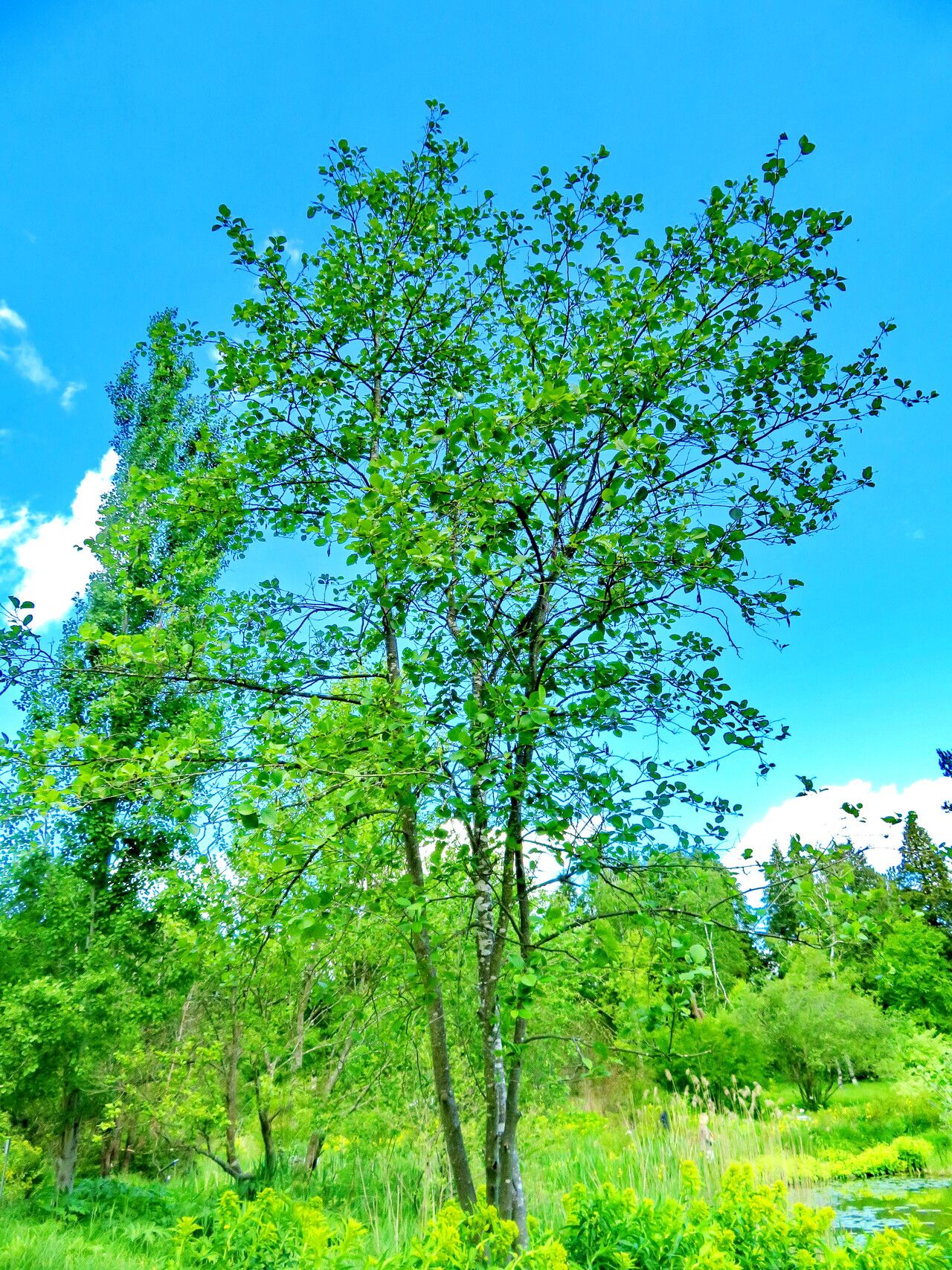
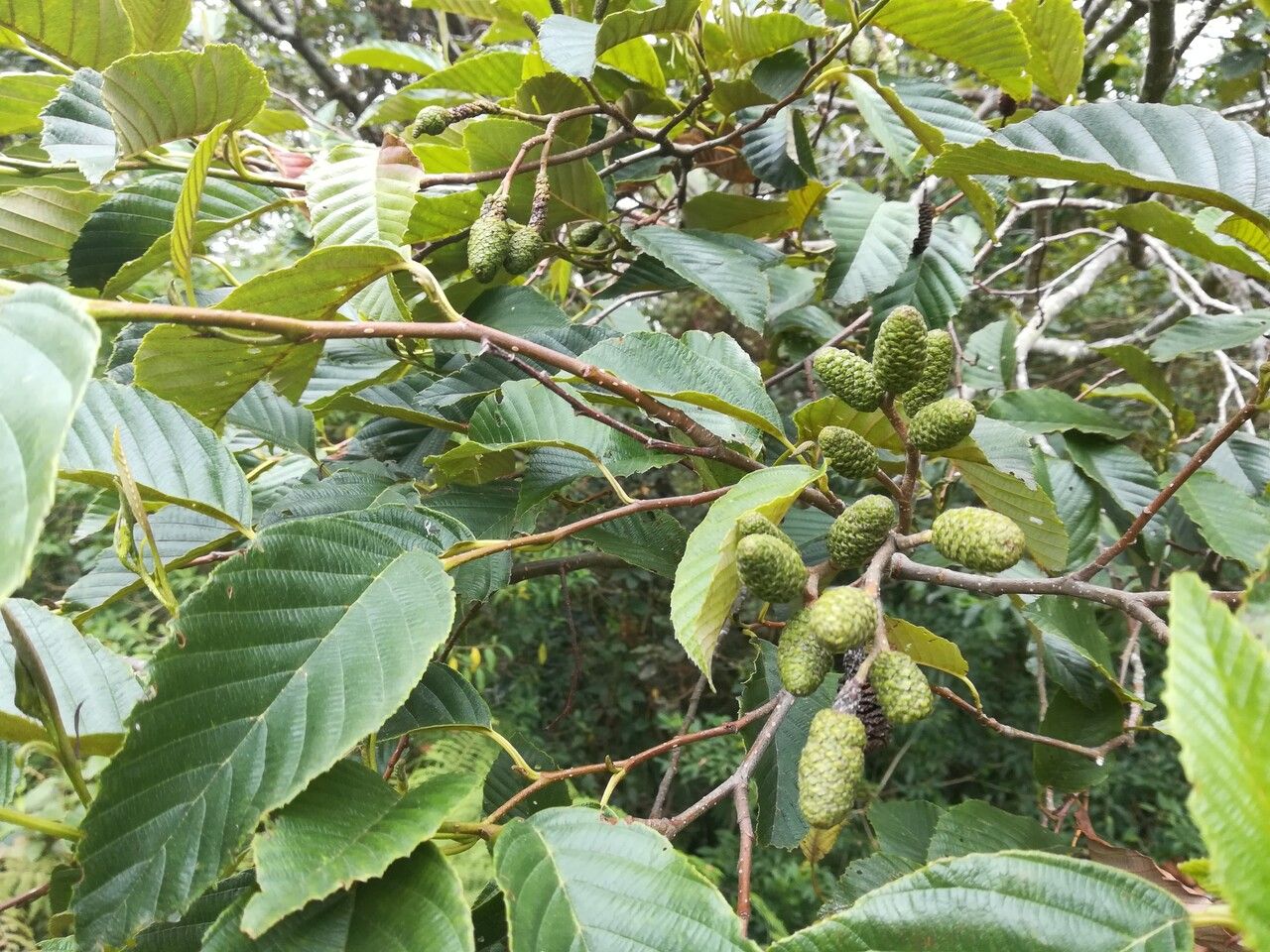
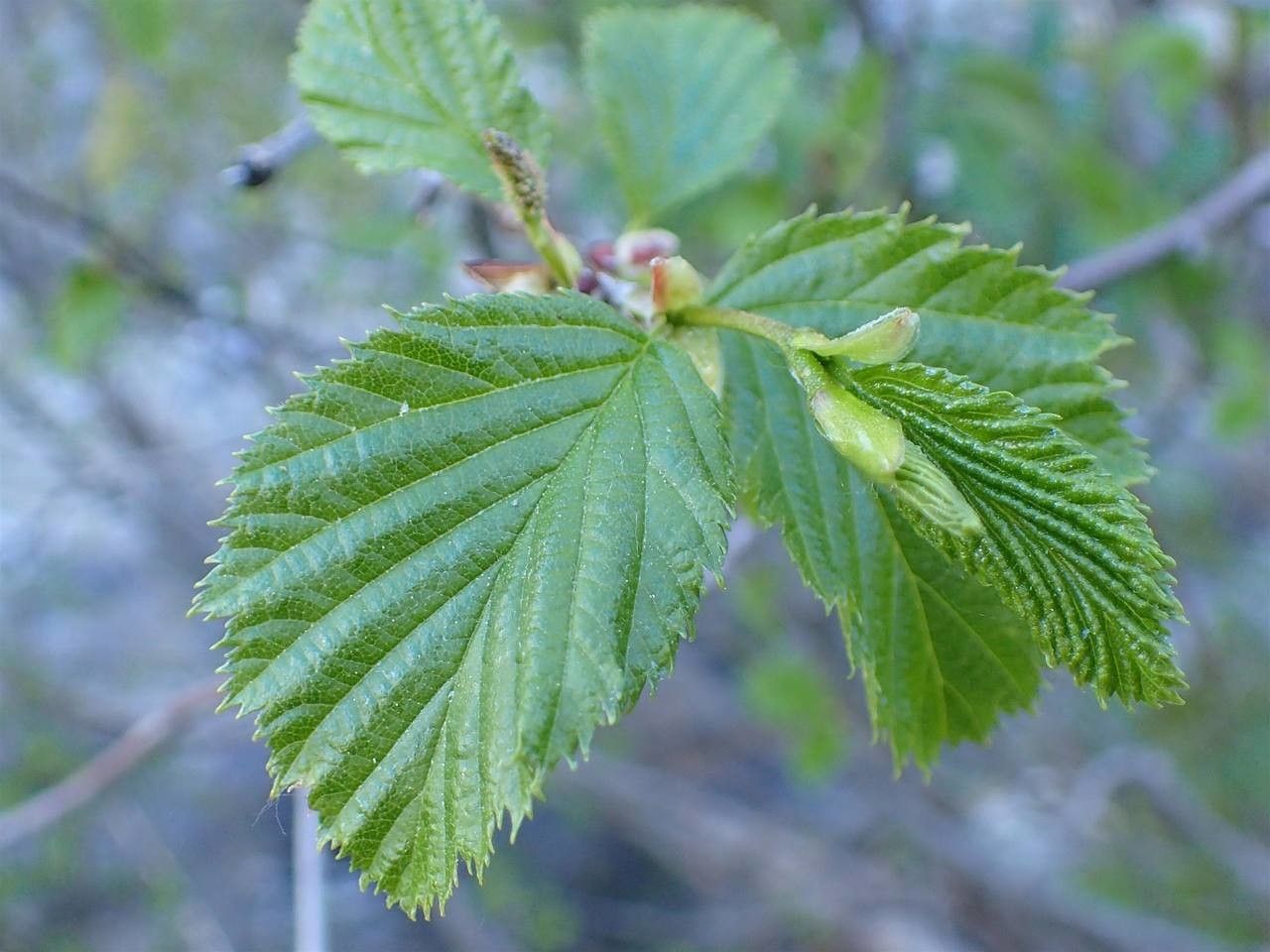
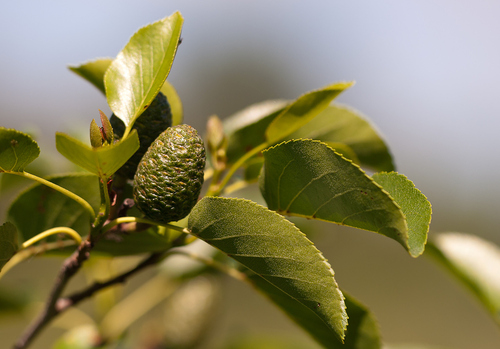
Alnus oblongifolia is a large alder growing up to 72 feet (22 m), from the southwestern United States and northern Sonora, Mexico. It grows across Arizona into western New Mexico mountain ranges. In central Arizona its range extends across the transition zone to the White Mountains region of eastern Arizona–western New Mexico border.
Arizona alder is resistant to disease and typically not susceptible to illnesses. As for care, this plant is fairly low-maintenance. When grown outdoors it needs only minimal watering, and larger plants usually do not require pruning. Smaller plants, however, should be pruned after they finish blooming. Arizona aldert is appropriate for anyone with an outdoor area, such as a garden or deck, and does not call for extensive care experience.
How to keep Alnus Oblongifolia.
Light
The Arizona alder comes from open habitats, such as sunny meadows and forest edges, which provide ample light. It thrives in Full Sun but can also tolerate Partial Sun, adapting well to a range of sunlight conditions.
Temperature
The Arizona alder is highly adaptable to a variety of climate conditions, from searing summers to frosty winters. Still, it requires a certain temperature range for optimal growth. When temperatures become excessively high, the tree can experience heat and humidity stress, which may lead to its death. In locations where temperatures approach the lower limit of its cold tolerance, insulating the plant is important to protect it.
Fertilizer
To encourage healthy growth, apply fertilizer to your Arizona alder in early spring. Consistent feeding improves overall vigor, promoting strong growth, better tolerance of adverse conditions, and increased resistance to diseases and pests. Keep to a defined fertilization routine for your Arizona alder to preserve rich-colored, lively foliage and a full, lush look.
Pruning
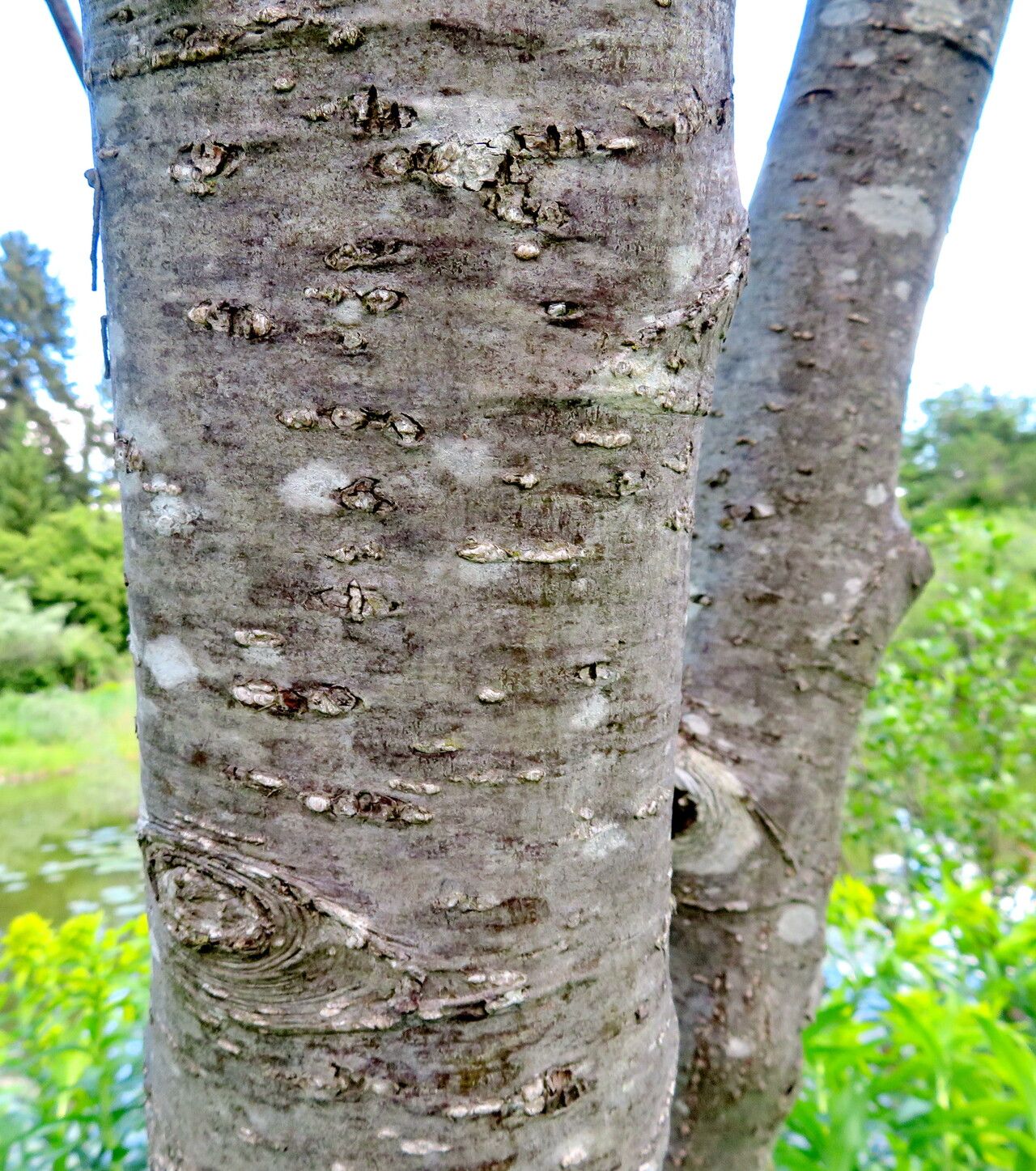
The Arizona alder is known for its smooth gray bark and oval leaves. To maintain its health and appearance, strategic pruning techniques like thinning and shaping are beneficial. The ideal time for pruning is early spring, as this enhances air circulation and light penetration, promoting overall plant health. Always ensure your tools are clean and sharp to prevent the spread of disease.
Botanical profile.
- Plant Type
- Tree
- Life Cycle
- Perennial
- Genus
- Alnus
- Family
- Betulaceae
- Hardiness Zone
- 5-8
- Mature Height
- 10.97 m to 21.95 m
- Mature Spread
- 6.1 m to 10.06 m
- Leaf Color
- Dark Green, Forest Green
- Leaf Type
- Deciduous
- Flower Color
- Yellow, Green
- Flower Size
- 2.03 cm to 3.05 cm
- Bloom Time
- Late winter, Early spring
- Planting Time
- Spring, Summer, Autumn
- Harvest Time
- Late summer, Early fall, Mid fall
- Native Area
- Mexico
Other names.