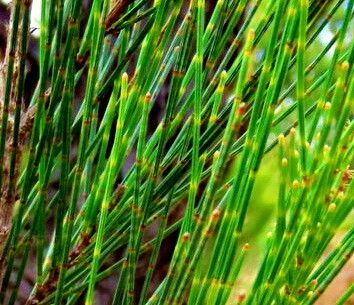
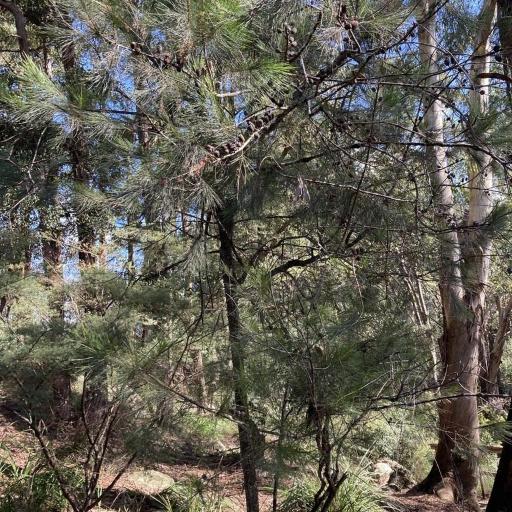
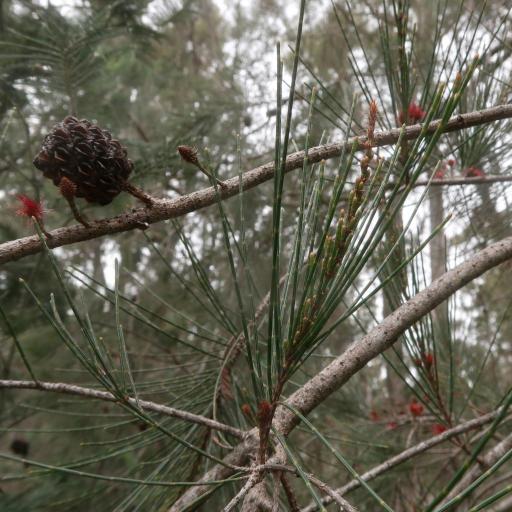
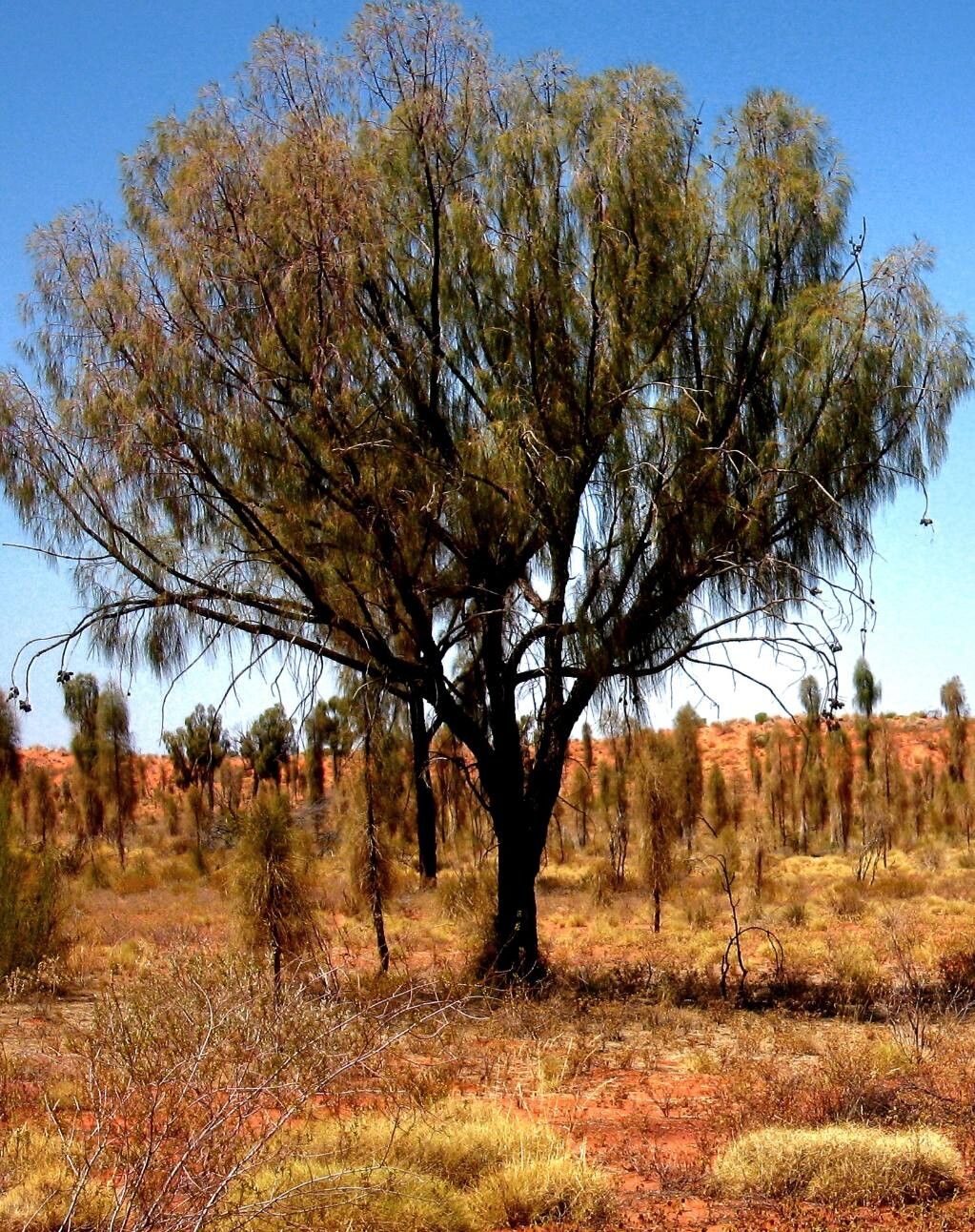
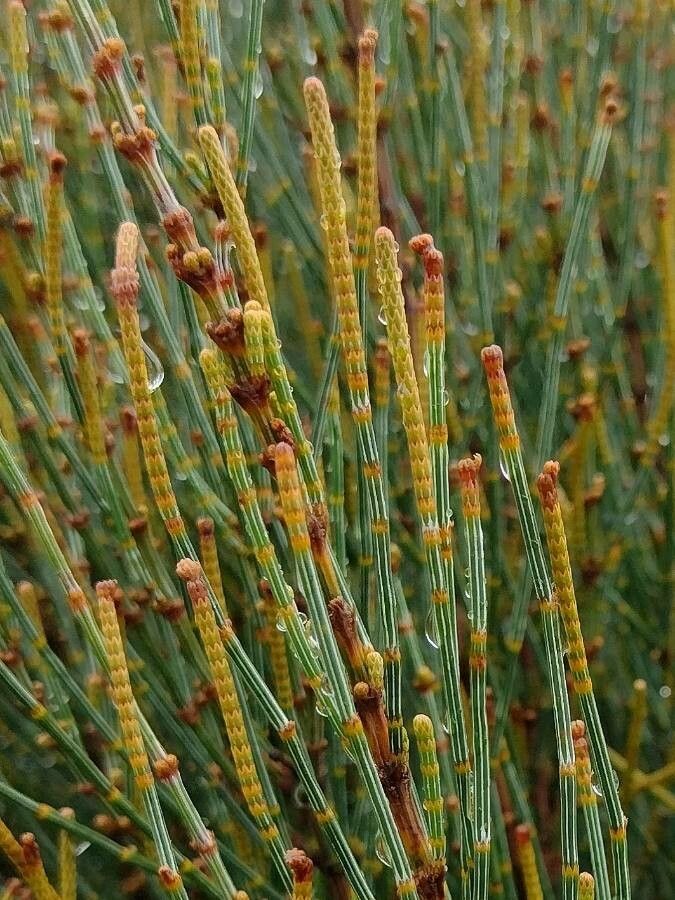
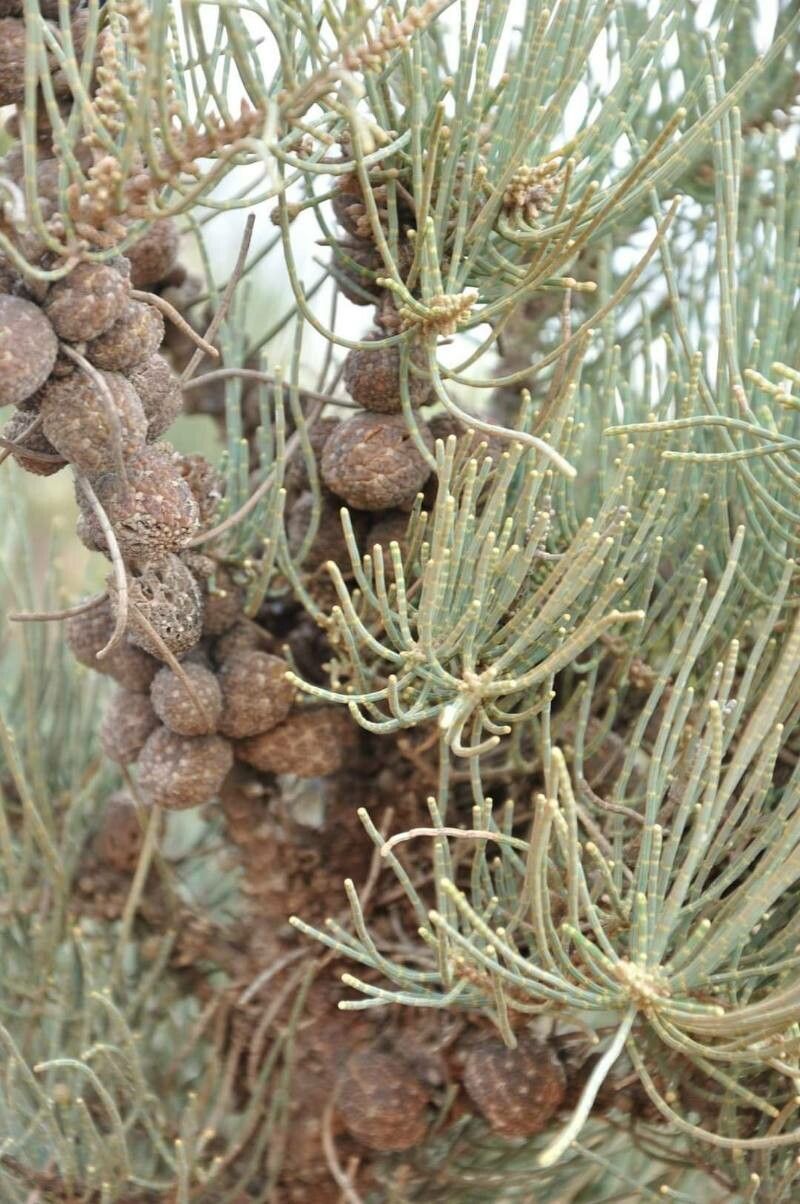
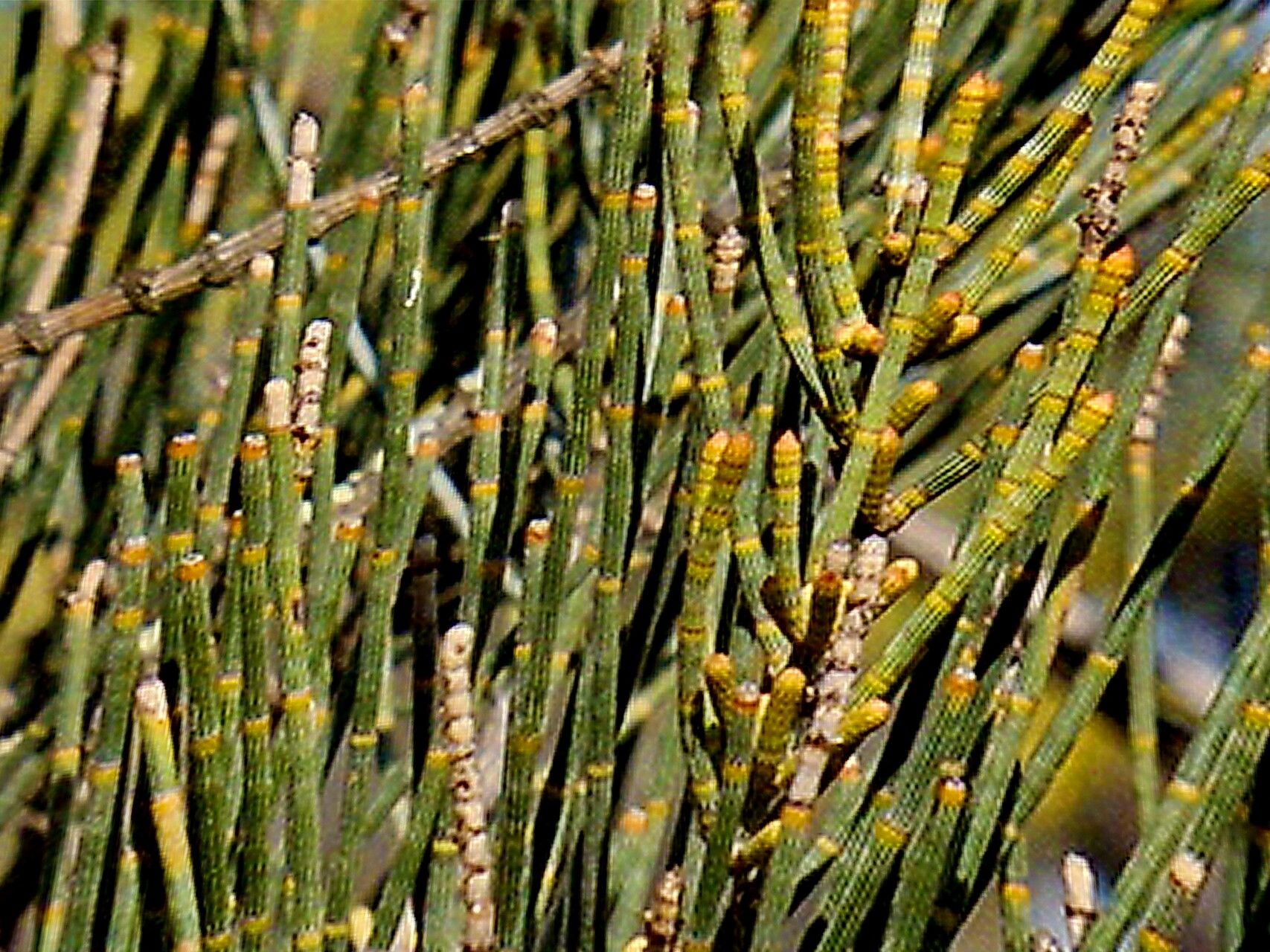
Allocasuarina littoralis, commonly known as black sheoak, black she-oak, or river black-oak, is an endemic medium-sized Australian tree (usually up to 8 metres, but sometimes to 15 metres - coarse shrub in exposed maritime areas). A. littoralis is named for its growth near the coast; this is somewhat misleading, as it will grow well both inland and in coastal zones. Studies have shown that in long-time unburnt coastal woodlands, A. littoralis has replaced the original Eucalyptus-dominated woodland.
Black she oak is resistant to disease and is typically not vulnerable to illnesses. With respect to care, this plant is fairly low-maintenance. When grown outdoors it needs little watering, and larger plants usually do not require pruning. Smaller plants, however, should be pruned after they have finished flowering. Black she oak is appropriate for anyone who has an outdoor area, such as a garden or deck, and does not demand extensive gardening experience.
How to keep Allocasuarina Littoralis.
Light
Black she oak is found in open habitats — for example, sunny meadows and forest margins — where ample light is available. It thrives in full sun but will also tolerate partial sun, adapting well to a range of light conditions.
Water
The Black Sheoak is well-suited for dry environments due to its high drought tolerance. Requiring only minimal weekly watering, this evergreen plant retains its foliage throughout the year. Its ability to thrive in containers makes it a popular choice for indoor cultivation, where watering can be more easily controlled.
Temperature
Black she oak is highly adaptable to a range of climates, from blistering summers to frosty winters. Still, it has a preferred temperature range for healthy growth. If temperatures rise too much, the plant can suffer from heat and humidity stress, which may lead to its death. In areas where temperatures near the lower edge of its cold tolerance, providing insulation is important to protect the plant.
Fertilizer
Fertilize your Black she oak in early spring to encourage healthy growth. Regular feeding boosts overall health, leading to vigorous development, better tolerance of harsh conditions, and improved resistance to pests and diseases. Keep to a consistent fertilization schedule for your Black she oak to preserve vibrant, deeply colored foliage and a lush appearance.
Pruning
The Black She-oak is an evergreen tree native to Australia, known for its needle-like foliage. To maintain its shape and manage pests, it is best to prune in early spring. Focus on thinning the interior branches to improve air circulation. Regular maintenance helps support the tree's health and enhances its appearance, but be careful to avoid heavy pruning to minimize stress.
Botanical profile.
- Plant Type
- Tree
- Life Cycle
- Perennial
- Genus
- Allocasuarina
- Family
- Casuarinaceae
- Hardiness Zone
- 9-11
- Mature Height
- 4.88 m to 14.94 m
- Mature Spread
- 3.05 m to 6.1 m
- Leaf Color
- Dark Green
- Leaf Type
- Evergreen
- Bloom Time
- Late summer, Early fall, Mid fall
- Planting Time
- Spring, Autumn
- Harvest Time
- Late fall, Early winter, Mid winter
Other names.