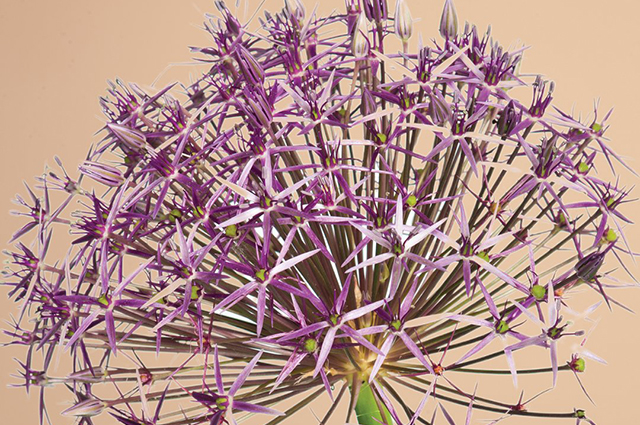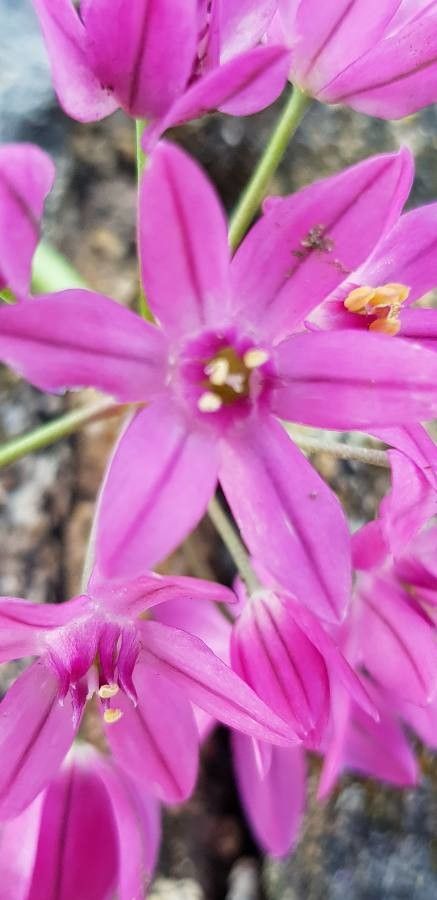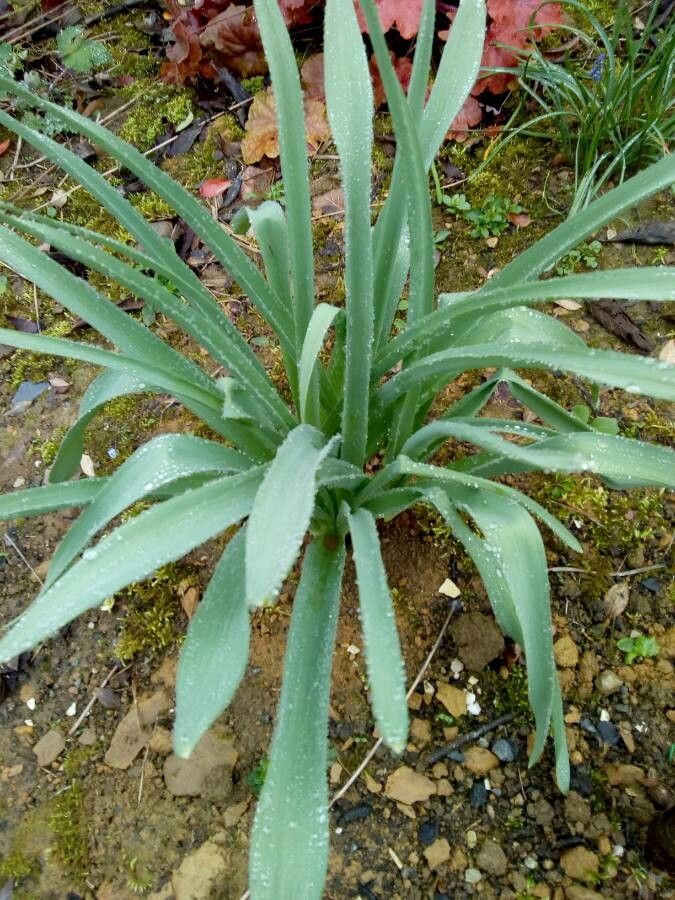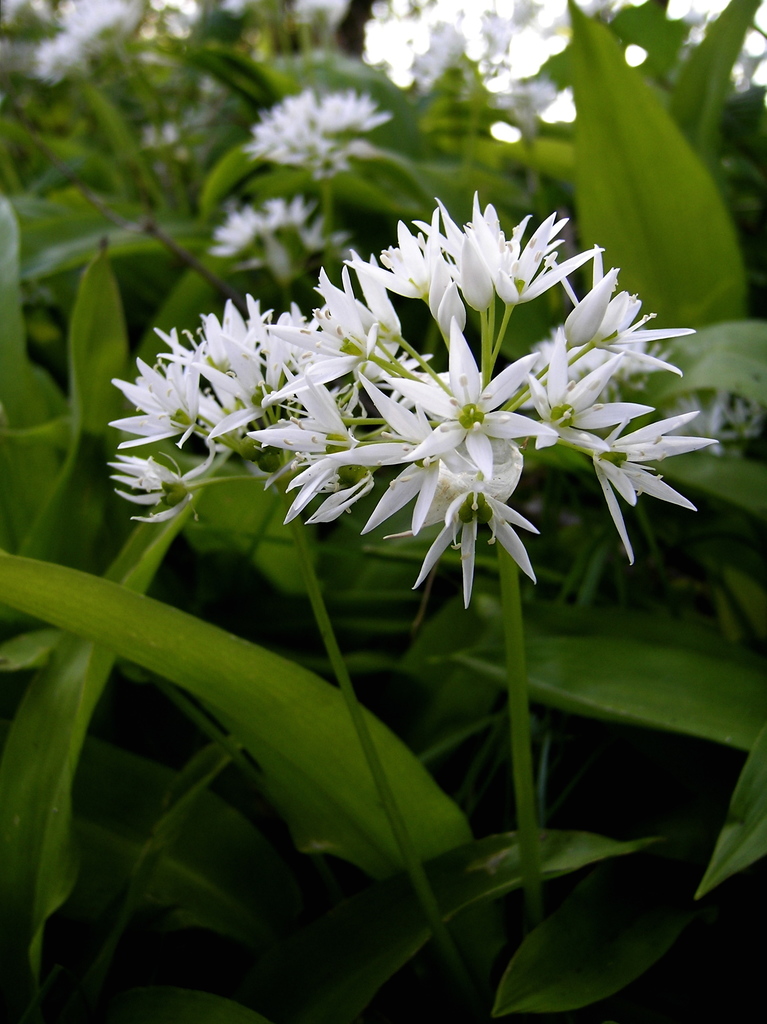
Allium ursinum, commonly known as wild garlic or ramsons, is a perennial herbaceous plant that belongs to the Alliaceae family. Native to Europe and Asia, it thrives in damp woodlands, meadows, and riverbanks. The plant can grow up to 50 cm tall, featuring long, narrow, bright green leaves that emit a distinct garlic-like odor when crushed or bruised.
In the spring, Allium ursinum produces small white flowers arranged in an umbel shape at the top of long stems. These flowers are pollinated by insects, such as bees and butterflies.
Historically, Allium ursinum has been prized for its strong garlic flavor and has been used in a variety of culinary applications. It can be used fresh or cooked and makes a flavorful addition to soups, salads, sauces, and pesto.
Beyond its culinary uses, Allium ursinum also boasts medicinal properties due to its high sulfur compound content, which has been shown to have antibacterial effects. Traditionally, it has been used to treat various ailments, including high blood pressure, respiratory infections, and digestive disorders.
Growing Allium ursinum is relatively easy from bulbs or seeds, provided it is planted in moist soil with good drainage and partial shade. However, it can become invasive if not properly managed, so caution is advised when planting it near other plants.
Overall, Allium ursinum is a fascinating herbaceous perennial with both culinary and medicinal benefits, making it a popular choice among gardeners worldwide!
Ramson has moderate resistance to disease and can be vulnerable to illnesses such as leaf spot. Its vulnerability to insect pests varies by variety, but most varieties are relatively susceptible. For care, Ramson requires regular watering and fertilization, along with frequent pruning to remove yellow leaves. Pests and diseases should be controlled when they appear, and the plant should be harvested promptly. Ramson is appropriate for people who can spare some time and energy for regular care.
How to keep Allium Ursinum.
Light
Ramson grows best with moderate sunlight, favoring filtered light instead of strong direct rays. In its native surroundings it occurs in the shade of trees and underbrush, yet it can also tolerate full sun or complete shade. Prolonged exposure to extreme sun or shade can damage the plant's vigor and growth.
Water
Ramson thrives in damp woodlands and prefers consistent moisture with weekly watering. Although it can tolerate short periods of dryness, it is usually grown outdoors. Therefore, irrigation should match local rainfall patterns to mimic its natural, cool, and moist environment.
Temperature
Ramson is native to temperate zones and is suited to climates with temperatures ranging from 41 to 100 °F (5 to 38 ℃). Seasonal adjustments may be necessary to ensure optimal growth conditions.
Fertilizer
To obtain the best yield and flavor from Ramson, supply plenty of nitrogen throughout the growing period, from pre-planting through harvest. Plants that are well watered and fertilized produce copious, healthy leaves and are less likely to taste bitter. Before planting, improve the soil with organic matter such as compost or manure, ideally applied 2 to 8 weeks in advance.
Pruning
Ramson, characterized by its broad leaves and white flowers, benefits from pruning during early to late spring. To promote growth and maintain the plant's health, remove any yellowing leaves and trim back the flower stalks once they have finished blooming. Pruning improves air circulation, reduces the risk of fungal infections, and enhances the plant's culinary and ornamental value.
Pot & Repot
Ramson needs excellent drainage in pots to thrive. Good drainage prevents waterlogging and promotes healthy root development.
Toxicity
Allium ursinum has no toxic effects reported.
Further reading →
The toxicity and danger assessments provided are for reference only. We do not assure their accuracy, so it's crucial not to depend on them. Seek professional advice when necessary for accurate guidance.
Botanical profile.
- Plant Type
- Herb
- Life Cycle
- Perennial
- Genus
- Allium
- Family
- Amaryllidaceae
- Hardiness Zone
- 4-11
- Mature Height
- 20 cm to 30 cm
- Mature Spread
- 15 cm to 30 cm
- Leaf Color
- Green
- Leaf Type
- Deciduous
- Flower Color
- White
- Flower Size
- 1.52 cm to 2.03 cm
- Bloom Time
- Mid spring, Late spring
- Planting Time
- Summer
- Harvest Time
- Early summer, Mid summer
Other names.
Reader questions.
What's the best way to water my Ramson plant?
To properly water the Ramson plant, it is recommended to use filtered water at room temperature or slightly warmer. This is because tap water may contain harmful particles that can negatively affect the plant's health. Additionally, the Ramson plant prefers a warm environment, so using cold water can be stressful for it. It is also important to avoid overhead watering, as it can cause problems with the foliage. Instead, gently pour the filtered water onto the soil until it is thoroughly soaked. This method of watering helps to keep the roots moist and encourages their growth and nutrient absorption.
Why is it important to fertilize my Ramson?
The main structure of the Ramson is made up of its leaves. Ensuring that these leaves look great and function well can be achieved through proper fertilization. Fertilization is impactful because it promotes consistent color and a healthy texture in the leaves. Additionally, it works below the surface to generate new roots and maintain existing ones. By fertilizing, you not only keep your plant healthy in the present but also enhance its ability to absorb nutrients from the soil in the long run.
What are the sunlight requirements for Ramson (Allium ursinum)?
Ramson thrives under moderate sunlight exposure, ideally in conditions where filtered light is available but not excessive. In its natural habitat, Ramson grows amid the shades of trees and underbrush but is also capable of enduring full sun exposure or complete shade. It requires about 3-6 hours of sunlight daily for partial sun and more than 6 hours for full sun. It is important to watch how sunlight moves through your garden and choose spots that provide the perfect balance of light and shade, ensuring the plant's happiness.
What is the optimal climate for growing Ramson?
Ramson, also known by its botanical name Allium ursinum, is best suited for temperate zones and thrives in climates with temperatures ranging from 41 to 100 °F (5 to 38 °C). The plant is native to these regions and has a strong resistance to cold, making it adaptable to various seasonal conditions. Despite this resilience, to ensure Ramson's optimal growth, seasonal adjustments may be required, particularly in maintaining appropriate soil moisture levels before the onset of winter's first freeze.
What should I do if I give my Ramson plant too much water or too little water?
Both overwatering and underwatering can harm the health of your Ramson plant, but overwatering is more common. When this happens, the stems and leaves may wilt and turn yellow. Overwatering can also cause diseases like root rot, mold, and mildew, which can be fatal for the plant. While underwatering is less likely, it can still occur, resulting in brittle, brown leaves. It's important to be aware of the signs of overwatering and take action promptly. Diseases like root rot may become irreversible if not addressed quickly. If you notice signs of overwatering, reduce your watering schedule and check the soil drainage. Replace poorly draining soil with a loose, well-draining potting mix if needed. If your Ramson shows signs of underwatering, simply increase watering until the symptoms improve.
When should I fertilize my Ramson?
If you grow your Ramson outdoors, it will produce new growth in early spring. This is a signal to start fertilizing. Typically, one application of fertilizer is enough for the season. However, if you want to maximize growth, you can fertilize multiple times during spring and early summer. In this case, it is recommended to fertilize every month to a month and a half.
How can artificial lighting be utilized for Ramson indoors?
Indoor Ramson plants require adequate lighting for optimal growth, especially when natural sunlight is insufficient, like in winter or less sunny spaces. Artificial lights, such as LED lights, offer a solution by providing the specific wavelengths of light the plants need. For full sun plants, 30-50W/sq ft of artificial light is recommended, partial sun plants require 20-30W/sq ft, and full shade plants need 10-20W/sq ft. The light source should be placed 12-36 inches above the plant, mimicking natural sunlight, and kept on for 8-12 hours per day to promote faster, healthier growth.
How do you protect Ramson during extremely cold winters?
Ramson is notably cold-resistant and does not usually require special frost protection measures during winter. However, in conditions where temperatures are expected to plummet below -30°C, it is crucial to offer additional protection to the plant. This can be effectively accomplished by covering the plant with insulating materials such as soil or straw. This technique, coupled with abundant watering prior to the first autumn freeze, helps keep the soil moist and prevents drought, ensuring the plant's survival through winter and into early spring.
How frequently should I give water to my Ramson?
If your Ramson plant is in a pot, the most precise way to determine if it needs water is by checking the soil. Simply insert your finger into the soil and if the top two to three inches feel dry, it's time to water it. If you have your Ramson plant outdoors in the ground, you can use a similar method. Once again, when you notice that the top few inches of soil have dried out, it's time to water the plant. During spring and early fall, you'll typically need to water this plant about once a week using this method. However, during extremely hot weather, you may need to increase watering frequency to about twice per week or even more. It's worth noting that mature, well-established Ramson plants have a remarkable ability to withstand drought.
When is the best time to not add fertilizer to my Ramson plant?
During the late fall and winter, your Ramson will go into a dormant phase and stop growing. It's important not to fertilize it during this time. In the spring and summer, if you do choose to fertilize, start reducing the amount as summer approaches because the growth rate slows down. It's never a good idea to fertilize your Ramson when it's extremely hot or the soil is very dry. Fertilizing in these conditions can cause stress and make your Ramson die earlier.
What are the symptoms of insufficient or excessive light exposure in Ramson?
Ramson shows various symptoms when exposed to insufficient light, such as small leaves, leggy or sparse growth, faster leaf drop, slower or no new growth, and lighter-colored new leaves. Excessive sunlight can cause chlorosis, sunscald, leaf curling, wilting, and leaf scorching. These symptoms indicate either a lack of chlorophyll and essential nutrients due to insufficient sunlight or damage from overexposure to intense sunlight.
What are the symptoms and solutions for Ramson exposed to low temperatures?
When exposed to low temperatures, specifically below -25°C, Ramson's remarkable cold tolerance is challenged, and while the plant may not exhibit noticeable changes during winter, issues may arise during spring. A significant decrease in sprouting or a complete lack of sprouting could occur if temperatures fall below -30°C. The solution in spring for any parts of the plant that have failed to sprout is to remove these unproductive parts, allowing for healthier growth.