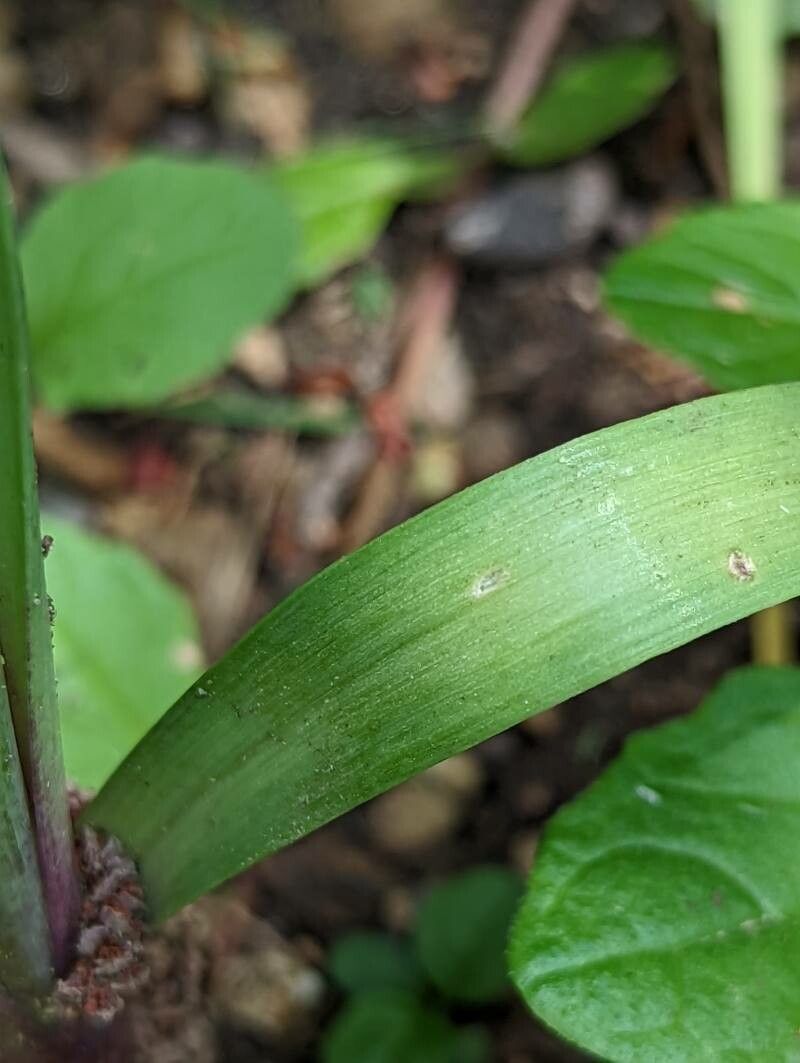
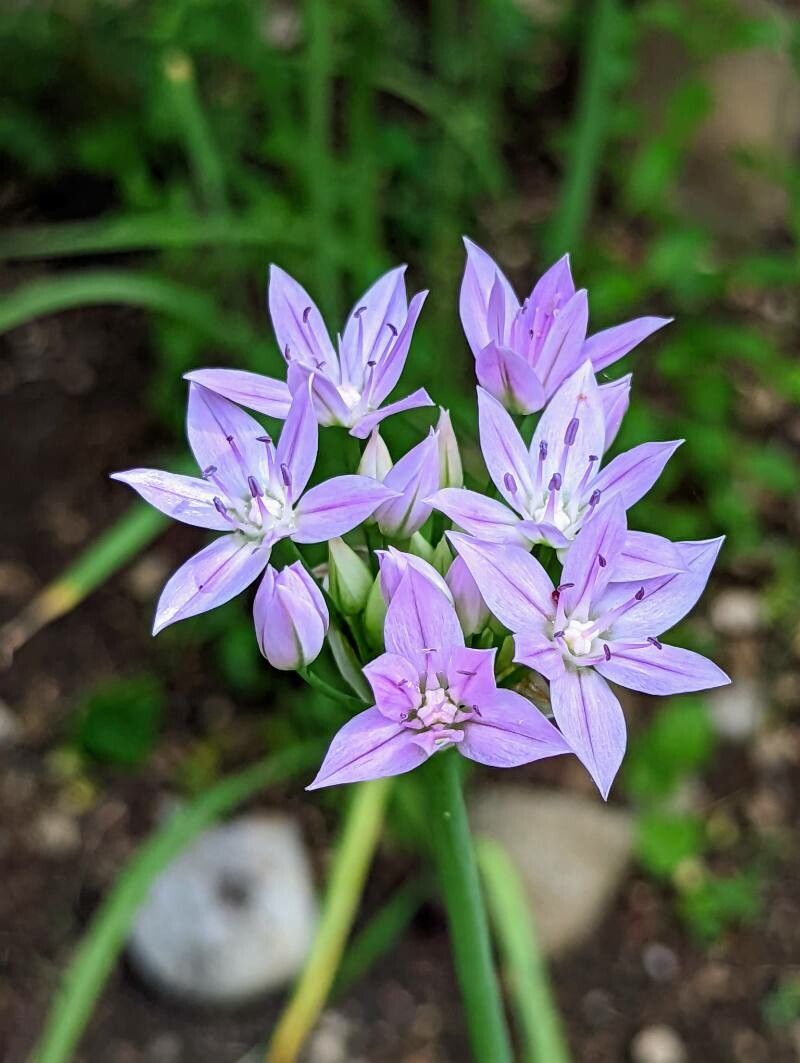
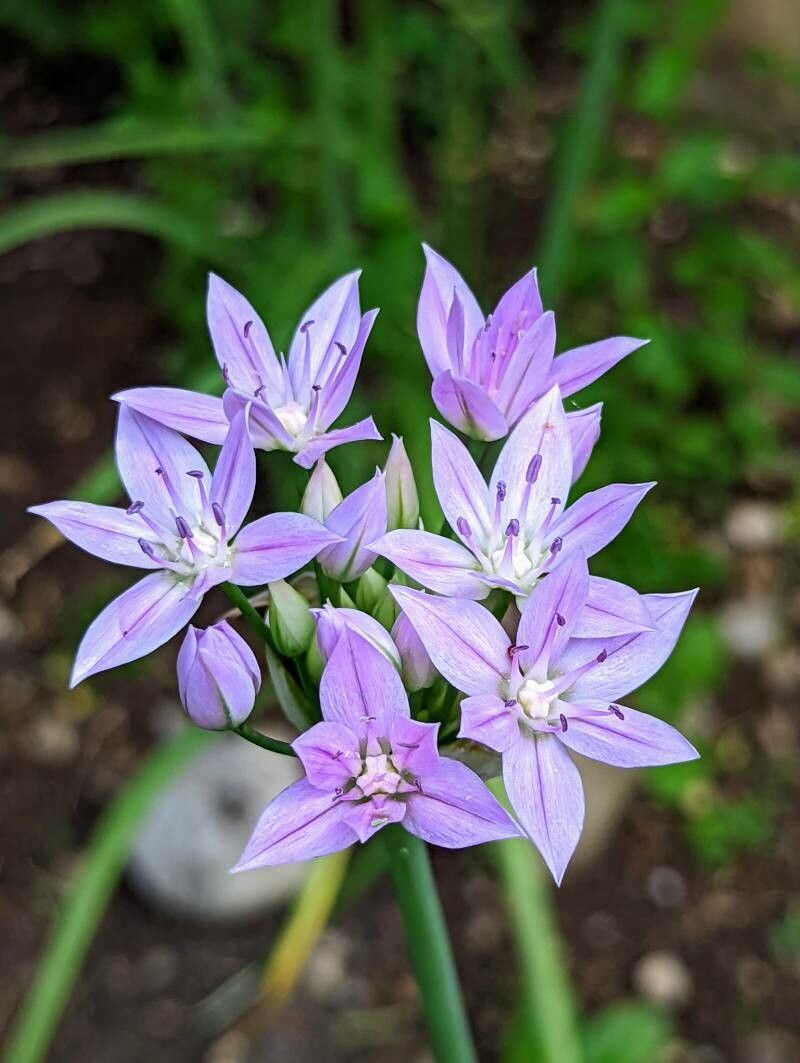
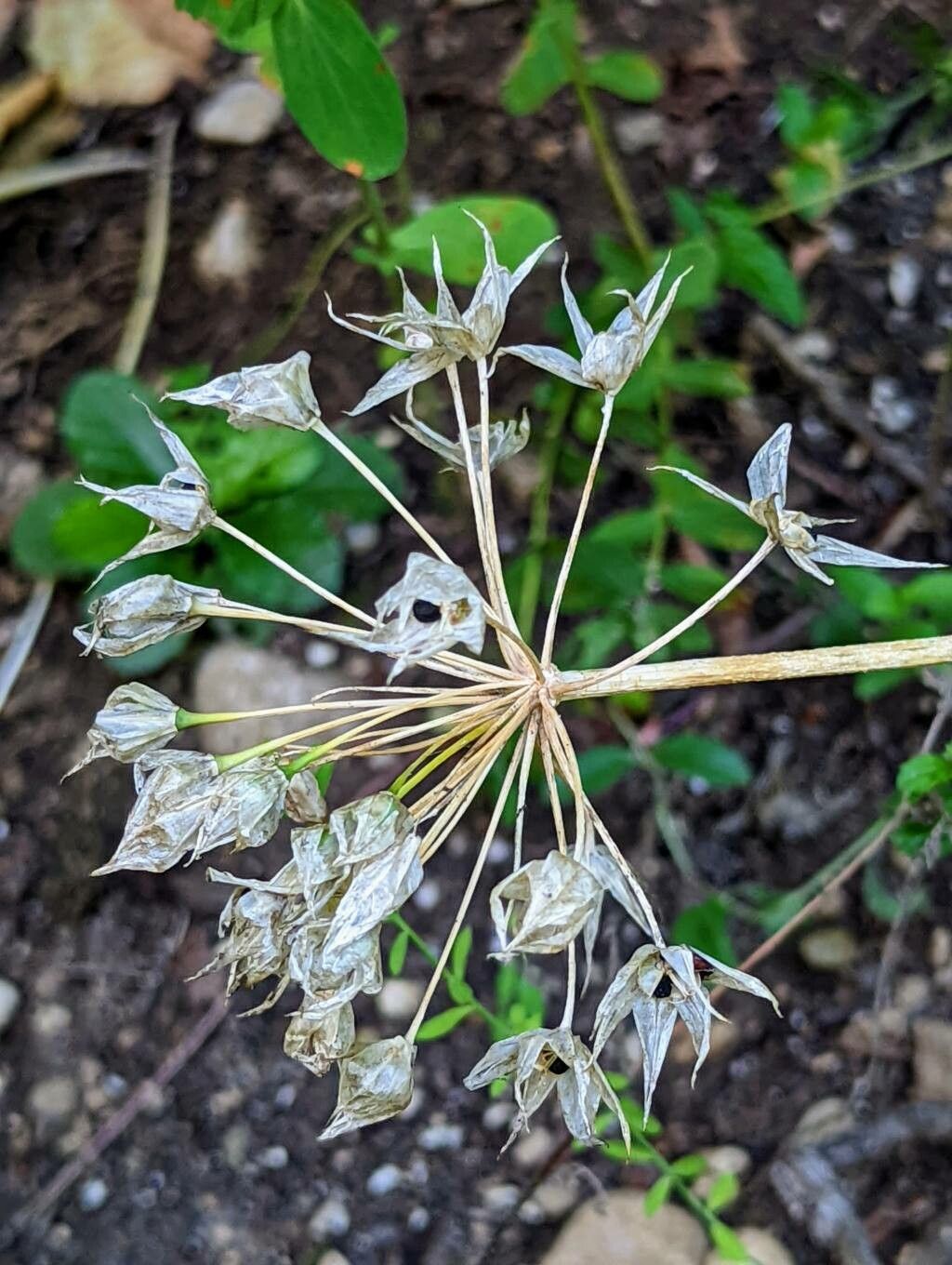
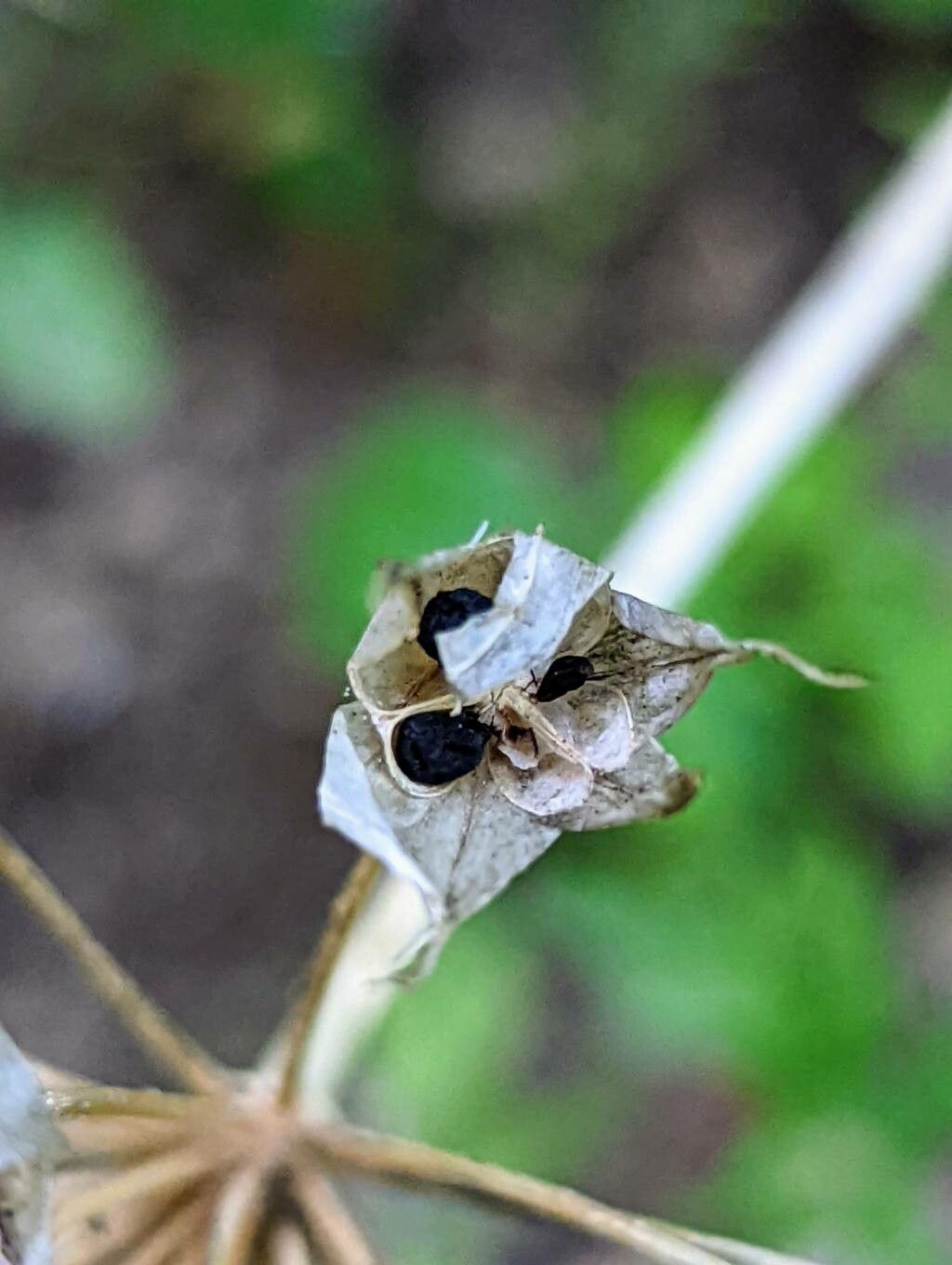
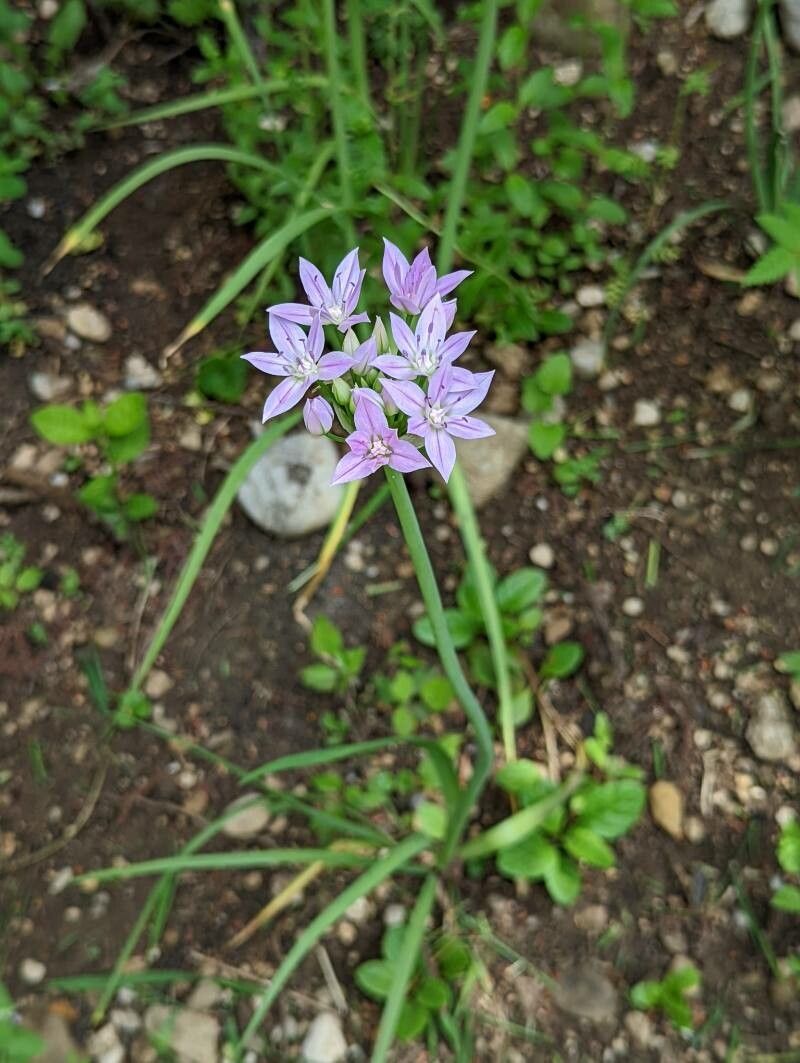
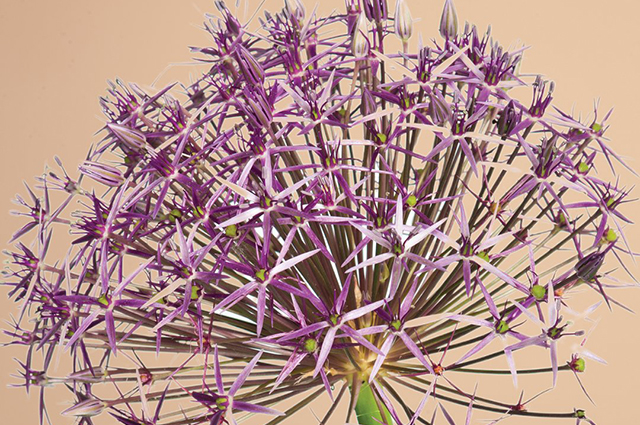
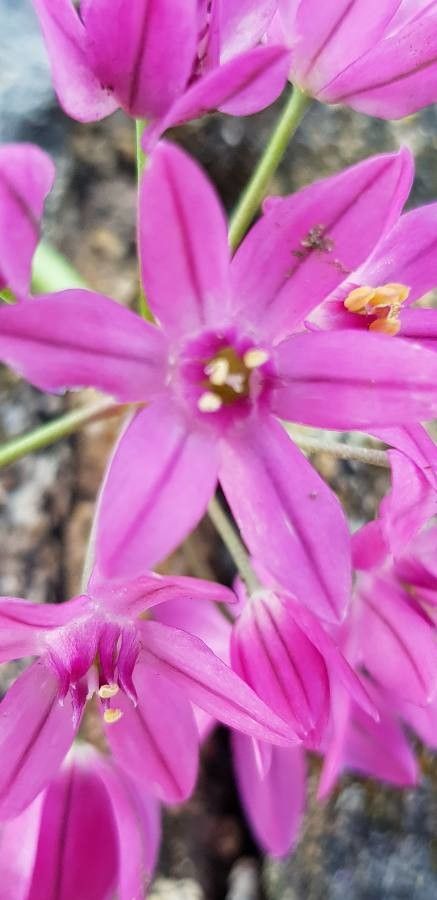
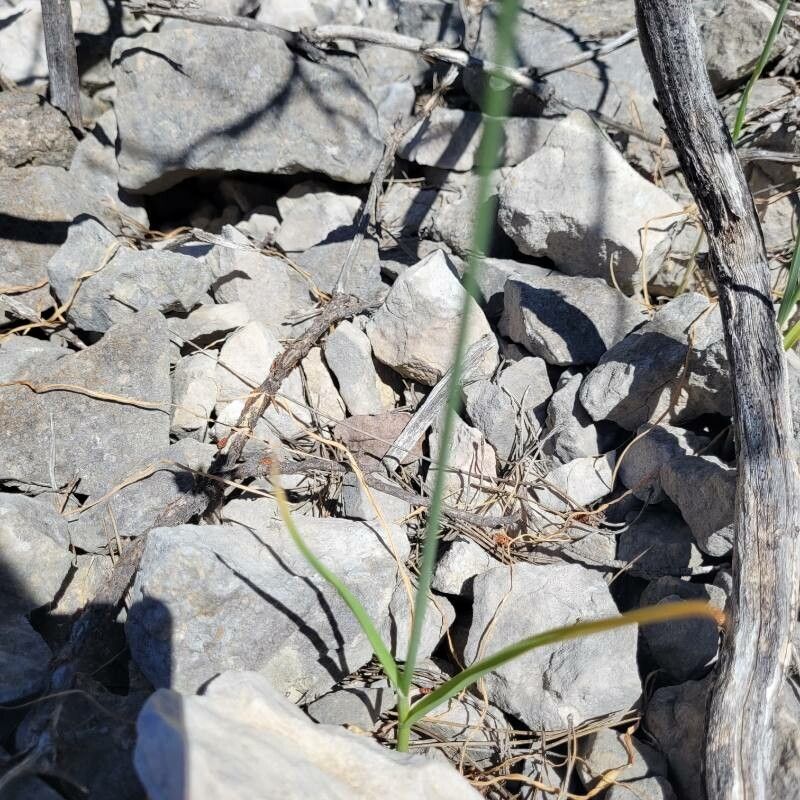
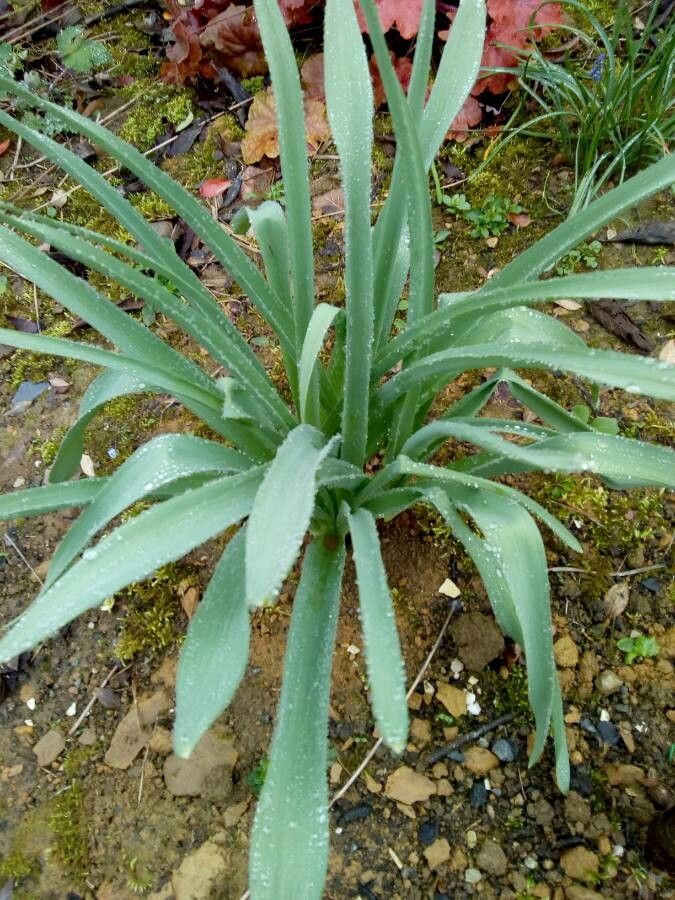
Allium unifolium, the one-leaf onion or American garlic, is a North American species of wild onion. It is native to the coastal mountain ranges of California, Oregon, and Baja California. It grows on clay soils including serpentine, at elevations up to 1100 m.Allium unifolium, despite its name, usually has 2-3 flat leaves up to 50 cm long. Bulbs, though, are usually solitary, egg-shaped, up to 2 cm long, often formed at the end of rhizomes spreading out from the parent plant. Scapes are round in cross-section, up to 80 cm tall. Flowers are up to 15 mm across; tepals usually pink but occasionally white; anthers yellow or purple.This plant has gained the Royal Horticultural Society's Award of Garden Merit.
Oneleaf onion has strong disease resistance and is generally not likely to suffer from illnesses. However, it can be vulnerable to pests and diseases present in its environment. These outbreaks are typically not serious. In terms of care, this plant needs a moderate amount of maintenance. It should be pruned regularly to keep a good appearance and support healthy growth. Fertilizing can also encourage flowering. Oneleaf onion is suitable for anyone with outdoor space, such as a garden or patio, and does not demand extensive care experience. It may need extra attention when grown indoors.
How to keep Allium Unifolium.
Light
Oneleaf onion grows best in locations that get sun for most of the day. Too much or too little light harms the plant’s growth, causing it to wilt or become stunted. Its preference for sunny areas reflects its evolutionary origin in open habitats where sunlight is plentiful.
Water
The Oneleaf onion is native to the meadows of North America, where it thrives in environments with consistent moisture, though it does not tolerate waterlogging. For best growth, it should be watered weekly. This plant is typically cultivated outdoors in well-drained gardens that replicate its natural habitat, with a particular focus on providing the right amount of water during its blooming and dormancy cycles.
Temperature
Oneleaf onion grows best in temperatures between 59 and 95 °F (15 to 35 ℃), mirroring its native temperate environment. During different seasons, adjustments may be needed to keep it within this optimal range.
Fertilizer
The best time to fertilize a Oneleaf onion is in early spring, as it comes out of dormancy and begins active growth. Fertilizing supplies essential nutrients needed for healthy development. Although Oneleaf onion has fairly low fertilizer requirements, feeding it once a year can improve its survival and encourage better, longer-lasting flowers.
Pruning
The oneleaf onion is known for its delicate, pink, star-shaped flowers and flourishes in sunlight. To encourage growth and promote new blooms, prune the plant from early to late spring by removing dead foliage and faded stems. Regular pruning enhances the plant's vigor, but be sure to use sanitized tools to prevent disease. For specific care tips, consult reliable horticultural sources.
Pot & Repot
For healthy growth and to prevent root rot, Oneleaf onions need excellent drainage when planted in pots.
Botanical profile.
- Plant Type
- Herb
- Life Cycle
- Perennial
- Genus
- Allium
- Family
- Amaryllidaceae
- Hardiness Zone
- 7-10
- Mature Height
- 30 cm
- Mature Spread
- 10 cm
- Leaf Color
- Green, Silver
- Leaf Type
- Deciduous
- Flower Color
- Pink
- Flower Size
- 1.52 cm
- Bloom Time
- Mid spring, Late spring
- Planting Time
- Spring, Autumn
- Harvest Time
- Early summer, Mid summer
- Native Area
- Mexico
Other names.
Reader questions.
How should I water my Oneleaf onion plant?
To take care of the Oneleaf onion, it's recommended to use filtered water that is at room temperature. Tap water may contain harmful particles, so filtering it is a better choice. The reason for using room temperature or slightly warmer water is that the Oneleaf onion is used to warm environments, and cold water can be a shock to its system. Avoid overhead watering this plant to prevent foliage complications. Instead, gently water the soil with your filtered room temperature water until it is completely soaked. This helps moisten the roots and allows them to spread and collect the necessary nutrients in the soil.
Why should I add fertilizer to my Oneleaf onion plant?
Fertilization is important for the Oneleaf onion due to several reasons. It primarily provides essential nutrients that support the plant's growth both above and below the ground. Although the overall fertilization requirements for a Oneleaf onion are relatively low, annual fertilization can greatly benefit the plant. While it can survive without fertilization, regular fertilizing can help maintain the plant's health and promote the production of longer-lasting, more vibrant flowers. Hence, those who want their Oneleaf onion to thrive should make sure to fertilize it annually.
What are the sunlight requirements for Oneleaf onion?
Oneleaf onion requires environments exposed to the sun most of the day to thrive, typically needing more than 6 hours of sunlight for full sun exposure and about 3-6 hours for partial sun. It's essential to observe how sunlight moves through your garden to ensure plants receive the optimal balance of light and shade. This practice supports their growth and well-being, reflecting the plant's evolutionary heritage in open, sunny environments.
What is the ideal temperature range for growing Oneleaf onion?
The Oneleaf onion, known botanically as Allium unifolium, thrives best within a temperature range of 59 to 95 °F (15 to 35 °C). This range is reflective of its native, temperate environment. To ensure the plant remains healthy, adjustments might be necessary across different seasons to keep it within this ideal temperature bracket. Despite its strong cold resistance, in areas where winter temperatures are expected to fall below -15°C, it's crucial to provide additional cold protection by covering the plant with soil or straw. Moreover, watering the plant abundantly prior to the first freeze in autumn helps to keep the soil moist, which prevents the plant from experiencing drought and water scarcity during the colder months.
What should I do if I give my Oneleaf onion too much water or too little water?
Overwatering is a more common issue than underwatering for the health of your Oneleaf onion. Too much water can cause wilting, yellowing of stems and leaves, and may lead to diseases like root rot, mold, and mildew. Underwatering is less common due to the plant's drought tolerance, but it can cause brittle, brown leaves. It's important to recognize and address overwatering signs promptly, as some diseases like root rot may become irreparable if not treated early. Reduce watering immediately if signs of overwatering appear, and check the soil's drainage quality. Replace poorly draining soil with a loose, well-draining potting mix. If your Oneleaf onion shows signs of insufficient water, increase watering until the signs improve.
When should I fertilize my Oneleaf onion for the best results?
The best time to fertilize a Oneleaf onion is from late winter to early spring when it is transitioning from dormancy to active growth. Fertilizing during this time promotes healthy growth and sets the plant up for a great season. Although early spring is the most beneficial, fertilizing during the fall is also acceptable. However, it is not recommended to fertilize during summer and winter.
How does artificial lighting benefit indoor Oneleaf onion plants?
For indoor Oneleaf onion plants that do not get sufficient natural sunlight, especially during the winter or in less sunny spaces, artificial lighting offers a crucial solution. It ensures plants receive adequate light for optimal growth. The preferred choice is LED lights, which can be customized to provide specific wavelengths needed by the plants. Full sun plants require 30-50W/sq ft of artificial light, partial sun plants need 20-30W/sq ft, and full shade plants should have 10-20W/sq ft. The appropriate setup involves placing the light source 12-36 inches above the plant to mimic natural sunlight and adjusting the duration to mimic natural daylight hours, usually between 8-12 hours per day.
How to care for Oneleaf onion in low temperature conditions?
The Oneleaf onion performs well in cold conditions and prefers temperatures to remain above 15°C. Even though it has good cold tolerance, it's essential to ensure that winter temperatures do not drop below -10°C. If temperatures fall below -15°C, while there may not be noticeable effects during winter, this could potentially lead to a reduced sprouting rate or even a lack of sprouting in spring. To mitigate these risks, as spring arrives, it's recommended to remove any parts of the plant that have failed to sprout, aiding in its recovery and continued growth.
How frequently should I water my Oneleaf onion?
If your Oneleaf onion is in a pot, you can determine if it needs water by feeling the soil. When the top two to three inches of soil are dry, it is time to water it. The same method can be used if you are growing the Oneleaf onion outdoors in the ground. Once the top few inches of soil have dried out, it is time to water. Typically, you will need to water once a week during spring and early fall. However, during especially hot weather, you may need to water twice or more per week. It is worth noting that mature, well-established Oneleaf onions can withstand drought well.
When is it a bad idea to put fertilizer on my Oneleaf onion?
To ensure optimal growth for your Oneleaf onion, it is important to follow a specific fertilization schedule. The best time to fertilize is during late winter and early spring, as this plant does not require frequent feeding. Providing a single annual feeding during this time should be sufficient. It is crucial to avoid fertilizing during spring, summer, and fall, as overfertilization can easily occur and result in complications. However, if you happened to miss the spring feeding, it is acceptable to fertilize during the fall. Additionally, there is no need to fertilize during the winter when the Oneleaf onion is in a dormant growth phase and not experiencing new growth. Therefore, it is not advisable to fertilize for most of the winter season.
What are the common symptoms of light deficiency or overexposure in Oneleaf onion?
Oneleaf onion shows various symptoms when faced with inadequate lighting or excessive sunlight. Light deficiency symptoms include smaller new leaves, leggy or sparse growth, faster leaf drop, slower or no new growth, and lighter-colored or pale new leaves. Overexposure to sunlight can cause symptoms such as chlorosis (yellowing leaves), sunscald, leaf curling, wilting, and leaf scorching, reflecting the negative impacts on the plant's ability to photosynthesize and maintain hydration.
How can Oneleaf onion be protected from high temperature?
During the summer months, it's important to ensure that the temperature around the Oneleaf onion does not exceed 35°C. Exposure to temperatures above 41°C may result in the leaves becoming lighter in color, curling, and becoming susceptible to sunburn. In severe cases, the plant might wilt and dry out completely. To protect the plant from such damages, trim away any sunburned or dried-up parts immediately. Relocating the plant to a shaded area or using a shade cloth can provide protection from the harsh midday and afternoon sun. Additionally, watering the plant in the morning and evening will help keep the soil consistently moist, further safeguarding it from the stress of high temperatures.