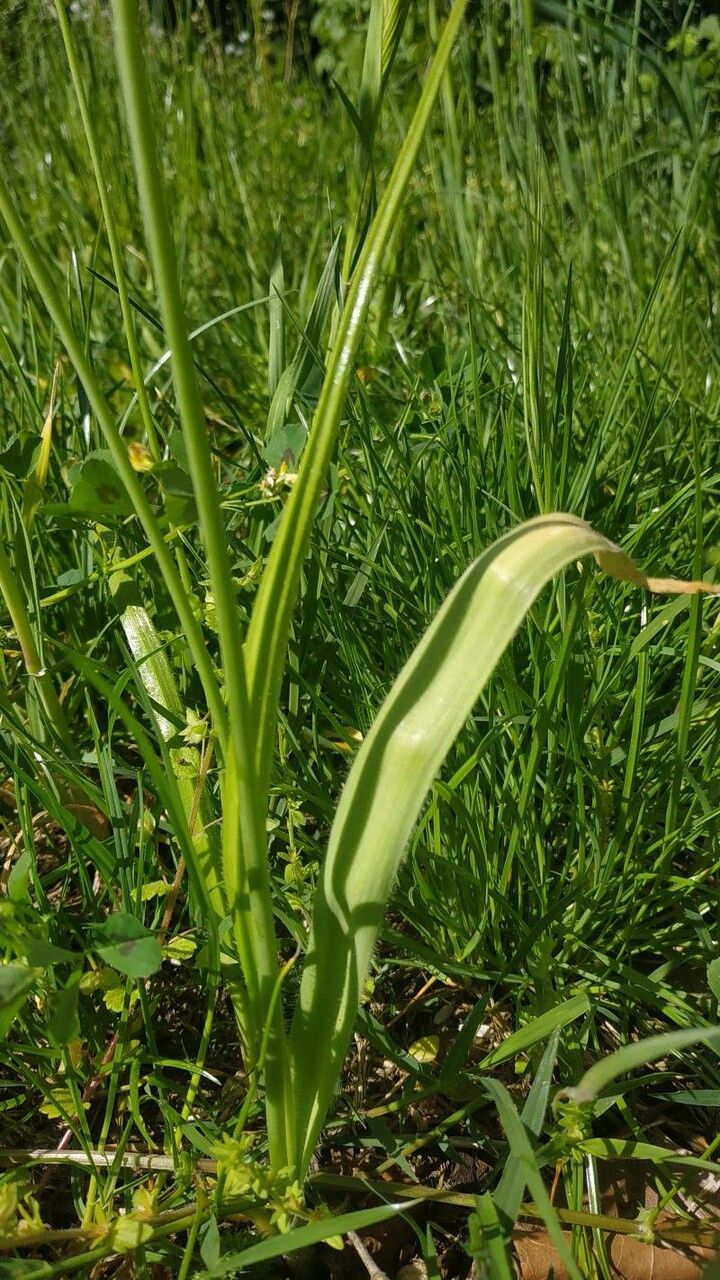
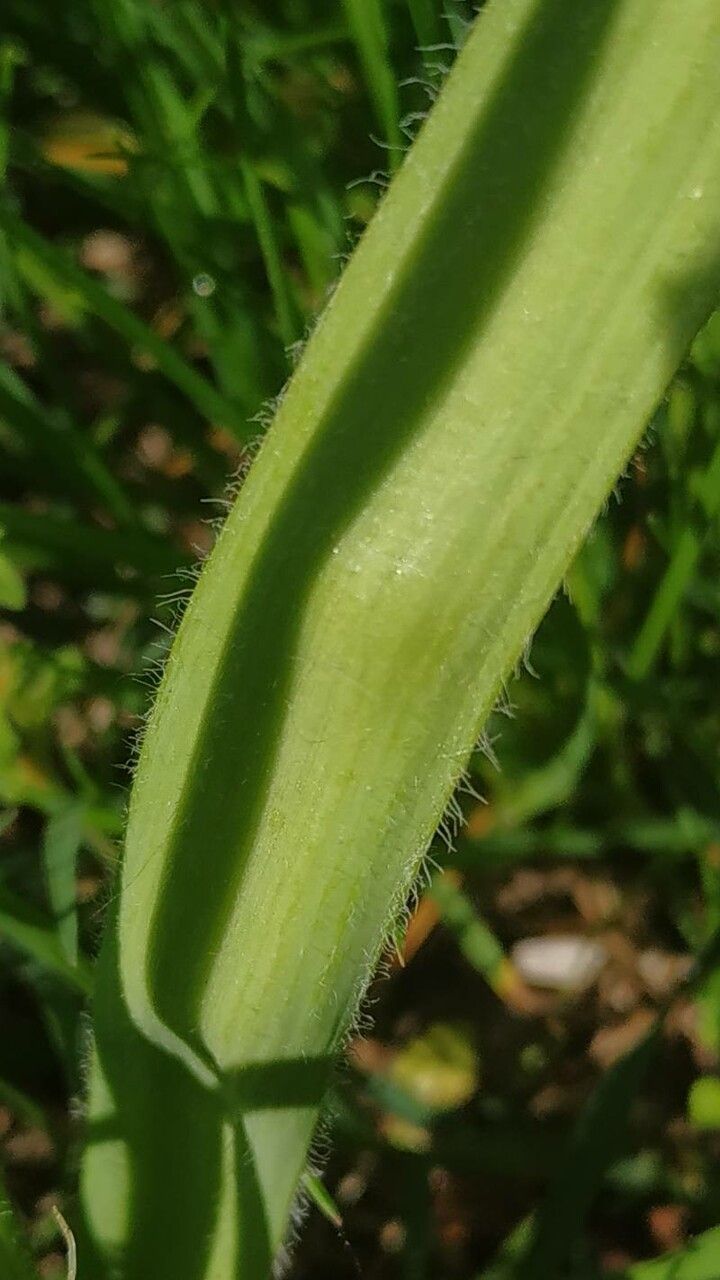
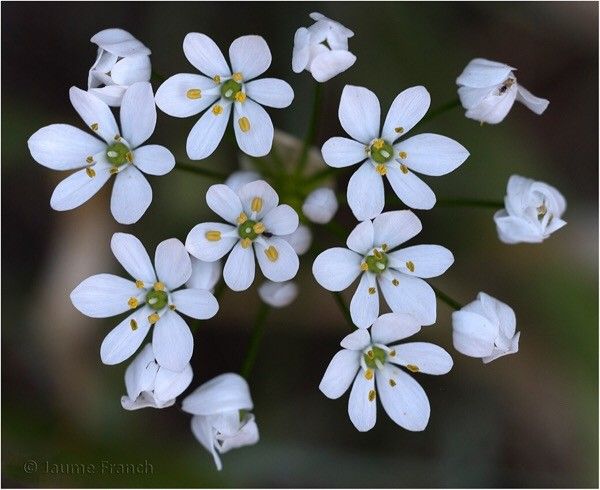
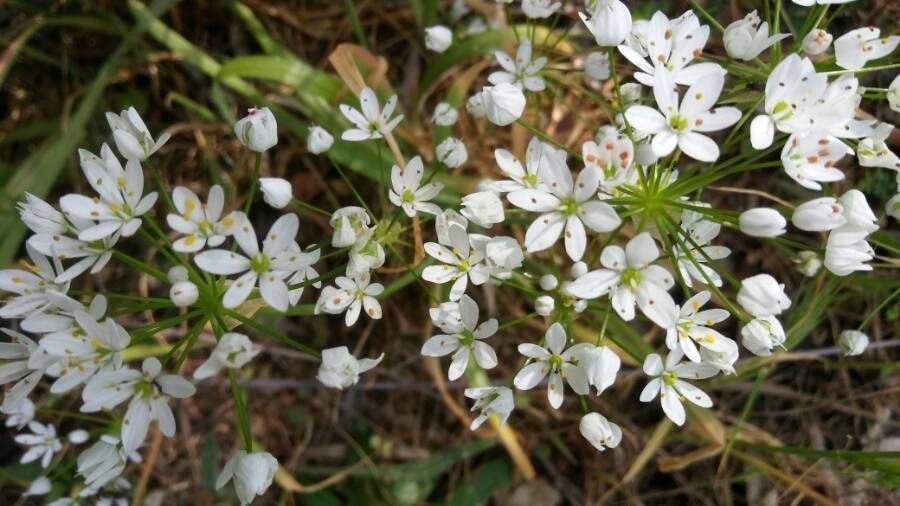
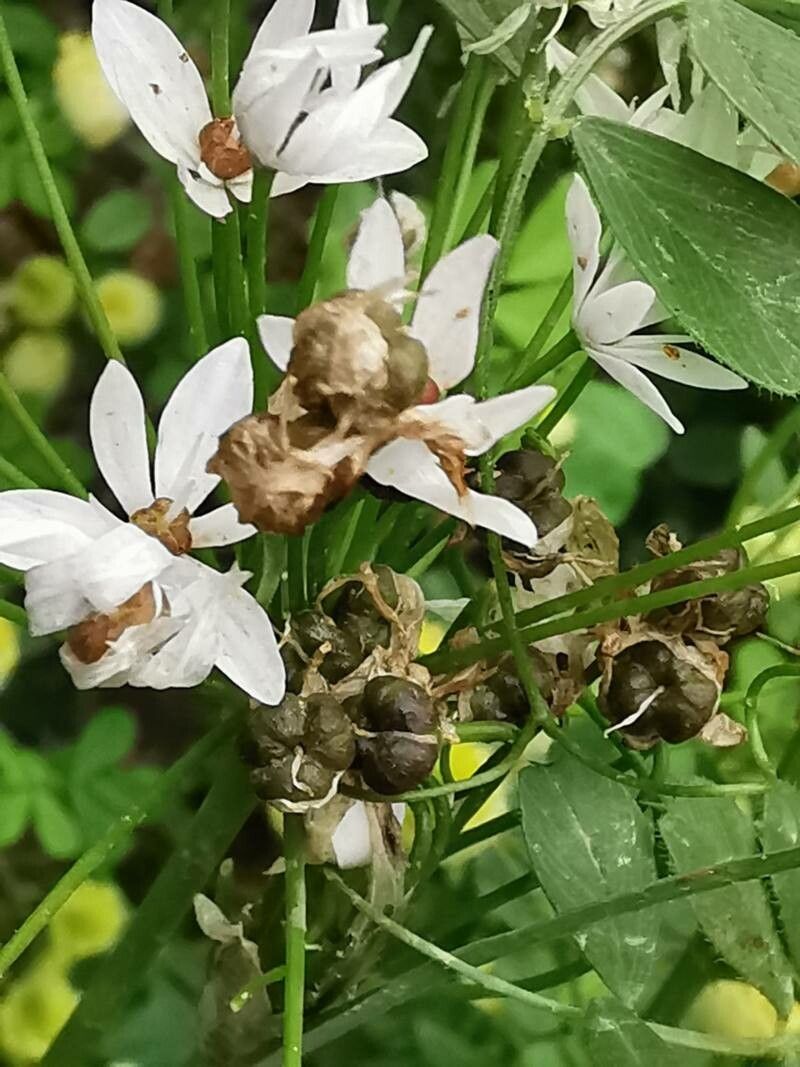
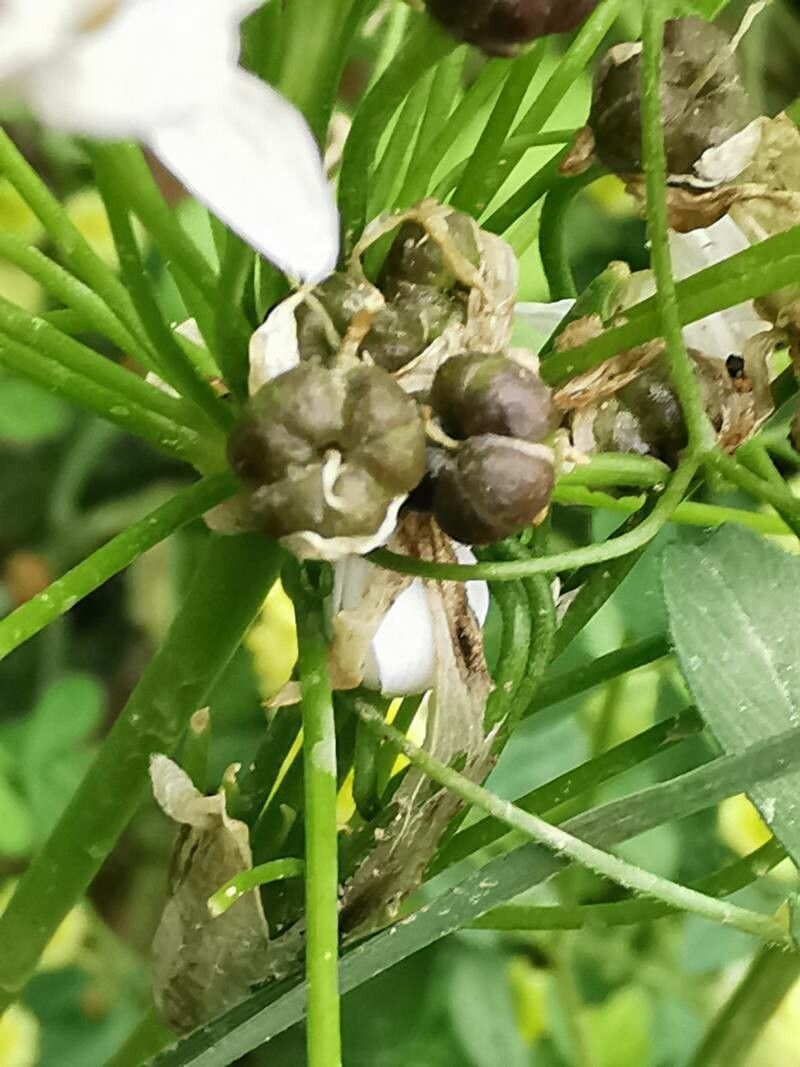
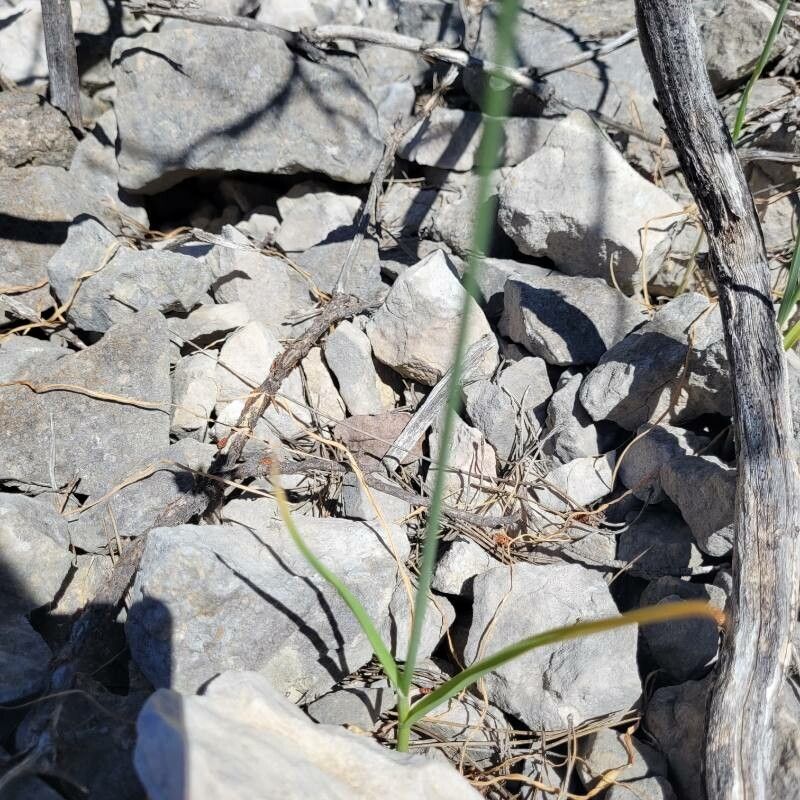
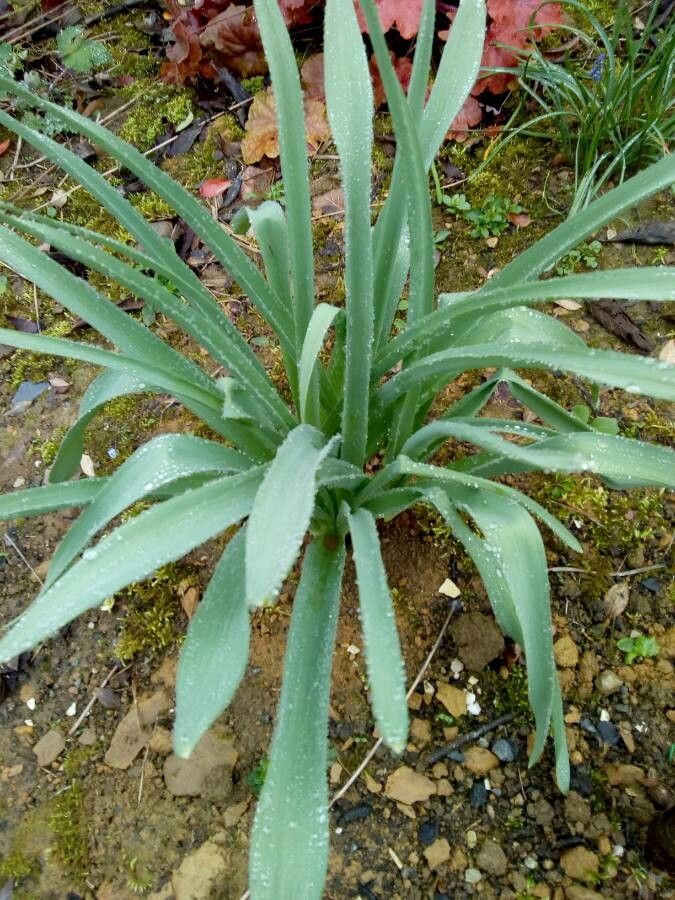
Allium subhirsutum, the hairy garlic, is a plant species widespread around the Mediterranean region from Spain and the Canary Islands to Turkey and Palestine.Allium subhirsutum is a perennial herb up to 50 cm tall. Leaves are long, up to 15 mm across, tapering toward the tip, with hairs along the margins (hence the name "hairy garlic"). The umbel contains only a few flowers, white with thin pink midveins.
Naples garlic is fairly disease-resistant and typically not prone to illnesses. However, it can be affected by pests and diseases present in its surroundings. These infections are generally mild. In terms of care, this plant requires moderate maintenance. It should be pruned regularly to maintain a good appearance and support healthy growth. Fertilizing can also help encourage flowering. Naples garlic is suitable for anyone with outdoor space, such as a garden or patio, and does not demand extensive care experience. It may require more attention when grown indoors.
How to keep Allium Subhirsutum.
Light
Naples garlic thrives with full sunlight. Its native habitat exists in close symbiosis with solar rays, supporting sustained and healthy growth. Insufficient sun can result in poor growth, while excessive sun may cause leaf burn. It benefits from sunlight at every stage of growth.
Water
Hairy garlic is native to the Mediterranean and thrives in dry, rocky areas. It prefers environments with low moisture, displaying a high tolerance for drought. It should be watered sparingly, approximately once a week. Adapted to arid climates, hairy garlic efficiently uses water during its growing season to endure periods of scarce rainfall.
Temperature
Naples garlic is a temperate plant that does best at temperatures from 41 to 95 °F (5 to 35 ℃). Monitor seasonal temperature changes and adjust care as needed to maintain optimal growth conditions.
Fertilizer
For Naples garlic, the primary time to fertilize is in early spring when flowers are forming. The proper fertilizer promotes better blooms and helps Naples garlic produce attractive flowers. Fertilizing in early spring ensures excellent flowers throughout the season and supplies energy for dormant growth phases.
Pruning
Pruning hairy garlic from early to late spring encourages healthy growth and flowering. By removing dead leaves and trimming spent flowers, you can prevent unwanted self-seeding. This practice improves air circulation, reduces the risk of disease, and boosts the plant's overall health during its active growth phase.
Pot & Repot
For hairy garlic to thrive in pots, excellent drainage is essential.
Botanical profile.
- Plant Type
- Herb
- Life Cycle
- Perennial
- Genus
- Allium
- Family
- Amaryllidaceae
- Hardiness Zone
- 5-10
- Mature Height
- 25 cm to 30 cm
- Mature Spread
- 10 cm
- Leaf Color
- Green
- Leaf Type
- Deciduous
- Flower Color
- White
- Flower Size
- 6.35 cm to 10.16 cm
- Bloom Time
- Mid spring, Late spring, Early summer
- Planting Time
- Spring, Summer
- Harvest Time
- Early summer, Mid summer
- Native Area
- Libya, Egypt, Turkey, Syria, Portugal, Italy, Spain, Israel, France, Montenegro, Cyprus, Albania, Lebanon, Greece, Croatia, Slovenia, Serbia
Other names.
Reader questions.
What are the sunlight requirements for Hairy Garlic (Allium subhirsutum)?
Hairy garlic, also known as Allium subhirsutum, thrives in conditions where it can receive above 6 hours of sunlight daily, categorized as full sun. It can also grow in partial sun, which is about 3-6 hours of sunlight. It's crucial to observe the movement of sunlight through your garden to identify spots that offer an ideal balance of light and shade. This careful selection ensures your plants' growth and happiness by meeting their sunlight needs effectively.
What is Hairy Garlic and where does it naturally grow?
Hairy Garlic, scientifically known as Allium subhirsutum, is a plant native to temperate climates. It thrives best in a temperature range of 59 to 100 °F (15 to 38 °C), indicating its preference for milder conditions. To ensure optimal growth, the temperature around the plant may need careful adjustment with changing seasons, catering to its natural habitat's conditions.