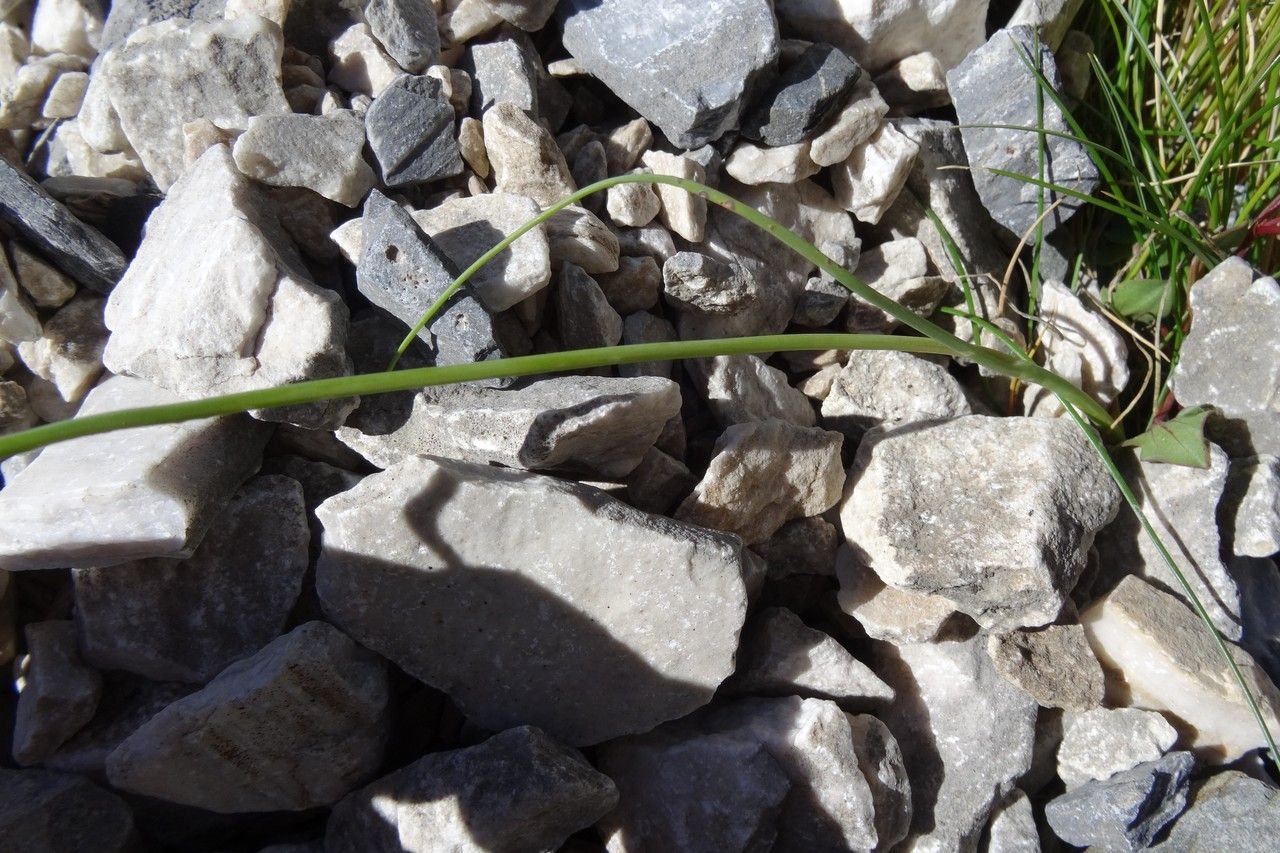
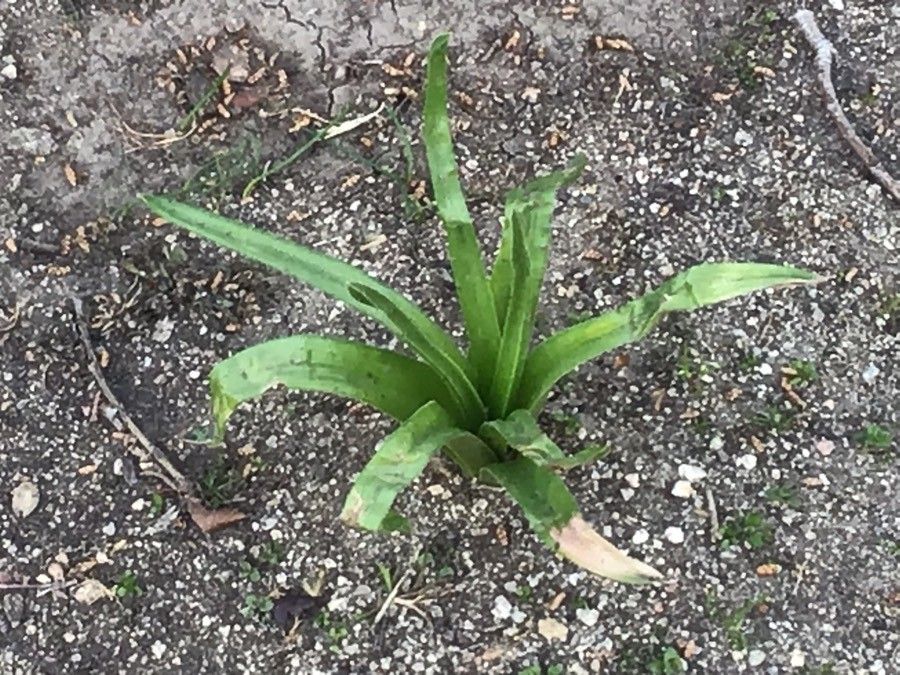
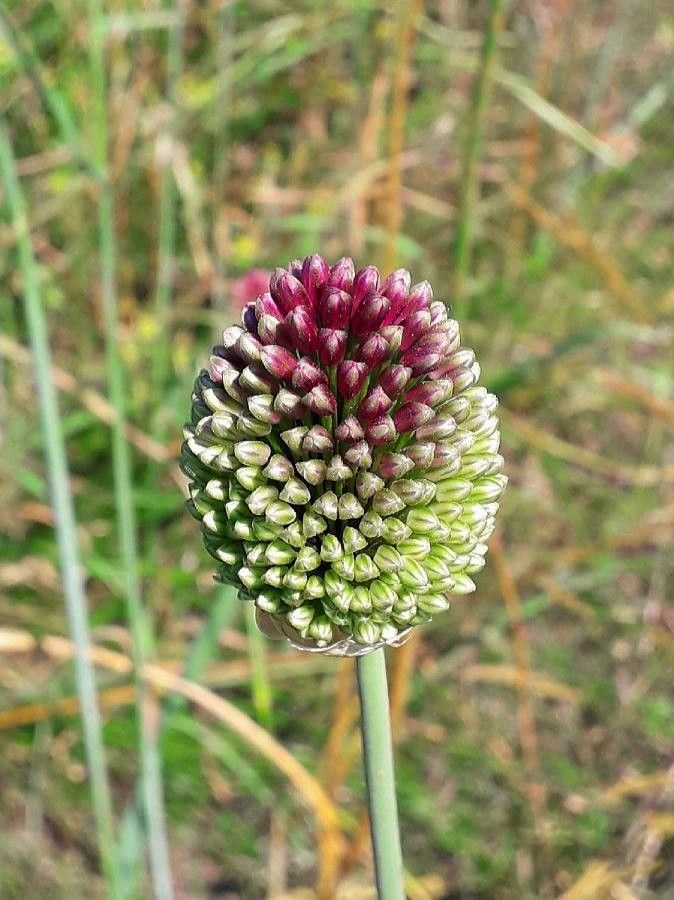
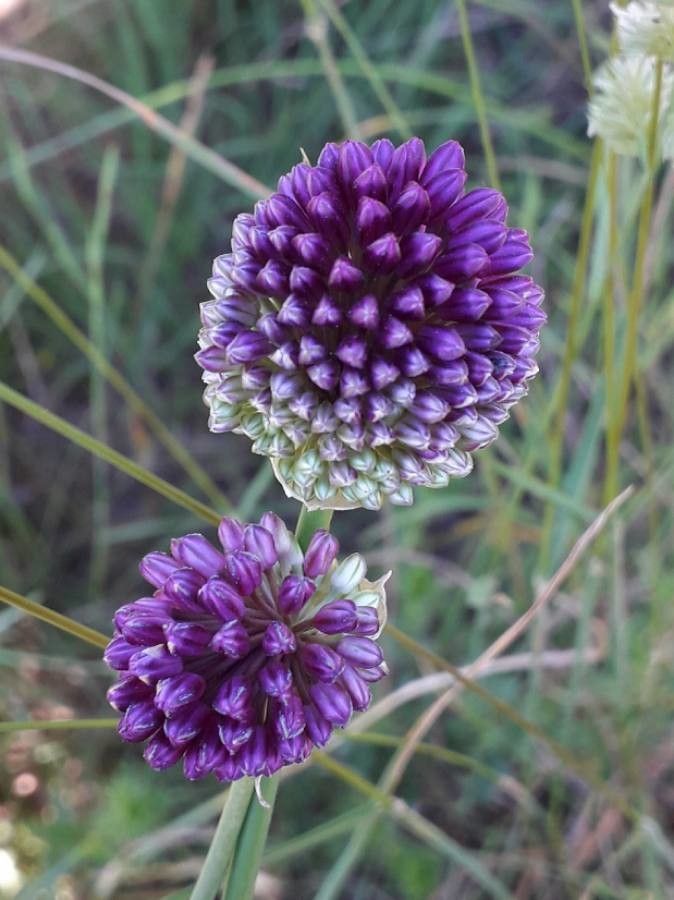
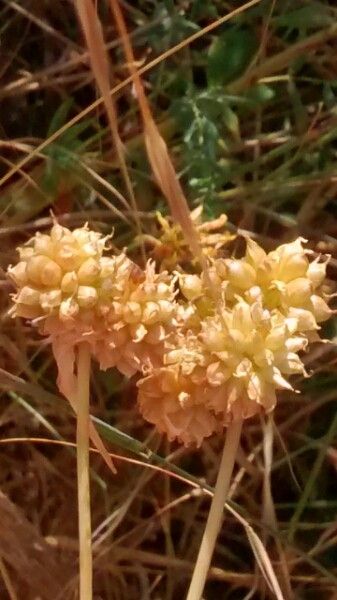
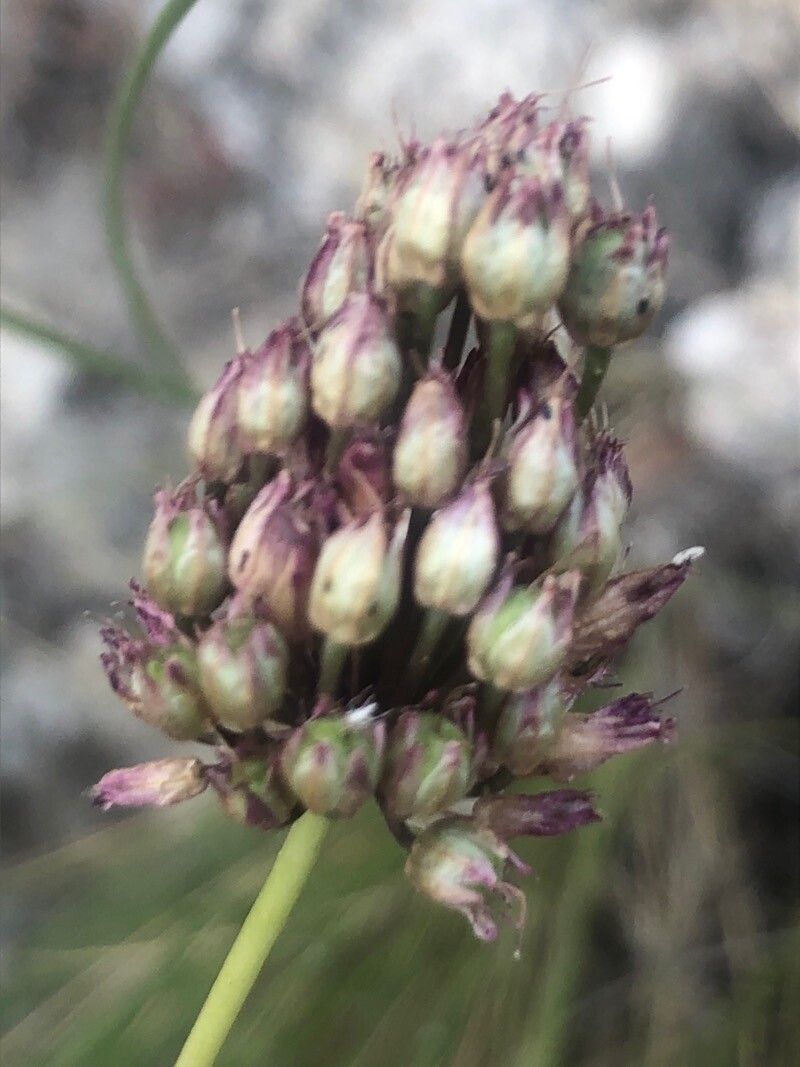
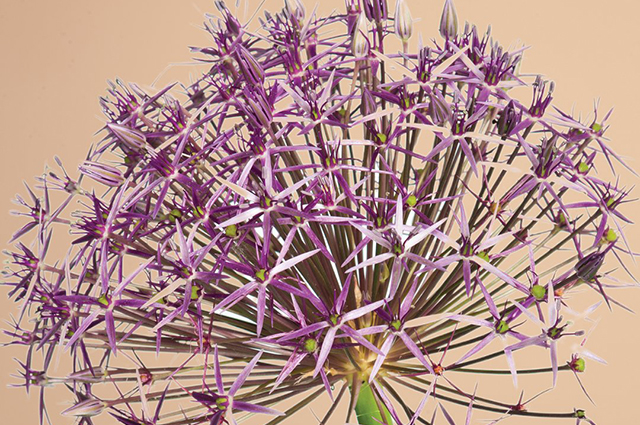
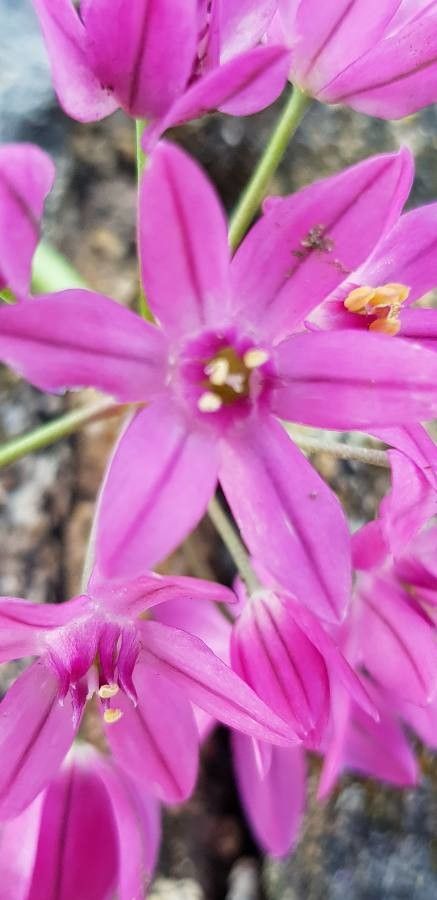
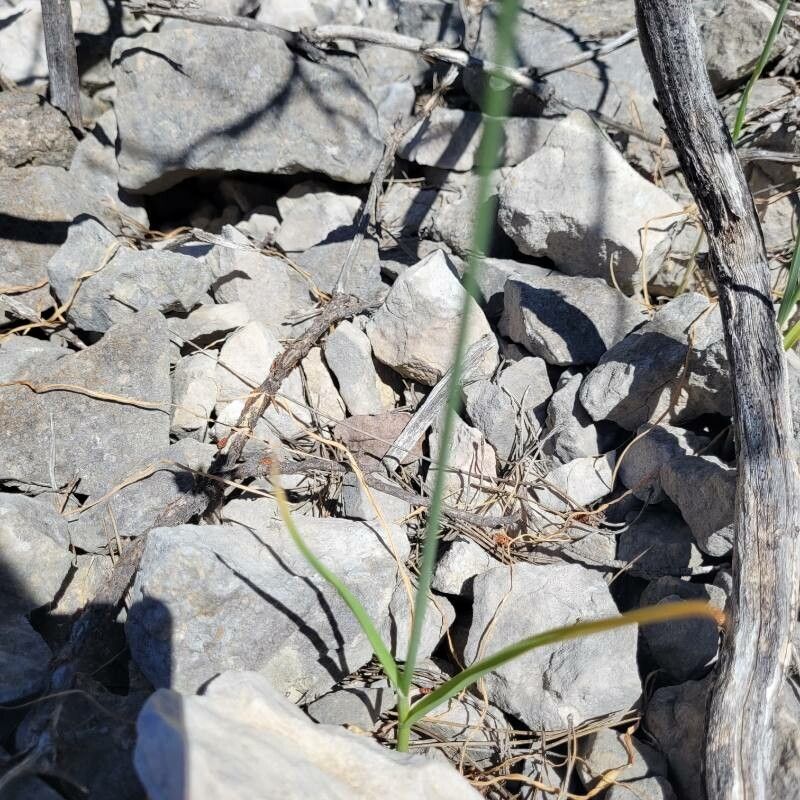
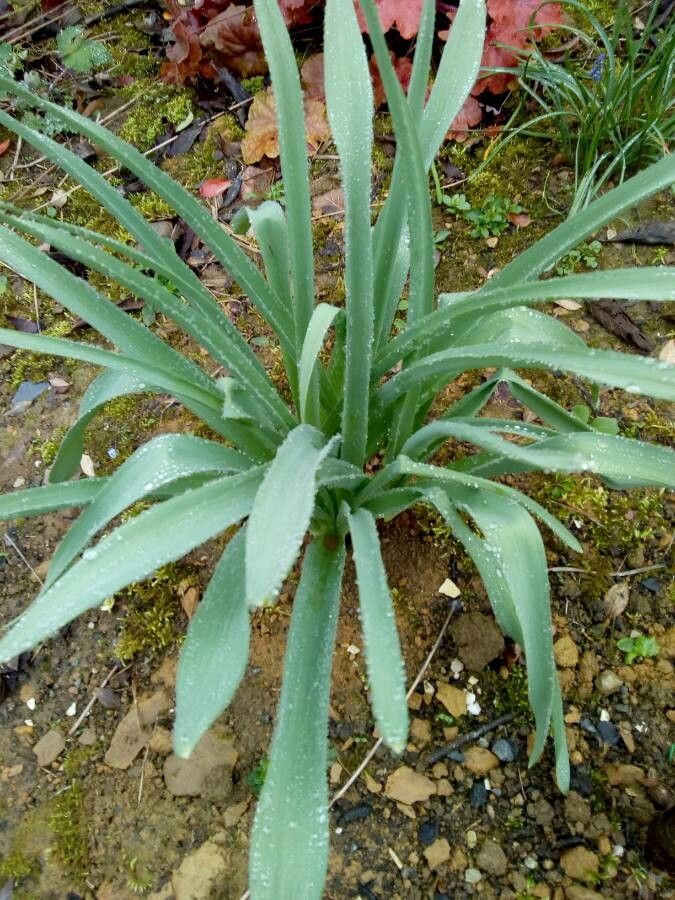
Allium sphaerocephalon is a plant species in the Amaryllis family known as round-headed leek, round-headed garlic, ball-head onion, and other variations on these names. Drumstick allium is another common name applied to this species. Some publications use the alternate spelling Allium sphaerocephalum. It is a bulbous herbaceous perennial plant. Allium sphaerocephalon is found in the wild across all parts of Europe except in the northern and western countries ( Scotland, Ireland, Netherlands, Scandinavia, and the Baltic States). Its native range extends to northern Africa and to western Asia as far east as Iran. It is also reportedly naturalised in New York State, US. In England it grows wild only in the Avon Gorge so is known locally as the Bristol onion.The species is prized by gardeners because of its striking floral display. The spherical "head" (technically an umbel) is borne on a long scape, up to 50 cm in height, usually in July. It can contain hundreds of deep purple flowers.The specific epithet sphaerocephalon derives from ancient Greek, meaning "spherical head". This plant has gained the Royal Horticultural Society’s Award of Garden Merit.
Wild garlic is fairly disease-resistant and typically not vulnerable to illnesses. Still, it can be affected by pests and diseases present in its environment. Such infections are generally mild. Regarding maintenance, the plant needs a moderate level of care. It should be pruned regularly to preserve a neat appearance and encourage healthy growth. Applying fertilizer can also aid in boosting flowering. Wild garlic is appropriate for anyone with outdoor space, like a garden or patio, and doesn't demand extensive gardening experience. It may need more attention if cultivated indoors.
How to keep Allium Sphaerocephalum.
Light
Wild garlic grows best when it gets plenty of daylight each day, though it can tolerate spots where sunlight is partly filtered. However, too much shade can impede its healthy development. Since it originates from brightly lit habitats, heavy shading or prolonged overcast conditions can cause stunted growth.
Temperature
Wild garlic prefers temperatures between 41 and 90 °F (5 and 32 °C). It comes from regions with moderate climates and needs a mild environment to thrive. In the warmer summer months it may require occasional watering to cope with higher temperatures.
Fertilizer
One fertilizer application in spring is generally enough for Wild garlic, though repeated feedings can increase growth. Feed every one to one and a half months. Fertilizing improves the leaves' appearance and function, encouraging even color and a healthy texture. It also promotes root development and nutrient uptake, supporting the plant's long-term health.
Botanical profile.
- Plant Type
- Herb
- Life Cycle
- Perennial
- Genus
- Allium
- Family
- Amaryllidaceae
- Hardiness Zone
- 4-8
- Mature Height
- 30 cm to 61 cm
- Mature Spread
- 10 cm
- Leaf Color
- Green, Gray, Silver
- Leaf Type
- Deciduous
- Flower Color
- Pink, Lavender
- Flower Size
- 2.03 cm to 5.08 cm
- Bloom Time
- Late spring, Early summer
- Planting Time
- Autumn
- Harvest Time
- Mid summer
- Native Area
- Turkey, Austria, Sweden, Slovakia, Montenegro, Croatia, Slovenia, Morocco, Belarus, Russia, Germany, Estonia, Romania, Latvia, Belgium, Netherlands, France, Portugal, Czech Republic, Bulgaria, Armenia, Poland, Greece, Ukraine, Lebanon, Serbia, Lithuania, Norway, Italy, Spain, Switzerland, Denmark, Finland, Iran, Albania, Ireland, United Kingdom, Hungary, Algeria, Azerbaijan
Other names.