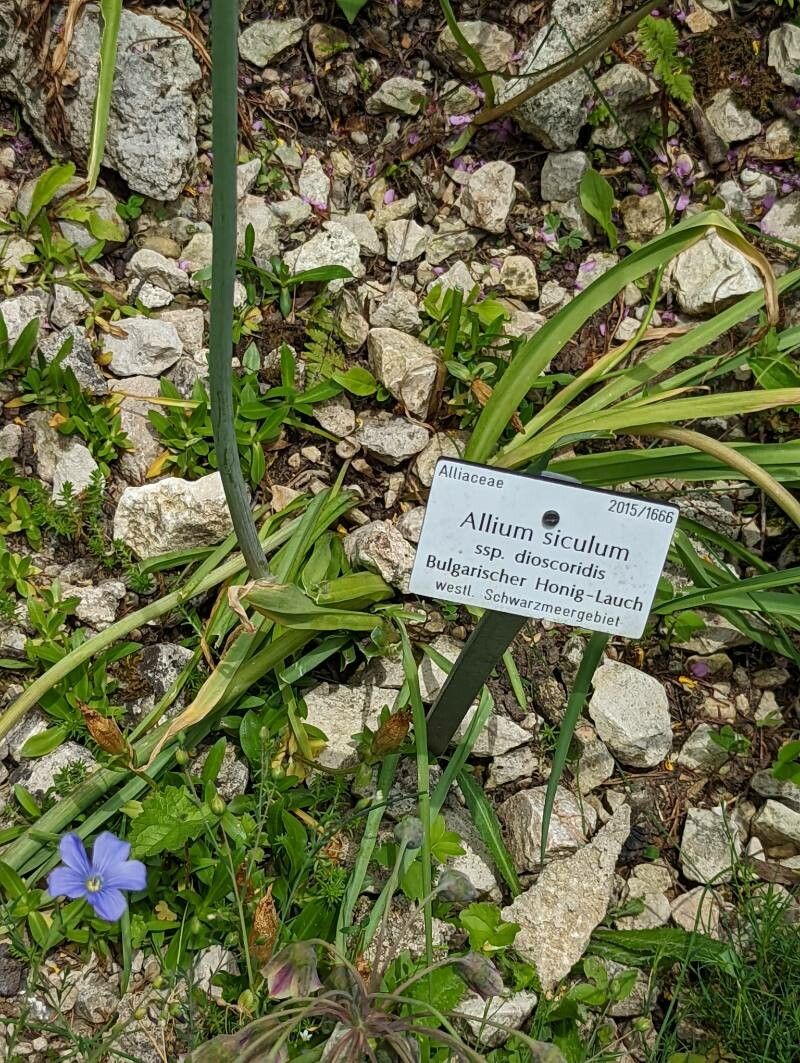
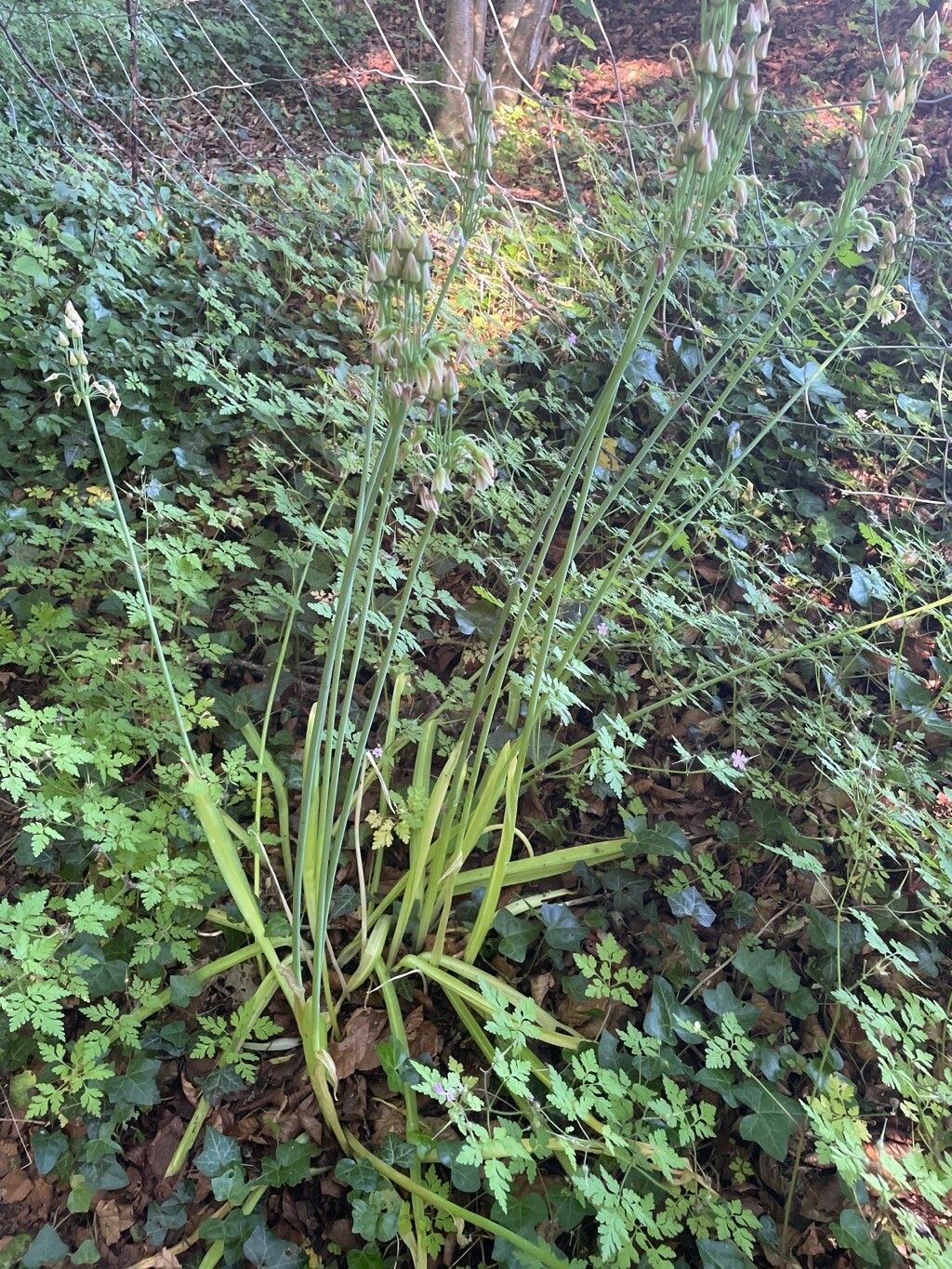
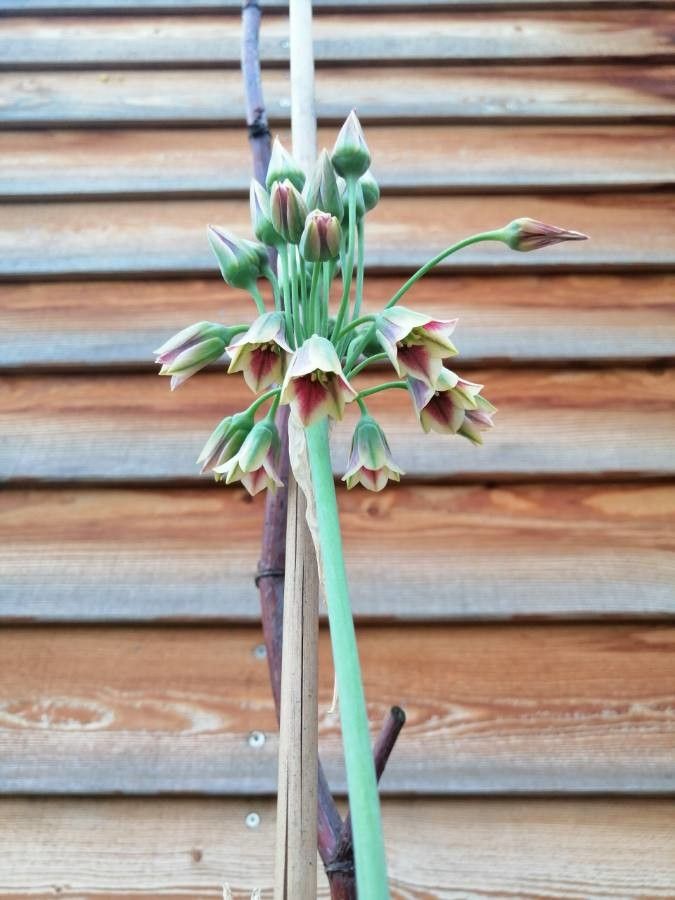
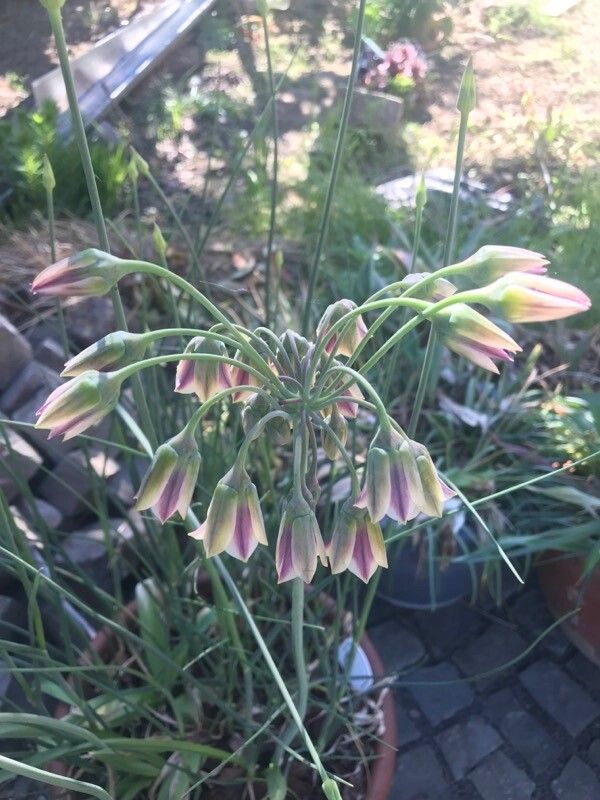
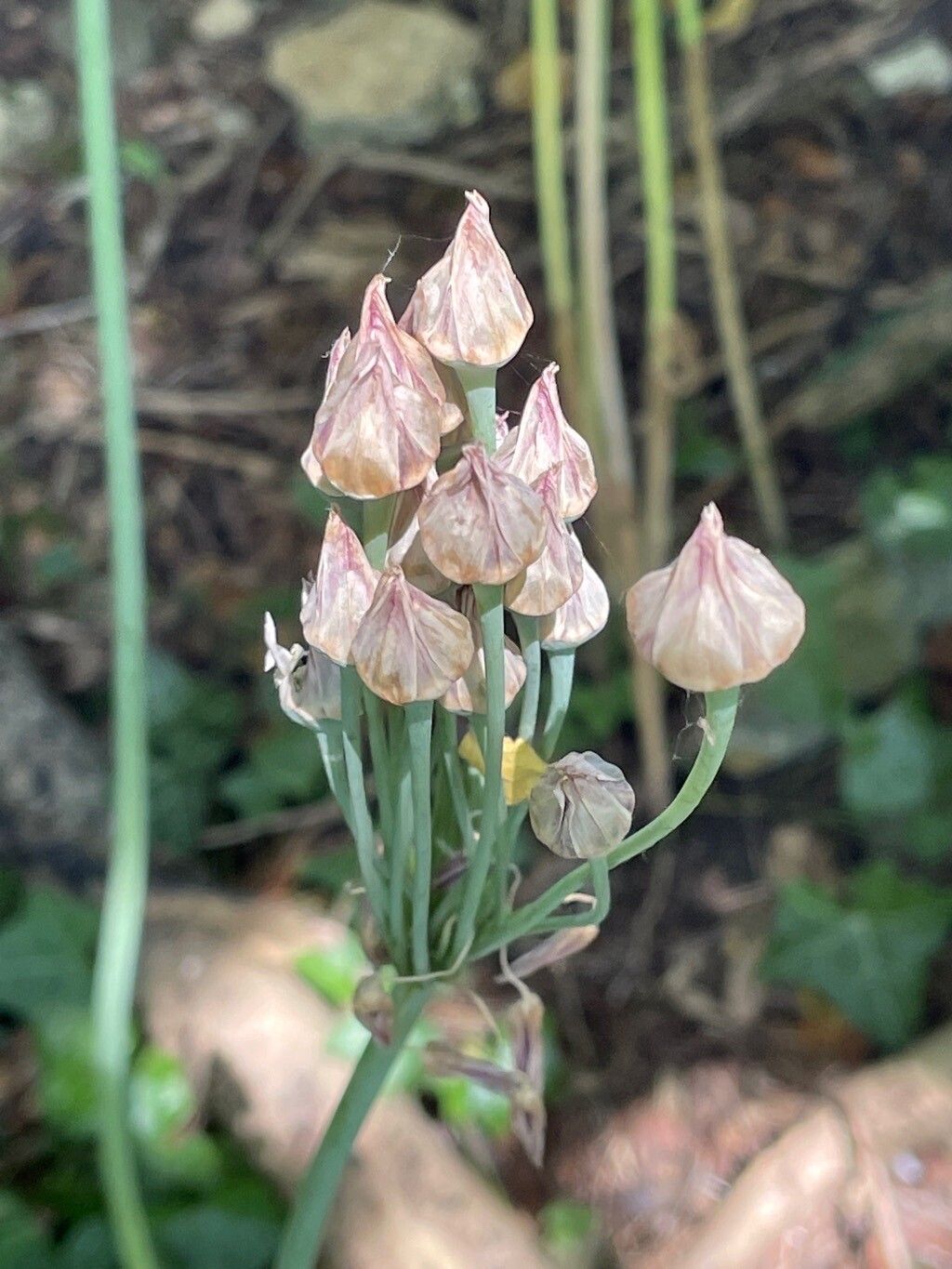
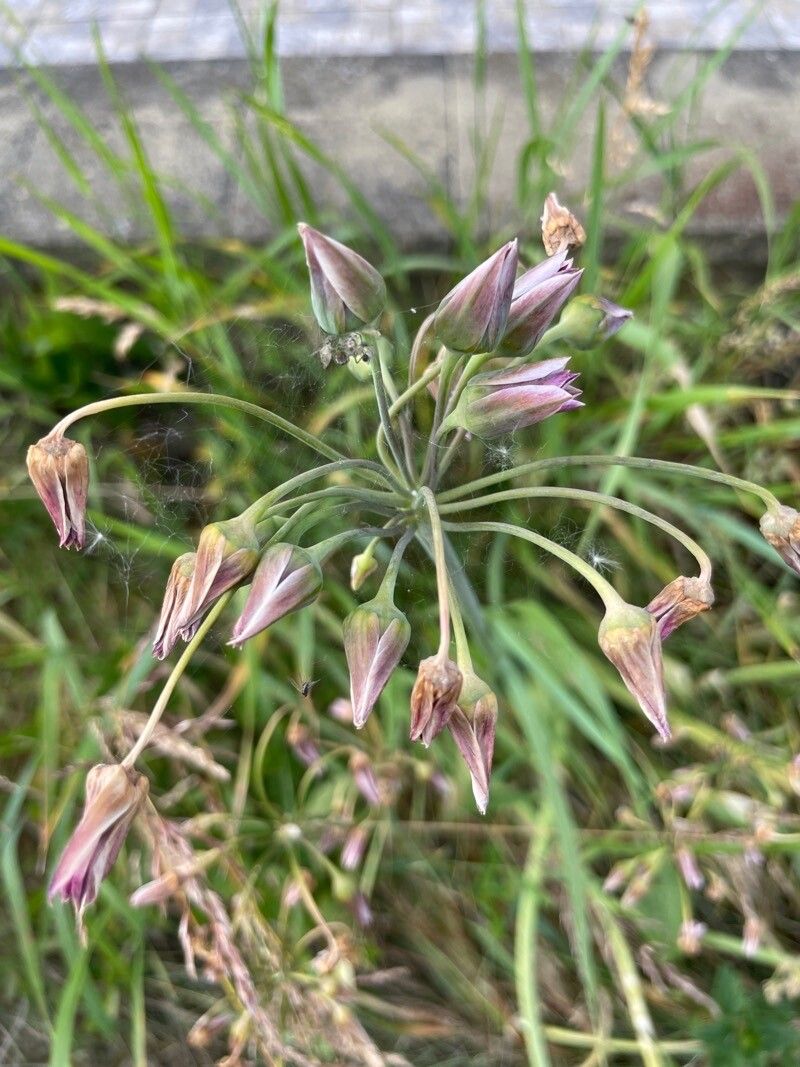
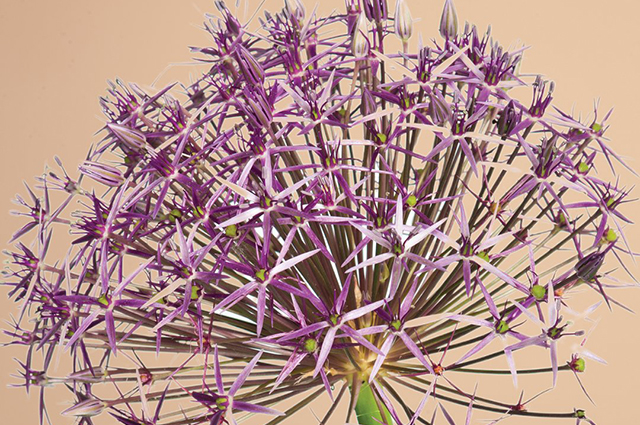
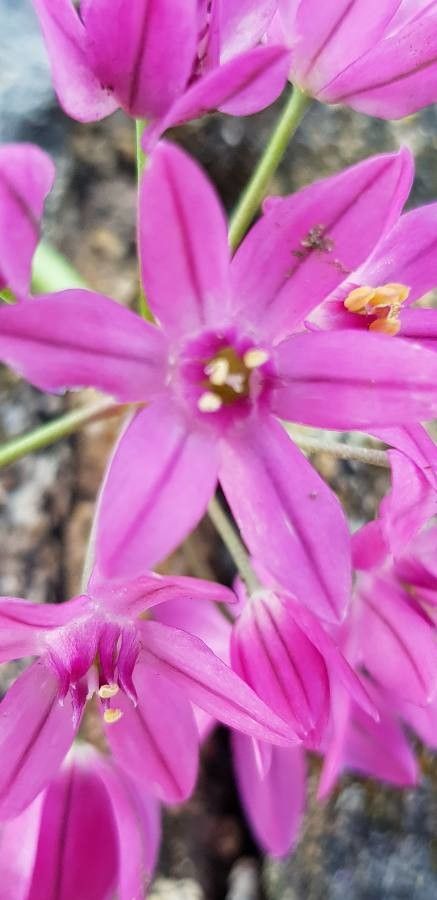
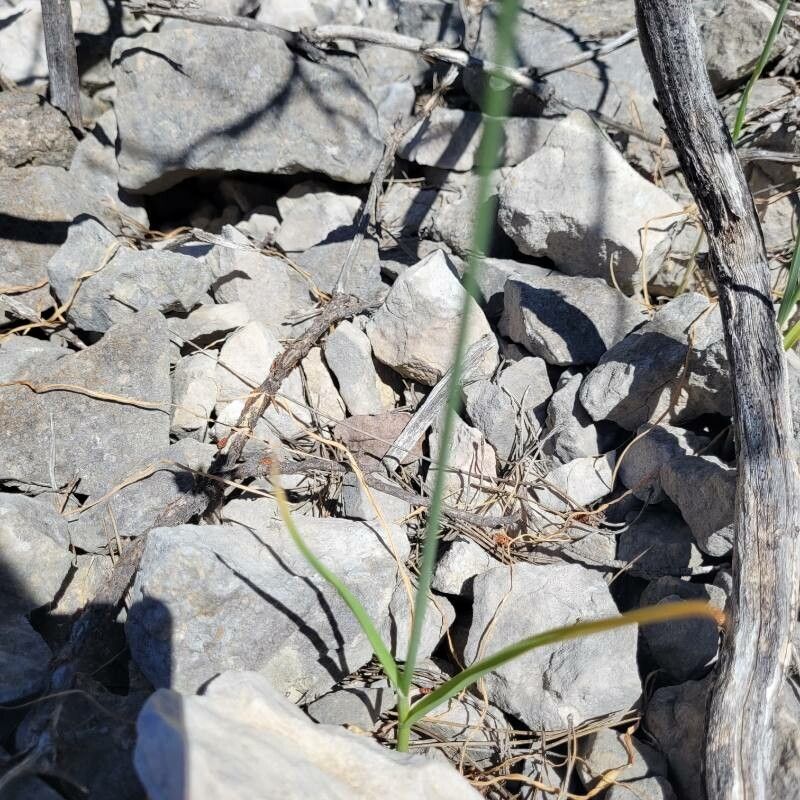
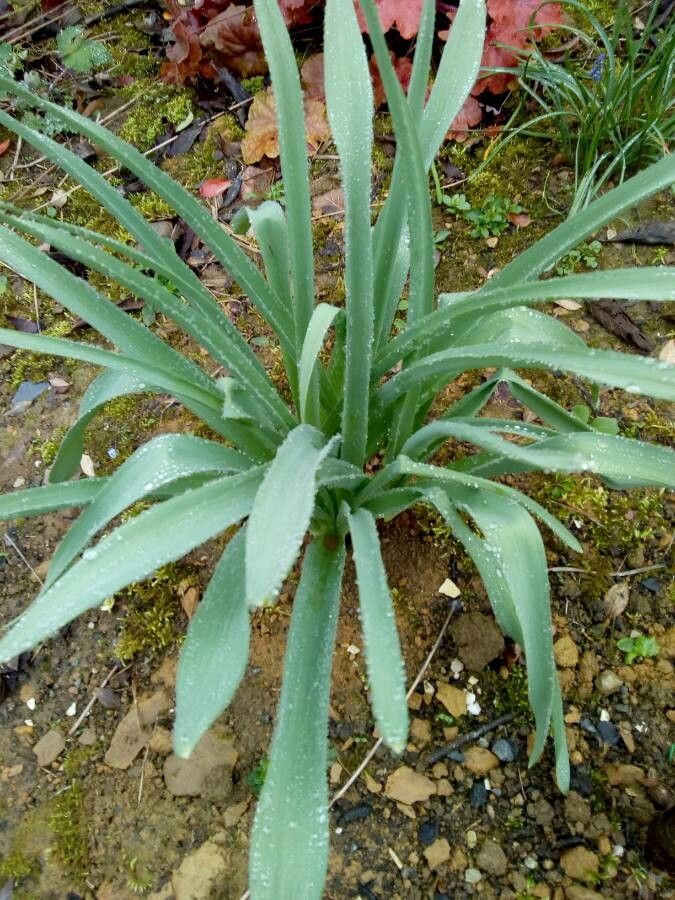
Allium siculum, commonly known as Sicilian honey garlic or Mediterranean bells, is a bulbous perennial plant belonging to the Allium genus. Native to the Mediterranean region, it thrives on rocky hillsides and in meadows. This plant produces tall stems that can reach up to 1 meter in height, crowned with clusters of bell-shaped flowers. The blooms are typically pink or purple, each petal marked with a distinctive white stripe. Allium siculum flowers in late spring and early summer.
The leaves of Allium siculum are long and narrow, growing up to 60 cm long and 2 cm wide. Their bluish-green hue creates a striking contrast with the pinkish-purple flowers.
When crushed or bruised, all parts of the plant emit an onion-like scent due to a high content of sulfur compounds, which also confer medicinal properties such as antibacterial effects.
Often grown as an ornamental plant, Allium siculum is prized for its attractive blooms, making it ideal for garden borders or rock gardens. It adds vibrant color during spring, a time when many other plants are still dormant from the winter period.
Overall, this beautiful flowering perennial is a wonderful addition to any garden, not only because it is easy to grow, but also because it attracts pollinators like bees, which help maintain biodiversity within the ecosystems where it naturally grows.
Sicilian honey garlic is fairly disease-resistant and generally not prone to illnesses. That said, it can be affected by pests and diseases present in its environment. Such infections are typically not serious. Regarding care, this plant has moderate maintenance needs. It should be pruned regularly to maintain a neat appearance and healthy growth. Fertilizing can also encourage more flowering. Sicilian honey garlic is suitable for anyone with outdoor space, like a garden or patio, and does not demand much gardening experience. It may need more attention when grown indoors.
How to keep Allium Siculum.
Light
Sicilian honey garlic grows extremely well when continuously exposed to light similar in strength to sunlight, though it can also tolerate environments with sporadic sun. Coming from a habitat with abundant sunshine, too little light can negatively affect its growth, and too much exposure can make it more prone to damage.
Water
Sicilian honey garlic flourishes in Mediterranean climates with moderate rainfall. It prefers well-drained soil and exhibits drought tolerance once it is established. To support growth, regular weekly watering is beneficial, although additional irrigation may be necessary during dry spells. Its bulbous structure allows for efficient water storage, enhancing its resilience in areas with low precipitation.
Temperature
Sicilian honey garlic is native to areas where temperatures fall between 41 and 95 °F (5 and 35 °C). It performs best under those conditions, so seasonal temperature changes should be kept within that range for optimal growth.
Fertilizer
For Sicilian honey garlic, the primary time to fertilize is in early spring when the flowers are forming. The appropriate fertilizer promotes better blooms and helps Sicilian honey garlic produce attractive flowers. Fertilizing in early spring ensures strong flowering during the season and supplies energy for dormant growth phases.
Pruning
Sicilian honey garlic is known for its drooping, bell-shaped flowers. To keep the plant healthy and encourage a strong display of blooms, it's best to prune it from early to late spring. Remove any spent stems at the base and trim away damaged leaves to improve air circulation. This helps reduce pests and supports vigorous blooming.
Pot & Repot
To ensure healthy growth and prevent root rot, Sicilian honey garlic needs excellent drainage when planted in pots. This prevents waterlogging and helps maintain the plant's overall health.
Botanical profile.
- Plant Type
- Herb
- Life Cycle
- Perennial
- Genus
- Allium
- Family
- Amaryllidaceae
- Hardiness Zone
- 5-9
- Mature Height
- 1.22 m
- Mature Spread
- 10 cm
- Leaf Color
- Green, Blue
- Leaf Type
- Deciduous
- Flower Color
- White
- Flower Size
- 1.02 cm to 2.03 cm
- Bloom Time
- Late spring, Early summer
- Planting Time
- Autumn
- Harvest Time
- Mid summer
- Native Area
- Italy, France
Other names.
Reader questions.
How should I water my Sicilian honey garlic plant in the best way?
When watering your Sicilian honey garlic, it is best to use filtered water at room temperature. Tap water may have harmful particles, so filtered water is safer. The plant prefers warm water since it is used to a warm environment. Avoid overhead watering to prevent issues with the foliage. Instead, gently soak the soil with your filtered room temperature water until it is completely saturated. This will benefit the plant by moistening the roots and aiding in the absorption of nutrients.
Why should I put fertilizer on my Sicilian honey garlic?
Fertilization is important for the Sicilian honey garlic as it provides essential nutrients for both above and below ground growth. While the overall fertilization needs for this plant are relatively low and it can sometimes survive without it, annual fertilization can greatly benefit the Sicilian honey garlic. Regular fertilization helps keep the plant alive and encourages the development of better and longer-lasting flowers. Therefore, those who want their Sicilian honey garlic to flourish should prioritize annual fertilization.
What are the sunlight requirements for Sicilian honey garlic?
Sicilian honey garlic requires full sun exposure, defined as more than 6 hours of sunlight per day, for optimal growth but can also tolerate partial sun, which is about 3-6 hours of sunlight daily. Watch the sunlight movement through your garden to determine the best spots that offer a balance of light and shade, ensuring the plants' well-being. This plant thrives exceptionally well under strong light conditions, akin to direct sunlight, and can also endure in partially sunny environments. Originating in regions of abundant sunlight, insufficient light may hinder its growth, while overexposure could increase its risk of damage.
What is the optimal temperature range for growing Sicilian honey garlic?
Sicilian honey garlic, botanically known as Allium siculum, thrives in environments with temperatures ranging between 41 to 95°F (5 to 35°C). This temperature range is ideal for its optimal growth, ensuring that the plant remains healthy and vigorous. Adjusting the surrounding temperature seasonally within this range can greatly benefit the plant's development.
What do I do if I give my Sicilian honey garlic plant too much or too little water?
Overwatering and underwatering can harm your Sicilian honey garlic, but overwatering is more common. When this plant gets too much water, its stems and leaves may wilt and turn yellow. Overwatering for a long time can also cause root rot, mold, and mildew, which can kill your plant. Underwatering is less likely for the Sicilian honey garlic because it can tolerate drought. However, underwatering can still happen, and you'll notice brittle, brown leaves. It's important to identify signs of overwatering early. Some diseases, like root rot, may not be fixable if you wait too long. If you see signs of overwatering, reduce watering immediately. Also, check the soil quality. If it drains poorly, replace it with a loose, well-draining potting mix. If you see signs of underwatering, increase watering until the signs subside.
When should I put fertilizer on my Sicilian honey garlic to help it grow better?
For optimal results, it is recommended to fertilize a Sicilian honey garlic in late winter to early spring when it is transitioning from dormancy to active growth. Fertilizing at this time promotes healthy growth and sets the plant up for a successful season. Although early spring is the best time, fertilizing in the fall is also acceptable. However, it is not recommended to fertilize during the summer or winter seasons.
How do I use artificial lighting for Sicilian honey garlic indoors?
Indoor Sicilian honey garlic benefits greatly from adequate lighting, especially when natural sunlight falls short, such as in winter or less sunlit spaces. Artificial lights, including LED lights which can be customized to emit specific wavelengths beneficial for plants, serve as an excellent alternative. Full sun plants require 30-50W/sq ft of artificial light, partial sun plants need 20-30W/sq ft, and full shade plants should have 10-20W/sq ft. The light source should be positioned 12-36 inches above the plant to mimic natural sunlight conditions. Ensure the artificial light is on for about 8-12 hours per day, aligning with the natural daylight duration necessary for your specific plant species.
Does Sicilian honey garlic require special frost protection during winter?
Sicilian honey garlic has a strong resistance to cold temperatures and generally does not require special frost protection measures during winter. However, in regions where winter temperatures are expected to plummet below -25°C, it becomes necessary to protect the plant. This can be achieved by covering it with insulating materials such as soil or straw. It is also recommended to water the plant abundantly before the first freeze in autumn to ensure the soil remains moist and enters a frozen state, thereby preventing drought and water scarcity for the plant during winter and early spring.
How often should I give water to my Sicilian honey garlic plant?
If your Sicilian honey garlic plant is in a pot, the most accurate way to determine if it needs water is to check the soil with your finger. If the top two to three inches of soil feel dry, it's time to water it. The same method can be used if you have planted the garlic outdoors in the ground. Once again, if the top few inches of soil are dry, you should water the plant. Typically, during spring and early fall, watering once a week will suffice. However, in very hot weather, you may need to water it twice a week or more. It's worth noting that mature and well-established Sicilian honey garlic plants have a remarkable ability to tolerate drought.
When is it not a good time to fertilize my Sicilian honey garlic?
To properly care for Sicilian honey garlic, it is recommended to fertilize only in late winter and early spring. This plant has low fertilization needs, so a single annual feeding during this time will suffice. Fertilizing during spring, summer, and fall can easily lead to overfertilization and its associated complications. However, if you didn't fertilize in spring, it is acceptable to feed the plant in fall. It is important to note that there is no need to fertilize this plant during winter, as it goes into a dormant growth phase and does not produce new growth. Therefore, fertilization during most of the winter is not advised.
What are some common symptoms of improper lighting in Sicilian honey garlic?
Sicilian honey garlic shows various symptoms when subjected to inadequate lighting conditions. Symptoms include the development of smaller new leaves compared to older ones, leggy or sparse growth due to elongating spaces between leaves/stems, faster leaf drop as a conservation measure, delayed or ceased growth, paler new leaves signaling a lack of chlorophyll, chlorosis characterized by yellowing leaves due to excessive sunlight breaking down chlorophyll, sunscald from intense sunlight exposure leading to damaged plant tissues, leaf curling as a defense against too much sunlight, wilting from excessive water loss, and leaf scorching indicated by brown, dry leaf edges due to overexposure to the sun.
How does Sicilian honey garlic react to low temperatures?
Sicilian honey garlic is remarkably tolerant of cold weather and fares best when temperatures remain above 5°C. During winter, it is essential to keep its surrounding temperature above -20°C. If the temperature falls below -25°C, there might not be any noticeable changes during the winter; however, it could lead to decreased sprouting or even a complete lack of sprouting in the spring. In such cases, it's advised to remove any parts that have failed to sprout once spring arrives.