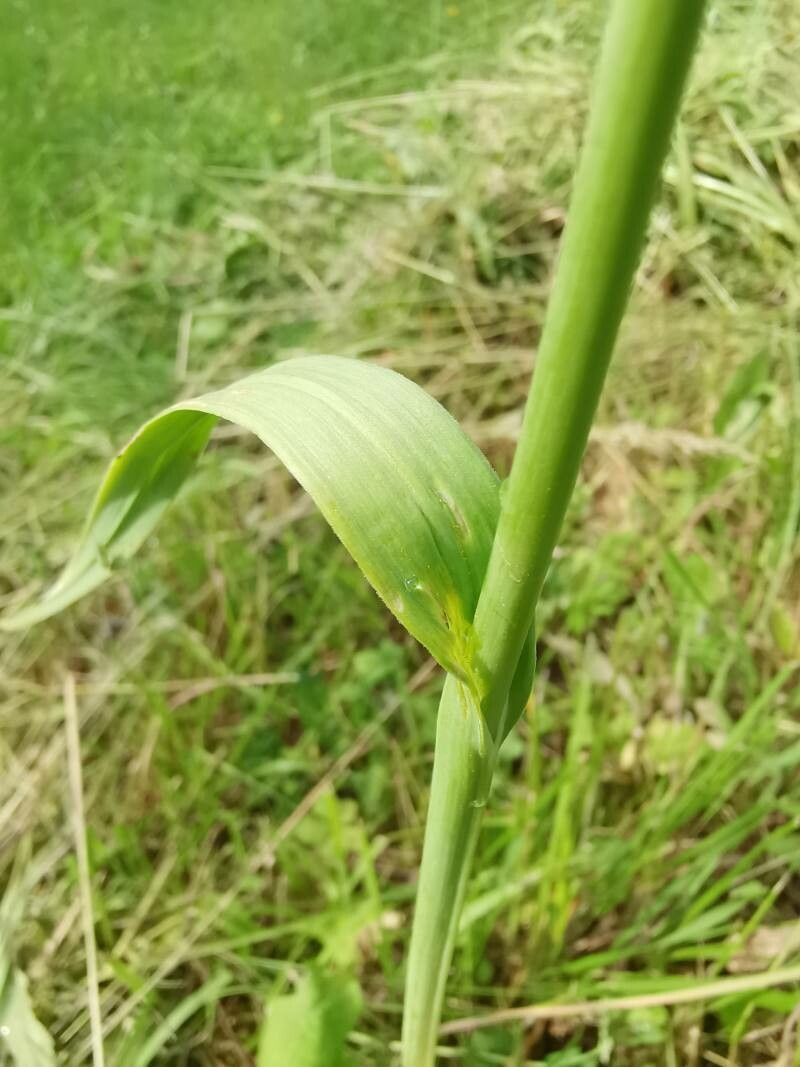
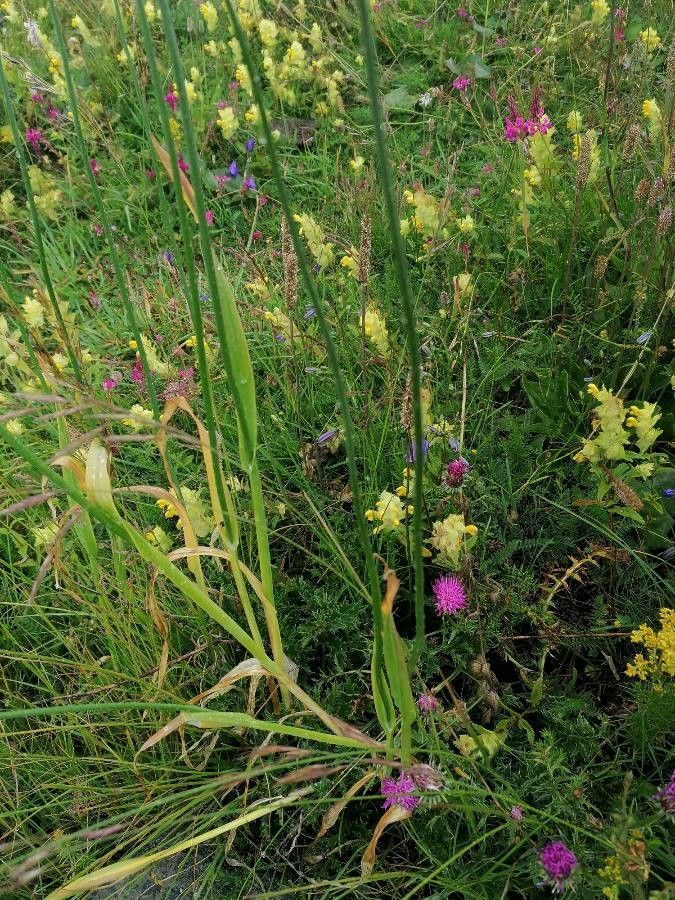
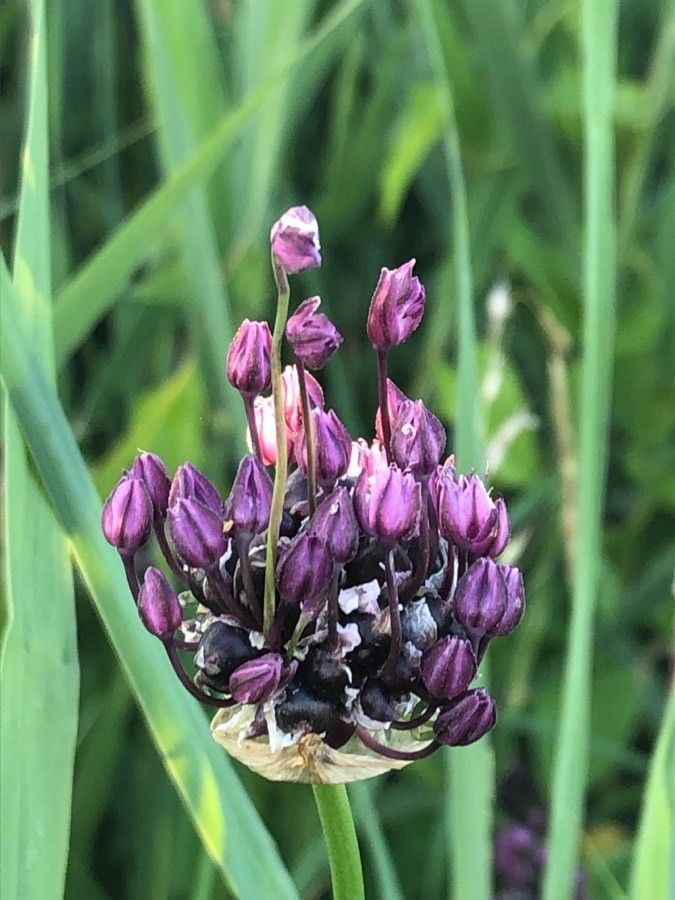
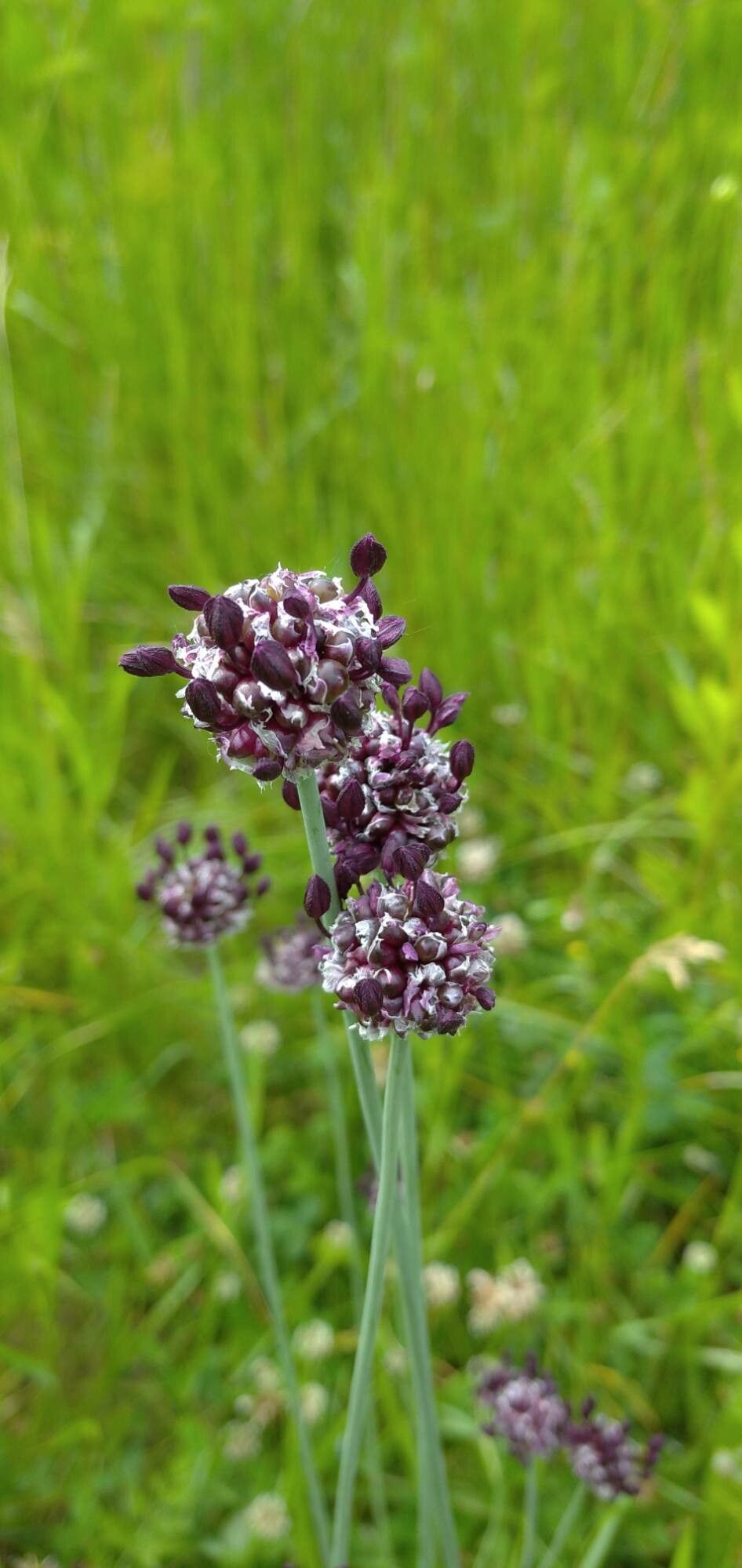
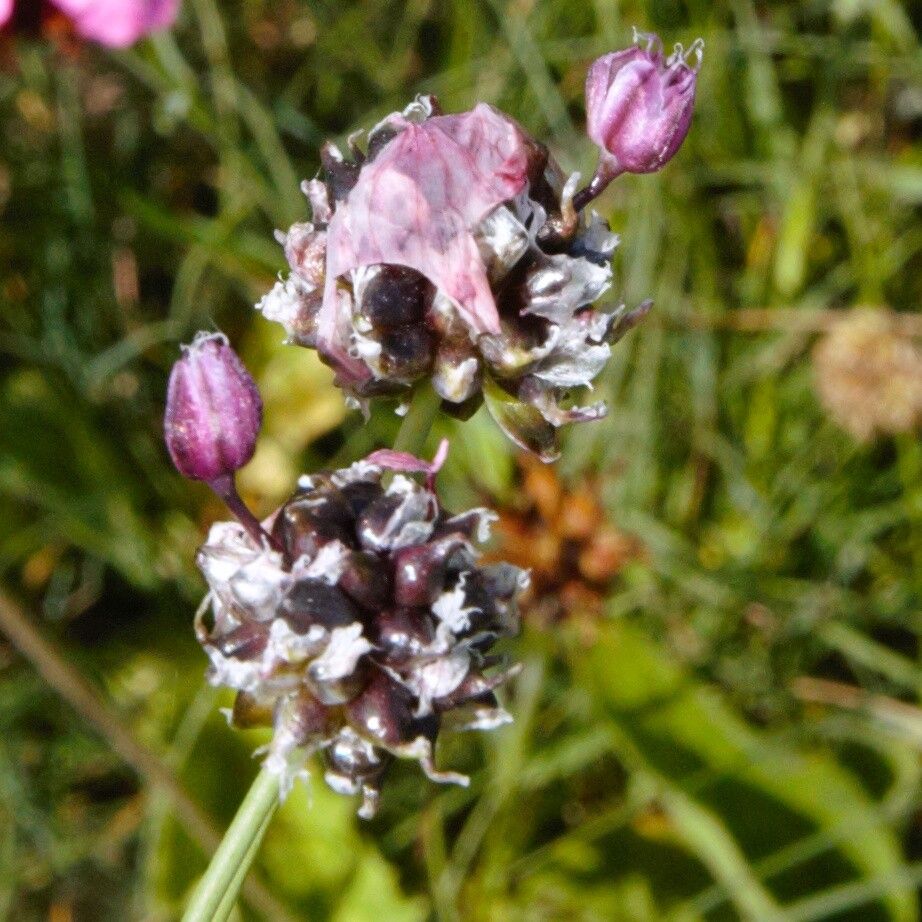
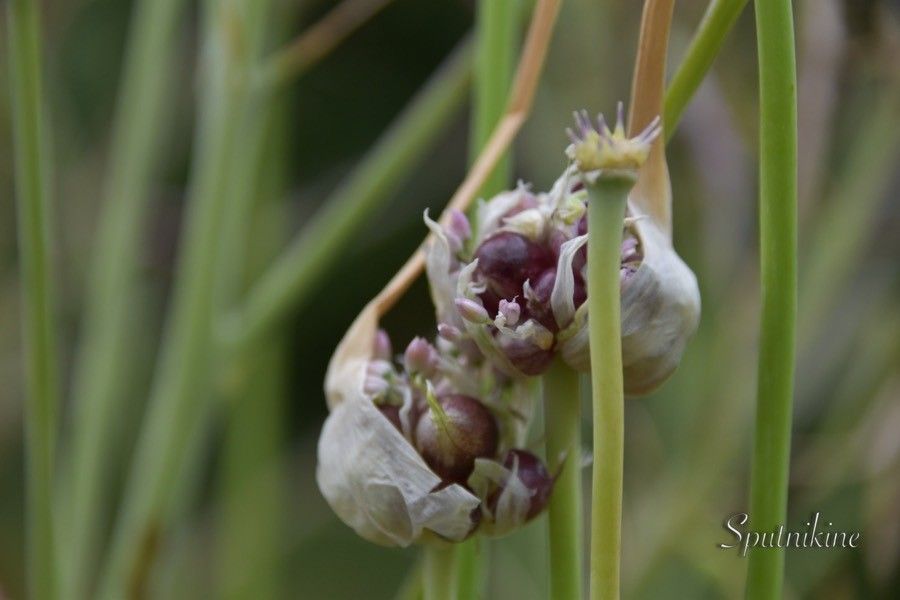
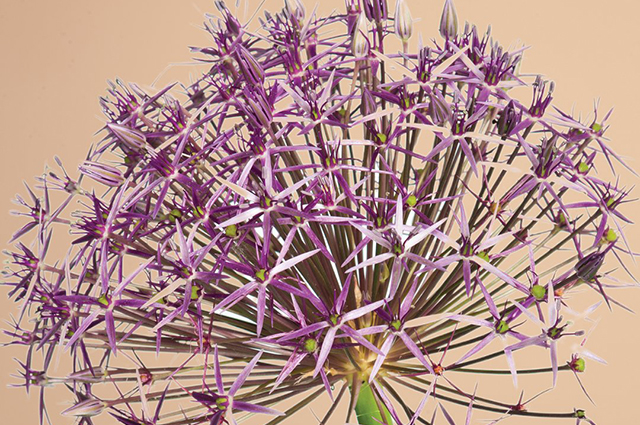
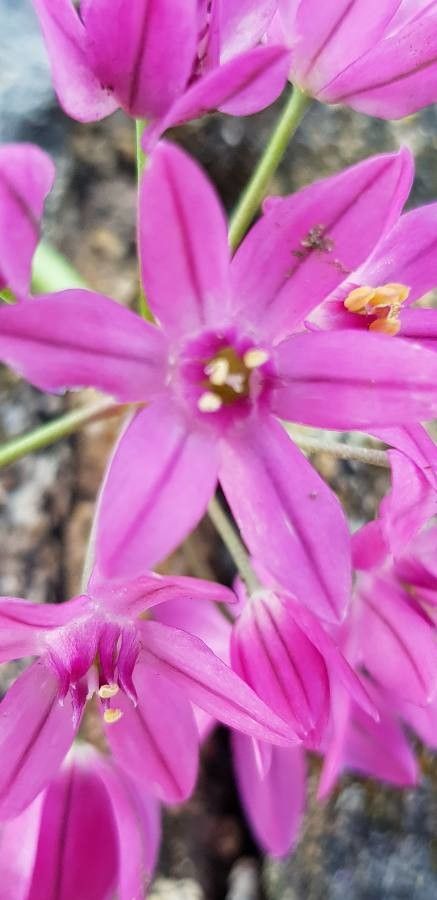
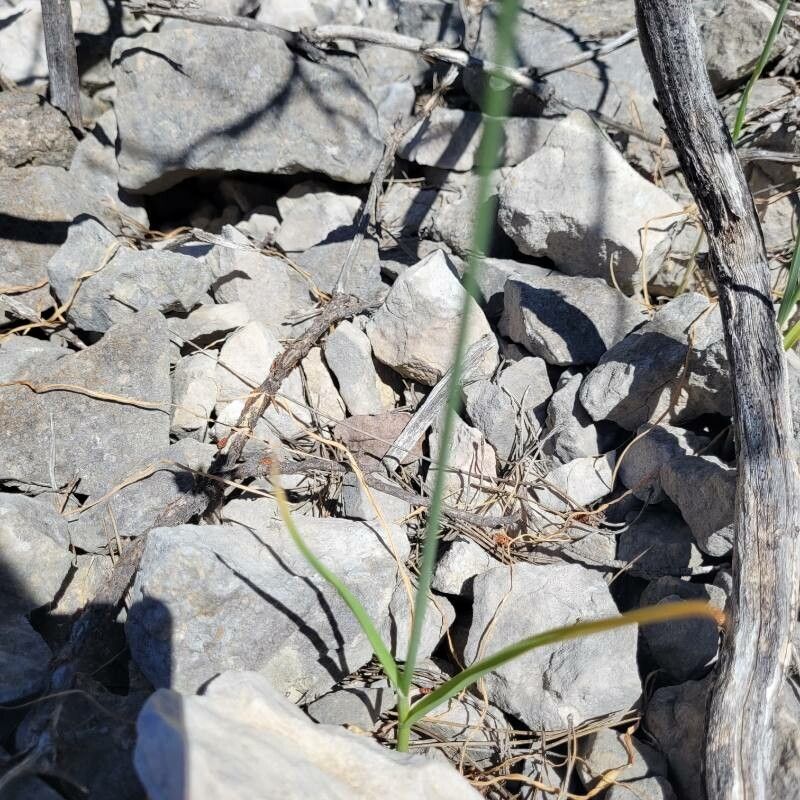
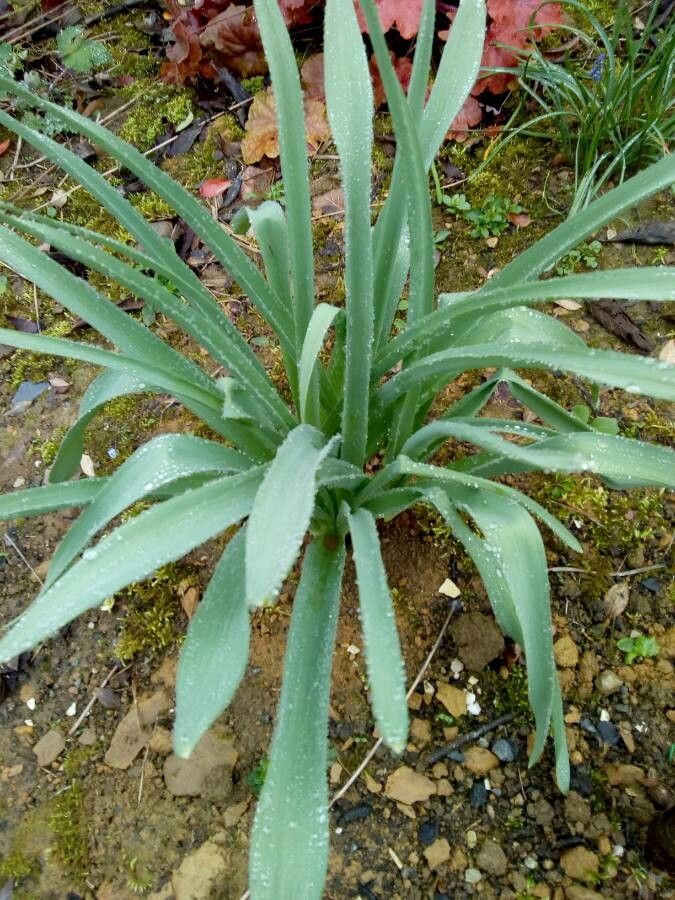
The sand leek (Allium scorodoprasum), also known as rocambole and Korean pickled-peel garlic, is a Eurasian species of wild onion with a native range extending across much of Europe, Middle East, and Korea. The species should not be confused with rocambole garlic, which is A. sativum var. ophioscorodon.
Sand leek has moderate resistance to disease and can be prone to illnesses such as leaf spot. Its vulnerability to insect pests varies by variety, but most varieties are less resistant to pests. Regarding care, sand leek requires regular watering and fertilization, along with frequent removal of yellow leaves. It is important to manage pests and diseases when they occur and to harvest the plant promptly. Sand leek is suitable for people who can spare some time and energy for regular care.
How to keep Allium Scorodoprasum.
Light
Sand leek does best in locations that receive ample sunlight throughout the day. This steady exposure supports a healthy growth cycle. In its native habitat, it is accustomed to that daily amount of sunshine. Both too much and too little exposure can adversely affect the plant’s vigor and growth.
Water
Sand leek, native to temperate regions, thrives in well-drained soil with moderate moisture levels. It does best with watering every one to two weeks and benefits from being grown outdoors, where natural rainfall can support its drought-resistant characteristics.
Temperature
Sand leek is a robust plant, naturally adapted to conditions with temperatures between 50 and 95°F (10 to 35℃). It grows best within this temperature span, though occasional modifications may be required to cope with seasonal changes.
Fertilizer
To maximize the yield and flavor of Sand leek, provide sufficient nitrogen throughout the entire growth cycle, from pre-planting through harvest. Well-watered, properly fertilized plants produce plentiful, healthy leaves and reduce bitterness. Before planting, amend the soil with organic matter like compost or manure, preferably 2 to 8 weeks beforehand.
Pruning
The sand leek is a resilient perennial plant known for its clumping growth pattern. To promote new growth, prune the plant in early to late spring by removing any dead leaves. After the plant has flowered, trim the spent stalks to help redirect energy back to the bulbs. Regular pruning not only enhances the plant's overall health but also reduces the risk of disease.
Pot & Repot
To thrive, sand leeks need pots with excellent drainage to prevent excess water from accumulating and harming the roots.
Botanical profile.
- Plant Type
- Herb
- Life Cycle
- Perennial
- Genus
- Allium
- Family
- Amaryllidaceae
- Hardiness Zone
- 6-9
- Mature Height
- 46 cm
- Mature Spread
- 20 cm
- Leaf Color
- Green, Gray
- Leaf Type
- Deciduous
- Flower Color
- Purple
- Flower Size
- 1.02 cm to 2.03 cm
- Bloom Time
- Early summer, Mid summer
- Planting Time
- Spring, Summer, Autumn
- Harvest Time
- Late summer, Early fall
- Native Area
- Turkey, Sweden, Austria, Slovakia, Montenegro, Slovenia, Croatia, Belarus, Russia, Iraq, Germany, Estonia, Romania, Latvia, Netherlands, France, Czech Republic, Cyprus, Bulgaria, Poland, Greece, Ukraine, Lebanon, Serbia, Lithuania, Norway, Syria, Italy, Switzerland, Denmark, Finland, Iran, United Kingdom, Hungary
Other names.
Reader questions.
How do I water my Sand leek properly?
When watering the Sand leek, it is best to use filtered water at room temperature. Tap water may contain harmful particles that can affect the plant's health. Since the Sand leek is used to warm conditions, it is important to avoid using cold water as it can be a shock to the plant. Additionally, it is not recommended to water the plant from above as it can cause issues with the leaves. Instead, it is preferable to apply filtered room temperature water directly to the soil until it is fully soaked. This method is beneficial because it helps moisturize the roots and allows them to spread and absorb essential nutrients from the soil.
Why is it necessary to put fertilizer on my Sand leek plant?
The main structure of the Sand leek is made up of its leaves. To ensure that these leaves look great and perform their function well, fertilization is crucial. Properly fertilizing your Sand leek will result in leaves that have consistent color and a healthy texture. It is important to note that fertilization not only benefits the leaves above the soil's surface but also below it. It helps the plant produce new roots and maintain existing ones in the root system. This means that fertilization not only keeps your plant healthy in the present but also improves its ability to absorb soil nutrients in the future.
What are the sunlight requirements for Sand leek?
Sand leek requires 'Full sun' with above 6 hours of sunlight or 'Partial sun' with about 3-6 hours of sunlight to thrive. It's important to observe the movement of sunlight in your garden to ensure that you plant your Sand leek in spots that provide the right balance of light and shade according to its needs. This will ensure the plant's happiness and promote healthy growth. In its native habitat, Sand leek is accustomed to significant sun exposure throughout the day, which is crucial for its healthy growth cycle. Both excessive and inadequate sunlight exposure can negatively affect the plant's vitality and growth.
What temperature is best for Sand leek?
The ideal temperature for Sand leek depends on the season. There are two primary seasons to consider: the growing season and the dormancy season. During the growing season, when Sand leek starts to sprout, the best temperature range is between 65-80℉ (18-27℃). If it gets colder than 15℉ (-10℃), the plant may suffer and its leaves may brown and wilt. However, if it's just a brief cold snap, Sand leek may survive with some assistance. On the other hand, during the warmer parts of the year, it's important to protect Sand leek from excessive heat. The top temperature range for the plant is 95-105℉ (35-40℃). Anything above that can damage the foliage and blooms, causing wilting, drooping, and even sunburn on the leaves. Fortunately, there are several quick and easy ways to address this issue.
What should I do if I give my Sand leek too much or too little water?
Both overwatering and underwatering can harm your Sand leek, but overwatering is more common. Too much water causes wilting and yellowing of the stems and leaves. It can also lead to diseases like root rot, mold, and mildew, which can be fatal for your plant. Underwatering is less likely, as the Sand leek can tolerate drought. However, if underwatering does occur, the leaves will become brittle and brown. It's important to recognize the signs of overwatering early on. Diseases like root rot may be irreversible if not addressed promptly. If you notice these signs, reduce your watering schedule and check the soil's drainage. Replace poorly draining soil with a loose, well-draining potting mix. If you notice signs of underwatering, simply water more regularly until the signs subside.
What is the best time to add fertilizer to my Sand leek?
When you grow your Sand leek outdoors, it will start growing new leaves in early spring. This is the signal to start fertilizing for the year. Usually, one application of fertilizer in the spring is enough for the Sand leek to grow well. However, if you want maximum growth, you can fertilize multiple times in the spring and early summer. If you decide to do this, you can feed the Sand leek about once every month to a month and a half.
How can artificial lighting support indoor Sand leek plants?
For indoor Sand leek plants, adequate lighting is critical for optimal growth. During seasons or in areas where natural sunlight is insufficient, such as in winter or less sunny spaces, artificial lighting becomes essential. LED lights are a popular choice because they can be customized to supply specific wavelengths needed by your plants. Full sun plants require 30-50W/sq ft, partial sun plants need 20-30W/sq ft, and full shade plants require 10-20W/sq ft of artificial light. The light source should be placed 12-36 inches above the plant to mimic natural sunlight, and most plants benefit from 8-12 hours of artificial light per day to mimic the length of natural daylight.
The temperature needs for newbie or young Sand leek plants.
If this is the first year of your Sand leek outside, it may need extra care during the coldest months. Frost can damage the plant and prevent healthy growth in the spring. To protect it, keep the temperature above 40℉(5℃) by either bringing it indoors or using mulch or fabric barriers. In the first year or two, it's best to plant the Sand leek in a shadier spot. Smaller and weaker plants struggle to regulate their own temperatures in the heat, so limit direct sunlight to no more than five hours a day, especially if it exceeds 80℉(27℃). Use shadecloth and ensure the plant is watered or misted frequently to maintain proper temperature control during summer.
How often do I need to water my Sand leek?
If your Sand leek plant is in a pot, you can use a precise method to determine if it needs water. Simply stick your finger into the soil and if the first two to three inches are dry, it's time to water. The same method can be used for outdoor Sand leeks grown in the ground. If the top few inches of soil are dry, it's time to water. Generally, watering once a week during spring and early fall should suffice. However, in extremely hot weather, you may need to water twice or more per week. It's worth noting that mature Sand leeks have a great ability to tolerate drought.
When is the best time to not fertilize my Sand leek?
During late fall and winter, your Sand leek goes into a dormant phase and stops growing. So, don't fertilize it during this time. In spring and summer, if you choose to fertilize, start reducing the amount as summer gets closer because the Sand leek's growth rate slows down. It's never a good idea to fertilize during extremely hot weather or when the soil is very dry as it can stress the Sand leek and cause it to die prematurely.
What are the signs that Sand leek is not getting enough light?
When Sand leek doesn't receive adequate light, several symptoms may appear, including smaller new leaves compared to the mature ones, leggy or sparse growth which makes the plant look weak, accelerated leaf drop as the plant conserves resources, slowed or halted growth as the plant enters survival mode, paler new leaves indicating a lack of chlorophyll, and chlorosis where leaves lose their green color. In contrast, excessive light exposure can cause sunscald, leaf curling as a defense mechanism, wilting due to increased water loss, and leaf scorching characterized by brown, crispy leaf edges. These symptoms highlight the importance of providing the right amount of sunlight for Sand leek to maintain health and vitality.
How can I keep Sand leek safe in very hot or cold weather?
If the growing season experiences cold temperatures below 15℉(-10℃), there are steps you can take to protect Sand leek from frost or cold damage. If you are growing Sand leek in a container, you can bring it indoors in bright, indirect light until temperatures rise above the lower threshold. If you have ground-planted Sand leek, you can use mulch or horticultural fabric to create a barrier around the plant, which will shield it from frost and cold wind. On the other hand, if temperatures are hotter than 80℉(27℃) in the shade during the day, it is important to limit Sand leek's exposure to sunlight to six hours or less per day, preferably in the morning. You can achieve this by putting up shade cloth or a fine plastic mesh to reduce the amount of direct sunlight hitting the plant during the hottest parts of the day. Additionally, installing a misting system that releases cooling mist around the base of the plant can help lower ground temperatures during the day.