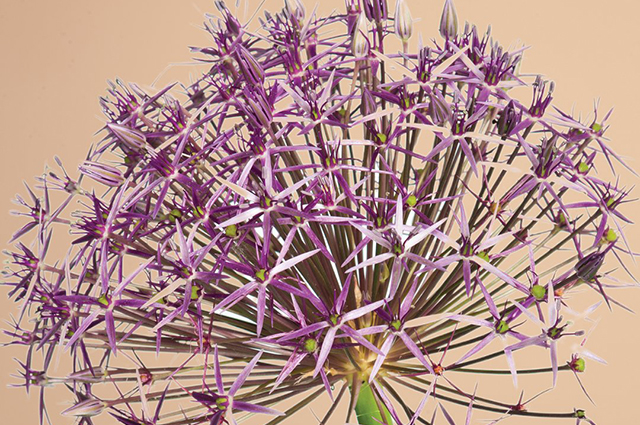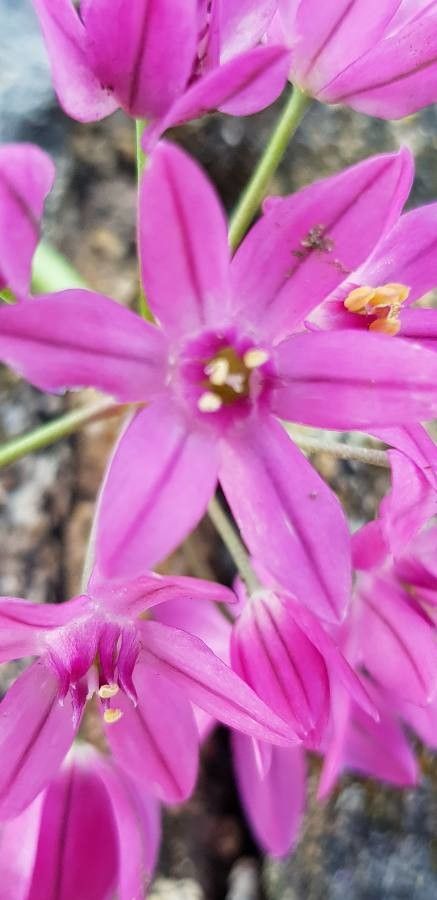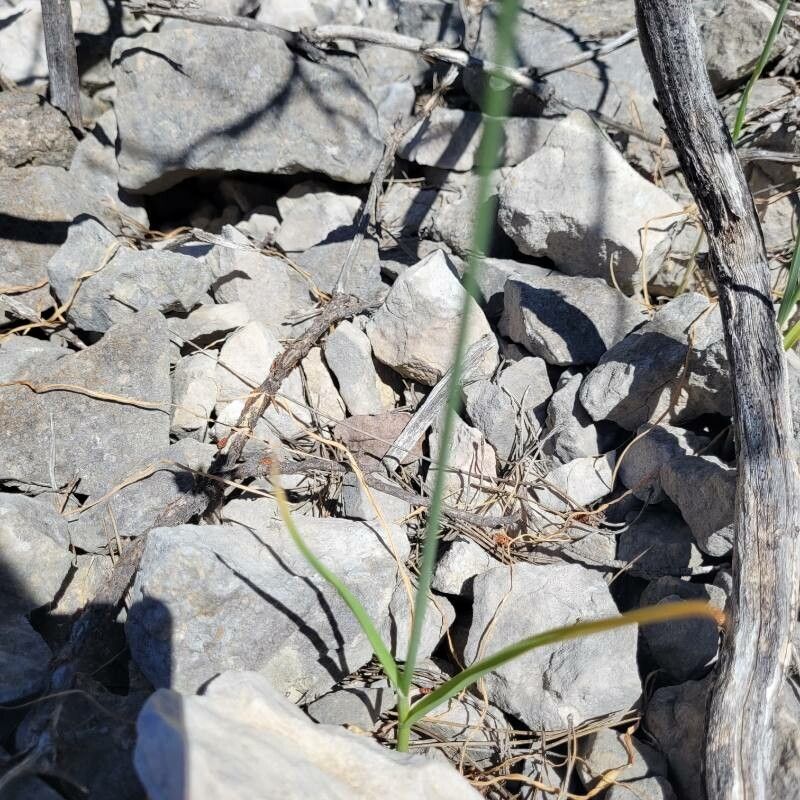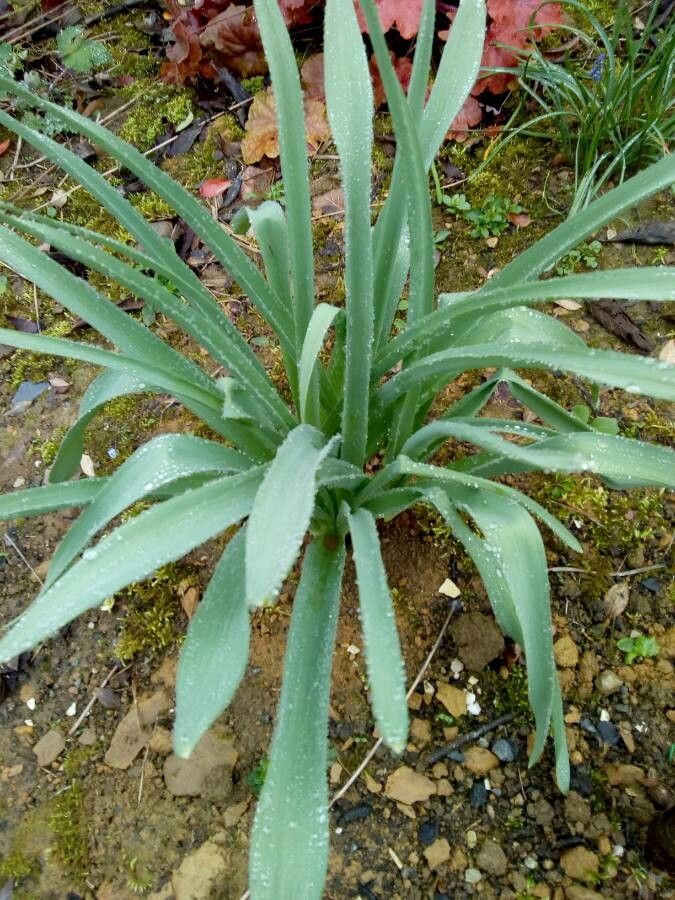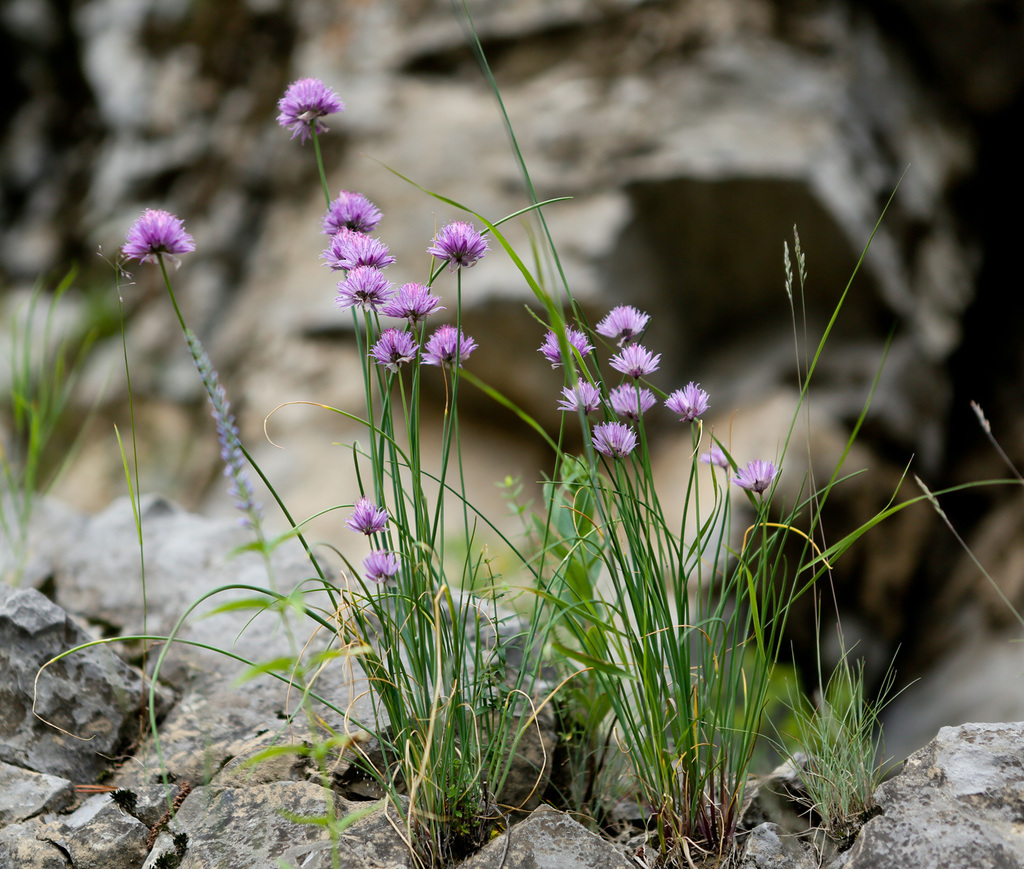
Allium schoenoprasum, commonly known as chives, is a perennial herb belonging to the onion family. Native to Europe, Asia, and North America, it is widely cultivated for culinary uses. The plant can grow up to 30 cm tall and features slender, green leaves that are hollow and tubular. These leaves have a mild onion flavor, making them an excellent addition to salads, soups, sauces, and various other dishes.
Chives are easy to grow in well-drained soil with full sun exposure or partial shade. They require regular watering but are drought-tolerant once established. In late spring or early summer, the plant produces small pink or purple flowers that attract bees and other pollinators.
Besides their culinary uses, chives also have several medicinal properties. They are rich in vitamins A and C, which help boost the immune system, and their anti-inflammatory properties make them effective against arthritis pain.
In conclusion, Allium schoenoprasum, or chives, is a versatile herb with numerous culinary and medicinal benefits, making it a valuable addition to any garden or kitchen.
Chives have moderate resistance to disease and can be prone to problems such as leaf spot. Their susceptibility to insect pests varies by variety, but most varieties are less resistant to pests. For care, chives require regular watering and fertilizing, and frequent removal of yellow leaves. It is important to treat pests and diseases when they appear and to harvest the plant promptly. Chives are appropriate for people who can invest some time and energy in routine care.
How to keep Allium Schoenoprasum.
Light
Chives grow best with plenty of sunlight but can tolerate moderate shade. Coming from open habitats, they adapt well to a range of light conditions. However, too much or too little light can stunt their growth and harm their health. Their sunlight needs remain consistent through all stages of growth.
Water
Chives thrive in moist environments and need consistent watering, preferring soil that stays evenly damp. Watering them weekly is ideal for their growth, especially during the active growing season. When cultivated outdoors, chives benefit from natural rainfall, which boosts their vitality.
Humidity
This plant will thrive in moderate humidity, which is probably the level in your home. However, misting it a few times a week can be very beneficial. Make sure the room has good ventilation.
Temperature
Chives do well in temperate climates and favor temperatures from 41 to 95 ℉ (5 to 35 ℃). They grow best when temperatures stay between 50 to 75 ℉ (10 to 24 ℃), and can tolerate light frosts. In summer, they benefit from partial shade or cooler conditions. In winter, adjusting the temperature to about 40 to 50 ℉ (4 to 10 ℃) is recommended to prevent dormancy.
Fertilizer
To maximize the yield and flavor of Chives, maintain sufficient nitrogen throughout the entire growth cycle, from pre-planting through harvest. Adequately watered and fertilized plants produce plentiful, healthy leaves and reduce bitterness. Before planting, enrich the soil with organic matter such as compost or manure, ideally 2 to 8 weeks beforehand.
Pruning
Prune chives from early to late spring to encourage healthy growth. Use sharp scissors to trim the leaves evenly from the base and to remove any dead foliage. Regular pruning prevents flowering, extends the harvesting period, and promotes vigorous growth. After pruning, make sure the chives are well-watered to support their recovery.
Pot & Repot
Repot Chives in early spring. Choose a pot that is wider than it is deep and has good drainage. Use a loamy, well-draining potting mix enriched with compost. Gently remove old soil from the bulb and plant it at a depth equal to the bulb’s height. Water thoroughly after repotting and place the pot in a sunny spot. Avoid overwatering to prevent bulb rot.
Botanical profile.
- Plant Type
- Herb
- Life Cycle
- Perennial
- Genus
- Allium
- Family
- Amaryllidaceae
- Hardiness Zone
- 5-9
- Mature Height
- 30 cm to 49 cm
- Mature Spread
- 30 cm to 61 cm
- Leaf Color
- Green
- Leaf Type
- Deciduous
- Flower Color
- Lavender, Pink
- Flower Size
- 1.02 cm to 2.03 cm
- Bloom Time
- Late spring, Early summer
- Planting Time
- Spring, Winter, Summer, Autumn
- Harvest Time
- Early summer, Mid summer
- Native Area
- Turkey, Sweden, India, Austria, Slovakia, Montenegro, Pakistan, Slovenia, Croatia, Belarus, Russia, Iraq, Germany, Cambodia, Estonia, Romania, Latvia, Portugal, Netherlands, France, Tajikistan, Czech Republic, Bulgaria, Armenia, Poland, Greece, Ukraine, Serbia, China, Lithuania, Norway, Kyrgyzstan, Kazakhstan, Italy, Spain, Switzerland, Denmark, Japan, Mongolia, Finland, Iran, Albania, Ireland, United Kingdom, Hungary, Azerbaijan
Other names.
Reader questions.
When Should I Water My Chives?
Knowing when to water your chives is essential for their growth and health. A good indication of when your chives need water is the dryness of the soil; if the top 1 to 2 inches of soil are dry, it's time to water. Additionally, take note of the leaves' condition. Wilting, lackluster appearance, or a change in color to pale or yellow can signal the need for water. Chives require more water during pre-flowering and in high temperatures or sunlight exposure. However, be cautious not to water too early or too late to avoid risks like root rot or dehydration, respectively. Proper watering ensures vibrant growth, disease resistance, and a longer lifespan for your chives.
Why should I use fertilizer on my Chives?
Chives, a plant grown for its edible leaves, has specific nutritional requirements different from other plants. While all plants need essential nutrients, important for their development, Chives rely heavily on nitrogen, one of the main nutrients. Nitrogen is crucial for foliage growth, which is why it can be challenging for Chives to obtain sufficient nitrogen from the soil to produce a satisfying harvest. Consequently, many gardeners choose to provide Chives with additional nitrogen through feeding to ensure optimal growth.
What are the sunlight requirements for chives?
Chives thrive best in full sun, requiring more than 6 hours of sunlight daily, but they can also tolerate partial sun, which means about 3-6 hours of sunlight. It's essential to monitor the movement of sunlight through your garden to ensure that the plants receive the right balance of light and shade, optimizing their growth and health.
What are the ideal growing conditions for chives?
Chives flourish in temperate climates, with optimal growth temperatures ranging from 50 to 75 \u2109 (10 to 24 \u2103). They can tolerate temperatures between 41 to 95 \u2109 (5 to 35 \u2103) and light frosts. During hot summers, they benefit from partial shade or cooler temperatures to maintain growth. In winter, adjusting the temperature to around 40 to 50 \u2109 (4 to 10 \u2103) helps prevent dormancy. It's crucial to keep the temperature above freezing to avoid plant damage, especially when outdoor temperatures approach -5\u00b0C (25\u00b0F), by bringing them indoors or providing protection with a temporary greenhouse or wrapping materials.
How Should I Water My Chives?
Chives thrive with deep watering that moistens the soil without waterlogging it. Overwatering or poor drainage can lead to root rot, so it's crucial to maintain a balance. A beneficial technique is bottom watering; place the pot in a tray of water, letting the plant absorb moisture from below. This helps keep the soil's moisture level consistent at the root zone. When watering, aim to wet the soil rather than the foliage to prevent mildew and rot. A watering can with a long, thin spout is ideal for precision. Checking the soil's moisture level before watering and ensuring good drainage helps avoid overwatering. Avoid watering during the day's heat to reduce evaporation. Consistency and careful monitoring are keys to effective chives watering.
When should I fertilize my chives for the best results?
To ensure optimal growth for your Chives, it is recommended to apply fertilizer at different stages throughout the growing season. The first application should be done while preparing the ground for planting, ideally 2 to 8 weeks before actually planting. During this step, make sure to thoroughly amend the soil with nutrient-rich organic material like compost or manure. Another opportunity to amend the soil arises at planting time. Repeat the same method of adding organic material to the soil during this step. Once your seedlings emerge and reach a height of approximately 2 inches, it is time for the next dose of fertilizer. To further support the growth of your Chives, regularly feed them with rich organic matter or a commercial fertilizer until you are ready to harvest. A good rule of thumb is to fertilize every two to three weeks. Additionally, consider adding a layer of compost or manure around the plants to continuously provide nutrients.
How can artificial lighting be used for chives?
Artificial lighting is crucial for chives, especially when natural sunlight is insufficient, such as during winter or in less sunny spaces. To ensure optimal growth under artificial lighting, select the right type of light, like LED, which can be customized for your plants' needs. Full sun plants need 30-50W/sq ft, partial sun need 20-30W/sq ft, and full shade need 10-20W/sq ft of artificial light. The light source should be 12-36 inches above the plant, mimicking natural sunlight, and plants generally require 8-12 hours of light per day.
How do chives react to low temperatures?
Chives have a moderate tolerance to low temperatures, thriving best when the temperature is kept above the minimum tolerable limit. Exposure to temperatures below this limit can cause the leaves to darken and, in severe cases, lead to water-soaked necrosis, wilting, drooping, and eventual browning of the leaves. To mitigate frost damage, it's advisable to trim away the frost-damaged parts and move the chives to a warmer environment indoors or create a makeshift greenhouse for cold protection. Placing them near a south-facing window can ensure they receive ample sunlight, and if natural light is insufficient, supplemental lighting can be used.
How Much Water Does Chives Really Need?
Chives, with their shallow roots, need a consistent moisture supply without being waterlogged. On average, they require 1-2 inches of water per week, though this depends on factors like pot size and weather conditions. To maintain optimal moisture, regular soil checks are necessary to adjust watering as needed. Signs of adequate hydration include healthy and vibrant green leaves. Conversely, overwatering or underwatering can present through yellowing leaves, wilting, or root rot. It's crucial to balance watering to promote healthy growth and avoid stress from both over and under-watering. Utilizing well-draining soil and pots with adequate drainage holes, along with monitoring moisture levels through manual checks or a moisture meter, can help in achieving this balance.
When is it not a good idea to put fertilizer on my Chives?
When using nitrogen-rich fertilizers, be cautious about applying them near other vegetable plants that prioritize fruiting rather than foliage. This is because the excess nitrogen may cause the vegetable plant to have an abundance of leaves but produce very few vegetables. To prevent damage to your chives, avoid letting any type of fertilizer come into contact with their leaves, as this can cause burning. It's best to apply the fertilizer a few inches away from the base of the plant. If your chives are experiencing issues such as disease, pests, or drought, it's important to address these problems before fertilizing. While fertilizer can benefit healthy plants, applying it to an unhealthy plant can actually cause further damage.
What are some common symptoms of light deficiency in chives?
When chives don't get enough light, especially indoors, they may show signs of light deficiency that could include smaller new leaves, leggy or sparse growth, early leaf drop, slower or no new growth, lighter-colored new leaves, chlorosis (leaves losing their green color), sunscald, leaf curling, wilting, and leaf scorching. These symptoms can indicate inadequate sunlight or overexposure and require immediate attention to prevent further damage.
How should chives be cared for in high temperatures?
During the summer, it's crucial to keep chives in conditions below their maximum tolerable temperature to avoid slowing growth and increasing susceptibility to sunburn. If the temperature exceeds this limit, the leaves may become lighter and the plant may suffer from sunburn. In such cases, sunburned and dried-up parts should be trimmed away, and the plant moved to a shaded location, especially away from the harsh afternoon sun. Watering the chives in the morning and evening can help keep the soil moist and support plant health in high temperatures.