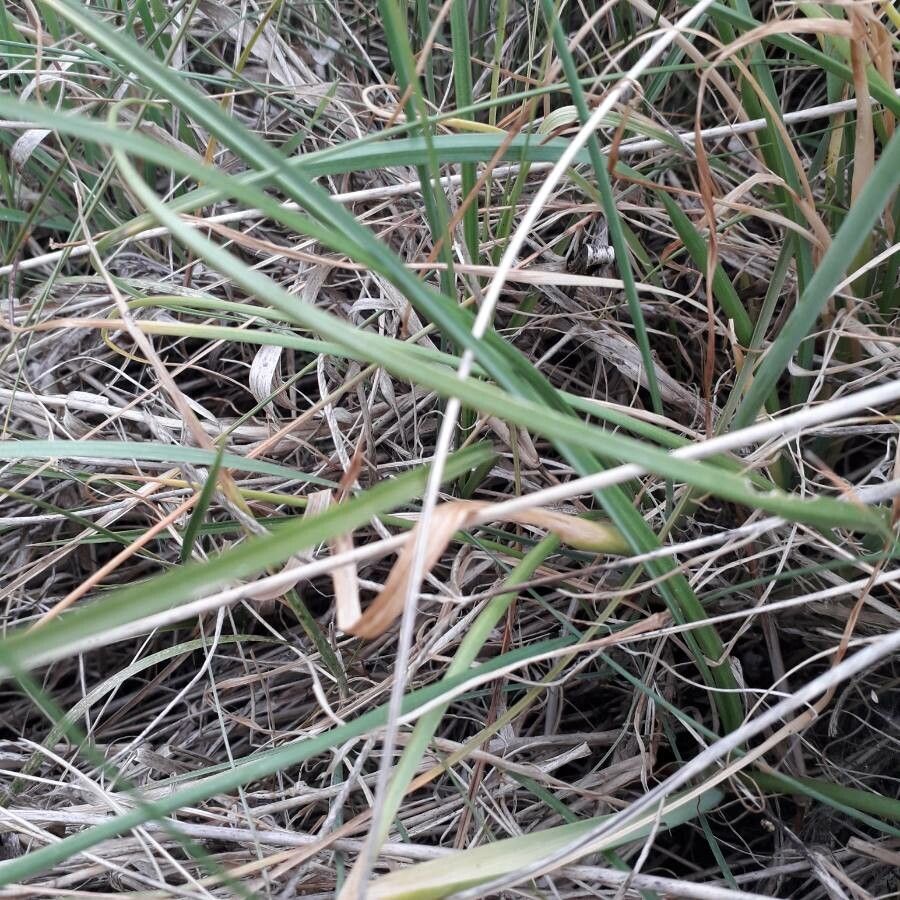
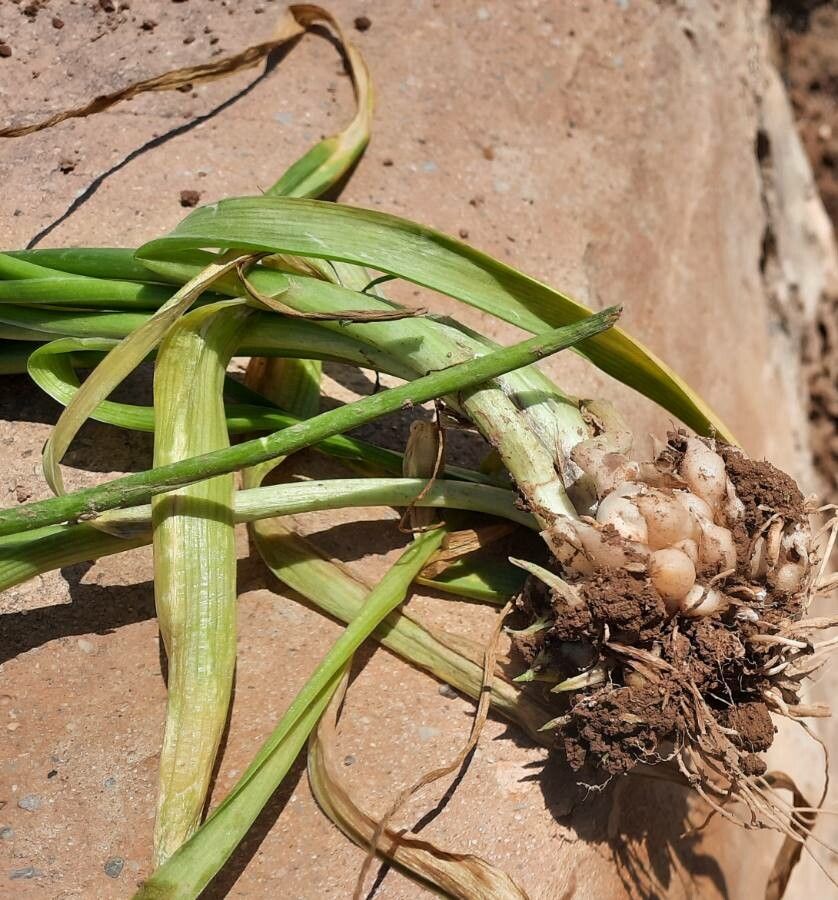
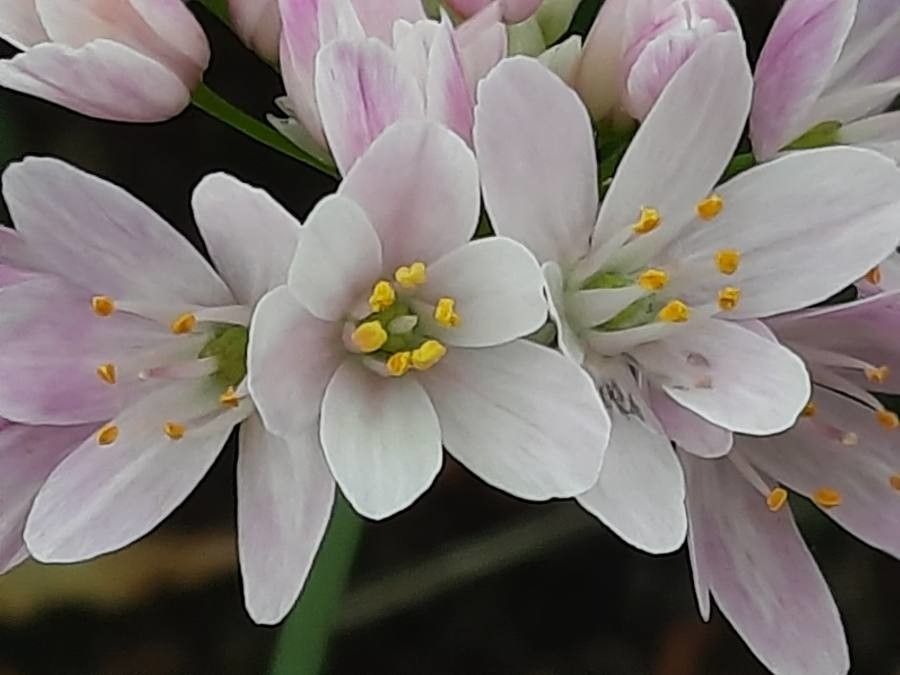
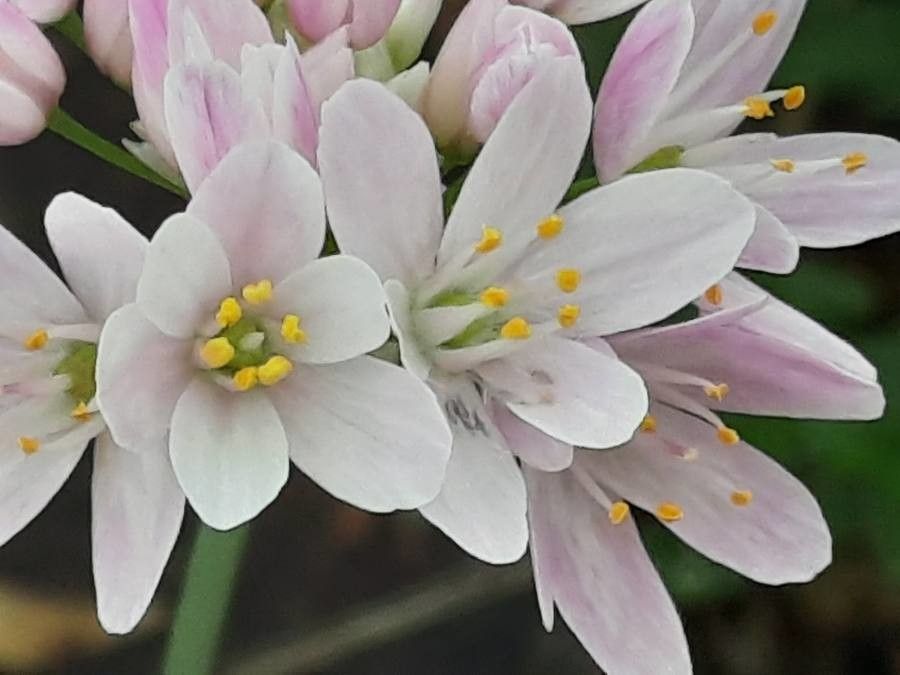
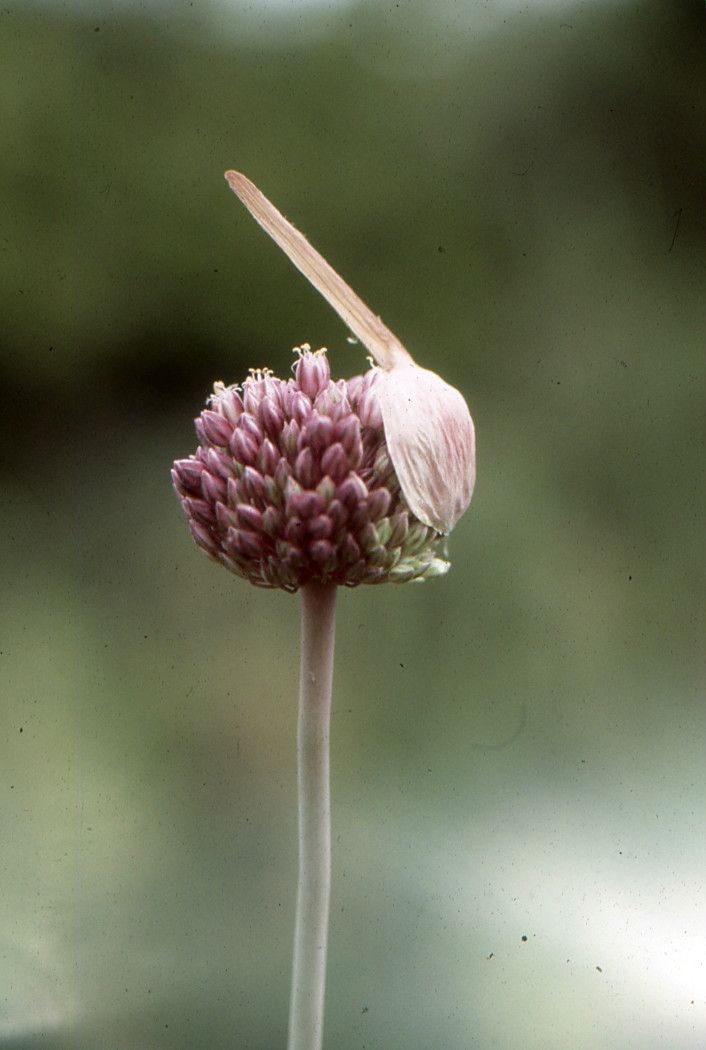
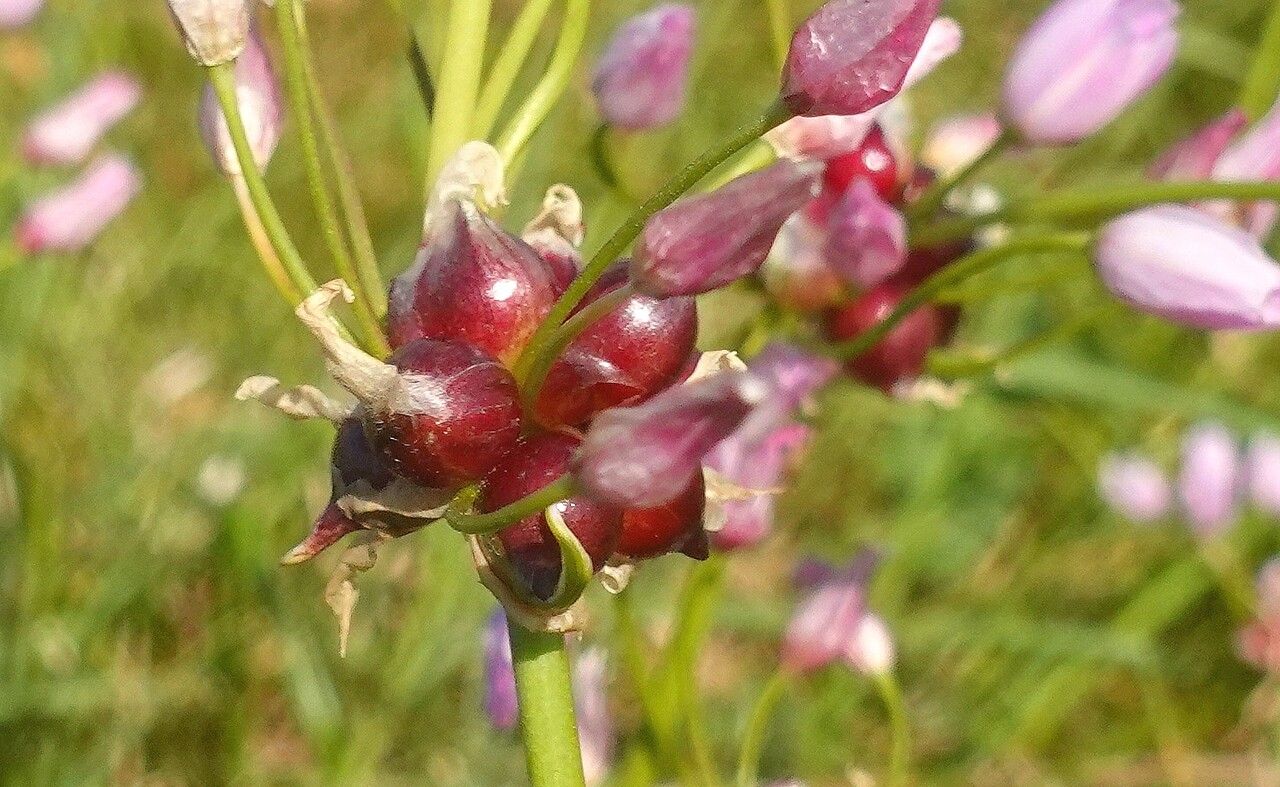
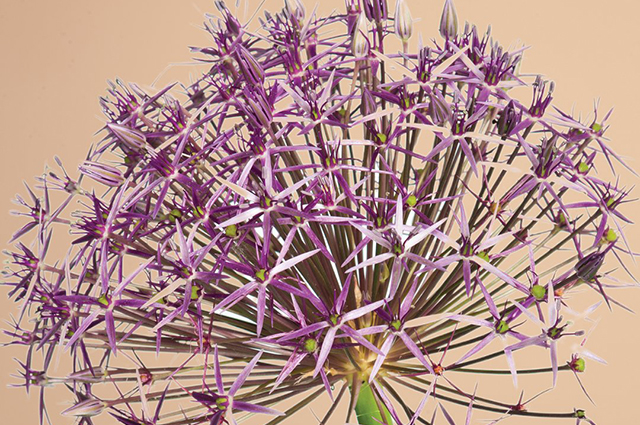
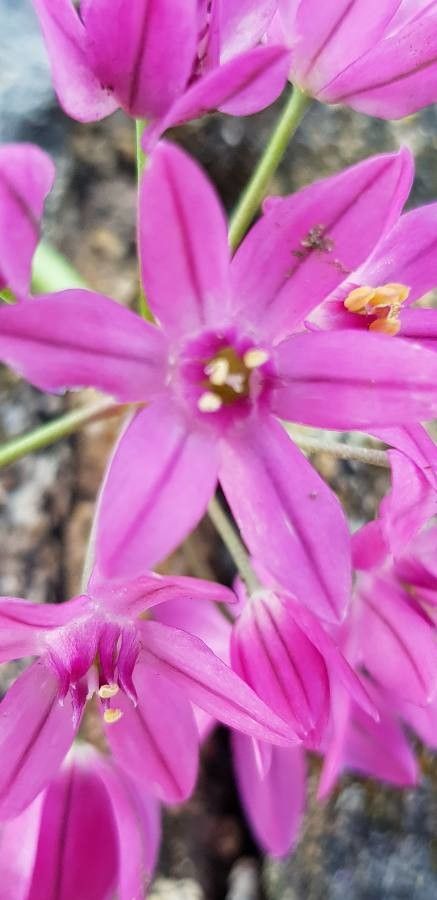
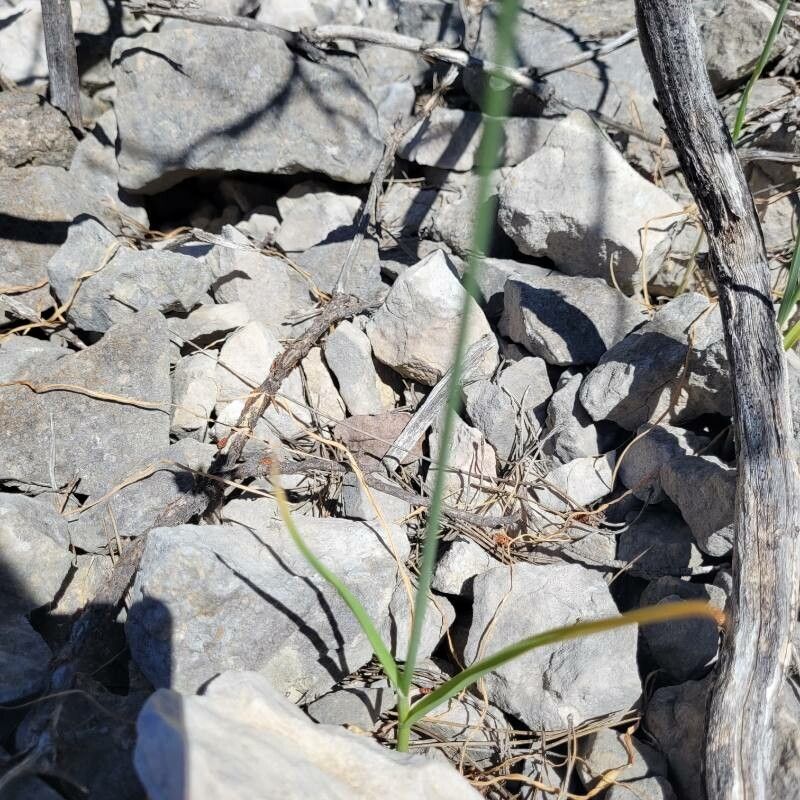
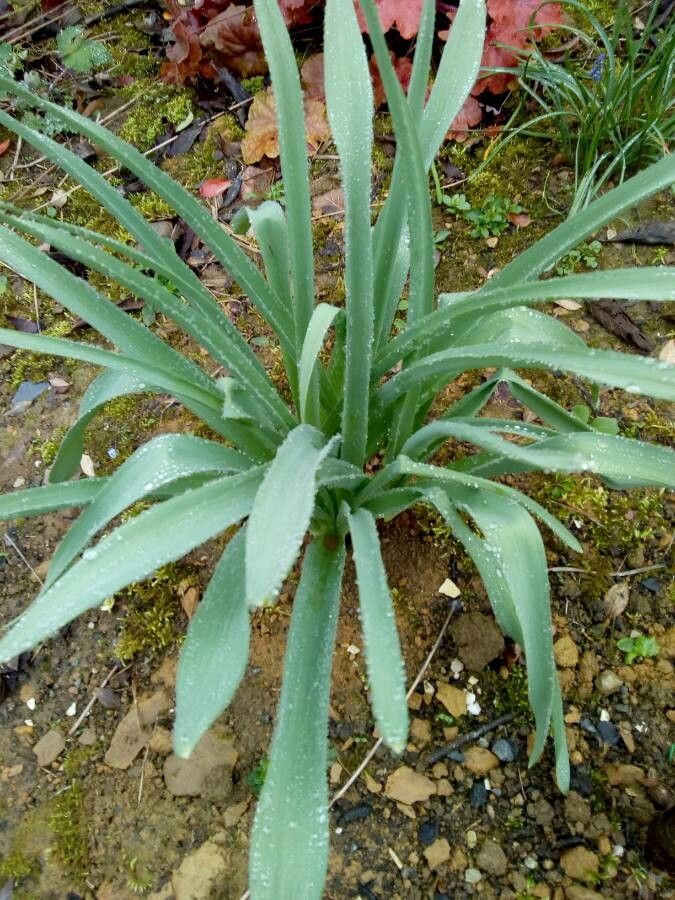
Allium roseum, commonly called rosy garlic, is an edible, Old World species of wild garlic. It is native to the Mediterranean region and nearby areas, with a natural range extending from Portugal and Morocco to Turkey and the Palestine region. It is cultivated widely, and has become naturalised in scattered locations in other regions outside its natural range.
Chives have moderate resistance to disease and can be prone to problems such as leaf spot. Their susceptibility to insect pests varies by variety, but most varieties are less resistant to pests. For care, chives require regular watering and fertilizing, and frequent removal of yellow leaves. It is important to treat pests and diseases when they appear and to harvest the plant promptly. Chives are appropriate for people who can invest some time and energy in routine care.
How to keep Allium Roseum.
Light
Chives grow best with plenty of sunlight but can tolerate moderate shade. Coming from open habitats, they adapt well to a range of light conditions. However, too much or too little light can stunt their growth and harm their health. Their sunlight needs remain consistent through all stages of growth.
Water
Rosy garlic flourishes in Mediterranean climates characterized by dry periods and seasonal rains. While it is drought-tolerant, it does need regular weekly watering during its growth phase. Thanks to its bulbous structure that efficiently stores water, rosy garlic is an excellent choice for low-water gardens and xeriscaping.
Temperature
Chives do well in temperate climates and favor temperatures from 41 to 95 ℉ (5 to 35 ℃). They grow best when temperatures stay between 50 to 75 ℉ (10 to 24 ℃), and can tolerate light frosts. In summer, they benefit from partial shade or cooler conditions. In winter, adjusting the temperature to about 40 to 50 ℉ (4 to 10 ℃) is recommended to prevent dormancy.
Fertilizer
To maximize the yield and flavor of Chives, maintain sufficient nitrogen throughout the entire growth cycle, from pre-planting through harvest. Adequately watered and fertilized plants produce plentiful, healthy leaves and reduce bitterness. Before planting, enrich the soil with organic matter such as compost or manure, ideally 2 to 8 weeks beforehand.
Pruning
Rosy garlic is known for its pink, bell-shaped flowers and slender leaves. To promote healthy growth, it's best to prune during early to late spring. During this time, remove spent stems and any dead foliage. Be careful not to cut green leaves too early, as they are important for nutrient retention. Proper pruning helps improve air circulation, prevents overcrowding, and encourages the plant to produce more flowers.
Pot & Repot
Repot Chives in early spring. Choose a pot that is wider than it is deep and has good drainage. Use a loamy, well-draining potting mix enriched with compost. Gently remove old soil from the bulb and plant it at a depth equal to the bulb’s height. Water thoroughly after repotting and place the pot in a sunny spot. Avoid overwatering to prevent bulb rot.
Botanical profile.
- Plant Type
- Herb
- Life Cycle
- Perennial
- Genus
- Allium
- Family
- Amaryllidaceae
- Hardiness Zone
- 5-9
- Mature Height
- 30 cm to 49 cm
- Mature Spread
- 30 cm to 61 cm
- Leaf Color
- Green
- Leaf Type
- Deciduous
- Flower Color
- Lavender, Pink
- Flower Size
- 1.02 cm to 2.03 cm
- Bloom Time
- Late spring, Early summer
- Planting Time
- Spring, Winter, Summer, Autumn
- Harvest Time
- Early summer, Mid summer
- Native Area
- Turkey, Sweden, India, Austria, Slovakia, Montenegro, Pakistan, Slovenia, Croatia, Belarus, Russia, Iraq, Germany, Cambodia, Estonia, Romania, Latvia, Portugal, Netherlands, France, Tajikistan, Czech Republic, Bulgaria, Armenia, Poland, Greece, Ukraine, Serbia, China, Lithuania, Norway, Kyrgyzstan, Kazakhstan, Italy, Spain, Switzerland, Denmark, Japan, Mongolia, Finland, Iran, Albania, Ireland, United Kingdom, Hungary, Azerbaijan
Other names.
Reader questions.
How should I water my Rosy garlic to make it grow better?
When watering the Rosy garlic, it is recommended to use filtered water at room temperature. Tap water can contain harmful particles, so filtered water is better for the plant's health. The water should be warm because the Rosy garlic is adapted to a warm environment, and cold water can be a shock to its system. It is also advised to avoid overhead watering, as it can cause issues with the foliage. Instead, simply apply the filtered room temperature water directly to the soil until it is fully soaked. This helps moisten the roots and aids in their spread through the soil to collect necessary nutrients.
Why is it necessary to add fertilizer to my Rosy garlic?
Fertilization is important for the growth of Rosy garlic and other plants because it provides essential nutrients that promote healthy growth above and below the ground. Although Rosy garlic requires relatively low levels of fertilization, annual fertilization can greatly benefit the plant. It helps to keep the plant alive and can also enhance the quality and lifespan of its flowers. Therefore, for those wishing to enhance the appearance of their Rosy garlic, it is advisable to maintain regular annual fertilization.
What are the sunlight requirements for Rosy garlic?
Rosy garlic requires full sun, meaning it needs more than 6 hours of sunlight daily, though it can also thrive under partial sun, which is about 3-6 hours of sunlight. This preference comes from its origin habitat which is exposed to abundant sunlight. When choosing a location for your Rosy garlic, observe how sunlight moves through your garden throughout the day to ensure spots provide the perfect balance for your plant's needs. However, it's important to note that the health of the plant might suffer under conditions of extremely low or excessive solar exposure.
What is Rosy Garlic and where does it thrive?
Rosy garlic, botanically known as Allium roseum, is a plant that thrives in climates with temperatures ranging between 68 to 95 °F (20 to 35 °C). It prefers warmer conditions for optimal growth, indicating the importance of temperature regulation across different seasons for its cultivation.
What should I do if I give my Rosy garlic too much water or too little?
Overwatering and underwatering are both harmful to the health of your Rosy garlic, but overwatering is more common. If your plant receives too much water, the stems and leaves may wilt and turn yellow. Overwatering for an extended period can also cause diseases like root rot, mold, and mildew, which can be fatal for your plant. Underwatering is less common because Rosy garlic has good drought tolerance. However, it can still happen, and you'll notice brittle, brown leaves. It's important to spot the signs of overwatering early on. Some diseases, like root rot, cannot be fixed if you wait too long. If you see signs of overwatering, reduce your watering immediately and check the soil. If it drains poorly, replace it with a loose, well-draining potting mix. If your Rosy garlic is not getting enough water, simply water it more regularly until the signs improve.
When should I fertilize my Rosy garlic?
The best time to fertilize a Rosy garlic is in late winter to early spring when it is coming out of dormancy and starting to grow actively. This promotes healthy growth and sets the plant up for a successful season. While early spring is generally the most beneficial time to fertilize, it is also acceptable to fertilize in the fall. However, it is not recommended to fertilize in the summer or winter.
How can artificial lighting benefit indoor plants like Rosy garlic?
Indoor Rosy garlic plants require adequate lighting for optimal growth, especially when natural sunlight is insufficient. Artificial lights, such as LED lights, offer a vital solution by providing specific wavelengths needed for the plants' growth. Full sun plants need 30-50W/sq ft, partial sun plants 20-30W/sq ft, and full shade plants 10-20W/sq ft of artificial light. The light source should be placed 12-36 inches above the plant to mimic natural sunlight, ensuring the plant receives 8-12 hours of light per day to promote faster, healthier growth.
Does Rosy garlic require special protection during winter?
Rosy garlic has strong cold resistance and typically doesn't require special frost protection measures during winter. However, if winter temperatures are expected to drop below -25°C, it's important to offer some form of cold protection, such as covering the plant with soil or straw. To prepare for winter, watering the plant abundantly before the first freeze in autumn helps ensure the soil remains moist and enters a frozen state, which helps prevent drought and water scarcity for the plant during winter and early spring.
How often should I give water to my Rosy garlic?
If your Rosy garlic is in a pot, the best way to check if it needs water is to stick your finger in the soil. If the top two to three inches are dry, then it's time to water it. If you have Rosy garlic planted outside, you can use the same method to test the soil. Once the top few inches have dried out, it's time to water. Typically, during spring and early fall, you'll need to water once a week. However, in extremely hot weather, you may need to water twice or more per week. It's worth noting that mature, well-established Rosy garlic can handle drought well.
When is the best time to not fertilize my Rosy garlic?
To properly fertilize your Rosy garlic, it is important to remember that late winter and early spring are the ideal times for feeding. This plant has low fertilization needs, therefore, only one annual feeding is necessary. It is crucial not to continue fertilizing throughout spring, summer, and fall, as this can lead to overfertilization and complications. However, if you missed fertilizing in spring, it is acceptable to feed the plant in fall. Additionally, there is no need to fertilize during the winter, as the Rosy garlic is in a dormant growth phase and does not produce new growth during this time.
What are the symptoms of insufficient sunlight for Rosy garlic?
When Rosy garlic does not receive enough sunlight, it may show several symptoms: smaller new leaves, leggy or sparse growth, faster leaf drop, slower or no new growth, lighter-colored new leaves indicating a lack of chlorophyll, chlorosis (leaves turning yellow), sunscald on leaves or stems, leaf curling as a defense mechanism against extreme sunlight, wilting from excessive water loss, and leaf scorching appearing as brown, dry, and crispy leaf edges. These symptoms indicate the need for more sunlight or better growing conditions.
How does low temperature affect Rosy garlic and what solutions are available?
Rosy garlic is cold-tolerant, ideally thriving above 20°C and should remain above 0°C during winter. Exposure to temperatures below -25°C may not show noticeable changes during winter but can lead to a decrease in sprouting or even no sprouting in spring. The suggested solution for such conditions is to remove any parts of the plant that have failed to sprout in the spring.